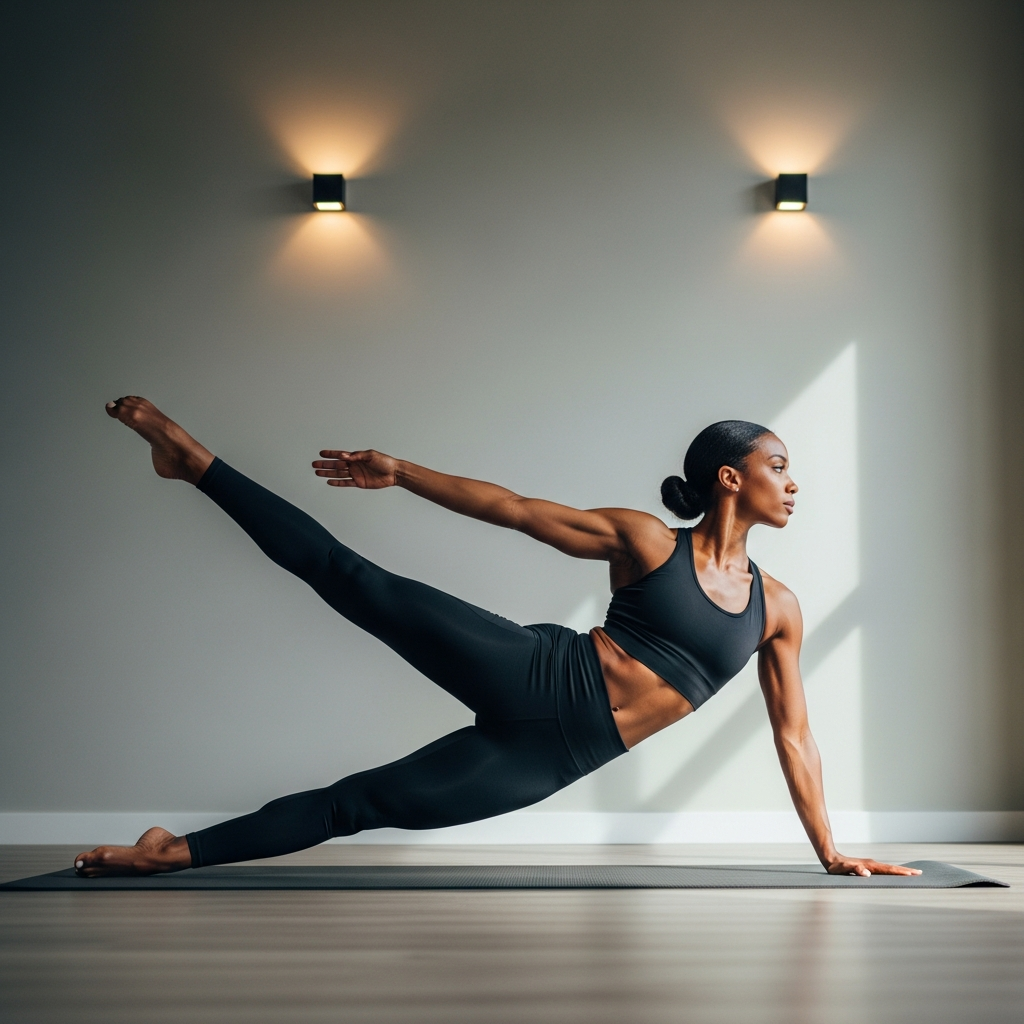
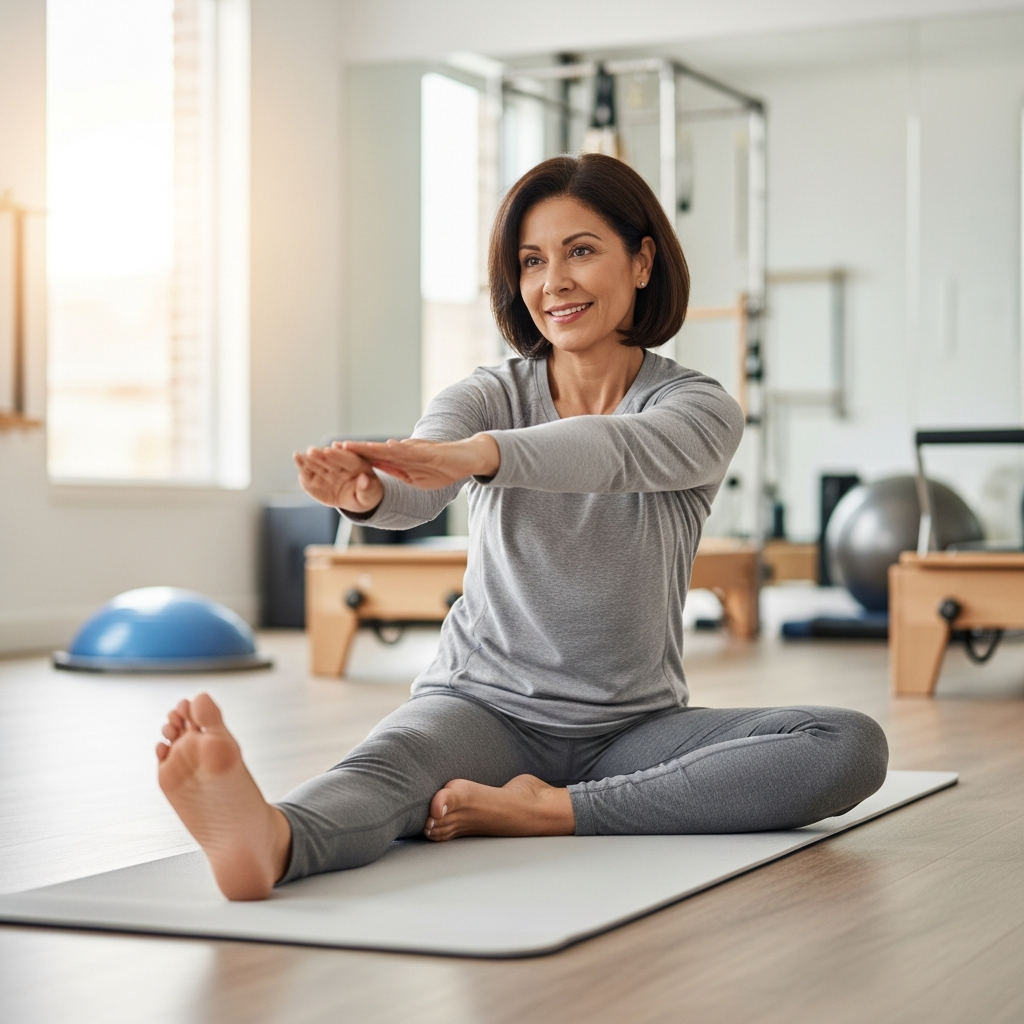
How a Pilates Studio Supports Mobility and Recovery in Irving
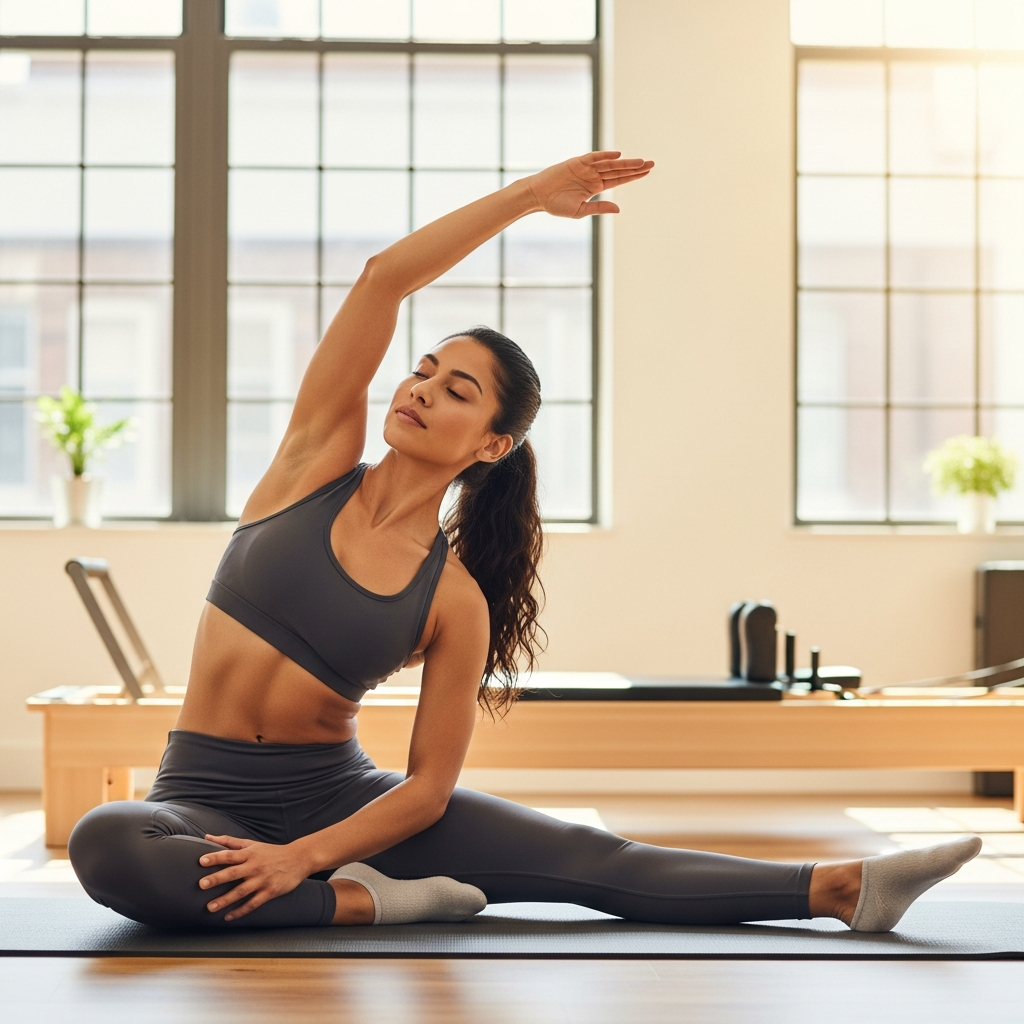
Picture this: you wake up one morning, swing your legs over the side of the bed, and something in your lower back just… protests. Not a sharp, dramatic injury – just that dull, stubborn stiffness that makes you move like you’re auditioning for a robot movie. Maybe it’s your hips that have started complaining after long days at your desk. Maybe your shoulders have gotten so tight that reaching for something on a high shelf feels like a minor negotiation. Sound familiar?
If you’re nodding right now, you’re in very good company.
Here in Irving, a lot of us are living in bodies that are doing their absolute best while quietly running on empty. We’re commuting, sitting for hours, picking up kids, squeezing in workouts when we can, and then wondering why everything feels so… locked up. The aches aren’t always dramatic enough to send you to urgent care, but they’re persistent enough to chip away at your quality of life – and honestly? That matters more than most of us are willing to admit.
Why Mobility Is the Thing Everyone’s Ignoring
We talk a lot about fitness. Strength, cardio, weight loss – those are the big, flashy goals. But mobility? That tends to get shuffled to the back of the line. Maybe you’ll stretch “when you have time.” Maybe you’ll work on it eventually.
The problem is, mobility is the foundation everything else is built on. It’s the difference between moving through your day feeling fluid and capable, versus feeling like your body is working against you. And when mobility suffers – which it absolutely does when we’re sedentary, stressed, and not moving with intention – recovery from anything takes longer. Workouts leave you sorer. Old injuries flare back up. Even just *existing* starts to feel more effortful than it should.
This is exactly where Pilates comes in. Not the intimidating, pretzel-bending version you might be picturing. The real, practical, deeply therapeutic kind that’s quietly been changing lives for decades.
What a Pilates Studio in Irving Can Actually Do For You
Here’s what’s interesting about Pilates – and why it’s genuinely different from just stretching or going to a regular gym. It’s specifically designed to address the relationship between strength and flexibility at the same time. You’re not just loosening tight muscles, you’re teaching your body how to move better, more efficiently, with actual control. That’s a distinction that makes a huge difference, especially if you’re recovering from something – an injury, a surgery, a long period of inactivity – or if you’re dealing with chronic tightness that foam rolling just isn’t fixing.
A good Pilates studio isn’t a one-size-fits-all situation either. The work gets tailored to *your* body, your restrictions, your history. That’s not just a nice-sounding selling point – it’s actually what makes it effective for people at wildly different stages of their health and fitness. Whether you’re a weekend runner dealing with IT band issues or someone who’s just starting to prioritize movement for the first time in years, the approach adjusts.
Actually, that reminds me of something worth mentioning upfront: Pilates has incredibly strong roots in rehabilitation. Joseph Pilates originally developed this method to help people recover from illness and injury. So when a studio focuses on mobility and recovery, they’re not bending the concept – they’re going back to its origins.
What You’ll Get From Reading This
In the pages ahead, we’re going to get into the real, practical details of how a Pilates studio in Irving supports both mobility and recovery – not in a vague, hand-wavy way, but specifically. We’ll talk about the kinds of conditions and concerns that respond really well to this type of work, what to expect when you walk through the door for the first time, how it fits alongside other medical weight loss and wellness strategies, and why the right studio environment makes all the difference.
Whether you’re trying to recover smarter, move without that background hum of discomfort, or simply feel more at home in your own body… there’s something genuinely useful here for you.
Let’s get into it.
What Pilates Actually Does to Your Body (It’s Not What Most People Think)
Here’s where a lot of people get tripped up. When they hear “Pilates,” they picture a brightly lit studio full of people doing graceful leg lifts while looking effortlessly serene. And sure, that’s… part of it. But what’s actually happening underneath all that controlled movement is something way more interesting – and way more relevant to how your body heals and moves through daily life.
Pilates is fundamentally about neuromuscular re-education. Which sounds intimidating, so let’s unpack that. Your nervous system and your muscles are constantly in conversation. When that communication gets disrupted – through injury, surgery, long stretches of sitting at a desk, or just the general wear of getting older – your movement patterns start to compensate. You hike your shoulder up without realizing it. You favor one hip. Your lower back takes on work it was never supposed to do. These compensations feel normal because you’ve been doing them for years. That’s actually the tricky part.
Pilates – especially when guided by a trained instructor – essentially interrupts those faulty conversations and starts new ones.
The Role of Deep Stabilizing Muscles
Most people know about their “core” in a very surface-level way. Abs. Crunches. Maybe a plank or two. But the core your Pilates instructor cares about runs much deeper than the muscles you see in the mirror. We’re talking about the transversus abdominis, the multifidus, the pelvic floor – muscles that work almost like an internal corset, stabilizing your spine and pelvis before your limbs even start to move.
Think of it this way. Before a skyscraper goes up, the foundation has to be rock solid. If it isn’t, the whole structure shifts and cracks start appearing in unexpected places – often nowhere near the original problem. Your body works the same way. Knee pain, hip tightness, even neck tension? Sometimes the actual culprit is a completely different part of the chain that lost its stability somewhere along the way.
Pilates rebuilds that foundation. Slowly, deliberately, and in a way that actually transfers to how you move outside the studio.
Mobility vs. Flexibility – Yes, There’s a Difference
This confuses almost everyone at first, and honestly? The distinction is a little counterintuitive. Flexibility is passive – it’s how far a muscle can stretch when an external force (like a strap or a therapist’s hands) is applied. Mobility is active – it’s the range of motion you can actually control on your own.
You can be surprisingly flexible and still have terrible mobility. A lot of hypermobile people actually struggle with this. Their joints move through a huge range, but they don’t have the muscular strength or control to use that range safely. That’s when injuries happen – not from being too tight, but from having too much slack in the system with nothing to support it.
Pilates targets mobility specifically. It’s not about forcing your body into positions. It’s about training your muscles to actively support movement through a full, healthy range – which is exactly what recovery and long-term joint health actually require.
Why Recovery Fits So Naturally Here
After an injury or surgery, the standard advice is often “rest.” And rest is important – don’t get us wrong. But complete stillness has its own costs. Muscles atrophy. Connective tissue stiffens. Movement patterns get even more distorted as the body protects the injured area with compensations that outlast the original problem by months or even years.
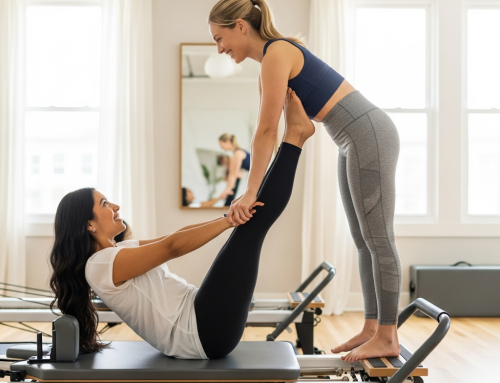
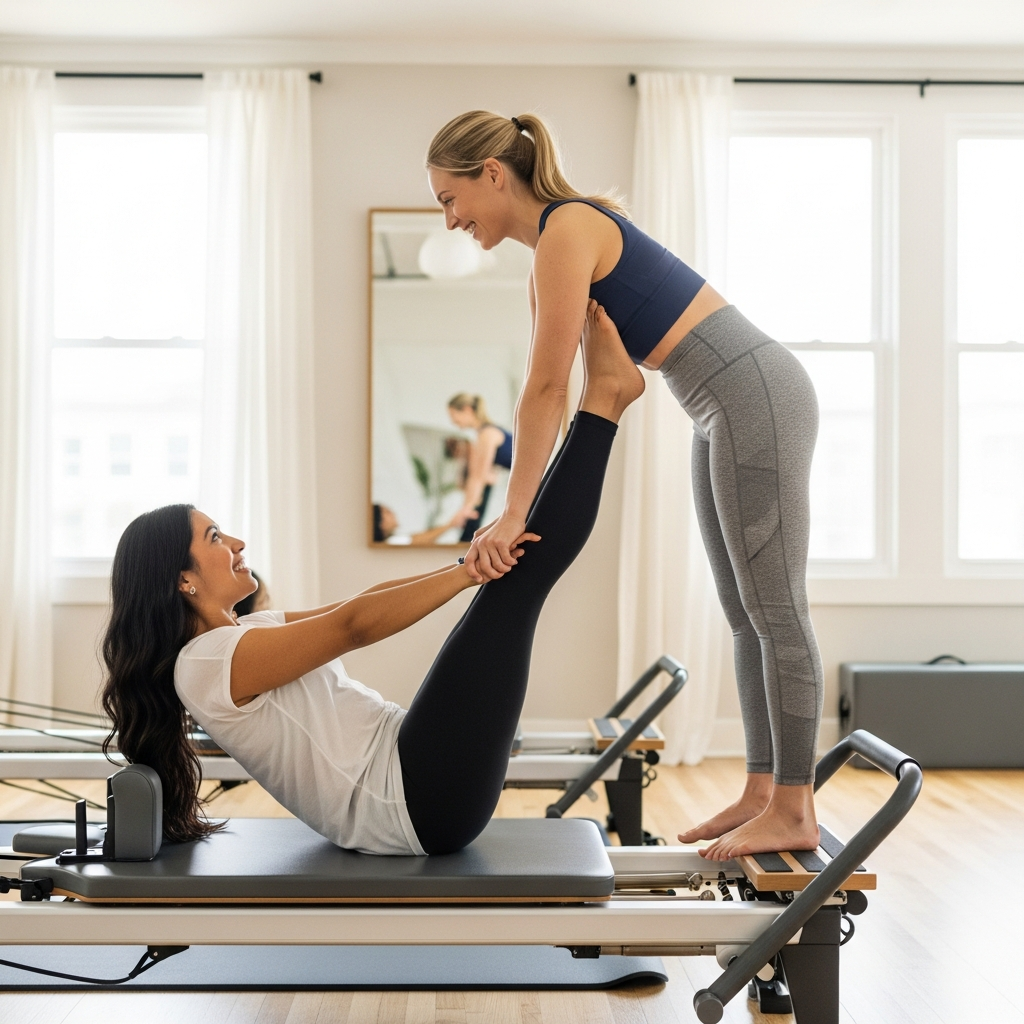
This is where Pilates carves out a really specific niche. The work can be modified almost infinitely. Someone recovering from a knee replacement and someone training for a half marathon can work in the same room using the same equipment – at completely different intensities and with completely different goals. The reformer, which is that sliding bed-like apparatus you’ve probably seen, allows for spring-assisted movement that reduces load while still engaging the muscles in a meaningful way. It’s rehabilitation-adjacent, without being a clinical setting.
Actually, that’s part of why so many physical therapists in the Irving area recommend Pilates as a bridge – something to step into after formal rehab ends, when the patient is cleared to move but still rebuilding confidence and capacity.
That transition period matters more than most people realize.
What to Actually Look for When Choosing a Studio
Not all Pilates studios are created equal – especially when you’re dealing with a real recovery situation or genuine mobility limitations. The shiny equipment and mood lighting don’t tell you much. Here’s what actually matters.
First, ask whether their instructors have rehabilitation or corrective exercise backgrounds. A general Pilates certification is great, but if you’re recovering from a hip replacement or managing chronic back pain, you want someone who’s worked with bodies that are *complicated*. Don’t be shy about asking this directly. A good studio won’t flinch at the question.
Also ask whether they do any kind of initial movement assessment. This is a big one. A studio that just hands you a waiver and points you to a reformer? Probably not where you want to be right now. You want someone who watches how you walk, how you sit down, where you compensate. That assessment tells an experienced instructor everything about where to start – and more importantly, where *not* to push you.
How to Use Your First Few Sessions Strategically
Here’s something most people don’t realize: your first three or four sessions aren’t really about fitness. They’re about communication. You’re essentially teaching the instructor how your body works, and they’re figuring out what your nervous system will and won’t tolerate right now.
So go in with notes. Sounds a little type-A, I know, but hear me out. Write down your specific limitations – maybe your left knee won’t fully extend, or you lose feeling in your fingers if your neck is in certain positions. Bring that list. Instructors genuinely appreciate it, and it saves a lot of trial-and-error that can honestly set you back if something gets aggravated unnecessarily.
Also, don’t try to perform. This is the trap almost everyone falls into – you feel like you should be doing more because the person next to you is moving beautifully on the reformer. Ignore them completely. Your job in those early sessions is to notice, not to push.
Pairing Pilates with Your Existing Recovery Plan
If you’re already working with a physical therapist, orthopedic specialist, or – if you’re with us – a medical weight loss provider, Pilates works best as a *complement*, not a replacement. Actually, some of the best outcomes we’ve seen come from people who share their Pilates session notes with their other providers. It creates this really useful feedback loop.
Ask your Pilates instructor if they’re open to communicating with your other care team. Many are – especially the rehabilitation-focused ones. If a studio seems territorial about that (“just trust us, you don’t need to coordinate anything”), that’s worth paying attention to.
For weight loss specifically, the mobility improvements you gain from consistent Pilates sessions can quietly unlock a lot. When your hips move better and your core actually activates properly, you suddenly find that walking doesn’t hurt, that you’re standing instead of sitting, that daily movement just… happens more. That’s not nothing. That’s often the difference between stagnating and making real progress.
The Irving-Specific Advantage You Should Use
Irving has a genuinely strong network of wellness providers – more connected than you might expect for a city this size. Several Pilates studios here have existing relationships with local physical therapists, chiropractors, and medical clinics. That means referrals flow both directions, and you can often get a warm handoff rather than starting from scratch every time you see someone new.
Ask at the front desk whether they have local referral partners. Studios that are plugged into the broader community tend to have instructors who think more holistically about their clients.
Also worth knowing – many Irving studios offer small group reformer sessions that cost significantly less than private instruction but still give you that individualized attention that group fitness classes can’t. If budget is a concern (and when isn’t it, honestly), this is the sweet spot to look for.
A Simple Schedule That Actually Works
Start with two sessions per week for the first month. Not three, not one. Two gives your nervous system enough stimulus to adapt without overdoing it when your body is still figuring things out. After four to six weeks, you’ll have a much clearer sense of whether you need more frequency, different apparatus, or a change in focus. That’s your real starting point – not day one.
When It Feels Like Your Body Isn’t Cooperating
Here’s something nobody tells you when you first walk into a Pilates studio: the first few sessions can feel genuinely humbling. You’re lying on a reformer, trying to engage your “deep core stabilizers” – whatever that means – while your hip flexors are screaming and your brain is sending signals that roughly translate to *what are we doing here?*
That’s not failure. That’s just where most people start.
The disconnect between what your brain thinks your body is doing and what your body is *actually* doing – that gap is real, and it can be frustrating. You’ll think you’re keeping your pelvis neutral and your instructor will gently (but firmly) correct you for the third time. This is normal. It’s actually a sign your nervous system is waking up, learning new movement patterns after years of compensation and habit.
Give it four to six sessions before you judge anything.
“I’m Too Stiff to Do This”
This one comes up constantly. Someone who’s been dealing with chronic tightness – maybe a desk job, maybe an old injury, maybe just decades of life – looks at Pilates and thinks it’s for flexible people. People who already move well.
It’s honestly the opposite. Pilates was literally developed as a rehabilitation method. Joseph Pilates worked with injured dancers and hospital patients, not with elite athletes who already had perfect mobility. The whole system was built around *meeting bodies where they are.*
That said, genuine stiffness does create real obstacles. If your hamstrings are extremely tight, certain positions will be uncomfortable in a way that makes it hard to focus on the actual work. If you’ve got significant joint issues in your hips or knees, some classical exercises just won’t work for you right now.
The solution here is honest communication with your instructor before class – not during, when they’re managing six other people. Tell them specifically what’s limited, what hurts, what you’re working around. A good instructor will modify, not just watch you struggle. If they’re not modifying for you? That’s a conversation worth having.
The Consistency Problem
Actually, this is probably the biggest one. Not pain, not difficulty, not even cost. It’s just… showing up regularly enough for the work to matter.
Pilates is cumulative in a way that other exercise sometimes isn’t. You’re retraining movement patterns, rebuilding neuromuscular connections, asking your body to learn new habits. Missing two weeks doesn’t just mean losing some cardio fitness – it means those patterns you were building start to blur. You come back and feel like you’re starting over, which is discouraging enough that some people *do* start over, again and again, without ever building real momentum.
What actually helps is treating your Pilates appointments the way you’d treat a doctor’s appointment. You don’t cancel your cardiologist because you’re a little tired. Block the time, pay in advance if that creates accountability for you, and aim for consistency over intensity – twice a week, every week, beats four times a week for three weeks followed by nothing.
When Progress Feels Invisible
Recovery and mobility work is sneaky. You don’t have dramatic sweat-soaked moments that feel like proof of progress. You’re not lifting heavier weights or running faster times. The wins are things like… you stood up from your car without bracing yourself. You slept through the night without that familiar hip ache. You reached for something on a high shelf and it just… didn’t hurt.
These wins are easy to miss, which can make you feel like nothing is changing when actually a lot is changing.
Try keeping a simple note on your phone – nothing elaborate – just a quick check-in after each session. How did that feel? What moved more easily? What’s still stuck? Over six to eight weeks, you’ll start to see a pattern that’s genuinely encouraging.
Finding the Right Class Level
One underrated challenge in Irving’s growing Pilates scene is simply ending up in the wrong class. Too advanced and you’ll spend the hour confused and compensating, which can actually reinforce bad movement patterns. Too basic and you’ll plateau quickly.
Don’t be embarrassed to ask for a recommendation. Most studios – if they’re worth your time – will do some kind of intake assessment. If yours doesn’t, ask for one anyway. A ten-minute conversation about where you are and what you’re working toward can save you months of frustration.
What to Expect in the First Few Weeks
Let’s be honest with each other for a second – because you deserve that. Pilates is not a magic fix. You’re not going to walk out of your first session with a brand-new spine and the flexibility of a 22-year-old gymnast. What you *will* likely notice is something subtler but genuinely meaningful: a kind of body awareness you maybe haven’t felt in a while. A sense that you actually showed up for yourself today.
The first two or three sessions are mostly about learning. Learning the breathing patterns, learning how to engage your core without holding your breath, learning that “neutral spine” is a real thing and not just something instructors say to sound fancy. It can feel a little awkward at first, honestly. That’s completely normal.
Most people start noticing meaningful changes somewhere around the four to six week mark – assuming they’re coming in consistently, which we’ll get to in a moment. Reduced stiffness in the morning. Less discomfort after sitting at a desk all day. Moving through your day without that nagging lower back tension that’s been your constant companion for years. Small things that add up.
Consistency Matters More Than Intensity
Here’s the thing nobody really wants to hear: one class a week is better than nothing, but it’s probably not going to move the needle much. Two to three sessions per week is where most people start seeing real progress in mobility and recovery. Not because we’re trying to sell you more classes – it’s just how the body works. Muscles and connective tissue need repeated, thoughtful stimulus to change.
Think of it like watering a plant. Water it once and wonder why it’s not thriving. Water it consistently? Different story.
That said – life happens. You’ll miss sessions. Work gets crazy, kids get sick, Irving traffic is a whole thing on certain evenings. Don’t let a missed week spiral into guilt and then avoidance. Just come back. Your instructor isn’t keeping score.
Recovery Takes Longer Than You Think (And That’s Okay)
If you’re coming in specifically for recovery – whether that’s post-physical therapy, managing a chronic condition, or bouncing back from an injury – please be patient with your timeline. Recovery isn’t linear. You’ll have good weeks and frustrating ones. You might feel like you’ve plateaued right before a breakthrough. That’s genuinely how it tends to go.
For post-surgical or injury-related recovery especially, a realistic window is often three to six months before you’re feeling significantly different. Some people get there faster. Some take longer. Bodies are weird and individual and don’t read the research papers about themselves.
What you *can* expect throughout that process is better communication with your own body. You’ll start noticing what aggravates things versus what helps. That information is valuable – actually, it’s one of the most underrated benefits of this kind of work.
How to Get the Most Out of Your Sessions
A few practical things worth knowing before you start
Tell your instructor everything. That old ankle injury from 2015, the shoulder thing that flares up when it rains, the fact that you’re three weeks post-partum or managing osteoporosis. All of it matters. A good Pilates instructor will modify exercises to work *with* your body, not against it. But they can only do that if they know what’s going on.
Drink water, for real. Sounds basic. People still forget.
Give yourself a little grace on the days you feel like you’re going backwards. Soreness, fatigue, and temporary stiffness after sessions aren’t signs that something’s wrong – they’re usually signs your body is responding. If something feels sharp or wrong, that’s different. Say something.
Your Next Step
If you’ve been on the fence about trying Pilates – maybe you’ve driven past a studio in Irving a dozen times and thought “someday” – this might be the nudge. Most studios offer an introductory class or a one-on-one assessment, which is genuinely the best way to start. You get to ask questions, figure out if the space feels right, and meet the instructors before you commit to anything.
You don’t need to be flexible to start. You don’t need any experience. You just need to show up – and then keep showing up. That’s really the whole thing.
There’s something quietly powerful about what happens when you start moving your body with intention again. Not grinding through a workout just to burn calories, or white-knuckling your way through exercises that leave you more beaten up than when you started – but actually *listening* to what your body needs and giving it that.
That’s really what a thoughtful Pilates practice is all about. And honestly? It’s why so many people in Irving who’ve tried everything else – the crash diets, the high-intensity programs, the quick fixes that weren’t – find themselves finally making real progress when they step onto that reformer for the first time.
Your Body Wants to Feel Good Again
Here’s something worth sitting with: mobility and recovery aren’t consolation prizes for people who “can’t do real exercise.” They’re the foundation that makes everything else possible. When your hips move freely, when your core actually supports your spine the way it’s supposed to, when you wake up the morning after a workout feeling refreshed instead of destroyed… that’s not a small thing. That’s your life changing in ways that show up everywhere – how you carry groceries, how you play with your kids, how you feel at 3pm on a Tuesday.
Pilates builds that foundation quietly and steadily. It’s not flashy. It doesn’t come with a dramatic before-and-after montage. But the results? They have a way of sticking around.
You Don’t Have to Figure This Out Alone
Maybe you’re dealing with a nagging injury that won’t fully heal. Maybe your doctor has mentioned that losing some weight would help your joints, but high-impact exercise feels impossible right now. Maybe you just feel stiff, slow, and a little disconnected from your own body – and you’re ready for that to change.
Whatever brought you here, you deserve support that actually meets you where you are. Not a cookie-cutter program that ignores your history, your limitations, or the fact that Tuesday evenings are really the only time you can make it to a class. Real support. The kind that adapts.
A Small Next Step
If anything you’ve read today resonated – even a little – we’d genuinely love to hear from you. Not to pressure you into anything, not to launch into a sales pitch, but just to have a real conversation about what you’re dealing with and whether we might be able to help.
Reach out, ask your questions, tell us what’s going on. That first conversation costs you nothing except a few minutes, and sometimes those few minutes are exactly where things start to turn around.
You’ve probably been waiting for the “right time” to prioritize your body’s recovery and mobility. But honestly… there’s rarely a perfect moment that announces itself with fanfare. There’s just today, and the small choice to take one step toward feeling better.
Irving has some incredible resources for people ready to take that step – and a Pilates studio staffed by people who genuinely care about your wellbeing can be one of the most valuable. Your body has carried you this far. It deserves a little grace, a little patience, and a whole lot of intentional movement.
Whenever you’re ready, we’re here.