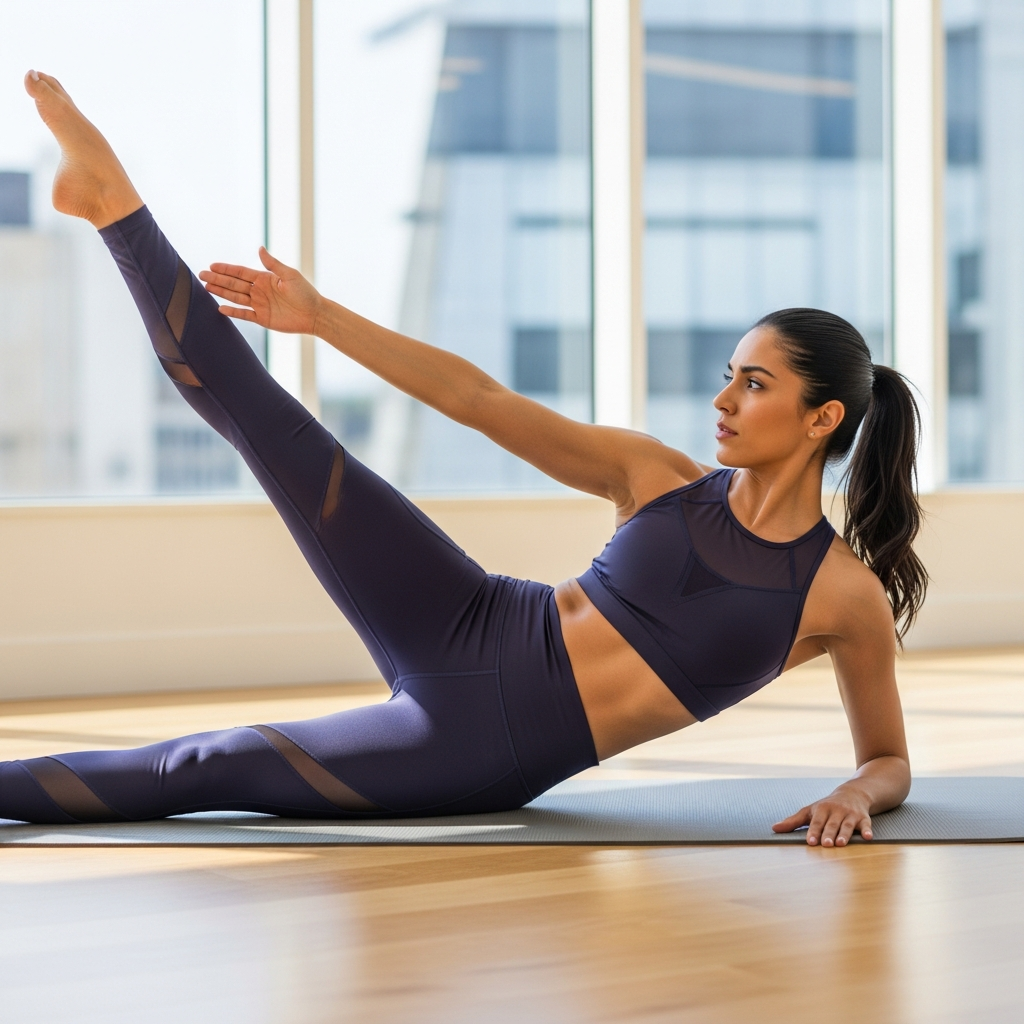
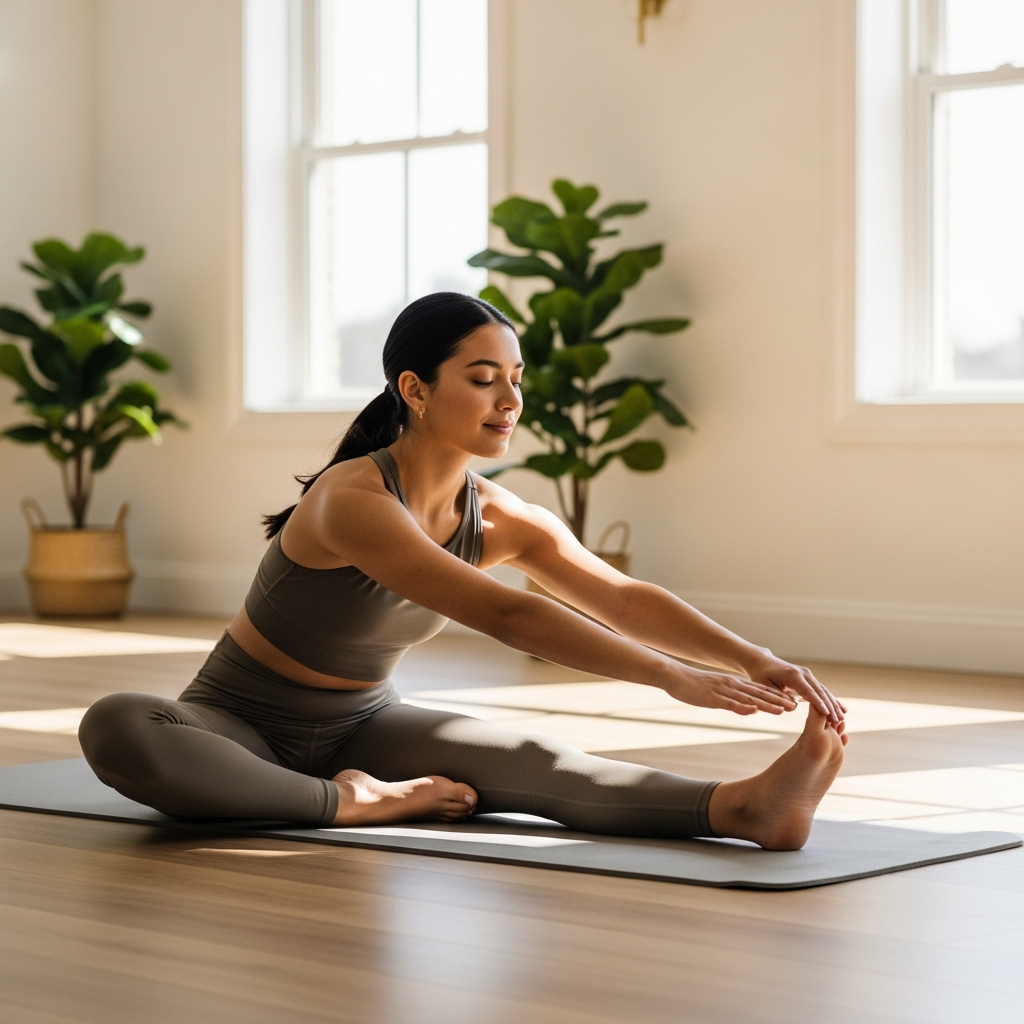
What Makes Pilates Classes Near Sunnyvale Different From Gym Workouts?
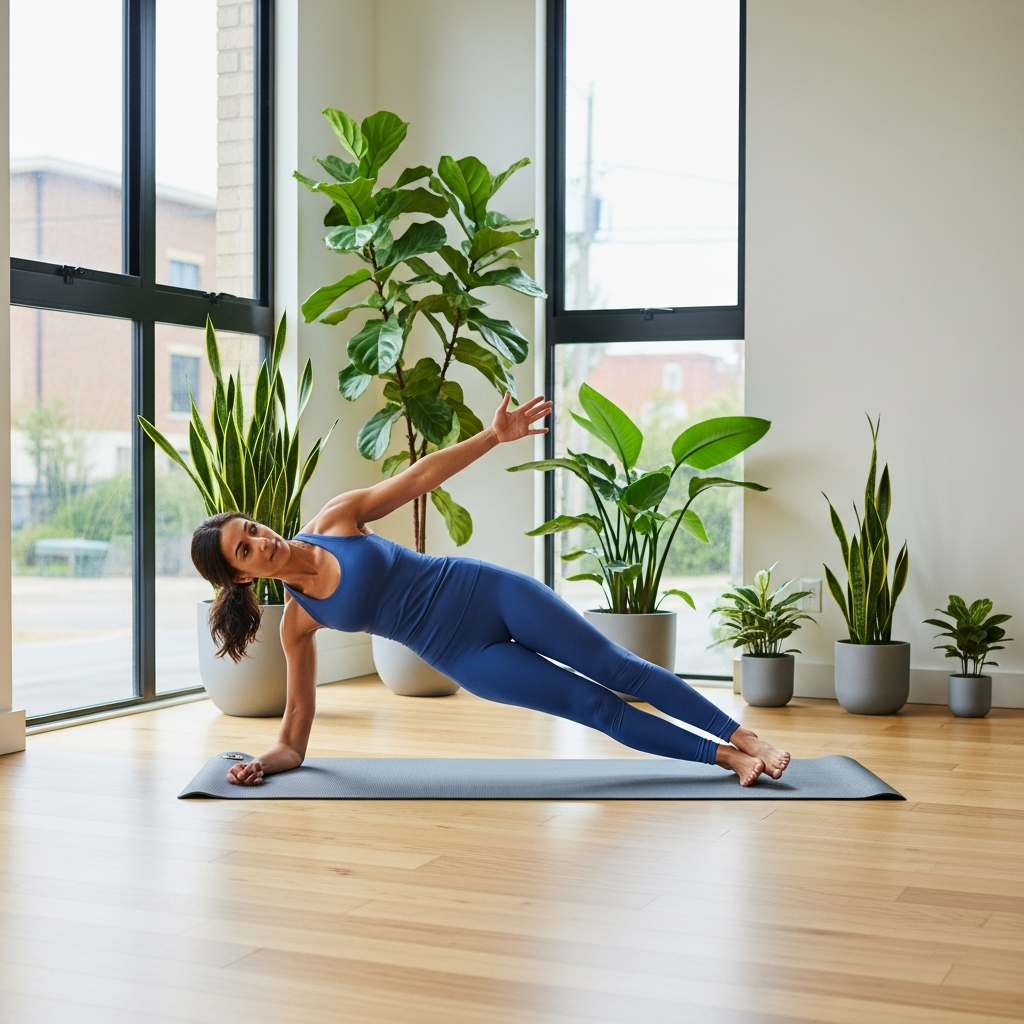
Picture this: It’s 6:47 AM on a Tuesday. You’re at the gym, headphones in, staring at yourself in that slightly-too-bright mirror while you grind through your third set of crunches. Your neck hurts. Your lower back is quietly protesting. And somewhere in the back of your mind, you’re wondering… is this actually working? Like, really working?
If that scenario felt uncomfortably familiar, you’re not alone. So many people in the Sunnyvale area are doing exactly that – showing up faithfully to the gym, putting in the time, and still feeling like something’s missing. Not motivation. Not effort. Something else. Something harder to name.
Here’s what’s interesting about that feeling. It’s not you. It’s the format.
Gym workouts – and look, there’s nothing wrong with them, plenty of people love them – are largely built around a pretty simple idea: do more, lift heavier, burn more calories, repeat. The whole system rewards intensity and volume. Bigger, faster, stronger. Which is genuinely great for some goals. But it also means that the *how* of movement often gets completely lost in the shuffle. Nobody’s stopping to ask whether you’re actually using the right muscles, or whether your body has the foundational strength and mobility to support all that effort you’re pouring in.
Pilates takes an almost completely opposite approach, and honestly? That’s exactly why so many people around Sunnyvale are quietly switching – or at minimum, adding it to their routine and wondering why they didn’t do it sooner.
Why This Conversation Is Happening Right Now
There’s something happening in the Bay Area fitness world that’s worth paying attention to. Pilates studios are popping up everywhere, yes, but more importantly, the *conversation* around how we exercise is shifting. People are burned out on punishing workouts that leave them exhausted and achy. They’re dealing with desk-job posture problems, stress-related tension, old injuries that never quite healed right. They want to feel better in their bodies – not just look better, but actually *function* better.
And they’re discovering that the gym model, as good as it can be, wasn’t really designed with any of that in mind.
That matters to you personally because – and this might sound a little blunt – the way you move today is setting the stage for how you’re going to feel at fifty, sixty, seventy. The movement patterns you’re reinforcing right now, whether they’re good ones or compensatory ones, they compound over time. A gym that lets you crank through reps with questionable form isn’t necessarily doing you any favors long-term, even if it feels productive in the moment.
Actually, that reminds me of something a client once said – she’d been doing intense gym workouts for years and came into her first Pilates class expecting to be bored. She wasn’t bored. She was humbled. By what felt, from the outside, like gentle movements. Because for the first time in years, she couldn’t rely on momentum or her dominant muscles to just bulldoze through the exercise. She had to actually *be there*.
What You’ll Actually Understand After Reading This
In the sections ahead, we’re going to break down – in real, practical terms – what genuinely separates Pilates from your average gym session. Not in a “Pilates is better, everything else is garbage” kind of way, because that’s both unhelpful and untrue. But in a way that helps you figure out whether this might be the missing piece for you specifically.
We’ll talk about the role of intention in movement, about breath (which sounds a little woo-woo until you understand what it’s actually doing), about why the instructor-student relationship in a Pilates class is so fundamentally different from working out alone with your earbuds. We’ll get into what local Sunnyvale classes actually look like day-to-day, what to expect if you’ve never tried it, and why people who “aren’t flexible” often benefit the most.
Because here’s the thing – this isn’t about finding a trendy new workout. It’s about understanding your body well enough to take better care of it.
And that’s worth knowing, no matter where you are in your wellness goals right now.
The Philosophy Behind the Method
Here’s something that trips people up when they first walk into a Pilates studio: it doesn’t *look* that hard. Someone’s lying on a mat, moving slowly, breathing deliberately. And then they try it. And their entire core is shaking within four minutes.
That’s not an accident. Pilates – developed by Joseph Pilates in the early 20th century, originally for injured dancers and soldiers recovering from illness – was built around the idea that most of us are moving wrong. Not lazily, not carelessly, just… wrong. We’ve developed compensations. We let strong muscles bully the weaker ones into submission while the weaker ones quietly check out of the conversation entirely.
The whole system is designed to call those checked-out muscles back to the table.
What “Core Work” Actually Means (It’s Not What You Think)
When most people hear “core,” they picture crunches. Six-pack territory. But in Pilates, the core is more like a canister – your deep abdominals in front, your multifidus muscles along your spine in back, your pelvic floor on the bottom, and your diaphragm on top. All working together. Like a pressure system.
This is where it gets a little counterintuitive. You’re not trying to *suck in* your stomach or brace like you’re about to get punched. It’s a subtler, more coordinated engagement – what instructors often call “finding your center.” And honestly? It takes most people a few classes just to feel it. Don’t get discouraged if you’re in class two wondering whether you’re doing anything at all. You probably are.
The reason this matters for weight loss and body composition – which, let’s be real, is why a lot of people end up at a medical weight loss clinic asking about exercise – is that when your deep stabilizers actually work, everything else works better. Your posture improves, your other exercises become more efficient, and you stop recruiting your neck and shoulders to do jobs they were never meant to do.
How This Compares to What Happens at a Gym
A typical gym workout is essentially load-based. You’re moving weight – whether that’s a barbell, a dumbbell, or your own body – through space. More resistance, more reps, more sets. The assumption is that fatigue equals effectiveness.
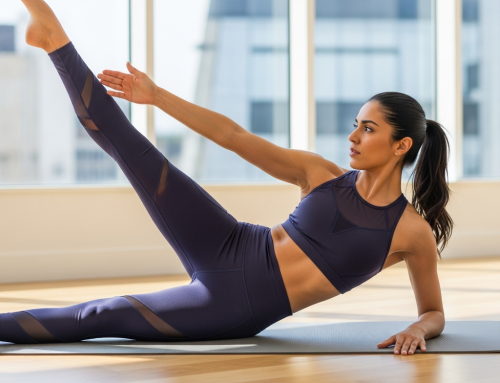
Pilates operates on a completely different logic. The question isn’t *how much* but *how precisely*. A single leg circle done with genuine hip socket awareness and a stable pelvis is doing something that 20 sloppy ones simply won’t accomplish. It’s less like construction work and more like watchmaking – the detail is the point.
That said – and this is worth acknowledging – gyms aren’t the enemy. Strength training has tremendous value, and plenty of people do both. The distinction isn’t good versus bad. It’s more like the difference between a hammer and a scalpel. Different tools, different jobs.
The Breathing Thing (Yes, It Matters)
Pilates has a specific breathing pattern – exhale on the effort, inhale to prepare – and a lot of newcomers find this baffling at first. You’re already concentrating on your pelvis, your rib cage, your shoulders… and now someone’s asking you to think about your breath?
Actually, that’s exactly the point. The breathing isn’t an add-on. It’s part of the mechanism. Coordinating your breath with movement helps activate the deep core muscles we talked about, keeps your nervous system regulated (which matters more for body composition than most people realize), and forces you to slow down enough to actually *feel* what you’re doing.
There’s also something to be said for the meditative quality this creates. Classes near Sunnyvale tend to draw a tech-industry crowd – people whose minds are going about 400 miles an hour. Pilates, with its demand for present-moment focus, has a way of quieting that noise. People often describe leaving class feeling both physically worked and mentally lighter. Which, if you’ve ever stress-eaten your way through a rough week, you might already understand why that combination is pretty powerful.
Why Precision Changes Everything
The fundamentals of Pilates can feel frustratingly slow when you’re used to gym culture’s more-is-more mentality. But think of it this way: you wouldn’t tune a guitar by yanking the strings. The small, careful adjustments are what create something that actually works. That’s the trade Pilates asks you to make – patience for precision – and for most people, it turns out to be worth it.
How to Actually Get the Most Out of Your First Few Classes
Here’s something most studios won’t tell you upfront: the first two or three Pilates classes are going to feel weirdly hard in all the wrong places. You’ll probably feel it in your hip flexors, your neck, maybe your jaw (yes, people clench their jaw when they’re concentrating). That’s not Pilates working – that’s your body compensating because it hasn’t learned the movement patterns yet. Give yourself grace during those first sessions and resist the urge to judge the workout by how sore you are afterward.
One genuinely useful tip? Arrive ten minutes early and tell the instructor one specific thing about your body. Not just “I have back pain” – that tells them almost nothing. Try “I have a herniated disc at L4-L5 and sitting for long periods makes it worse.” That level of detail lets a good Pilates instructor actually modify things for you in real time, rather than giving you the watered-down generic version of every exercise.
Choosing the Right Studio in the Sunnyvale Area
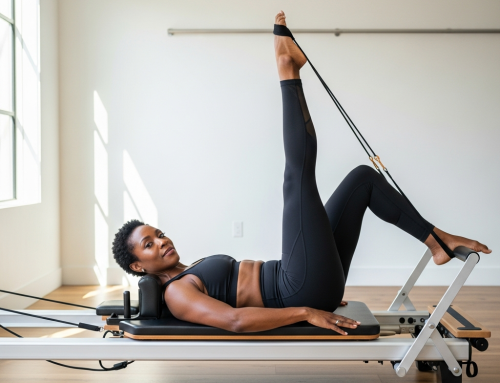
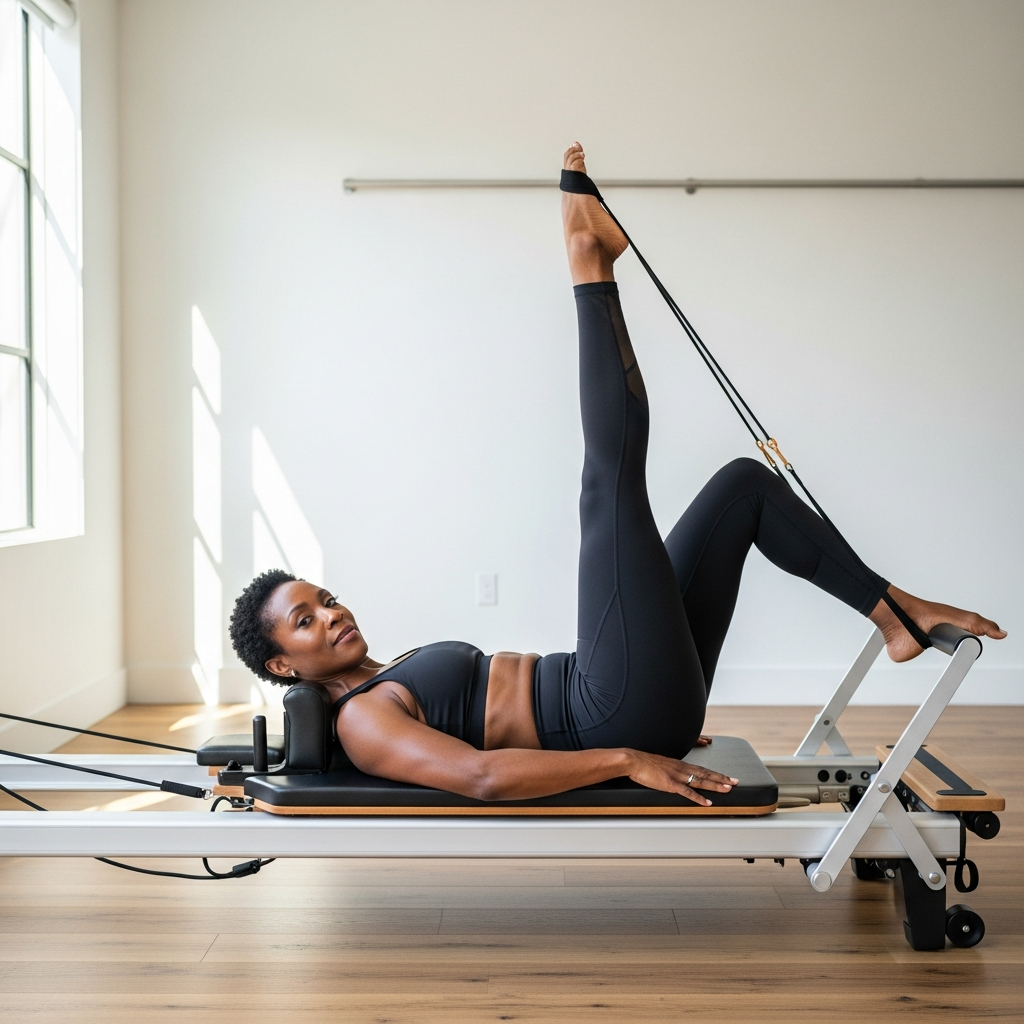
Not all Pilates studios are built the same, and this matters more than people realize. The difference between a well-supervised reformer class of six people and a packed group session of fifteen is enormous – especially when you’re new. In the South Bay area, you’ll find everything from boutique reformer studios near downtown Sunnyvale to larger wellness centers attached to physical therapy practices. The PT-affiliated ones are particularly worth considering if you’re dealing with any kind of injury or chronic pain, because the instructors tend to have deeper movement education backgrounds.
Ask studios this specific question before you book: “What’s your instructor’s certification – STOTT, Peak Pilates, or comprehensive training through a recognized body?” A weekend certification course and a 450-hour comprehensive program are wildly different things. Most good instructors will be proud to tell you exactly where they trained.
Also – and this is the practical reality nobody talks about – class timing matters for your results. If you’re scheduling Pilates right after a long day hunched over a laptop, your nervous system is already fried and your posture is already compressed. Morning classes, or sessions with even a short walk beforehand, tend to produce noticeably better body awareness during the workout.
Bridging the Gap Between Pilates and Your Gym Routine
Here’s where things get interesting if you’re already doing gym work. Pilates isn’t your replacement for strength training – it’s the thing that makes your strength training more effective. Think of it like tuning an instrument before a performance. A lot of people who lift weights regularly discover, somewhat humblingly, that they have almost no meaningful connection to their deep core muscles. The ones doing all the stabilization work behind the scenes.
Try this: schedule your Pilates session before a gym day rather than after. Use it as a movement prep session. You’ll walk into your squats or deadlifts with dramatically better spinal awareness and glute activation. Some people find this combination reduces their chronic lower back discomfort faster than either approach alone.
If you’re doing cardio-heavy gym routines, Pilates twice a week can address the muscular imbalances that repetitive motion creates – the tight hip flexors from cycling, the rounded shoulders from rowing, that kind of thing.
Small Habits That Compound Over Time
The people who see the most dramatic changes from Pilates aren’t necessarily the ones doing it four times a week. They’re the ones who take the principles home with them. When you’re waiting for coffee to brew in the morning, practice the neutral spine position you worked on in class. At your desk, notice whether you’re gripping your glutes or holding your breath – two things Pilates specifically trains you to stop doing unconsciously.
One instructor trick worth stealing: after each class, write down one cue that stuck with you. Something like “ribs down, not chest up” or “breathe into the back of your ribcage.” These cues become automatic eventually, and that’s honestly where the real magic happens – not in the studio, but in how your body starts to move when nobody’s watching and nothing’s formal about it.
The investment here isn’t just 55 minutes on a reformer. It’s reprogramming movement habits you’ve been reinforcing for years, possibly decades. That takes consistency, a little patience, and the right guidance from someone who actually knows what they’re looking at.
The Learning Curve Is Real (And Nobody Warns You About It)
Here’s something most Pilates studios won’t put in their marketing materials: your first few classes might feel humbling. Like, genuinely confusing. You’ll be in a room full of people who seem to be breathing, moving, and maintaining perfect form simultaneously, and you’ll be lying there wondering if you even know how to use your own ribcage.
That’s completely normal. And honestly? It’s kind of the point.
Gym workouts are mostly intuitive. Pick up the weight, put it down. Hop on the treadmill, press start. Pilates asks you to rewire movement patterns you’ve been using – incorrectly, for most of us – since childhood. That takes time.
The solution isn’t to push through blindly. Talk to your instructor before class. Tell them you’re new. Most Pilates teachers near Sunnyvale offer introductory sessions or fundamentals classes specifically because they know this learning curve exists. Take advantage of those. Don’t just drop into an advanced reformer class and white-knuckle it.
When “Low Impact” Doesn’t Mean “Easy”
People come in expecting Pilates to be gentle. And it is… in the sense that you’re not slamming joints or gasping for air. But “low impact” gets mistranslated into “easy workout,” which is just wrong.
The core work especially – and we’re talking real deep core activation, not just doing crunches – will leave muscles sore that you genuinely forgot you had. The hip flexors. The muscles along your spine. That little spot just under your shoulder blade that’s apparently been completely asleep for thirty years.
If you’re coming from a gym background where more sweat equals better workout, this mental shift is genuinely difficult. You might feel like you’re not working hard enough, even when your muscles are shaking.
The honest solution here is to trust the process for at least six weeks before drawing conclusions. Keep a simple note on your phone after each class – what you felt, what was hard, what clicked. The progress in Pilates shows up differently than gym progress. It shows up in how you stand. How you move through a parking lot. Whether your back aches on Tuesday.
The Breathing Thing Will Confuse You
Nobody talks about this enough. Pilates has specific breathing patterns that are the opposite of what feels natural during exertion. You exhale on the effort. You breathe into your back ribs, not your belly. You coordinate breath with movement in a way that initially feels like rubbing your head while patting your stomach.
A lot of people – especially those who’ve done other fitness classes – just… give up on the breathing cues and default to their own pattern. Which means they’re missing a huge chunk of what makes Pilates effective.
Actually, that reminds me of something one instructor mentioned – she said most students don’t truly connect with the breathing until around their tenth class. So if you’re on class three and it’s not clicking, you’re right on schedule.
Don’t overthink it. Just keep listening for the cues. It will eventually land.
Finding Consistency When Life Gets In The Way
Group classes near Sunnyvale typically run on fixed schedules, and that rigidity trips people up more than any physical challenge. You miss two weeks for a work project, then a holiday weekend happens, then you feel too out of practice to go back…
Sound familiar? It’s probably the most common reason people stop.
The studios that tend to have the best retention are the ones offering hybrid options – some in-person, some virtual, some drop-in alongside committed memberships. When you’re shopping for a class, ask specifically about their makeup class policy and whether there are shorter sessions available for busy weeks. Having a fallback option isn’t cheating. It’s just realistic.
The Investment Question
Let’s be honest – quality Pilates instruction costs more than a gym membership. That’s a real barrier for a lot of people, not an imaginary one.
What tends to work is starting with a small package rather than a big commitment. Try five or eight classes. See how your body responds. Many people find that twice a week Pilates eventually replaces multiple gym visits and a chiropractor appointment or two – which changes the math considerably.
The challenge is real. So is the payoff. You just have to get through the awkward, confusing, “I don’t know what my ribcage is doing” beginning first.
What to Actually Expect (Honest Talk)
Let’s be real for a second – if you’re considering Pilates because you saw someone’s transformation post on Instagram and you’re hoping for the same results in six weeks… we need to have a gentle conversation. Those posts rarely tell the whole story. They don’t mention the person had been working out consistently for years before, or that the lighting was strategically chosen, or that they cropped out the bloating days.
Pilates is genuinely wonderful. It can change how your body moves, how you feel in your own skin, and how you carry yourself through the day. But it works on its own timeline – not yours, not your sister’s, not the person on the reformer next to you.
The First Few Weeks Feel Weird
And that’s completely normal. Your brain is learning new movement patterns, your body is figuring out muscles it probably hasn’t talked to in a while, and you might leave class thinking “I didn’t even feel like I worked out.” Then you wake up the next morning and realize your core has opinions about yesterday.
Don’t be discouraged by this phase. Most people need about four to six classes before things start clicking – before the instructor’s cues actually translate into something your body understands. It’s a bit like learning a new language. The first few lessons feel clunky and strange. Then one day something just… lands.
Some people experience mild soreness in unexpected places – inner thighs, deep lower back muscles, the back of their arms. That’s your body waking up. It’s a good sign, not a reason to quit.
When You’ll Start Noticing Changes
Here’s the honest version of the timeline most instructors won’t spell out because they don’t want to sound discouraging.
Weeks 1-4: You’re building awareness. This sounds boring, but it’s actually the foundation of everything. You’re learning to feel the difference between gripping and engaging, between holding your breath and breathing through effort.
Weeks 4-8: This is when posture changes tend to become noticeable – to you first, then to others. You might catch yourself sitting differently at your desk. Your lower back might complain less after a long drive. These are small wins, but they matter enormously.
Months 3-6: Strength and flexibility changes become more visible and measurable. If you’ve been consistent – meaning two to three times per week, not whenever you feel like it – you’ll likely notice real differences in how your clothes fit, how you move, and how much energy you carry through the day.
Actually, that reminds me of something worth mentioning – consistency matters far more than intensity here. Three moderate Pilates sessions per week will do more for you than one brutal session followed by four days of recovery and guilt.
Pilates and Weight – Let’s Set Realistic Expectations
If weight loss is part of your goal, Pilates can absolutely support that. But it’s unlikely to be your primary calorie-burning tool, especially in the beginning. What it does brilliantly is build the kind of functional strength and body awareness that makes everything else you do more effective – your walks get more purposeful, your other workouts improve, your metabolism gets a slow and steady boost.
For medical weight loss specifically, Pilates works best as part of a broader plan, not a standalone solution. Pairing it with nutritional support and, where appropriate, medical guidance tends to produce the results that actually last. The classes near Sunnyvale have the benefit of small studios where instructors genuinely know your name and your goals – that accountability is worth more than people realize.
Your Next Step Is Smaller Than You Think
You don’t need to sign up for a year-long membership tomorrow. Most local studios offer intro packages or single-session drop-ins specifically so you can try before you commit. Go once. See how it feels. Talk to the instructor before class and tell them you’re new – a good instructor will modify everything for you and check in throughout.
Bring water, wear something you can move in (nothing too baggy – instructors need to see your alignment), and plan to feel a little lost. That’s not failure. That’s just day one.
The people who stick with Pilates long enough to love it aren’t the ones who felt immediately brilliant at it. They’re the ones who got curious enough to come back a second time.
So here’s the thing – after everything we’ve covered, it really comes down to one simple idea. Gym workouts and Pilates aren’t really competing with each other. They’re just… different conversations about your body. And right now, you might need a different kind of conversation.
The gym asks you to push. Pilates asks you to listen.
For a lot of people around Sunnyvale who’ve spent years grinding through workouts that left them exhausted, injured, or just kind of empty – that shift can feel almost revolutionary. Not because Pilates is magic (it’s not), but because moving with intention, with someone actually watching how your body responds, changes something. You start to understand yourself differently.
And that matters more than most people expect it to.
What You’re Really Taking Home With You
What sticks with you after a Pilates class isn’t just stronger abs or better posture – though honestly, both of those are pretty great. It’s the awareness. You start noticing when you’re bracing your shoulders at your desk, or when you’re favoring one side walking to your car. You catch things. And catching things early? That’s where real, lasting change actually begins.
There’s also something worth saying about the community inside smaller Pilates studios. It’s just… warmer. Instructors know your name. They remember that your left hip is tighter than your right, or that you had a rough week. It’s not a number on a keychain fob. You’re a person, and that feels different when you’re trying to build something sustainable.
If Weight Loss Is Part of Your Picture
Here’s where we want to be honest with you, because you deserve that. Pilates alone might not be the fastest route to significant weight loss – and if that’s a real goal for you, you probably already sense that you might need more support than any single class can offer. That’s completely okay. That’s actually really smart self-awareness.
A lot of people find that Pilates works beautifully *alongside* a more structured wellness plan – something that looks at your nutrition, your hormones, your sleep, the full picture. When your body is moving better and your mind is more connected to how you feel, the other pieces tend to fall into place more naturally. It’s all connected, you know?
You Don’t Have to Figure This Out Alone
If you’ve been reading this and quietly wondering whether there’s a smarter path forward for your own health – not just workouts, but actually addressing what’s going on with your weight, your energy, your confidence – we’d genuinely love to talk with you.
No pressure, no scripts, no judgment. Just a real conversation about where you are and what might actually help.
Our team works with people every day who came in feeling like they’d already tried everything. And more often than not, they just hadn’t had someone sit down with them and really *look* at the whole picture yet. That’s what we do.
Reach out whenever you’re ready – whether that’s today or after you’ve thought about it for a while. We’ll be here. And whatever path you choose, just keep moving. Keep paying attention to your body. Keep asking good questions.
That curiosity you’re feeling right now? It’s already working in your favor.