Pilates Close to Me: Discovering Class Options Near Grand Prairie
You know that feeling when you’ve finally decided you’re going to do something about your health – like, *really* decided this time – and then you spend 45 minutes down a rabbit hole of Google searches, random Yelp reviews, and studio websites that haven’t been updated since 2019? You end up more confused than when you started, and somewhere around the third tab, you quietly close your laptop and tell yourself you’ll figure it out tomorrow.
Tomorrow has a way of never coming.
If you’re somewhere in the Grand Prairie area and you’ve been thinking about trying Pilates – maybe a friend mentioned it, maybe your doctor nudged you toward low-impact exercise, maybe you just keep seeing those long, lean workout videos on your phone at midnight – then this is for you. Because finding the right class shouldn’t feel like a part-time job.
Here’s the thing about Pilates that most people don’t fully appreciate until they’re actually in a session: it’s not the intimidating, pretzel-bending, only-for-dancers workout that a lot of us assume it is. It’s actually one of the most accessible forms of exercise out there, especially if you’re coming from a place of wanting to feel better in your body without destroying your joints in the process. We see this constantly at our clinic – people who’ve been told to avoid high-impact exercise, people carrying extra weight, people recovering from injury, people who are just… tired of feeling tired. Pilates keeps coming up as a recommendation because it *works* differently than most things. It builds strength from the inside out, focusing on your core, your posture, your breathing – the kind of foundational stuff that quietly makes everything else in your life easier.
And Grand Prairie? You’re actually in a pretty good spot. The DFW metroplex has a surprisingly rich variety of options, and the communities around Grand Prairie – Arlington, Irving, Mansfield, even parts of Fort Worth – have seen a real expansion of fitness studios over the last few years. Which is great news, but it also means… more choices. More research. More of that laptop-closing paralysis.
That’s what we want to help you cut through today.
In this guide, we’re going to walk you through what you’ll actually find when you start looking for Pilates near Grand Prairie – the different class formats (and why the difference between mat Pilates and reformer Pilates matters more than you might think), what to realistically expect as a beginner, and how to figure out which type of studio or class structure might actually fit your life. Not your ideal life where you work out five days a week with perfect consistency. Your *actual* life, with the schedule you have, the budget you’re working with, and the body you’re currently in.
We’ll also touch on something that a lot of fitness content glosses over – the fact that where you are health-wise when you start matters. If you’re working with a medical weight loss program, dealing with chronic pain, or managing a condition like diabetes or PCOS, Pilates can be a genuinely powerful complement to your treatment. But knowing how to communicate that to an instructor, and knowing what to look for in a studio that will actually support you rather than just tolerate your modifications… that stuff is worth knowing before you walk through the door.
Actually, that reminds me of something one of our patients said recently – she’d tried a Pilates class years ago, felt completely lost and a little judged, and wrote the whole thing off. It wasn’t until she tried a different studio, with a different instructor and a genuinely welcoming environment, that she understood what all the fuss was about. Same exercise. Completely different experience. That’s why the *finding* part matters so much.
So if you’re ready to stop Googling in circles and actually figure out your options – whether you’re brand new to Pilates, coming back after a long break, or just curious what’s actually available close to home – keep reading. We’ve done the legwork so you don’t have to close that laptop in defeat again.
What Pilates Actually Is (And Isn’t)
Here’s something that trips people up constantly – Pilates isn’t really about the exercises themselves. It’s about *how* you do them. You could be doing a movement that looks almost identical to a basic crunch, but if you’re doing it the Pilates way, with your breath coordinated, your deep abdominals engaged, your spine in a specific relationship to the mat… it’s a completely different experience. Same shape, different story.
Joseph Pilates developed this method in the early 20th century, originally calling it “Contrology” – which, honestly, tells you everything. The whole idea was about the mind taking deliberate control of the body. Not grinding through reps. Not white-knuckling your way to fitness. Control, precision, and intention on every single movement.
That might sound a little abstract, so here’s a more grounded way to think about it. Most exercise systems ask you to work harder, add more weight, push past the burn. Pilates asks you to slow down and pay closer attention. It’s less like a highway and more like threading a needle. The challenge isn’t volume – it’s quality.
The Core Thing Everyone Gets Slightly Wrong
When people hear “Pilates strengthens your core,” they picture abs. Six-pack territory. But the core Pilates targets is deeper than that – we’re talking about muscles you literally cannot see in a mirror and probably can’t even consciously flex right now. The transverse abdominis, the pelvic floor, the multifidus muscles along your spine. Think of them as the internal scaffolding of your body, the stuff holding the whole structure upright before your more visible muscles even get involved.
This is why Pilates has such a strong reputation for back pain relief and injury recovery. You’re not just building surface strength – you’re rebuilding the foundation. And yes, that does sound a little like a home renovation metaphor, but it genuinely fits.
Mat vs. Reformer – The Question Everyone Asks
If you’re searching for classes near Grand Prairie, you’re going to run into two main formats almost immediately, and the difference matters.
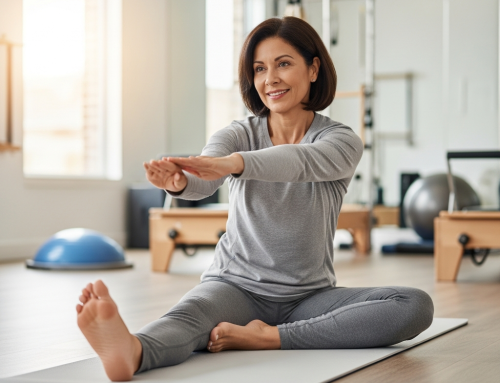
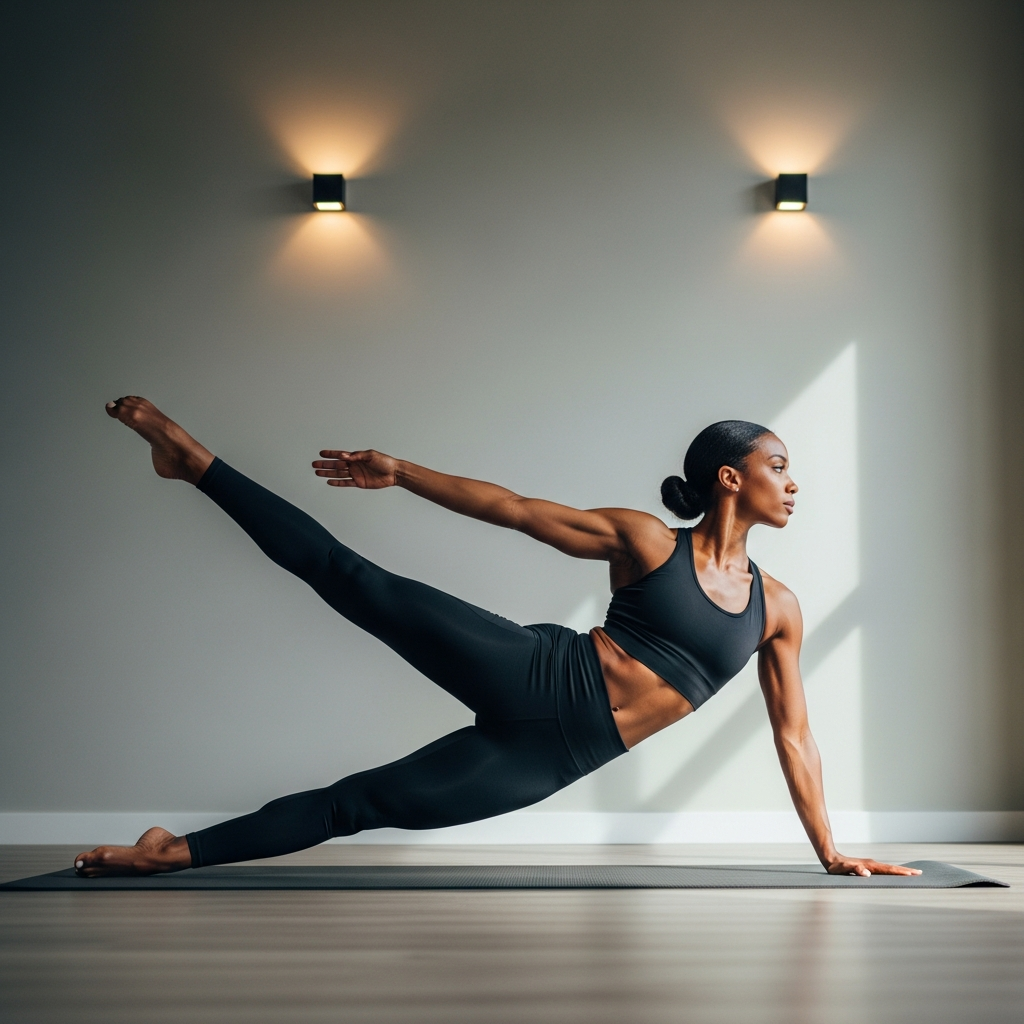
Mat Pilates is exactly what it sounds like – you, a mat, your body weight, and gravity as your resistance. It’s the original form, it’s accessible, and don’t let anyone tell you it’s the “easier” version. A well-taught mat class can absolutely humble you.
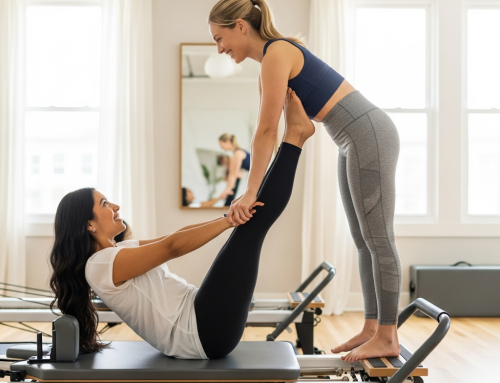
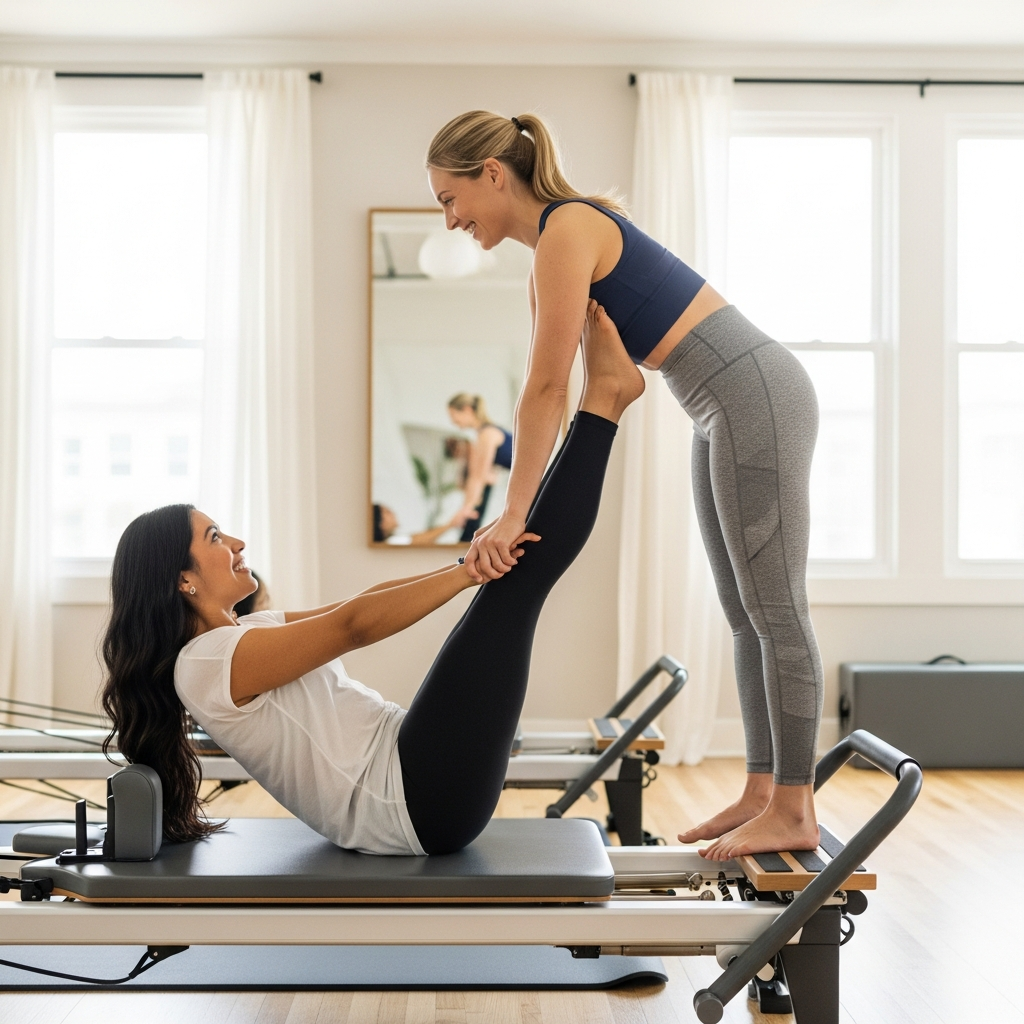
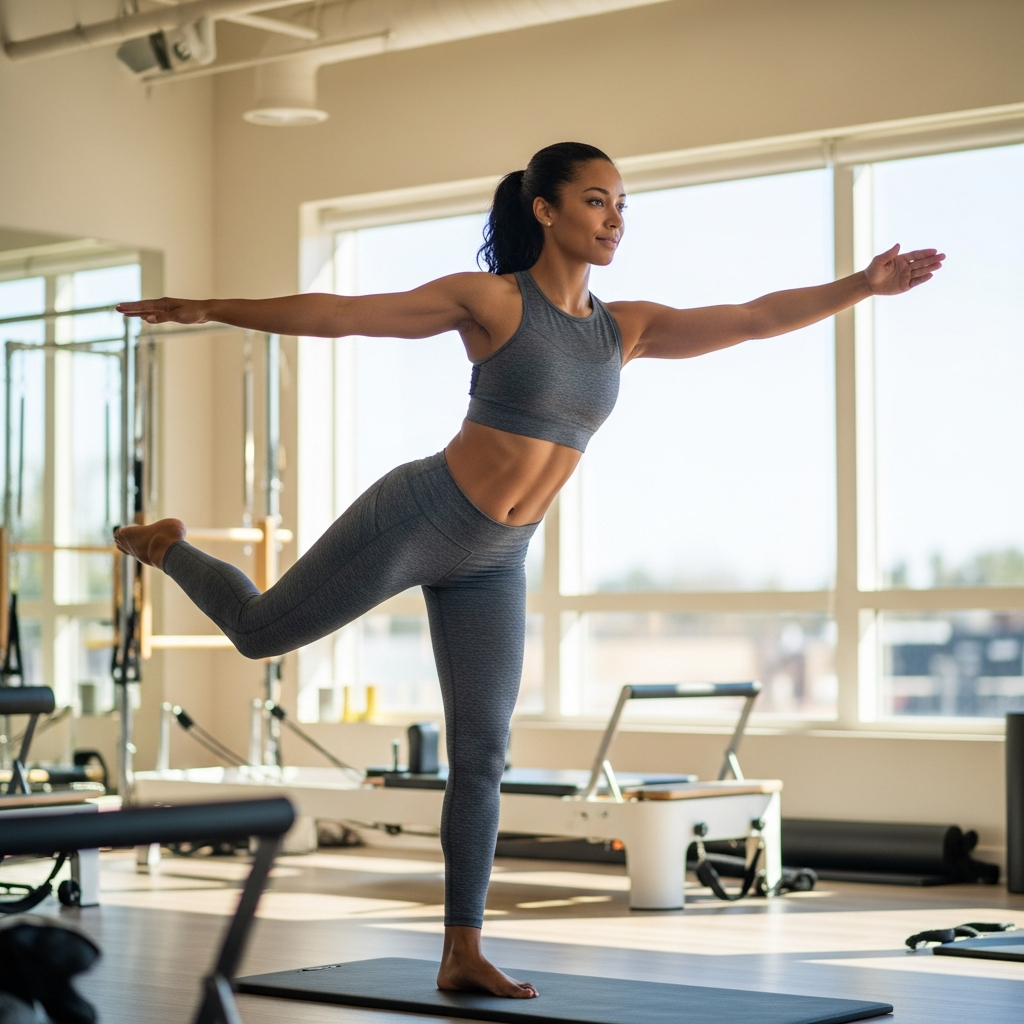
Reformer Pilates uses a sliding carriage on a spring-loaded frame, and it looks a little intimidating the first time you see one, like a cross between a bed and a medieval contraption. It isn’t, though. The springs actually provide both resistance *and* assistance depending on the exercise, which means the reformer is incredibly versatile – suitable for rehabilitation patients and serious athletes alike.
The counterintuitive part? More spring resistance on the reformer doesn’t always mean harder. Sometimes lighter springs are the real challenge because there’s less help holding you stable. First-timers often find this confusing in the best possible way.
Why Studio Format Matters More Than You’d Think
Here’s something worth knowing as you explore your local options. Not all Pilates studios are structured the same way, and the format shapes your experience significantly. Some Grand Prairie area studios run large group classes that feel more like a fitness class with a Pilates flavor. Others keep sessions small – sometimes six people maximum – where an instructor can actually watch your alignment and give real feedback.
Then there’s the private session model, where it’s just you and a teacher on the reformer for an hour. More expensive, obviously. But if you’re recovering from something, working around an injury, or just someone who learns better without an audience… actually, a lot of people fall into that last category and never admit it.
The Breathing Thing
Almost every Pilates newcomer finds the breathing completely bizarre at first. You exhale on the exertion, which is normal enough, but the *how* of it – lateral breathing, expanding your ribcage sideways rather than your belly forward – feels completely unnatural until suddenly, one day, it doesn’t. Your nervous system figures it out before your conscious brain does, which is either reassuring or mildly unsettling depending on how you look at it.
Worth mentioning because instructors near you will reference it constantly, and knowing it’s supposed to feel weird initially takes some pressure off.
How to Actually Find What’s Available (Without Wasting Hours Online)
Here’s something most people don’t realize – Grand Prairie sits in that sweet spot between Dallas and Fort Worth, which means you’re actually within reasonable distance of a surprisingly large pool of studios. Don’t just Google “Pilates near me” and take the first three results at face value. Open Google Maps instead, drop a pin on your actual home or workplace, and search from there. The difference in what shows up can be significant.
While you’re at it, check Mindbody.io – it aggregates class schedules across dozens of studios simultaneously and lets you filter by class type, time, and price. ClassPass is worth looking at too, especially if you’re still figuring out what style of Pilates actually clicks for you. You can sample three or four different studios for the cost of a single month’s membership somewhere.
The Reformer vs. Mat Question (And Why It Matters Here)
Most beginners assume they need reformer Pilates right away because that’s what they’ve seen on Instagram. But honestly? Starting with a solid mat-based class is smarter – and cheaper. Studios in the Grand Prairie area that offer community mat classes often charge $10-15 per drop-in, compared to $30-45 for a reformer session. You’ll build the foundational body awareness that makes reformer work actually meaningful later on.
Studios like Club Pilates (there are locations in nearby Arlington and Irving that are totally doable) offer introductory reformer packages specifically designed for beginners. Their “Intro to Pilates” deal usually runs around $30 for a starter bundle – it’s worth calling ahead to confirm current pricing because these things change. Don’t pay full price for your first session anywhere. Almost every studio has a new client special if you just ask.
What to Look for When You Visit a Studio
Before you commit to a membership – and some of those annual contracts can be genuinely difficult to get out of – visit in person. Call ahead and ask if you can watch a class or take one free trial session. Any studio worth your money will say yes.
When you’re there, notice the instructor-to-student ratio. In a reformer class especially, you really want no more than 8-10 people if you’re a beginner. More than that and you’re not getting the correction and attention your body needs – and in Pilates, form is literally everything. A beautiful movement done wrong is just… an injury waiting to happen.
Also pay attention to whether the instructor actually walks the floor or just stands at the front. The good ones are constantly moving through the room, making small adjustments, noticing when someone’s compensating.
Timing Your Classes Around Grand Prairie’s Traffic Reality
This is the practical stuff nobody puts in articles. Getting from Grand Prairie to a studio in Arlington or Irving during rush hour on 360 or I-30 is genuinely painful. If you’re commuting to a 6pm class from work, build in 20 extra minutes or you’ll be that person sliding in late, flustered, completely unable to actually relax into the workout.
Morning classes – we’re talking 6am or 7am – tend to have the most consistent, committed regulars, which creates a better energy in the room. And the instructors often have more time to connect with you before and after. If your schedule allows it even one or two days a week, early morning Pilates is a surprisingly different experience from a packed 5:30pm slot.
The Community Center Secret Nobody Talks About
Grand Prairie Parks and Recreation actually offers fitness classes that often include Pilates or Pilates-adjacent programming at dramatically reduced rates – sometimes $4-8 per class for residents. It’s not glamorous. The equipment is basic. But if you’re on a tight budget or just want to see whether Pilates is something you’ll actually stick with before investing in a boutique studio, this is genuinely the smartest starting point.
Check GrandPrairie.com/parks for their current class schedule – it updates seasonally and things fill up faster than you’d expect for a city rec class.
One last thing – don’t overlook local Facebook groups. The “Grand Prairie Moms” and neighborhood groups on Facebook are surprisingly good for getting real, unfiltered recommendations from people who’ve actually tried the studios nearby. Real opinions beat any Yelp review.
When Life Gets in the Way (And It Will)
Let’s be real for a second. You’ve probably started a fitness routine before – maybe more than once – and somewhere around week three or four, things fell apart. That’s not a character flaw. That’s just… life. And Pilates is no different, even with a studio conveniently located near you in Grand Prairie.
Knowing what’s coming might actually help you stay ahead of it.
The Schedule Problem Nobody Talks About Honestly
Here’s the thing about class-based fitness: you’re at the mercy of someone else’s timetable. The 6 AM reformer class sounds perfect on Sunday night. It’s considerably less appealing at 5:45 on a Tuesday morning when your alarm goes off and it’s still dark outside.
What actually works? Stop picking classes based on who you want to be and start booking around who you actually are. If you’ve never once exercised before 8 AM without hating every second of it, a 6 AM class isn’t suddenly going to feel different because it’s Pilates. Look for studios near Grand Prairie that offer varied scheduling – lunch sessions, late afternoon, even weekend mornings – and commit to the slot that fits your real life, not your aspirational one.
Also worth knowing: most studios have a cancellation policy with a fee attached. That sounds annoying, but honestly? The financial accountability helps more people show up than they’d ever admit.
“I Feel Like Everyone Knows What They’re Doing But Me”
This one is so common it’s almost a universal experience for new students, and yet somehow nobody warns you about it. You walk into your first class – or even your fifth – and everyone around you seems to flow effortlessly through the movements while you’re quietly wondering if your feet are supposed to be doing… that.
Here’s the honest truth: those people were beginners too, not long ago. And most of them were just as lost.
The practical solution is to actually say something. Tell the instructor before class that you’re new. A good Pilates instructor – and there are plenty of excellent ones in the Grand Prairie area – will keep an eye on you, offer modifications, and make corrections in a way that doesn’t feel embarrassing. If an instructor seems annoyed by beginner questions, that’s useful information about whether that studio is right for you.
Actually, that reminds me – beginner-specific classes exist for exactly this reason. If you’re just starting out, look specifically for “intro” or “foundations” sessions rather than dropping into a general intermediate class and hoping for the best.
The Soreness Surprise
Nobody expects Pilates to be *that* hard. It looks gentle. Controlled. Almost calm from the outside. And then day two arrives and your core feels like it went through something traumatic.
This catches people off guard, and sometimes it’s enough to make them quit before they’ve really begun. The soreness doesn’t mean you hurt yourself – it means you found muscles that have been quietly on vacation for years. That said, there’s a difference between the “oh wow, I used something” ache and actual pain. Sharp, localized, or joint pain during class means you stop and talk to the instructor immediately.
For general soreness, gentle movement actually helps more than rest does. A light walk, some stretching, even a beginner yoga video at home – anything to keep the blood moving.
Consistency Without Obsession
The pressure to go constantly is real, especially once you start seeing changes and feeling better. But doing too much too fast is one of the fastest routes to burnout or injury – and then you’re back to square one.
Two to three sessions per week is genuinely enough to make meaningful progress, especially in the early months. You don’t need to be at the studio every single day to get results. What you need is to keep showing up after the weeks when you only made it once, or when you took a break for a vacation and feel like you’ve “lost” everything.
You haven’t lost it. The body remembers more than you think.
The biggest thing that trips people up isn’t any one class or sore muscle – it’s the all-or-nothing thinking that convinces them a stumble means failure. It doesn’t. Miss a week? Go back. Had a rough session? Go back. That consistency, imperfect and messy as it is, is what actually changes things over time.
What to Actually Expect in Your First Few Weeks
Let’s be honest with each other for a second. You’re going to show up to your first Pilates class near Grand Prairie feeling a little lost. Maybe a lot lost. The instructor will cue something like “find your neutral spine” or “engage your powerhouse” and you’ll be standing there thinking… what does that even mean? That’s completely normal. Everyone in that room was new once, even the person in the front row who makes everything look effortless.
The first two or three classes are really just about learning the vocabulary. Your body needs time to build what instructors call “body awareness” – basically, the ability to actually feel what your muscles are doing. It’s a bit like learning to type. At first you’re hunting for every single key. Eventually your fingers just know where to go.
Give yourself that grace period without judging your progress.
The Timeline Nobody Talks About
Here’s where we need to have a realistic conversation, because a lot of fitness marketing sets people up for disappointment. You’re not going to feel dramatically different after one class. Or two. Or even five.
Most people start noticing subtle changes around the four to six week mark – things like standing a little taller without thinking about it, or realizing your lower back hasn’t been bothering you as much. These aren’t Instagram-worthy transformations. They’re quiet, meaningful shifts that happen underneath the surface.
Visible changes in strength and body composition? Those typically take closer to eight to twelve weeks of consistent practice – and “consistent” means two to three times per week, not once every couple of weeks when you can squeeze it in. That’s just the honest truth. Pilates is genuinely effective, but it’s not magic, and anyone promising you dramatic results in thirty days is overselling it.
Actually, that reminds me of something worth mentioning – the people who stick with Pilates long-term almost always say the same thing. They didn’t keep coming back for the physical results alone. They came back because it felt good. Because it was an hour where their brain could finally quiet down. That’s worth something too.
Finding Your Fit Around Grand Prairie
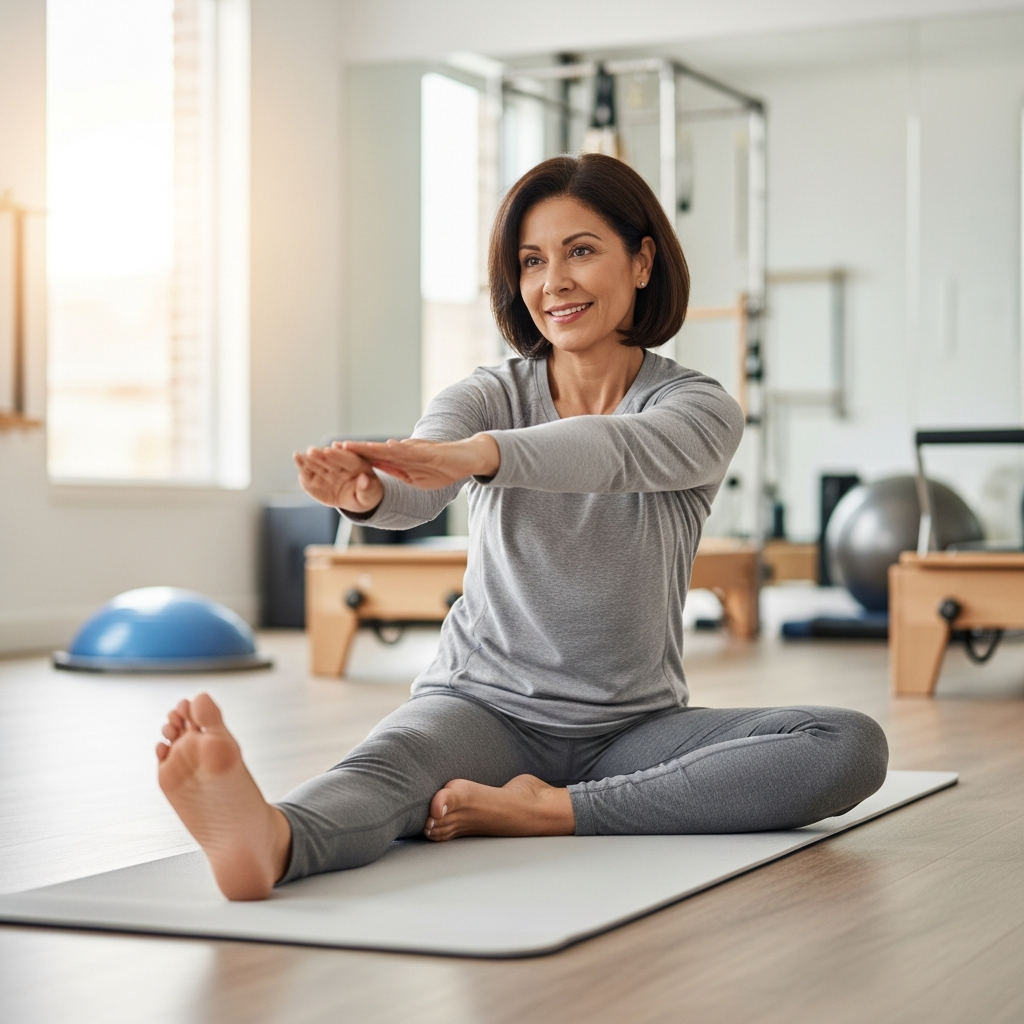
Not every studio is going to be right for you, and that’s okay. The Grand Prairie area has a mix of options – dedicated Pilates studios, fitness centers that offer mat classes, and instructors who teach everything from classical reformer work to more contemporary fusion styles. Some people love a small, intimate studio setting. Others prefer the anonymity of a larger gym class while they’re still figuring things out.
Try at least two or three different spots before you decide Pilates isn’t for you. The instructor makes an enormous difference – their personality, their teaching style, how they handle beginners. A class that feels intimidating with one teacher might feel completely welcoming with another.
Many Grand Prairie area studios offer introductory packages or first-class deals specifically so you can shop around without committing. Use those. That’s exactly what they’re there for.
Practical Next Steps That Actually Make Sense
So where do you go from here? A few concrete things worth doing
Search specifically – rather than just typing “Pilates near me,” try searching for “beginner Pilates Grand Prairie” or “mat Pilates classes near Grand Prairie” to filter out advanced or specialty sessions that might feel overwhelming early on.
Call ahead – seriously, just call the studio. Ask if the class is appropriate for someone brand new. Ask about class size. A studio that’s welcoming to beginners will be happy to answer those questions. One that seems annoyed by them might not be the right vibe for you.
Wear something fitted – your instructor needs to see your alignment, so flowy clothes that bunch up make their job harder. Leggings and a fitted top are your friends here.
Manage your soreness expectations – you might feel muscles you didn’t know existed for a day or two after your first class. That deep, surprising soreness is your core waking up. It passes.
And maybe the most important thing – go easy on yourself through this whole process. You’re building something new, and building takes time. The fact that you’re exploring options near Grand Prairie at all means you’re already moving in the right direction.
That’s genuinely something.
Finding the right movement practice – one that actually fits your life, your body, and your schedule – can feel like searching for a perfect parking spot at the mall on a Saturday. You know it exists somewhere. You just have to keep looking.
The good news? Grand Prairie and the surrounding area genuinely has options. Whether you’ve been eyeing a reformer class at a boutique studio, considering a mat class at your local rec center, or just want something low-impact that doesn’t feel like punishment… there’s likely something within a reasonable drive that could work for you. And honestly, sometimes the hardest part isn’t finding the class. It’s giving yourself permission to start.
Pilates has this beautiful way of meeting you where you are. It doesn’t care if you’re 35 or 65, just starting out or rebuilding after an injury. The movements scale. The principles stay the same. Core strength, alignment, controlled breathing – these aren’t just fitness buzzwords, they’re tools that genuinely change how your body feels day to day. That nagging lower back tension. The way your shoulders creep up toward your ears by 2 PM. Pilates actually addresses that stuff, which is why so many people who “just try it once” end up completely hooked.
Don’t get too caught up in finding the *perfect* studio before you’ve tried anything, though. Actually, that’s a trap a lot of people fall into – endless research as a way of avoiding the slightly uncomfortable act of just… showing up somewhere new. A decent instructor at a convenient location will serve you far better than the “best” studio that’s 40 minutes away and easy to skip.
Try a drop-in class. Talk to the instructor beforehand if you’re nervous. Most Pilates teachers genuinely love working with beginners – there’s something satisfying about helping someone discover movements they didn’t know their body could do.
You Don’t Have to Figure This Out Alone
Here’s something worth knowing: movement decisions don’t exist in a vacuum. If you’re managing your weight, dealing with a health condition, or just trying to figure out what kind of exercise actually makes sense for where your body is *right now* – those conversations matter. A lot.
At our clinic, we work with people every day who are trying to piece together a sustainable, healthy life – and movement is always part of that picture. We don’t hand out generic advice. We sit down with you, look at the whole picture, and help you figure out what actually makes sense for your specific situation, your goals, your limitations.
If you’ve been curious about how something like Pilates might fit into a broader wellness or weight management plan, or if you just want to talk through your options with someone who isn’t going to judge where you’re starting from… we’d genuinely love to hear from you. No pressure, no hard sell. Just a real conversation.
Reach out whenever you’re ready. We’re right here in the community with you, and we’re rooting for you – whether you walk through our door or just find a Tuesday evening mat class that finally clicks. Either way, you’re moving in the right direction.