8 Benefits of Hot Pilates for Fort Worth Professionals
You know that moment when your alarm goes off at 6 a.m. and you’re already mentally tallying everything on your plate before your feet hit the floor? The presentation, the back-to-back meetings, the kids’ schedules, the emails that somehow multiplied overnight… Fort Worth professionals don’t exactly have a reputation for taking it easy. You’re running hard, and honestly? Your body knows it.
Maybe you’ve been meaning to “get back into working out” for a while now. Maybe you even tried – signed up for that gym membership in January, went three times, and then life happened. Or maybe you’re actually pretty consistent with exercise but you’ve hit that frustrating wall where nothing seems to be changing anymore. Your clothes fit the same way. Your energy levels haven’t budged. You’re doing the thing, but the thing isn’t doing much back.
Here’s what nobody tells you: not all exercise is created equal – especially when you’re dealing with the specific kind of stress that comes with a demanding professional life in a city that moves as fast as Fort Worth does.
Hot Pilates is different. And before you picture a room full of incredibly flexible people doing impossible things with their bodies while you suffer in the corner… just hear this out. That’s not what it is at all.
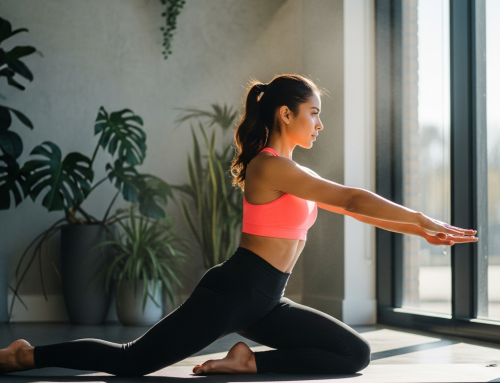
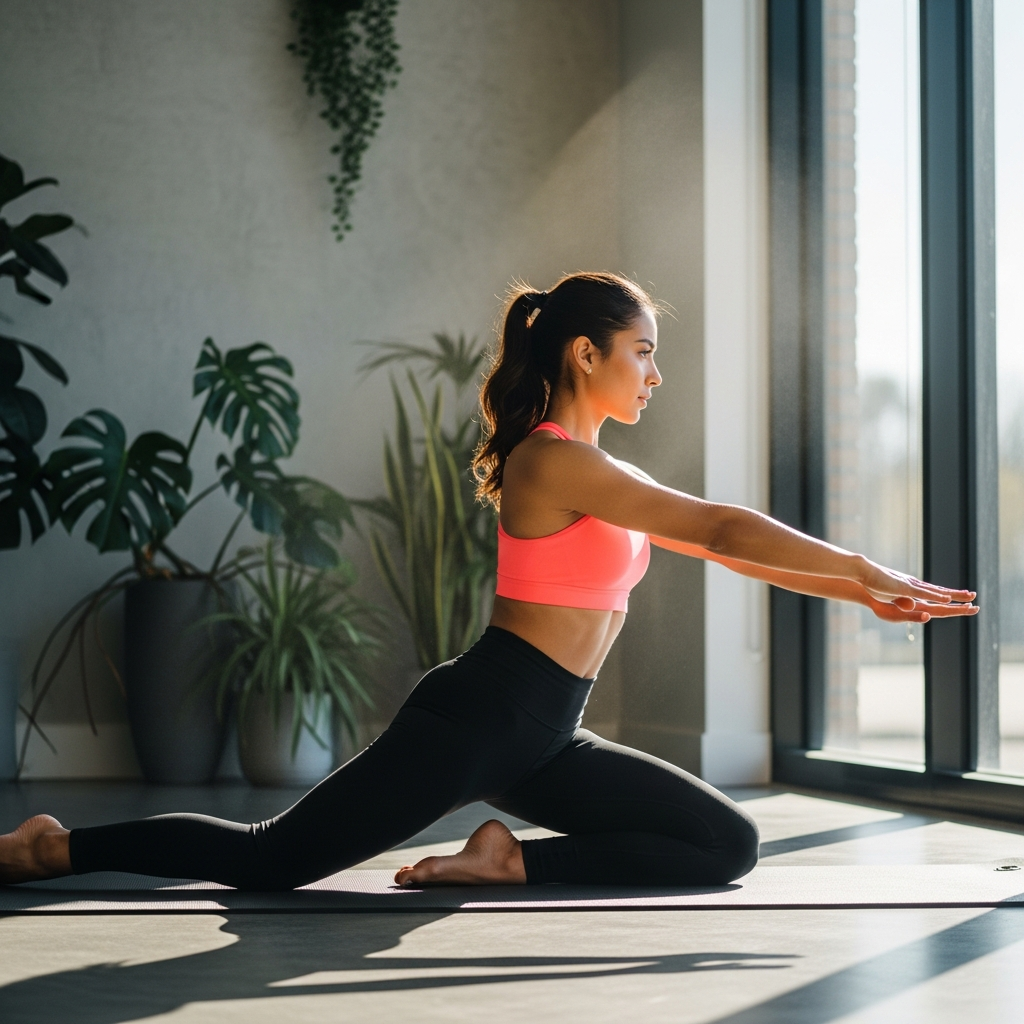
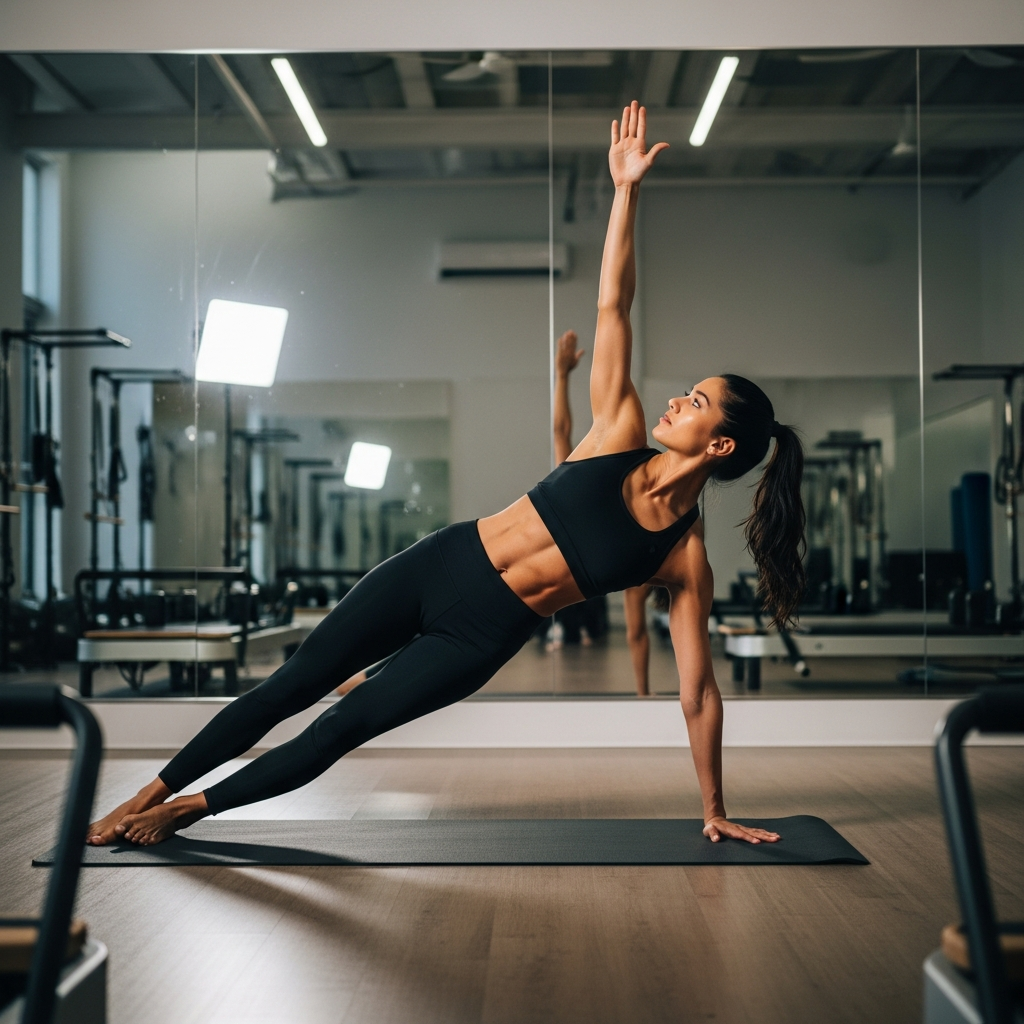
Hot Pilates combines the precision and muscle-targeting intelligence of traditional Pilates with a heated room – usually somewhere between 95 and 100 degrees – and the result is something that hits differently than pretty much anything else you’ve tried. It’s challenging without being punishing. It’s strength work without the joint stress of heavy lifting. And something about sweating that thoroughly in a focused, intentional space has a way of clearing your head in a way that a casual treadmill session just… doesn’t.
Fort Worth has a particular kind of professional culture – ambitious, community-driven, no-nonsense. People here work hard and they want results that match that energy. What they don’t always have is time to waste on fitness approaches that require three hours at the gym or six weeks before you feel even a hint of a difference. That’s actually one of the things that makes hot Pilates such a good fit for this city specifically. A 50-minute class delivers a lot. Full body engagement, a serious cardiovascular response, flexibility work, and a stress release that frankly borders on medicinal.
Actually, that last part – the stress piece – might be the most underrated benefit of all. We’ll get into it properly in a minute, but there’s real science behind why intense heat combined with controlled breathing and focused movement does something significant to your nervous system. Something good. Something your cortisol levels will thank you for.
Over the next several sections, we’re going to walk through eight specific benefits of hot Pilates that are especially relevant if you’re living and working in Fort Worth right now. Not vague, feel-good claims – actual, meaningful changes people experience, backed by what the research says and what real practitioners notice in their bodies over time. We’ll talk about what it does for your physique, your flexibility, your cardiovascular health, and your mental clarity. We’ll touch on why the heat isn’t just a gimmick – it genuinely changes the physiological response. And we’ll look at why this particular form of exercise tends to stick in a way that other routines don’t, which matters more than most people realize.
Whether you’re completely new to Pilates, a former practitioner who drifted away, or someone who’s just curious why this heated version keeps coming up in conversation… there’s something useful here for you.
Fort Worth professionals are busy, strategic, and results-oriented. The fitness choices that tend to work best for people like that are ones that deliver multiple benefits at once without requiring a complete lifestyle overhaul. Hot Pilates is one of those rare options that genuinely checks a lot of boxes – and not in a marketing-speak way.
So let’s get into it. Your 6 a.m. alarm is already set. You might as well make what happens after it count.
What Even Is Hot Pilates, Exactly?
Okay, so before we get into the good stuff, let’s make sure we’re on the same page – because “hot Pilates” sounds like it could mean about seventeen different things depending on who you ask.
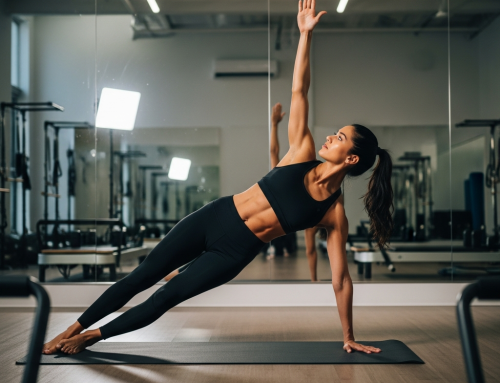
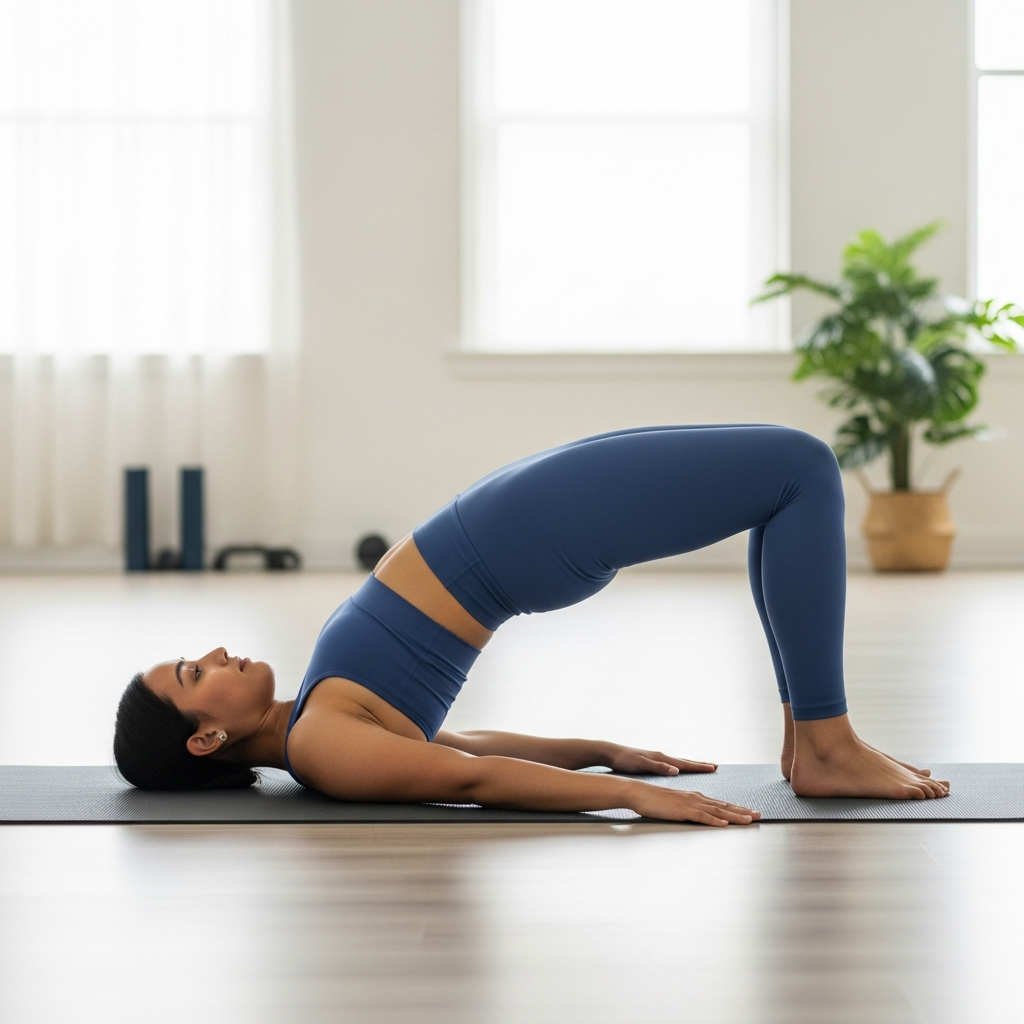
Traditional Pilates was developed by Joseph Pilates in the early 20th century, originally as a rehabilitation method for injured dancers and athletes. The core idea – and this is the part that matters – is controlled, precise movement that strengthens what’s called your “powerhouse”: the deep muscles of your core, hips, and lower back. Not the showy muscles. The ones that actually hold everything together.
Hot Pilates takes that foundation and adds heat. Typically, you’re looking at a room kept somewhere between 95 and 105 degrees Fahrenheit with moderate humidity. Think of it less like a sauna and more like… a warm summer day in Fort Worth in July. Which, if you’ve lived here any length of time, you know is genuinely no joke.
The Heat Part – Why It’s Not Just Gimmicky
Here’s the thing that confuses a lot of people. Adding heat to exercise sounds like a marketing trick, right? Like someone decided “regular Pilates wasn’t Instagram-worthy enough, let’s crank the thermostat.”
But there’s actually real physiology happening here.
When your body operates in elevated temperatures, your muscles become more pliable – more willing to lengthen and move through a fuller range of motion. It’s the same reason physical therapists sometimes apply heat to a stiff joint before working on it. Warmer tissue is more elastic tissue. You can think of your muscles a bit like cold butter versus room-temperature butter. Trying to spread cold butter tears everything up. Room temp? It moves the way you actually want it to.
The heat also increases your heart rate without you having to do more work. Your cardiovascular system kicks into a higher gear just to regulate your body temperature, which means you’re getting a meaningful cardio stimulus even during movements that look deceptively calm from the outside.
Pilates Versus “Regular” Exercise – A Quick Clarification
A lot of Fort Worth professionals come in having tried everything from HIIT classes to marathon training, and they’re skeptical that something as “gentle” as Pilates is going to do much for them. That’s completely fair skepticism.
Here’s the honest answer: Pilates isn’t cardio in the traditional sense. It’s not going to give you the same heart-pounding experience as a sprint interval session – at least not on its own. What it does is build the foundational strength and body mechanics that make everything else you do more effective and less likely to hurt you. It’s like… upgrading the operating system rather than just downloading more apps.
The hot element closes that gap considerably, though. When you’re holding a controlled movement in 100-degree heat, your body is working significantly harder than it looks. First-timers are often genuinely surprised by how depleted they feel walking out.
The Mind-Body Connection (Bear With Me on This One)
This part gets a little abstract, but it’s worth understanding. Pilates – more than most exercise formats – requires you to be mentally present during movement. You’re not zoning out to a podcast while your legs move automatically. You’re actively thinking about which muscles are firing, whether your spine is in the right position, whether you’re compensating with the wrong muscle group.
That intentional focus is actually a form of stress relief in disguise. When your brain is fully occupied with “engage your transverse abdominis and keep your shoulder blades down,” it physically cannot be running through your 4 o’clock meeting agenda at the same time. The heat amplifies this effect – you have to stay present because the environment demands it.
For professionals who spend most of their day ping-ponging between mental tasks, that forced presence feels… surprisingly restorative. Almost meditative, though some people hate that word.
What You Actually Need to Know Going In
Hot Pilates is generally lower-impact than high-intensity boot camps, which makes it accessible to people across a pretty wide fitness range. That said, the heat is real, hydration matters more than you might expect, and your first class will probably feel harder than anticipated. That’s normal. Your body’s learning two new things at once – the movements and the heat adaptation – and that takes a session or two to sort itself out.
After that? Most people find their groove pretty quickly.
What to Expect Your First Week (So You’re Not Caught Off Guard)
Here’s the thing nobody tells you before your first hot Pilates class – you’re going to sweat more than you think is humanly possible. Like, “did I accidentally walk into a sauna” levels of sweat. That’s completely normal. Your body needs about three sessions to start adapting to the heat, so don’t judge the experience by that first brutal Tuesday morning class where you wanted to lie flat on the mat and never move again.
Bring two water bottles. Seriously. One always runs out, and the person next to you who’s been doing this for six months will have two, and you’ll understand why. A small towel for your mat isn’t optional either – it’s survival gear.
Most Fort Worth studios keep their rooms between 95-104°F. If you’re commuting from downtown or TCU area, give yourself 20 minutes of cushion before class. Rushing into that heat when your heart rate is already elevated from traffic on 30 is a recipe for a rough experience.
How to Actually Fit This Into a Packed Schedule
Fort Worth professionals aren’t exactly swimming in free time. So let’s be real about logistics.
The 6 AM slots at most studios fill up fast – we’re talking Thursday-night-fast. Get in the habit of booking your week on Sunday evenings. Most apps let you hold your spot, and canceling 12 hours out usually keeps your account in good standing. Treat it like a standing meeting you don’t reschedule.
Lunch sessions (usually 12-12:45) work surprisingly well if your office is anywhere near the cultural district or West 7th. You’ll need a solid 15 minutes post-class to cool down before you’re presentable for an afternoon of client calls. Budget that time honestly.
Here’s a scheduling secret worth knowing – Thursday evening classes are consistently less crowded than Mondays or Saturdays at most local studios. You get more instructor attention, more mat space, and somehow the energy in the room is just… easier. Don’t ask me why, it just works.
What to Eat (And When to Stop Eating)
This trips people up constantly. Hot Pilates on a full stomach is genuinely miserable – the heat amplifies everything, including that regret you’ll feel about the lunch you ate two hours ago.
Give yourself at least 2 hours after a real meal before class. If you’re doing the early morning sessions, something small and easily digestible works – half a banana, a few crackers, maybe a small smoothie. Your body needs something to fuel the work, but not something it has to spend energy digesting while you’re trying to hold a teaser position in 100-degree heat.
Post-class, your body is primed to absorb nutrients. This is actually when a protein-forward meal does you the most good. A lot of professionals I’ve talked to at local studios swear by keeping a simple recovery meal ready – something they can grab without thinking. Planning that in advance matters more than it sounds.
Getting the Most Out of the Heat
The temperature isn’t just a gimmick – but you have to work *with* it, not against it. That means modifying when you need to. If you feel lightheaded, sit down immediately. No ego, no pushing through. The heat has a way of making you feel stronger than you are in the first 20 minutes, then it catches up fast.
Progress in hot Pilates is sneaky. You won’t necessarily feel it session to session. But around weeks four and five, you’ll notice you’re holding a hundred count longer, or your hip flexors aren’t screaming the morning after. That’s the heat doing its job – accelerating the adaptation you’re working toward.
Actually, that reminds me of something instructors mention a lot – your breathing is controlling more of your experience than you realize. Shallow, panicked breaths in the heat will wreck you. Long exhales through the mouth during hard movements are genuinely regulating your internal temperature. It sounds too simple, but focus on that when things get hard.
The Gear That’s Actually Worth It
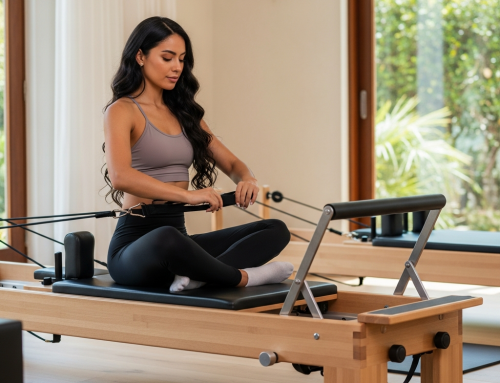
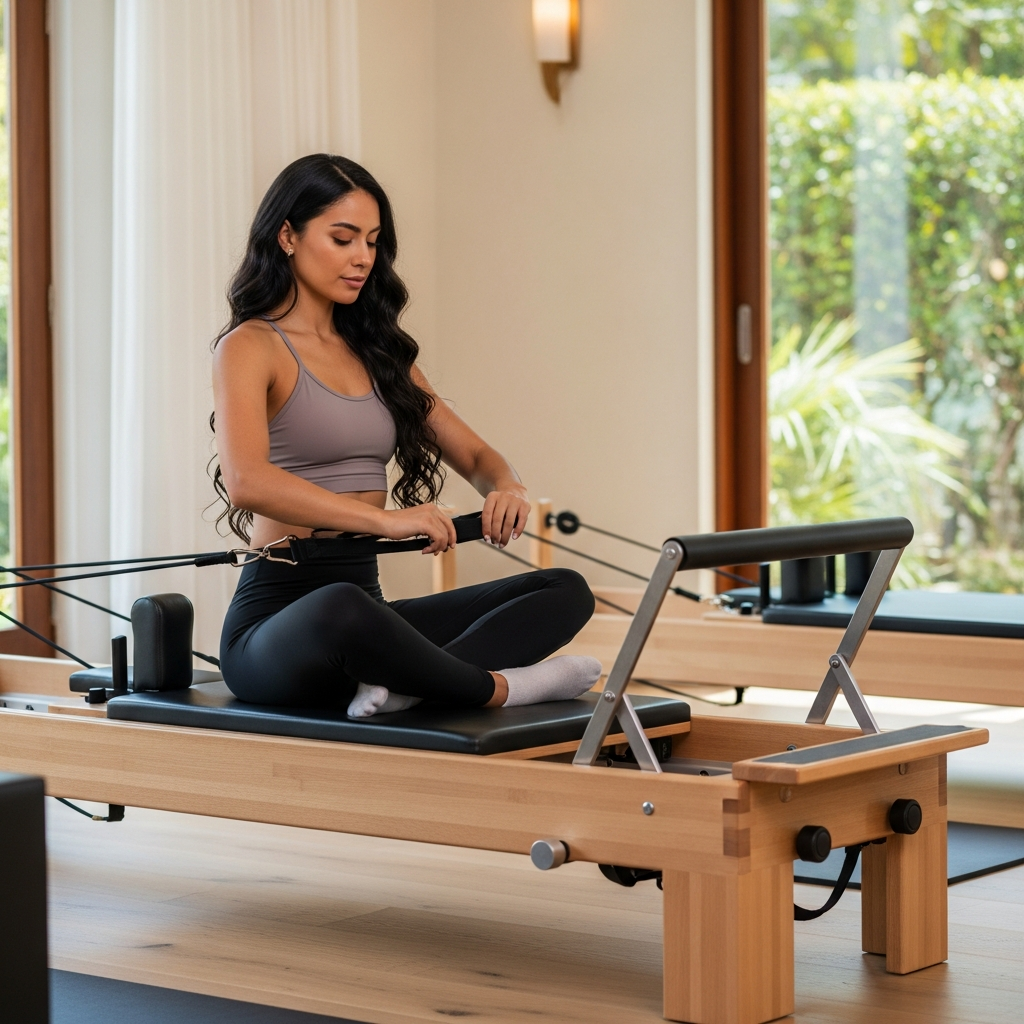
Good grip socks are non-negotiable on the reformer. A mat with a built-in towel surface (sometimes called a “hot yoga mat”) saves you from the whole slip-and-slide situation. Beyond that? Don’t overcomplicate it. Light, moisture-wicking fabrics, minimal layers. The fewer decisions you make about gear, the more mental energy you have for the actual work.
The Stuff Nobody Warns You About
Let’s be real for a second. Hot Pilates sounds amazing in theory – toned muscles, better posture, a serious sweat session that feels productive. And it *is* all those things. But if you walk in completely unprepared, the first few classes can feel less like a wellness revelation and more like a very expensive way to feel terrible.
So here’s what actually trips people up, and what to do about it.
The Heat Hits Different Than You Expect
Most Fort Worth locals think, “I’ve survived August in Texas, I can handle a warm room.” And then they walk into their first hot Pilates class and discover that sustained, humid heat combined with controlled muscle engagement is a completely different animal than sweating through a parking lot.
The first 10-15 minutes can feel genuinely overwhelming. Your heart rate spikes before you’ve done anything particularly strenuous. Your brain starts sending little panic signals. Some people feel dizzy or nauseous and assume something is wrong with them.
Nothing is wrong with you. Your body just needs time to adapt – usually two to four classes before things start feeling manageable rather than miserable.
The fix? Hydrate aggressively the day before, not just the morning of class. By the time you’re thirsty, you’re already behind. Electrolytes matter here too – plain water isn’t always enough when you’re losing sodium and magnesium through serious sweat. A good electrolyte drink the night before and morning of class makes a surprisingly big difference.
Scheduling It Around an Already Packed Life
This is probably the most common reason Fort Worth professionals quit before they ever really start. You’ve got the 7am meeting culture, the lunch that turned into a working lunch, the kids’ pickup situation… fitting in a 55-minute hot Pilates class feels like solving a logic puzzle.
Here’s the honest truth: the first few weeks, it *is* hard to schedule. You’re building a habit that doesn’t exist yet, which means you’re fighting against your existing routines.
What actually works – and this sounds almost too simple – is treating your class like a client appointment. Put it in your work calendar. Not your personal calendar where you’ll negotiate with yourself. Your work calendar, where canceling feels like a bigger deal.
Early morning classes (we’re talking 5:45 or 6am) work surprisingly well for professionals once the habit sticks, because life hasn’t had a chance to complicate itself yet. Nothing has gone sideways at 6am. Your inbox is still quiet.
The Comparison Trap Is Real
Hot Pilates studios attract people at wildly different fitness levels, and for some reason, the class format makes it very easy to watch the person next to you hold a perfect teaser position while you’re quietly collapsing. It’s demoralizing in a way that other workouts sometimes aren’t.
The modifications exist for a reason. Actually use them. An instructor who’s worth their salt will offer variations for every exercise, and taking the modified version isn’t failing – it’s just… doing the exercise correctly for where your body actually is right now. The person doing the advanced version probably struggled through six months of modifications themselves.
Muscle Soreness That Surprises You
Hot Pilates works muscles that most workout routines completely ignore. If you’re a runner or a cyclist or someone who hits the gym regularly, you might walk into class feeling confident about your fitness level. And then spend the next two days unable to sit down without making a sound.
Deep core stabilizers, hip rotators, the small muscles around your shoulder blades – these get genuinely challenged in ways they’re not used to. That soreness is normal and it does get better. But plan your first few weeks around it. Don’t schedule a big presentation or a long drive the day after your first class. Ask how we know.
When Results Feel Slow
This one’s worth addressing honestly because it’s where a lot of people quietly give up. Hot Pilates changes your body in ways that aren’t always immediately obvious on a scale. You might notice better posture, less back pain, improved flexibility weeks before you notice changes in body composition.
If the number on the scale isn’t moving as fast as you’d hoped, that’s worth talking through with a medical weight loss professional who can look at the full picture – what you’re eating, how you’re sleeping, whether your hormones are playing along. Exercise is one piece of the puzzle, not the whole thing.
The people who stick with hot Pilates long enough to love it are usually the ones who got honest support early on, rather than pushing through alone and burning out.
What to Actually Expect (And When)
Let’s be honest for a second – most fitness content promises you’ll feel like a completely different person after two weeks. That’s… not quite how this works. Hot Pilates is genuinely effective, but it’s not magic, and going in with realistic expectations is actually what sets people up for long-term success rather than disappointment.
So here’s the real timeline, as best as we can lay it out.
The First Few Sessions Are Humbling
There’s no sugarcoating this part. Your first hot Pilates class will probably feel hard in ways you didn’t anticipate. The heat alone takes some getting used to – your body is working overtime just to regulate its temperature while you’re also trying to remember which leg goes where. You might feel a little dizzy. You’ll definitely sweat more than you thought humanly possible.
This is completely normal. It doesn’t mean you’re out of shape (well, maybe a little – but that’s why you’re there). It means your body is adapting to something new. Most people need three to five sessions before the heat starts feeling manageable rather than overwhelming.
Give yourself that grace period before deciding whether hot Pilates is “for you.”
Weeks Two Through Four: Things Start Clicking
Around the two to four week mark – assuming you’re coming two or three times a week – you’ll probably notice a few things shifting. Your core will start activating more naturally. You’ll catch your breath faster between exercises. The movements that felt impossible? You’ll still find them challenging, but you’ll understand them now.
Sleep often improves during this phase, which Fort Worth professionals tend to notice first, actually. When you’re spending your days in back-to-back meetings and your evenings staring at a screen, that deeper, more restful sleep feels like a gift.
Don’t expect dramatic physical changes yet. That’s not pessimism – it’s just biology. Your nervous system and muscles are still in learning mode.
The One to Three Month Mark: Real, Visible Progress
This is where things get genuinely exciting. By the six to twelve week range, most people start seeing and feeling meaningful changes – better posture (your coworkers might notice before you do), increased flexibility, more defined muscle tone, and a noticeably stronger core. If weight loss is part of your goal, combined with mindful eating, this is typically when the scale starts cooperating more consistently.
Your stress response may shift too. Hot Pilates has a way of teaching you how to stay calm under physical pressure, and that skill has a funny habit of bleeding into the rest of your life. Deadlines feel slightly less catastrophic. You handle difficult conversations with a bit more steadiness. It sounds like a stretch – no pun intended – but we hear this from clients regularly.
What “Normal” Progress Actually Looks Like
Here’s something worth knowing: progress is almost never linear. You’ll have weeks where you feel strong and weeks where everything feels harder than it should. Life gets busy, you miss a few classes, stress spikes – and suddenly that pose you’d mastered feels foreign again.
That’s not failure. That’s just how bodies and schedules work together in real life.
The professionals who get the most out of hot Pilates are the ones who stop treating it like a performance metric and start treating it like a standing appointment with their own well-being. Two to three sessions per week is the sweet spot for most people – enough to build real momentum without adding another stressor to an already packed calendar.
A Few Practical Next Steps
If you’re curious about trying it, a few things will help you start on the right foot. Hydrate aggressively the day before your first class – not just the morning of. Wear lightweight, fitted clothing since loose fabric in the heat becomes its own problem quickly. Show up a few minutes early to acclimate to the room temperature and talk to the instructor about any injuries or limitations you’re working around.
And please – bring more water than you think you need.
Most studios offer introductory packages or trial classes, which is a low-pressure way to get a real feel for whether the format works for your body and your schedule. One class might not tell you everything, but two or three will tell you a lot.
The most important step, honestly, is just showing up that first time. Everything else figures itself out from there.
You’ve put in long days. You’ve sat through the meetings, answered the emails, handled whatever the week threw at you – and somehow you’re supposed to find time and energy to actually *take care of yourself* too. That tension is real, and it doesn’t go away just because someone hands you a listicle about wellness habits.
But here’s what’s worth holding onto: the benefits we talked about aren’t theoretical. They’re not the kind of thing that works for some idealized version of you with a perfect schedule and zero stress. Hot Pilates was practically built for people whose lives are full – full of demands, full of sitting, full of that particular kind of exhaustion that comes from being mentally fried even when your body hasn’t moved much all day.
The heat does something. The controlled movement does something. And doing it consistently? That’s where the real shift happens – not just in how your body looks or feels, but in how you walk into a Monday morning.
This Isn’t About Being a Fitness Person
You don’t have to love exercise. You don’t have to already be flexible or strong or disciplined. A lot of people who swear by hot Pilates now started out skeptical – maybe even a little intimidated by the whole “hot room” thing. (Fair. It sounds intense.) But most of them say the same thing afterward: it was more manageable than they expected, and they felt *noticeably* different within the first few sessions.
That’s not a small thing when you’ve been feeling stuck.
Fort Worth Is a Hard-Working Town
There’s something about this city – people here grind. They build things, they show up, they push through. And sometimes that same quality that makes Fort Worth professionals so effective is the exact thing that makes them last on the list of their own priorities.
You probably already know how to work hard. What you might need is a structure that works *with* your life instead of demanding you become a different person to maintain it. Hot Pilates, especially when it’s part of a thoughtful, medically supported approach to your health, can genuinely be that structure.
You Don’t Have to Figure It Out Alone
If you’re curious about how hot Pilates might fit into a bigger picture – whether that’s weight loss, stress management, rebuilding strength after years of a sedentary desk job, or just finally feeling like yourself again – we’d love to talk with you about it.
Not in a pushy, here’s-our-program way. Just an honest conversation about where you are, what you’re dealing with, and what might actually help. Our team works with Fort Worth professionals every day, and we understand the specific kind of life you’re navigating.
Reach out whenever you’re ready. It can be a question, a concern, a “I don’t even know where to start” – all of it is welcome. That’s what we’re here for.
Because you’ve been showing up for everyone else for a long time. It might be time to show up for yourself a little too.