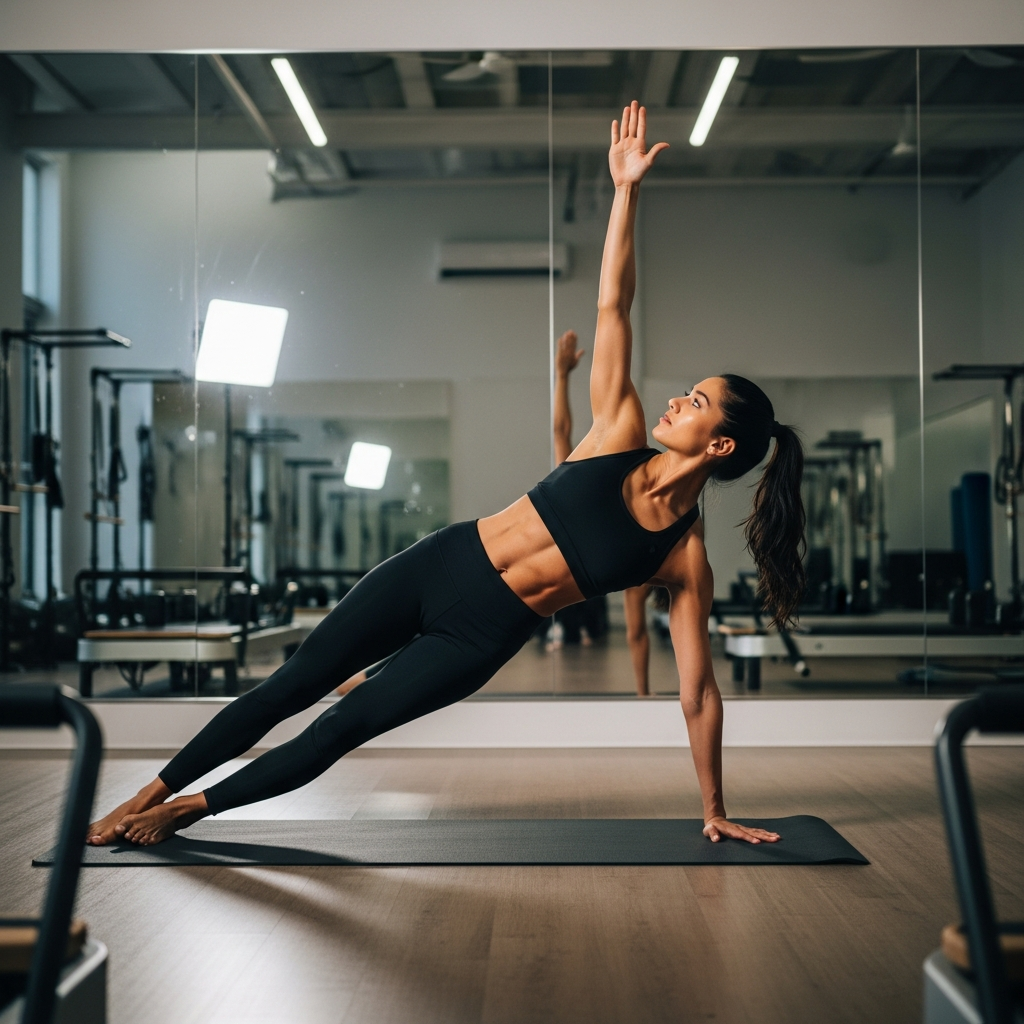
Ryan Place Pilates Studio: What to Expect in Your First Week
You’ve signed up. You’ve paid. You’ve told at least three people about it so there’s no backing out now.
And yet here you are, the night before your first Pilates class, wondering if you made a terrible mistake. What if everyone else has been doing this for years? What if there are moves you’re supposed to already know? What if you fall off that reformer thing – because honestly, it looks like a medieval torture device and nobody talks about that enough.
Sound familiar? Yeah. We thought so.
Starting something new is exciting and terrifying in roughly equal measure, and Pilates has this particular way of making first-timers feel like they’ve wandered into a foreign country without a phrase book. The equipment is unusual. The language is specific. “Neutral spine.” “Imprinting.” “Find your powerhouse.” It’s a lot to absorb before you’ve even broken a sweat.
Here’s the thing though – that feeling of being a complete beginner? It actually passes faster than you’d expect. Especially when you walk into a place that genuinely gets it.
Ryan Place Pilates Studio in Fort Worth has built its entire approach around making that first week feel less like a trial by fire and more like… well, like finding your footing. Carefully. With good instruction and nobody judging your footwear choices. There’s something genuinely different about the environment there – a kind of intentionality that you’ll notice the moment you walk in, even if you can’t quite put your finger on what it is right away.
Why Your First Week Actually Matters More Than You Think
Here’s something most studios won’t tell you upfront: the first week sets the tone for everything that comes after. Not because you’ll learn everything – you absolutely won’t, and that’s completely fine – but because you’ll develop your first impression of how your body moves, what your weaknesses actually are (surprise: they’re probably not what you assumed), and whether this is a practice you can genuinely see yourself sticking with.
That last part is maybe the most important. Because Pilates only works if you keep doing it. It’s not a one-session fix or a quick detox. It’s more like learning an instrument – awkward and humbling at first, then gradually, almost sneakily, transformative. The people who get the most out of it are the ones who got through that uncomfortable beginner phase without giving up.
Which is exactly why knowing what to expect going in makes such a difference.
What You’re Actually Going to Learn Here
This isn’t a glossy brochure situation where everything sounds perfect and nobody mentions the hard parts. We’re going to walk you through your first week at Ryan Place Pilates Studio honestly and practically – the scheduling, the introductory sessions, what the instructors are actually like, how your body might feel on day two (spoiler: interesting), and how to set yourself up to actually stay consistent past week one.
We’ll also talk about what Pilates is doing for you under the hood, so to speak – why it matters for weight loss and body composition, why the medical weight loss community has increasingly recognized it as a genuinely valuable tool, and what you can realistically expect to feel different about in your body and your posture even within those first few days.
Because here’s the truth: most people come to Pilates through some kind of turning point. Maybe a doctor’s recommendation. Maybe a back that’s been complaining for years. Maybe just a quiet, persistent sense that something needs to change. Whatever brought you here, you’re not just signing up for a fitness class. You’re investing in learning how to use your body differently – more intentionally, more efficiently, with a lot more awareness than most of us walk around with day to day.
That’s actually kind of a big deal.
So whether you’re nervous, excited, totally skeptical, or some complicated mixture of all three – this is for you. Let’s talk about what your first week at Ryan Place Pilates Studio really looks like, and why it might just be the beginning of something you didn’t see coming.
The Method Behind the Movement
Pilates has been around since the 1920s – developed by Joseph Pilates, a German-born fitness innovator who originally called his system “Contrology.” Which is honestly a much cooler name, but here we are. The core idea was radical for its time: that the mind and body should work together, not separately, and that most of our movement problems trace back to a weak, unstabilized center.
That center is what everyone calls “the core” now, though the Pilates definition is a bit more expansive than the six-pack muscles you might be picturing. Think of it less like a single muscle and more like a canister – your deep abdominals in front, your back muscles behind, your diaphragm on top, your pelvic floor on the bottom. When all four walls of that canister are working together? That’s when movement starts to feel effortless. When they’re not… well, that’s when your lower back starts sending you strongly-worded messages.
Why It Feels So Different From the Gym
Here’s the thing that surprises almost everyone in their first class. You won’t be exhausted in the way you expect. You might finish a 55-minute session and think, “Wait, was that even a workout?” Then you’ll wake up the next morning and find muscles you genuinely didn’t know existed.
That’s not an accident. Pilates targets what trainers call stabilizer muscles – the small, deep guys that most conventional exercise completely ignores. They’re not glamorous. They don’t look impressive in a mirror. But they’re the reason some people move through life with ease and others feel like a creaky door that needs oiling.
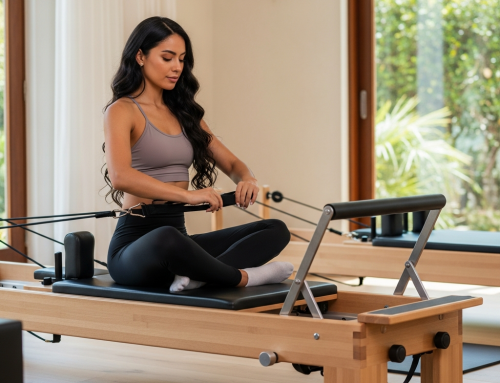
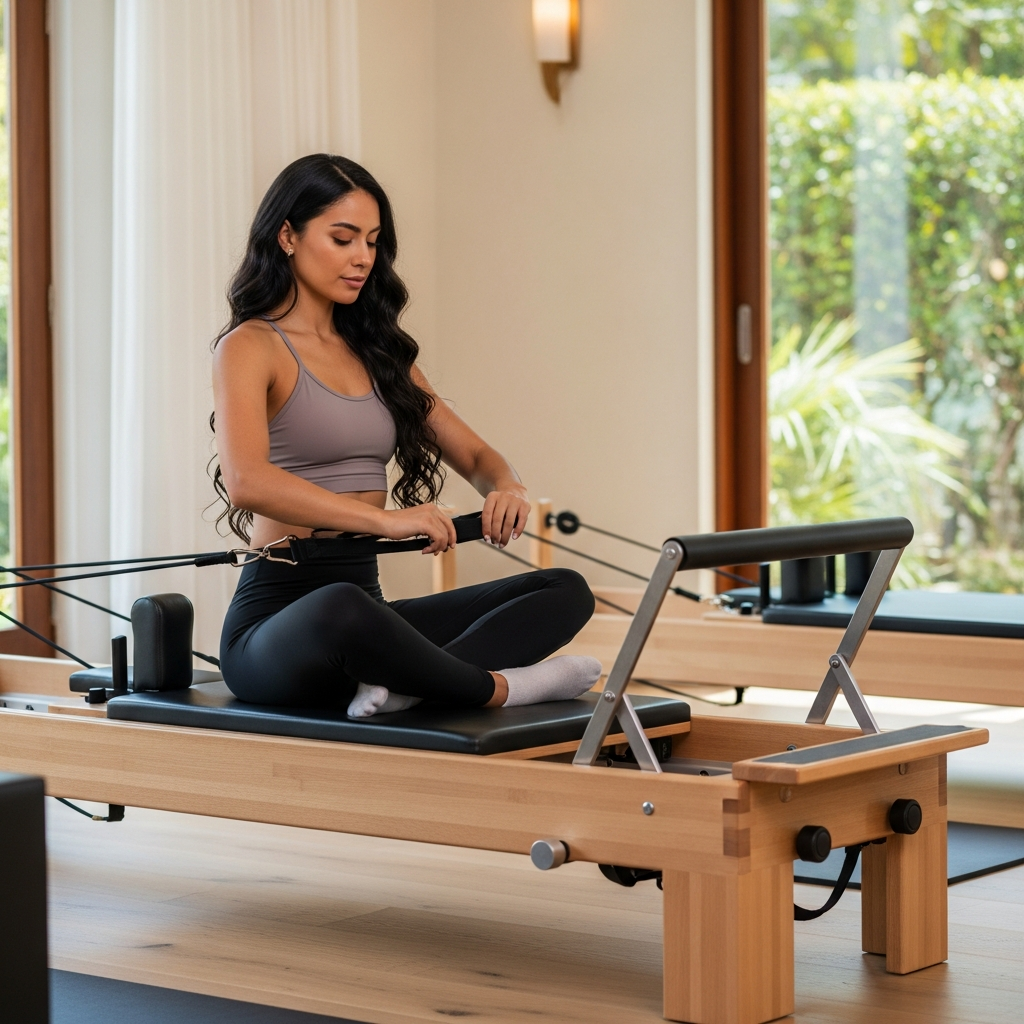
The resistance you’ll work against at Ryan Place comes primarily from the Reformer – that long, carriage-on-springs contraption that looks like something between a bed and a medieval torture device. (It’s neither, I promise.) The spring tension is adjustable, which is actually counterintuitive at first: more resistance doesn’t always mean harder. Sometimes the lighter spring settings require more control and stability, making them genuinely more challenging for beginners. Your instructors will explain this in the moment, but don’t be surprised if it takes your brain a minute to catch up.
The Breath Thing Is Real (and Weird)
Okay, let’s talk about breathing, because it’s one of those concepts that sounds simple and then immediately makes you feel like you’ve forgotten how to be a human.
In Pilates, breath is coordinated with movement in very specific ways – generally exhaling on the exertion, inhaling to prepare. The idea is that your exhale naturally engages those deep core muscles, so pairing breath with effort creates better stability automatically. Your body does some of this work for you, which is elegant when it clicks.
It won’t click immediately. And that’s completely fine. Most instructors at Ryan Place will remind you to breathe during your first week mostly because people just… stop. They focus on the movement, they hold their breath, and then they wonder why they feel tense. Just keep breathing. Even imperfectly. The coordination comes with time.
Neutral Spine – The Concept That Changes Everything
You’ll hear the phrase “neutral spine” approximately one thousand times in your first week. It sounds clinical, but it’s actually pretty intuitive once someone shows you.
Think about the natural S-curve your spine makes when you’re standing comfortably – not slouching, not military-straight, just… easy. That’s neutral. Pilates works to protect and strengthen around that natural position, rather than flattening it out (which older fitness approaches used to promote, and we’ve since learned was not ideal).
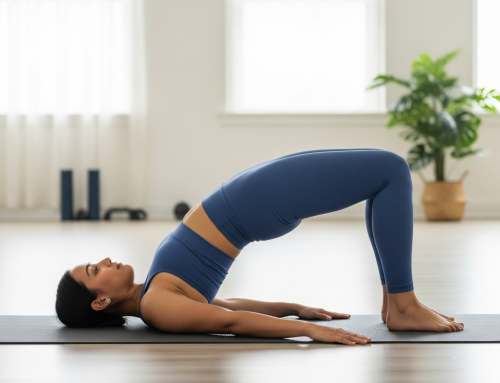
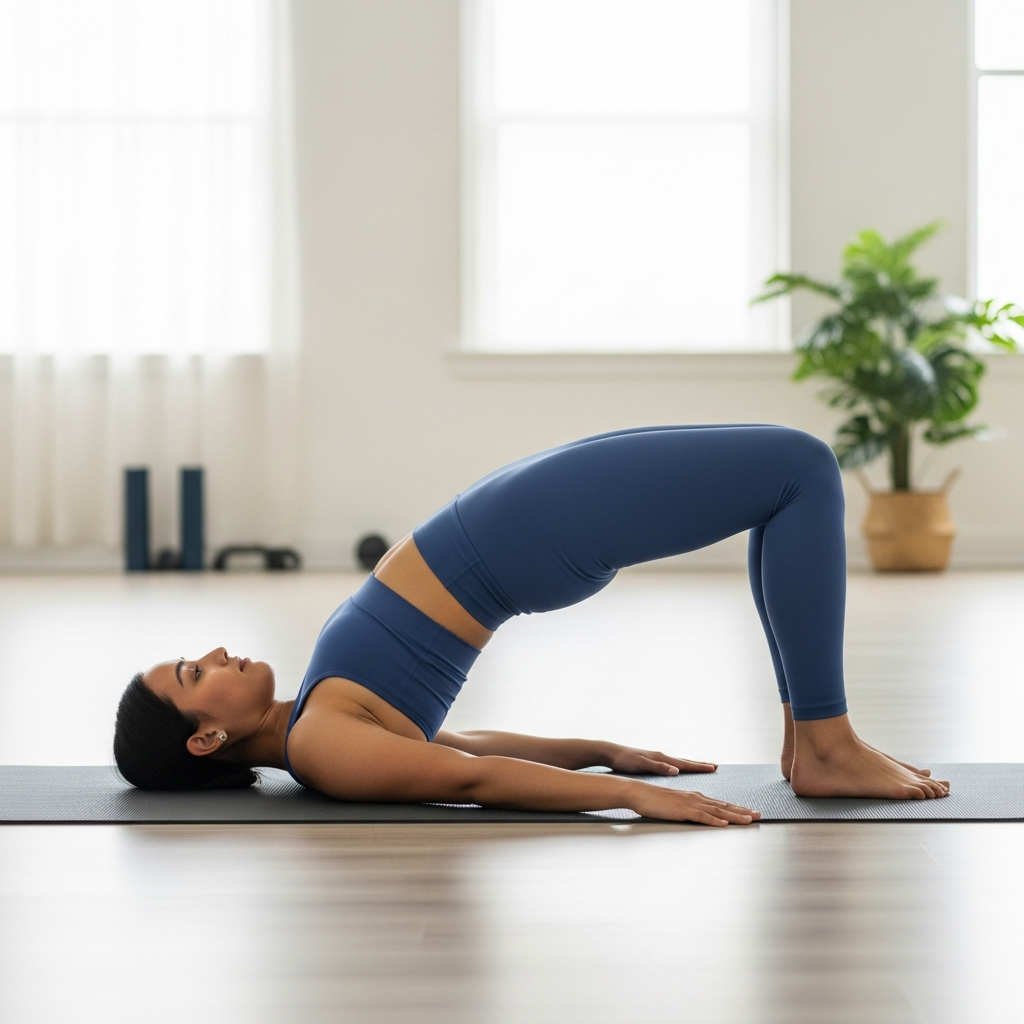
Actually, that reminds me of something worth mentioning – a lot of people come in having done yoga, and there’s definitely overlap between the two practices in terms of body awareness and mindfulness. But where yoga often works toward flexibility and range of motion, Pilates is obsessing over strength within that range. They complement each other beautifully, which is why plenty of people do both.
What Your Body Is Actually Learning
More than any specific exercise, what Pilates teaches in those first sessions is proprioception – your body’s sense of where it is in space. It’s why dancers and athletes who add Pilates suddenly find their performance improving in ways that seem unrelated to what they’re actually doing on the mat.
Your nervous system is getting recalibrated. That’s not a small thing. It’s just a slow, quiet thing – which requires a little patience, especially in week one.
Before You Even Walk Through the Door
Do yourself a favor and show up a few minutes early on day one – not because they’ll be annoyed if you’re late, but because scrambling to fill out paperwork while everyone else is already warming up is a genuinely terrible way to start. Most studios have intake forms asking about injuries, surgeries, and any chronic pain you’re managing. Be honest on these. Like, really honest. That old rotator cuff issue you’ve been ignoring for three years? Write it down. Your instructor will thank you, and more importantly, your shoulder will thank you.
Wear something fitted enough that an instructor can actually see your spine and hips moving. Loose yoga pants are fine. A giant oversized t-shirt that hides everything? Less ideal. You don’t need to buy special Pilates socks right away, but if the studio requires grip socks (many do), grab a cheap pair at Target the night before rather than paying studio markup prices.
The First Session Will Humble You
And that’s completely okay. Actually, it’s kind of the point.
Pilates isn’t difficult in the way that, say, a boot camp class is difficult – where you’re gasping and sweating through sheer cardio effort. It’s difficult in this quiet, maddening way where your instructor says “now engage your deep core” and you’re lying there thinking… I genuinely don’t know what that means or how to do that. Your brain and your body are trying to establish a connection they probably haven’t needed before.
Don’t fake it. If you can’t feel what they’re describing, say so. Good instructors at Ryan Place aren’t going to judge you – they’re going to give you a tactile cue or a modification that actually helps. The students who improve fastest are almost never the most athletic ones. They’re the ones who ask questions.
Track Your Soreness (It Tells You Something Useful)
By day two or three, you might notice soreness in places that surprise you. Deep in your inner thighs. Muscles along your spine you didn’t know existed. The sides of your waist. This is normal, and it’s actually good information – it means you’re recruiting muscles that have been essentially freeloading while your dominant muscles did all the work.
Keep a simple note on your phone after each session. Just jot down what was hard, what clicked, and where you’re feeling it afterward. You don’t need a fancy journal. Even three bullet points will help you notice patterns and give your instructor something specific to work with.
What you *shouldn’t* feel is sharp pain in your joints or your lower back screaming at you. That’s not “good soreness” – that’s your body flagging something worth mentioning before your next session.
The Repetition Is the Whole Game
Here’s something nobody warns beginners about: the exercises themselves are often simple. You’ll do the same movements repeatedly, which can feel almost boring if you’re used to variety-heavy fitness classes. Resist the urge to dismiss this.
Each rep is actually asking you to do the same thing slightly better than the last one. Tiny adjustments accumulate. By the end of your first week, if you pay attention, you’ll notice that an exercise that felt completely foreign on Monday starts to make a weird kind of sense by Friday. That shift in awareness – that’s what you’re actually building. The physical changes come later, built on top of it.
A Few Practical Things Nobody Thinks to Mention
Eat something light an hour or two before class. Not a full meal – that’s uncomfortable – but showing up completely empty tanks your focus and your energy. A banana, some peanut butter toast, something simple.
Hydrate more than you think you need to. Pilates might not drench you in sweat the way a cycling class does, but you’re doing real muscular work and your body needs water to recover properly.
And finally – talk to your instructor after that first session if anything felt off or confusing. They’re not wrapping up to get away from you. A two-minute conversation about what you noticed can shape the next several sessions in ways that save you weeks of frustration. That’s not a small thing. That’s actually one of the biggest advantages of a studio like this over doing videos at home, so use it.
Your Body Will Protest (That’s Normal)
Let’s be real about something: Pilates looks deceptively gentle. You watch someone glide through a reformer session and think, how hard can this be? Then day two arrives and you discover muscles you genuinely didn’t know existed – somewhere between your shoulder blades and your actual spine, apparently – and suddenly everything makes sense.
The delayed muscle soreness that hits 24-48 hours after your first session is real, and it catches most people off guard. Not because Pilates is brutal, but because it asks your body to work in ways it’s completely forgotten. Small stabilizing muscles that have been along for the ride for years – letting your bigger, dominant muscles do all the heavy lifting – suddenly get called to do their actual job. That ache you feel? It’s essentially those muscles waking up confused and a little annoyed.
What actually helps: Gentle movement beats lying on the couch every time. A short walk, some light stretching, staying hydrated. Don’t skip your next session because you’re sore – moving through it (at whatever pace you need) will clear that stiffness faster than rest alone.
The Coordination Problem Nobody Warns You About
Here’s something instructors at Ryan Place see constantly with new clients: the brain-body disconnect. You’ll be told to breathe out as you press, stabilize your pelvis, keep your shoulders down, and engage your core – all simultaneously – and your brain will simply… short-circuit. You’ll hold your breath. Your shoulders will creep up anyway. You’ll laugh, probably, because what else do you do?
This is completely, entirely, one-hundred-percent normal. Pilates is as much a neurological workout as a physical one. You’re building new movement patterns, and that takes repetition. The first week isn’t about doing it perfectly. It’s about starting to understand what “it” even feels like.
The solution here isn’t to try harder – it’s to simplify. If you’re overwhelmed, just pick one cue to focus on. Breathing is usually the best anchor. Get that right and let the rest follow gradually. Your instructors know this is where beginners struggle, so don’t be embarrassed to say “can we slow that down?”
Comparing Yourself to the Person on the Next Reformer
Oh, this one. You’re three minutes into your first session and there’s someone nearby moving with the fluid ease of a person made entirely of water. Every transition is smooth. Every position looks effortless. And you’re over there gripping the footbar for dear life.
Stop. Just… stop doing that to yourself.
That person has probably been coming to Ryan Place for two years. Or they’re a former dancer. Or both. The reformer doesn’t care about your timeline, and neither does anyone else in that room – people are genuinely too focused on their own work to notice what you’re doing. Pilates attracts a remarkably non-judgmental crowd, actually. Most of them remember their own first week with a kind of fond, humbling clarity.
Focus on your own body, your own feedback, your own small wins. Did you find your breath today? Did something click that didn’t yesterday? That’s the whole game.
Fitting It Into Real Life
The scheduling reality of week one trips people up more than the physical stuff, honestly. You’ve committed to coming three times, but then Wednesday gets complicated and suddenly the whole week feels derailed.
Build in some flexibility before you even start. Know which sessions you can attend as backups if your primary time slot falls apart. Treat it like a doctor’s appointment – it’s on the calendar, it has weight, it doesn’t just evaporate because something else comes up. That said, one missed session doesn’t mean you’ve failed. It means life happened. Show up the next time.
When It Doesn’t Feel Like Enough
Some people leave their first few sessions feeling surprisingly fine – not wiped out, not dramatically challenged – and quietly wonder if they’re doing anything. This is especially common for people coming from high-intensity workout backgrounds.
Here’s the truth: Pilates works differently than what you might be used to. The results accumulate underneath the surface before they become obvious. By week three or four, you’ll notice things – posture shifting, everyday movements getting easier, that nagging tightness somewhere finally loosening. The first week is building the foundation. It’s supposed to feel like groundwork, not a grand reveal.
Trust the process, but also – tell your instructor. They can adjust the challenge level, offer progressions, make sure you’re being appropriately pushed for where you are.
Your First Week Is Just That – A First Week
Let’s be honest with you, because we think you deserve that. One week of Pilates isn’t going to transform your body. You probably won’t drop a size, your back pain won’t magically vanish, and you’re not going to walk out on Friday feeling like a completely different person. And honestly? That’s completely okay – because that’s not what this week is actually *for*.
What your first week *is* for is learning. Learning how to find muscles you may have ignored for years. Learning the vocabulary – the instructor cues, the breathing patterns, the movement principles that will eventually become second nature. Right now they probably feel a little foreign. That’s normal. That’s expected. You’re not behind.
What You’ll Actually Feel (The Honest Version)
Soreness. Probably. Not the kind that comes from, say, a brutal run or heavy lifting – it’s more subtle than that. Pilates has a way of finding the small stabilizing muscles that never really get attention otherwise, and those muscles have opinions about being woken up.
Days two and three tend to be the peak of that initial soreness for most people. You might notice it in your core, your inner thighs, muscles along your spine you couldn’t have pointed to on a diagram before. Some people are surprised by how tired they feel after sessions – Pilates looks deceptively gentle from the outside, but the internal work is real.
You might also feel a little frustrated. That’s worth saying plainly. There’s a learning curve here, and some movements won’t click right away. That’s not a reflection of your fitness level or your coordination. It just means you’re new at something, which is genuinely uncomfortable for a lot of adults who aren’t used to being beginners anymore.
What to Watch For (The Good Stuff)
Even in a first week, there are often small signals worth paying attention to. A little more ease when you get up from a chair. Standing a bit taller without consciously thinking about it. Sleeping slightly better after a session day. These aren’t dramatic – they’re quiet. But they’re real, and they’re worth noticing.
Some people feel a kind of mental clarity after class that they weren’t expecting. There’s something about the focused, internal nature of the work – you really can’t zone out during Pilates the way you might on a treadmill – that seems to function almost like a reset for the nervous system. Not everyone experiences this in week one, but if you do, hang onto that feeling. It’ll keep you coming back.
Managing Your Expectations Going Forward
Here’s a rough honest timeline, because we’d rather give you this now than let you get discouraged later.
Weeks one through three are mostly about learning the movements and building body awareness. Progress feels slow because it *is* slow – in the best way. Your nervous system is literally creating new patterns.
Around weeks four through six, things start to click a little more. Movements that felt awkward become more familiar. You start to feel more connected to your core during everyday activities, not just during class.
By the two to three month mark – this is where people really start to notice differences. Posture improves more visibly. Strength and flexibility show real gains. If you’ve been working with weight loss goals alongside your Pilates practice, this is usually when the compounding effects start to feel meaningful.
The people who get the most out of this? They’re the ones who resist the urge to judge week one by month one’s standards.
What to Do Before Your Next Session
Drink water. More than you think you need – the work is more demanding than it looks, even when you’re going slowly. If you’re sore, gentle movement actually helps more than rest does, so a short walk or some light stretching between sessions is a good idea.
Think about what questions came up during class. Maybe a cue didn’t make sense, or you weren’t sure if you were feeling a movement in the right place. Write those down if you can. Your instructors at Ryan Place genuinely want to hear them – that feedback loop between you and your instructor is actually how the work gets more effective over time.
And give yourself some credit. Showing up when something is new and unfamiliar takes more courage than most people admit. You did that. Come back and do it again.
That first week is a lot to take in – and that’s completely okay. You’re learning a new movement language, figuring out where to park, remembering which studio is yours, and asking your body to do things it maybe hasn’t done in years (or ever). That’s not a small thing. Give yourself some credit for just showing up.
Here’s what most people discover by the end of that first week: it wasn’t as intimidating as they thought it would be. The instructors at Ryan Place aren’t watching you with a clipboard, mentally grading your form. They’re genuinely invested in helping you feel better in your body – whether that’s building core strength after a back injury, moving more confidently as you get older, or just finally doing something kind for yourself. The vibe is supportive, not performative.
You Might Be Sore. That’s a Good Sign.
A little muscle soreness in places you forgot you had? Totally normal. Pilates has a sneaky way of recruiting those deep stabilizing muscles that most of us have been ignoring for years. The kind that don’t get hit by a typical gym workout. So yes, you might feel your inner thighs on day three. You might notice your posture changing in the mirror by day five. Small things – but they add up fast.
Progress Looks Different Here
One thing that surprises a lot of new clients is how quickly they start *feeling* results before they see them. More stability. Easier breathing. A little less tension in the shoulders by Friday afternoon. Weight loss goals are absolutely part of the picture – and the medical weight loss support available through the clinic means you’re not navigating that side of things alone – but Pilates works on you from the inside out. That’s actually what makes it so effective long-term.
Be Patient With Yourself (Seriously)
If you stumbled through a reformer exercise, lost count of your repetitions, or had to rest when everyone else kept going… honestly? Same. That’s week one. Nobody’s watching, and the ones who look graceful right now were confused beginners once too. The learning curve is real, but it’s shorter than you think.
By the end of your first week, you won’t be a Pilates expert. But you’ll know where to put your feet on the footbar, you’ll have at least one instructor whose cues just *click* for you, and you’ll probably be thinking about booking your second week already.
We’re Here When You Have Questions
If anything came up this week – a movement that didn’t feel right, a question about how Pilates fits into your broader wellness goals, or even just some uncertainty about what class to try next – please don’t sit with it. Reach out. The team genuinely loves hearing from new clients, and there are no questions too small or too basic. That’s what they’re there for.
You can stop by the front desk, send a message, or give them a call – whatever feels easiest. And if you’re working with the medical weight loss side of the clinic too, your care team can help you connect all the pieces so everything you’re doing is actually working together.
You made a real decision for yourself when you walked through that door. The first week is just the beginning of figuring out what’s possible.