Unraveling the Power of Pilates: What You Need to Know
Do you often find yourself yearning for a workout routine that combines the strength training of weightlifting, the flexibility of yoga, and the core stability of gymnastics? If so, then Pilates might be your perfect workout partner. As the saying goes, “In 10 sessions you will feel the difference, in 20 sessions you will see the difference, and in 30 you will have a whole new body.” This is the power of Pilates, a tried-and-true method that has been transforming bodies and lives for nearly a century.
Pilates is more than just a workout. It’s a holistic approach to health and well-being that can energize your mind while sculpting your body. It’s about balance, concentration, control, centering, precision and breath — all working in harmony to give you leaner muscles, better posture, and increased flexibility. The beauty of Pilates is that it’s suitable for people of all ages and fitness levels. Whether you are an athlete looking to enhance your performance or a beginner seeking low-impact exercises, Pilates can be tailored to your individual needs.
In this blog post, we are going to delve deeper into the world of Pilates. We’ll uncover its history, principles, benefits, and different forms — particularly mat Pilates. We’ll explore what to expect in your first Pilates class, and offer helpful tips on how to maximize your Pilates experience. Our objective is to equip you with all the information you need to understand why Pilates has become such a global fitness phenomenon.
Firstly, we’ll take a look at the history of Pilates. Understanding the genesis of this unique workout system will help you appreciate its evolution and current practices better. From its humble beginnings in an internment camp during World War I to its present-day status as a globally recognized fitness routine, the journey of Pilates is as captivating as the workout itself.
Next, we’ll discuss the principles of Pilates. These six fundamental principles are the pillars of every Pilates routine and they provide a roadmap to achieving a stronger and healthier body. Understanding these principles is key to maximizing the benefits of your Pilates workout.
One of the most popular forms of Pilates is mat Pilates, and we’ll explore this in detail. Mat Pilates is often the starting point for many Pilates enthusiasts. It’s not just about lying on a mat and performing exercises, it’s a systematic program that requires control, precision, and fluidity.
We will also guide you on what to expect in your first Pilates class. The thought of starting a new fitness routine can be daunting, but we’re here to assure you that there’s nothing to worry about. We’ll walk you through how to prepare for your first class, what to wear, what to bring, and what kind of exercises you’ll be doing.
Finally, we’ll discuss why Pilates should matter to you. With so many workouts to choose from, why pick Pilates? We’ll provide compelling reasons backed by science and testimonials from those who have experienced the transformative power of Pilates.
As we embark on this journey together, remember that Pilates is not just about working out; it’s also about developing an understanding of your body, mind, and spirit. So get ready to explore the world of Pilates, where every movement matters and every breath counts. Whether you’re looking to improve your physical fitness, recover from an injury or simply want a workout that engages your body and mind in equal measure, this comprehensive guide to Pilates will show you the way.
The Fundamentals of Pilates: A Comprehensive Guide
Pilates, pronounced puh-lah-tees, is a physical fitness system that was developed in the early 20th century by Joseph Pilates. A German immigrant in Britain and later the United States, Joseph pioneered this method as a way to rehabilitate wounded soldiers during World War I. Later, it became popular among dancers as a form of injury prevention and recovery. Today, Pilates is renowned worldwide as a versatile fitness regimen that fosters core strength, flexibility, and mind-body connection.
Pilates operates on the principle of controlled movements. The central aim is to strengthen the body uniformly, ensuring that no muscle group is overtrained or undertrained. This balance reduces the risk of injury and promotes physical efficiency.
One of the essential tenets of Pilates is the focus on core strength, often referred to as the ‘powerhouse’ in the Pilates domain. The powerhouse is not just your abs; it involves your entire trunk, including your hips, lower back, and buttocks. By strengthening these areas, Pilates helps to stabilize your body, enabling you to control your movements more effectively.
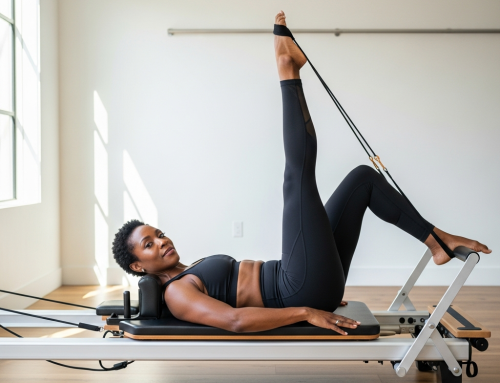
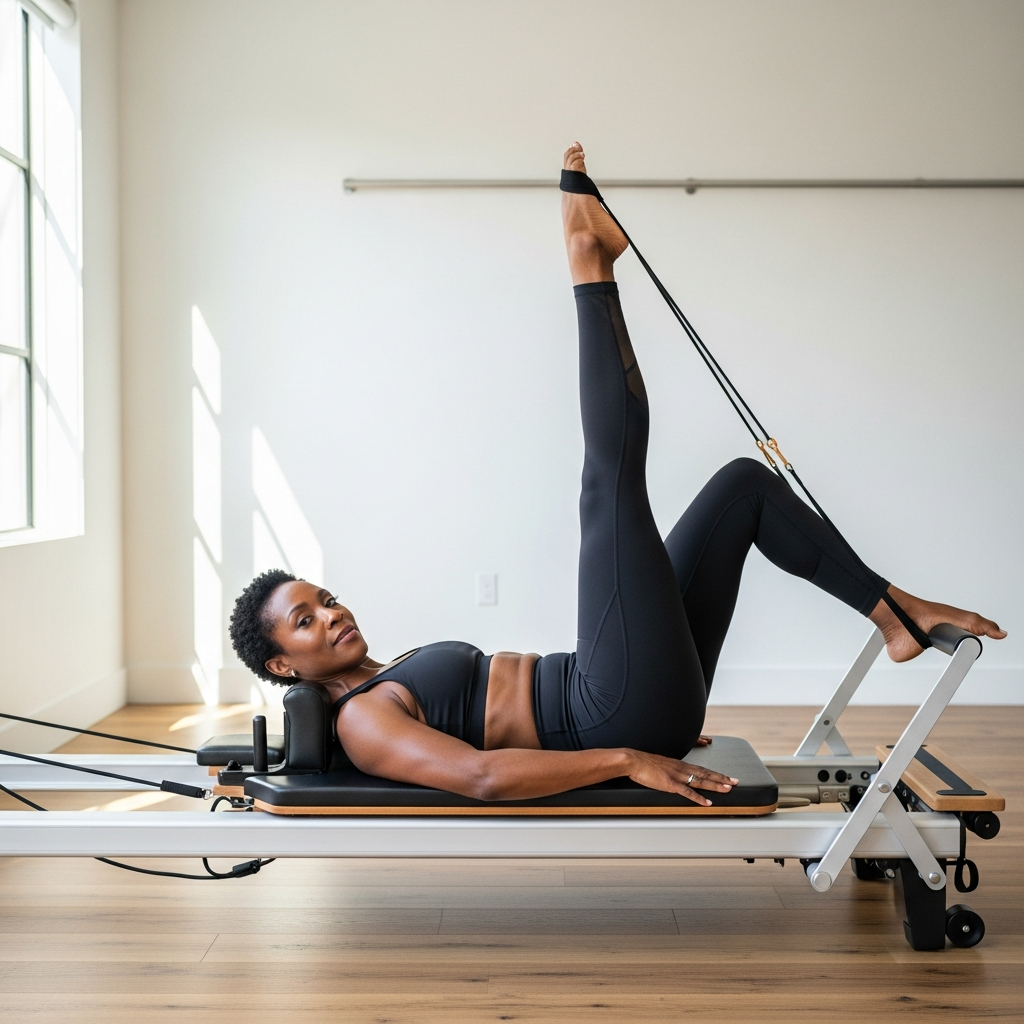
Pilates can be performed on a mat or specialized equipment, such as the Reformer, Cadillac, and Wunda Chair. Mat-based Pilates exercises primarily use your body’s weight and gravity to provide resistance, whereas equipment-based workouts incorporate springs to provide additional resistance. Regardless of the method used, Pilates exercises aim to improve flexibility, build strength, and develop control and endurance throughout the body.
Pilates consists of over 500 exercises inspired by calisthenics, yoga, and ballet. Every workout targets precise muscle groups in an ordered sequence with a high level of concentration and precision. The exercise routines are low-impact and focus on flexibility, muscular strength, and endurance.
Joseph Pilates outlined six key principles that form the foundation of his method: Centering, Control, Flow, Breath, Precision, and Concentration.
1. Centering: This principle focuses on physically bringing the focus to the center of the body, the powerhouse area from the lower ribs to pubic bone. Energy initiates from here and then flows outward to the extremities.
2. Control: Joseph Pilates emphasized the importance of control over every aspect of every exercise – including body placement, alignment, trajectory, and pace. The goal is not to perform many repetitions, but to execute a few with control and precision.
3. Flow: Pilates exercises are meant to flow into each other seamlessly to build strength and stamina. This smooth transition aims to give exercises a graceful, dance-like quality.
4. Breath: Joseph Pilates advocated using breath to cleanse the body and invigorate it with oxygen. He recommended deep, full breaths while performing the exercises. In the Pilates method, breath guides the movement and helps to focus the mind.
5. Precision: Precision refers to executing each movement of an exercise accurately. In Pilates, awareness is sustained throughout each movement because proper form is essential to achieving the maximum benefit.
6. Concentration: Since Pilates is a mind-body exercise, concentration plays a vital role. The connection between mind and body is crucial for mental focus on each movement and understanding how it directly impacts your body.
Pilates also promotes improved posture, muscle tone, balance and joint mobility, as well as relieving stress and tension. For those with back problems, Pilates can be particularly beneficial as it emphasizes good posture and strengthens your body evenly.
Pilates is suitable for everyone, regardless of age or fitness level. It can be easily adapted to match any individual’s ability or needs. Whether you are an athlete looking to elevate your game or someone simply wanting to achieve a better state of health and wellness, Pilates can offer a wealth of benefits.
In conclusion, Pilates is more than just a workout – it’s a way of life. It promotes a balanced development of the body through core strength, flexibility, and awareness in order to support efficient, graceful movement. Pilates isn’t just about the physical benefits; it’s also about improving mental wellbeing by fostering mindfulness and concentration. Embracing Pilates can lead to better physical fitness, improved mental health, and a greater sense of overall wellbeing.
Pilates: An In-depth Overview
Pilates is a unique form of exercise that focuses on strengthening the body with an emphasis on core strength. This helps to improve general fitness and overall well-being. Pilates concentrates on posture, balance and flexibility. In pilates, the chance of injury is much lower than with other more strenuous forms of exercise. Additionally, pilates is also suitable for a wide range of people, from beginners to professional athletes.
The fitness system was developed in the early 20th century by Joseph Pilates, who believed mental and physical health were closely connected. His method was influenced by western forms of exercise, including gymnastics, boxing and Greco-Roman wrestling. Pilates immigrated to the US in the 1920s and opened a studio in New York, where he taught his method – which he called ‘contrology’ – for several decades.
Joseph’s method focuses on quality over quantity. This means that instead of performing many repetitions of each exercise, the focus is more about performing a few precise movements that require control and form.
Understanding Mat Pilates
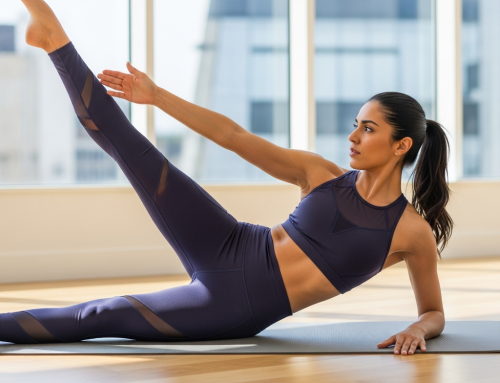
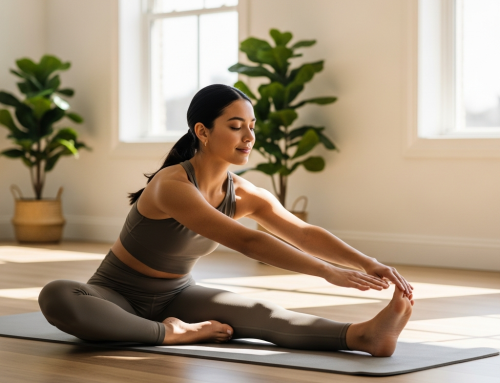
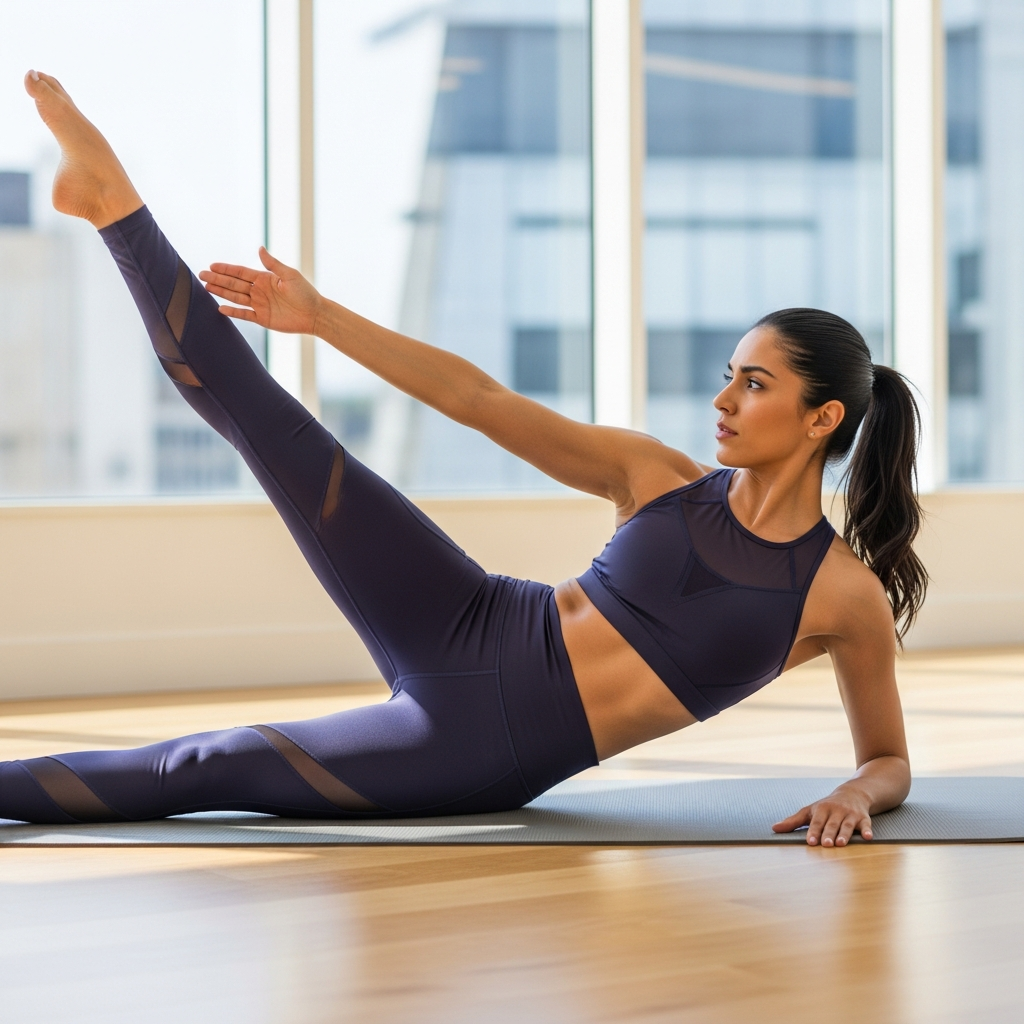
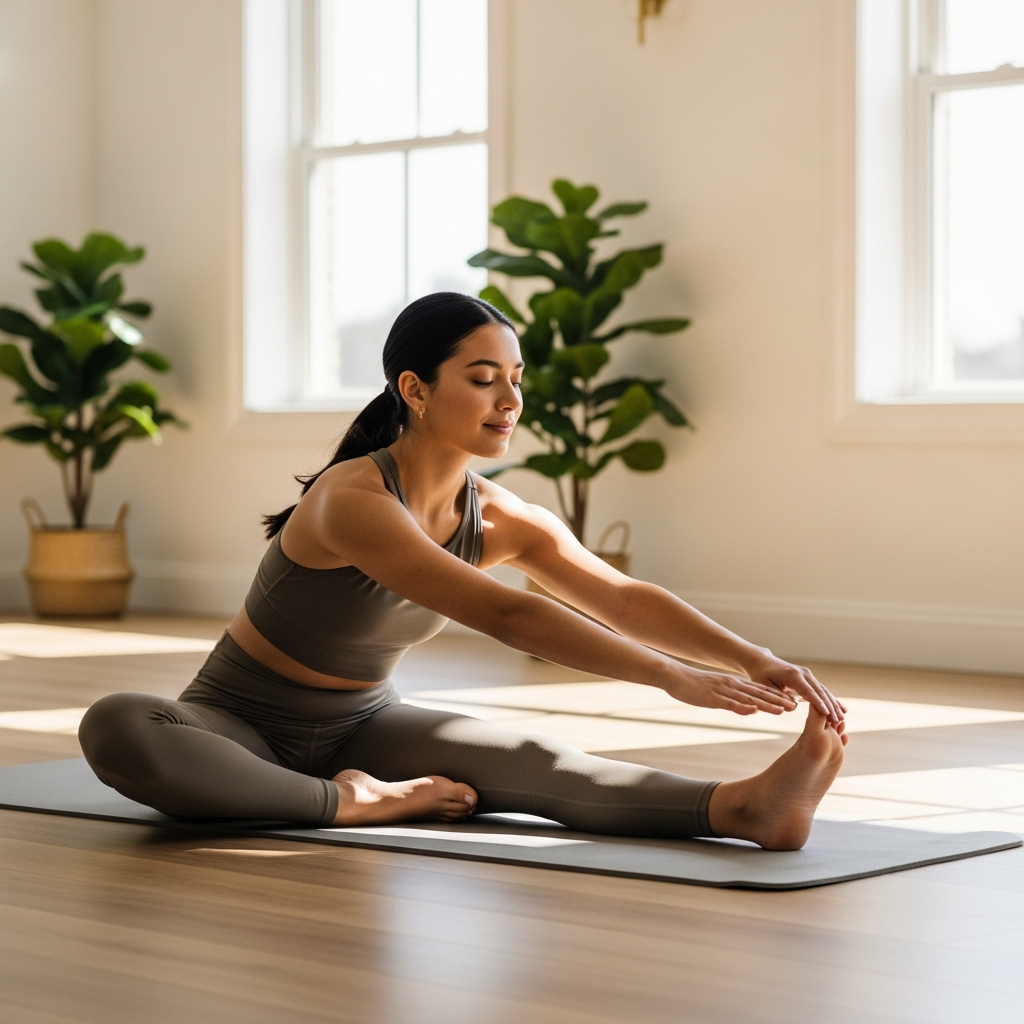
Mat pilates is a series of exercises from within the pilates method designed to be performed on a mat. Unlike some forms of pilates that use various equipment, mat pilates does not require any gear except for a yoga or pilates mat.
A standard mat pilates workout is likely to include a series of exercises such as the ‘hundred’, ‘roll up’, ‘rolling like a ball’, ‘single leg circle’, ‘single leg stretch’, ‘double leg stretch’, ‘spine stretch’ and more. Each exercise is performed with attention to proper breathing techniques and abdominal muscle control.
Mat pilates is highly adaptable. Many exercises can be modified to increase or decrease difficulty, making it a suitable workout choice for beginners and seasoned practitioners alike.
Navigating Your First Pilates Class
If you’ve decided to try pilates, here are some practical steps to guide you through your first class
1. Arrive Early: Many studios offer an introduction to their equipment and their approach to the pilates method before the class begins.
2. Dress Comfortably: You’ll be moving a lot, so wear comfortable clothes. Socks are typically required – ideally those with grips on the bottom to prevent slipping.
3. Introduce Yourself: Inform the instructor that it’s your first class, so they can provide modifications and give extra guidance if necessary.
4. Pay Attention to Form: Pilates is all about precision and control. Listen carefully to the instructor’s cues about form, alignment and breathing.
5. Don’t Rush: The goal is not to do lots of repetitions, but to perform each exercise with perfect form.
6. Stay Hydrated: While pilates may not seem as strenuous as other workouts, it’s still important to drink water before, during and after class.
7. Be Patient: Pilates is a journey. Don’t be discouraged if you find some exercises challenging at first.
In conclusion, pilates is a versatile workout that emphasizes body balance, core strength, and flexibility. Whether you’re a beginner or an expert athlete, incorporating mat pilates or pilates classes into your routine can provide a wealth of benefits. Remember, the key to pilates is precision and control. With regular practice, you can expect to see improvements in your posture, muscle tone, balance and joint mobility, as well as a decrease in stress levels. So why wait? Start your pilates journey today!
Decoding the World of Pilates: Challenges, Solutions, and Expert Tips
Pilates, a physical fitness regimen that was developed in the early 20th century by Joseph Pilates, has evolved into a popular form of exercise worldwide. It focuses on improving core strength, flexibility, posture, and mind-body connection. However, as with any fitness activity, there are challenges, solutions, and expert tips that can help you get the most out of your Pilates workouts.
**Common Challenges and Misconceptions**
One of the most common challenges for beginners is understanding the difference between Pilates and other forms of exercise. Pilates is not simply a set of exercises; it’s a holistic approach to physical well-being. Unlike many other workouts that focus on high-intensity and sweating it out, Pilates emphasizes controlled, precise movements designed to stretch and strengthen the body.
Another challenge is the misconception that Pilates is easy or only for women. This is far from the truth. Pilates requires intense focus, strength, balance, and coordination. It can be adapted to suit everyone from athletes to seniors and is beneficial for both genders.
There’s also a misconception that Pilates is solely about core strength. While core strengthening is an essential part of Pilates, it also works your entire body, improving flexibility, balance, and overall strength.
Lastly, some people believe you need specialized equipment for Pilates. While certain forms of Pilates use machines like the Reformer, mat Pilates can be done with minimal equipment – just a mat and your body weight.
**Solutions and Best Practices**
To overcome these challenges, firstly, educate yourself about what Pilates truly entails. Read authoritative books or articles, or better still, attend a beginner’s class to get firsthand experience.
When starting Pilates, it’s crucial to learn the basic principles: Centering, Concentration, Control, Precision, Breath, and Flow. These principles form the foundation of all Pilates exercises.
Remember that Pilates is about quality over quantity. Focus on doing each movement with precision and control rather than rushing through a series of exercises.
As for the equipment, while a Pilates mat is recommended due to its thickness and cushioning, you can start with any exercise mat. As you progress, you may choose to invest in props like a Pilates ring or resistance bands, but these are not necessary to get started.
**Expert Tips for Pilates Classes**
When attending Pilates classes, whether in-person or online, make sure your instructor is certified from a reputable Pilates training program. A good instructor will guide you to perform exercises correctly, reducing the risk of injury.
Communicate with your instructor about any physical issues or limitations you have. They can modify exercises to suit your needs.
Don’t compare yourself to others in the class. Everyone has a different body and flexibility level. The beauty of Pilates lies in its adaptability to different fitness levels and body types.
Finally, be patient with yourself. Progress in Pilates can be slow, but the long-term benefits are worth it. Consistency is key in seeing improvements in strength, flexibility, and posture.
**Conclusion**
Pilates is a unique form of exercise that promotes strength, flexibility, and a healthy mind-body connection. While it can be challenging to understand and practice initially, with the right knowledge and approach, you can significantly benefit from this holistic fitness regimen. Remember, as Joseph Pilates said, “Patience and persistence are vital qualities in the ultimate successful accomplishment of any worthwhile endeavor.”
What Should I Know About Pilates: Expectations, Timelines, and Next Steps?
Pilates is a versatile exercise methodology that focuses on strengthening the body with an emphasis on core strength. This not only helps to improve general fitness and overall well-being but also enhances posture, balance, and flexibility, which are crucial for daily activities. Whether you’re a novice or an experienced fitness enthusiast exploring mat Pilates or Pilates classes, understanding what to expect, the timelines involved, and the next steps can provide a solid foundation for your journey into this holistic practice.
Expectations from Pilates:
A typical Pilates workout includes a variety of exercises that challenge your body’s strength and flexibility. It focuses on precise movements that target specific parts of the body, particularly the core. Initially, you might find some exercises challenging as they require coordination and control, but with time and practice, you’ll notice improved strength, better posture, more efficient movement, and enhanced body awareness.
Pilates exercises can be performed on a mat or using specialized apparatus like the Reformer or Cadillac. Mat Pilates is more accessible and requires minimal equipment, making it an ideal choice for beginners and those who prefer home workouts. Meanwhile, Pilates classes utilizing equipment offer a more intensive workout and allow for a broader range of exercises.
Timelines for Progress in Pilates
The timeline for progress in Pilates varies among individuals based on their fitness level, consistency, and the type of Pilates they choose. However, as a general rule of thumb, Joseph Pilates himself proclaimed, “In 10 sessions you will feel the difference, in 20 sessions you will see the difference, and in 30 sessions you’ll have a whole new body.”
This doesn’t mean you’ll be completely transformed in a month. Rather, you should start noticing changes in your body awareness, strength, flexibility, and possibly even inches lost due to better posture after about a month of practicing Pilates 3 times per week. As with any exercise regimen, long-term commitment and consistency yield the best results.
Next Steps in Your Pilates Journey
1. Choose Your Pilates Path: Decide whether you want to start with mat Pilates or venture into equipment-based Pilates. Mat Pilates is a great starting point due to its simplicity and accessibility. Once you’ve mastered the fundamentals, you can transition into equipment-based classes for added variety and challenge.
2. Find a Certified Instructor: A certified Pilates instructor can guide you through the exercises, ensure correct form to prevent injuries, and personalize the workout to your needs and goals. Whether you choose in-person classes or online sessions, make sure your instructor is certified by a reputable Pilates organization.
3. Invest in Proper Gear: For mat Pilates, a quality mat with good cushioning is essential. Comfortable, form-fitting clothing that allows for movement but isn’t too loose is also recommended. If you opt for equipment-based Pilates, most of the necessary gear will be provided by your studio.
4. Set a Schedule: Consistency is key in Pilates. Aim for at least three sessions per week. If you’re attending a class, book your sessions in advance to ensure consistency. If you’re doing mat Pilates at home, set specific days and times for your workouts.
5. Listen to Your Body: Each person’s body responds differently to exercises. Some may feel the benefits of Pilates immediately while others may take longer. Learn to listen to your body and take rest days when needed. Remember, it’s not about how quickly you can see change, but how sustainable and beneficial that change is over time.
6. Keep Learning: As you continue with your practice, consider attending workshops or Pilates retreats to deepen your understanding of the method. The learning never stops in Pilates, and there’s always room for improvement.
In conclusion, Pilates is a rewarding form of exercise that offers numerous health benefits. Whether you choose mat Pilates or a Pilates class, the key is to be consistent, patient, and committed to your practice. Your journey into Pilates is a marathon, not a sprint. Enjoy each session, celebrate your progress, and look forward to the transformative power of Pilates in your life.
In summary, Pilates is a total body fitness routine that offers numerous benefits to those who take part in it regularly. It is a versatile workout method that can be adapted to meet the fitness needs of individuals at all levels, from complete beginners to professional athletes. Its emphasis on precision and control not only promotes physical strength but also increases mental awareness, thus producing a holistic approach to health and wellbeing.
Among the key takeaway points about Pilates, we should first highlight its focus on core strength. Pilates exercises are designed to strengthen the body’s core muscles, including those in the abdomen, back, and pelvic region. This has multiple benefits including improved posture, more efficient movement, and reduced risk of injury.
Another significant point is the importance of mind-body connection in Pilates. This form of exercise encourages a deep awareness of one’s own body, its capabilities, and its limits. This mindfulness aspect not only helps in performing the exercises effectively but also brings about a sense of calm and relaxation, making Pilates a truly holistic fitness regimen.
Pilates also offers flexibility in terms of its methods and equipment. Whether it’s mat-based exercises, resistance bands, or specialized Pilates machines like the Reformer, there’s a range of equipment to suit various fitness levels and goals. This variety keeps workouts interesting and challenging, ensuring you continue to progress and reach new milestones in your fitness journey.
Moreover, we’ve discussed how Pilates can benefit specific populations such as pregnant women or those recovering from injuries. The low-impact nature of Pilates makes it a safe choice for many people who may not be able to engage in high-impact workouts. Of course, it’s always crucial to consult with a healthcare provider or a certified Pilates instructor before starting any new workout regimen.
Finally, it’s worth noting that like any other fitness routine, consistency is key in Pilates. Regular practice is necessary to reap its benefits fully. Starting with a few sessions per week and gradually increasing the frequency or intensity can help you build strength, flexibility, and balance over time.
As we wrap up, remember that Pilates is more than just a fitness trend. It’s a sustainable way of maintaining your health and wellbeing, promoting strength, flexibility, and mental tranquility. It’s a practice that asks you not just to work out but to tune in, fostering a deep sense of connection with your body.
We hope this comprehensive guide has provided you with valuable insights into the world of Pilates. However, we understand that starting a new fitness journey can be overwhelming. That’s why we’re here to help. Whether you’re interested in joining a class, seeking advice on Pilates equipment, or simply have more questions about Pilates, don’t hesitate to contact us. Our team of certified Pilates instructors is ready to guide you every step of the way, ensuring you get the most out of your Pilates experience.
So why wait? Start your Pilates journey today and discover the profound impact it can have on your physical health and mental wellbeing. Reach out to us now. We are more than excited to assist you in embracing the life-enhancing benefits of Pilates!