The Definitive Guide to Pilates Instructor Certification: How to Turn Your Passion into a Profession
In the vast world of fitness and wellness, Pilates has emerged as a frontrunner, offering a unique blend of strength, flexibility, and mind-body awareness. If you’re an ardent practitioner of Pilates, there may have come a time when you considered turning your passion into a profession. Well, that’s where Pilates instructor certification comes in.
You’ve probably heard the term and wondered, ‘What about Pilates instructor certification?’ Is it a necessary step to becoming a Pilates instructor? How much time and money does it require? What does the process entail? And most importantly, what doors does it open for your career in the fitness industry?
Don’t worry; you’re not alone in this quest. As a Pilates enthusiast, these questions are imperative to your journey from being an ardent practitioner to becoming an acclaimed instructor. That’s why we’ve created this comprehensive guide to provide you with all the information you need about Pilates instructor certification.
In this guide, we will delve into the world of Pilates instruction, laying out everything you need to know about getting certified as a Pilates instructor. We’ll discuss what Pilates is all about, the different types of Pilates (including mat Pilates), the importance of Pilates classes in today’s fitness landscape, and the role of a certified Pilates instructor.
We will also explore the different types of certifications available, how to choose the right one for you, and what steps you need to take to earn your certification. From prerequisites to coursework, practical training to examinations, and costs to career prospects, we’ll cover it all.
This guide is essential for anyone interested in teaching Pilates professionally, whether you’re a seasoned practitioner ready to take the next step or a fitness enthusiast curious about the possibilities in the world of Pilates.
Why does this matter? As with any profession, education and certification provide credibility and expertise. In the fitness world, a certified instructor not only assures clients of their competence but also ensures safety and effectiveness in exercise execution. Moreover, the process of certification equips you with the necessary skills to guide and inspire others on their fitness journey.
Embarking on a journey to become a certified Pilates instructor can be both exciting and daunting. But armed with the right information, you can turn this dream into a reality. So, if you’ve ever found yourself questioning, ‘What about Pilates instructor certification?’ then read on. This guide is your first step towards a fulfilling career in Pilates instruction.
Pilates is not just a fitness regime; it’s a lifestyle, a philosophy that embodies mindful movement and balanced living. By becoming a certified Pilates instructor, you’re not just gaining a profession; you’re embracing a way of life that you can share with others. So let’s dive in and uncover what it takes to become a certified pillar in the Pilates community.
The practice of Pilates, a form of exercise that combines body conditioning, strengthening, and flexibility training, has seen remarkable growth in popularity over the last few decades. This growth has led to an increased demand for qualified Pilates instructors, prompting many fitness enthusiasts to explore Pilates instructor certification programs. But before we delve into the specifics of becoming a certified Pilates instructor, let’s first unpack the history and fundamentals of Pilates.
Pilates was created by German-born Joseph Pilates in the early 20th century. Joseph was a sickly child who turned to physical fitness to improve his health. His method, initially called “Contrology,” was aimed at developing the mind’s control over the body. It was an integrative approach that emphasized balance, concentration, control, centered awareness, fluid movements, and breath.
Joseph Pilates believed that mental and physical health were interrelated. He designed his exercises to improve posture, muscle tone, balance, and joint mobility, as well as relieve stress and tension. Today, millions of people worldwide practice Pilates for its myriad health benefits and its focus on whole-body fitness.
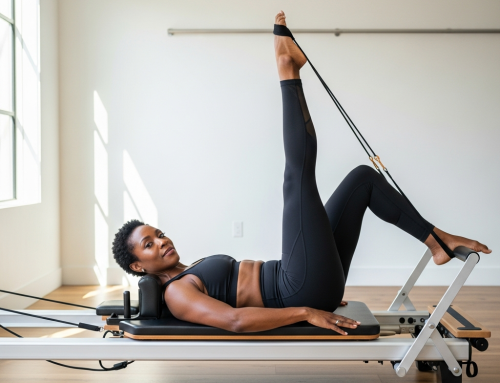
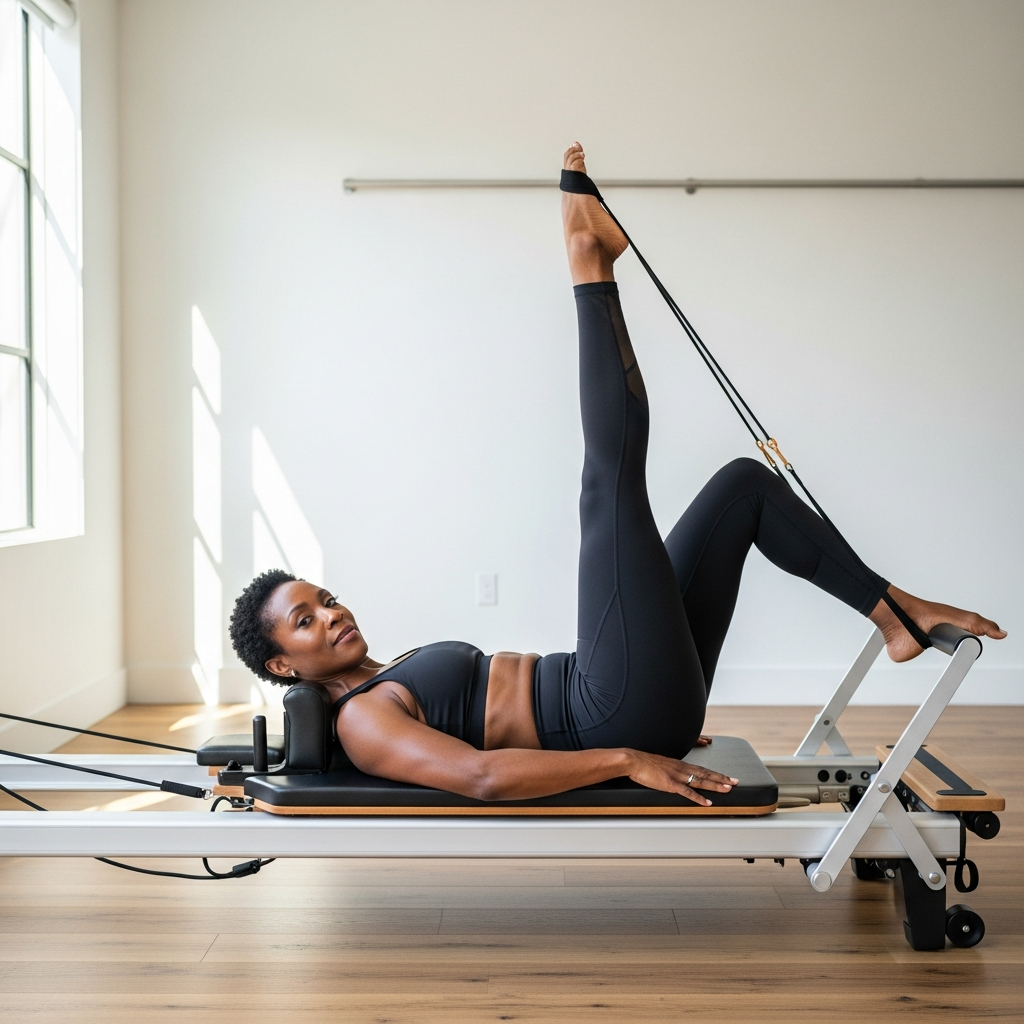
Pilates exercises are usually performed on a mat or on specialized equipment like the Reformer, Cadillac, and Wunda Chair. The exercises engage the whole body but particularly focus on the core, often referred to in Pilates as the “powerhouse.” The powerhouse includes the muscles of the abdomen, lower back, hips, and buttocks.
Now that we understand what Pilates is let’s dive into what it means to become a certified Pilates instructor.
Becoming a certified Pilates instructor involves rigorous training and education. The process generally includes comprehensive study in both mat work and equipment-based Pilates exercises. While some certification programs focus primarily on mat work, a comprehensive certification will provide instruction in all apparatuses used in Pilates.
A good Pilates instructor certification program should cover the principles of anatomy, physiology, and biomechanics. Additionally, it should provide a deep understanding of the Pilates method, its foundations, philosophy, and exercises.
Most certification programs require both theoretical study and practical application. Typically, prospective instructors must complete a certain number of practice teaching hours, observation hours, and personal practice hours. These requirements ensure that instructors are not only well versed in the theory of Pilates but also experienced in teaching it.
There are several different Pilates certification organizations worldwide. Some of the most recognized include the Pilates Method Alliance (PMA), Balanced Body, STOTT PILATES, and BASI Pilates. These organizations each have slightly different requirements and curriculums for certification but all aim to uphold high standards for Pilates instruction.
It’s worth noting that the PMA offers a Certified Pilates Teacher (CPT) designation. This certification is based on a third-party accredited exam and is recognized nationally in the United States. To sit for the CPT exam, one must have completed a minimum of 450 hours of Pilates training through a comprehensive Pilates teacher training program.
The journey to becoming a certified Pilates instructor is not an easy one. It requires dedication, time, and financial investment. However, the rewards of teaching Pilates—helping others improve their health and wellness, having the flexibility to set your own schedule, and enjoying a career centered around physical fitness—are immeasurable.
In conclusion, becoming a certified Pilates instructor involves mastering the principles and exercises of Pilates, understanding human anatomy and physiology, and developing effective teaching skills. It is a rigorous process that ultimately equips instructors with the knowledge and skills they need to teach Pilates safely and effectively. Whether you’re a fitness enthusiast considering this career path or a student curious about your instructor’s training, understanding the fundamentals of Pilates and the framework for instructor certification offers valuable insights into this popular exercise method.
Pilates Instructor Certification: A Comprehensive Guide
If you’re passionate about Pilates and are considering turning that passion into a career, becoming a certified instructor might be the next logical step. Pilates instructor certification equips you with the necessary knowledge and skills to confidently instruct individuals or groups, whether it’s a basic mat class or a more advanced Reformer session. Here’s a comprehensive, step-by-step guide to help you embark on your journey towards becoming a certified Pilates instructor.
1. **Understand the Certification Process**
Firstly, it’s important to comprehend the certification process. Gaining certification in Pilates instruction isn’t just about completing a course; it involves rigorous training, an examination process, and continuous education. Most reputable certification programs require at least 500 hours of training, which includes personal practice, observation hours, and teaching hours.
2. **Choose Your Specialization**
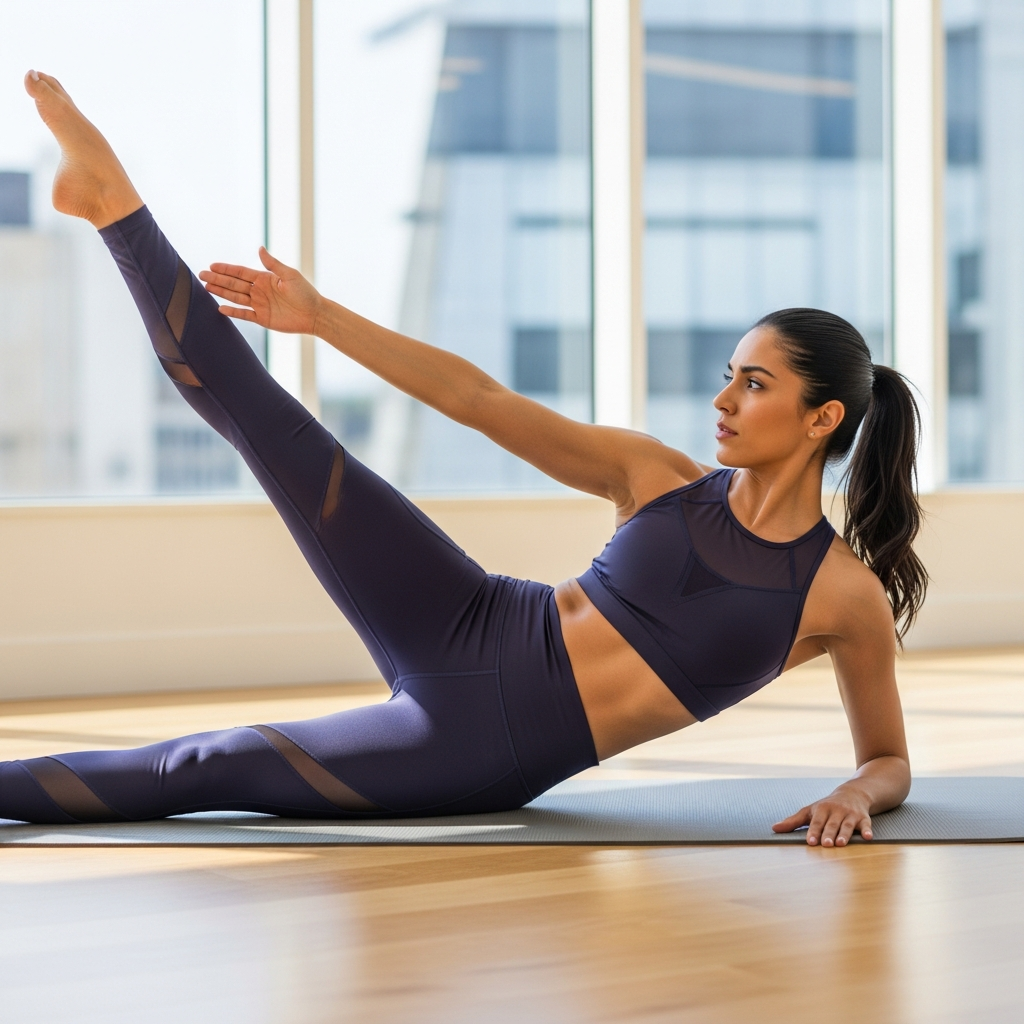
Pilates has two primary branches: Mat Pilates and Equipment Pilates. Mat Pilates is done on the floor using a yoga or Pilates mat and primarily uses body weight as resistance. Equipment Pilates, on the other hand, involves machines like the Reformer, Cadillac, or Wunda Chair. While these machines offer more resistance and versatility, they also demand greater investment in terms of training time and cost. Decide which branch you’re more interested in before proceeding. Some people start with mat certification and then progress to equipment.
3. **Select a Reputable Certification Program**
Not all certifications are created equal. Look for programs accredited by reputable organizations such as the Pilates Method Alliance (PMA). Programs should provide a comprehensive curriculum covering anatomy, biomechanics, exercise science, and teaching methodology, in addition to Pilates-specific coursework.
4. **Complete Your Training Hours**
Once you’ve enrolled in a program, you’ll need to complete the required training hours. This involves several components
– **Classroom Instruction**: This is the theoretical part of your training where you learn about the principles of Pilates, human anatomy, and the specifics of teaching Pilates classes.
– **Personal Practice**: It’s crucial to spend time practicing Pilates yourself to understand the nuances of each movement and how they affect your body.
– **Observation Hours**: Watching experienced instructors teach gives you a chance to see how they interact with students, handle different skill levels, and manage classes.
– **Teaching Hours**: This is your hands-on training. You’ll start by teaching fellow trainees, gradually moving on to teaching actual classes.
5. **Pass the Certification Exam**
After completing your training, you’ll need to pass a certification exam. This usually includes a written portion covering theory and a practical portion where you’ll demonstrate your teaching skills.
6. **Maintain Your Certification**
Once certified, it’s important to keep learning and growing as an instructor. This is often achieved through Continuing Education Credits (CECs). Most certification bodies require a certain number of CECs every few years to maintain your certification.
To illustrate this pathway, consider Jenna, a Pilates enthusiast who decided to become a certified instructor. She started with mat Pilates certification due to her budget and time constraints. She completed her 500 hours of training, balancing her time between personal practice, observing seasoned instructors, and eventually teaching her fellow trainees. Passing her certification exam was a milestone, and she proudly started teaching her own mat Pilates classes. As she gained more experience and saved up money, Jenna progressed to complete her Reformer Pilates certification, expanding her teaching capabilities.
Becoming a certified Pilates instructor is a journey that requires dedication, patience, and passion. But for those who love Pilates and enjoy teaching others, it’s a rewarding path with endless growth opportunities. Whether you’re interested in mat Pilates or equipment-based sessions, taking the time to earn your certification will ensure you’re providing the best possible instruction for your students.
A Comprehensive Guide to Pilates Instructor Certification: Common Challenges, Solutions, and Expert Tips
Whether you’re a seasoned fitness enthusiast or a novice looking to explore a new fitness horizon, becoming a certified Pilates instructor can be an exciting but challenging journey. This comprehensive guide will delve into common challenges encountered during the certification process, provide solutions, and offer expert tips to make your journey smoother and more rewarding.
**Common Challenges**
1. **Identifying the Right Certification Program**: With an array of Pilates certification programs available, each with its unique focus and requirements, choosing the right one can be daunting. Some programs emphasize classical Pilates teaching, while others lean towards contemporary styles.
2. **Time Commitment and Flexibility**: Often, potential instructors underestimate the time commitment involved in completing the certification. Most programs require a combination of lectures, practical sessions, observation hours, personal practice hours, and teaching hours.
3. **Financial Investment**: The cost of obtaining a Pilates instructor certification can be substantial, depending on the program and location. This financial commitment can deter some individuals.
4. **Physical Demands and Self-Care**: The training can be physically demanding as it involves both learning and performing numerous exercises. It’s essential to maintain your physical well-being throughout the process.
**Solutions and Expert Tips**
1. **Choosing the Right Program**: Before choosing a program, clearly identify your goals as a future Pilates instructor. Do you want to teach Mat Pilates in fitness studios or complete Pilates repertoire in dedicated Pilates studios? Once you know what you want, research various certification programs and their philosophies. Look for a comprehensive program that offers in-depth anatomy knowledge, hands-on training, and teaching practice.
2. **Managing Time and Flexibility**: Plan your schedule carefully before starting your certification journey. Some programs offer flexibility with online modules, weekend classes, or intensive in-person courses. Choose what works best for you.
3. **Budgeting for Your Certification**: To manage the financial aspect, enquire about payment plans or scholarships that may be available. Some studios may offer work-study programs where you work at the studio in exchange for training.
4. **Prioritizing Self-Care**: Incorporate self-care routines into your training plan. Regular massages, adequate sleep, and proper nutrition are vital for your well-being during this physically demanding period.
**Addressing Misconceptions**
1. **”Mat Pilates certification is easier”**: While Mat Pilates requires fewer exercises to learn, it demands a deep understanding of core principles, precise cueing, and modification knowledge for different body types and fitness levels. Both Mat and comprehensive Pilates certifications require dedication and hard work.
2. **”Once certified, I can immediately teach advanced classes”**: Certification is just the beginning of your journey as a Pilates instructor. Gaining experience through teaching various levels, continuing education, and personal practice is essential to become a proficient instructor.
**Best Practices**
1. **Continued Learning**: Stay committed to learning even after your certification. Attend workshops, conferences, and take classes from other instructors to broaden your knowledge.
2. **Gain Experience**: Try to gain as much teaching experience as possible. Each client is unique and offers a different learning opportunity.
3. **Stay Passionate**: Keep your passion for Pilates alive. Your enthusiasm will inspire your students and make you a better teacher.
4. **Be Patient**: Building a clientele takes time. Be patient, consistent, and stay true to your teaching style.
The journey towards becoming a certified Pilates instructor is one of personal growth and professional development. It can be challenging but rewarding if approached with a clear understanding of what it entails and how to overcome potential hurdles. Remember, the key to success in this journey lies in preparation, dedication, and passion for this body-transforming practice.
Pilates Instructor Certification: What to Expect, Timelines, and Next Steps
Pilates is a mind-body workout that targets your core muscles with the aim of improving flexibility, strength, and body awareness. It can be performed on a mat or using special apparatus, providing a wide array of exercises for all levels of fitness. With the rising popularity of this holistic exercise regime, there has been an increased demand for certified Pilates instructors. If you’re passionate about Pilates and want to share its numerous benefits with others, becoming a certified instructor could be the right path for you.
The process of becoming a certified Pilates instructor involves intensive training, practice, and examination. While it can be demanding, it’s also rewarding as it equips you with the knowledge and skills required to effectively teach and inspire others.
**Training**
The first step towards becoming a certified Pilates instructor is to complete a comprehensive training program. This typically includes lectures, practical sessions, observation hours, and self-practice. You’ll learn the principles of Pilates, anatomy, posture assessment, programming, and teaching methodologies.
There are various types of instructor training programs available, ranging from mat certification to comprehensive certification. Mat certification focuses solely on mat exercises while comprehensive certification covers both mat and equipment-based exercises. Depending on your career goals and resources, you can choose the program that best suits your needs.
**Timeline**
The timeline for becoming a certified Pilates instructor depends on the type of certification program and your personal circumstances. Mat certification programs typically take anywhere from a weekend to several months to complete and require fewer hours of training compared to comprehensive programs.
Comprehensive programs, on the other hand, may take anywhere from six months to over a year to complete. They are more intensive and require a minimum of 500 hours of training, including instruction, observation, personal practice, and apprenticeship.
Keep in mind that these timelines are estimates and the actual time may vary depending on factors such as the frequency of training sessions and your personal pace of learning.
**Examination**
Upon completion of the requisite training hours, you will need to pass a written and practical exam to become certified. These exams test your knowledge of Pilates principles, anatomy, and teaching skills. You may also be required to demonstrate proficiency in performing and teaching Pilates exercises.
**Next Steps**
After getting certified, it’s important to continue learning and honing your skills. Many instructors choose to attend workshops, webinars, and conferences to stay updated with the latest trends and research in Pilates. You might also consider specializing in a specific area, such as rehabilitation or pre/postnatal Pilates.
Becoming a member of a professional Pilates association can also be beneficial as it provides networking opportunities, resources, and continuing education options. Furthermore, some employers specifically look for instructors who are members of professional associations.
**Practical Guidance**
To ensure a successful journey towards becoming a certified Pilates instructor
1. *Choose the Right Program:* Research different training programs and consider factors such as curriculum, cost, location, and duration before making your choice.
2. *Prepare Physically and Mentally:* Regularly practicing Pilates can help prepare you for the physical demands of the training. Moreover, the process can be mentally challenging as well, so be prepared to dedicate time and effort into studying and practicing.
3. *Gain Experience:* The more you practice teaching, the more confident you’ll become. Consider volunteering to teach friends or family members to gain experience.
4. *Stay Current:* The field of Pilates is always evolving. Stay updated with the latest research and trends by attending workshops, webinars, and conferences, and reading relevant literature.
In conclusion, becoming a certified Pilates instructor is a journey that requires dedication, time, and effort. However, the reward of helping others achieve their fitness goals and leading a healthier lifestyle makes it a worthwhile career path for those passionate about Pilates.
In conclusion, becoming a certified Pilates instructor is a journey that requires dedication, commitment, and passion for the practice. The first key takeaway from this article is that pursuing Pilates certification is not a decision to be taken lightly. It demands an investment of time, effort, and financial resources. Despite the challenges, however, the rewards of becoming a certified Pilates instructor can be immense, not only in terms of personal growth and development but also in the potential to positively impact the lives of others.
The second key point to remember is that there are several paths toward Pilates certification. While there are no universally accepted standards for Pilates instruction, there are numerous reputable organizations offering comprehensive training programs. These include the Pilates Method Alliance (PMA), Balanced Body, STOTT PILATES®, BASI Pilates®, and Peak Pilates®, among others. Each of these organizations provides a distinct methodological approach to the practice of Pilates, emphasizing different aspects such as anatomy, biomechanics, and movement principles.
These programs typically involve a combination of theory and practical learning, requiring trainees to complete a certain number of hours in lectures, observation, self-practice, supervised teaching, and apprenticeship. Upon completion of the program, trainees are required to pass a written and practical exam to demonstrate their competency in teaching Pilates.
Another essential aspect to consider when pursuing Pilates instructor certification is the importance of continuous learning and professional development. As with any profession, it’s important to stay current with the latest research and developments in the field. This might involve attending workshops, seminars, and conferences; reading relevant literature; and seeking mentorship opportunities.
Moreover, becoming a certified Pilates instructor doesn’t stop at earning your certification. It is only the beginning of your journey. Building a successful career in Pilates instruction requires developing effective teaching skills, creating a professional network, marketing your services, and most importantly, honing your own practice. Remember, the more you embody the principles of Pilates in your own life, the more authentic and effective your teaching will be.
Lastly, it’s crucial to remember that as a Pilates instructor, you are not just teaching a fitness regimen; you are promoting a lifestyle. You are responsible for guiding your clients towards better body awareness, improved posture, enhanced flexibility and strength, and a deeper mind-body connection. This responsibility requires not just technical knowledge and teaching skills, but also empathy, patience, and genuine care for the well-being of your clients.
If this sounds like the path for you, we’re here to help. We understand that the journey to becoming a certified Pilates instructor can be overwhelming. With so many options to choose from and important decisions to make, it’s essential to have the right guidance and support. Whether you need advice on choosing the right certification program, tips on preparing for your certification exam, or strategies for building your Pilates career, we’ve got you covered.
We invite you to reach out to us and benefit from our extensive expertise in the field of Pilates. Our team of seasoned professionals is more than willing to assist you at every step of your journey towards becoming a certified Pilates instructor. Don’t hesitate to contact us today. Start your journey into the rewarding world of Pilates instruction with the right support and guidance!
Remember, becoming a Pilates instructor is not just about achieving a certification; it’s about embarking on an exciting journey of personal growth and transformation. It’s about mastering a discipline that can truly make a difference in people’s lives. So take that first step today – contact us and let’s begin this exciting journey together!