What about Accredited Pilates Certification Programs? Your Comprehensive Guide
In a world that’s increasingly turning towards holistic wellness and fitness, Pilates has emerged as a frontrunner. Are you captivated by the grace, strength, and flexibility that Pilates embodies? Have you considered channeling this passion into a rewarding career by becoming a certified Pilates instructor? If so, then you’ve come to the right place. This comprehensive guide will answer all your queries about accredited Pilates certification programs.
Pilates, a physical fitness system developed in the early 20th century by Joseph Pilates, is a harmonious blend of strength and flexibility training that improves posture, reduces stress, and builds lean, toned muscles. A good Pilates session leaves you feeling invigorated and centered, both mentally and physically. It’s no wonder that millions are turning towards this low-impact exercise regimen to achieve their health goals.
As Pilates grows in popularity, so does the demand for qualified instructors. Whether your aim is to enhance your own practice, share your passion for Pilates with others, or launch a fulfilling career, getting certified from an accredited program is a crucial first step. But with so many Pilates certification programs available today, choosing the right one can seem daunting. This is where we step in.
In this blog post, we will delve deep into the world of accredited Pilates certification programs. We will explore the importance of accreditation, the different types of certification programs (such as mat Pilates and comprehensive Pilates), what these programs entail, how to choose the right program for you, and what career opportunities await after completion.
We understand that choosing to become a certified Pilates instructor is a significant decision that can transform your life and those of your future students. Therefore, it’s essential to make an informed choice about the certification program you choose to pursue.
Accreditation is more than just a stamp of approval; it’s assurance of the quality, credibility, and educational standards of a program. An accredited Pilates certification program ensures that you are receiving top-notch instruction that adheres to industry standards, and that your certification will be widely recognized and respected.
Whether you’re interested in teaching mat Pilates classes at your local community center or yearning to instruct a full-blown Pilates program at a fitness studio, there’s a specialized certification program out there for you. From beginner to advanced levels, these programs cover a broad spectrum of Pilates exercises, principles, and teaching methodologies.
By the end of this guide, you will gain valuable insights into the rigorous training, examination, and certification process. We will also shed light on the rewarding career opportunities that await you as a certified Pilates instructor. You could be freelancing, working for fitness studios, opening your own Pilates studio, or even training other Pilates instructors!
The decision to become a certified Pilates instructor is not just about starting a career; it’s about embarking on a journey of personal growth while helping others improve their health and wellbeing. So, whether you’re a seasoned practitioner considering a career switch or a Pilates newbie who’s fallen in love with the practice, this guide is your roadmap to becoming a successful Pilates instructor.
Join us as we unravel the exciting world of accredited Pilates certification programs. Your journey towards becoming a qualified Pilates instructor starts here!
Accredited Pilates Certification Programs: A Comprehensive Overview
Pilates, a unique blend of fitness and therapy, has been a subject of interest for many fitness enthusiasts over the past century. The physical conditioning program developed by Joseph Pilates in the early 20th century has now transformed into a global phenomenon with millions of practitioners worldwide. As the demand for qualified Pilates instructors increases, the need for accredited Pilates certification programs has become more apparent. These programs offer a structured path for individuals to gain the necessary skills and knowledge to teach Pilates effectively.
Accredited Pilates certification programs serve as rigorous educational platforms that train students in the principles and exercises of Pilates. From understanding the anatomical basis of each exercise to mastering the art of teaching, these certification programs cover a wide range of topics to ensure comprehensive knowledge and skill development.
Accreditation itself is an important factor when considering a Pilates certification program. An accredited program has undergone a rigorous evaluation process by an external, independent agency to ensure it meets set standards of quality and competency. Accreditation provides assurance about the program’s credibility, its commitment to quality education, and its adherence to industry standards.
There are several accreditation bodies globally that oversee Pilates certification programs. In the United States, the Pilates Method Alliance (PMA) is a notable organization that has developed a comprehensive certification program recognized internationally. Similarly, in Europe, organizations such as Pilates Foundation UK and Body Control Pilates are well-respected.
The curriculum of accredited Pilates certification programs often encompasses a variety of subjects necessary for a holistic understanding of Pilates. This includes, but is not limited to, the history of Pilates, understanding human anatomy and physiology, principles of movement, teaching methods, use of equipment, and business aspects of running a Pilates studio.
A typical accredited Pilates certification program begins with an introduction to the history and philosophy of Pilates. This foundational knowledge helps students understand the principles that underpin the Pilates method. Next, a substantial portion of the curriculum is devoted to human anatomy and physiology, providing students with a comprehensive understanding of the body’s muscular and skeletal systems. This knowledge is crucial for designing safe and effective Pilates programs.
One of the key components of an accredited Pilates certification program is the practical implementation of theoretical knowledge. Students learn a wide range of Pilates exercises, their variations, modifications, and progressions. They are also trained to use various Pilates apparatus such as the Reformer, Cadillac, Wunda Chair, and more.
Teaching methodology is another significant aspect of these programs. Students learn how to effectively communicate with clients, guide them through exercises, correct their postures, and motivate them towards their fitness goals. This component often involves supervised teaching hours where students gain hands-on experience.
Finally, accredited Pilates certification programs often incorporate business aspects into their curriculum. From understanding how to run a Pilates studio to learning about marketing and client retention strategies, these business insights prepare students for a successful career in the Pilates industry.
It’s worth noting that the duration and format of accredited Pilates certification programs can vary widely. Some programs are short-term intensive courses conducted over a few weeks or months, while others may be spread over a year or more with weekend classes. The choice of program depends on an individual’s personal circumstances, career goals, and learning preferences.
In conclusion, accredited Pilates certification programs offer a structured and comprehensive pathway to becoming a skilled Pilates instructor. They provide a deep understanding of the Pilates method, practical skills in teaching and using equipment, and insights into the business aspects of running a Pilates studio. By choosing an accredited program, you ensure that your education meets industry standards and that you are adequately prepared for a successful career in the Pilates industry.
Accredited Pilates Certification Programs: A Comprehensive Guide
As the popularity of Pilates continues to skyrocket, more people are seeking to become certified instructors. However, not all Pilates certification programs are created equal. To ensure you receive a high-quality education that will equip you with the knowledge and skills you need to be a successful Pilates instructor, it’s essential to choose an accredited Pilates certification program.
Accredited programs have been thoroughly evaluated by a reputable agency to ensure they meet high standards of education and training. This stamp of approval guarantees that you’ll receive a quality education that’s recognized by potential employers and respected within the fitness industry.
There are many different types of accredited Pilates certification programs, including mat Pilates, reformer Pilates, and comprehensive Pilates programs. Each of these has its own unique focus and prerequisites, so it’s important to choose the right one for your specific career goals.
1. Mat Pilates Certification Program
Mat Pilates is the foundation of all Pilates work. It primarily focuses on exercises that are performed on a mat, using your own body weight for resistance.
To pursue a mat Pilates certification, you typically need to complete between 40-60 hours of coursework, which includes lectures, self-study, and practical hours. The program may also require you to pass both a written and practical exam.
Enrolling in an accredited mat Pilates certification program will equip you with the skills to teach group mat classes at fitness facilities, private sessions in clients’ homes, or even online classes.
For instance, let’s consider Sara, a yoga instructor looking to expand her skill set. She opts for an accredited mat Pilates certification program. With this certification, she can now offer her existing clientele a broader range of services and attract new clients interested in Pilates.
2. Reformer Pilates Certification Program
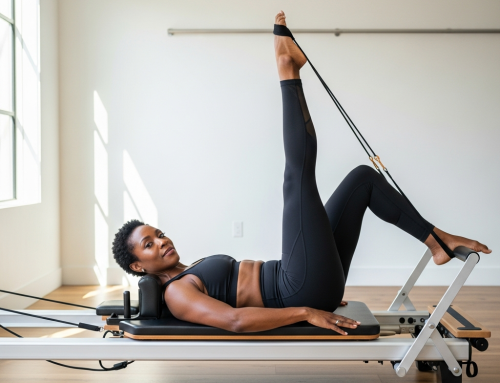
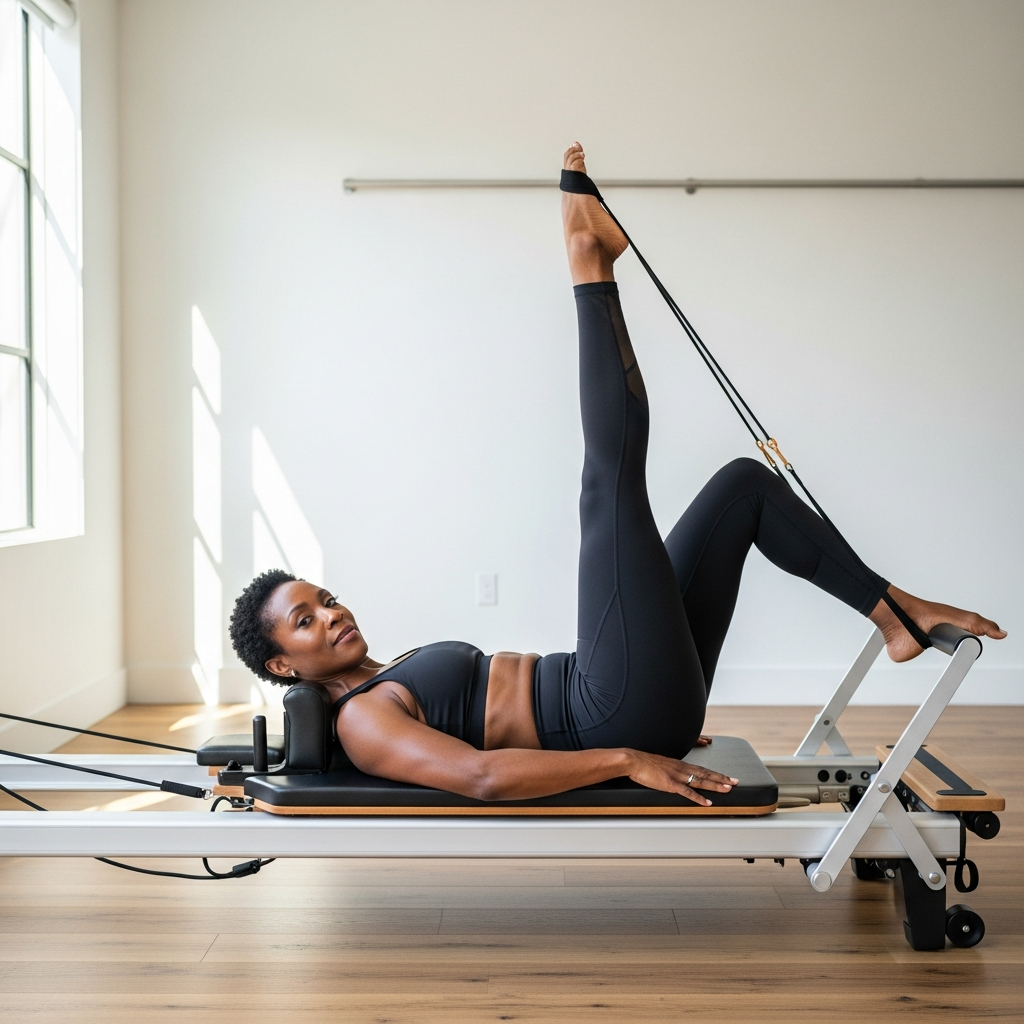
Reformer Pilates utilizes a piece of equipment called a reformer to add resistance to Pilates exercises. It offers a more intense workout than mat Pilates and requires additional training to use effectively and safely.
A reformer Pilates certification program typically requires around 150 hours of coursework, including hands-on training with the reformer, lectures, self-study, and observation hours.
Let’s look at John, a personal trainer who works at a gym that recently added reformers. By pursuing a reformer Pilates certification from an accredited program, John can enhance his knowledge and skills, thus expanding his client services.
3. Comprehensive Pilates Certification Program
For those interested in teaching both mat and apparatus classes, a comprehensive Pilates certification program is the best choice. This program provides in-depth training on all Pilates apparatuses, including the reformer, Cadillac, and barrels.
Comprehensive programs are the most time-intensive, often requiring up to 500 hours of coursework. However, they provide the most extensive training and are highly regarded within the industry.
Consider Jenny, a career changer who wants to open her own Pilates studio. A comprehensive Pilates certification from an accredited program gives her the broadest skill set and attracts a wider range of clientele.
In choosing an accredited Pilates certification program, remember to consider factors like cost, time commitment, course format (online or in-person), and the program’s reputation in the industry. Always make sure that the program is accredited by a recognized agency such as the Pilates Method Alliance (PMA) or the National Pilates Certification Program (NPCP).
Remember, becoming a certified Pilates instructor requires time, dedication, and financial investment. But with the right accredited certification program, your journey can be a rewarding one that leads to a fulfilling career helping others improve their health and fitness through Pilates.
Accredited Pilates Certification Programs: Challenges, Solutions, and Expert Tips
Pilates, a comprehensive physical fitness system developed in the early 20th century by Joseph Pilates, has gained tremendous popularity worldwide. With its emphasis on core strength, flexibility, and awareness to support efficient and graceful movement, Pilates is a sought-after exercise regimen. As Pilates grows in popularity, so does the demand for qualified instructors. This article will provide insights into accredited Pilates certification programs, common challenges encountered, potential solutions, and expert advice.
One of the biggest misconceptions about becoming a certified Pilates instructor is that any training program will suffice. However, not all certification programs are created equal. Accredited programs are approved by a recognized accrediting body, ensuring that they meet certain standards of quality and effectiveness. These programs typically require a significant time commitment (often several hundred hours) encompassing both theoretical education and practical training.
Common Challenges:
1. Time Commitment: Many aspiring Pilates instructors underestimate the time commitment required to complete an accredited certification program. These programs typically involve a mix of lectures, practical training, observation hours, and self-practice.
2. High Cost: Accredited Pilates certification programs can be expensive. Costs can include tuition fees, textbooks, workshops, and exam fees.
3. Quality Variation: With numerous Pilates certification programs available, the quality can vary significantly. Some may not provide comprehensive training or adhere to classical Pilates principles.
Solutions:
1. Planning: Before embarking on a certification program, it’s crucial to understand the time commitment required and plan your schedule accordingly.
2. Budgeting: Consider all costs associated with the program and budget accordingly. In some cases, financial aid or payment plans may be available.
3. Research: Thoroughly research potential programs to ensure they are accredited by a recognized body like the Pilates Method Alliance (PMA) or the National Pilates Certification Program (NPCP).
Expert Tips:
1. Understand the Basics: Before commencing a certification program, familiarize yourself with the basics of Pilates. Attend a variety of Pilates classes, including mat and equipment-based sessions, to gain a broad understanding and experience the benefits firsthand.
2. Choose the Right Program: There are two primary types of Pilates – Classical (which strictly follows Joseph Pilates’ original work) and Contemporary (which includes modifications and variations). Decide which aligns with your philosophy and find an accredited program that matches.
3. Gain Experience: The more experience you have practicing Pilates, the better prepared you’ll be for the rigors of an accredited certification program. Spend time practicing different methods, apparatuses, and movements.
4. Network: Connect with certified Pilates instructors who can provide insights into their experiences with certification programs. This can be a valuable source of firsthand information.
5. Continue Learning: Even after becoming a certified instructor, it’s important to continue learning and refining your skills. Continued education courses and workshops can help you stay updated with the latest trends and techniques.
In conclusion, pursuing a career as a Pilates instructor is a rewarding path that requires dedication, time, and financial investment. By choosing an accredited Pilates certification program, you ensure that you receive comprehensive training that adheres to recognized standards. With careful planning, budgeting, and a commitment to continuous learning, you can overcome common challenges and excel in this growing field.
Accredited Pilates Certification Programs: Expectations, Timelines, and Next Steps
Pilates is a fitness regimen that improves flexibility, strength, and body awareness. It emphasizes controlled movements, breath control, and mental focus. The demand for certified Pilates instructors has grown significantly over the past few years. If you are considering becoming a certified Pilates instructor, here’s what you need to know about accredited Pilates certification programs.
Accredited Pilates certification programs are designed to equip students with the necessary tools and knowledge to teach Pilates professionally. They are usually endorsed by recognized fitness or health organizations, ensuring the quality of the training provided.
When choosing a Pilates certification program, it’s crucial to consider its accreditation status. Accredited programs adhere to high standards of education and training. They provide comprehensive coursework covering anatomy, physiology, exercise science, and special populations. Additionally, these programs delve into the history and principles of Pilates, mat Pilates exercises, and equipment-based Pilates.
1. What to Expect from an Accredited Pilates Certification Program
An accredited Pilates certification program provides both theoretical knowledge and practical training. The theoretical component covers human anatomy and physiology, biomechanics, and the principles and history of Pilates. It introduces students to the wide range of exercises in the Pilates repertoire for both mat and equipment-based workouts.
The practical training involves hands-on practice under the supervision of experienced instructors. Students learn how to perform and instruct exercises properly, maintain safety, design effective classes, and modify exercises for different fitness levels or special populations.
It’s also common for these programs to include business-related topics. These may cover professional ethics, studio management, client relations, marketing strategies, and more. This holistic approach prepares students not only to be excellent instructors but also to successfully navigate the business side of being a Pilates professional.
2. Timeline for Completing an Accredited Pilates Certification Program
The timeline for completing an accredited Pilates certification program can vary based on several factors. These include the specific program, the student’s prior experience and knowledge, and the time the student can dedicate to the coursework.
Generally, it can take anywhere from a few months to over a year to complete a comprehensive Pilates certification program. This includes both coursework and required practical hours. Practical hours often involve observing experienced instructors, assisting in classes, and teaching under supervision.
Many certification programs offer flexible schedules with weekend or evening classes, and some even offer online coursework. However, it’s important to note that the practical component must be completed in-person.
3. Next Steps After Completing an Accredited Pilates Certification Program
Once you’ve completed your Pilates certification program, the next step is typically to pass a written and practical exam. This final assessment ensures you’ve mastered the necessary skills and knowledge to teach Pilates effectively and safely.
After passing your exam, you will receive your certification. Now you are ready to start your career as a certified Pilates instructor. You can seek employment in fitness centers, wellness studios, or even start your own Pilates studio.
To maintain your certification, most accredited programs require continuing education. This involves completing a certain number of hours in additional courses or workshops every couple of years. Continuing education keeps you updated with the latest research, methods, and trends in Pilates and fitness.
In conclusion, enrolling in an accredited Pilates certification program is a significant step towards becoming a professional Pilates instructor. It provides you with comprehensive training, equipping you with a deep understanding of Pilates and the necessary skills to instruct others effectively. Make sure to choose a program that fits your schedule and career goals, and remember that continuing education is essential for maintaining your certification and enhancing your teaching skills.
In conclusion, the pursuit of an accredited Pilates certification program is a significant step towards becoming a reputable and professional Pilates instructor. The programs provide a comprehensive curriculum that encompasses the history, philosophy, and principles of Pilates, detailed anatomy and physiology relevant to Pilates, teaching methodology, and practical application of the Pilates method across all equipment and mat work.
To summarize, there are several key takeaways from our discussion on accredited Pilates certification programs
1. Accreditation matters: Not all Pilates certification programs are created equal. Accreditation from a reputable organization ensures that the program meets high standards of quality and comprehensiveness. It provides credibility to your certification in the eyes of employers, clients, and the Pilates community.
2. Comprehensive knowledge is key: An accredited Pilates certification program should offer an extensive and detailed curriculum. This includes the theoretical aspects of Pilates, practical application, anatomy and physiology, client assessment and programming, and teaching skills.
3. Experience counts: A solid certification program should require substantial practical training hours. This ensures that you get ample hands-on experience before you start teaching on your own. It’s essential for building confidence, honing your teaching skills, and gaining a deep understanding of the Pilates method.
4. Continued education is crucial: The world of Pilates is dynamic and ever-evolving. To stay relevant and updated, it’s important to engage in continued education even after obtaining your certification. Many accredited programs offer continued education courses or credits.
5. Community support: Being part of an accredited program often gives you access to a community of like-minded individuals. This can be an invaluable resource for networking, professional development, and emotional support.
Choosing the right Pilates certification program can be a daunting task given the plethora of options available. But remember, the effort you put into finding the right fit will pay dividends in your future career.
In light of this information provided, it’s clear that pursuing an accredited Pilates certification program is not just about gaining a certificate; it’s about embarking on a journey to become a well-rounded, knowledgeable, and proficient Pilates instructor. It’s about committing to a career where you can help others improve their health and well-being through the power of Pilates.
However, navigating through the sea of Pilates certification programs can be overwhelming. That is why we are here! Our team of experts can help guide you towards the best fit for your career goals, personal interests, and lifestyle. We can provide clarity on the accreditation process, help you understand the details of different programs, and assist you in taking the next steps towards becoming a certified Pilates instructor.
Don’t hesitate to reach out. We are committed to helping you make the best decision for your Pilates education and career. Your journey into the world of Pilates starts with a single step. Let us guide you through it. Contact us today!