Achieving Excellence: A Deep Dive into the National Pilates Certification Program
Are you passionate about Pilates and wish to transform your passion into a full-fledged career? Or perhaps you’re already an instructor looking to sharpen your skills and bolster your credibility? Either way, achieving a National Pilates Certification can be the game-changer you’re looking for. But what does it entail, and what are the benefits of getting certified? Let’s dive into the details.
In today’s fitness landscape, Pilates has emerged as a popular and effective exercise regimen that focuses on strengthening the body’s core to improve balance, flexibility, and overall fitness. Whether done on an apparatus or a mat, Pilates is a comprehensive system of physical conditioning that promotes mind-body wellness. Despite its popularity, however, teaching Pilates requires a deeper understanding of the body’s mechanics to ensure safe and effective instruction. That’s where the National Pilates Certification Program (NPCP) comes in.
The National Pilates Certification Program is a globally recognized certification program that establishes professional standards and criteria in the field of Pilates instruction. This program is designed to validate the knowledge and skills required to teach Pilates safely and effectively. It is a badge of distinction that separates serious professionals from casual enthusiasts.
In this comprehensive guide, we will explore the intricacies of the National Pilates Certification Program, including its purpose, benefits, and the process of obtaining this prestigious certificate. We will delve into the prerequisites, application process, exam details, and what you can expect after getting certified. Additionally, we’ll highlight the impact it could have on your career prospects, income potential, and personal development as a Pilates instructor.
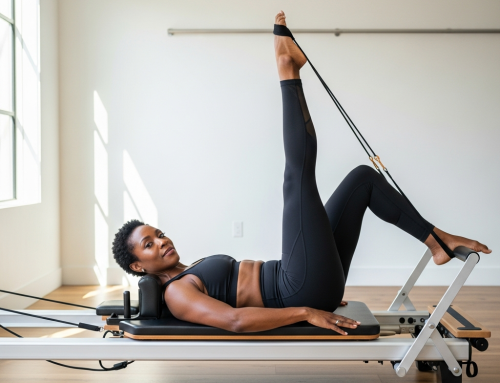
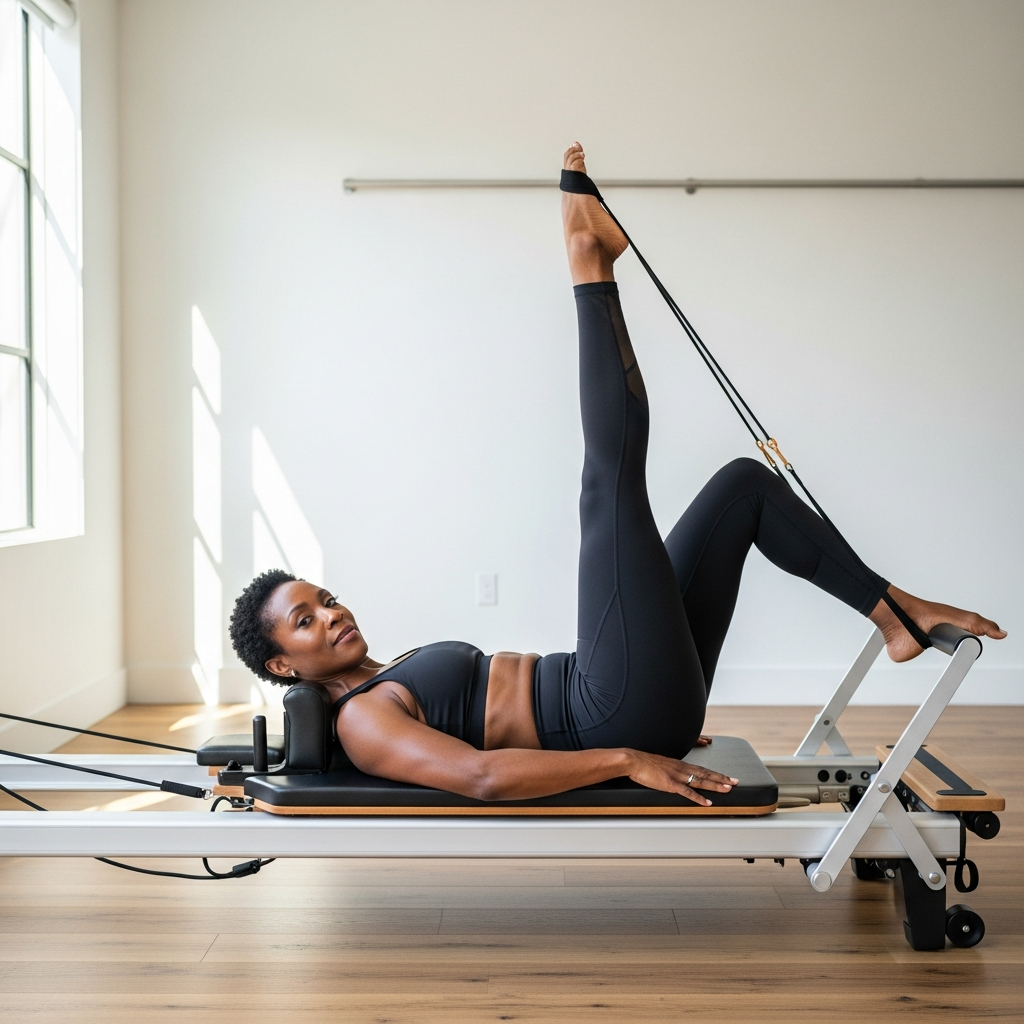
We will discuss mat Pilates and classes conducted on the various apparatus used in traditional Pilates training. These include the Reformer, Trapeze Table (also known as the Cadillac), Wunda Chair, Ladder Barrel, Spine Corrector, and more. We will also touch on the different Pilates principles that form the foundation of all Pilates movements, such as concentration, control, centering, flow, precision, and breath.
This in-depth exploration matters to you because as a Pilates enthusiast or aspiring instructor, the quality of your instruction is paramount. Whether you’re teaching clients one-on-one or leading group classes, you want to be sure you’re providing the best possible instruction. The National Pilates Certification Program equips you with the necessary skills, knowledge, and credibility to do just that. Moreover, it can open doors to a wide range of opportunities in the fitness industry.
Embarking on the path to becoming a certified Pilates instructor may seem daunting. However, with the right guidance and determination, it can be a rewarding journey that not only elevates your career but also contributes to the health and wellness of others. So strap in, as we delve into the world of Pilates certification and discover how this program can shape your professional journey.
Stay tuned as we provide you with all the tools and information you need to navigate the National Pilates Certification Program. By the end of this guide, you’ll be well-equipped to take the next step in your Pilates journey. Whether you’re a seasoned veteran or a newcomer to the field, there’s something here for everyone. Let’s embark on this enlightening journey together.
National Pilates Certification Program: Essentials and Framework
Pilates, a form of low-impact exercise, has gained global recognition for its potential to improve postural alignment, muscle tone, balance, and joint mobility, as well as relieve stress and tension. Originating in the early 20th century, it was a system of exercises designed by Joseph Pilates, a German physical-culturist. Today, it has evolved into a comprehensive fitness regimen that combines the aspects of strength training, flexibility enhancement, and mind-body integration.
For those interested in mastering Pilates and transforming their passion into a profession, the National Pilates Certification Program (NPCP), formerly known as the Pilates Method Alliance (PMA), offers a comprehensive certification process. The NPCP serves as an international, not-for-profit, professional association dedicated to the teachings of Joseph Pilates. Its primary function is to establish certification and continuing education standards while advocating for the Pilates industry.
The NPCP Certification Program is an essential milestone for aspiring Pilates instructors. It focuses on providing a rigorous and comprehensive framework that equips candidates with the necessary skills and knowledge to teach Pilates effectively. The program’s robust curriculum covers diverse aspects of Pilates from its historical origins, principles, and philosophy to the detailed anatomy of exercises and the use of various apparatus including the Reformer, Cadillac, and Wunda Chair.
The program underscores the importance of understanding the human anatomy and biomechanics. This foundational knowledge helps instructors to design safe and effective Pilates programs tailored to individual needs and capabilities, whether working with beginners or advanced practitioners, healthy individuals or those recovering from injuries.
The NPCP certification is recognized worldwide as a mark of excellence in Pilates instruction. It validates an instructor’s credibility, demonstrating that they have met high standards of competency and professional conduct. To maintain this certification, instructors are required to participate in continuing education to stay current with evolving industry trends and best practices.
The certification process comprises of a written and practical exam. The written exam tests theoretical knowledge about Pilates history, principles, and anatomy, as well as teaching skills, ethics, and safety. The practical exam involves a demonstration of proficiency in teaching and performing Pilates exercises.
To be eligible for the NPCP certification exam, candidates need to complete a minimum of 450 hours of Pilates training through a comprehensive Pilates teacher training program. This includes lectures, self-study, observation hours, student teaching hours, and personal Pilates practice. This rigorous requirement ensures that candidates possess a deep understanding and practical experience of the Pilates method before they become certified instructors.
The NPCP encourages diversity in Pilates education by recognizing multiple schools of thought within the Pilates community. Therefore, regardless of their training background, all Pilates practitioners who meet the eligibility requirements can take the certification exam. This inclusive approach fosters a diverse community of certified Pilates instructors who bring their unique perspectives to teaching the Pilates method.
In conclusion, the National Pilates Certification Program provides a solid foundation for those wishing to pursue a career in Pilates instruction. Its comprehensive and rigorous framework ensures that certified instructors are well-equipped to deliver safe and effective Pilates instruction, providing real value to their clients. Whether you’re an aspiring Pilates instructor or a practitioner looking for a qualified instructor, the NPCP plays a vital role in ensuring high standards of professionalism and expertise in the global Pilates community.
Understanding the National Pilates Certification Program: A Step-by-Step Guide
—
The National Pilates Certification Program (NPCP) is a prestigious program that sets the standard for professional Pilates instruction. It provides a comprehensive and systematic framework for aspiring Pilates instructors, ensuring that they are equipped with the necessary knowledge, skills, and ethics to provide high-quality Pilates instruction. This article offers an in-depth look at the NPCP and provides actionable advice for anyone interested in pursuing a career in Pilates instruction.
Step 1: Understand the Basics of the NPCP
The NPCP is recognized by the Pilates Method Alliance (PMA), which is the international, not-for-profit, professional association and certifying agency dedicated to the teachings of Joseph H. and Clara Pilates. Through this program, you will learn the principles and techniques of Pilates, mat exercises, apparatus exercises, anatomy, and teaching methodology.
The NPCP certification exam is a rigorous test of one’s knowledge and application of Pilates principles. Passing this exam demonstrates your commitment to professionalism and adherence to high ethical standards. It also signifies that you are proficient in both mat and equipment-based Pilates.
Step 2: Meet the Pre-Requisites
Before registering for the NPCP exam, you will need to complete a comprehensive Pilates teacher training program that includes at least 450 hours of training. This training must include mat instruction, anatomy, and teaching methodology. Some reputable institutions offering such programs include Balanced Body, STOTT PILATES®, BASI Pilates®, and Peak Pilates®.
Step 3: Register for the NPCP Exam
Once you have completed your training, you can register for the NPCP exam. The exam consists of multiple-choice questions covering Pilates history, anatomy, mat exercises, apparatus exercises, teaching methodology, and professional behavior. You will need to pay an exam fee at the time of registration.
Step 4: Prepare for the Exam
Preparing for the NPCP exam requires a combination of theoretical learning and practical application. Review your course materials, particularly those related to anatomy and exercise execution. Practice teaching Pilates classes to a variety of clients, focusing on cueing, correcting form, and modifying exercises for different fitness levels.
Consider investing in a study guide like the NPCP’s “Pilates Certification Exam Study Guide”. This guide is an invaluable resource as it contains practice questions and in-depth explanations of the correct answers.
Step 5: Take the Exam
The NPCP exam is administered online, so you can take it from anywhere with a stable internet connection. You have two hours to complete the exam. A passing score is 80% or higher.
Step 6: Maintain Your Certification
Once certified, you must maintain your certification by completing continuing education units (CEUs). You will need to earn 16 CEUs every two years to keep your certification active.
—
Real-World Scenarios and Actionable Advice
1. Scenario: You are a certified yoga instructor looking to broaden your skill set and increase your client base by offering Pilates classes.
Actionable Advice: Start by enrolling in a comprehensive Pilates teacher training program that meets NPCP standards. This will give you the foundational knowledge and skills needed to teach Pilates effectively. Then, register for and pass the NPCP exam to demonstrate your competence and commitment to professional standards.
2. Scenario: You are a fitness enthusiast who loves Pilates and wants to turn your passion into a career.
Actionable Advice: Begin by taking a variety of Pilates classes to understand different teaching styles and methodologies. Next, enroll in an NPCP-approved teacher training program to learn the fundamental principles and techniques of Pilates instruction. After completing your training, register for the NPCP exam and start preparing for it using the NPCP’s study guide.
3. Scenario: You are a certified Pilates instructor but have been out of the industry for a few years. You want to re-enter the field and need to update your certification.
Actionable Advice: Review your old course materials to refresh your knowledge. Then, look for NPCP-approved continuing education courses to earn the necessary CEUs for recertification.
In conclusion, the National Pilates Certification Program is a comprehensive, rigorous, and internationally recognized certification program for aspiring Pilates professionals. It provides the necessary training, resources, and support to ensure that certified instructors can provide safe, effective, and high-quality Pilates instruction.
Understanding the National Pilates Certification Program: Challenges, Solutions, and Expert Tips
When it comes to the field of Pilates, expertise and precision are key. For those interested in teaching or looking for a certified professional to guide them, the National Pilates Certification Program (NPCP) is a benchmark for excellence and proficiency. However, the process of obtaining or choosing an instructor with this certification can present certain challenges. This article aims to address these issues, debunk common misconceptions, and provide best practices for both aspiring Pilates instructors and students.
**Challenges in the National Pilates Certification Program**
The first challenge many face is understanding what the NPCP entails. There’s a misconception that the NPCP is a training program. In fact, it’s a certification exam that tests an individual’s competency and knowledge in Pilates after they have already completed a comprehensive Pilates teacher training program.
Another challenge is the rigorous nature of the NPCP. It’s not a walk in the park and requires significant preparation. The certification exam includes both a written and practical section that covers a broad range of Pilates exercises, anatomy, physiology, and teaching methodologies.
The financial cost of the certification can also be a hurdle. While it is an investment in your professional development, it might be daunting for some who are just starting their careers as Pilates instructors.
**Solutions and Tips for Aspirants**
To tackle the challenge of understanding the NPCP, thorough research is essential. Speak with certified instructors, consult authoritative sources, and visit the official NPCP website to clarify any doubts you have about the program.
As for preparing for the NPCP exam, it is crucial to complete a comprehensive Pilates teacher training program first. This training will provide you with the necessary knowledge and skills required for the certification. Following your training, consider joining a study group, hiring a mentor, or investing in additional courses to help you prepare for the exam. Practice teaching Pilates regularly to become comfortable with different exercises and equipment.
To mitigate the financial burden, plan your budget ahead of time. Consider the certification as a long-term investment in your career. Some organizations also offer scholarships or payment plans, so explore these options if necessary.
**Misconceptions and Best Practices**
One common misconception is that the NPCP is only for Pilates instructors who wish to teach mat Pilates. In reality, the NPCP covers all Pilates equipment, including the Reformer, Trapeze Table, and more. This makes the NPCP a comprehensive certification that equips instructors to teach a variety of Pilates classes.
Another misconception is that once you have your NPCP, you are done learning. In reality, Pilates is a lifelong journey. The certification is just the start. Continuing education is crucial to keep your knowledge up-to-date and to continually improve your teaching skills.
In terms of best practices, whether you’re a potential student or an aspiring instructor, always check an instructor’s certification. The NPCP provides a directory of certified instructors which can be used to verify someone’s credentials.
For those looking for Pilates classes, understand that a certified instructor is likely to provide a safer and more effective workout. They possess the necessary training to modify exercises to fit individual needs and limitations, ensuring you get the most out of your sessions.
In conclusion, the National Pilates Certification Program presents a path for instructors to demonstrate their expertise and commitment to the Pilates methodology. Despite the challenges it presents, with careful planning, preparation, and continued learning, it can be a rewarding journey that significantly enhances both your teaching and your own personal practice of Pilates.
The National Pilates Certification Program (NPCP) is a globally recognized and respected industry standard for Pilates professionals. Whether you’re an aspiring Pilates instructor or a seasoned expert looking to validate your skills and knowledge, the NPCP offers a comprehensive certification process that ensures you are well-equipped to provide quality instruction in various forms of Pilates, including mat Pilates and studio classes.
The certification process involves multiple steps, including comprehensive training, practical experience, and rigorous exams. Here’s what you can expect when you embark on this journey.
**Step 1: Comprehensive Training**
The first step towards obtaining Pilates certification through the NPCP is completing a comprehensive Pilates teacher training program. This should be a minimum of 450 hours, including instruction in mat Pilates, equipment-based Pilates, anatomy, and teaching methodology.
Training programs typically span several months and offer a mix of lectures, practical demonstrations, observation hours, and self-practice. NPCP recognizes multiple training providers, so you have the flexibility to choose a program that aligns with your specific needs and interests.
**Step 2: Practical Experience**
After completing your training, it’s time to gain some practical experience. This usually involves teaching Pilates classes under supervision and gradually taking on more responsibility as your skills develop.
This phase is crucial for consolidating your learning and building confidence as an instructor. It provides the opportunity to apply theoretical knowledge in a real-world setting and to refine your teaching style.
**Step 3: NPCP Exam**
The final step in the certification process is passing the NPCP exam. The exam is designed to test your knowledge and skills across a broad spectrum of Pilates principles and techniques. It includes both a written section, which covers theory, safety guidelines, and anatomy, and a practical section, where you’ll need to demonstrate your teaching skills.
The exam is rigorous but fair, reflecting the high standard that NPCP sets for its certified instructors. It’s essential to prepare thoroughly by reviewing your training materials, practicing your teaching skills, and studying key Pilates texts.
**Timelines**
The timeline for obtaining National Pilates Certification can vary greatly depending on the individual’s prior experience, the time they can dedicate to training and practice, and their pace of learning. However, on average, it can take between 10 to 12 months from starting a training program to passing the NPCP exam.
**Next Steps**
Once you’re a certified Pilates instructor, the journey doesn’t end there. The field of Pilates is dynamic and constantly evolving, and it’s important to continue learning and advancing your skills.
NPCP requires its certified instructors to complete continuing education units (CEUs) every two years to maintain their certification. This ensures that you stay up-to-date with the latest research, techniques, and trends in Pilates.
Becoming a certified Pilates instructor through the National Pilates Certification Program is a challenging yet rewarding journey. It demands dedication, hard work, and a genuine passion for Pilates. However, with the right mindset and preparation, you can certainly achieve this prestigious certification and take your Pilates career to new heights.
In conclusion, the National Pilates Certification Program (NPCP) stands as a highly credible and internationally recognized program for those seeking to become certified Pilates instructors. The NPCP offers a comprehensive and detailed curriculum that ensures its graduates are proficient in Pilates instruction. It aims to establish and maintain professional standards for safe, competent, and effective practice of the Pilates method.
The main takeaway from this is the immense value of the NPCP in shaping a successful career as a Pilates instructor. It offers a robust curriculum that encapsulates all aspects of the Pilates method, giving its students a well-rounded education in the practice. The program is internationally recognized, which means that certification through the NPCP provides a universal badge of professionalism and expertise. This could open up opportunities to teach Pilates not just locally, but also around the globe.
The NPCP is also known for its stringent requirement for practical experience. This ensures that all certified instructors have substantial real-world teaching experience before they get their certification. This hands-on approach is invaluable, as it means that NPCP graduates are not just theoretically equipped but are also practically seasoned.
The rigorous examination process is another key aspect of the NPCP. It requires students to demonstrate their knowledge and skills in both written and practical exams. This rigorous testing ensures that every certified instructor has met a high level of proficiency in their knowledge of the Pilates method and their ability to effectively teach and guide students.
Moreover, the NPCP’s commitment to continuing education underscores the importance of lifelong learning within the Pilates profession. The program encourages instructors to continue learning and growing even after they are certified, which helps them stay updated on the latest research, techniques, and trends in Pilates.
In light of all these factors, it is clear that the National Pilates Certification Program is not just a ticket to becoming a certified Pilates instructor. It is a comprehensive journey of learning and growth that prepares you to deliver the best possible Pilates instruction to your clients.
If you’re passionate about Pilates, and you’re considering turning that passion into a career, the NPCP represents a pathway to professionalism, credibility, and success. The program’s comprehensive curriculum, practical experience requirement, rigorous testing, and emphasis on continuing education make it an excellent choice for anyone aspiring to be a top-tier Pilates instructor.
Furthermore, NPCP certification is not just a personal achievement; it’s also an assurance to potential clients of your commitment, competence, and professional standard. It’s a testament to the hard work you’ve put into mastering the Pilates method and your dedication to providing safe, effective instruction.
Undoubtedly, the journey to becoming a certified Pilates instructor through the NPCP is challenging. However, the rewards at the end of this journey are worth the effort. If you’re ready to take this step towards professional growth and success in the field of Pilates, we’re here to assist you.
We invite you to contact us for guidance and support as you embark on your journey towards becoming a certified Pilates instructor. Our team of experts can provide you with valuable insights, advice, and resources to help you navigate the NPCP certification process. Let us assist you in achieving your goal of becoming a certified Pilates instructor and embarking on a rewarding career in this dynamic field. Reach out to us today, and let’s take the first step together towards your successful future in Pilates.