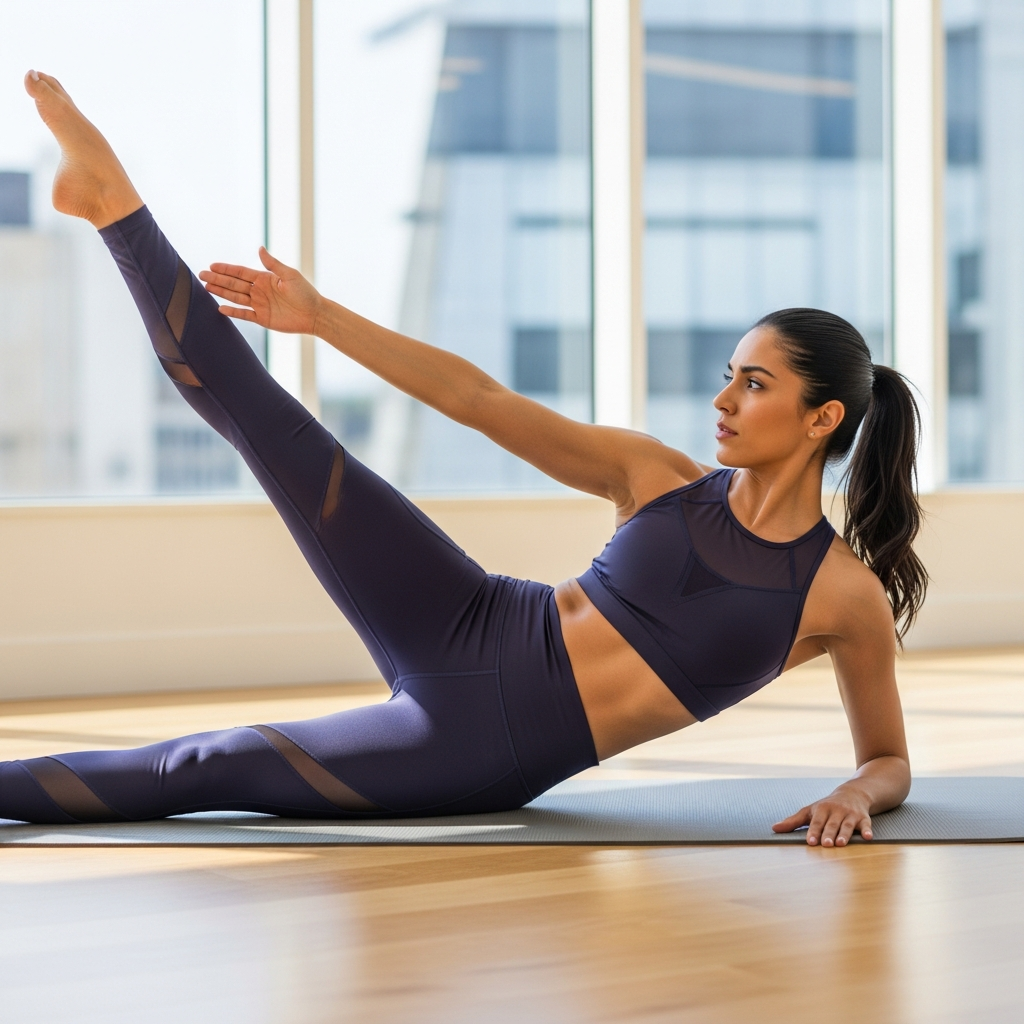
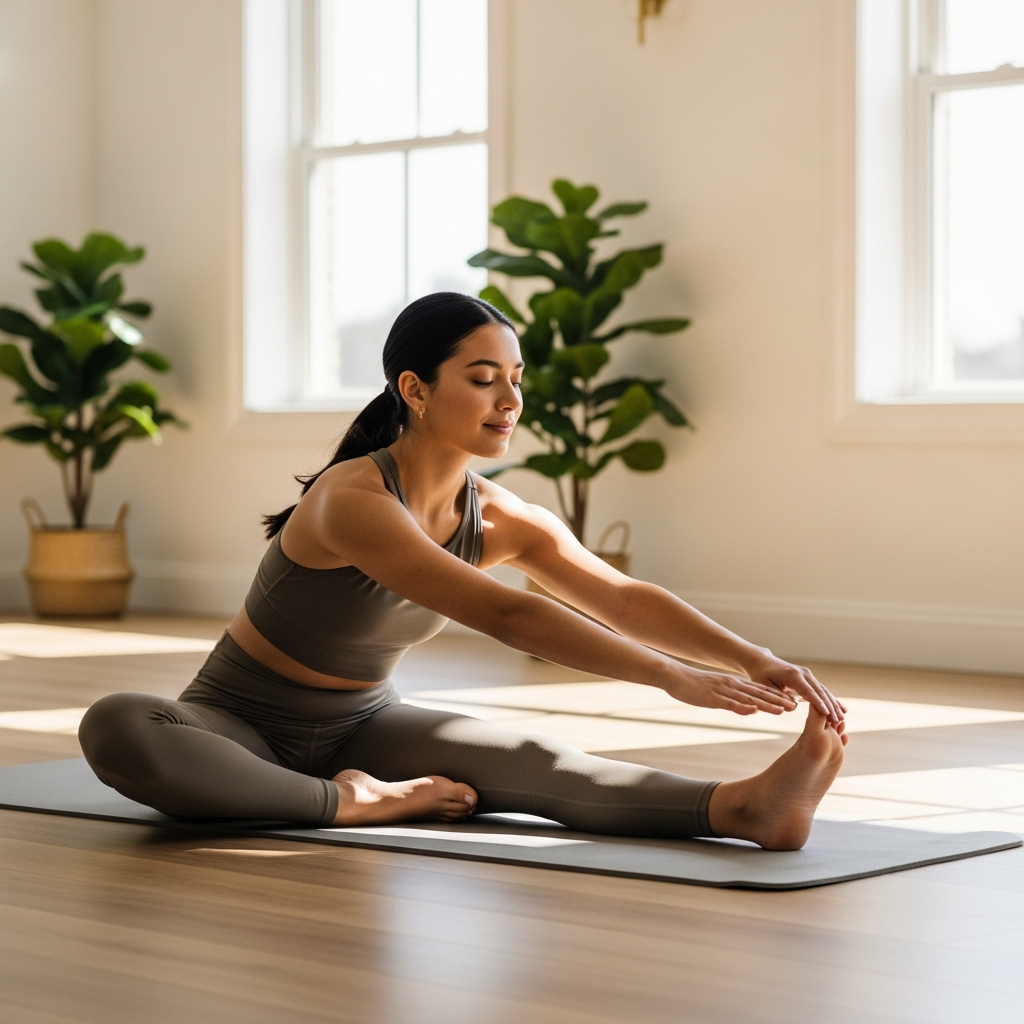
Unveiling the Power of Pilates: Remarkable Benefits You Need to Know
Are you tired of the same old workout routine, and looking for something that not only revitalizes your physical fitness but also your mental wellbeing? Or perhaps you’re wondering what secret keeps your favorite celebs in their best shape? The answer could be Pilates.
Pilates, a fitness system developed in the early 20th century, has become a global phenomenon. It’s not just a mere fad, but a holistic approach to health and wellness. With its unique blend of strength, flexibility, and mindfulness, Pilates does more than just sculpt your body – it enhances your life. So, what are the benefits of Pilates, exactly? Why should you give it a try? Let’s delve deep into the world of Pilates to find out.
In this comprehensive guide, we’ll explore the multifaceted benefits of Pilates – from improved physical fitness and posture to enhanced mental clarity and stress relief. We’ll dive into the versatility of Pilates, discussing how different types of Pilates like mat Pilates and Pilates classes can offer varying benefits. Whether you are a seasoned gym-goer or a novice to fitness, Pilates offers something for everyone.
It’s important to note that the benefits of Pilates go beyond the surface level. Sure, you might start Pilates to tone up or improve your core strength, but you’ll soon discover that the benefits seep into other aspects of your life. Increased energy levels, better focus at work, improved sleep quality – these are just some of the bonuses of incorporating Pilates into your fitness regimen.
But why does this matter? Why should you care about the benefits of Pilates? Well, in an increasingly stressful and fast-paced world, we all need an effective way to stay fit, manage stress, and maintain our overall health. Pilates offers a solution to these modern-day challenges. It’s more than a workout; it’s a lifestyle that embraces healthy living, mindfulness, and body positivity.
And, it’s not just for the elite or fitness buffs. Pilates is accessible to people of all ages and fitness levels. Whether you’re a senior looking to maintain strength and mobility, an athlete seeking to enhance performance, or a busy professional needing a stress relief routine, Pilates could be your answer.
So, are you ready to revolutionize your fitness journey? Are you eager to experience the transformative power of Pilates? Then join us as we unwrap the many benefits of Pilates. We’ll provide you with all the information you need to understand why Pilates is worth considering as part of your fitness routine. By the end of this guide, you’ll have a deeper understanding of what Pilates can do for your body, mind, and overall wellbeing.
Stay with us as we embark on this exciting journey of exploration into the world of Pilates. It’s time to redefine what fitness means and discover the potent benefits of Pilates that can transform your life in ways you’ve never imagined. Let’s dive in!
Pilates Benefits: A Comprehensive Overview
Pilates is a physical fitness system that was developed in the early 20th century by Joseph Pilates, a German-born gymnast, and bodybuilder. Originally dubbed as “Contrology,” it is an exercise regimen that emphasizes the balanced development of the body through core strength, flexibility, and awareness to support efficient, graceful movement. Today, it has emerged as a popular fitness discipline globally, integrating elements of yoga, martial arts, and Western forms of exercise. The benefits of Pilates are extensive and touch on various aspects of health and well-being.
Before delving into the specific benefits of Pilates, it is essential to understand its fundamental principles, which underpin every movement and technique in this discipline. These principles are concentration, control, centering, flow or efficiency of movement, precision, and breathing.
Firstly, Pilates requires intense focus and concentration because each exercise has a particular rhythm and flow. When performing each movement, individuals must be mindful of their bodies and how they function. This heightened mind-body connection can lead to improved mental clarity and stress reduction.
Secondly, control is a core principle in Pilates. Each workout requires the individual to take control of their bodies rather than relying on momentum. This principle promotes muscle definition and strength while also minimizing the risk of injury.
Centering is another critical aspect of Pilates. All movements in Pilates should begin from the core and move outward to the limbs, which Joseph Pilates referred to as the ‘powerhouse’. This approach helps to improve the stability and equilibrium of the body.
The principle of flow refers to the smooth, graceful, and efficient manner in which the exercises are performed. This aspect promotes a sense of harmony and balance within the body and mind.
Precision is integral to Pilates. The emphasis here is on quality over quantity. Each movement should be performed with attention to detail to ensure proper form and alignment.
Lastly, breathing is essential in Pilates. Proper breathing techniques not only help to oxygenate the body but also help to improve focus and execute movements with control and precision.
Understanding these principles is key to reaping the full range of benefits that Pilates offers. Among these are improved strength, particularly in the abdominal muscles, lower back, hips, and buttocks – the ‘powerhouse’ areas of the body. The low-impact nature of Pilates also makes it suitable for people of all age groups, including older adults and those recovering from injuries.
Pilates also enhances flexibility, promoting a greater range of motion in the muscles and joints. This increased flexibility can result in improved performance in other physical activities and a reduced risk of injuries.
Another key benefit of Pilates is its ability to improve posture. The exercises in Pilates target the muscles that support the spine, leading to better alignment and posture. This can be particularly beneficial for individuals who suffer from back pain or those who spend long hours at desk jobs.
Moreover, Pilates can play a significant role in weight management. Although it may not burn as many calories as aerobic exercises like running or cycling, it helps to build muscle mass. Muscle burns more calories than fat, even at rest, leading to increased metabolism and helping with weight loss.
The benefits of Pilates extend beyond physical health. Its emphasis on concentration, control, and breathing can lead to improved mental health by reducing stress and anxiety levels. Many individuals report experiencing a sense of calm and well-being after a Pilates workout.
In conclusion, Pilates offers a holistic approach to fitness that combines physical exercise with mental concentration. Its unique blend of strength, flexibility, and mindfulness training makes it an ideal choice for individuals seeking a balanced, healthy lifestyle. Whether you’re an athlete looking to enhance your performance or someone seeking a low-impact workout that can improve both your physical and mental health, Pilates might just be the answer you’re looking for.
Unraveling the Multifarious Benefits of Pilates: A Comprehensive Guide
Pilates, named after its creator Joseph Pilates, is a low-impact exercise method that focuses on core strength, flexibility, and overall body awareness. It’s more than just a workout; it’s a holistic approach to health and wellbeing that offers myriad benefits to people of all ages and fitness levels. So, what exactly are these benefits? Let’s delve deeper into the world of Pilates and learn how you can harness its potential to improve your quality of life.
**1. Enhanced Core Strength and Stability**
Core strength is the centerpiece of Pilates. Every movement you make in Pilates initiates from the core, which includes the muscles in your abdomen, lower back, hips, and buttocks. By regularly practicing Pilates, you can develop a strong core, enhancing your stability and balance. This can be particularly beneficial for older adults who are at a higher risk of falls.
Actionable Advice: Start with simple mat Pilates exercises such as the ‘Pilates Hundred’, ‘Roll Up’, and ‘Scissor’ to strengthen your core. Make sure to focus on your breath control and precision in movement to maximize the results.
**2. Improved Flexibility**
Pilates exercises require you to move your body in all directions, which helps increase your range of motion and flexibility. For instance, exercises like ‘Saw’, ‘Spine Stretch Forward’, and ‘Mermaid’ are designed to stretch and lengthen various muscle groups.
Actionable Advice: Incorporate these stretching exercises into your daily routine. Also, remember that consistency is key in Pilates; so, make sure to practice regularly for noticeable improvement in flexibility.
**3. Better Posture**
Pilates promotes proper alignment and posture by strengthening the muscles that support your spine. This is especially beneficial for office workers who spend hours sitting at a desk, leading to slouched shoulders and a forward head posture.
Actionable Advice: Try incorporating exercises like ‘Spine Twist’, ‘Chest Lift’, and ‘Swan Dive’ into your routine to improve your posture. Use a mirror to monitor your form during these exercises.
**4. Increased Body Awareness**
Pilates helps you become more aware of your body’s strengths, weaknesses, and patterns of movement. This heightened body awareness can lead to better overall movement in daily life, reducing the risk of injury.
Actionable Advice: Practice Pilates mindfully, paying attention to how your body feels and moves during each exercise. This mindfulness aspect of Pilates can also help improve your mental focus and reduce stress.
**5. Weight Management**
While Pilates isn’t a high-intensity workout, it can contribute to weight management by improving your muscle tone and boosting your metabolism. Pilates, combined with a balanced diet and other forms of exercise, can help maintain a healthy weight.
Actionable Advice: Try a Pilates class that incorporates resistance bands or Pilates reformer machines for an extra calorie-burning boost. Remember, it’s important to maintain a balanced diet for effective weight loss.
**6. Rehabilitation and Injury Prevention**
Pilates is commonly used in physiotherapy and rehabilitation programs because of its low-impact nature. It helps strengthen weak muscles, improve flexibility, and balance, all of which are critical for injury recovery and prevention.
Actionable Advice: If you’re recovering from an injury, consider working with a Pilates instructor who specializes in rehabilitation. They can design a personalized program that suits your specific needs and recovery goals.
To sum up, Pilates offers a plethora of benefits, from physical enhancements like core strength and flexibility to mental benefits like increased focus and stress reduction. Whether you’re a seasoned athlete, a senior seeking to improve balance, or an office worker looking to correct your posture, Pilates can be a valuable addition to your fitness regimen.
Remember: always consult a healthcare professional before starting any new exercise program. Once you get the green light, find a Pilates class that suits your needs or a certified instructor who can guide you through the movements correctly to reap the maximum benefits.
Unveiling the Benefits of Pilates: Challenges, Solutions, and Expert Tips
Pilates is a well-structured workout regime that emphasizes body balance, flexibility, and core strength. It offers an array of benefits that can significantly improve your overall fitness and well-being. However, misconceptions, challenges, and a lack of understanding often deter individuals from enjoying the full spectrum of benefits this exercise method offers. Let’s dive deeper into the world of Pilates, unravel its benefits, and explore the solutions and expert tips to overcome common challenges.
Firstly, one common misconception is that Pilates is only for women or dancers. This is far from the truth. Pilates was invented by a man, Joseph Pilates, for men. It’s beneficial for everyone irrespective of gender or profession. It’s designed to strengthen muscles, improve posture, enhance flexibility and boost overall health.
Another misconception is that Pilates is just like yoga. While both workouts focus on breathing and movement control, they are inherently different. Pilates is more dynamic and focuses on strengthening the core and improving postural alignment. Yoga, on the other hand, emphasizes spiritual connection, relaxation, and flexibility.
One common challenge faced by beginners in Pilates is difficulties with coordination and form. Pilates requires precise movements and a significant amount of mind-body coordination. This can be daunting for newcomers. However, with consistent practice and guidance from a certified instructor, these challenges can be overcome.
Now let’s delve into the benefits of Pilates
1. Improved Core Strength: Pilates focuses on strengthening the core – the powerhouse of your body. A strong core enhances balance and stability, making daily tasks easier and improving overall athletic performance.
2. Increased Flexibility: Unlike workouts that shorten and tighten muscles, Pilates lengthens and stretches them. This increases flexibility and reduces the risk of injuries.
3. Better Posture: Pilates exercises are designed to align your spine and strengthen your posture. This can alleviate back pain and prevent future musculoskeletal problems.
4. Enhanced Mind-Body Connection: Pilates requires concentration and focus on breath control. This enhances the mind-body connection, promoting mental clarity and reducing stress.
5. Weight Loss: Regular Pilates workouts can help tone your body and burn calories, aiding in weight loss when combined with a healthy diet.
Now let’s explore some solutions and expert tips to maximize the benefits of Pilates
1. Start with Mat Pilates: If you’re new to Pilates, start with mat classes. They’re simpler and focus on mastering the basic movements and breathing techniques.
2. Take Professional Classes: To avoid injuries and ensure proper form, consider taking classes from a certified Pilates instructor. They can provide individual guidance and modify exercises to suit your fitness level.
3. Consistency is Key: Like any other exercise regimen, consistency is crucial in Pilates. Aim for at least two to three sessions per week to see noticeable improvements.
4. Combine Pilates with Cardio: While Pilates is great for strength and flexibility, it should be complemented with cardio exercises for overall fitness and weight loss.
5. Listen to Your Body: Don’t push yourself too hard. If an exercise causes discomfort or pain, stop immediately. Remember, the goal of Pilates is to strengthen your body, not hurt it.
In conclusion, Pilates can offer numerous benefits when practiced correctly and consistently. Don’t let misconceptions or initial challenges deter you from exploring this holistic workout regime. Remember, every expert was once a beginner. With patience, persistence, and the right approach, you can harness the power of Pilates to achieve your fitness goals and enhance your overall well-being.
Understanding Pilates Benefits: Expectations, Timelines, and Next Steps
Pilates, a body conditioning routine that may help build flexibility, muscle strength, and endurance in the legs, abdominals, arms, hips, and back, has become an integral part of many fitness enthusiasts’ routines worldwide. Whether you’re considering mat Pilates or attending Pilates classes, understanding the benefits, what to expect, timelines, and your next steps is crucial in maximizing the gains from this physical fitness system.
Benefits of Pilates
The benefits of Pilates are vast and well-documented. Firstly, it emphasizes proper postural alignment, core strength, and muscle balance. This means whether you’re working out on the reformer or on a mat in a class, you’re likely to notice improvements in your overall balance, posture and muscle tone.
Pilates is also an excellent exercise for those who want to strengthen their core. The core consists of the muscles in your abdomen, lower back, and hips. These are the body’s powerhouse — they drive all our movements. A strong core facilitates more powerful and efficient movements in the limbs.
Moreover, Pilates can be tailored to suit individual needs. It is beneficial for individuals across all fitness levels and ages. It can be an essential element of rehabilitation for many injuries and conditions, serving as a complement to physiotherapy and promoting faster recovery.
What to Expect when Starting Pilates
Starting a new exercise regime can often feel daunting. However, Pilates is designed to be inclusive and adaptable, making it approachable for beginners while still challenging for advanced exercisers.
During your first few Pilates sessions, expect to familiarize yourself with the basic principles such as breath control, concentration, control, centering, precision, and flow. These foundational principles will guide all your movements during your Pilates workouts.
A typical Pilates workout includes several exercises performed as a series of repetitions, followed by stretching. The exercises can be performed on a mat, using your body weight for resistance, or with specialized equipment like a Reformer.
Timelines for Seeing Pilates Benefits
The timeline for seeing results from Pilates can vary based on several factors, including your initial fitness level, the frequency of your workouts, and whether you’re combining Pilates with other forms of exercise or a healthy eating plan.
Joseph Pilates, the founder of the Pilates method, once said, “In 10 sessions, you feel better, in 20 sessions you look better, in 30 sessions you have a completely new body.” While this may not be universally accurate for everyone, it provides a general idea that consistent and regular practice over a period can lead to noticeable changes.
Next Steps
To get started with Pilates, look for classes in your local area. Many gyms and fitness centers offer Pilates classes, and there are also studios that specialize in Pilates. Ensure that the instructors are certified and have experience, especially if you’re a beginner or have any special considerations such as injuries or health conditions.
Whether you choose mat Pilates or a class that uses equipment depends on your personal preference and goals. Mat Pilates is a great starting point and requires minimal investment. It focuses on mastering control over your muscles and improving flexibility and strength.
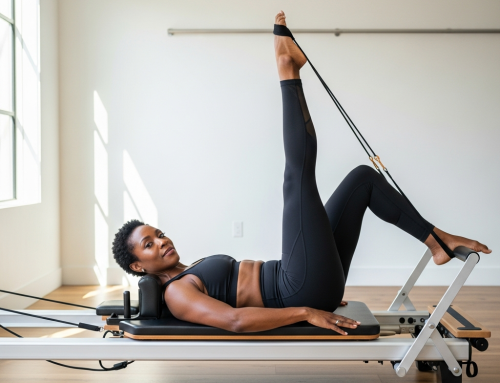
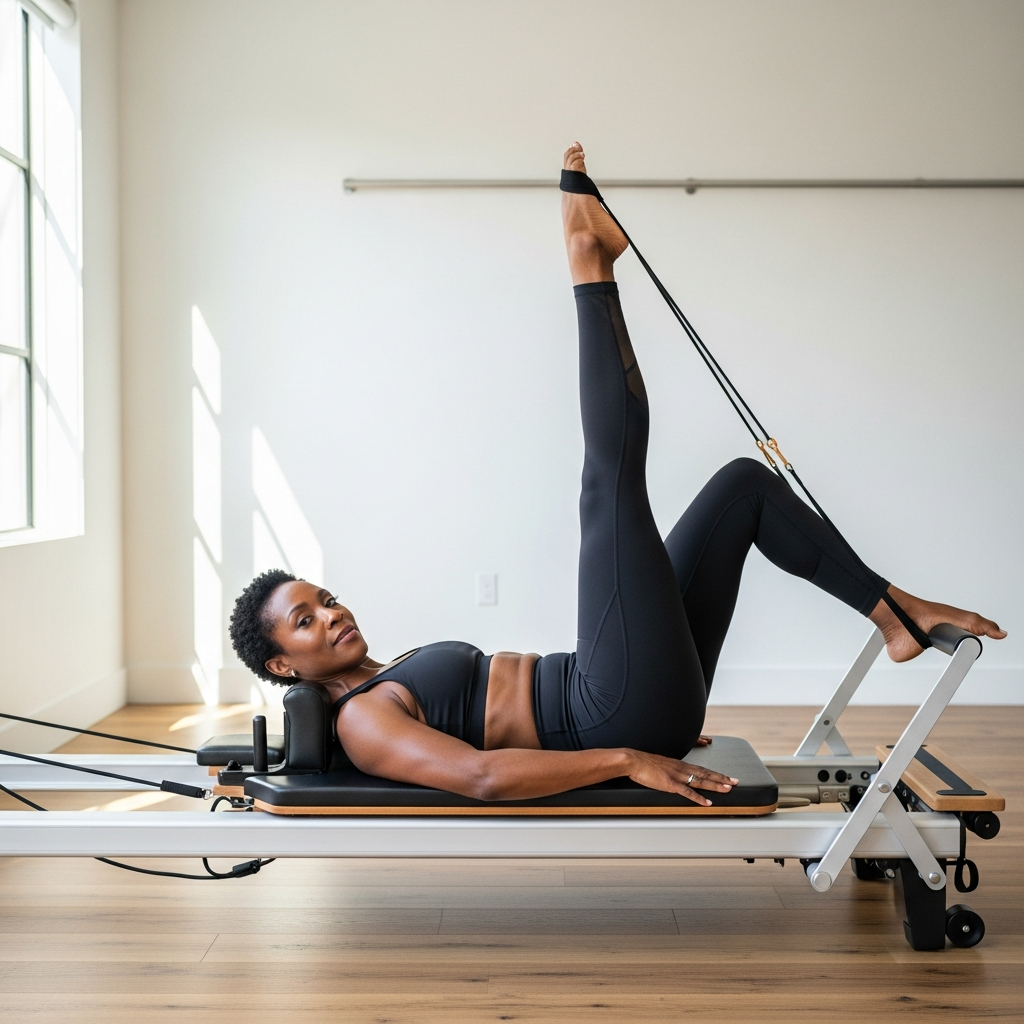
Pilates classes using equipment like a Reformer add an extra challenge to your workouts. The Reformer uses springs and pulleys to create resistance, which can be adjusted according to your strength and skill level.
Lastly, remember to be patient with yourself. Progress may be slow at first, but with consistency, the benefits of Pilates — increased strength, improved flexibility, better posture and balance — will become evident. As with any fitness regimen, it’s important to listen to your body and work at a pace that feels right for you.
In conclusion, Pilates is an incredibly versatile and beneficial fitness regimen that has proven to be effective for a wide range of individuals. Our exploration of its benefits has revealed the depth of its impact on not only physical health, but also emotional and mental wellbeing.
Firstly, we have seen how Pilates can be a powerful tool for developing and maintaining strength. Its focus on core muscles contributes to improved posture, stability, and overall body control. The unique blend of strength and flexibility training inherent in Pilates ensures that your body is not only strong, but also agile and resilient against injuries. As such, it’s an excellent choice for those looking to enhance their athletic performance or simply lead a more active lifestyle.
Secondly, we’ve touched on the therapeutic properties of Pilates. It can be hugely beneficial in physical rehabilitation, aiding recovery from injuries or surgical procedures by gently building strength and flexibility without causing further damage. Additionally, Pilates can help manage chronic pain conditions by fostering better body awareness and promoting healthier movement patterns.
Pilates is not just about physical health though; it’s also highly beneficial for mental and emotional wellbeing. The mindfulness required in Pilates – the concentration on breath, the precision of movement – all contribute to a meditative state that can help reduce stress and anxiety. This focus helps to create a mind-body connection that fosters self-awareness and a sense of tranquility.
Moreover, we’ve discussed how Pilates can assist in weight management. Although it may not burn calories at the same rate as high-intensity activities like running or cycling, Pilates can help tone muscles, enhance metabolic rate, and improve body composition over time. Alongside a balanced diet and other forms of exercise, Pilates can be part of a holistic approach to weight management.
Finally, we’ve highlighted the accessibility of Pilates. With minimal equipment needed and modifications available for virtually every exercise, it’s a form of exercise that’s accessible to individuals of all ages, fitness levels, and physical abilities. Whether you’re a seasoned athlete or just starting your fitness journey, Pilates can be adapted to meet your specific needs and goals.
While this article provides a comprehensive overview of the benefits of Pilates, it’s important to remember that everyone’s experience with this exercise form is unique. What works wonders for one person may not be as effective for another. Therefore, it’s essential to approach Pilates (or any fitness regimen, for that matter) with an open mind, a willingness to explore different techniques, and patience with your progress.
We encourage you to take the first step in discovering the transformative power of Pilates. Our team of certified instructors is here to guide you on your journey, offering personalized instruction based on your specific goals and needs. Whether you’re looking to improve your strength, rehabilitate from an injury, manage stress, or simply try something new, we’re confident that Pilates can offer a rewarding and enriching experience.
So why wait? Contact us today to get started with Pilates. Discover the incredible benefits it has to offer and take the first step towards a healthier, happier you. With our guidance and your dedication, there’s no limit to what you can achieve. Remember, the journey of a thousand miles begins with a single step. Take that step with us today and unlock the potential within you through Pilates.