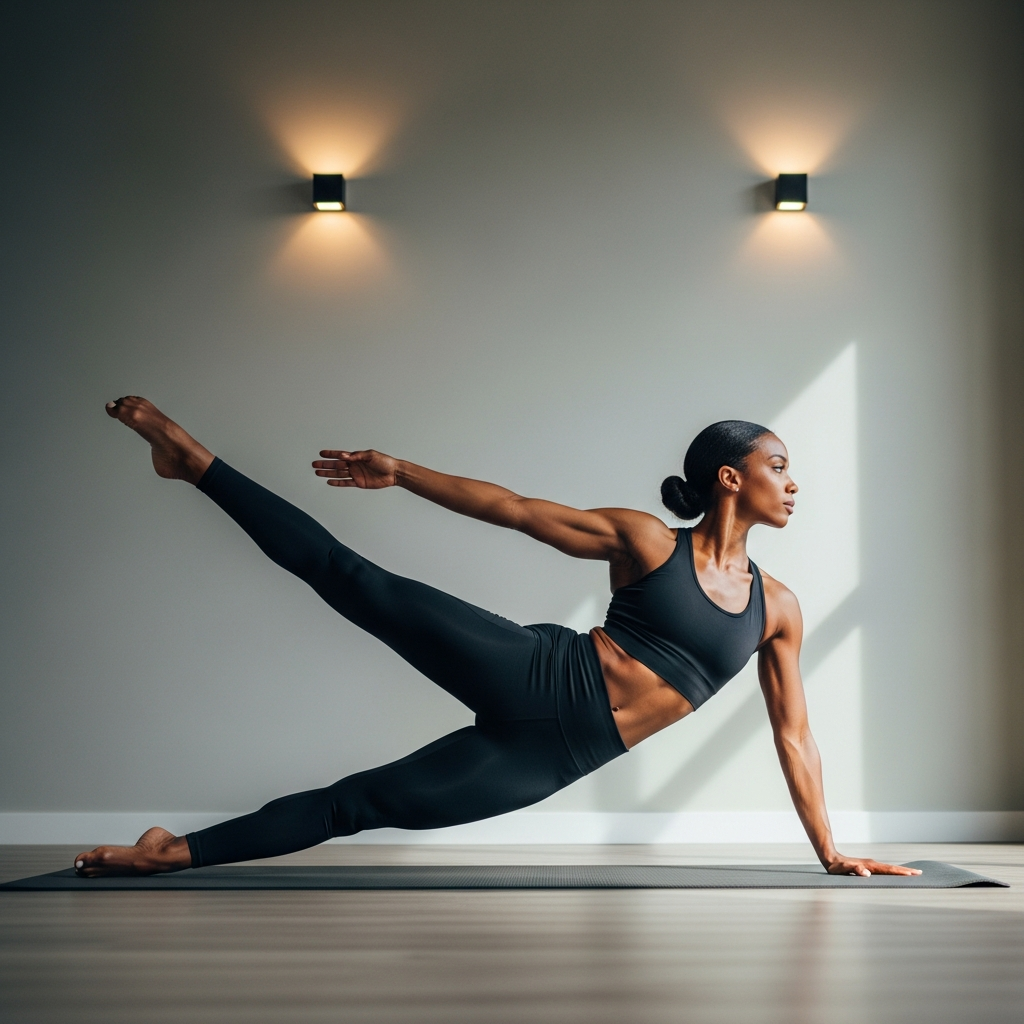
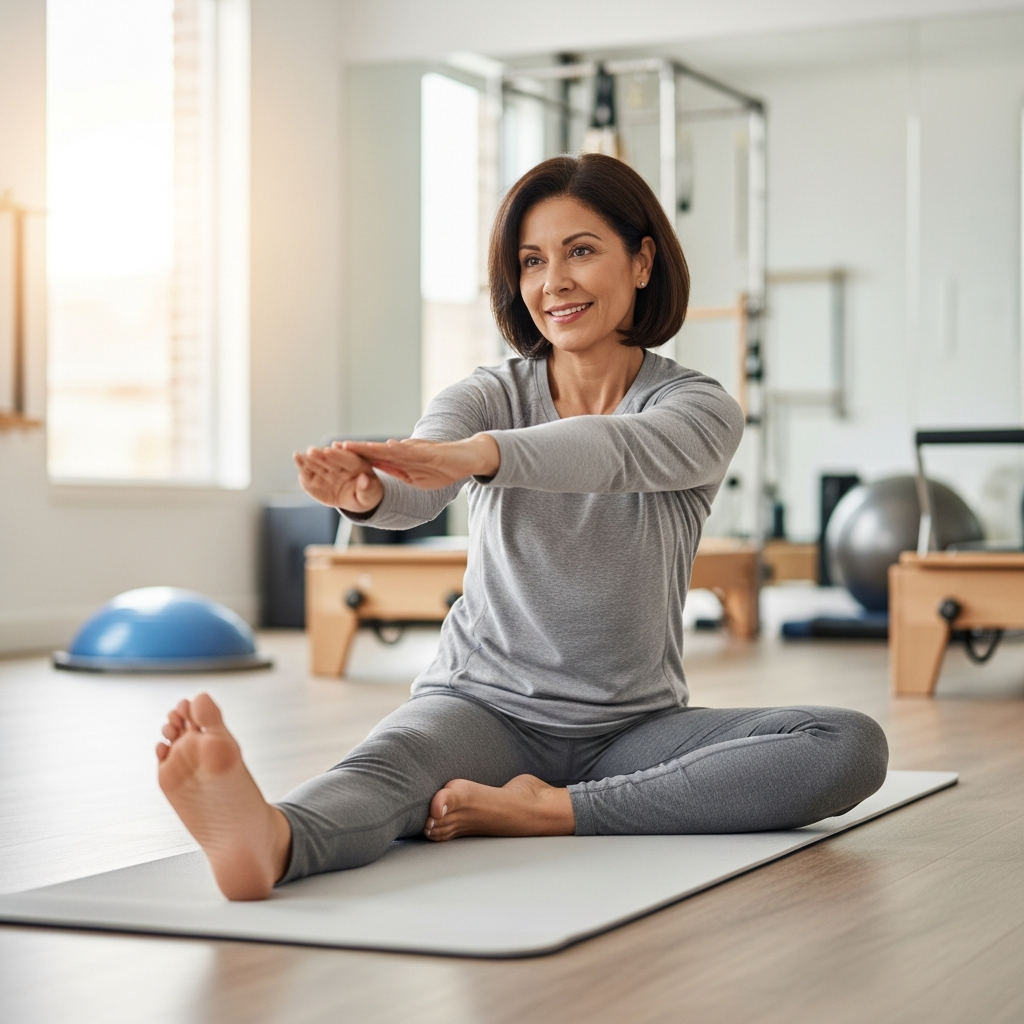
Sculpting Your Core: Can You Lose Belly Fat by Doing Pilates?
Introduction:
Are you tired of tirelessly working out and following fad diets only to see that stubborn belly fat remain unscathed? Are you looking for a fitness regimen that not only helps you shed those extra pounds but also promotes overall wellness and body strength? If you nodded in agreement, then Pilates might be the magic bullet you’ve been seeking. The question we are tackling today is: Can you lose belly fat by doing Pilates?
We all dream of flaunting a flat and firm tummy, but when it comes to achieving this goal, it often feels like an uphill battle. Belly fat is notoriously stubborn and, for many people, is the last bit of fat to go, even after losing weight elsewhere on the body. But what if there was a way to target this problem area effectively while also improving your overall health and wellbeing? Enter Pilates, a physical fitness system that has gained popularity worldwide for its unique approach to exercise.
Pilates, whether mat or reformer, focuses on the core muscles, including your abs, obliques, and lower back. It’s a full-body workout that helps improve flexibility, muscle tone, body balance, spinal support, low back health, and body-mind awareness. But can it help you lose belly fat? That’s the burning question we will explore and dissect in this post.
In this blog, we will delve into the world of Pilates, shedding light on its origin, principles, and methodologies. We will differentiate between mat Pilates and reformer Pilates, and discuss how each can contribute to fat loss and improved fitness. We will further explore the science behind losing belly fat and how Pilates exercises can facilitate this process by boosting your metabolism and promoting lean muscle growth.
This topic matters because belly fat isn’t just a cosmetic concern; it’s also associated with a higher risk of various health issues, from diabetes to heart disease. Therefore, understanding how to effectively lose belly fat isn’t just about improving your appearance; it’s about enhancing your overall health.
By the end of this post, you’ll have a solid understanding of the role of Pilates in weight loss and be better equipped to decide if this fitness system aligns with your personal health and fitness goals. Whether you’re a seasoned gym-goer looking for something new to spice up your routine, or a fitness newbie seeking an effective way to kickstart your weight loss journey, this post promises to provide you with valuable insights and practical advice.
So, if you’re ready to discover the potential of Pilates for torching stubborn belly fat, improving body strength, and promoting overall wellness, then keep reading. It’s time to step onto the mat (or reformer) and sculpt your way to a healthier, fitter you.
The question of whether one can lose belly fat by doing Pilates is one that has been commonly asked by fitness enthusiasts and those seeking to shed some weight. To fully comprehend the answer, it is imperative to understand the underlying principles of Pilates and how it impacts the body.
Pilates, a physical fitness system developed in the early 20th century by Joseph Pilates, is a form of low-impact exercise that aims to strengthen muscles while improving postural alignment and flexibility. Pilates exercises predominantly focus on core strength, but they also involve the whole body. This holistic approach makes Pilates an effective workout for full-body strength and muscle toning.
Pilates and its emphasis on the core is what sets it apart from many other forms of exercise. The core, as defined in the realm of Pilates, encompasses more than just the abs – it includes everything from your transverse abdominis (the deep abdominal muscles) to your pelvic floor muscles, obliques, and even your glutes. By building strength in these areas, Pilates can help develop a strong and toned midsection.
However, it’s important to note that Pilates is not solely about abdominal exercises. It is a balanced workout that uses certain movements to target all the major muscle groups in your body. This balance means you’re not only working on your belly area but also on your back, hips, thighs, arms, and shoulders.
Joseph Pilates based his methodology on a concept he called “contrology,” which refers to the comprehensive control of the body through the centering of oneself. Contrology involves a blend of concentration, control, precision, breath, and flow. These principles are seen in practice during a typical Pilates workout where the focus is on precise movements that result from a great degree of concentration and control.
Now, how does Pilates contribute to fat loss? The truth is that no exercise in isolation will burn your belly fat. Fat loss is a systemic response that occurs when you burn more calories than you consume. Pilates, being a moderate exercise method, can contribute to a calorie deficit if it is part of a well-rounded fitness and nutrition plan.
While Pilates burns fewer calories than many forms of exercise like running or HIIT workouts, it can still contribute to your overall calorie burn for the day. According to the Mayo Clinic, a person who weighs 160 pounds might burn about 200 calories in an hour of moderate Pilates, compared to over 400 calories running at a moderate pace for the same amount of time.
Pilates also contributes to muscle development. As you build more muscle, your body becomes more efficient at burning calories even at rest, which can contribute to weight loss and fat reduction over time. This is because muscle tissue burns more calories than fat tissue does.
Moreover, Pilates promotes mindful movement and body awareness. This mindfulness can often lead to better control over eating habits and a greater awareness of the body’s cues for fullness and hunger.
In conclusion, while Pilates may not be the fastest way to lose fat, it is a highly effective way to tone your body and improve your muscle mass. When combined with a balanced diet and other forms of cardiovascular exercise, it can certainly contribute to a leaner and more toned midsection.
Can You Lose Belly Fat by Doing Pilates?
Pilates is a comprehensive workout strategy that not only builds core strength but also has the potential to burn belly fat. Although Pilates may not burn as many calories as high-intensity workouts like cardio, it can definitely contribute to your overall fitness journey and help you develop a leaner, toned abdomen. Here’s a detailed approach on how to effectively lose belly fat with Pilates.
1. Understand the Basics of Fat Loss: The first step in any weight loss journey is understanding how fat loss works. It’s crucial to remember that targeted fat loss, also known as spot reduction, is not possible. When the body burns fat, it does so evenly across the body. So, while Pilates strengthens and tones your muscles, it won’t specifically eliminate belly fat. However, it can be part of a larger comprehensive fitness and diet routine aimed at overall fat loss, which will consequently reduce belly fat.
2. Incorporate Pilates into a Balanced Routine: Since Pilates alone may not yield dramatic fat loss results, it’s important to incorporate it into a balanced routine that includes other types of exercise. This might include cardio workouts, strength training, and flexibility exercises. For instance, consider doing 30 minutes of cardio three times a week, along with Pilates sessions. This balance will increase the total number of calories you burn, contributing to overall fat loss.
3. Choose the Right Pilates Exercises: While all Pilates exercises support core strengthening, some are more effective at engaging the deeper abdominal muscles. The Pilates hundred, for example, is an exercise that targets the abdominal region while also working your arms and legs. Another effective exercise is the double leg stretch, which works both the upper and lower abs. When performed correctly and consistently, these exercises can help tone your muscles and contribute to a leaner abdomen.
4. Mat Pilates Vs. Reformer Pilates: Both mat and reformer Pilates can be effective at burning fat and toning your muscles. Mat Pilates exercises use your body weight and gravity to provide resistance, while reformer Pilates uses a machine to provide more resistance and a wider range of motion. If you’re a beginner, starting with mat Pilates can be a good way to familiarize yourself with the movements. As you advance, reformer Pilates can offer more challenging workouts that can further enhance muscle tone and strength.
5. Consistency is Key: Like any fitness regimen, consistency is key when it comes to seeing results with Pilates. Consider setting a routine that includes Pilates at least three times a week. Remember, the body adapts to exercise over time, so varying your workouts and increasing intensity or duration can help maintain progress.
6. Pair Pilates with a Healthy Diet: Exercise is just one piece of the puzzle when it comes to weight loss. A healthy, balanced diet is equally important. Try to incorporate whole foods into your diet, including fruits, vegetables, lean proteins, and whole grains while limiting processed foods and sugars. This will help create a calorie deficit, which is necessary for weight loss.
7. Monitor Your Progress: Finally, don’t forget to monitor your progress. This doesn’t necessarily mean stepping on the scale every day since muscle weighs more than fat and Pilates is excellent at building lean muscle. Instead, measure your waist circumference or observe changes in how your clothes fit.
In summary, while Pilates may not directly lead to dramatic belly fat loss, it contributes to total body fat loss by toning your abdominal muscles and improving your overall physical fitness. When combined with other forms of exercise and a healthy diet, Pilates can be an effective tool in your weight loss journey. Remember that results take time and consistency is key to achieving your fitness goals.
Unveiling the Potential of Pilates: Can It Help You Lose Belly Fat?
Introduction
Pilates is a popular fitness trend enjoying an increasing following across the globe. This low-impact exercise regimen, created by Joseph Pilates, is known for improving core strength, flexibility, and overall body awareness. However, a common question that often pops up is, ‘Can you lose belly fat by doing Pilates?’ To answer this with authority and precision, it’s essential to delve into the science behind Pilates and how it impacts our bodies.
Understanding Belly Fat
Belly fat, or visceral fat, is more than just a nuisance that makes your clothes feel tight. It’s seriously harmful, being a major risk factor for type 2 diabetes, heart disease, and other conditions. Many health organizations use BMI (body mass index) to classify weight and predict the risk of metabolic disease. However, this is misleading, as people with excess belly fat are at an increased risk even if they look thin.
The Pilates Effect
Pilates primarily targets the core but also works other muscles in your body. A session of Pilates can burn calories (between 4 to 7.5 per minute), but not as many as high-intensity workouts such as running or swimming. However, Pilates’ strength lies in its ability to build lean muscle mass, which can boost your metabolism and promote fat burning.
Common Misconceptions
One common misconception is that Pilates, especially mat Pilates, can’t aid weight loss due to its low-impact nature. While it’s true that Pilates isn’t a high-calorie-burning exercise like cardio workouts, it’s effective in toning muscles and improving posture. This eventually leads to a more sculpted appearance and better metabolic function.
Another misconception is that spot reduction, or losing fat from a specific part of the body, is achievable through targeted exercises. It’s vital to note that Pilates or any other exercise can’t burn belly fat alone. The body loses fat overall and not just from one area. So, while Pilates helps strengthen the core, it doesn’t directly burn belly fat.
Best Practices: Mat Pilates vs. Reformer Pilates
Both mat and reformer Pilates offer numerous benefits. Mat Pilates is a great starting point for beginners. It uses body weight to provide resistance and enhances strength, flexibility, and coordination. On the other hand, reformer Pilates involves a special machine and offers a more challenging workout, boosting strength, balance, and flexibility.
Regardless of the type of Pilates you choose, consistency is key. For noticeable results, aim for at least three sessions per week. Moreover, ensure to complement your Pilates regimen with a balanced diet and regular cardio exercise for maximum fat loss.
Expert Tips
1. Incorporate Pilates into a Varied Exercise Routine: To lose belly fat effectively, combine Pilates with cardio workouts. This could be running, cycling, swimming, or any other high-intensity exercise you enjoy.
2. Focus on Nutrition: Exercise alone won’t cut it; you need a healthy, balanced diet too. Limit processed food intake and consume more whole foods like fruits, vegetables, lean proteins, and whole grains.
3. Be Consistent: Consistency is key in any fitness journey. Make Pilates a regular part of your routine and stick with it.
4. Hire a Certified Instructor: If possible, work with a certified Pilates instructor who can ensure you’re doing the exercises correctly and safely.
Conclusion
So, can Pilates help you lose belly fat? The answer is yes, indirectly. While it may not burn as many calories as cardio workouts, Pilates complements a well-rounded fitness and diet plan by improving muscle tone, posture, and body shape. Plus, the lean muscle mass that Pilates builds can boost your metabolism, helping your body burn more fat overall. Remember, consistency and a balanced approach are key when it comes to losing belly fat – or any fat, for that matter.
Can You Lose Belly Fat by Doing Pilates? Expectations, Timelines, and Next Steps
Pilates is a form of low-impact exercise that aims to strengthen muscles while improving postural alignment and flexibility. It’s a versatile and accessible fitness method, suitable for everyone from fitness novices to seasoned athletes. But can it specifically help you lose belly fat? Let’s delve into the details.
Firstly, it’s important to know that losing fat in one specific area, also known as spot reduction, is a common fitness myth. When the body burns fat, it does so evenly across the entire body. However, Pilates can play a significant role in your overall weight loss strategy; it tones the body and helps build muscle, which in turn increases your metabolism and helps burn more calories.
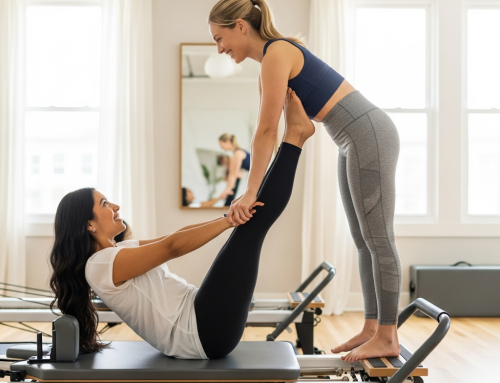
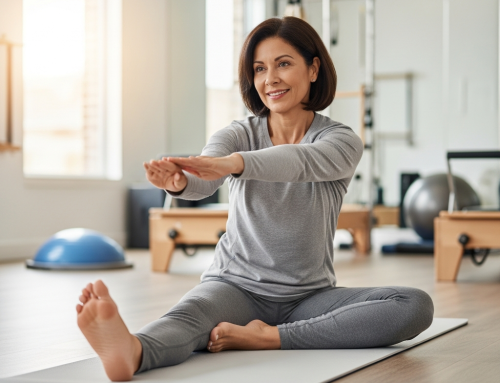
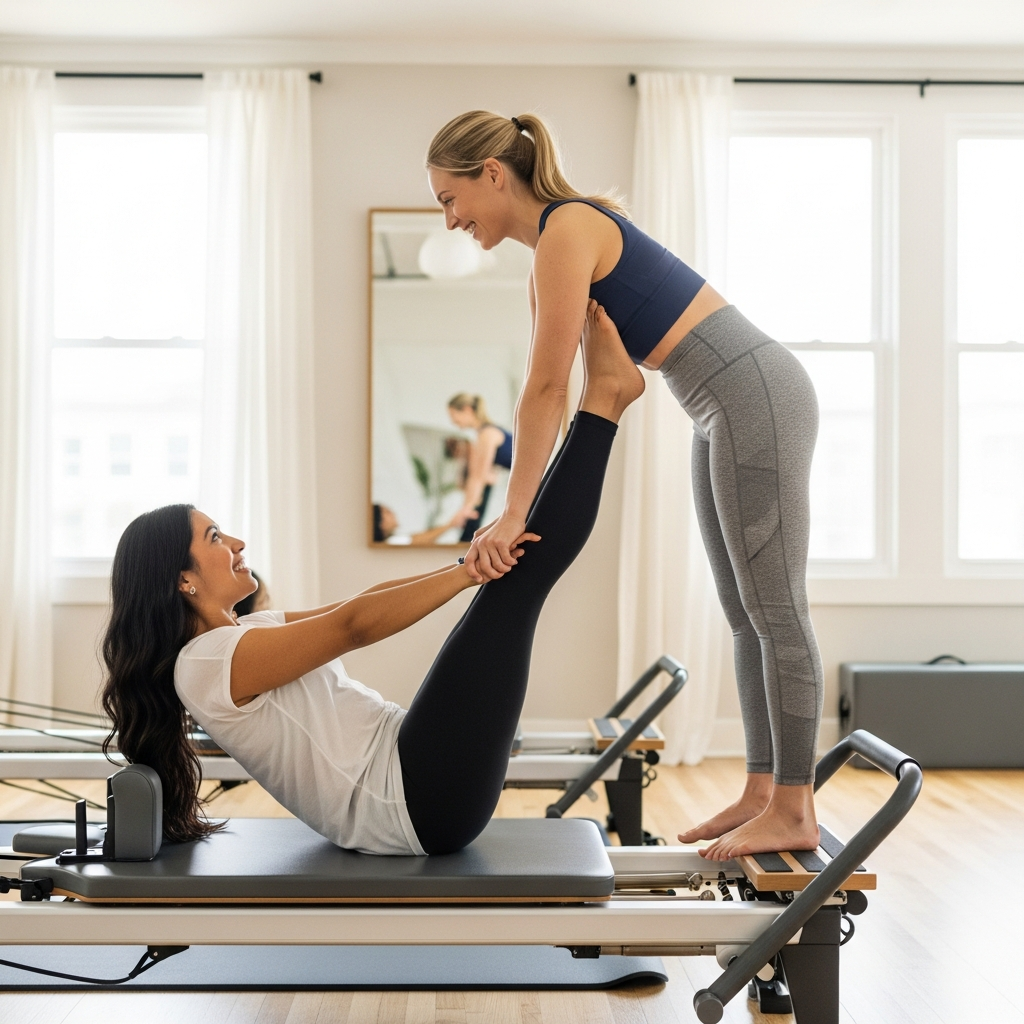
Mat Pilates and Reformer Pilates are two popular forms of this exercise. Mat Pilates is performed on the floor using a yoga mat and includes body weight exercises. Reformer Pilates, on the other hand, is performed using a machine called a ‘reformer’, which provides resistance to help tone and strengthen muscles.
When it comes to timelines, it’s crucial to understand that everyone’s body responds differently to exercise. Factors such as diet, lifestyle, genetics, and consistency of workouts also play a significant role in how quickly you’ll see results. Generally speaking, you can expect to see changes in your body and improvement in muscle tone within 4-6 weeks of consistent Pilates workouts, provided they are combined with a balanced diet and regular cardio exercise.
As for next steps, here are some practical guidelines if you’re considering Pilates for weight loss and toning
1. **Set realistic expectations:** Don’t expect overnight results. As mentioned earlier, it takes time for your body to respond to any new exercise regime. Remember that slow progress is still progress.
2. **Choose the right type of Pilates for you:** Both Mat and Reformer Pilates can aid in weight loss and toning. However, Reformer Pilates tends to be more intensive, offering a higher calorie burn. If you’re a beginner, it’s advisable to start with Mat Pilates to familiarize yourself with the movements before moving on to Reformer sessions.
3. **Combine Pilates with cardio:** To maximize fat burn, it’s essential to include cardio exercises in your routine. Consider a combination of Pilates and cardio workouts throughout the week.
4. **Pay attention to your diet:** Exercise alone won’t lead to significant weight loss unless it’s paired with a balanced diet. Aim for a diet rich in lean proteins, fruits, vegetables, and whole grains.
5. **Consistency is key:** To see results, it’s important to stick with your exercise routine. Aim for at least 3-4 Pilates sessions per week.
6. **Work with a professional:** If possible, consider working with a certified Pilates instructor, especially if you’re new to the practice. They can ensure your form is correct, reducing the risk of injury and helping you get the most out of your workouts.
In conclusion, while Pilates may not directly lead to belly fat loss, it can certainly form part of a comprehensive fitness program aimed at overall weight loss and toning. With its emphasis on core strength, muscle toning, and flexibility, Pilates provides a strong foundation for a healthy, active lifestyle. Remember to approach your fitness journey with patience and perseverance – the results will come with time and consistency.
In conclusion, Pilates is a holistic approach to fitness and wellness that can greatly contribute to belly fat loss and overall body conditioning. It is an effective workout regimen that targets the core muscles, including the abdominal area, while promoting balance, flexibility, and strength.
One of the critical takeaways from our discussion is that Pilates is more than just a physical workout; it is a mind-body exercise that enhances mental focus, body awareness, and mindfulness. These are critical elements that can help you stay motivated and consistent with your workout routine, which is essential for long-term belly fat loss.
Another key takeaway is the role of Pilates in promoting better posture. By improving your alignment and posture, Pilates can make your abdomen appear flatter and more toned. This is because poor posture can cause your belly to protrude, making it look bigger than it actually is.
It’s also worth noting that while Pilates alone can help reduce belly fat to some extent, combining it with aerobic exercises and a balanced diet can yield even better results. As a low-impact exercise, Pilates is excellent for muscle toning and strengthening. However, to effectively burn calories and lose fat, high-intensity cardio exercises are crucial. A healthy diet further complements these physical activities by providing you with the necessary nutrients without excessive calories.
Pilates also provides an excellent way to manage stress, which is another factor contributing to belly fat accumulation. Chronic stress can lead to hormonal imbalances, causing the body to store fat around the abdominal area. By reducing stress levels through mindful movements and breathing techniques, Pilates helps in combating fat storage caused by stress.
Finally, Pilates is about consistency. Regular sessions, ideally three times a week, can lead to noticeable changes in your body shape and size. The duration of each session may vary depending on your fitness level and specific goals. However, even short, regular sessions can have positive effects on the body and mind.
In conclusion, the answer to the question, ‘Can you lose belly fat by doing Pilates?’ is a resounding yes. However, it’s important to remember that Pilates should be part of a comprehensive approach to wellness that includes regular cardio exercises, a balanced diet, and stress management.
We understand that starting a new fitness regimen can be overwhelming, and that’s why we’re here to help. Our team of trained professionals is ready to guide you through your Pilates journey, providing personalized workout routines and diet plans that suit your specific needs and goals. Whether you’re a beginner or an experienced practitioner, looking to lose belly fat or enhance your overall wellness, we’re confident that our Pilates program can help you achieve your goals.
So why wait? Contact us today and take your first step towards a healthier, fitter you. Remember, the journey of a thousand miles begins with a single step. Let that first step be Pilates. You’ll not only lose belly fat but also gain strength, flexibility, balance, and a sense of inner peace that can transform your life.