How Do I Find the Best Pilates Studio in Fort Worth?
You know that moment when you’re scrolling through your phone, promising yourself you’ll finally get serious about fitness this time? Maybe you’re curled up on the couch after a long day, your lower back aching from hours hunched over a computer, thinking there’s got to be something better than another failed gym membership collecting dust in your wallet.
Trust me, I’ve been there. We’ve all been there.
You’ve probably heard the whispers about Pilates – how it’s supposed to be this magical cure-all that gives you core strength, better posture, and that enviable long-and-lean look. Your coworker swears by it. Your sister-in-law won’t stop talking about how it “changed her life.” Even your Instagram feed is suddenly flooded with people doing impossibly graceful movements on those strange contraptions that look like medieval torture devices… but in a good way?
But here’s the thing – and this is where it gets tricky – Pilates isn’t just Pilates. Not all studios are created equal, especially here in Fort Worth where new places seem to pop up every month. Some focus on classical techniques that would make Joseph Pilates himself proud. Others blend in elements of yoga, dance, or HIIT training. Some studios feel like luxury spas where you half-expect someone to offer you cucumber water and a hot towel. Others have that scrappy, no-nonsense vibe where you know you’re going to work hard and probably sweat through your cute new workout clothes.
And don’t even get me started on the price differences. You might find a deal that seems too good to be true (spoiler alert: it usually is), or you might stumble across a place that costs more than your car payment and wonder if they’re teaching you to levitate or something.
The real kicker? Your choice of studio can make or break your entire Pilates experience. Pick the wrong one, and you might end up like my friend Sarah – she joined a place that was basically a Pilates mill, cramming twenty people into classes designed for eight. She spent three months feeling lost, confused, and frankly a little embarrassed because she couldn’t keep up. She almost gave up entirely before finding a smaller studio where the instructor actually knew her name and could help her modify movements for her cranky knee.
That’s what really matters here – finding a place where you’ll actually want to show up. Because let’s be honest, we can research the perfect workout routine until we’re blue in the face, but if you don’t love where you’re doing it, if the vibe feels off or the instructors make you feel invisible… well, even the best intentions tend to fizzle out pretty quickly.
Fort Worth’s fitness scene has exploded in recent years, which is fantastic news for your options but potentially overwhelming when you’re trying to make a decision. You’ve got everything from boutique studios tucked into converted warehouses in the Near Southside to sleek chain locations in Sundance Square. Some places specialize in reformer classes that’ll challenge muscles you forgot you had. Others focus on mat work that you can eventually do at home (though honestly, there’s something about being in a room with other people all struggling through the same movements that just hits different).
The truth is, finding the right Pilates studio isn’t just about convenience or price – though those things definitely matter when you’re trying to build a sustainable routine. It’s about finding instructors who understand your body, your limitations, and your goals. It’s about discovering whether you thrive in small, intimate classes or prefer the energy of larger groups. It’s figuring out if you need that reformer machine to keep you engaged or if you’re perfectly content working with just your body weight and maybe a few props.
Over the next few minutes, we’re going to walk through everything you need to know to find your perfect Pilates match here in Fort Worth. We’ll talk about the questions you should ask during that first phone call, what to look for during a trial class, and how to spot the red flags that’ll save you time, money, and frustration. Because honestly? Life’s too short for bad Pilates experiences.
What Makes Pilates Different from Your Average Workout
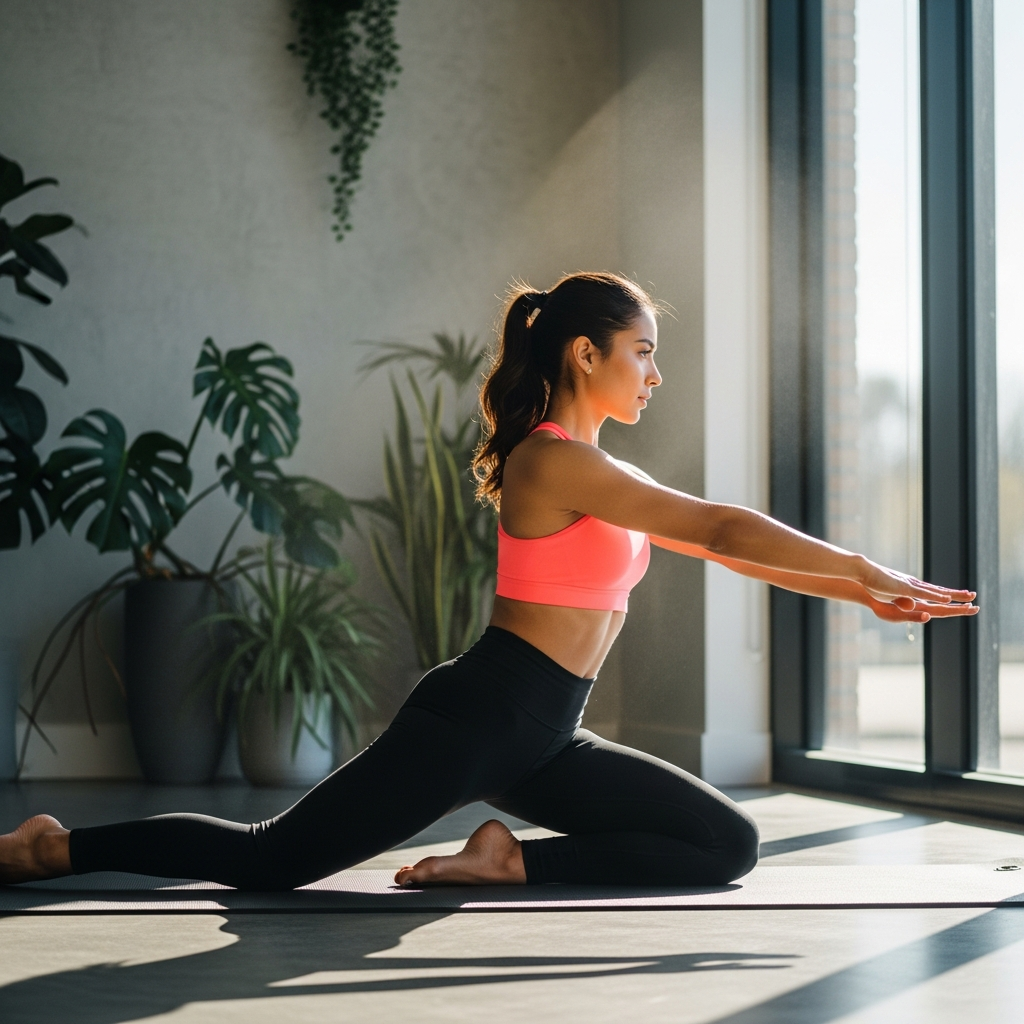
You know how sometimes you walk into a gym and feel like you’re entering some sort of athletic gladiator arena? Well, Pilates studios are… different. Think of them more like a cross between a dance studio and a physical therapy clinic – but way less intimidating than either of those sound.
Pilates isn’t about grinding through reps until your muscles scream for mercy. It’s more like having a really thoughtful conversation with your body. Joseph Pilates (yeah, that was actually his last name – lucky guy) developed this method back in the early 1900s, and he called it “Contrology.” Which, honestly, sounds a bit weird now, but the idea was all about controlled, precise movements that work your entire body as one connected unit.
Here’s where it gets interesting – and maybe a little confusing at first. In Pilates, you might do an exercise that looks ridiculously simple from the outside, but internally? Your core is working overtime, your posture is getting a complete overhaul, and muscles you didn’t even know existed are suddenly very much awake.
The Equipment Situation (And Why It Matters for Your Studio Search)
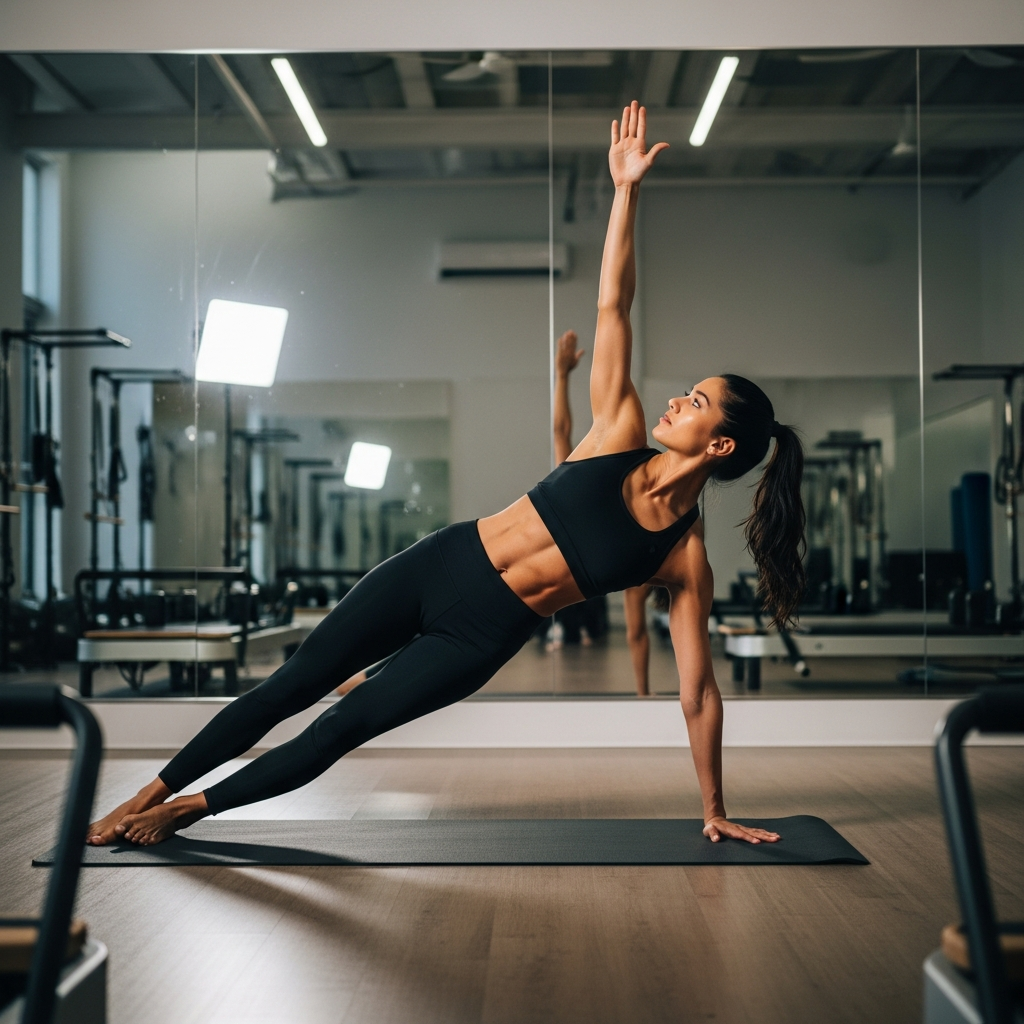
Now, this is where things get a bit… well, expensive-looking. Walk into a proper Pilates studio and you’ll see these contraptions that look like they belong in either a medieval torture chamber or a really fancy physical therapy clinic. The Reformer is the big kahuna – it’s basically a sliding platform with springs, pulleys, and straps that can make a simple leg movement feel like you’re defying gravity.
But here’s what’s actually happening: that spring resistance isn’t just there to make things harder (though it certainly can). It’s providing feedback, support, and assistance all at once. Think of it like having a really smart workout partner who knows exactly when to help you and when to challenge you.
Then there’s the Cadillac (yes, really), the Chair, the Barrel… each piece of equipment offers something different. Some studios have the full arsenal, others focus on just the essentials. Neither approach is necessarily better – it’s more about what works for your body and your goals.
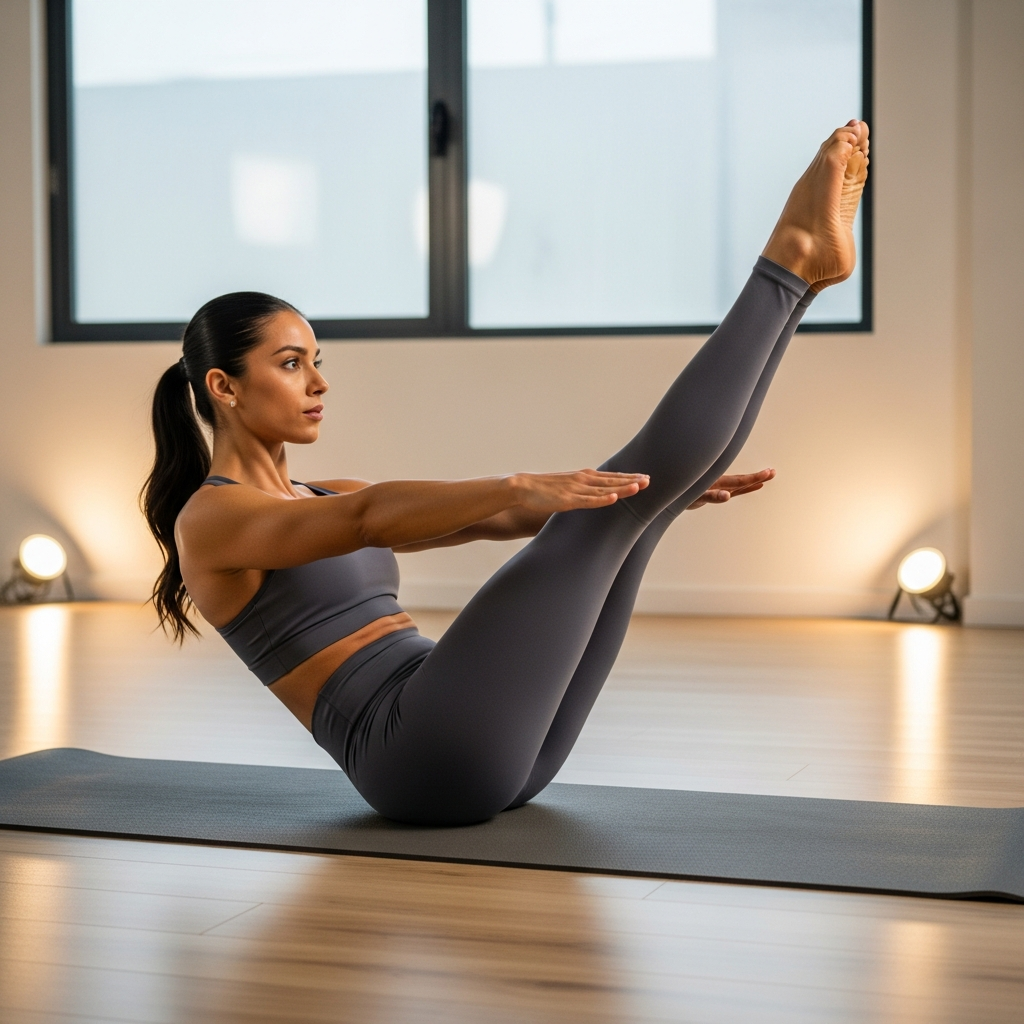
Mat Pilates, on the other hand, strips away all the equipment drama and gets down to just you, gravity, and maybe a few props. It’s like the difference between cooking with a fully loaded kitchen versus making something amazing with just a few quality ingredients.
The Instructor Factor (This One’s Huge)
Here’s something that might surprise you – not all Pilates instructors are created equal. Actually, that’s an understatement. The difference between a well-trained instructor and someone who just took a weekend certification is… well, it’s enormous.
A good Pilates instructor is part movement detective, part body mechanic, part motivational speaker. They’re watching how you move, catching compensations you don’t even realize you’re making, and adjusting exercises on the fly to work with your specific body.
I’ve seen instructors spot a hip imbalance from across the room, or notice that someone’s shoulder blade isn’t gliding properly during what seems like a simple arm movement. It’s honestly a bit spooky how good they can be at reading bodies.
The training hours matter here – a lot. Classical Pilates certification programs require hundreds of hours of training, apprenticeships, and ongoing education. Some newer, faster programs… well, they might get you the basics, but they’re missing the depth that comes with really understanding the method.
Studio Vibes and What They Actually Mean
Every Pilates studio has a personality – some are more clinical and focused on rehabilitation, others feel more like boutique fitness experiences. Some follow the classical method to the letter, while others blend in contemporary approaches or even add elements from other movement practices.
Neither approach is wrong, but they’re definitely different. A classical studio might feel more structured, with specific exercise sequences and traditional equipment setups. A contemporary studio might incorporate props like foam rollers, resistance bands, or even elements from yoga or physical therapy.
The key is figuring out which vibe matches what you’re looking for. Are you dealing with an injury and need something more therapeutic? Or are you looking for a challenging workout that’ll leave you feeling stronger and more balanced? Maybe you want something that feels more like a community than just a fitness class…
The truth is, the “best” studio is really the one where you’ll actually want to show up consistently – and that has as much to do with the people and atmosphere as it does with the quality of instruction.
Start With Your Neighborhood (But Don’t Stop There)
Here’s what most people get wrong – they Google “best Pilates Fort Worth” and pick from the first three results. Smart? Not really. Instead, start by mapping out studios within a 15-minute drive from your home or work. Trust me on this one… if it takes you 25 minutes to get there on a Tuesday evening, you’ll find every excuse not to go.
But here’s the secret sauce: once you’ve got your shortlist, expand it slightly. That studio in Southlake might be worth the extra drive if they offer exactly what you need. The goal isn’t convenience at all costs – it’s finding your sweet spot between accessibility and quality.
The Class Schedule Reality Check
Look, I’ve seen too many people fall in love with a studio during their trial visit, only to discover later that all the good classes happen when they’re stuck in meetings. Before you even step foot in a studio, download their app or check their website for real-time schedules.
Pay attention to these details
– Do they offer classes during your available hours? – How far in advance do you need to book? (Some popular instructors fill up days ahead) – What’s their cancellation policy? Life happens, and you don’t want to lose money because your kid got sick – Do they offer virtual options for those inevitable busy weeks?
Actually, that reminds me – ask about their busiest and quietest times. Sometimes the 6 AM class has better instruction-to-student ratios than the popular 7 PM slot.
The Instructor Investigation
This is where you become a bit of a detective. Don’t just look at certifications (though those matter) – dig deeper. Check if instructors have experience with your specific needs. Recovering from an injury? You want someone with rehabilitation training. Looking to complement your marathon training? Find instructors who understand athletic performance.
Here’s a pro tip: follow the studio’s Instagram or Facebook page for a few weeks before visiting. You’ll get a feel for their teaching style, class atmosphere, and whether their approach resonates with you. Plus, you’ll spot which instructors get the most engagement from students – that’s usually a good sign.
Try Before You Commit (But Try Smart)
Most studios offer introductory packages – usually something like three classes for $60 or unlimited for two weeks. Don’t waste this opportunity by cramming all your visits into one week. Spread them out. Try different instructors, different class times, even different class types if they offer variety.
And here’s something studios won’t tell you: if you’re on the fence after your trial, ask to speak with the owner or manager. Many will extend your trial period or offer a modified package to win your business. The worst they can say is no.
The Equipment and Space Evaluation
Walk through the studio like you’re house-hunting. Check the Reformers – are they well-maintained? Do they adjust smoothly? Are there enough props (blocks, straps, balls) for everyone, or are people sharing sweaty equipment?
Space matters more than you think. Cramped studios where you’re practically high-fiving your neighbor during arm exercises? Pass. You need enough room to fully extend without feeling self-conscious. Also, check the ventilation – nothing kills motivation like a stuffy, overheated room.
The Money Talk Nobody Wants to Have
Studio pricing can be… creative. Some charge per class, others offer monthly memberships, and many have package deals that seem great until you do the math. Here’s what to calculate
– Cost per class based on how often you realistically plan to attend – Any additional fees (enrollment, equipment, cancellation charges) – Whether they offer discounts for multiple months upfront – If they have loyalty programs or referral bonuses
Don’t be shy about asking for their cheapest option. Many studios have community rates, student discounts, or off-peak pricing they don’t advertise prominently.
Trust Your Gut (It Knows Things)
After all the research and trials, pay attention to how the studio feels. Do you leave energized or drained? Do the staff remember your name after a few visits? Do other students seem happy to be there, or does everyone look miserable?
Sometimes the “best” studio on paper isn’t your best fit. Maybe the instruction is technically perfect, but the vibe feels too intense. Or perhaps the space is gorgeous, but something about the culture doesn’t click. That’s okay – keep looking. Your perfect Pilates home is out there.
The Reality Check: It’s Going to Feel Awkward at First
Let’s be honest – walking into your first Pilates class can feel like showing up to a party where everyone knows the secret handshake except you. The instructor’s casually mentioning your “powerhouse” while you’re still figuring out which end is up on the reformer. That’s completely normal, by the way.
Most people quit after two or three sessions because they feel lost or embarrassed. Here’s what actually helps: ask about beginner packages or intro classes. Many studios offer them, but they don’t always advertise these options prominently. Call ahead and say, “I’m completely new to this – what do you recommend?” You’d be surprised how much more welcoming that makes the experience.
The Money Thing (Because We’re All Thinking It)
Pilates isn’t cheap. There, I said it. You’re looking at anywhere from $25-40 per class in Fort Worth, and those costs add up faster than your credit card bill after a Target run. The sticker shock is real, especially when you’re comparing it to a basic gym membership.
But here’s where most people mess up their budgeting… they try to go too often, too soon. Instead of jumping into unlimited packages, start with a smaller commitment – maybe 4-6 classes over a couple months. See how it fits into your life before you’re locked into a contract that makes you feel guilty every time you skip a week.
Some studios offer work-study programs where you can clean or help with admin tasks in exchange for classes. Others have sliding scale pricing if you ask (though you usually have to ask – they won’t volunteer this information). Community centers sometimes offer Pilates at a fraction of the cost, though you’ll sacrifice some of the specialized equipment.
Finding Your People (It Matters More Than You Think)
The culture of a studio can make or break your experience, and this is where a lot of people get tripped up. Maybe you’re more of a quiet, focus-on-yourself type, but you accidentally walk into a studio where everyone’s chatting about their weekend plans during planks. Or you’re hoping for some friendly conversation, and you land somewhere that feels like a library.
Pay attention during your trial class – not just to the instructor, but to how people interact. Do they seem like your kind of people? Are they supportive when someone’s struggling, or do they pretend not to notice? That woman next to you who quietly shows you how to adjust the foot bar? That’s the energy you want.
Schedule Reality vs. Schedule Fantasy
We’ve all done it – signed up for classes with the best intentions, imagining our future selves as the type of person who definitely hits a 6 AM Pilates session before work. Then reality hits, and you’re hitting snooze for the third time while your unused class credits expire.
Look at your actual schedule, not your aspirational one. If you’ve never been a morning exerciser, don’t suddenly expect Pilates to change that. Find a studio with evening options, or weekend classes that actually fit your life. Some studios are flexible with rescheduling, others… not so much. Ask about their cancellation policy upfront – life happens, and you don’t want to be penalized for it.
The Instructor Lottery
This one’s tricky because you might love the instructor who teaches the intro class, then find out they only teach twice a week at times that don’t work for you. Or worse, you build a rapport with someone who suddenly leaves for another studio.
Don’t put all your eggs in one instructor basket. Try classes with different teachers, even if you have a favorite. Each one brings something different, and you might discover you actually prefer varied approaches. Plus, if your go-to instructor is sick or on vacation, you won’t feel completely lost.
When Progress Feels Invisible
Pilates progress is sneaky. It’s not like lifting weights where you can clearly see yourself getting stronger. You might feel like nothing’s happening for weeks, then suddenly realize you can hold plank without your arms shaking, or that your back doesn’t hurt after sitting at your desk all day.
Keep a simple note in your phone about how you feel after classes – energy levels, any aches or pains, how challenging certain exercises felt. You’ll start to see patterns and improvements that aren’t obvious in the moment. Trust the process, even when it feels slow.
What to Expect in Your First Few Classes
Let’s be honest – your first Pilates class might feel like you’re trying to solve a Rubik’s cube while balancing on one foot. And that’s completely normal.
You’ll probably spend the first session figuring out what a “neutral spine” actually means (spoiler: it’s not as obvious as it sounds), and don’t even get me started on coordinating your breathing with movement. I’ve seen people hold their breath through entire exercises like they’re underwater. Your instructor will gently remind you to breathe, and you’ll wonder how something so automatic suddenly requires conscious effort.
Most people need about 3-4 classes before they stop feeling like a confused pretzel. By week six or eight, you’ll start noticing that getting out of bed doesn’t involve the same dramatic groaning sounds. That’s when the magic begins to happen – but it happens quietly, almost sneakily.
The soreness? Oh, you’ll definitely be sore. But it’s different from the punishing ache you might get from other workouts. Pilates soreness feels more like… awareness. Like your body saying, “Oh hey, I forgot I had these muscles.”
Timeline for Real Results
Here’s what nobody tells you about Pilates progress – it’s not linear, and it’s definitely not Instagram-worthy at first.
Week 1-2: You’re just trying to survive and figure out the basic movements. Your core might shake during simple exercises, and that’s fine. Everyone’s core shakes at first.
Month 1: You’ll start feeling stronger in everyday activities. Carrying groceries up stairs becomes easier. You might notice your posture improving without thinking about it.
Month 3: This is usually when people have their “aha” moment. You’ll move through exercises with more confidence, and your body will start to feel more… connected. Hard to explain, but you’ll know it when you feel it.
Month 6: Now we’re talking real changes. Better balance, genuine core strength, and that elusive mind-body connection everyone raves about.
Some people see changes faster, others need more time. Age, fitness level, consistency, and how often you practice all play a role. If you’re coming from a sedentary lifestyle, your timeline might be longer than someone who’s already active. And you know what? That’s perfectly okay.
Building Your Routine (Without Burning Out)
Start with 2-3 classes per week if you can swing it. More than that and you might burn out before you give it a real chance. Less than twice a week… well, you’ll still benefit, but progress will be slower.
Think of it like learning a musical instrument – you need consistent practice, not marathon sessions. I’ve seen too many enthusiastic beginners sign up for unlimited monthly packages and then disappear after three weeks because they overdid it.
Mix up your class types once you’ve got the basics down. Maybe alternate between mat classes and equipment sessions, or try different instructors. Each teacher brings something unique to the table – one might excel at explaining anatomy, another might be amazing at modifications.
Red Flags to Watch For
If your instructor isn’t watching your form closely, especially in your first few classes, that’s a problem. Pilates done incorrectly can cause injuries, particularly to your neck and back.
Also watch out for studios that push you into advanced classes too quickly. I get it – you want to progress fast. But jumping into intermediate or advanced classes before you’ve mastered the fundamentals is like trying to run before you can walk. It rarely ends well.
Making the Investment Work
Good Pilates isn’t cheap, and I won’t pretend otherwise. But here’s how to think about it – you’re not just paying for exercise classes. You’re investing in better movement patterns, injury prevention, and honestly? Better quality of life as you age.
Many studios offer new student specials or class packages that bring down the per-class cost. Some even have work-study programs if budget is tight. Don’t be afraid to ask about options.
Remember, finding the right studio is a bit like dating – you might not click with the first one you try, and that doesn’t mean Pilates isn’t for you. Sometimes it just means you haven’t found your people yet.
The key is giving it enough time to actually work. Most people quit right before they would have seen real results. Don’t be most people.
Taking That First Step
You know what? Finding the right Pilates studio can feel overwhelming – there’s so much to consider, from instructor credentials to class styles to whether the studio vibe actually matches your personality. And honestly, that’s completely normal. You’re not just choosing a place to work out; you’re investing in your health, your time, and let’s be real… your mental well-being too.
The beautiful thing about Fort Worth’s Pilates scene is that there really is something for everyone. Whether you’re drawn to the precision of classical Pilates, the athletic challenge of contemporary styles, or you’re still figuring out what reformer springs even do (we’ve all been there), you’ll find your fit. Some days you might want that high-energy group class where you can feed off everyone’s motivation. Other days? Maybe a quiet private session where you can focus on that nagging shoulder issue without anyone watching.
Remember, the “best” studio isn’t necessarily the fanciest one or the one with the most Instagram followers. It’s the place where you feel comfortable asking questions, where the instructors remember your name and your goals, and where you actually look forward to showing up. That might be the boutique studio tucked away in a converted warehouse, or it could be the sleek downtown location with all the bells and whistles. Trust your gut – it usually knows.
Here’s something I’ve learned over the years: most people worry they’re not “ready” for Pilates, like they need to get in shape before they can start getting in shape. But that’s backwards thinking. Good instructors – and there are plenty in Fort Worth – know how to meet you exactly where you are. Whether you’re recovering from an injury, haven’t exercised in years, or you’re already pretty fit but want to add something new to your routine.
Don’t be afraid to try a few different places before committing. Most studios offer trial packages or intro rates for exactly this reason. Take advantage of those deals. Notice how you feel walking in the door. Do the instructors explain modifications clearly? Are other students welcoming? Does the space feel clean and well-maintained? These details matter more than you might think.
And if you’re dealing with specific health concerns or weight management goals – maybe you’re pre-diabetic, struggling with joint pain, or your doctor has recommended low-impact exercise – don’t hesitate to have conversations about how Pilates might fit into your bigger wellness picture. The right instructor will want to know about your whole health story, not just whether you can touch your toes.
The thing is, we’re here to support you through all of this. Finding the right fitness routine while managing your health shouldn’t feel like another stressor on your plate. If you’re feeling stuck or want to talk through how movement might complement your wellness goals, we’d love to hear from you. Our team understands that everyone’s path looks different, and sometimes it helps to have someone in your corner who gets the bigger picture.
Ready to explore what’s possible? Give us a call. We’re real people who genuinely care about helping you feel your best – whatever that looks like for you.