8 Things to Expect at Your First Pilates Class in Fort Worth
You’re standing outside the studio door, and your palms are actually sweating. Which is ridiculous because you haven’t even started exercising yet. Through the glass, you can see people moving in these slow, controlled motions that look simultaneously graceful and… well, kind of torturous. Someone’s leg is doing something that definitely shouldn’t be anatomically possible, and the instructor’s voice drifts out with phrases like “find your powerhouse” and “articulate through your spine.”
*What have I gotten myself into?*
If this sounds familiar, you’re not alone. That mix of excitement and sheer panic before your first Pilates class? It’s basically a rite of passage. And honestly – it’s completely normal to feel like you might be walking into some sort of elegant torture chamber where everyone already knows the secret language of “neutral pelvis” and “imprinting.”
Here’s the thing though… Pilates might just be the missing piece you’ve been looking for in your wellness routine. Especially if you’re working toward weight loss goals, dealing with back pain that’s been nagging you for months, or you’re just tired of feeling disconnected from your body. You know that feeling when you realize you’ve been sitting hunched over your computer for four hours straight? Yeah, Pilates has some thoughts about that.
Fort Worth has this amazing Pilates community – and I’m not just talking about the fancy studios in Southlake (though those are lovely too). From the cozy neighborhood spots in the Cultural District to the bigger studios near TCU, there’s something for everyone. But before you can find your Pilates home, you’ve got to survive that first class.
And that’s where most people either fall in love… or run screaming back to their regular gym routine.
The difference usually comes down to knowing what to expect. Because here’s what nobody tells you: Pilates looks deceptively simple. Those slow, controlled movements? They’re working muscles you forgot you had. That person gracefully flowing through the hundred? They probably felt like a flailing fish their first time too.
But when you know what’s coming – when you understand why the instructor keeps talking about your breath, why they’re obsessed with your alignment, why they seem genuinely excited about something called “spinal articulation” – everything changes. Suddenly, you’re not just surviving the class. You’re actually… enjoying it?
*Actually, that reminds me of my first class. I spent the entire time thinking I was doing everything wrong because I couldn’t feel anything working. Turns out, I was doing it right – I just didn’t know that Pilates has this sneaky way of working your muscles without that burn you get from lifting weights.*
The beauty of Pilates, especially when you’re focusing on weight loss and overall wellness, is that it meets you exactly where you are. Can’t touch your toes? No problem. Never done a plank in your life? We’ll work on it. Dealing with an old injury that makes you nervous about trying new exercises? Pilates instructors are like movement detectives – they live for figuring out modifications that work for your body.
And Fort Worth’s Pilates scene? It’s refreshingly down-to-earth. Yes, there are studios with all the fancy equipment that looks like it belongs in a medieval castle. But there are also plenty of places where you can start with just a mat, some props, and an instructor who remembers what it was like to not know a teaser from a roll-up.
So whether you’re hoping Pilates will finally help you strengthen your core (spoiler alert: it will), support your weight loss goals by improving your relationship with movement, or just give you an hour where you’re not thinking about your to-do list… you’re in the right place.
We’re going to walk through exactly what happens when you step into that first class – from what to wear (hint: don’t overthink it) to what those weird-looking contraptions actually do, to why your instructor might ask you to breathe in ways that feel completely unnatural at first.
Because the more you know going in, the more you can focus on what really matters: showing up for yourself and discovering what your body can do.
What Actually IS Pilates, Anyway?
Okay, let’s be honest – you’ve probably heard the word “Pilates” thrown around everywhere from your coworker’s lunch break stories to late-night infomercials. But what exactly *is* it? Think of Pilates as yoga’s precision-obsessed cousin who went to engineering school.
Created by Joseph Pilates (yes, that was actually his last name) back in the early 1900s, this system focuses on controlled movements that work your entire body. But here’s where it gets interesting – and maybe a little confusing at first. Unlike other workouts where you might zone out and just push through reps, Pilates demands your brain show up to the party too.
Every movement is deliberate. Every breath matters. It’s like… imagine if your workout was a carefully choreographed conversation between your mind and muscles, where both sides actually have to listen to each other.
The Core Truth (And Why Everyone Gets This Wrong)
Here’s something that might surprise you – Pilates isn’t just about getting killer abs. I mean, yes, your core will definitely get stronger, but thinking Pilates equals six-pack abs is like thinking a smartphone is just for making phone calls.
Your “core” in Pilates terms? It’s more like the foundation of a house than just your stomach muscles. We’re talking about everything from your diaphragm down to your pelvic floor, wrapping around your spine like a natural corset. Joseph Pilates called this your “powerhouse,” which honestly sounds way cooler than “core.”
The tricky part – and this trips up a lot of newcomers – is that you might not feel completely exhausted after your first class. You know that “I can barely walk” feeling you get after some workouts? That’s not really the Pilates way. Instead, you’ll probably feel… aware. Like someone turned up the volume on muscles you forgot you had.
Mat vs. Reformer: The Great Pilates Divide
This is where things get a bit more complex, and if you’re feeling confused about the options, you’re not alone. Fort Worth studios typically offer two main flavors: mat classes and reformer classes.
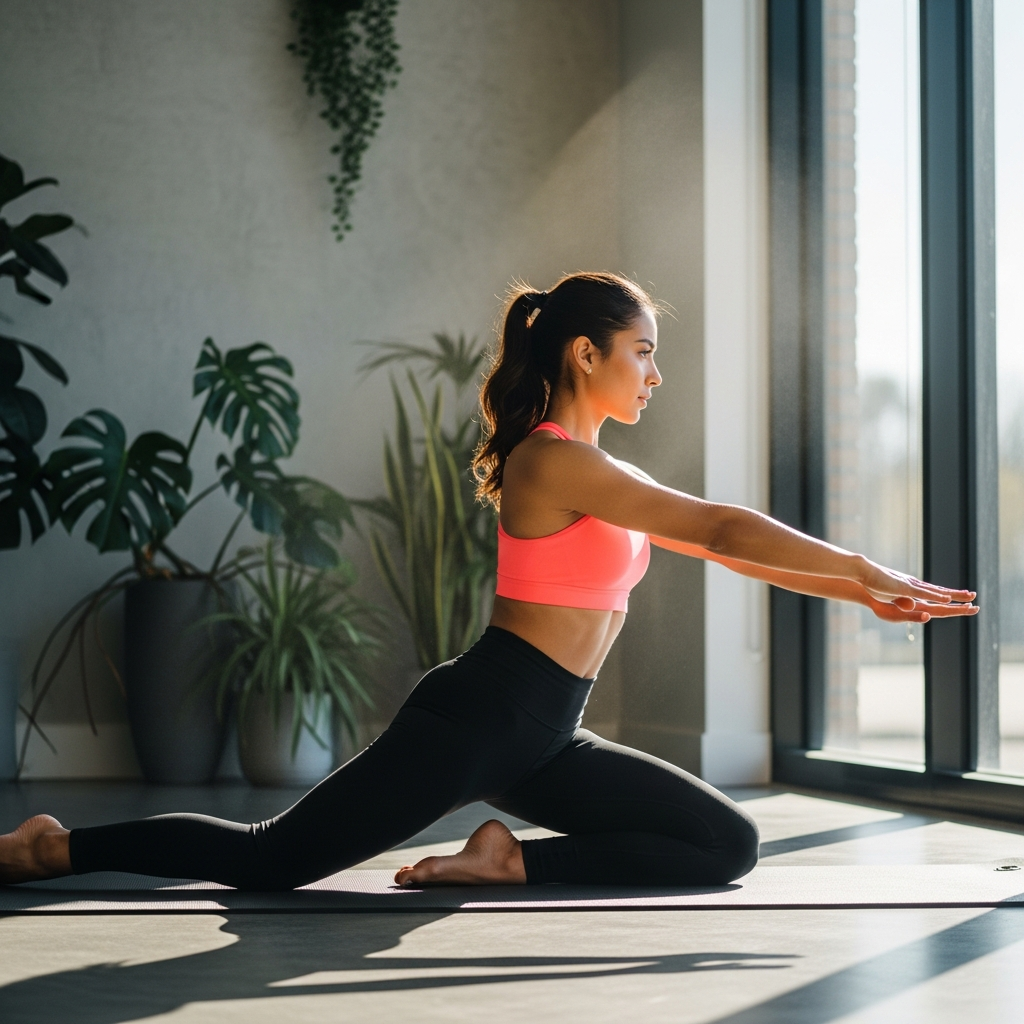
Mat Pilates is exactly what it sounds like – you, a mat, and gravity doing their thing together. Think of it as Pilates in its purest form. No fancy equipment needed, just your body weight and some seriously clever exercises that Joseph Pilates designed to challenge every inch of you.
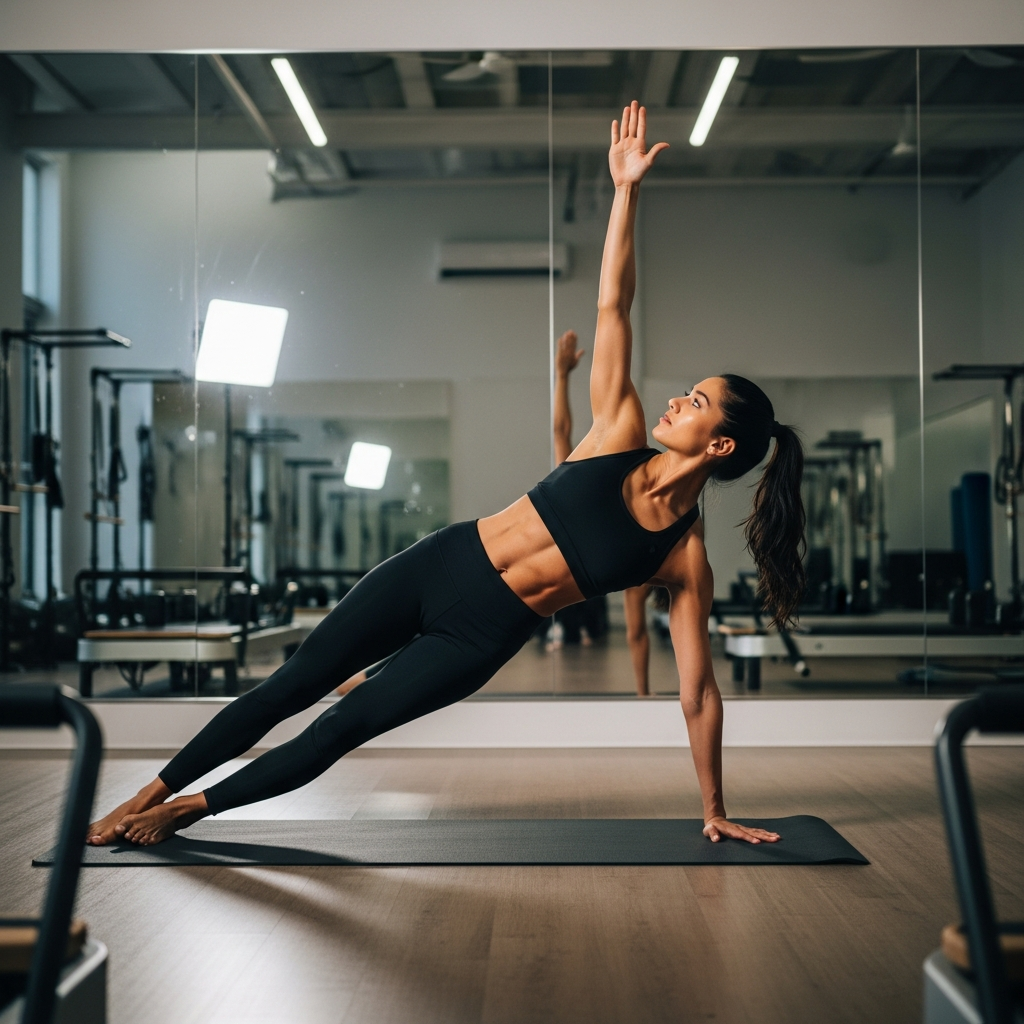
Reformer Pilates, on the other hand… well, that’s where things get interesting. The reformer looks like something between a medieval torture device and a fancy piece of furniture. Actually, that’s not entirely wrong – Joseph Pilates did design the first version using hospital beds and springs during World War I.
The reformer uses spring resistance and pulleys to either assist your movements (when you’re learning) or challenge them (when you’re ready to cry happy tears). It’s like having a very sophisticated workout partner who never judges you but also never lets you slack off.
The Breathing Thing Everyone Mentions
Here’s where Pilates gets a little… different. The breathing pattern isn’t what you’d expect. While yoga typically has you inhaling as you open up and exhaling as you fold or contract, Pilates does things its own way.
In Pilates, you’ll often exhale during the effort – so breathing out as you lift your head in a crunch, or as you press out on the reformer. It’s counterintuitive at first (I’ll admit, it took me weeks to stop holding my breath entirely), but there’s method to this madness.
This breathing pattern helps engage your deep abdominal muscles and supports your spine during movement. Think of it like creating an internal balloon of support right when you need it most.
Why Your Body Might Feel Confused at First
Don’t be surprised if your first class feels a bit like trying to pat your head and rub your stomach while reciting the alphabet backwards. Pilates asks your body to do very specific things – maintain perfect alignment while moving precisely through space – and that’s genuinely challenging for muscles that are used to just… existing.
Your instructor might ask you to “lengthen your spine while drawing your shoulder blades down and engaging your powerhouse.” That’s not instructor-speak for “make it harder” – it’s actually the roadmap to making the exercises work effectively and safely.
But here’s the thing that makes it all worth it: once your body starts to understand this language, everything else in life gets a little easier too.
What to Actually Bring (And What You Can Skip)
You don’t need much – honestly, most studios have you covered. Bring a water bottle (trust me, you’ll want it), and wear something you can move in without constantly adjusting. Think fitted but not skin-tight… you know, clothes that won’t ride up when you’re doing weird contortions.
Skip the fancy workout gear for now. Regular leggings and a fitted top work perfectly. And here’s something nobody tells you – bring socks with grips on the bottom if you have them. Some studios require them, others don’t care, but they’ll help you feel more stable on those reformer footbars.
The Equipment Won’t Bite (But It Might Confuse You)
That reformer machine? It looks intimidating, like some medieval torture device crossed with a jungle gym. Don’t worry – it’s actually designed to help, not hurt. The springs provide resistance and support, making movements easier in some ways and more challenging in others.
Your instructor will adjust everything for you that first time. The footbar height, spring tension, headrest position – they’ve got it handled. You might feel like you’re being strapped into a spaceship, but those straps and bars are there to keep you safe and help you find proper alignment.
Here’s a little secret: the reformer actually makes many exercises easier than doing them on a mat. Those springs can assist your movements when you’re learning, then challenge you more as you get stronger.
How to Decode Pilates Speak
Pilates instructors have their own language, and it can feel like learning Mandarin at first. When they say “find your powerhouse,” they mean engage your core – specifically that deep abdominal area between your ribs and hips. “Neutral pelvis” isn’t some yoga philosophy thing… it just means don’t tilt your pelvis forward or back, keep it naturally positioned.
And “opposition” – you’ll hear this constantly – means creating length and resistance in opposite directions. Like reaching your arms long while pressing your shoulder blades down. Think of it as playing tug-of-war with yourself.
Don’t feel embarrassed asking for clarification. I’ve never met an instructor who wasn’t thrilled to explain things differently.
Managing Those First-Day Jitters
Your body’s going to feel… confused. Pilates uses muscles you forgot you had, in combinations that feel completely foreign. That shaky feeling in your legs during single-leg circles? Totally normal. Your muscles are having a conversation with your brain, and they’re still figuring out the language.
You might feel uncoordinated – like you’re patting your head and rubbing your belly while riding a unicycle. Everyone goes through this phase. The person next to you who looks like they were born doing Pilates? They were exactly where you are now at some point.
Take breaks when you need them. Seriously. If something feels wrong (not challenging, but actually wrong), speak up immediately. Good instructors would rather modify an exercise than have you push through pain.
Reading the Social Dynamics
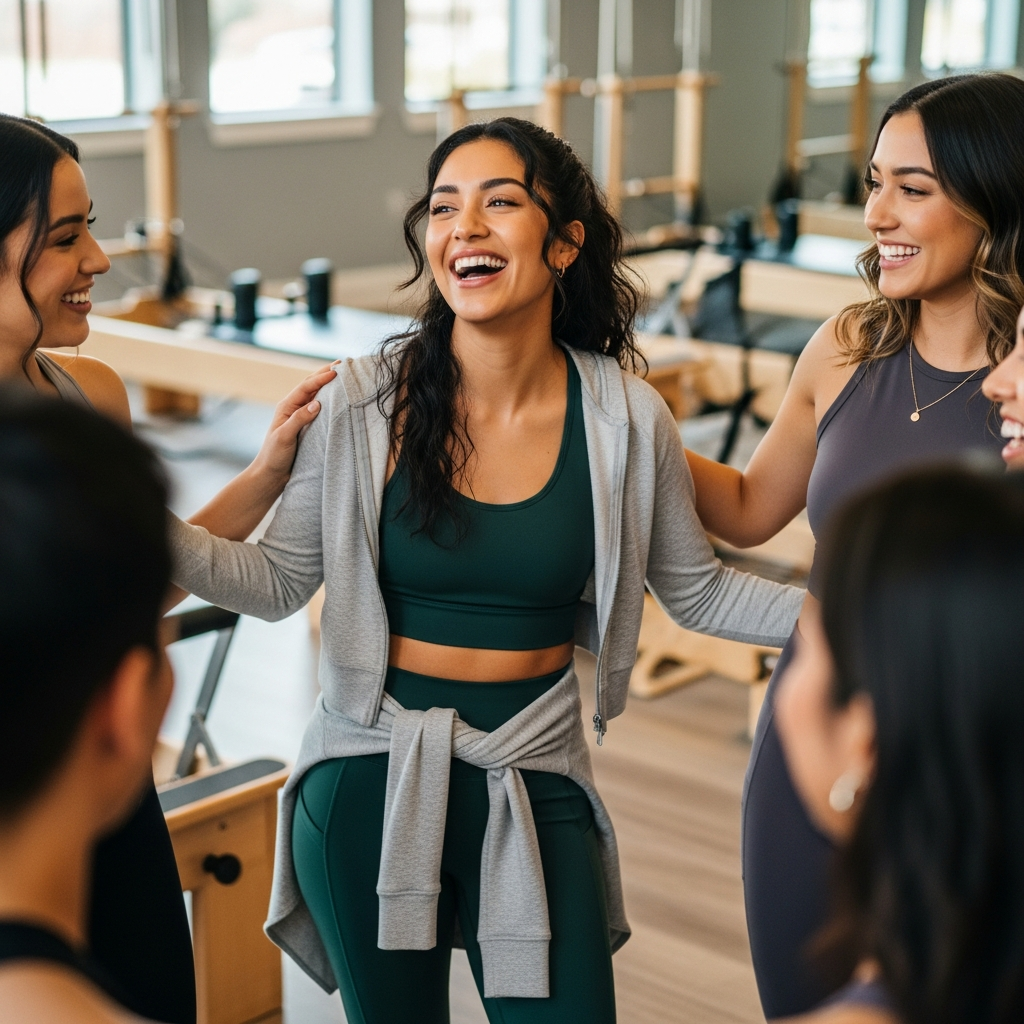
Most Pilates studios have a friendly, supportive vibe – less competitive than some gym environments. People are usually focused on their own practice, not judging yours. That said, every studio has its own personality.
Some places are chattier, others more meditative. You’ll figure out the vibe pretty quickly. Don’t feel pressure to be social if you’re not feeling it, but don’t be surprised if someone offers encouragement or shares a laugh about a particularly challenging move.
What “Getting It” Actually Feels Like
You won’t leave feeling like you conquered the world – this isn’t that kind of workout. It’s more subtle. You might notice you’re standing taller, or that your back feels… different. Some people feel energized, others feel deeply relaxed. Both are completely normal.
Don’t expect to master everything in one session. Pilates is cumulative – each class builds on the last. Think of it like learning a musical instrument rather than running a sprint. You’re developing muscle memory, coordination, and body awareness all at once.
The real “aha” moments usually come around your third or fourth class, when your body starts remembering the movements and you can focus less on what you’re doing and more on how you’re doing it. That’s when things start clicking – when you feel the connection between your breath, your core, and your movement that everyone keeps talking about.
Until then? Just show up, follow along as best you can, and trust the process.
Your Core Might Stage a Rebellion (And That’s Completely Normal)
Let’s be honest – you’re probably going to discover muscles you forgot existed. That deep core work? It’s like trying to operate machinery you’ve never seen before while someone speaks in a foreign language.
Don’t panic when your abs start shaking during what looks like the world’s easiest exercise. You know that trembling? It’s not weakness – it’s your muscles learning a completely new way to work. I’ve seen people who can run marathons struggle to hold a simple Pilates position for thirty seconds. Your cardiovascular fitness doesn’t automatically translate to core stability, and that’s perfectly fine.
The solution isn’t to push through the shake like you’re conquering Everest. Instead, take breaks when you need them. Drop to your knees during planks. Hold positions for shorter intervals. Your instructor isn’t timing you with a stopwatch – they want you to succeed, not suffer.
The Breathing Thing Will Feel Like Rubbing Your Belly While Patting Your Head
Here’s what nobody tells you about Pilates breathing: it’s the opposite of everything your body wants to do naturally. You’re supposed to breathe out when you’re working hardest? While keeping your ribs down? And engaging your pelvic floor?
It’s like learning to drive a manual transmission after years of automatic – your brain keeps trying to do what it’s always done.
The trick is to forget about perfect breathing for your first few classes. Seriously. Just… breathe. Don’t hold your breath (that’s the only real rule), but don’t stress about the fancy coordination stuff yet. Your instructor will keep reminding everyone about breathing patterns, and eventually – maybe by class three or four – it’ll start clicking.
Think of it like learning to play piano. You don’t expect to nail Chopin on day one, right?
Your Balance Might Betray You in Unexpected Ways
That moment when you’re standing on one leg and suddenly feel like a newborn giraffe? Yeah, that’s coming. Pilates loves single-leg work, and your balance system might be… rusty.
The weird part is that balance in Pilates isn’t just about not falling over. It’s about controlling tiny movements while your instructor casually suggests you “reach your arms overhead” or “close your eyes.” It’s like someone keeps moving the goalposts.
Here’s your lifeline: use props without shame. Grab the wall, hold onto the reformer, keep one toe touching the ground. Your instructor probably has blocks, straps, and other tools specifically for this. Balance improves quickly – faster than strength, actually – but only if you practice in a way that doesn’t terrify you.
The Mind-Body Connection Feels More Like a Dropped Call
“Think about lengthening through the crown of your head while drawing your shoulder blades down and engaging your deep abdominals…”
Wait, what? You’re supposed to think about seventeen things simultaneously while moving in perfect control? It’s like trying to follow GPS directions while someone’s reading you a grocery list.
This is where most people’s inner perfectionist goes haywire. You want to do everything right immediately, but your brain can only process so much new information at once.
Pick one or two cues to focus on per exercise – that’s it. Maybe today you focus on keeping your shoulders relaxed. Next week, you might tune into your breathing. The instructors throw out multiple cues because different people respond to different imagery, not because you need to nail everything simultaneously.
Your Flexibility Might Be… Humbling
Pilates isn’t yoga, but it definitely involves stretching and reaching and bending in ways that might make you realize just how tight everything has gotten. That forward fold that looked simple? Your hamstrings have other ideas.
The comparison trap is real here. The person next to you might fold in half like a pocket knife while you’re struggling to touch your shins. Remember – they might have been doing this for years, or maybe they’re naturally flexible but have zero core strength.
Don’t force anything that feels sharp or painful. Pilates is about gradual improvement, not dramatic poses. Use the modifications your instructor offers, and remember that flexibility often improves faster than you’d expect once you start moving regularly.
Most importantly? Everyone in that room was exactly where you are at some point. Even the instructor who makes everything look effortless had a first class where nothing made sense.
What to Expect After Your First Class (Spoiler: You Might Feel Like You Got Hit by a Truck)
Let’s be real – you’re probably going to wake up tomorrow discovering muscles you forgot existed. That tender feeling in your core when you laugh? Totally normal. Your legs feeling a bit wobbly when you stand up from your desk? Welcome to the club.
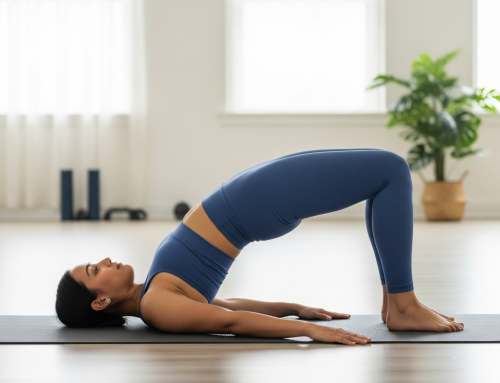
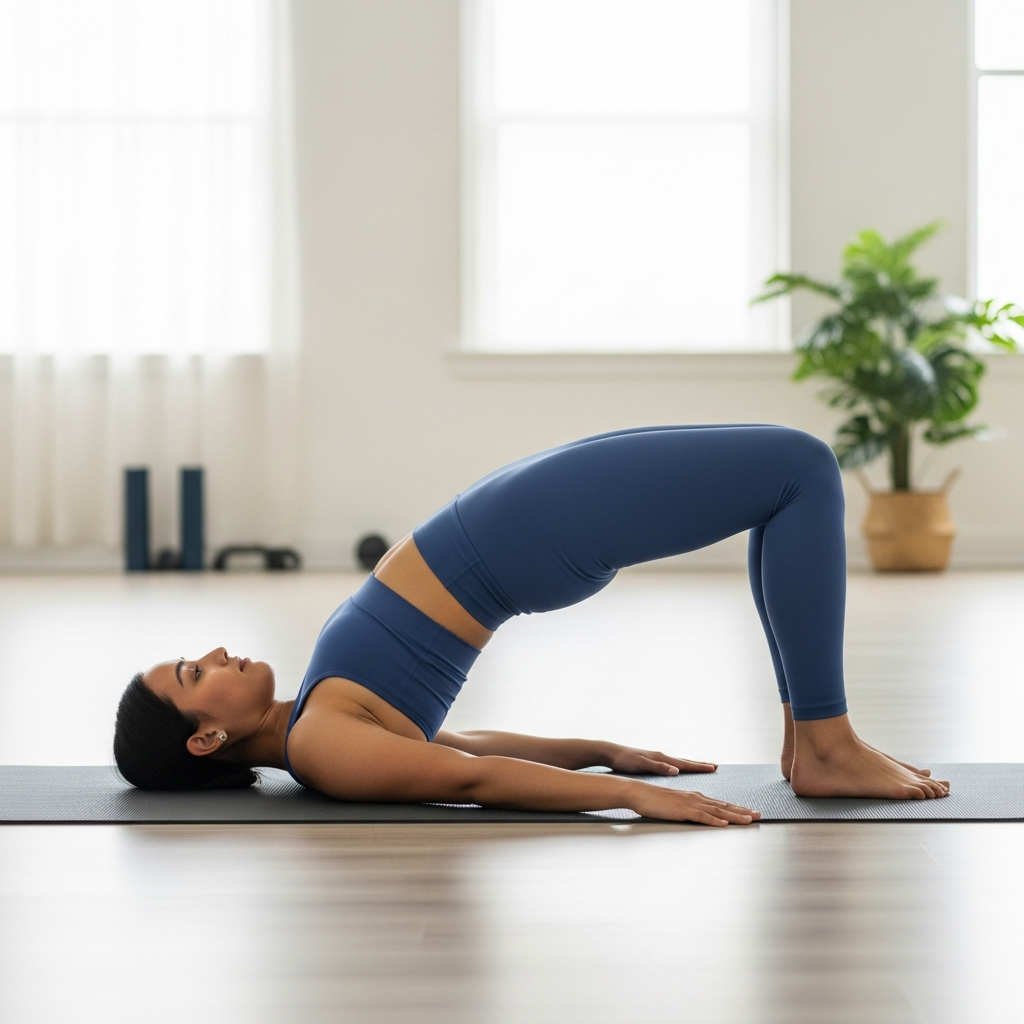
Most people expect to feel something, but they’re often surprised by which muscles are talking to them. It’s not just your abs – though they’ll definitely have opinions. Your shoulders might feel it from all that arm work, your glutes from those bridge variations, and don’t even get me started on what happens to your inner thighs after a good Pilates session.
The soreness typically peaks around day two (because your body loves to keep you guessing), then starts to fade. If you’re feeling it for more than three or four days, you might have pushed a little too hard. Remember what I said about listening to your body? This is part of that conversation.
Your Pilates Timeline – The Real Talk Version
Here’s what actually happens in those first few weeks… not the Instagram version where you’re suddenly doing perfect teaser poses, but the actual human experience.
Week 1-2: Everything feels awkward. You’re focusing so hard on not falling over that you can barely think about proper breathing. Your instructor will keep reminding you to engage your core, and you’ll think you are, but honestly? You’re probably holding your breath and hoping for the best.
Week 3-4: Things start clicking – sort of. You’ll have moments where you think “Oh, THAT’S what they meant by finding neutral spine,” followed immediately by losing it again. You might notice you’re not getting quite as winded, and hey, you can actually do a roll-up without looking like a beached whale.
Month 2: This is where it gets interesting. You’ll start feeling stronger in weird, wonderful ways. Maybe you notice picking up groceries feels easier, or you don’t grunt when getting out of your car anymore. Your balance improves, and you might even catch yourself naturally sitting up straighter.
The strength gains? They’re subtle but real. We’re not talking about suddenly lifting twice your body weight – Pilates isn’t that kind of workout. Instead, you’re building the kind of deep, functional strength that makes everyday life easier.
When to Expect Real Changes
I wish I could tell you that you’ll see dramatic changes in two weeks, but that would be doing you a disservice. Real, lasting changes take time – and that’s actually a good thing.
Most people start noticing improved posture and core awareness within a month of regular practice. You know that thing where you catch yourself slouching and automatically straighten up? That’s your Pilates brain kicking in.
Visible changes to your physique? That’s more like the 8-12 week mark, assuming you’re going consistently (2-3 times per week) and not canceling out your progress with drive-through dinners every night. Pilates creates this lovely long, lean look, but it’s not magic – it takes time and consistency.
Building Your Practice (Without Burning Out)
Here’s where people usually mess up: they get excited after that first class and decide they’re going to Pilates every single day. Please don’t do this to yourself.
Start with 2-3 classes per week, max. Your body needs recovery time to actually build strength and adapt to all these new movement patterns. Plus, let’s be honest – you don’t want to be so sore that you can’t function at work.
Mix up your class types as you get more comfortable. Maybe one day you do a beginner flow class, another day you try equipment work if your studio offers it. Variety keeps things interesting and challenges your body in different ways.
What Success Actually Looks Like
Success in Pilates isn’t about touching your toes or doing perfect Instagram-worthy poses (though if that happens, cool). It’s about feeling more connected to your body, moving with more awareness, and building the kind of strength that serves you in real life.
You’ll know you’re making progress when you stop thinking so hard about every movement, when you can actually focus on your breathing while doing the exercises, and when you leave class feeling energized rather than completely wiped out. That’s the sweet spot – challenged but not destroyed.
Remember, everyone’s timeline is different. Some people pick things up quickly, others need more time to build that mind-body connection. Both paths are perfectly normal, and both lead to the same destination: a stronger, more aware you.
You know what? Walking into your first Pilates class can feel a bit like stepping into a foreign country where everyone seems to know the language except you. But here’s the thing – every single person in that studio was once exactly where you are right now. That instructor who moves with such grace? She probably spent her first class wondering if “neutral spine” was some kind of yoga pose she’d missed in beginner’s training.
The beautiful truth about Pilates is that it meets you where you are. Whether you’re dealing with back pain that’s been nagging you for years, trying to rebuild strength after an injury, or simply looking for a way to move that doesn’t feel like punishment… Pilates has this amazing ability to adapt to your body’s needs. It’s not about contorting yourself into impossible positions or pushing through pain – it’s about discovering what your body can do when you give it the right kind of attention.
And Fort Worth’s Pilates community? It’s genuinely special. There’s something about the Texas spirit that translates beautifully into these studios – supportive, down-to-earth, and refreshingly free of the intimidation factor you might find elsewhere. You’ll probably leave your first class feeling muscles you forgot you had, but also feeling… lighter somehow. More connected to yourself.
The soreness the next day – and yes, there will probably be some – isn’t a sign that you overdid it. It’s your body saying “hey, thanks for waking me up.” Think of it as a gentle reminder of the work you did, not punishment for being out of shape.
What I love most about watching people discover Pilates is seeing that shift happen – usually somewhere around the third or fourth class – where they stop thinking “I can’t do this” and start thinking “I wonder what else I can do.” It’s like watching someone find their own strength, piece by piece, breath by breath.
Your body has been carrying you through life, dealing with stress, adapting to less-than-ideal posture, compensating for old injuries… it deserves this kind of thoughtful movement. It deserves an hour where every exercise is designed to help it function better, feel better.
Remember, this isn’t about perfection or comparing yourself to the person on the mat next to you. Their body has its own story, just like yours does. Some days you’ll feel strong and coordinated. Other days? Well, other days your brain and your limbs might seem to be having a communication breakdown, and that’s perfectly normal too.
The most important thing you can do is show up – for yourself, for your health, for that future version of you who moves through life with a little more ease and confidence.
If you’re feeling ready to take that first step but still have questions – about what to expect, what to wear, or how Pilates might fit into your overall wellness plan – we’re here for you. Our team understands that starting something new can feel overwhelming, especially when you’re already managing weight loss goals and health changes. Reach out anytime. We’d love to help you find the right class and instructor to make your first Pilates experience everything it should be: challenging, supportive, and maybe even a little fun.