Pilates for Beginners: Where Garland Residents Should Start
You know that feeling when you’re walking up the stairs at Firewheel Town Center and you’re… well, let’s just say you’re breathing a little harder than you’d like? Or maybe it’s that moment when you’re playing with your kids at Duck Creek Park and your back starts protesting after ten minutes of chasing them around.
Yeah, I see you nodding.
Here’s the thing – and I’m speaking from experience here, both personally and from working with hundreds of clients at our clinic – your body is basically sending you a gentle (okay, sometimes not so gentle) reminder that it needs some attention. Not the kind of attention that involves expensive gym memberships you’ll never use or those intimidating CrossFit classes where everyone seems to speak in acronyms you don’t understand.
I’m talking about something different. Something that doesn’t require you to grunt, sweat buckets, or feel like you’re training for American Ninja Warrior just to get through a session.
Enter Pilates.
Now, before you roll your eyes and think “oh great, another trendy fitness thing I’ll never stick with,” hear me out. Because here in Garland, we’ve got something pretty special happening. More and more people are discovering that Pilates isn’t just for dancers or yoga enthusiasts or those impossibly flexible people you see on Instagram (you know the ones I’m talking about).
It’s for regular folks. Like you and me.
Why should you care? Well, remember that back pain I mentioned? Or the fact that you get winded easier than you used to? Here’s what I’ve learned from watching our clients transform over the years – Pilates has this almost magical ability to fix things you didn’t even realize were broken.
Take Sarah, for instance. She came to us last year feeling like her body was falling apart at 42. Three kids, a demanding job, and exactly zero time for herself. Sound familiar? She started with basic Pilates movements – nothing fancy, just fundamental exercises that you can literally do in your living room. Six months later? She’s not just chasing her kids around the park… she’s actually enjoying it.
And that’s the beautiful thing about Pilates for beginners. You don’t need to transform into some fitness guru overnight. You just need to start where you are, with what you’ve got.
The best part about living here in Garland? We’ve got options. Real options that don’t involve driving all the way to Dallas or settling for whatever random YouTube video pops up when you search “beginner Pilates” (though we’ll talk about some good online resources too, because let’s be honest – sometimes you just want to exercise in your pajamas).
So what are we going to cover? I’m going to walk you through everything you need to know to get started, without overwhelming you with technical jargon or making you feel like you need a degree in anatomy to understand what we’re talking about.
We’ll start with the basics – what Pilates actually is (spoiler alert: it’s not just fancy stretching), why it works so well for people who are just starting their fitness journey, and most importantly, how to find the right fit for you here in Garland. Because here’s the truth – not all Pilates classes are created equal, and what works for your neighbor might not be the best starting point for you.
I’ll also share some insider tips about what to expect in your first class (so you won’t feel completely lost), what to wear (comfortable clothes – seriously, that’s it), and how to spot a good instructor versus someone who just got certified last weekend.
Plus, we’ll talk about those common beginner mistakes that can turn people off from Pilates before they even give it a real chance. Trust me, I’ve seen it happen too many times, and it’s completely avoidable with the right information.
By the end of this, you’ll know exactly where to take your first Pilates class in Garland, what questions to ask, and how to set yourself up for success instead of frustration.
Ready to feel better in your body again? Let’s figure out where you should start.
What Exactly Is Pilates Anyway?
Okay, let’s be honest – Pilates sounds fancy and intimidating, doesn’t it? Like something only ballet dancers and celebrities do on their Instagram stories. But here’s the thing… it’s actually way more accessible than you might think.
Pilates is basically a movement system that focuses on your core strength, flexibility, and body awareness. Think of it like learning to drive a really well-tuned car – you’re not just moving parts around randomly, you’re coordinating everything to work smoothly together. Joseph Pilates (yes, that was his actual last name) created this method back in the early 1900s, originally calling it “Contrology” because it was all about controlled, precise movements.
The weird part? You might feel like you barely worked out, yet wake up the next day wondering why muscles you forgot existed are talking to you.
Mat Work vs. Equipment – What’s the Deal?
This is where things get a little confusing, and honestly, it confused me for years. There are basically two main types of Pilates: mat Pilates and equipment-based Pilates.
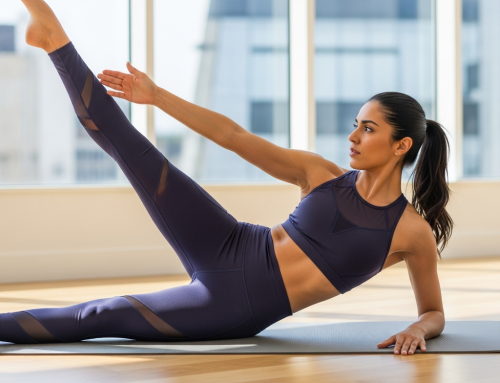
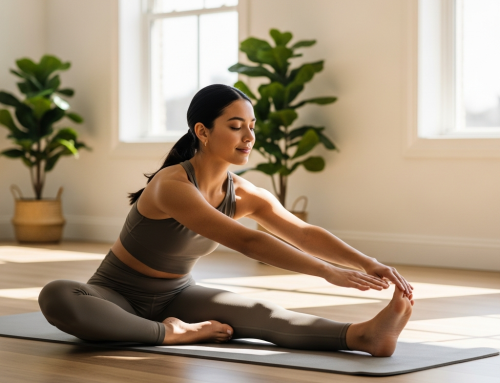
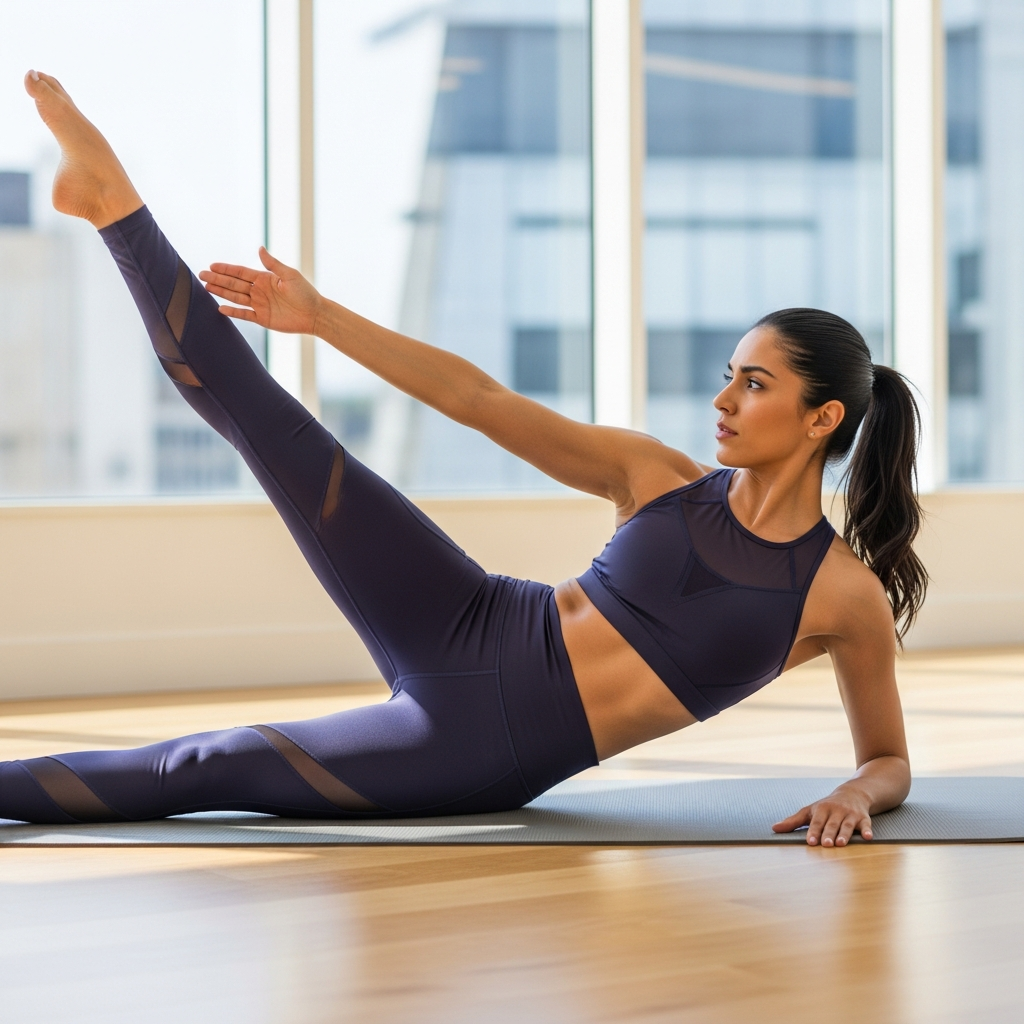
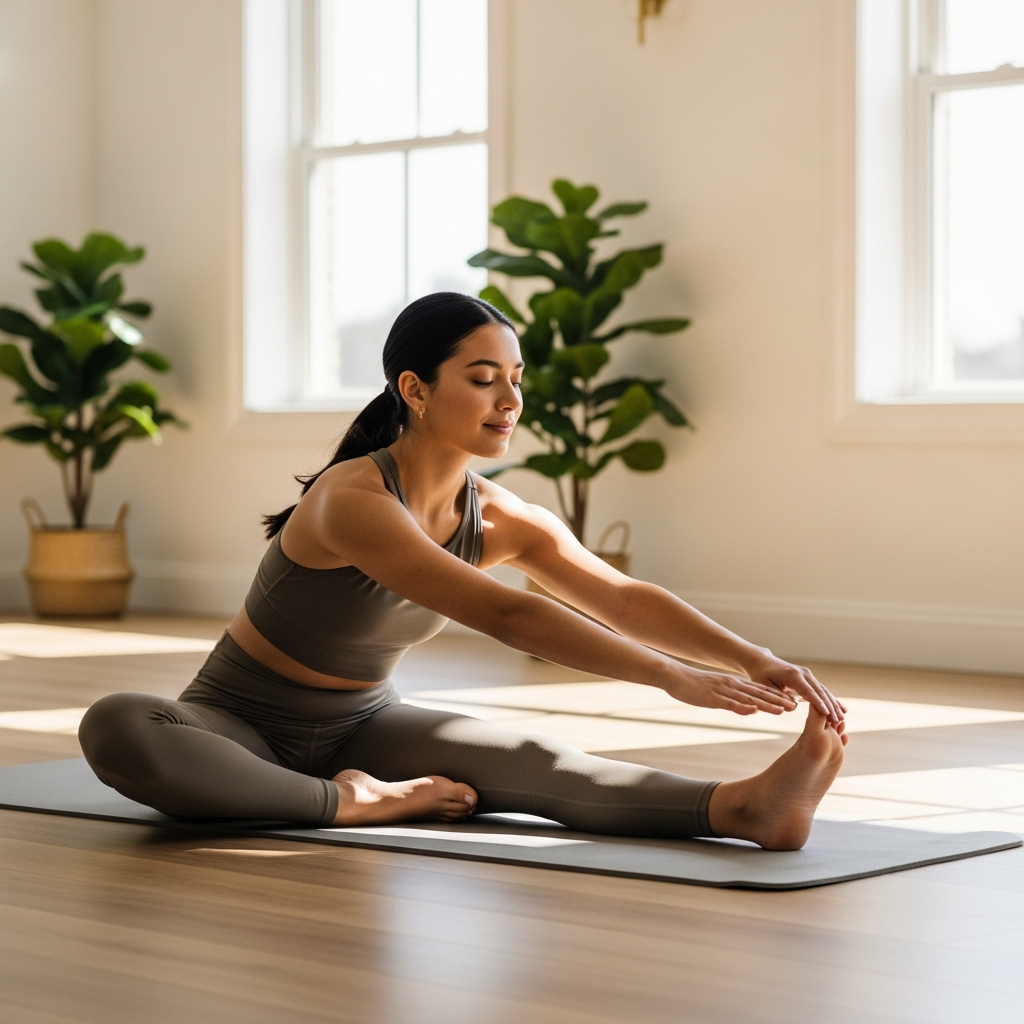
Mat Pilates is exactly what it sounds like – you’re on a mat, using your body weight and maybe some small props like resistance bands or Pilates balls. It’s like yoga’s more structured cousin. You can do this at home, in group classes, pretty much anywhere you can roll out a mat.
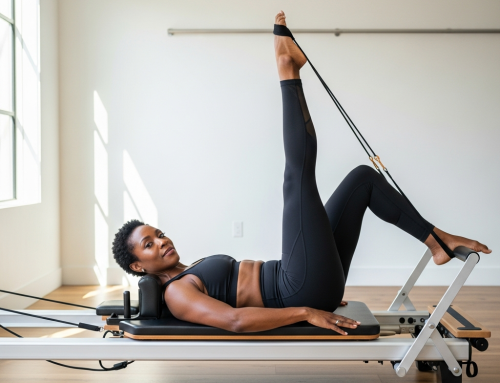
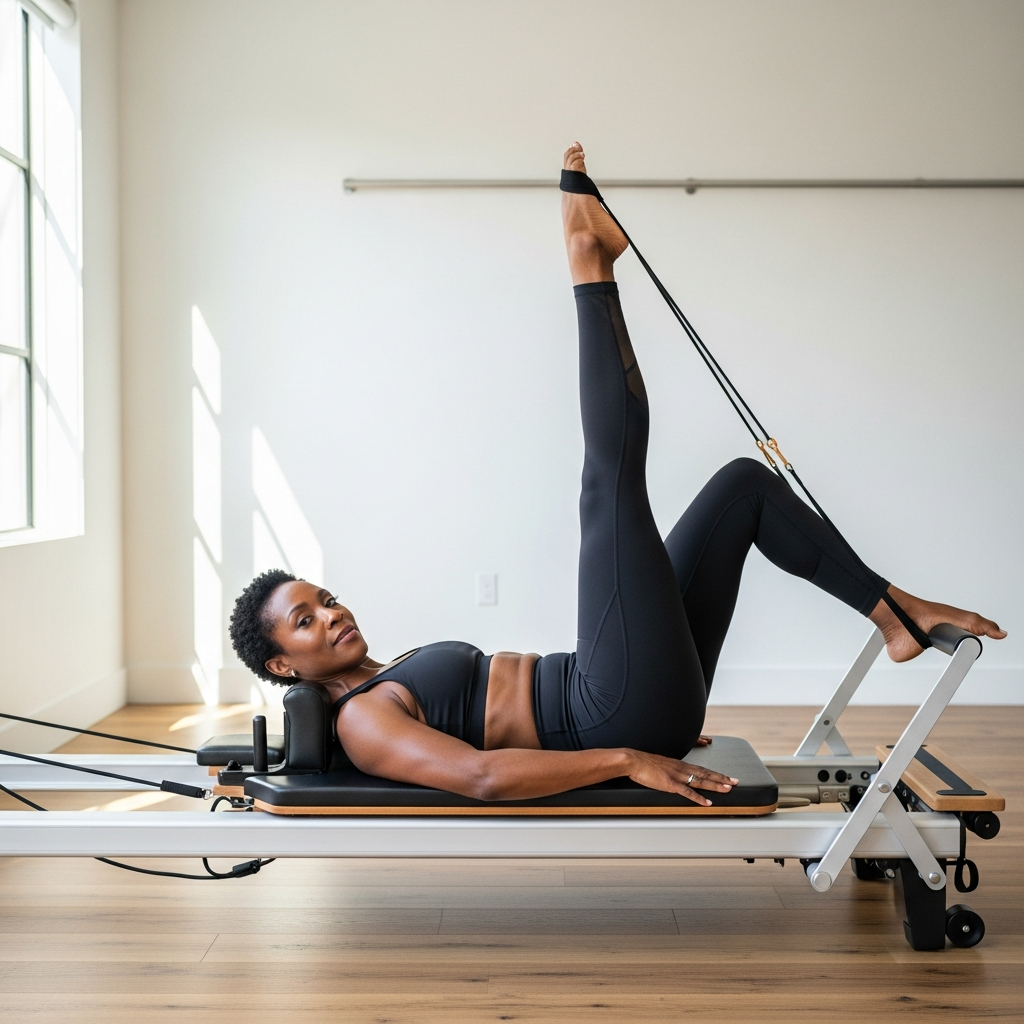
Equipment Pilates uses these contraptions that look like medieval torture devices but are actually genius pieces of engineering. The Reformer (the most common one) uses springs and pulleys to create resistance. Think of it like a gym machine that works with you instead of against you – the springs support your movements while challenging your muscles in ways gravity alone just can’t.
Actually, that reminds me… a lot of people assume equipment Pilates is “harder” than mat work, but that’s not always true. Sometimes the equipment actually makes movements easier by supporting your body weight. It’s more about finding what works for your body right now.
The Core Truth (Pun Intended)
Everyone talks about Pilates being great for your “core,” but let’s clear something up – your core isn’t just your abs. I know, I know… it seems like everything fitness-related eventually comes back to getting a six-pack, but Pilates takes a different approach.
Your core in Pilates includes your diaphragm, pelvic floor, deep abdominal muscles, and all those little stabilizing muscles around your spine. It’s like the foundation of a house – you can’t see most of it, but without it, everything else falls apart.
The counterintuitive part? You might not feel that familiar “burn” in your abs during Pilates. Instead, you’re learning to engage these deeper muscles that support your posture and movement. It’s less about crunching your way to visible abs and more about building internal strength that shows up in how you move through daily life.
The Mind-Body Connection (Not as Woo-Woo as It Sounds)
Here’s where Pilates gets interesting – and where some people tune out because it sounds too “spiritual” or whatever. But stick with me here.
Pilates emphasizes something called the mind-body connection, which basically means paying attention to how your body feels while you’re moving. It’s like the difference between mindlessly scrolling your phone and actually reading something engaging – same device, completely different level of awareness.
When you’re doing Pilates, you’re constantly checking in: Are my shoulders relaxed? Am I breathing? Is my weight distributed evenly? It sounds like a lot to think about – and honestly, it can feel overwhelming at first – but this awareness starts carrying over into your regular life.
You might notice you’re hunching over your computer less, or that you naturally engage your core when lifting something heavy. It’s subtle but pretty amazing when it starts happening.
Breathing – Yes, There’s a “Right” Way
This might be the most confusing part about Pilates for beginners. There’s actually a specific breathing pattern, and it feels completely backwards if you’re used to other types of exercise.
In Pilates, you typically exhale during the “effort” part of the movement – which is opposite of weightlifting, where you’d hold your breath or inhale. The exhale helps engage your deep core muscles and… okay, this is getting technical, but basically it helps everything work better together.
Don’t stress if you can’t coordinate the breathing right away. Even instructors sometimes remind the class to breathe because we all get focused on the movement and forget. Your body will figure it out eventually.
Your First Class: What to Actually Expect (And What Nobody Tells You)
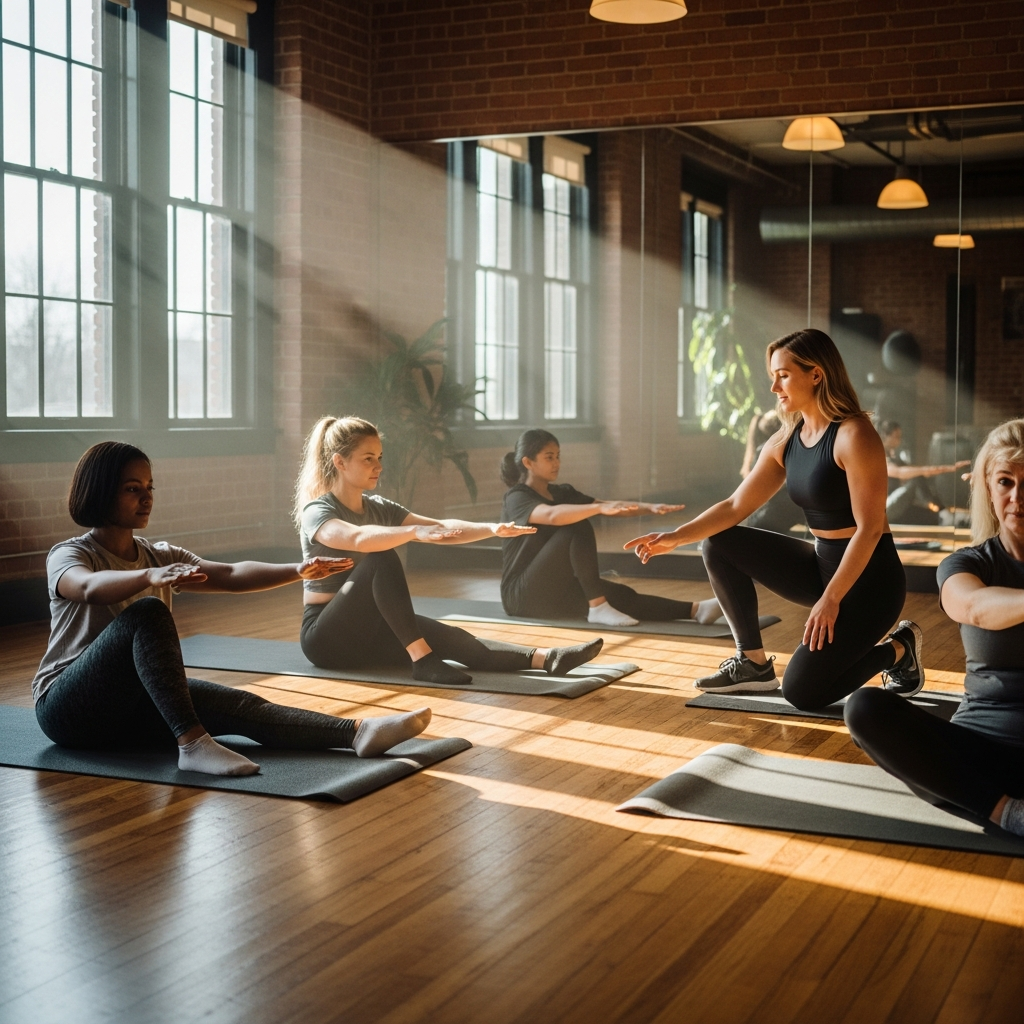
Walking into your first Pilates class feels a bit like entering a secret society, doesn’t it? Everyone seems to know exactly which muscles they’re supposed to be “engaging” while you’re just trying not to fall over. Here’s the thing – that instructor saying “find your powerhouse” isn’t speaking in code. Your powerhouse is basically everything from your ribs to your hips, and yes, it’s probably asleep right now.
Most Garland studios offer beginner-friendly mat classes that focus on fundamental movements. You’ll spend a lot of time on your back (which sounds easier than it is), learning to connect your breath with tiny, precise movements. And when I say tiny… we’re talking about lifting your head an inch off the mat and feeling like you’ve just climbed a mountain.
Pro tip: Arrive 10 minutes early for that first class. Not to claim the perfect spot – though avoid the front row if you’re feeling nervous – but to chat with your instructor. Tell them you’re brand new. Most instructors will keep an extra eye on you and offer modifications you didn’t even know you needed.
The Equipment Decoded (Because Those Machines Look Intimidating)
The Reformer looks like medieval torture equipment had a baby with a rowing machine, but it’s actually your best friend. Those springs aren’t there to make things harder – they’re there to help you move better. Think of them as training wheels for your muscles.
Start with privates or semi-private sessions if your budget allows. I know, I know – they’re pricier than group classes. But here’s what happens in a group class when you don’t know what you’re doing: you spend half the time watching everyone else, quarter of the time feeling lost, and the remaining time doing movements incorrectly. A few private sessions upfront will save you months of building bad habits.
The Cadillac (that’s the big frame with all the bars and springs) is usually reserved for more intermediate work, so don’t worry about that one yet. The Chair… well, that innocent-looking piece of equipment will humble even the fittest person. You’ll get there eventually.
Building Your Home Practice (Without Breaking the Bank)
You don’t need to transform your spare bedroom into a studio. Start with a good mat – and by good, I mean one that won’t slip around or compress into nothing under your body weight. The Manduka PRO or Liforme are worth the investment, though I’ve seen people make do with a thick yoga mat from Target.
Here’s something most people don’t realize: Pilates works best when practiced consistently, even if it’s just 10-15 minutes daily. Those marathon weekend sessions? Less effective than showing up every day for a quarter-hour. Your nervous system learns patterns through repetition, not intensity.
Download an app like Pilates Anytime or find some quality YouTube channels (Blogilates is surprisingly good for beginners, despite the peppy energy). But – and this is important – don’t rely solely on videos until you’ve had some in-person instruction. There are too many subtle adjustments that only a trained eye can catch.
Red Flags to Watch For
Not all Pilates instruction is created equal. If an instructor is pushing you into advanced exercises during your first few sessions, find someone else. Good Pilates instruction is methodical, almost boringly so at first. You should be spending weeks perfecting basic movements before adding complexity.
Also, if you’re feeling sharp pain (different from muscle fatigue), speak up immediately. Pilates should challenge you without injuring you. That “no pain, no gain” mentality? Leave it at the gym. This is about precision, not power.
Making It Stick (When Your Motivation Wavers)
Here’s the honest truth about starting Pilates in Garland – or anywhere, really. The first month is awkward. Your body will protest movements it’s never done before. You’ll feel uncoordinated. That’s normal.
But somewhere around week six, something clicks. You’ll notice you’re standing taller without thinking about it. Your back doesn’t ache after long days at the office. You can actually feel those deep core muscles your instructor keeps talking about.
Track your progress in small ways – maybe it’s holding that plank five seconds longer, or finally understanding what “neutral pelvis” means. These tiny victories add up faster than you’d think… and before you know it, you’ll be the one in class making it look effortless.
“I Look Like a Baby Giraffe” – And Other Coordination Catastrophes
Let’s be real here – your first few Pilates sessions might make you feel like you’re trying to pat your head and rub your belly while riding a unicycle. That’s completely normal, even if it doesn’t feel that way when everyone else seems to flow effortlessly from one movement to the next.
The thing about Pilates is that it asks your brain and body to have conversations they’ve never had before. You’re trying to keep your shoulders down while lifting your head, engage your core while breathing deeply, and somehow make it all look graceful. It’s like learning to drive stick shift – everything feels impossible until suddenly… it clicks.
Here’s what actually helps: start with the basics and stick with them longer than you think you should. Most beginners want to progress quickly, but spending extra time on fundamental movements like the hundred or single-leg stretches will pay dividends later. Think of it as building a solid foundation rather than rushing to construct the second floor.
The Breath That Just Won’t Cooperate
If someone tells you breathing is natural and shouldn’t be complicated, they’ve clearly never tried Pilates breathing. This isn’t your everyday, automatic breathing – this is orchestrated, intentional, and frankly… weird at first.
The confusion usually starts with the whole “breathe into your ribs” instruction. What does that even mean? Your instructor might tell you to expand your ribcage like an accordion, but if you’re like most people, you’re probably just holding your breath and hoping for the best.
Try this instead: lie on your back with your hands on your lower ribs. Breathe in and imagine you’re wearing a corset that you need to gently expand. The breath should widen your ribcage sideways, not push your belly up toward the ceiling. It’s subtle – think expansion, not inflation.
And here’s something nobody tells you… it’s okay to breathe normally while you’re learning the movements. Seriously. Better to do the exercise with regular breathing than to turn purple trying to master both simultaneously.
When Your Body Feels Like It’s Betraying You
That moment when the instructor cheerfully says “just lift your head and shoulders” and your neck immediately starts screaming? Or when “gently lower your legs” makes your lower back feel like it’s about to snap? You’re not broken – you’ve just discovered some very common weak spots.
The head and neck thing trips up almost everyone. We spend our days hunched over computers, so when Pilates asks us to lift our heads using our deep abdominal muscles instead of yanking with our necks… well, those muscles are probably taking a nice long nap.
Here’s your solution: support your head with your hands behind your skull (not your neck) until those deep abs wake up. No shame in this game – even advanced practitioners modify when they need to.
For the lower back issues that pop up during leg exercises, the magic word is “range.” You don’t need to lower your legs to two inches off the floor if your back arches off the mat. Find the point where you can keep your back flat and work there. Your range will improve – patience, grasshopper.
The Comparison Trap (It’s Real, and It’s Sneaky)
You know what’s fascinating? In most fitness classes, you’re too busy surviving to notice what anyone else is doing. But Pilates moves slowly enough that you have plenty of time to look around and think, “Wow, everyone else looks like a swan, and I look like I’m having some sort of medical episode.”
This is where that beginner’s mind becomes your secret weapon. Instead of comparing your Day 3 to someone else’s Day 300, get curious about your own progress. Can you balance a little longer today? Does that roll-up feel slightly less impossible?
Here’s something that might surprise you – those “perfect” people you’re watching? They’ve all been exactly where you are. That graceful woman flowing through the roll-like-a-ball? She probably spent weeks feeling like she was going to tumble backward off her mat.
The solution isn’t to stop noticing others (that’s impossible), but to reframe what you’re seeing. Instead of comparison, think of it as preview of coming attractions. That could be you in a few months – not because you’re inadequate now, but because consistency creates capability.
Remember, every expert was once a disaster. The only difference between them and you is time and practice.
What to Expect in Your First Month
Let’s be honest here – your first Pilates class might leave you wondering what exactly you just experienced. You’ll probably discover muscles you forgot existed (hello, deep abdominals), and you might feel a bit unsteady on those reformer springs. That’s completely normal, by the way.
Most beginners need about 3-4 sessions to stop feeling like a baby deer on ice. Don’t expect to nail those rolling exercises right away – seriously, some people take months to master a smooth roll-up. And those fancy-looking moves you see on Instagram? Yeah, those aren’t happening week one. Or week four, for that matter.
Here’s what you *can* expect: better posture within a couple weeks (your Texas-sized desk job will thank you), improved awareness of how your body moves, and maybe – just maybe – you’ll start to understand why people get obsessed with this whole “powerhouse” thing.
Timeline Reality Check
I’ve seen too many people get discouraged because they expected overnight transformations. Pilates isn’t a quick fix – it’s more like slowly tuning a piano. Each session makes tiny adjustments that add up over time.
Weeks 1-4: You’re learning the language. What’s neutral spine? Why does everything involve your core? This phase is all about building foundation – think of it like learning to drive. You’re concentrating on every single movement.
Months 2-3: Things start clicking. You’ll find yourself thinking about your posture at random moments (usually when you catch yourself hunched over your phone). Movements become more fluid, and you might actually enjoy that teaser exercise… okay, maybe not enjoy, but you won’t dread it.
Month 4 and beyond: This is when Pilates becomes addictive. You’ll crave that post-class feeling of being perfectly aligned. Your body starts moving differently in everyday life – reaching for something high doesn’t strain your back, and you naturally engage your core when lifting grocery bags.
But here’s the thing about timelines – everyone’s different. Some people see changes quickly, others take longer. Age matters, fitness background matters, how often you practice matters. And honestly? Life happens. Some weeks you’ll make it to class three times, other weeks you’ll be lucky to squeeze in one session between soccer practice and work deadlines.
Building Your Practice Gradually
Start with once a week if that’s all you can manage. Seriously. I’d rather see someone consistent with one class per week than someone who goes four times in week one and then disappears for a month because they burned out.
Two sessions weekly is the sweet spot for most beginners – gives your body time to recover while keeping momentum. Three times a week? That’s for the overachievers or people who’ve caught the Pilates bug hard (and trust me, it’s contagious).
Mix mat classes with equipment work if you can. Mat classes are fantastic for building that mind-body connection, but the reformer and other equipment provide feedback that can accelerate your progress. It’s like having training wheels that actually make you stronger.
Setting Realistic Goals
Forget about looking like a Pilates instructor after six months. Instead, focus on functional improvements. Can you get out of bed without that morning back twinge? Are you standing taller without thinking about it? Can you carry all the grocery bags in one trip without your shoulders screaming? These are the victories that matter.
Set movement goals, not appearance goals. “I want to do a full roll-up” is better than “I want a six-pack.” (Though between you and me, consistent Pilates will definitely strengthen your core in ways crunches never could.)
Your Next Steps Start Simple
Book that first class. I know, groundbreaking advice, right? But seriously – the hardest part is showing up. Most Garland studios offer intro packages or first-time specials, so take advantage of those.
Come early to your first class. Chat with the instructor about any injuries or concerns. Don’t be shy about mentioning you’re new – we love beginners! There’s something exciting about watching someone discover how their body can move.
Wear something comfortable that you can move in, bring water, and maybe a small towel. Most studios provide mats and equipment, but check ahead. And here’s a pro tip: eat something light beforehand, but not a full meal. You’ll thank me when you’re not fighting nausea during those rolling exercises.
Ready to see what all the fuss is about? Your body’s been waiting for this invitation to move better.
You know what? Starting something new – especially when it involves your body and maybe some self-consciousness about flexibility or strength – takes real courage. And here’s the thing about Pilates… it’s not going anywhere. It’ll wait for you.
Whether you decide to start with those mat classes at the community center, book a private session to ease into things, or just begin with some simple breathing exercises in your living room, you’re already taking the first step. That mental shift from “I should probably…” to “I’m going to…” – that’s huge.
I’ve seen so many people walk into their first Pilates class worried they’re not flexible enough, not strong enough, not young enough. (Spoiler alert: there’s no such thing as “enough” when you’re starting.) What I love about this practice is how it meets you exactly where you are. Tight shoulders from desk work? Pilates has your back – literally. Lower back acting up? There are modifications for that. Feeling disconnected from your body after years of putting everyone else first? Well, that’s where the magic really happens.
And let’s be honest – living in Garland, you’ve got some fantastic options right in your backyard. Those studios we talked about aren’t just businesses; they’re communities. The instructors there? They remember your name, ask how your week went, and genuinely want to see you succeed. That’s not something you find everywhere.
Here’s what I really want you to remember: your body is incredibly adaptable and surprisingly forgiving. Maybe you haven’t exercised in months (or years), maybe you’re dealing with chronic pain, or maybe you’re just tired of feeling disconnected from yourself. That’s okay. Actually, that’s more than okay – that’s exactly why Pilates exists.
The breathing techniques alone… they’re like a reset button for your nervous system. And those small, controlled movements? They’re building strength in places you didn’t even know needed attention. It’s not about becoming someone else – it’s about becoming more yourself.
If you’re feeling overwhelmed by all the options or unsure where to start, you don’t have to figure it out alone. That’s exactly why we’re here. Sometimes having someone who understands both the medical side and the practical side – someone who gets that weight loss isn’t just about calories and exercise, but about creating sustainable habits that actually fit into your real life – can make all the difference.
Whether you have questions about how Pilates might work with any health conditions you’re managing, need help creating a realistic fitness plan that won’t leave you burnt out, or just want to talk through what approach might work best for your schedule and goals… we’re here for that conversation.
You don’t need permission to start taking care of yourself, but if it helps to hear it: you absolutely deserve to feel strong, centered, and confident in your body. And if we can help you get there – whether through Pilates, nutrition guidance, or just being that supportive voice when motivation feels hard to find – we’d love to be part of your team.
Ready to explore what’s possible? Give us a call. Let’s figure out what “getting started” looks like for you.