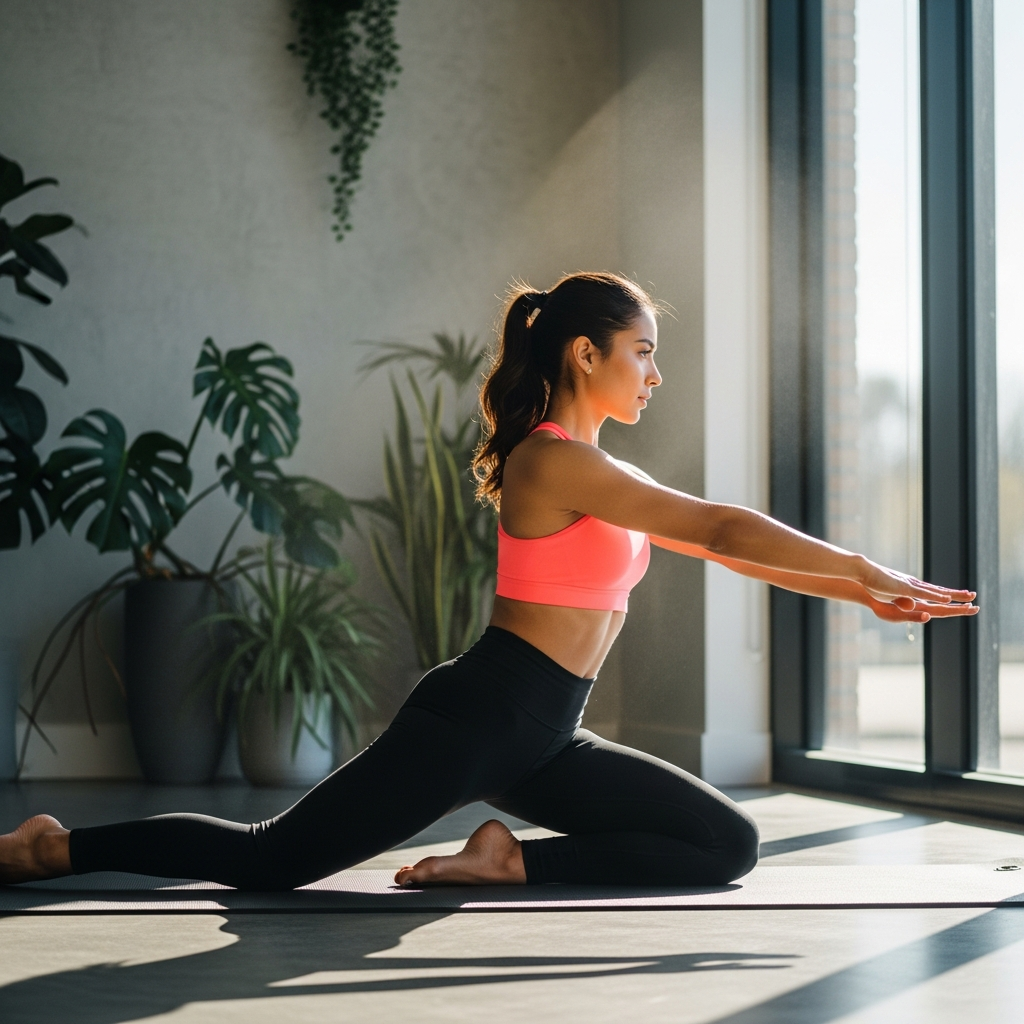
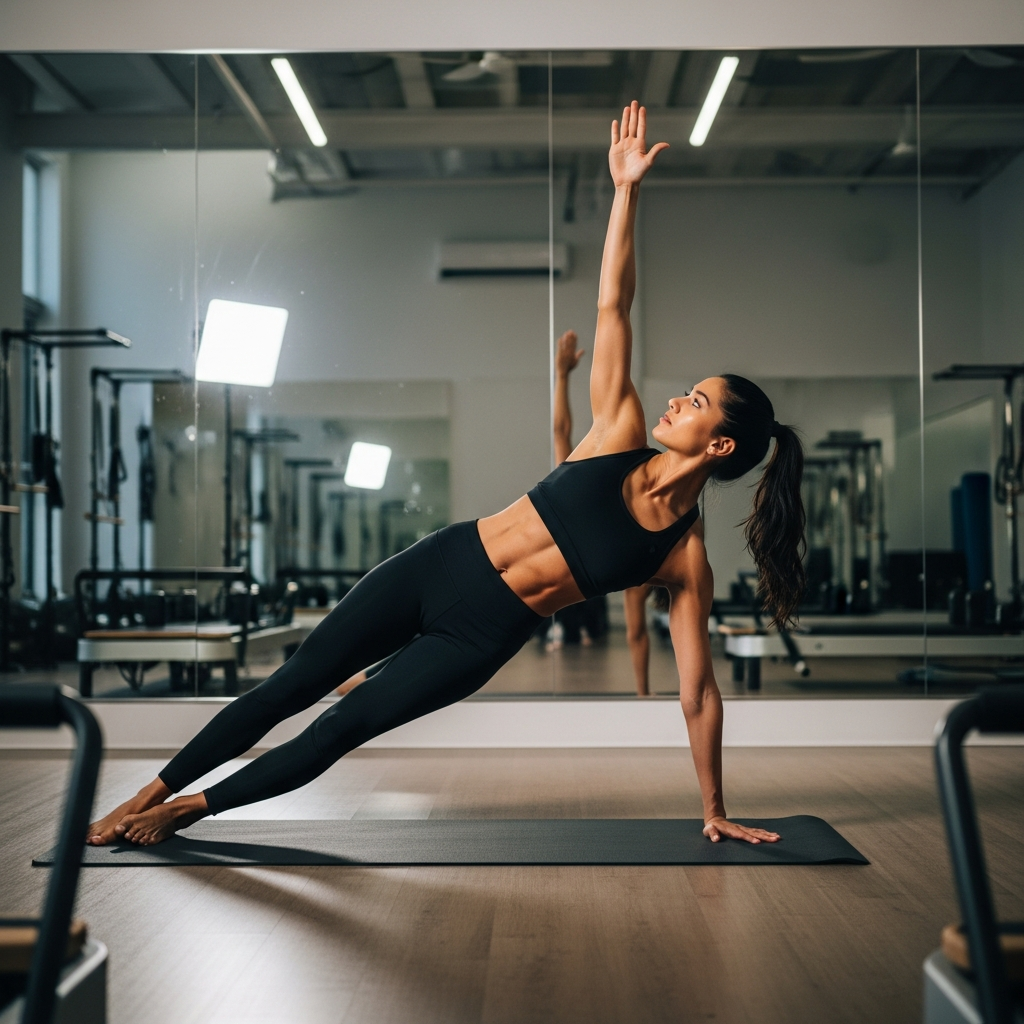
9 Benefits of Mat Pilates in Fort Worth
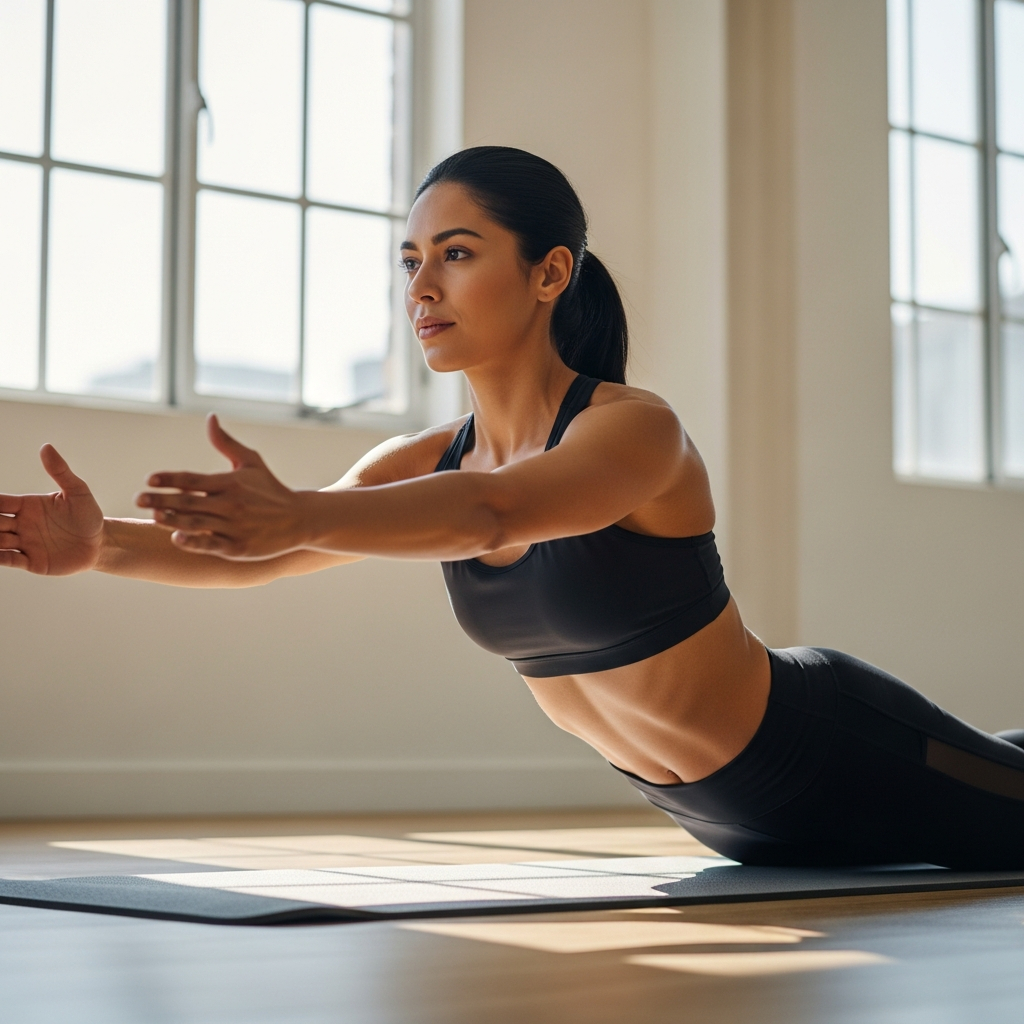
You know that feeling when you catch a glimpse of yourself in a store window and think, “Who is that person?” Maybe your shoulders are hunched forward from too many hours at a desk, or you’re walking a little differently than you used to. Or perhaps you’ve been dealing with that nagging lower back pain that seems to flare up every time you bend over to pick up your keys.
I get it. Life in Fort Worth moves fast – between work, family, and just trying to keep up with everything, taking care of ourselves often falls to the bottom of the priority list. But here’s the thing that might surprise you: what if I told you there was something that could help with all of those issues… and it doesn’t involve expensive equipment, crazy workout schedules, or the intimidation factor of a crowded gym?
That’s where mat Pilates comes in. And before you roll your eyes thinking this is just another fitness trend that’ll be gone next year, hear me out.
Mat Pilates has been around for nearly a century – it was developed by Joseph Pilates back in the 1920s. But what makes it so relevant right now, especially here in Fort Worth, is how perfectly it addresses the very specific ways our modern lives are affecting our bodies. We’re sitting more, moving less naturally, and dealing with stress levels that would make our grandparents’ heads spin.
I’ve been working with people on their wellness journeys for years, and I’ve seen firsthand how mat Pilates can be… well, kind of transformative. Not in some magical, overnight way (because let’s be real – that doesn’t exist), but in a steady, confidence-building way that actually sticks.
The beauty of mat Pilates is in its simplicity. You don’t need a wall full of equipment or a membership to some exclusive studio. Just you, a mat, and maybe some comfortable clothes. It’s the kind of workout you can do in your living room on a Tuesday morning or squeeze in during your lunch break if you work downtown.
But here’s what really gets me excited about sharing this with you – mat Pilates works on multiple levels simultaneously. While you’re strengthening your core (and I don’t just mean getting abs – I’m talking about the deep, stabilizing muscles that support your entire body), you’re also improving your flexibility, working on your posture, and honestly? Taking some time to breathe and focus on something other than your to-do list.
Living in Fort Worth, we’re blessed with amazing outdoor spaces and an active community, but sometimes the Texas heat makes outdoor workouts less than appealing. Mat Pilates gives you that indoor option that doesn’t feel like you’re missing out on the good stuff. Plus, with our city’s growing wellness scene, there are some fantastic local instructors and studios if you decide you want that community aspect.
What I love about the people I work with is how practical they are. You’re not looking for some miracle cure or the latest fad – you want something that actually works, fits into your real life, and gives you results you can feel and see. That’s exactly what mat Pilates delivers, but in a way that’s sustainable and, dare I say it, actually enjoyable.
Over the next few minutes, we’re going to explore nine specific benefits of mat Pilates that are particularly relevant to our Fort Worth lifestyle. We’ll talk about everything from how it can help with that desk job posture (because I know many of you are working those corporate jobs in downtown or the suburbs) to how it supports the active lifestyle so many of us love here – whether you’re hiking the Trinity Trails or just want to keep up with your kids at the park.
Some of these benefits might surprise you. Others will probably make you nod your head and think, “Yes, that’s exactly what I need.” And hopefully, by the end, you’ll have a clear picture of whether mat Pilates could be the missing piece in your wellness routine.
Ready to discover what this time-tested practice could do for you?
What Exactly Is Mat Pilates Anyway?
You know how everyone talks about Pilates like it’s some mysterious fitness cult? Well, mat Pilates is actually the most straightforward version of the whole thing. Think of it as Pilates stripped down to its essentials – no fancy equipment, no intimidating machines that look like medieval torture devices, just you and a mat.
It’s basically a series of controlled movements that focus on your core strength, flexibility, and body awareness. Joseph Pilates (yes, that was his actual name) developed this system back in the 1920s, originally calling it “Contrology.” The guy was ahead of his time… he understood that your mind and body work together, not separately.
The Core Connection – And Why It’s Not Just About Abs
Here’s where things get a little confusing – when people hear “core,” they immediately think six-pack abs. But your core is more like the foundation of a house. It includes your deep abdominal muscles, sure, but also your back muscles, pelvic floor, diaphragm, and even some hip muscles.
Mat Pilates treats your core like a cylinder of strength that wraps around your midsection. Every movement starts from this central powerhouse and radiates outward. It’s kind of like… imagine your core is the engine of a car, and your arms and legs are just the wheels. Without a strong engine, those wheels aren’t going anywhere efficiently.
Controlled Movement vs. Just Moving
This might be the most counterintuitive part about mat Pilates – slower is actually harder. We’re so used to thinking that sweating buckets and gasping for air means we’re getting a good workout. But Pilates is more like being a ballet dancer than a marathon runner.
Every movement is deliberate. You’re not just lifting your leg – you’re engaging specific muscles to lift it to a precise height, hold it there with control, then lower it with the same intention. It’s quality over quantity, which honestly can be frustrating at first if you’re used to high-intensity workouts.
Think of it like the difference between scribbling quickly and writing calligraphy. Both involve moving a pen, but one requires focus, precision, and – let’s be honest – way more mental energy.
Breathing That Actually Matters
Most of us breathe like we’re trying to sneak oxygen past a sleeping guard. Shallow, quick, barely noticeable. Pilates flips this on its head with something called lateral breathing – you’re expanding your ribcage sideways rather than just puffing your belly out.
It sounds weird, and it feels weird at first. But here’s the thing – this type of breathing keeps your core engaged while still getting oxygen to your muscles. It’s like patting your head and rubbing your stomach at the same time, except it actually serves a purpose.
The Mind-Body Thing Isn’t Just Wellness Fluff
I used to roll my eyes at the whole “mind-body connection” talk. Sounded like something you’d hear at a retreat where people wear crystals and talk about chakras. But there’s actually something to it in Pilates.
Because every movement requires focus and precision, you can’t just zone out and think about your grocery list. Your brain has to stay engaged, constantly monitoring how your body feels, where your limbs are in space, whether you’re maintaining proper alignment. It’s almost meditative… in a really challenging way.
Why Mat vs. Equipment?
You might wonder why we’re focusing on mat Pilates specifically. Equipment Pilates – with the reformers and chairs and other contraptions – definitely has its place. But mat work is where the magic really happens. There’s nowhere to hide. No springs to assist you, no straps to support you. Just gravity, your body weight, and your own strength.
Plus, let’s be practical – you can do mat Pilates anywhere. Your living room, a park, even a hotel room when you’re traveling. It’s Pilates democracy in action.
The beautiful thing about mat Pilates is that it meets you where you are. Whether you’re dealing with back pain, trying to build strength after an injury, or just wanting to move better in your daily life, the exercises can be modified to work for your body. No two people will look exactly the same doing the same exercise, and that’s perfectly fine.
Actually, that’s more than fine – it’s the whole point.
Getting Started Without Breaking the Bank (Or Your Back)
Here’s the thing about Mat Pilates – you don’t need to drop $200 on fancy equipment right out of the gate. I’ve seen too many people buy every prop imaginable, then get overwhelmed and quit after two weeks. Start simple.
A good mat is non-negotiable, though. Those thin yoga mats? They’ll have your tailbone screaming by the third roll-up. Look for something at least half an inch thick. The Manduka PRO or Liforme mats are solid investments, but honestly? That $30 Gaiam mat from Target will do just fine while you’re figuring things out.
Your first few classes should be beginner-focused – and I mean actually labeled “beginner,” not just “all levels welcome.” Those classes are sneaky hard. Find a studio in Fort Worth that offers true intro sessions. Many places like Breathe Pilates or Core Power have new student specials… take advantage of them.
The Secret to Not Feeling Like a Pretzel
Most people think Pilates is about touching your toes or doing perfect teaser poses. Wrong. It’s about control and connection – connecting your mind to muscles you didn’t even know existed.
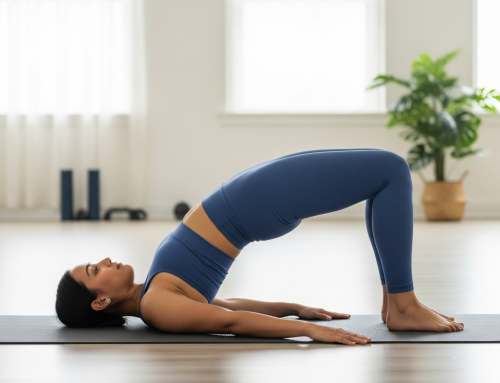
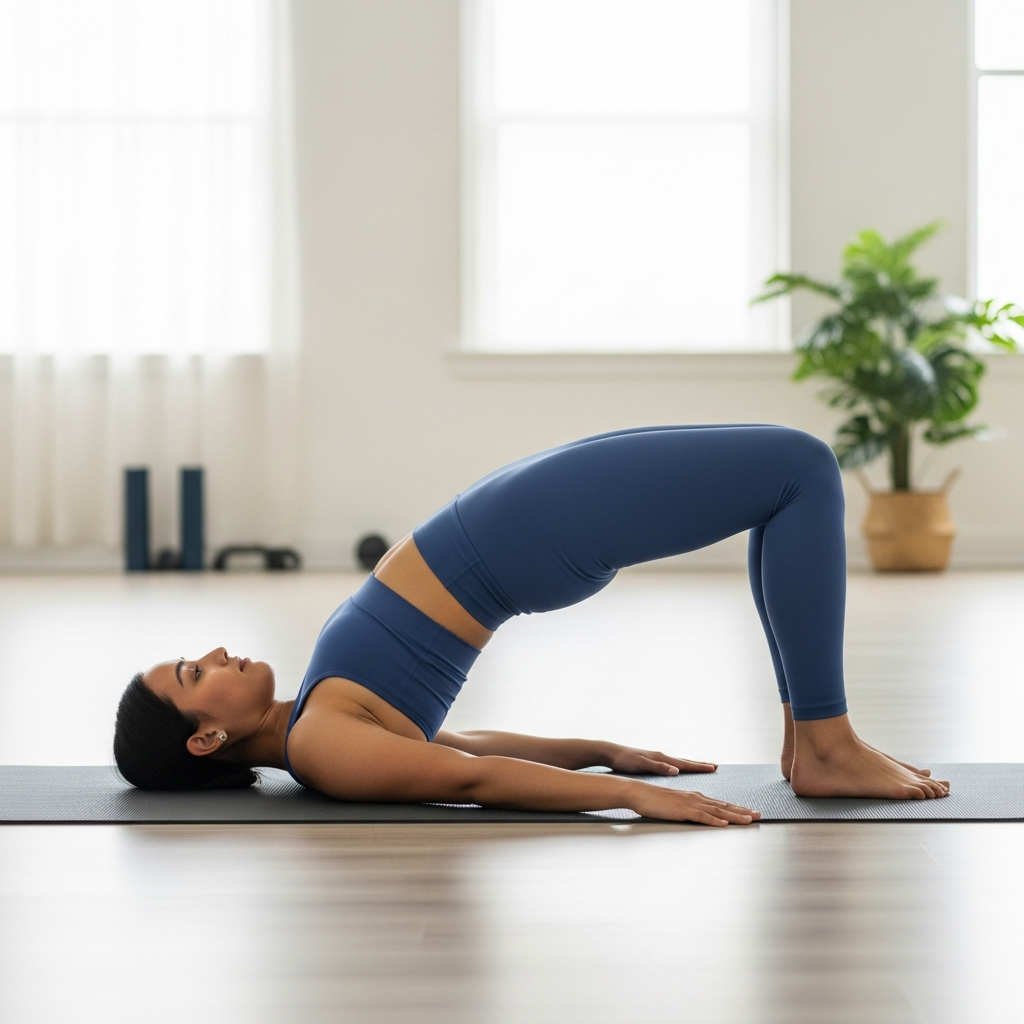
Start every session with this simple check-in: lie on your back, knees bent, feet flat. Take five breaths and just notice where your body touches the mat. Is one shoulder blade pressing harder than the other? Does your lower back arch away from the floor? This isn’t about judgment – it’s intelligence gathering.
The “neutral spine” everyone talks about? Think of balancing a small bowl of water on your lower belly. Not tilted forward (water spills toward your ribs), not tilted back (water pools at your tailbone). Just… balanced. That’s your sweet spot for almost every exercise.
Breathing Like You Mean It (Because You Do)
Here’s where most people get tripped up – they hold their breath like they’re underwater. In Pilates, breath is your power source, not an afterthought.
The pattern is usually exhale on effort, inhale on release. So when you’re doing a hundred (those rapid arm pumps), you’re breathing out forcefully while your arms pump down, drawing your belly button toward your spine. Think of it like blowing up a balloon in reverse – you’re deflating your midsection to create stability.
Practice this at home: lie down and place one hand on your chest, one on your belly. Breathe so only the bottom hand moves. Your ribcage should expand wide, not just forward and back. It’s like opening an accordion sideways.
Building Your Home Practice Without Going Crazy
Studio classes are great, but they can get expensive fast. A solid home practice keeps you consistent without the Fort Worth traffic stress.
YouTube is your friend here – but be picky. Alo Moves, Blogilates (don’t let the name fool you), and Move With Nicole are reliable. Start with 15-20 minute sessions, three times a week. That’s it. More isn’t always better when you’re learning proper form.
Set up near a wall if possible. It’s not just for support – it’s for alignment feedback. During wall sits or standing exercises, that wall becomes your teacher, showing you exactly where your body is in space.
The Modifications You Actually Need
Forget what the instructor’s doing for a minute. If your neck strains during stomach series, tuck a pillow behind your head. If rolling like a ball makes you dizzy, just rock gently forward and back – no full rolling required.
Can’t do a full teaser? Start with just lifting your arms overhead while seated. Building strength is like cooking a good stew – it takes time, and you can’t rush it.
Those fancy advanced moves you see on Instagram? They’re the dessert, not the meal. Master your hundreds, planks, and basic roll-ups first. Everything else builds from there.
Making It Stick When Motivation Fades
Let’s be real – some days you won’t feel like it. That’s when you do just five minutes of gentle stretching and breathing. Show up anyway, even if it’s half-hearted. Consistency beats intensity every single time.
Track how you feel after sessions, not just what exercises you did. “Stood taller today” or “lower back didn’t ache” – those victories matter more than perfect form photos.
The Reality Check: What Actually Makes People Quit
Let’s be honest – if Pilates were easy, everyone would be doing it. But here’s the thing that nobody talks about in those Instagram posts with perfect form and designer leggings: most people hit walls. Real ones.
The biggest challenge? Feeling like you’re terrible at it. I mean, really terrible. You’re lying there on your mat, watching Susan next to you flow through movements like she’s been doing this since birth, while you’re trying to figure out how to breathe and move your arms at the same time. It’s humbling in the worst way.
And then there’s the mental game – that voice in your head saying you’re not strong enough, flexible enough, coordinated enough. Sound familiar?
When Your Body Feels Like It’s Working Against You
Here’s what no one tells you: your body might feel worse before it feels better. Not injured worse – just… confused worse.
You might leave your first few classes feeling more aware of every tight spot, every imbalance. Your hip flexors are screaming, your shoulders are having an identity crisis, and muscles you didn’t know existed are now very loudly announcing themselves. It’s like your body is tattling on itself.
The solution isn’t to push through pain – that’s actually counterproductive. Instead, think of it as gathering intelligence. Those tight spots? They’re showing you where you need the most work. That shaky feeling when you’re holding a position? That’s your stabilizing muscles waking up after years of your bigger muscles doing all the heavy lifting.
Start with modifications – and I mean really start there. Use props. Take breaks. There’s absolutely no shame in doing what your body needs today, not what it might be able to do eventually.
The Coordination Conundrum
Oh, the coordination thing. When the instructor says “reach your right arm forward while extending your left leg back, and oh, don’t forget to breathe,” your brain might just… blue screen.
This is completely normal, by the way. Pilates asks your body to do several things simultaneously – something most of us aren’t used to. We’re great at walking or lifting or sitting, but coordinating opposite limbs while maintaining core stability and breathing patterns? That’s like patting your head while rubbing your stomach, except your entire body is involved.
The fix is surprisingly simple: slow everything down. Forget about keeping up with the class rhythm. Do each movement at your own pace until the pattern clicks. Most instructors worth their salt will tell you the same thing – it’s about quality, not speed.
The Flexibility Frustration
“I’m not flexible enough for Pilates” might be the most backwards statement ever, but I hear it constantly. It’s like saying you’re too dirty to take a shower.
The truth? Pilates isn’t about being flexible – it’s about becoming flexible (and strong, and coordinated…). But here’s where people get tripped up: they expect movie-montage progress. You know, where three weeks in, you’re suddenly touching your toes and balancing on one hand.
Real flexibility takes months, sometimes years. And it’s not linear – you might feel more flexible on Tuesday than you do on Thursday, depending on stress, sleep, what you ate, how much water you drank… your body isn’t a machine with consistent output.
Work with your range of motion today. Can’t reach your toes? Reach for your shins. Can’t do a full roll-up? Do a partial one. The movement is still working – you’re still getting stronger and more mobile within your current range.
The Consistency Trap
This might be the biggest challenge of all. Life happens. Work gets crazy, kids get sick, your car breaks down, and suddenly you haven’t been to class in three weeks. You feel like you’re starting over – because, well, you kind of are.
The solution is building flexibility into your expectations – not your body, your schedule. Instead of committing to three classes a week (which sounds great in January but feels impossible by March), commit to showing up consistently, whatever that looks like for you.
Maybe that’s twice a week. Maybe it’s once a week plus some at-home videos. Maybe it’s sporadic classes but regular 10-minute morning stretches. The goal is keeping Pilates in your life somehow, not achieving some arbitrary frequency that works for someone else.
Remember – the people who stick with Pilates long-term aren’t the ones who never struggle. They’re the ones who’ve learned to struggle well.
What to Expect in Your First Few Weeks
Let’s be honest here – you’re probably not going to walk out of your first mat Pilates class feeling like a graceful swan. More like a slightly confused flamingo, maybe? And that’s completely normal.
Most people feel a bit wobbly those first few sessions. Your muscles are learning entirely new movement patterns, and your brain is trying to coordinate breathing with… well, everything else. Don’t worry if you can’t nail that teaser pose right away (spoiler alert: most of us still can’t after months). Focus on form over fanciness.
You’ll likely feel some soreness – but it’s different from that “I overdid it at the gym” ache. Pilates soreness tends to show up in places you forgot you had muscles. Your deep abdominals might feel like they’ve been having a quiet conversation with your back muscles all night. That’s actually a good sign… it means things are waking up that have been sleeping on the job.
Most Fort Worth studios offer beginner-friendly classes, and honestly? The instructors here have seen it all. They’re not judging your form – they’re genuinely excited to help you figure this out.
Timeline for Real Results (Not Instagram Magic)
Here’s what actually happens, week by week
Weeks 1-2: You’re mostly just trying to remember which way is up during the hundreds. Your body’s learning the vocabulary of Pilates. Don’t expect dramatic changes yet – you’re building the foundation.
Weeks 3-4: Something clicks. Maybe it’s your posture during that long meeting, or you notice you’re not holding tension in your shoulders while driving down I-35. Small stuff, but meaningful.
Weeks 6-8: This is where people start texting their friends about Pilates. Your core feels more… present. You might catch yourself naturally pulling your shoulders back, or notice that your lower back doesn’t ache after sitting all day.
Month 3: Now we’re talking. Your balance improves noticeably. Those jeans fit better (though the scale might not show dramatic changes – muscle weighs more than fat, remember?). You start to crave that post-class feeling.
Month 6 and beyond: Pilates becomes less about the workout and more about how you move through life. You’ll notice you naturally engage your core when lifting grocery bags, your sleep improves, and honestly? You just feel more… you.
Building a Sustainable Practice
The magic number isn’t daily classes (please don’t burn yourself out). Most instructors suggest 2-3 times per week to start. Think of it like learning a language – consistency beats intensity every time.
Some weeks you’ll be all-in, showing up religiously. Other weeks… life happens. Your kid gets sick, work explodes, or you just need to binge-watch something mindless. That’s not failure – that’s being human.
The key is having a backup plan. Maybe it’s a 20-minute YouTube session at home when you can’t make it to the studio. Or even just five minutes of breathing exercises before bed. Something is always better than nothing, and perfectionism is the enemy of progress.
What Success Actually Looks Like
Forget about looking like those impossibly bendy people on social media. Real success in Pilates is much quieter… and more valuable.
It’s realizing you can pick up your toddler without bracing your back first. It’s having the core strength to carry all the grocery bags in one trip (because who has time for multiple trips?). It’s feeling steady and strong in your own body, whatever size or shape that body happens to be.
You might find yourself sleeping better, thinking more clearly, or just feeling more resilient when life gets stressful. These aren’t small things – they’re everything.
Making It Work for Your Life
Look, you don’t need to rearrange your entire existence around Pilates classes. Find a studio that fits your schedule, not the other way around. Many Fort Worth locations offer early morning, lunch break, or evening options – because they get it. We’re all juggling a lot.
Start with one class per week if that’s what works. Build slowly. The goal isn’t to become a Pilates influencer – it’s to feel stronger and more comfortable in your own skin. That’s worth showing up for, even imperfectly.
You know what strikes me most about all these benefits we’ve talked about? They’re not just happening in isolation. When you start building that core strength, you’re also improving your posture… which helps your confidence… which makes you want to move more… which supports your weight loss goals. It’s like this beautiful domino effect that starts with just showing up to that first class.
And here’s something I’ve noticed working with people in our clinic – those who add movement they actually *enjoy* to their routine? They stick with it. They don’t just endure it; they look forward to it. Mat Pilates has this unique way of making you feel accomplished without completely wiping you out. You leave feeling energized, not defeated.
The Real Magic Happens Over Time
Sure, you might feel some immediate benefits after your first few sessions – maybe your back doesn’t ache as much when you get out of bed, or you notice yourself standing a little taller. But the real transformation? That unfolds gradually, almost sneakily.
I remember one of our patients telling me how she suddenly realized she’d carried all her groceries upstairs without thinking about it… something that used to require strategic planning and maybe a brief pep talk. These are the victories that matter – the ones that show up in your daily life, not just on a scale.
Fort Worth has such an incredible Pilates community, too. Whether you’re drawn to the energy of a group class or prefer the focused attention of private sessions, there’s something here for you. And honestly? The instructors I’ve met around town genuinely care about helping you succeed, not just filling their class rosters.
You Don’t Have to Figure This Out Alone
Look, I get it. Starting something new – especially when you’re already juggling weight loss goals and maybe feeling frustrated with your body – can feel overwhelming. You might be wondering if you’re “flexible enough” or “strong enough” or if people will judge you. (Spoiler alert: they won’t. Everyone’s too focused on not falling over in tree pose.)
But here’s what I want you to know: you don’t have to navigate this alone. Whether you’re curious about how Pilates might fit into your weight loss plan, or you need help figuring out what type of movement feels right for your body, we’re here for those conversations.
We’ve helped so many people find their groove – not just with weight loss, but with creating a lifestyle that actually feels sustainable and enjoyable. Sometimes that includes Pilates, sometimes it doesn’t. What matters is finding what works for *you*.
If you’re feeling even a little curious about whether this might be a good fit for your goals, why not reach out? We can chat about what you’re hoping to achieve, what’s been challenging, and how movement might support your overall wellness plan. No pressure, no sales pitch – just a genuine conversation about helping you feel stronger and more confident in your body.
You’ve already taken the step of learning about your options. That’s huge. The next step? It’s entirely up to you, and whatever you decide, we’re cheering you on.