How Long Does It Take to See Results From Pilates in Fort Worth?
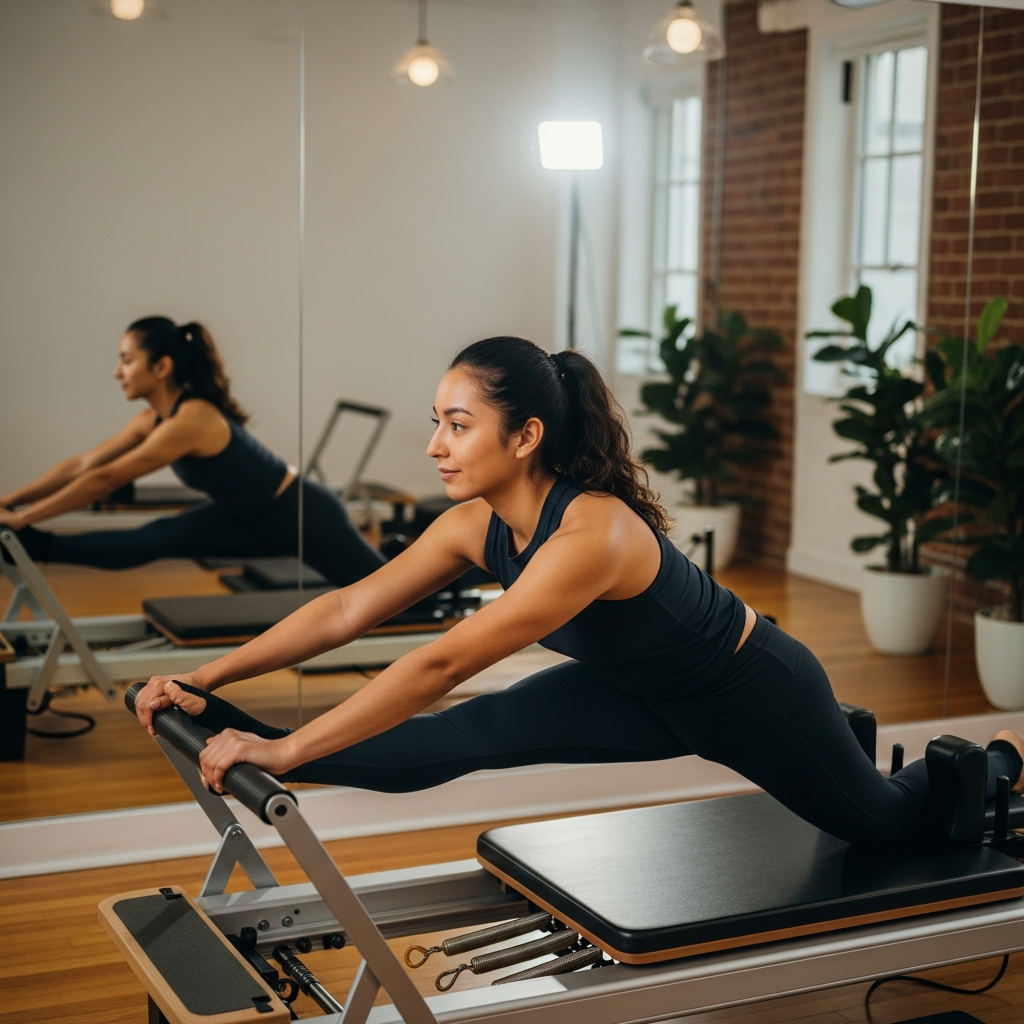
You’ve been going to that Pilates studio in Fort Worth for three weeks now, and you’re starting to wonder… is this actually working? Maybe you’re staring at yourself in the mirror after class, searching for some sign – *any* sign – that all those controlled movements and intentional breathing sessions are paying off. Your friend Sarah swears she saw results in just two weeks, but here you are, feeling like you’re moving through molasses while everyone else seems to flow effortlessly from one pose to the next.
Sound familiar?
Here’s the thing about Pilates – and honestly, this applies to most fitness routines – it’s not like ordering a latte. You don’t get instant gratification. Which is frustrating when you’re investing time, energy, and let’s be real, a decent chunk of your budget into something that promises to transform your core, improve your posture, and give you that lean, strong look you’ve been chasing.
But here’s what I’ve learned after years of working with people on their wellness journeys (and yes, I’ve been exactly where you are right now): the question isn’t really whether Pilates works. It’s about understanding *when* you’ll start seeing those results, *what* those results actually look like, and – this is the big one – how to recognize progress when it doesn’t necessarily show up on the scale or in the mirror right away.
Because here’s a little secret that might surprise you… some of the most significant changes from Pilates happen so gradually, so subtly, that you might not even notice them at first. Maybe you’re sleeping better. Perhaps that nagging lower back pain isn’t quite as sharp when you get out of bed. Or you find yourself automatically standing taller without even thinking about it.
The tricky part? We live in a culture that’s obsessed with quick fixes and dramatic before-and-after photos. Instagram doesn’t exactly celebrate the woman who can finally touch her toes after six weeks of consistent practice, or the guy who no longer winces when he bends down to pick up his kids. But those changes? They’re often more valuable than fitting into jeans that are one size smaller.
Now, I know what you’re thinking – “That’s great and all, but I really do want to know when I’ll *see* actual physical changes.” Fair enough. And we’re going to get into all of that. The timeline for seeing muscle definition, when you might notice improved flexibility, how long it typically takes for that Pilates “glow” to kick in…
But I also want to share something that might shift how you think about this whole process. When I work with clients at our clinic, I’ve noticed that the people who get the most out of their Pilates practice – and see the most dramatic results – aren’t necessarily the ones who start out in the best shape. They’re the ones who learn to pay attention to the small victories along the way.
Actually, that reminds me of Maria, one of our clients who started Pilates as part of her weight loss program. She was so focused on the number on the scale that she almost missed the fact that she’d gone from struggling with basic exercises to flowing through advanced sequences in just two months. It wasn’t until her husband mentioned that she seemed more confident, more energized, that she realized the changes were happening – just not where she expected them.
So whether you’re three classes in or three months deep, whether you’re doing Pilates as part of a broader wellness plan or just because you heard it might help with that persistent back pain… we’re going to break down exactly what you can expect and when. No false promises, no unrealistic timelines – just honest, practical information about how this whole process actually works.
Because the truth is, understanding the realistic timeline for Pilates results isn’t just about managing your expectations. It’s about recognizing and celebrating progress when it happens, staying motivated through the slower periods, and making decisions about your routine that actually make sense for your life and goals.
Ready to figure out what’s really going on with your Pilates practice?
What Actually Happens When You Start Pilates
Think of Pilates like learning a new language – except instead of conjugating verbs, you’re teaching your muscles to have actual conversations with each other. And honestly? Most of our muscles have been giving each other the silent treatment for years.
When you first walk into a Pilates studio (especially here in Fort Worth where we’ve got some fantastic options), your body is probably running on what I like to call “survival mode.” You know how your car makes that weird noise but somehow still gets you to work? That’s basically how most of us move through life. We compensate, we work around the weak spots, and we just… make it work.
But here’s where it gets interesting – and a little counterintuitive. Pilates doesn’t just make you stronger. It makes you smarter. Physically smarter, I mean. Those tiny micro-movements you’ll be doing? They’re like sending your brain a detailed map of muscles you forgot existed.
The Science Behind Those “I Feel It Everywhere” Moments
Your nervous system is basically the body’s Wi-Fi network, and for many of us, the signal has been pretty spotty. Pilates acts like a network reset – suddenly all your devices (muscles) can talk to the router (your brain) again.
Within the first few sessions, you might notice something weird happening. You’re lying there doing what looks like the world’s most gentle leg slide, and somehow your entire core is shaking like you’re holding a plank. That’s not because you’re out of shape – well, maybe partly – but it’s mainly because your brain is frantically trying to figure out which muscles are supposed to do what.
Actually, that reminds me of something that always makes me smile… clients often tell me they feel muscles they didn’t know they had. The truth? You’ve always had them. They were just taking an extended coffee break.
Your Body’s Timeline Isn’t Instagram’s Timeline
Here’s something the fitness industry doesn’t love to admit: your body changes on its own schedule, not some arbitrary 30-day challenge timeline. I’ve seen people feel dramatically different after three sessions, and others who needed two months to really notice the shifts. Both are completely normal.
The thing about Pilates results is they’re sneaky. Unlike lifting weights where you can literally see the numbers on the bar go up, Pilates changes happen in layers. First, you might notice you’re sleeping better (better alignment = less tossing and turning). Then maybe your back stops aching during your commute. One day you’ll realize you’ve been sitting up straighter without thinking about it.
The Fort Worth Factor
Living in Texas comes with its own physical challenges – let’s be real about this. We drive everywhere, our offices are air-conditioned to arctic temperatures, and many of us spend way too much time hunched over computers in corporate buildings. Plus, if you’re coming to Pilates from a background of more traditional Texas fitness (think: high-intensity everything), your body might be in for a bit of culture shock.
The heat here also affects how your body responds to movement. You might find yourself more flexible than usual in summer sessions, but don’t let that fool you into thinking you’ve mastered everything overnight. Flexibility gained too quickly can be… well, let’s just say your muscles need time to build strength in those new ranges of motion.
Why “Results” Means Different Things to Different Bodies
This is where things get personal, and honestly, a little complicated. If you’re coming to Pilates because your doctor recommended it for back pain, your “results” timeline will look different than someone who wants to feel stronger in their Saturday morning tennis game.
Some people notice postural changes within weeks – their shoulders start hanging differently, their head finds its way back over their spine instead of jutting forward like they’re perpetually reading something. Others feel the mental benefits first; that hour of focused movement becomes their reset button for stress.
The beauty of Pilates – and sometimes the frustration – is that it works on multiple levels simultaneously. You’re building strength, sure, but you’re also improving coordination, breath control, and body awareness. It’s like getting a full-body software update instead of just downloading one new app.
Your body is constantly adapting, even when you can’t see it happening. Trust the process, even when it feels mysterious.
Your First Month: What to Actually Expect (And What Not to Panic About)
Here’s the thing nobody tells you about starting Pilates – week two is usually when people want to quit. You’re sore in places you didn’t know existed, you can’t quite nail that roll-up everyone else makes look effortless, and frankly? You’re wondering if this whole thing was a mistake.
Don’t. Stop. Yet.
Your body is literally rewiring itself during those first few weeks. Think of it like learning a new language – you wouldn’t expect to be fluent after a handful of lessons, right? Most of our Fort Worth clients start noticing they stand a little taller around day 10-12. Not dramatic changes… just that subtle shift where your shoulders aren’t permanently attached to your ears anymore.
The real magic happens around week 3-4. That’s when you’ll catch yourself engaging your core while waiting in line at Central Market (yes, really). Or you’ll realize you walked up those stairs at Sundance Square without huffing and puffing.
The Sweet Spot Schedule That Actually Works
Two sessions per week. That’s your golden ticket.
I know, I know – you’re thinking “more must be better,” but here’s what we’ve learned after years of watching clients transform: your body needs time to integrate what it’s learning. Think of it like strength training for your brain-muscle connection.
Monday and Thursday work beautifully. Or Tuesday and Saturday if weekends are your thing. What matters is that 2-3 day gap between sessions – it gives your nervous system time to process and your muscles time to adapt without burning out.
And here’s a little insider secret… those clients who show up consistently twice a week? They see changes faster than the ones who come three times one week, skip the next week entirely, then try to make up for it with four sessions the following week. Consistency beats intensity every single time.
Reading Your Body’s Progress Report
Forget the scale for a hot minute. Seriously. Weight can fluctuate for about a million reasons (hello, Texas humidity and restaurant portions), but there are better ways to track what’s happening.
Your clothes are probably the most honest progress meter you’ve got. That pair of jeans that felt snug three weeks ago? Pay attention to how they feel around your waist and through your hips. Pilates has this sneaky way of creating space in your torso – you’ll literally feel taller and more… expanded.
Take photos. I get it, nobody loves this part, but side-view photos in the same spot, same lighting, same outfit every two weeks will show you changes your eyes miss in the mirror. Focus on your posture, the curve of your spine, how your shoulders sit.
Here’s something cool to watch for: you’ll start moving differently in everyday life. Getting out of your car becomes smoother. You’ll bend over to pick something up and actually hinge from your hips instead of rounding your back. These aren’t dramatic movie moments – they’re subtle shifts that add up to feeling completely different in your body.
Troubleshooting the Rough Patches
Week 6-8 can feel like a plateau, and that’s completely normal. Your body is consolidating all these new movement patterns. This is actually when the deep, lasting changes are happening – even if you can’t see them yet.
If you’re feeling stuck, try switching up your routine slightly. Been doing mat classes? Add a reformer session. Love the tower work? Try a different instructor’s style. Sometimes a fresh perspective on familiar movements unlocks something new.
And please, please don’t compare yourself to the person next to you who’s been doing this for three years. Their “easy” exercise might have taken them months to master. Everyone’s timeline looks different – some bodies change quickly and dramatically, others transform more slowly but just as completely.
The bottom line? Give yourself at least 8-12 weeks before making any judgments about whether Pilates is “working.” Your body is learning an entirely new way of moving, and that kind of transformation doesn’t happen overnight. But when it does happen… well, that’s when you’ll understand why so many of us become completely obsessed with this practice.
Trust the process. Your future self will thank you.
When Your Body Feels Like It’s Fighting You
Let’s be real – those first few weeks of Pilates can feel like your body’s staging a rebellion. You’re probably wondering if you accidentally signed up for medieval torture instead of a gentle fitness class. That burning in muscles you didn’t even know existed? Totally normal. That feeling like a baby giraffe learning to walk during your third session? Also normal.
Here’s the thing – your body’s essentially learning a completely new language. Think about it like this: if you’ve spent years hunched over a desk or favoring one side after an old injury, your muscles have developed some pretty creative compensation patterns. Pilates is asking them to break up with those habits, and breakups are never easy.
The solution isn’t to power through the discomfort – it’s to embrace the awkward phase. Tell your instructor about what feels weird or uncomfortable. They’ve seen it all, trust me. Sometimes a tiny adjustment in positioning or a modified version of an exercise can make the difference between productive challenge and unnecessary struggle.
The Comparison Trap (And Why Instagram Lies)
You know that moment when you’re wobbling through a basic exercise while the person next to you looks like they were born doing Pilates? Yeah, that stings. Or when you see those before-and-after photos online showing dramatic changes in just four weeks, and you’re wondering why your own transformation seems to be taking its sweet time.
Here’s what those posts don’t tell you – everyone’s starting point is different. The woman who sees dramatic results in a month might have been a former dancer getting back into movement. The guy who posts about his “quick” transformation might have been doing strength training for years before discovering Pilates.
Your progress isn’t going to look like anyone else’s… and that’s actually a good thing. Instead of comparing yourself to others, try comparing yourself to last week’s you. Can you hold that plank for five seconds longer? Does your lower back feel less cranky when you get out of bed? Those are your real victories.
When Life Gets in the Way (Because It Always Does)
Let’s talk about the elephant in the room – consistency. You started strong, going to class religiously for three weeks. Then your kid got sick, work exploded, your car needed repairs, and suddenly it’s been two weeks since you’ve seen the inside of a studio.
This is where a lot of people throw in the towel entirely. They figure they’ve “ruined” their progress and need to start over. But here’s something your perfectionist brain might not want to hear – sporadic Pilates is still better than no Pilates.
The key is having a backup plan. Can’t make it to class? Do 10 minutes of mat work at home. Traveling for work? Pack a resistance band and do some basic exercises in your hotel room. Even maintaining that mind-body connection with gentle stretching keeps the momentum going.
Actually, that reminds me – one of my clients swears by what she calls “Pilates moments” throughout her day. Engaging her core while brushing her teeth, practicing her posture during conference calls, doing a few pelvic tilts while waiting for her coffee to brew. It’s not a substitute for proper classes, but it keeps the principles alive in her daily life.
The Plateau Panic
After about 6-8 weeks, something weird happens. The rapid improvements you were seeing start to level off. Your body adapts to the basic movements, and suddenly progress feels… slower. This is when a lot of people start questioning whether Pilates is “working” anymore.
But plateaus aren’t walls – they’re rest stops. Your body is consolidating all those new movement patterns, building strength in deeper layers, creating lasting change rather than flashy surface improvements.
This is actually the perfect time to mix things up. Try a different instructor, add some equipment classes, or focus on advancing your existing exercises rather than learning new ones. Sometimes the breakthrough comes not from doing more, but from doing what you’re already doing with more precision and awareness.
The honest truth? Seeing real, lasting results from Pilates requires patience in a world that promises everything instantly. But those gradual changes – the ones that sneak up on you over months rather than weeks – those are the ones that stick around for good.
What’s Realistic? Setting Expectations That Actually Make Sense
Here’s the thing about Pilates – it’s not a magic bullet, and anyone telling you otherwise is probably trying to sell you something. You won’t wake up after one session looking like a Victoria’s Secret model (wouldn’t that be nice though?).
Most people start noticing subtle changes around the 3-4 week mark. Maybe your posture feels a bit better when you’re sitting at your desk. Or those stairs don’t leave you quite as winded. These aren’t Instagram-worthy transformations, but they’re real progress – the kind that actually matters for your daily life.
The visible changes? Those typically show up between 6-12 weeks of consistent practice. We’re talking about clearer muscle definition, improved posture that others might comment on, and clothes fitting differently. But here’s what’s important to understand: your body is working hard behind the scenes long before you see dramatic changes in the mirror.
Think of it like planting a garden. You water and tend to it for weeks before seeing sprouts, but underground, the root system is developing… strengthening. Your core stability, flexibility, and mind-body connection are all improving from day one – you just can’t see them yet.
When Progress Feels Slow (Because It Sometimes Does)
Let’s be honest – there will be days when you wonder if Pilates is even working. Maybe week three rolls around and you still feel like a newborn giraffe trying to do a roll-up. That’s completely normal.
Progress in Pilates isn’t always linear. You might nail a challenging exercise one day, then struggle with it the next week. Your body is constantly adapting, learning, sometimes taking what feels like steps backward before leaping forward.
I’ve seen clients get frustrated around the 5-6 week mark because they expected more dramatic changes. But then something clicks – usually around week 8 – and suddenly they’re moving with a grace they didn’t know they had. The key is trusting the process, even when it feels like you’re moving through molasses.
Your Next Steps: Making It Stick
If you’re just starting out, aim for 2-3 sessions per week. I know, I know – finding time is like trying to squeeze water from a stone. But consistency trumps intensity every single time. Two quality 50-minute sessions will serve you better than one marathon weekend class followed by a week of nothing.
Consider mixing group classes with private sessions if your budget allows. Group classes give you energy and community (plus they’re easier on the wallet), while private sessions help you nail down proper form and address your specific needs. Think of privates as your technique tune-ups.
Don’t go all-or-nothing right out of the gate. Start where you are, not where you think you should be. If you can only commit to once a week initially, that’s infinitely better than signing up for daily classes and burning out after two weeks.
Building Your Support System
Find a studio in Fort Worth where you actually enjoy spending time. The instructor should feel like someone who gets you – not someone making you feel inadequate because you can’t do a perfect teaser on day one. Trust me, the energy of your studio matters more than you might think.
Many of our most successful clients also incorporate complementary activities. Maybe it’s walking on off-days, or doing some gentle stretching at home. You don’t need to become a Pilates purist – movement is movement, and it all adds up.
The Real Timeline: What to Expect When
Weeks 1-2: You’re learning the language. Everything feels awkward, and that’s perfectly fine.
Weeks 3-6: Small wins start appearing. Better sleep, improved posture awareness, feeling stronger during daily activities.
Weeks 6-12: This is where the magic happens. Visible changes, increased confidence, movements becoming more fluid.
Month 3 and beyond: Pilates becomes part of who you are, not just something you do.
Remember, your timeline might look completely different – and that’s okay too. Some people see changes faster, others take longer to build that mind-body connection. The only timeline that matters is yours.
The best part? Once you start seeing results, they tend to build on themselves. That improved posture makes you feel more confident, which motivates you to keep showing up, which creates even better results. It’s a pretty wonderful cycle, actually.
You know what’s funny? After working with so many people in Fort Worth who’ve started Pilates, I’ve noticed something pretty amazing. It’s not just about the physical changes – though those are definitely exciting when they happen. It’s about that moment when someone realizes they’ve been sitting straighter all week without even thinking about it. Or when they reach for something on a high shelf and actually feel… stable.
The timeline stuff we talked about? Those 2-4 weeks for posture improvements, 6-8 weeks for strength gains, and 3-6 months for more dramatic changes – they’re real. But honestly, some of the most meaningful shifts happen in between those measurable milestones.
I’ve had clients tell me they slept better after just a few sessions. Others mention feeling more present in their bodies, less anxious about movement. One woman – let’s call her Sarah – came to our clinic initially for weight loss support, but three months into her Pilates routine, she told me the best part wasn’t the pounds she’d lost. It was that she finally felt like she lived in her body instead of just… carrying it around.
That’s the thing about Pilates in our Fort Worth community – it tends to surprise people. Maybe you started because your back was killing you from sitting at a desk all day. But then you notice your balance is better, your energy is more consistent, and somehow those everyday aches just… fade into the background.
The consistency piece really can’t be overstated, though. Two classes a week beats one intense monthly session every single time. Your body craves that regular check-in, that gentle reminder of what good alignment feels like. And listen – life happens. You’ll miss sessions sometimes, feel frustrated with your progress, maybe even wonder if it’s “working.” That’s all completely normal.
Here’s what I want you to remember: your body is already doing incredible things, even if you can’t see them yet. Those tiny micro-movements in Pilates? They’re having conversations with muscles you forgot you had. Each session is building something, even when it doesn’t feel like much is happening.
If you’re thinking about starting Pilates – or if you’re a few weeks in and feeling impatient – give yourself permission to trust the process. Your Fort Worth neighbors who’ve stuck with it? They’ll tell you it was worth every slightly awkward beginning class, every moment of wondering if they were doing it right.
We get it, though. Starting something new can feel overwhelming, especially when you’re not sure what to expect or how quickly you’ll see changes. That’s exactly why we’re here. Whether you’re curious about how Pilates might fit into your weight loss goals, wondering if it’s right for your specific situation, or just need someone to talk through what realistic expectations look like…
Don’t hesitate to reach out. Seriously. We love these conversations – there’s nothing pushy or sales-y about it. Just real talk about what might work for your body, your schedule, your life. Because at the end of the day, the best exercise routine is the one you’ll actually stick with. And we’re pretty good at helping you figure out what that looks like.