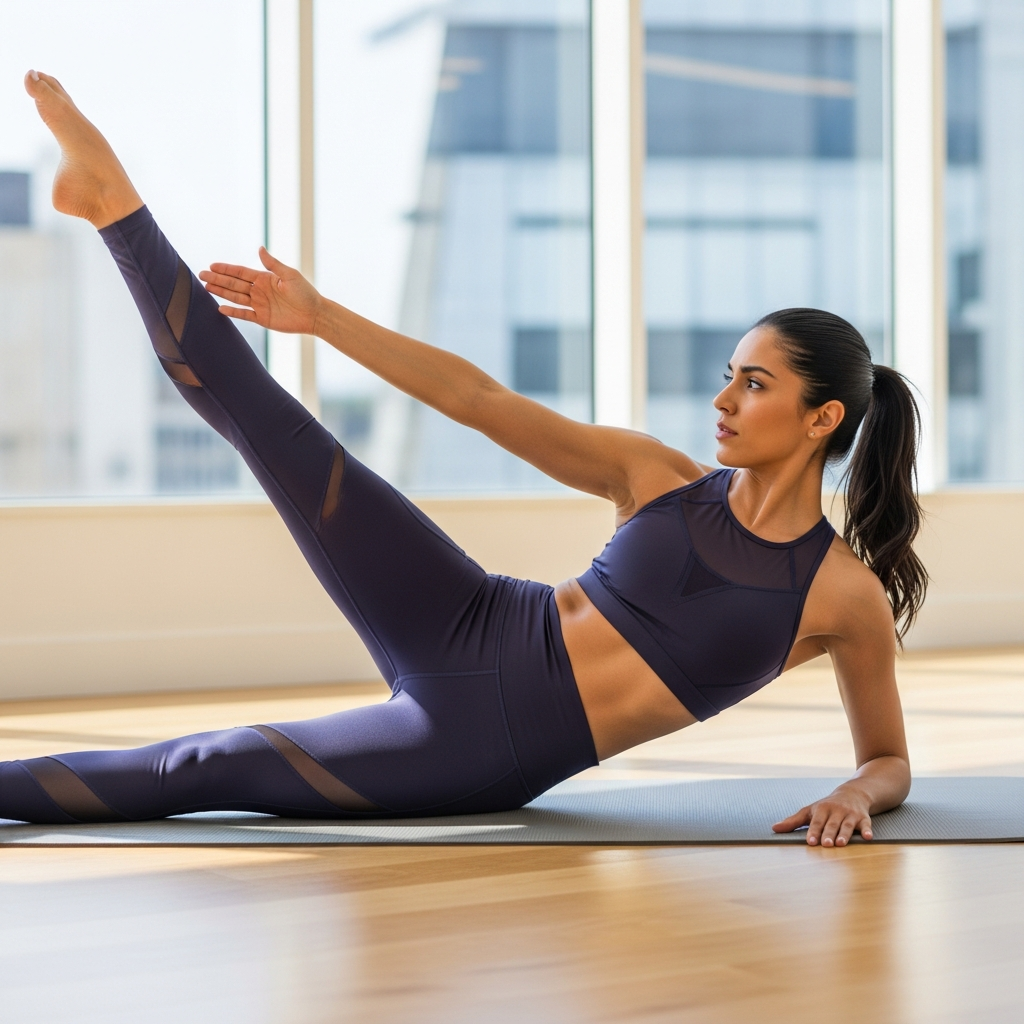
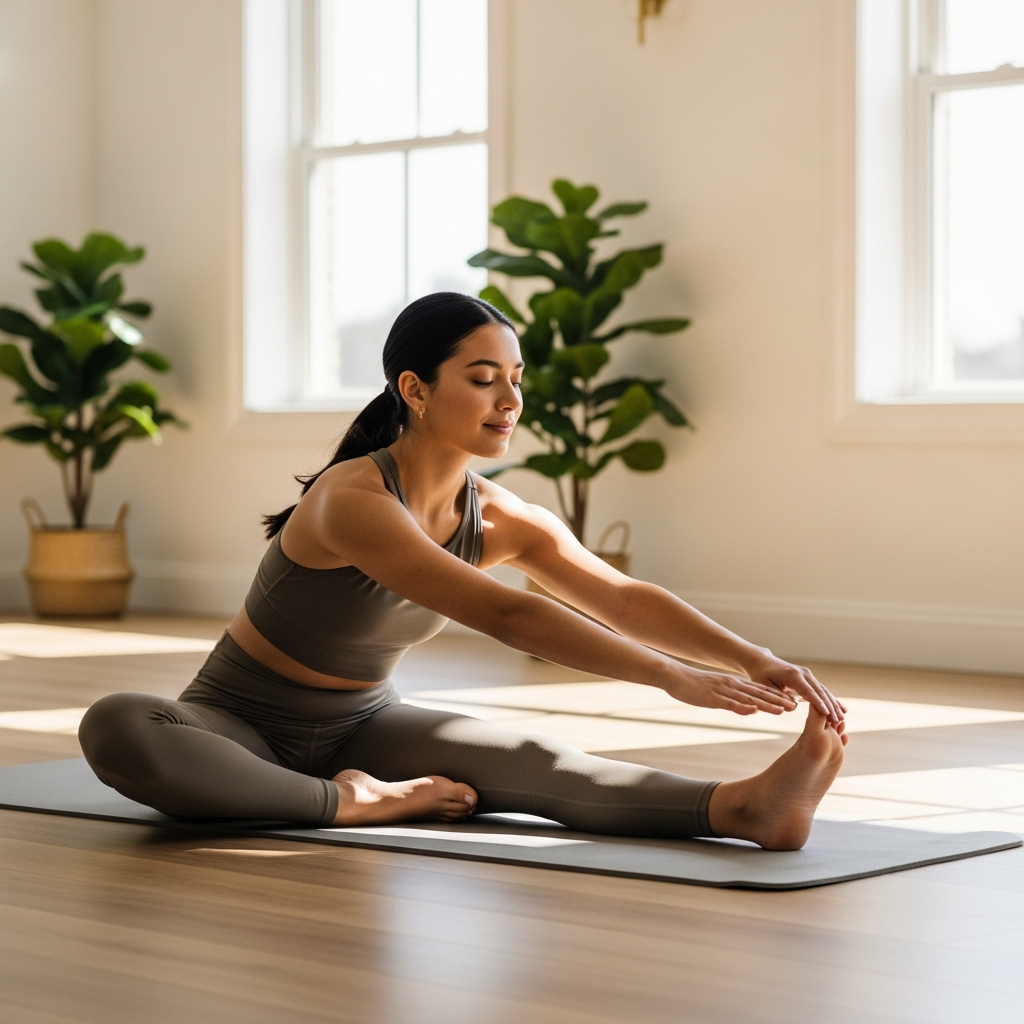
How Pilates Studios Near Garland Support Long-Term Wellness
You’re scrolling through your phone at 11 PM again, aren’t you? That familiar mix of exhaustion and restlessness washing over you as you realize another day slipped by without doing anything meaningful for your body. Maybe you had grand plans this morning – you were going to take that walk, do some stretches, finally start that workout routine you bookmarked three months ago. But then life happened. Work calls, family obligations, that mental fatigue that makes even changing into workout clothes feel like climbing Everest.
Sound familiar?
Here’s the thing – and I say this as someone who’s talked to hundreds of people struggling with this exact scenario – you’re not broken, lazy, or lacking willpower. You’re just caught in what I call the “wellness quicksand.” The harder you struggle to find the perfect fitness solution, the more overwhelmed and stuck you feel. And honestly? That’s exactly where most people are when they first discover what Pilates studios around Garland are really offering.
Because here’s what nobody tells you about sustainable wellness: it’s not about finding the most intense workout or the fastest results. It’s about finding something that actually fits into your real life – not the Pinterest-perfect version you imagine, but the messy, complicated, beautifully imperfect life you’re actually living.
I’ve watched this transformation happen countless times in our clinic. Someone walks in carrying years of false starts, gym memberships gathering dust, and that quiet voice whispering “maybe I’m just not cut out for this.” Then six months later? They’re moving with confidence, sleeping better, and – this is the part that always gets me – they’re actually excited about their workout days instead of dreading them.
What changed? They discovered something that works with their body instead of against it.
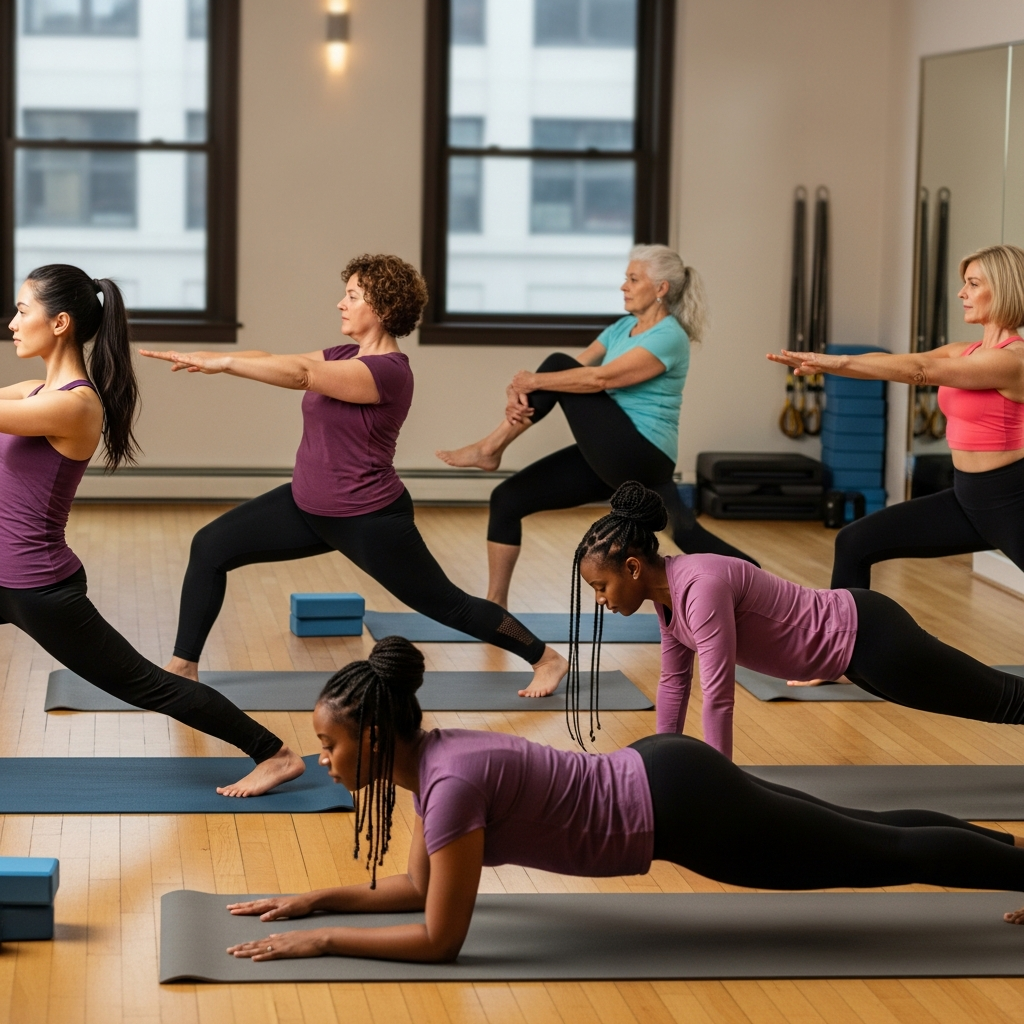
That’s where Pilates studios near Garland come into the picture, and trust me, this isn’t your grandmother’s floor exercises or some trendy fitness fad that’ll be forgotten next year. We’re talking about a practice that’s been quietly revolutionizing how people approach long-term wellness for over a century. The studios popping up around Garland aren’t just offering classes – they’re creating sustainable support systems that understand something crucial: your wellness journey isn’t a sprint to some finish line. It’s more like… well, learning to dance with your own body for the rest of your life.
And dance is actually a pretty good metaphor here. Think about it – when you first learn to dance, you’re focused on not stepping on toes (literally and figuratively). But as you get comfortable with the basics, something magical happens. You stop thinking about every single step and start moving with flow, confidence, even joy. That’s exactly what happens when you find the right Pilates studio support system.
But here’s what I really want you to understand before we go any further – and this might surprise you – the magic isn’t actually in the exercises themselves. Don’t get me wrong, Pilates is incredibly effective for building strength, improving posture, and creating that stable foundation your body’s been craving. But the real transformation happens in how these studios approach your entire relationship with movement and wellness.
We’re going to explore how the right studio becomes less like a gym you visit and more like a wellness partner who understands your schedule, your limitations, your goals, and yes – even your excuses (because let’s be real, we all have them). You’ll discover why location matters more than you think, how to spot the difference between a studio that just wants your monthly fee and one that’s invested in your long-term success, and what questions to ask that’ll save you months of trial and error.
Most importantly, we’ll talk about something that doesn’t get nearly enough attention in the fitness world: how to build a sustainable practice that grows with you instead of burning you out. Because sustainable wellness isn’t about perfection – it’s about progress, consistency, and finding joy in taking care of yourself.
Ready to stop the wellness quicksand cycle and start building something that actually sticks? Let’s explore what makes Garland’s Pilates studios different…
What Makes Pilates Different From Your Average Workout
You know that feeling when you’re scrolling through fitness options and everything starts to blur together? Spin classes, CrossFit, boot camps… they all seem to promise the same thing. But here’s where Pilates gets interesting – and honestly, a little confusing at first.
Think of most workouts like sprinting toward a finish line. You go hard, you sweat buckets, you feel accomplished. Pilates? It’s more like learning to play an instrument. Sure, you might break a sweat, but the real magic happens in how you’re training your body to move with intention.
The whole thing started with this guy Joseph Pilates back in the early 1900s. He was dealing with his own health challenges – asthma, rickets, rheumatic fever – and basically said, “You know what? I’m going to figure out how to make my body work better.” Smart guy. He called his method “Contrology” because it was all about controlled movement.
The Core Truth (And It’s Not What You Think)
Here’s where people get it wrong about Pilates – they think it’s just fancy ab work. I mean, yes, your core gets involved… but we’re talking about your entire core system. Your deep abdominal muscles, sure, but also your back muscles, your pelvic floor, even muscles you didn’t know you had.
It’s like your core is the foundation of a house. You can have beautiful walls and a gorgeous roof, but if that foundation is shaky? Everything else suffers. Most of us have been building our fitness on pretty wobbly foundations for years.
What’s fascinating – and honestly took me a while to really get – is how Pilates teaches your body to move as one connected unit. Instead of isolating muscles like traditional strength training, every exercise involves multiple muscle groups working together. It’s like conducting an orchestra where every instrument has to be perfectly timed.
The Mind-Body Thing Isn’t Just Wellness Fluff
Okay, I’ll admit it – when people first told me about the “mind-body connection” in Pilates, I rolled my eyes a little. Sounded like something you’d hear at a retreat where people wear crystals and talk about chakras.
But then something clicked during my third or fourth class. I was doing this seemingly simple exercise – just rolling my spine down vertebra by vertebra – and suddenly I could *feel* each part of my back in a way I never had before. It wasn’t mystical… it was just awareness.
That’s what Pilates does differently. While you’re lying there trying to keep your shoulders down and your ribs from flaring (which is harder than it sounds, trust me), your brain is forming new connections. You start noticing how you hold tension in your jaw when you’re concentrating, or how your left hip hikes up when you’re stressed.
Why Studios Matter More Than You’d Expect
Here’s something that surprised me: the space itself makes a huge difference. I tried Pilates at home first – YouTube videos, apps, the whole nine yards. And while that’s better than nothing, walking into an actual studio? Game changer.
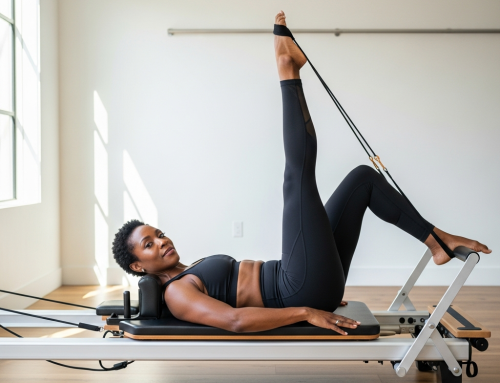
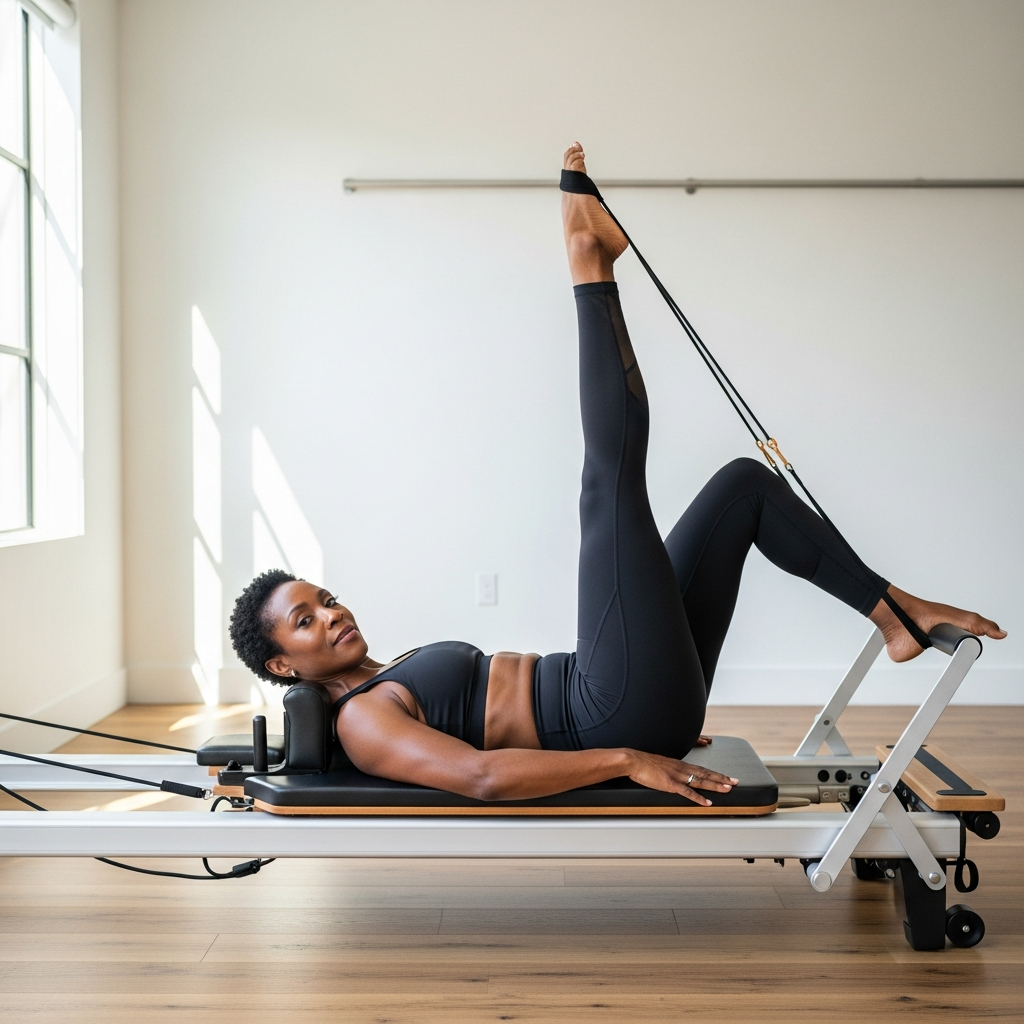
There’s something about being surrounded by those reformer machines (they look like medieval torture devices but feel amazing), having a trained instructor watching your form, being in a room with other people who are also trying to figure out how to breathe properly while balancing on one leg…
The instructor piece is crucial, actually. Because Pilates looks simple from the outside – “Oh, you’re just lying there moving slowly” – but the nuances are everything. A good instructor can spot when you’re gripping your neck muscles instead of engaging your deep abdominals. They’ll remind you to breathe (because apparently we all forget how to do that basic human function when we’re concentrating).
The Long Game Approach
This is probably the most counterintuitive part about Pilates: the benefits often show up in places you weren’t even targeting. You come in because your back hurts, and three months later you realize you’re sleeping better. You wanted to strengthen your core, and suddenly you’re standing taller without even thinking about it.
It’s like compound interest for your body. The changes are subtle at first, but they build on each other. That improved posture leads to better breathing. Better breathing leads to less tension. Less tension leads to better sleep… and on it goes.
The studios near Garland understand this long-term approach. They’re not selling you a quick fix or a six-week transformation. They’re offering something more valuable – and honestly, more realistic – which is sustainable change that actually sticks around.
Finding Your Perfect Pilates Match in Garland
You know what? Not all Pilates studios are created equal – and that’s actually a good thing. Some focus on classical reformer work, others blend in contemporary movements, and a few might throw in some barre elements. The trick is finding the one that clicks with your body and your goals.
Here’s what I tell my clients: visit during their busiest times first. I know, counterintuitive, right? But you’ll see how the instructors handle larger groups, whether they give individual attention, and if the energy feels supportive or competitive. Also – and this is key – notice how they modify exercises. A great instructor will offer three different versions of every movement without missing a beat.
The Equipment Reality Check
Let’s talk equipment for a second… because this matters more than you might think. Quality reformers should glide smoothly – no jerky movements or squeaky springs. The carriage should feel stable under your body weight. If you’re hearing metal grinding against metal, that’s your cue to keep looking.
But here’s something most people don’t consider: ask about their maintenance schedule. Seriously. A studio that can’t tell you when they last serviced their equipment probably isn’t prioritizing your safety. The springs lose tension over time, and worn-out equipment can actually work against your progress.
Mat classes are different – you’re mainly bringing your own body, but pay attention to props. Do they have blocks, straps, and circles available? Are the mats thick enough that your spine isn’t kissing concrete during roll-ups?
Building Your Sustainable Routine
This is where I see people stumble most often. They go from zero to hero – booking five classes a week because they’re motivated. Then life happens, they miss a few sessions, and suddenly they feel like failures.
Start with two classes per week, maximum. I don’t care if you’re a former athlete or if your friend swears by daily Pilates. Your connective tissue needs time to adapt, and your schedule needs breathing room.
Actually, that reminds me… timing matters enormously. Morning classes tend to have more regulars (which can be intimidating but also motivating). Evening classes often feel more social but can be harder to maintain if work runs late. Weekend workshops? Pure gold for deepening your practice without the weekday rush.
What Your Body’s Telling You (And When to Listen)
Here’s the thing about Pilates – it’s sneaky. You might not feel “worked out” the way you do after a spin class, but your core will be having conversations with you two days later. That’s normal. What’s not normal? Sharp pain, especially in your lower back or neck.
Good instructors will check in with you, but they can’t read your mind. Speak up about previous injuries – even that ankle sprain from college that “doesn’t bother you anymore.” Trust me, your body remembers everything, and Pilates has a way of bringing old compensation patterns to the surface.
And please, for the love of all that’s holy, don’t try to keep up with the person next to you who’s been practicing for three years. Their “basic” hundred might be your advanced workout, and that’s perfectly fine.
Making It Financially Sustainable
Let’s be real – Pilates isn’t cheap. But there are ways to make it work without eating ramen for a month. Many studios offer package deals that bring the per-class cost down significantly. Some have community classes or donation-based sessions. Others provide work-study opportunities where you help with studio tasks in exchange for classes.
Here’s an insider tip: ask about their trial periods during slower months – usually January (after the New Year rush dies down) or late summer. Studios are often more flexible with pricing when they’re trying to fill spots.
Building Community Connections
This might sound cheesy, but the community aspect is what turns Pilates from exercise into lifestyle change. Don’t just show up, take class, and leave. Chat with people before and after – you’ll be surprised how many are dealing with similar challenges, whether that’s back pain, stress, or just trying to feel stronger in their bodies.
Some of my most successful clients found accountability partners in their Pilates classes. Having someone who notices when you’re missing makes all the difference between a three-month experiment and a three-year transformation.
The studios that really support long-term wellness? They’re the ones where the front desk knows your name, instructors remember your limitations, and other students become familiar faces. That’s not just nice customer service – that’s how sustainable change actually happens.
When Life Gets in the Way (Because It Always Does)
Let’s be real – you start Pilates with the best intentions. You’re going to go three times a week, you’ve got your cute workout clothes, and you’re mentally planning your transformation. Then week three hits, and suddenly you’re making excuses faster than your instructor can say “engage your core.”
The biggest challenge? Consistency when motivation fades. That initial high wears off – you know, when you realized you could barely hold a plank for thirty seconds and your abs felt like you’d been punched by a very precise, very determined toddler.
Here’s what actually works: Start stupidly small. I’m talking once a week, same day, same time. Your brain loves patterns more than it loves grand gestures. Most Garland studios offer beginner packages specifically for this reason – they’ve seen enough people flame out to know that sustainable beats spectacular every single time.
The Comparison Game (Instagram vs. Reality)
Walking into a Pilates studio can feel like stepping onto the set of a fitness commercial. Everyone seems to flow through movements like graceful swans while you’re… well, more like a baby giraffe learning to walk.
The woman next to you is effortlessly lifting her legs in teaser pose while you’re just trying to figure out what a “neutral pelvis” even means. (Seriously, whoever came up with that phrase clearly never had to explain it to beginners.)
The reality check: Everyone started somewhere, and that Instagram-perfect form took years to develop. Local studios in Garland often pair newer members with seasoned participants – not to show off, but because watching someone struggle and improve over time is incredibly motivating. It’s like having a fitness preview of your future self.
Solution? Focus on your own mat. Literally. Keep your eyes on your own space and celebrate the small wins – like finally understanding what “shoulders away from ears” means or making it through a class without feeling like you need a nap immediately after.
The Schedule Shuffle
Life has this annoying habit of not caring about your wellness goals. Kids get sick, work explodes, your car decides today’s the perfect day to make weird noises… and suddenly your carefully planned Pilates schedule crumbles.
Many Garland studios have caught onto this reality – they offer flexible membership options and online makeup classes. Some even have childcare or family-friendly weekend sessions. Because here’s the thing: the studio that works with your chaos is the studio you’ll actually stick with.
Pro tip: Book your next class immediately after finishing one. Don’t wait until you get home and suddenly remember you need to meal prep, walk the dog, and figure out why your teenager is giving you the silent treatment.
The Plateau Problem
After a few months, you might hit that frustrating wall where everything feels… same-y. Your body adapts (which is actually good news), but your brain gets bored. This is where a lot of people quietly slip away, convinced Pilates “isn’t working anymore.”
The truth? Your body’s getting stronger and more efficient. What used to challenge you is now your warm-up. Quality instructors in Garland studios recognize this phase and start throwing in variations – props, different equipment, or simply deeper modifications of familiar movements.
Making Peace with Perfectionism
Pilates attracts a lot of Type A personalities who expect to master everything immediately. (Guilty as charged.) But here’s what nobody tells you: perfect form is a moving target, not a destination.
That instructor who makes everything look effortless? She’s still working on stuff too. Still discovering new layers of control, new depths of strength. The goal isn’t to “graduate” from Pilates – it’s to keep peeling back layers of what your body can do.
The Money Question
Let’s address the elephant in the room – Pilates isn’t cheap. When you’re looking at monthly memberships, it can feel like a significant investment. Especially when you’re not even sure if you’ll stick with it.
Many Garland studios offer trial periods, community class rates, or package deals that bring the per-class cost down. But here’s another way to think about it: What do you spend on things that make you feel worse? That daily coffee habit, stress shopping, or the gym membership you never use?
The studios that last are the ones that understand their community’s budget constraints and work to make wellness accessible, not exclusive.
Setting Realistic Expectations for Your Pilates Path
Let’s be honest here – you’re probably wondering when you’ll start feeling like those graceful people floating through movements on Instagram. The truth? It’s going to take a bit longer than you’d hope, but not as long as you might fear.
Most people notice subtle changes in their posture and core stability within 2-3 weeks of consistent practice. You know that feeling when you catch yourself slouching and actually *want* to sit up straight? That’s your body starting to remember what good alignment feels like. But those dramatic before-and-after transformations? We’re talking months, not weeks.
Here’s what’s realistic: after about 6-8 weeks of regular classes (we’re talking 2-3 times per week), you’ll likely feel stronger and more aware of your body in everyday activities. Your back might not ache as much after long days at the computer. You might find yourself naturally engaging your core while walking… actually, you’ll probably be surprised how often you think about your core once you start Pilates.
The real magic happens around the 3-month mark. That’s when most people report feeling genuinely different – not just stronger, but more balanced, both physically and mentally. Your local Garland instructors have seen this timeline play out hundreds of times, and they’ll help you recognize these milestones along the way.
What Feels Normal (And What Doesn’t)
Those first few classes can be humbling. You might discover muscles you forgot you had – and they’ll remind you they exist for the next day or two. This is completely normal. What shouldn’t happen is sharp pain or feeling completely wiped out after every session.
Good soreness feels like you’ve worked hard but in a satisfying way. It’s that “I can feel I did something good for my body” sensation. Bad pain is sharp, shooting, or gets worse instead of better after a day or two. Your Garland instructors are trained to help you understand the difference, but trust your instincts too.
You’ll probably feel awkward at first. Maybe even a little frustrated when your body doesn’t cooperate with what your brain is asking it to do. This phase typically lasts 4-6 weeks, and honestly? Even advanced practitioners have days when they feel uncoordinated. It’s part of the process, not a sign you’re not cut out for this.
Your First 30 Days Game Plan
Start with 1-2 classes per week. I know, I know – you’re motivated and want to dive in headfirst. But Pilates works different muscle groups than you’re used to, and your body needs time to adapt. Most Garland studios offer beginner packages that spread out over several weeks for exactly this reason.
Focus on showing up consistently rather than perfectly. That means if you can only make it to one class this week instead of two, that’s still progress. Life happens, and the studios near Garland understand this – they’ll work with your schedule, not against it.
Keep a simple log of how you feel before and after each class. Nothing fancy – just a quick note on your phone. You’ll be amazed how helpful this becomes when you’re wondering if you’re actually making progress.
Building Your Long-Term Practice
After that initial month, you can gradually increase to 2-3 classes per week if your schedule and body feel ready. This is where most people find their sweet spot for steady, sustainable progress.
Consider mixing class types as you get more comfortable. Maybe start with mat classes and eventually try reformer sessions, or add a restorative class to balance more challenging workouts. Your Garland instructors will guide these transitions based on what they observe in your practice.
The beauty of having studios close to home is that you can build relationships with specific instructors who get to know your body and your goals. They’ll notice when you’re ready for progressions or when you might need to dial things back – sometimes before you realize it yourself.
Remember, this isn’t about perfection or achieving some impossible standard. It’s about building a practice that supports your body and mind for years to come. The studios near Garland are designed to be part of your community, not just a place you visit. Take advantage of that – ask questions, share your concerns, and let them help you create a sustainable path forward.
You know what’s really beautiful about discovering the right Pilates studio? It’s not just about that first class where you wobble through a teaser or realize your core needs some serious TLC. It’s about what happens months later – when you catch yourself standing taller at the grocery store, or when your lower back doesn’t ache after a long day at your desk, or when you feel genuinely strong in your own skin.
The studios scattered throughout Garland understand this. They’re not just selling you hour-long sessions; they’re offering something much more valuable – a sustainable approach to feeling good in your body for the long haul. And honestly? In a world that’s constantly pushing quick fixes and dramatic transformations, there’s something refreshing about a practice that says, “Hey, let’s build this slowly and make it last.”
What strikes me most about the Pilates community here is how it embraces where you are right now. Whether you’re dealing with chronic pain, recovering from an injury, managing stress, or simply wanting to feel more connected to your body… there’s space for you. The instructors I’ve encountered genuinely care about your progress – not just during class, but in how movement translates to your daily life.
Sure, you might start because your doctor mentioned core strengthening, or because you want to complement your other fitness routine. But you’ll likely stay because of how it makes you feel. More balanced. More aware. Stronger from the inside out. It’s like having a conversation with your body instead of fighting against it.
And here’s the thing about long-term wellness – it’s not about perfection. It’s about consistency, community, and finding movement that actually serves you. The beauty of having quality Pilates options nearby means you can experiment, find your fit, and build something sustainable without the pressure of a major life overhaul.
I’ve watched people transform not just physically, but in their relationship with movement itself. They stop seeing exercise as punishment and start viewing it as self-care. They discover muscles they forgot they had and learn to trust their body’s wisdom again.
If you’ve been curious about Pilates but haven’t taken that first step… or if you’ve been struggling to find a wellness approach that actually sticks… maybe it’s time to explore what’s available right in your backyard. The studios in Garland offer trial classes, beginner-friendly sessions, and instructors who understand that everyone’s starting point is different.
At our clinic, we see firsthand how movement practices like Pilates support not just weight management, but overall health and confidence. We’d love to chat about how this type of mindful movement might fit into your wellness goals. Give us a call – we’re here to help you figure out what combination of approaches will work best for your life, your schedule, and your body.
Because here’s what I really believe: you deserve to feel strong, supported, and genuinely good in your own skin. Sometimes it just takes finding the right tools – and the right community – to help you get there.