What to Look for When Choosing Pilates Classes in Mesquite
You know that moment when you’re standing in the parking lot outside a new fitness studio, car keys jangling in your hand, wondering if you’re about to make a complete fool of yourself? Yeah, I’ve been there too. Last month, my friend Sarah dragged me to what she swore was the “perfect” Pilates class in Mesquite – only to discover it was basically circus training disguised as core work. There I was, watching twenty-somethings bend like pretzels while I couldn’t even figure out which way was up on the reformer.
It got me thinking… how do you actually find a Pilates class that doesn’t leave you feeling like you need a chiropractor and a confidence boost?
Here’s the thing about Pilates in Mesquite – and trust me, I’ve done my homework after that humbling experience. The options are everywhere. Strip mall studios, fancy wellness centers, community centers, even some CrossFit gyms have jumped on the bandwagon. But here’s what nobody tells you: not all Pilates classes are created equal. Some will have you feeling like a graceful swan in just a few sessions, while others might leave you questioning your life choices.
And if you’re dealing with weight loss goals – which, let’s be honest, many of us are – choosing the right class becomes even more important. You need something that’s going to challenge you without breaking you, support your other healthy habits, and maybe… just maybe… actually be enjoyable enough that you’ll stick with it longer than your last gym membership.
I’ve spent the last few months visiting studios across Mesquite (yes, it’s been quite the adventure), talking to instructors, and figuring out what actually matters when you’re investing your time and money in Pilates. Because let’s face it – between work, family, and everything else pulling at us, the last thing you need is to waste precious time in a class that doesn’t fit your needs.
The truth is, finding the right Pilates studio is a bit like dating. You might have instant chemistry with one place, while another leaves you feeling awkward and out of place. Some instructors will push you just right, while others might as well be speaking a foreign language. And don’t even get me started on the equipment differences – walking into some studios feels like entering a medieval torture chamber, while others are so zen you might fall asleep during savasana.
But here’s what I’ve learned: when you find the right fit, Pilates can be absolutely transformative. Not just for your core (though that’s nice too), but for how you carry yourself, how you feel in your own skin, and honestly? How you approach challenges in general. There’s something about learning to control your body in space that spills over into other areas of life.
Whether you’re completely new to Pilates or you’re someone who’s been meaning to get back into it after… well, life happened… there are specific things you should look for. And some red flags you should definitely avoid. (Like instructors who spend more time on their phones than helping students – yes, that’s a real thing I encountered.)
We’re going to walk through everything together – from understanding different class styles and instructor qualifications to figuring out pricing that won’t break the bank. I’ll share what questions to ask during that awkward first phone call, how to spot a studio that actually cares about your progress, and yes… how to avoid ending up in another pretzel-bending nightmare.
Because at the end of the day, you deserve to find a Pilates class that feels like it was designed just for you. One where you can focus on getting stronger, more flexible, and maybe even have a little fun while you’re at it.
Ready to figure this out together? Let’s make sure your next Pilates experience is everything that first one should have been.
The Pilates Puzzle – What Actually Makes a Good Class?
Honestly, walking into your first Pilates studio can feel like stepping into a foreign country where everyone speaks in mysterious terms like “powerhouse” and “hundred breathing.” You’re wondering if you accidentally signed up for some sort of secret society instead of an exercise class.
But here’s the thing – good Pilates isn’t about fancy terminology or making you feel like you need a PhD in anatomy. It’s about finding that sweet spot where your body feels challenged but not defeated, kind of like… well, think of it as the Goldilocks principle of fitness. Not too hard, not too easy, but just right for where you are right now.
The Foundation Isn’t Just Physical
A quality Pilates class starts with an instructor who actually watches you. I mean really watches – not someone scrolling their phone or chatting with their favorite student while you’re struggling to figure out if your spine is supposed to feel like a pretzel.
The best instructors have this almost supernatural ability to spot when you’re compensating (you know, when your shoulder creeps up to your ear because your core decided to take a vacation). They’ll quietly adjust your form or offer a modification without making you feel like you’re the weak link in the chain.
Actually, that reminds me – modifications aren’t consolation prizes. They’re smart choices. A good instructor will have options for everyone, whether you’re dealing with a cranky knee, returning from pregnancy, or just starting out and feeling like your body has forgotten how to coordinate basic movements.
Equipment and Space – It’s Not What You Think
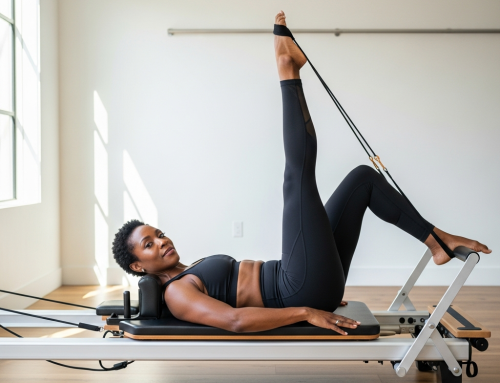
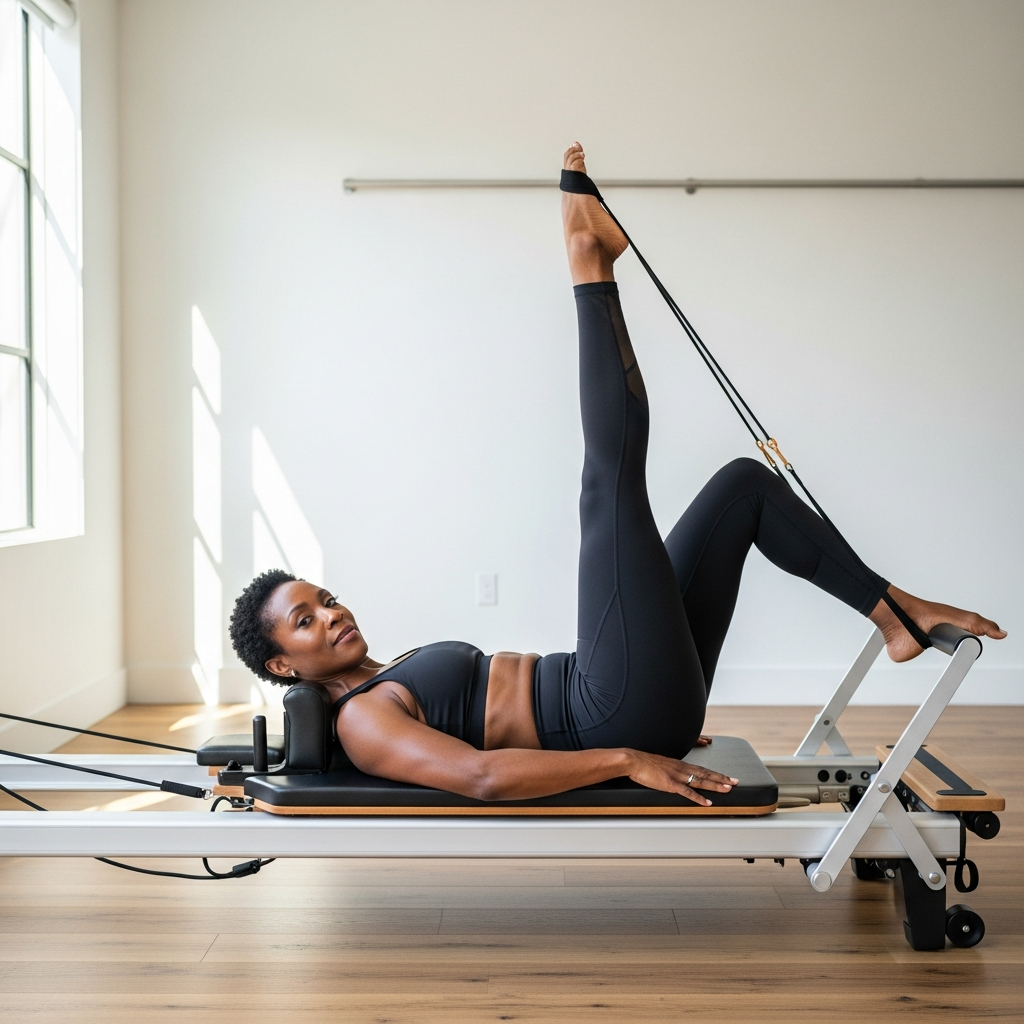
Here’s something that might surprise you: the fanciest equipment doesn’t automatically mean the best class. Sure, those sleek Reformer machines look impressive (and they can be amazing), but I’ve seen incredible mat classes in community centers that outshine boutique studios with all the bells and whistles.
What really matters is cleanliness, proper maintenance, and enough space to move without accidentally kicking your neighbor. Equipment should feel stable – not like you’re trying to exercise on a wobbly shopping cart. And speaking of space, you shouldn’t feel like you’re playing Tetris with other people’s limbs during class.
The Instructor’s Teaching Style – Finding Your Match
Every instructor has their own flavor, and honestly, it’s a bit like dating. Some are drill sergeants who’ll push you to your limits with military precision. Others are more zen-like, focusing on breath and mindful movement. Neither approach is wrong, but one might click better with your personality.
Pay attention to how they explain movements. Do they use imagery that helps you understand what your body should be doing? The best instructors paint pictures with their words – “imagine you’re hugging a beach ball” or “pretend there’s a string pulling the crown of your head toward the ceiling.”
Class Size and Atmosphere – The Social Factor
This is where things get interesting… Some people thrive in larger classes where they can blend into the background and figure things out at their own pace. Others need smaller groups where they can get more individual attention. There’s no right answer here – it’s really about what makes you feel comfortable and motivated.
But here’s what I’ve noticed: the magic often happens in classes where people aren’t competing with each other. You want that supportive atmosphere where someone struggling with a movement gets encouragement, not side-eyes. It’s like the difference between a warm family dinner and an awkward business lunch.
Progression and Challenge – The Growth Factor
A solid Pilates program should feel like it’s growing with you. Classes that stay exactly the same week after week might feel comfortable, but they won’t help you build strength or improve your movement patterns over time.
Look for instructors who remember where you were last week and can offer appropriate progressions. Maybe last month you were doing modified planks on your knees, and now you’re ready to try the full version. That progression – that sense of getting stronger and more capable – is what keeps people coming back for years.
The best classes leave you feeling both worked out and energized, not completely wiped out or like you barely moved. It’s that particular kind of tiredness that comes from using muscles you forgot you had, combined with a weird sense of standing taller and breathing deeper.
Check Out the Instructor’s Background (Beyond Just Certifications)
Sure, you want someone who’s certified – but here’s what most people don’t think to ask: How long have they been teaching specifically? There’s a huge difference between someone who got certified six months ago and someone who’s been guiding bodies through movement for five years.
Ask about their training background. Did they go through a comprehensive program like Romana’s Pilates or BASI? Or was it more of a weekend certification? Neither is inherently bad, but you deserve to know what you’re getting. The best instructors I’ve met often have multiple certifications and continue learning… they’re the ones who light up when they talk about a recent workshop they attended.
Test the Waters with Class Sizes
Here’s something nobody tells you: the perfect class size isn’t always the smallest one. Yes, you want individual attention, but sometimes a class with 8-10 people has better energy than one with just 3. What matters more is the instructor’s ability to watch everyone effectively.
During your trial class (and you should absolutely do a trial), notice this – can the instructor catch and correct form issues while keeping the flow going? Do they remember your name by the end? If you’re struggling with an exercise, do they offer modifications without making you feel singled out?
Small classes mean higher prices, but they’re worth it if you’re dealing with injuries or you’re completely new to movement. Larger classes work great once you’ve got the basics down.
Look for Real Equipment, Not Just Reformer Machines
This might sound obvious, but you’d be surprised how many “Pilates studios” in Mesquite have one lonely reformer and call it good. A well-equipped studio should have reformers, yes, but also towers, chairs, barrels, and plenty of props.
Why does this matter? Because your body will eventually need variety. Those springboard exercises that seem impossible now? They’ll become your favorites in six months. And honestly… studios that invest in proper equipment usually invest in proper training for their staff too.
Pay Attention to How They Handle Modifications
Here’s where you separate the great instructors from the mediocre ones. During your first class, mention any physical limitations – even something minor like “my right shoulder’s been a bit tight lately.”
Watch their reaction. Do their eyes light up with the challenge of helping you work around it? Do they immediately start thinking through alternatives? Or do they look slightly panicked and tell you to “just do what feels comfortable”?
The best instructors treat modifications like puzzles they genuinely enjoy solving. They don’t just offer easier versions – they offer different versions that still challenge you appropriately.
Ask About Their Philosophy on Pain vs. Discomfort
This is crucial, especially if you’re considering Pilates for weight loss or rehabilitation. A good instructor should be able to articulate the difference between productive muscle fatigue and concerning pain. They should encourage you to work hard but never push through actual discomfort.
Red flag: instructors who dismiss your concerns or use phrases like “no pain, no gain.” Pilates should challenge you, absolutely, but it shouldn’t hurt. The right instructor will help you distinguish between muscles working hard and something being wrong.
Check Their Scheduling Flexibility
Life happens – especially when you’re juggling work, family, and trying to establish new healthy habits. Ask about their cancellation policy before you sign up for anything. Some studios in Mesquite are surprisingly rigid about this.
Look for places that understand real life. Can you reschedule within 24 hours? Do they offer makeup classes if you miss one? What happens if you get sick?
Also, check if they offer different class times throughout the week. Morning people and evening people are different creatures – make sure your schedule actually aligns with theirs.
Trust Your Gut About the Vibe
Here’s something that’s hard to quantify but absolutely matters: how does the space feel? When you walk in, do people seem happy to be there? Is there laughing during classes, or does everyone look miserable?
The best Pilates studios have this weird combination of serious focus and genuine enjoyment. Students should be working hard but not grimacing through every exercise.
If the energy feels off – too intimidating, too casual, or just plain weird – trust that feeling. You’re going to be spending a lot of time in this space, potentially building relationships with these people. It should feel like somewhere you actually want to return to.
The Intimidation Factor – When Everyone Seems to Know What They’re Doing
Walking into a Pilates studio for the first time can feel like entering someone else’s party where you don’t know the secret handshake. Everyone’s chatting about their “powerhouse” and adjusting springs like they’ve been doing it since birth, while you’re standing there wondering if you’re even in the right place.
Here’s the thing – that confident-looking person who just effortlessly transitioned into teaser? She was exactly where you are six months ago. The instructor calling out moves you’ve never heard of? She remembers being confused by the terminology too.
The solution isn’t to fake it till you make it. Instead, look for studios that actively welcome beginners. When you call or visit, pay attention to how they respond to basic questions. Do they seem annoyed that you don’t know what a reformer is, or do they light up at the chance to share their passion? The right studio will make you feel like asking questions is part of the process, not an inconvenience.
The Equipment Maze – Reformers, Cadillacs, and Chairs, Oh My
Let’s be honest – Pilates equipment can look like medieval torture devices at first glance. Those springs, pulleys, and straps aren’t exactly intuitive, and the last thing you want is to get tangled up in the apparatus during your first class.
This is where your studio choice becomes crucial. Some places throw you onto a reformer with minimal instruction, assuming you’ll figure it out. Others – the good ones – understand that equipment familiarization is part of the learning process. They’ll take time during your first session to walk you through the basics: how to adjust the springs (and why it matters), where to place your feet, how to lie down without looking like you’re wrestling an octopus.
Don’t be shy about asking for a studio tour before committing. Watch how instructors help other newcomers. Are they patient when someone needs help adjusting equipment mid-class? Do they offer modifications when someone’s struggling? These observations tell you everything about whether this studio will support your learning curve.
The “Am I Doing This Right?” Spiral
You know that moment when the instructor says “engage your core” and you’re not entirely sure you even have one? Or when everyone else seems to be flowing through movements while you’re still figuring out which way is up? Yeah, that’s normal. Frustrating, but normal.
The reality is that Pilates has a learning curve steeper than your high school math class. Your body needs time to understand what these movements are asking for. Some people pick it up quickly; others (most of us, actually) need more time to connect the dots between what the instructor is saying and what our muscles are supposed to be doing.
Look for instructors who demonstrate modifications regularly – not just once at the beginning of class, but throughout. They should be scanning the room, catching confused expressions, and offering alternatives without making you feel singled out. The best instructors have this sixth sense about when to approach with a gentle adjustment or a whispered tip.
The Schedule Juggle – When Life Gets in the Way
Here’s what nobody tells you about starting Pilates: consistency is everything, but life is consistently inconsistent. You sign up with the best intentions, then work runs late, kids get sick, or you’re just too exhausted to contemplate any form of exercise.
Many studios have strict cancellation policies that can make you feel trapped rather than supported. Before committing, understand their flexibility. Some offer makeup classes, others have reasonable cancellation windows. A few even provide virtual options when you can’t make it in person.
Actually, that reminds me – ask about their class booking system. Is it user-friendly? Can you easily reschedule? Nothing kills motivation faster than fighting with technology when you’re trying to maintain a routine.
The Money Reality Check
Let’s talk about the elephant in the room – Pilates isn’t cheap. When you’re comparing studios, it’s tempting to go with the lowest price, but that often backfires. Cheap classes might mean larger class sizes, less personalized attention, or instructors who aren’t properly trained.
Instead of focusing solely on price per class, calculate the value. What’s included in your package? How qualified are the instructors? What’s the student-to-teacher ratio? Sometimes paying a bit more upfront saves you from having to start over at a different studio later.
Managing Your Expectations – Let’s Be Real
Here’s the thing about starting Pilates – your Instagram feed might be full of people effortlessly flowing through advanced moves, but that’s not where you’ll begin. And honestly? That’s perfectly fine.
Most people notice some changes in how they feel after about 2-3 weeks of consistent practice. I’m talking about sleeping better, maybe less back tension, or just feeling a bit more… stable when you walk. The visible stuff – stronger core, better posture, that “Pilates body” everyone talks about – that typically shows up around the 8-12 week mark if you’re going 2-3 times per week.
Joseph Pilates himself said you’d feel better in 10 sessions, look better in 20, and have a completely new body in 30. While that sounds neat and tidy, real life is messier. Some days you’ll leave class feeling like you conquered the world. Other days? You might wonder if you’ve forgotten how to breathe properly during a simple exercise you did perfectly last week.
That’s completely normal, by the way. Your body is literally rewiring itself – building new movement patterns, strengthening muscles you probably forgot you had, and developing what instructors love to call “proprioception” (basically, your body’s GPS system).
Your First Month Game Plan
Don’t go crazy and sign up for daily classes right out of the gate. Trust me on this one – I’ve seen too many enthusiastic beginners burn out by week three because they treated Pilates like a sprint instead of… well, a lifestyle shift.
Start with 1-2 classes per week for the first month. Your body needs time to process what it’s learning, and honestly, you’ll probably be sore in places you didn’t know could BE sore. That’s your deep stabilizing muscles waking up from their long nap.
During these first few weeks, focus on showing up consistently rather than performing perfectly. You’re going to modify exercises – probably a lot. You might feel uncoordinated (join the club). The person next to you might make everything look effortless while you’re concentrating so hard on “neutral spine” that you forget to breathe.
Actually, speaking of breathing – that’s probably the hardest part for most beginners. Don’t stress if you can’t coordinate the breath patterns right away. Just keep breathing. Your instructor would much rather see you breathing normally than turning blue trying to master the “correct” inhale-exhale timing.
Building Your Routine
After that first month, if you’re feeling good and want to increase frequency, go for it. Many people find their sweet spot at 2-3 classes per week – enough to see steady progress without overwhelming their schedule or budget.
Here’s something nobody tells you – consistency beats intensity every single time. Going twice a week for six months will get you much further than going every day for three weeks and then burning out. It’s like learning a language – little and often wins.
You might also want to mix class types as you get more comfortable. Maybe start with beginner or foundation classes, then add in some mat work or equipment sessions. Different formats work different aspects of the method, and variety keeps things interesting.
When to Level Up (And When Not To)
Most studios will let you know when you’re ready for intermediate classes, but here’s a rough timeline – you’ll probably want to stick with beginner-friendly options for at least 2-3 months. Even then, there’s no shame in continuing with foundational classes. Some of my strongest clients still take beginner classes because they love focusing on the basics.
The equipment classes (reformer, chair, tower) usually require a bit more experience – maybe 4-6 weeks of mat work under your belt. But every studio is different, and some offer beginner equipment classes right from the start.
Setting Yourself Up for Success
Book your classes in advance. I know, I know – it feels like a commitment. But life has a way of getting busy, and if you wait until the day of to decide whether you feel like going… well, Netflix usually wins that battle.
Also, don’t expect to love every single class or click with every instructor immediately. Give yourself permission to try different teachers and formats until you find what resonates. Some people thrive with tough-love instructors, others prefer gentle guidance. Some love the precise equipment work, others prefer the flowing mat classes.
The goal isn’t to become a Pilates perfectionist – it’s to find sustainable movement that makes you feel stronger, more balanced, and maybe a little more confident in your own skin.
Finding Your Perfect Pilates Match
You know what? Choosing the right Pilates class doesn’t have to feel overwhelming – even though it probably does right now. I get it. You’re standing at the edge of something new, maybe feeling a little uncertain about whether you’ll fit in or if you’re “Pilates material” (spoiler alert: you absolutely are).
The truth is, every single person who walks into their first class has those same butterflies. Will I be flexible enough? Strong enough? Will everyone be wearing perfectly coordinated workout sets while I’m in my old yoga pants? Here’s the thing – none of that actually matters. What matters is finding that sweet spot where you feel challenged but not defeated, supported but not babied.
Think of it like finding the perfect coffee shop. You want skilled baristas who know their craft, a welcoming atmosphere that makes you want to come back, and let’s be honest… you want to feel like you belong there. The same goes for your Pilates instructor and studio. They should make you feel seen, heard, and genuinely cared for – not like just another body filling a spot in class.
And here’s something I’ve learned from watching countless people transform their relationship with movement: the “perfect” class isn’t necessarily the most advanced one or the one with the fanciest equipment. It’s the one where you consistently show up, where you feel safe to stumble (because you will, and that’s completely normal), and where you leave feeling just a little bit stronger than when you walked in.
Don’t forget to trust your instincts, either. If something feels off during that trial class – maybe the instructor seems distracted or the environment feels too competitive – listen to that voice. Your gut usually knows what’s right for your body and your goals, even when your mind is spinning with all the options.
The beautiful thing about Pilates is that it meets you where you are. Whether you’re dealing with chronic pain, recovering from an injury, or simply wanting to move your body in a more mindful way… there’s a class out there that’s going to feel like home.
You Don’t Have to Figure This Out Alone
If you’re still feeling uncertain about where to start – or if you’re wondering how Pilates might fit into your broader wellness goals – we’re here for you. Sometimes it helps to talk through your concerns with someone who understands both the fitness landscape and the unique challenges you might be facing.
Our team knows that movement is deeply personal, and we’d love to help you think through what kind of support would serve you best. Whether that’s connecting you with trusted local instructors, helping you understand how different movement practices complement your health goals, or simply being a sounding board for your questions…
Give us a call. No pressure, no sales pitch – just real conversation about what you need and how we might be able to help you get there. Because here’s what I truly believe: everyone deserves to feel strong, capable, and completely at home in their own body.