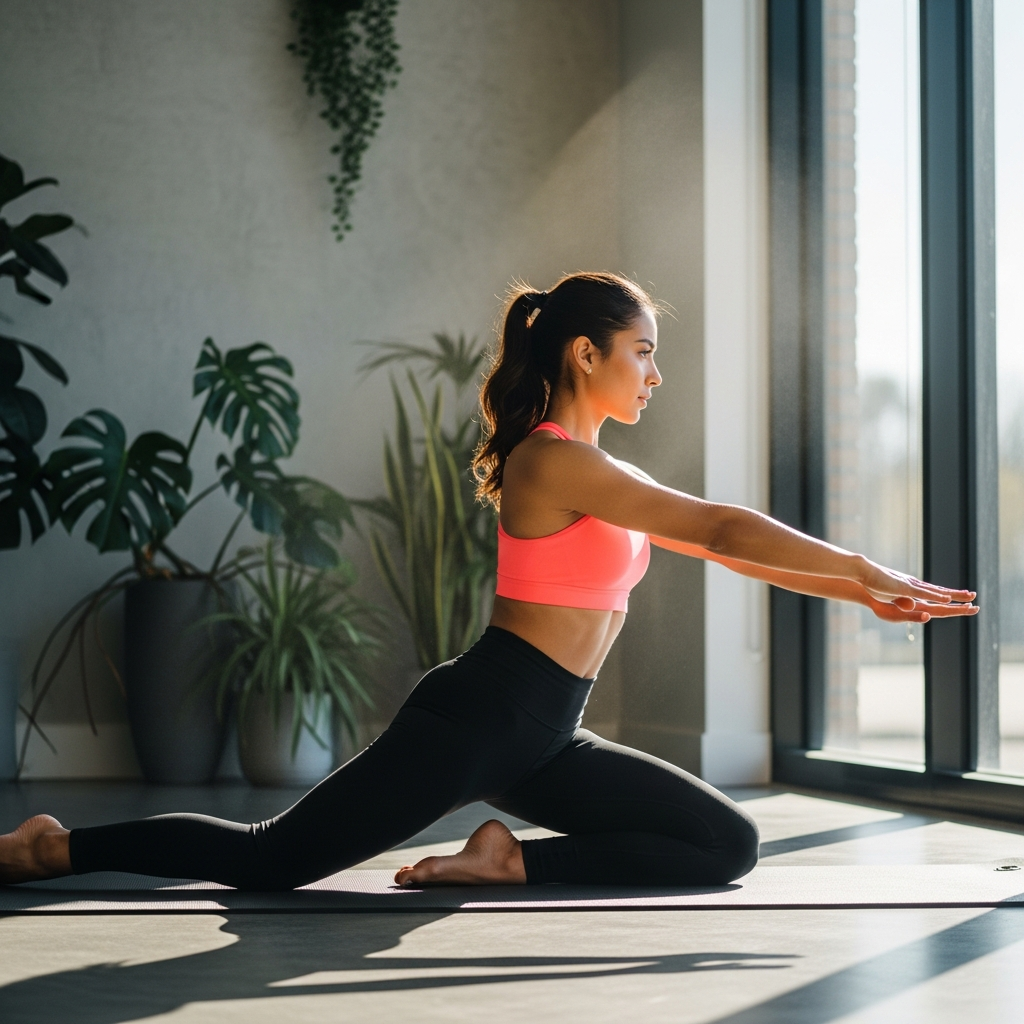
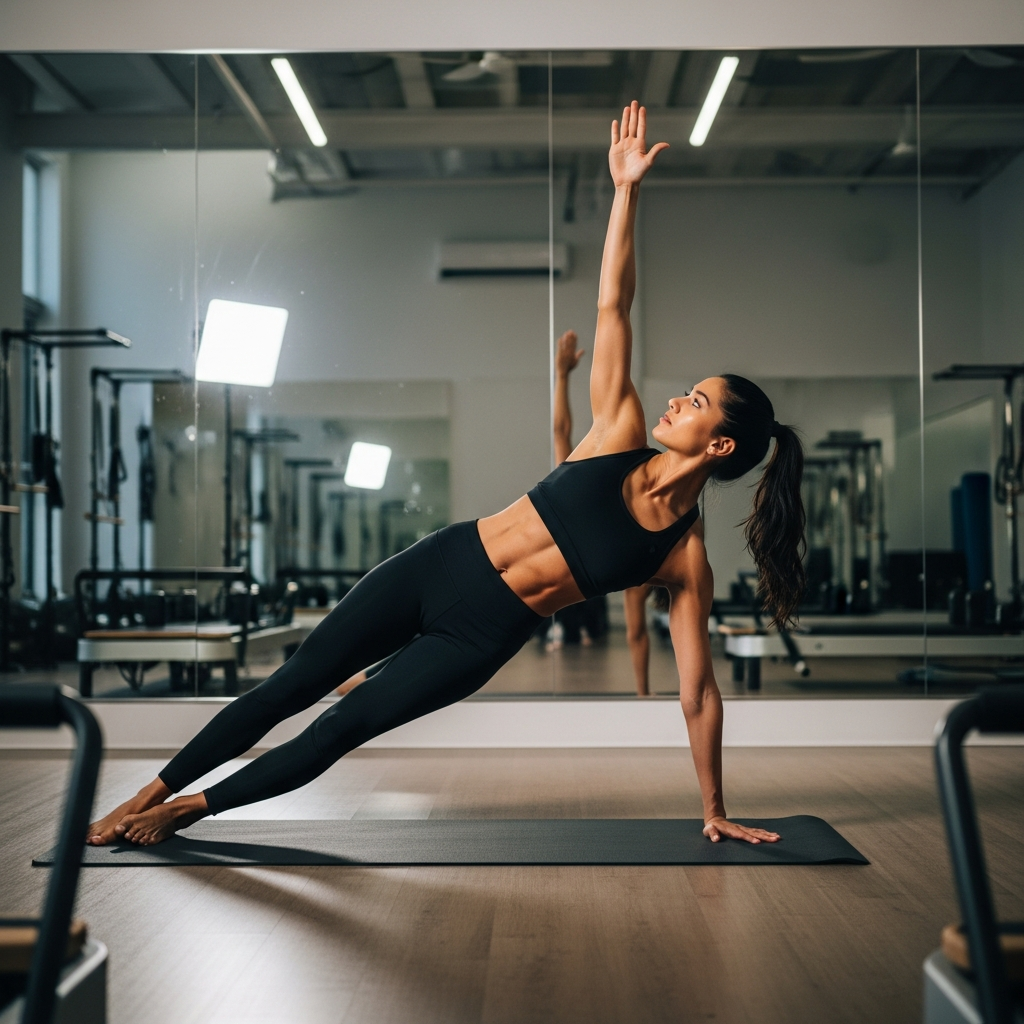
What Should I Wear to a Pilates Class in Fort Worth?
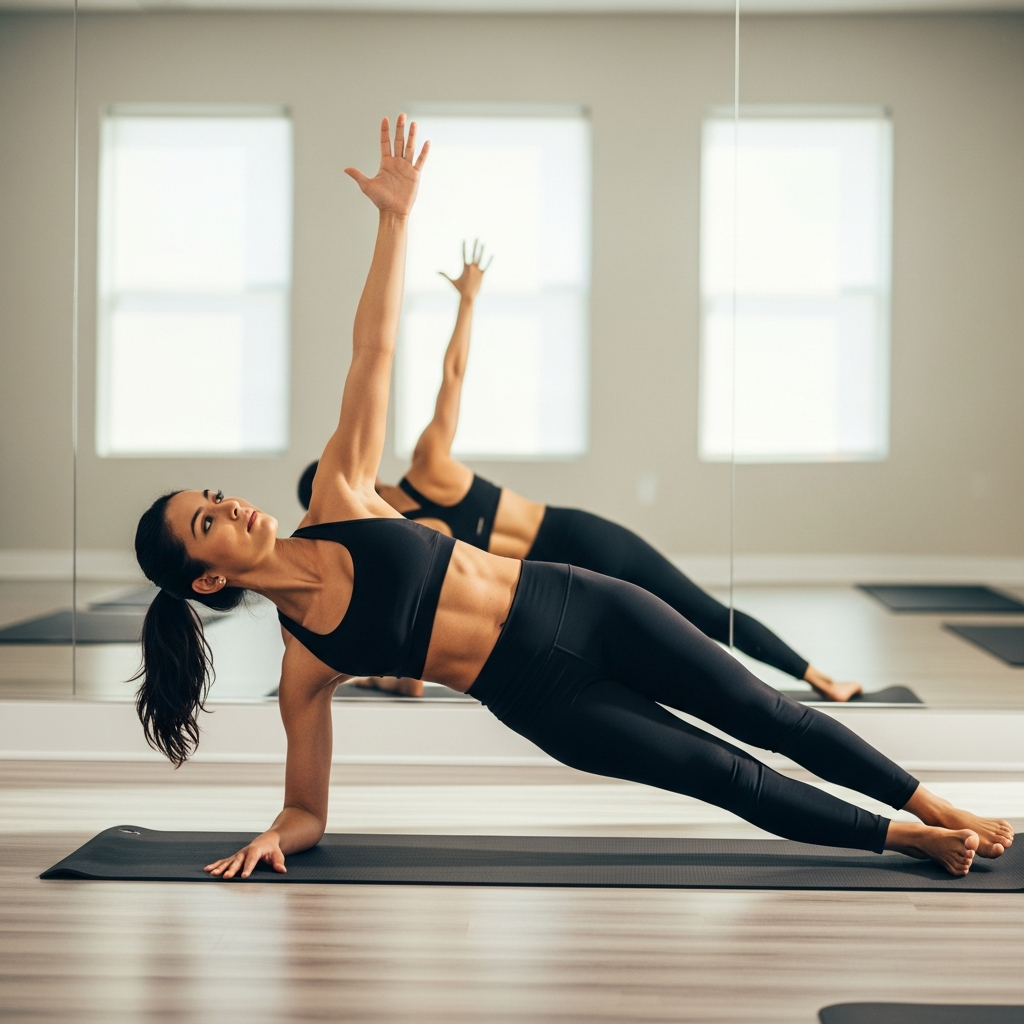
There you are, standing in your closet at 6:45 AM, staring at a pile of workout clothes like they’re hieroglyphics. Your first Pilates class in Fort Worth starts in thirty minutes, and you’re having what can only be described as a fashion panic attack. Should you go with those baggy basketball shorts? The super-tight leggings that might split during a roll-up? Or maybe that cotton t-shirt that’ll probably soak through the moment you start sweating in this Texas heat?
Sound familiar?
You’re not alone in this predicament. I’ve watched countless newcomers shuffle into Pilates studios wearing everything from oversized hoodies (rookie mistake in August in Fort Worth) to those slippery athletic shorts that have a mind of their own during leg circles. And honestly? What you wear to your first – or fiftieth – Pilates class can make or break your experience.
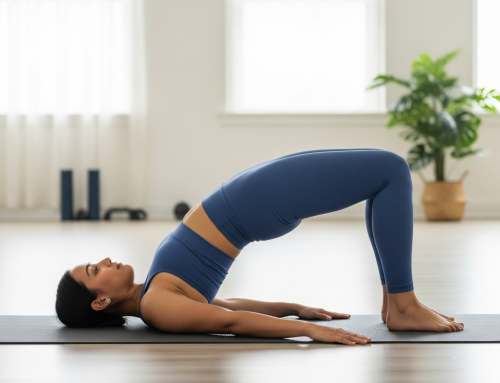
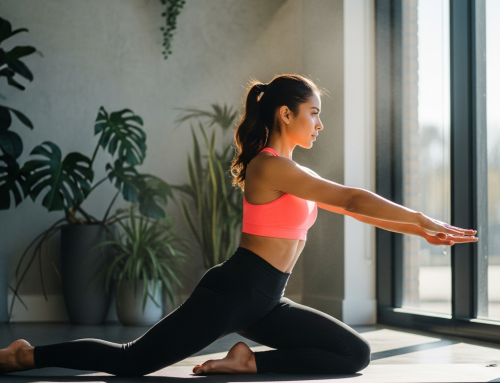
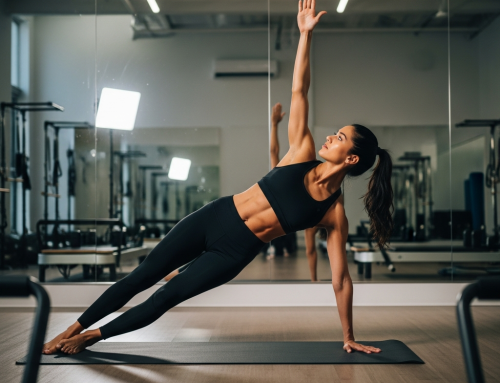
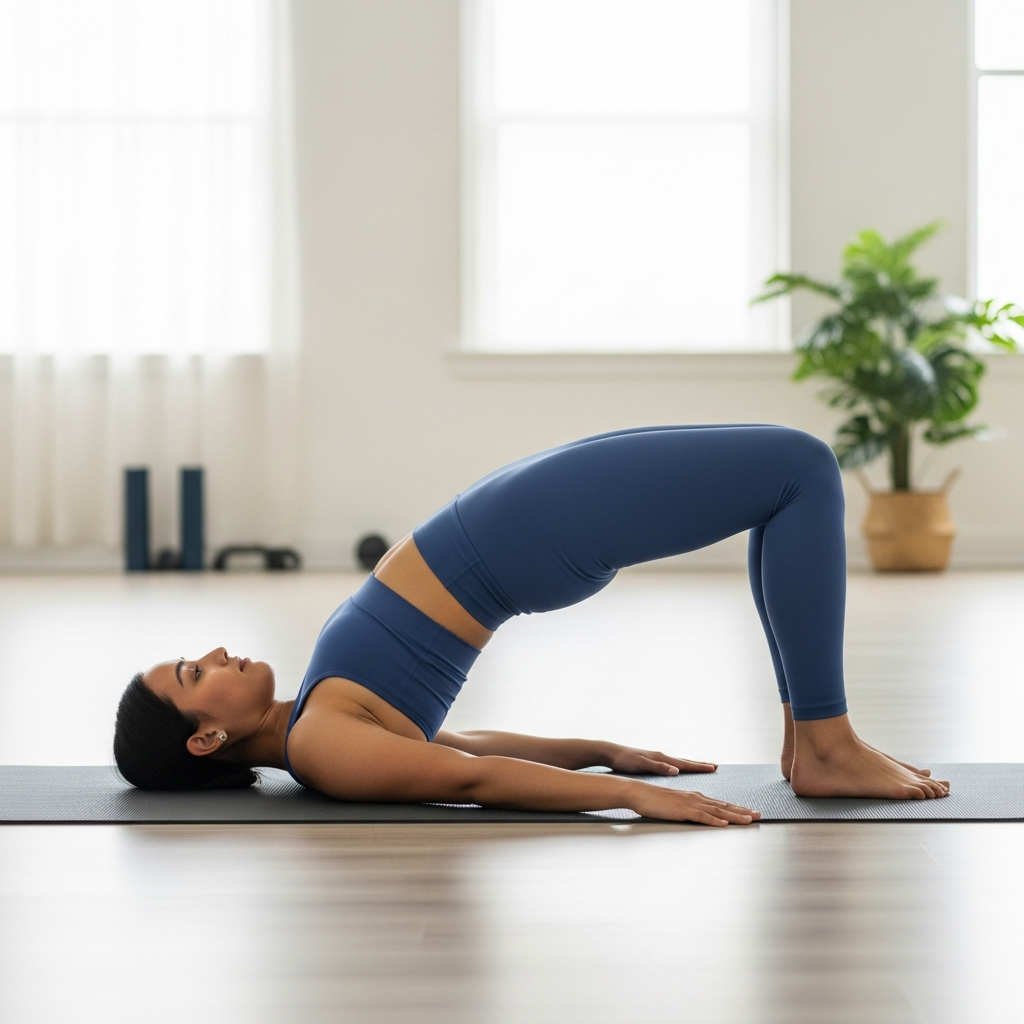
Here’s the thing about Pilates that makes it different from, say, hitting the treadmill or lifting weights… You’re going to be moving in ways your body probably hasn’t moved since you were a kid on a playground. You’ll be rolling, twisting, balancing on one leg, and possibly finding yourself upside down on a reformer. Your clothes need to move with you, not against you.
But it’s not just about functionality – though that’s huge. It’s about confidence. You know that feeling when your shirt rides up every time you raise your arms? Or when you’re constantly tugging at waistbands that won’t stay put? Yeah, that’s mental energy you could be using to actually focus on your form, your breathing, and getting the most out of your session.
And let’s talk about Fort Worth specifically for a second. This isn’t some climate-controlled bubble where the weather never matters. Whether you’re hitting a studio in the Cultural District, near TCU, or out in Southlake, you’re dealing with Texas temperatures that can swing from surprisingly cool mornings to blazing afternoons faster than you can say “hundred degrees in the shade.” Your clothing choices need to account for this reality.
I remember talking to Sarah, one of our clients who’d been avoiding Pilates classes for months because she couldn’t figure out what to wear. She’d tried yoga classes in loose-fitting clothes and spent half the time readjusting her top during downward dog. She’d done spin classes in tight everything and felt self-conscious the entire time. Pilates felt like this mysterious middle ground where nothing in her athletic wardrobe seemed quite right.
The good news? Once you crack the code on Pilates attire, you’ll wonder why you ever stressed about it. It’s actually pretty straightforward when you know what to look for. And the even better news is that you probably already own some pieces that’ll work perfectly – you just need to know how to put them together.
We’re going to walk through exactly what works and what doesn’t, from the foundation pieces that’ll serve you well in any Fort Worth studio to the specific considerations for different types of Pilates classes. Mat work versus reformer sessions? Different needs. Barre-Pilates fusion? That’s its own thing entirely.
You’ll discover why certain fabrics are your best friend and others are basically workout sabotage. We’ll talk about the shoe situation (spoiler alert: it’s simpler than you think), accessories that actually matter versus the ones that are just marketing fluff, and how to dress for those temperature swings that make Fort Worth… well, Fort Worth.
Plus, we’ll tackle the real questions nobody talks about – like what to do when your favorite workout leggings decide to become see-through mid-class, or how to avoid that awkward moment when your shorts ride up during leg exercises.
By the time we’re done, you’ll have a foolproof formula for Pilates class attire that works for your body, your budget, and your Fort Worth lifestyle. No more closet stare-downs at dawn, no more fashion anxiety derailing your fitness goals.
Ready to get dressed for success? Let’s figure this out together.
Why Your Outfit Actually Matters More Than You Think
You know how some people say “clothes don’t make the person”? Well… they’ve clearly never tried doing a teaser in jeans that are too tight. Your Pilates outfit isn’t just about looking cute in the mirror (though that’s a nice bonus) – it’s actually your workout partner.
Think of it this way: if your car’s alignment is off, you’re fighting the steering wheel the whole drive. Same thing happens when your clothes are working against your body instead of with it. That sports bra that seemed fine at the store? It might turn into a medieval torture device halfway through your roll-up sequence.
The Fort Worth Factor
Here’s something that might surprise you – location really does matter when it comes to Pilates gear. Fort Worth isn’t exactly known for its mild weather, and that Texas heat can turn your cute little workout top into a sweaty mess faster than you can say “hundred prep.”
Most Fort Worth studios keep their rooms pretty comfortable, but you’ll still work up more of a sweat than you might in, say, a yoga class. Plus, you’re moving between floor work, standing exercises, and potentially reformer work – your clothes need to handle all of that without riding up, falling down, or generally misbehaving.
And let’s be honest… if you’re driving to class in 95-degree heat, you want something that breathes. Nothing worse than feeling sticky before you even start.
Understanding Pilates Movement
This is where it gets interesting. Pilates looks gentle from the outside – all those controlled, flowing movements. But your body is actually going through an incredible range of motion. You’re folding forward, extending backward, twisting side to side, and doing things that would make a pretzel jealous.
Your outfit needs to move with you through all of this. When you’re doing rolling like a ball (yes, that’s actually an exercise name), your shirt can’t bunch up around your ribs. During single-leg stretches, your shorts better not have any opinions about staying put.
Here’s what trips people up: Pilates isn’t high-impact like running, so you might think any old t-shirt will do. But it’s actually more demanding on your clothes in some ways because of all that stretching and positioning.
The Grip Factor
Something most people don’t think about until they’re sliding around like a penguin on ice… grip matters. A lot.
Pilates involves a ton of floor work, and not all studios have the stickiest mats. Your clothes can either help you stay put or turn you into a human slip-n-slide. Smooth, silky fabrics might feel luxurious, but they’re not doing you any favors when you’re trying to hold a plank.
On the flip side, some fabrics grip too much. I’ve seen people get stuck mid-roll because their cotton shirt decided to become one with the mat. It’s like trying to do Pilates in velcro – not ideal.
The Distraction Dilemma
Let’s talk about something nobody really wants to admit: wardrobe malfunctions. They happen, and they’re mortifying. But more than that, they completely derail your focus.
You know that feeling when your sock starts sliding down inside your shoe during a walk? Suddenly that’s all you can think about. Same thing happens in Pilates if your clothes aren’t cooperating. You’re supposed to be connecting with your powerhouse (that’s Pilates-speak for your core), but instead you’re worried about whether your top is staying put during those roll-downs.
The mental game in Pilates is huge. You’re learning to move with precision and control, which requires serious concentration. The last thing you need is half your brain power devoted to clothing management.
Beyond the Obvious
Here’s something that might sound weird: your clothes actually affect how you move. Too-tight leggings can restrict your hip mobility. A loose top can make you self-conscious about inversions. Even the wrong undergarments can throw off your alignment.
It’s like trying to write with a pen that skips – technically possible, but you’re fighting your tools instead of using them. Your workout clothes should disappear into the background, letting you focus on the work itself.
And honestly? When you feel good in what you’re wearing, you move differently. More confidently. You’re willing to try that challenging exercise instead of shrinking back because you’re worried about how you look.
The Temperature Game: Dressing for Fort Worth’s Climate-Controlled Studios
Here’s something most people don’t think about until they’re sweating through their cotton t-shirt – Fort Worth studios keep things cooler than you’d expect. We’re talking 68-72 degrees, which feels arctic when you first walk in from that Texas heat, but trust me… you’ll be grateful once you’re holding a plank for what feels like eternity.
Start with breathable layers. A lightweight tank with a zip-up hoodie works perfectly – you can peel off that outer layer once your body warms up. And here’s a pro tip I learned the hard way: avoid anything with zippers or hardware on the back. You’ll spend half the class adjusting your top during spine work.
Your Feet Matter More Than You Think
This might surprise you, but most Fort Worth studios actually prefer you go barefoot. The grip on reformer footbars and stability during mat work? So much better without socks. But – and this is important – if you absolutely need something on your feet, invest in proper grip socks. Those little rubber dots aren’t just decoration.
I’ve seen people slip during single-leg stretches wearing regular socks, and it’s not pretty. Toesox or similar brands run about $15-20, but they’re worth every penny. Plus, let’s be honest… some studios have better floor cleaning protocols than others, so grip socks give you that peace of mind.
The Fabric Choice That Changes Everything
Cotton feels comfortable, but it becomes your enemy about fifteen minutes into class. Once it gets damp (and it will), cotton stays wet and gets heavy. You’ll spend more time adjusting your clothes than focusing on your form.
Moisture-wicking blends – think athletic wear from Target, Athleta, or even Amazon basics – pull sweat away from your skin. The difference is night and day. Look for fabrics with spandex or elastane for that four-way stretch. You’re going to be moving in ways your body isn’t used to, especially in those pretzel-like reformer positions.
The Undergarment Strategy Nobody Talks About
Sports bras are non-negotiable, obviously. But here’s what the studios won’t tell you – go for medium support unless you’re doing jump board work. Too much compression and you’ll feel restricted during breathing exercises. Too little and… well, you know.
For bottoms, seamless underwear or none at all works best under fitted leggings. Visible panty lines aside, bunchy fabric creates pressure points when you’re lying on the reformer for extended periods. Trust me on this one.
What to Skip (And Why Your Instructor Will Thank You)
Leave the jewelry at home – especially rings and bracelets. They catch on springs, scratch equipment, and dig into your hands during weight-bearing exercises. I once watched someone’s wedding ring get completely stuck in a reformer spring. Awkward doesn’t begin to cover it.
Skip perfume or heavy lotions too. Fort Worth studios are smaller spaces, and when everyone’s breathing deeply… well, you get the picture. Plus, lotion makes your hands slip on the equipment.
The Gear You Actually Need (Hint: It’s Less Than You Think)
Most studios provide everything – mats, props, towels. But bring a water bottle. Dehydration hits faster than you’d expect, especially if you’re coming from outside in Texas heat.
A small towel for your hands can be helpful during longer reformer sessions. Some people’s hands get sweaty (it’s normal!), and a quick wipe keeps your grip secure.
The Fort Worth Studio Reality Check
Here’s something specific to our area – many studios here are in converted warehouse spaces or older buildings. That means… interesting climate control. The morning classes tend to run cooler, afternoon sessions can get warm even with AC cranking.
If you’re doing evening classes in summer, expect the studio to feel warmer regardless of air conditioning. Plan accordingly with lighter fabrics and maybe skip that extra layer altogether.
Your First Class Survival Kit
For your debut, wear something you’ve exercised in before. This isn’t the time to test out brand new leggings or sports bras. Stick with tried-and-true pieces so you’re not distracted by fit issues.
Bring a hair tie even if your hair’s short – you’d be surprised how often you’ll want to get it completely off your face during floor work. And here’s a insider secret: most instructors keep spare hair ties on hand because it’s such a common need.
The bottom line? You don’t need expensive gear to start. Comfortable, breathable clothes that let you move freely are really all you need to discover whether Pilates becomes your new obsession.
When Your Clothes Betray You Mid-Workout
You know that moment when you’re holding a plank and suddenly realize your shirt is slowly creeping up your back? Or when you’re in a roll-up and your pants decide to… well, let’s just say they’re not rolling up with you. These wardrobe malfunctions aren’t just embarrassing – they’re distracting when you’re trying to focus on your form.
The solution isn’t buying the most expensive gear (though quality helps). It’s understanding how different fabrics behave. Cotton feels comfortable initially, but it stretches out and loses its shape after about ten minutes of movement. You’ll spend half the class tugging and adjusting. Instead, look for blends with at least 15-20% elastane or spandex – they’ll move with you and snap back into place.
For tops, the “bend-over test” is your friend. Lean forward like you’re touching your toes in the store. Can you see your sports bra? Does the fabric gap at the neckline? If yes, size down or try a different cut. High-neck tanks or fitted tees with longer torsos are game-changers for this.
The Great Sports Bra Dilemma
Let’s be real – finding the right sports bra is like dating. You might have to try a lot of wrong ones before you find “the one.” And what worked for running or yoga? Might not work for Pilates.
Here’s the thing about Pilates: you’re constantly moving through different positions – lying down, sitting up, twisting, inverting. Your sports bra needs to support you through all of these without cutting off circulation or creating that dreaded “uniboob” effect.
Medium support usually does the trick unless you’re particularly well-endowed (in which case, high support is your friend). But here’s what most people don’t consider – the band. It should be snug enough that it doesn’t ride up when you raise your arms overhead, but not so tight that it leaves marks that look like you’ve been wearing a corset.
Try this: put your bra on and reach your arms up like you’re celebrating a touchdown. Does the band stay put? Good. Now twist side to side. Any uncomfortable digging or shifting? Keep shopping.
Shoe Confusion (Or Lack Thereof)
This one trips up newcomers constantly. “Should I wear sneakers? What about those grippy socks I see on Instagram?”
Most Pilates classes are barefoot affairs, but Fort Worth studios vary on their policies. Some require grip socks (those cute ones with the little rubber dots), others are fine with bare feet, and a few prefer you keep regular socks on for hygiene reasons.
Call ahead – seriously. There’s nothing worse than showing up in your perfect outfit only to discover you need $25 grip socks from the studio’s retail shelf. That said, if you plan to stick with Pilates, invest in a couple pairs of quality grip socks. They’re not just for looks – they actually help with stability and prevent slipping during moves like standing balance work.
The Jewelry Judgment Call
Here’s where practicality meets vanity, and trust me, I get it. You love your rings, your watch tells you everything about your day, and those earrings? They complete the outfit.
But Pilates involves lying on your back… a lot. That delicate necklace you’re wearing? It’s going to dig into your neck during roll-ups. Your rings will catch on the reformer springs (if you’re doing equipment work). And don’t get me started on dangly earrings getting caught in the mat during side-lying exercises.
The compromise: small stud earrings, maybe a thin wedding band, and skip everything else. I know it feels weird being “undressed” at first, but you’ll thank yourself when you’re not constantly fidgeting with accessories.
Size Anxiety and the Perfect Fit
This is the big one – the thing nobody talks about openly. What if your clothes are too tight and everyone can see every bump and curve? What if they’re too loose and you spend the whole class feeling frumpy?
Here’s some hard-earned wisdom: clothes that are slightly too big are infinitely better than clothes that are too small. When fabric is straining, it shows everything – and not in a flattering way. Plus, you’ll be uncomfortable and distracted.
That said, swimming in fabric isn’t great either. You want clothes that skim your body – fitted but not clingy. Think about how you want to feel during class, not just how you want to look walking in.
Setting Realistic Expectations for Your First Few Classes
Let’s be honest – your first Pilates class probably won’t look like those Instagram videos. You know the ones… where everyone’s flowing gracefully through movements while looking like they’ve never broken a sweat in their lives? Yeah, that’s not reality for most of us.
Expect to feel a bit awkward at first. You might wobble during single-leg exercises, struggle to find your “neutral spine” (whatever that means initially), or realize your core isn’t quite as strong as you thought. That’s completely normal. Actually, if you’re not feeling challenged, you’re probably not doing it right.
Most people need about 4-6 classes to start feeling comfortable with basic movements and terminology. Don’t expect to master everything immediately – Pilates has this sneaky way of making simple movements feel incredibly difficult. That shake in your legs during a plank? That’s your muscles waking up and saying hello.
The good news about Fort Worth studios is they tend to be pretty welcoming to beginners. You won’t be the first person to ask “Wait, which way is my pelvis supposed to tilt?” Trust me on this one.
What Happens After You Walk Through Those Studio Doors
Most Fort Worth Pilates studios will start you with a brief intake conversation. They’ll ask about injuries, fitness goals, and any concerns. Don’t downplay that old back tweak or mention that your shoulder gets cranky sometimes – this information helps instructors modify movements for you.
Your instructor will likely show you around the equipment (if it’s an equipment-based class) and explain basic safety. Props like resistance bands, small balls, or blocks aren’t intimidating once you know what they’re for. Think of them as helpful tools, not torture devices.
During class, expect lots of cuing about breathing and alignment. It might feel like information overload at first – breathe here, engage there, lengthen this, stabilize that. Your brain will catch up, I promise. Just focus on one or two cues at a time rather than trying to perfect everything simultaneously.
The First Month Reality Check
Here’s what typically happens in your first four weeks
Week 1-2: Everything feels new and slightly confusing. You might be sore in places you forgot existed (hello, deep abdominal muscles). Your coordination might feel off – that’s your brain building new movement patterns.
Week 3-4: You’ll start recognizing exercise names and flowing a bit better. That constant mental chatter of “What am I supposed to be doing?” starts quieting down. You might even – dare I say it – begin to enjoy yourself.
Most people see initial improvements in posture and core awareness within the first month. Don’t expect dramatic physical changes yet, but you might notice standing taller or feeling more stable during everyday activities.
Building Your Pilates Wardrobe Gradually
You don’t need to buy everything at once. Start with basics – those well-fitted leggings, supportive sports bra, and comfortable top we discussed earlier. See what you actually need before investing in specialty items.
After a few classes, you might want to add grip socks (they really do make a difference) or a second set of workout clothes if you’re going twice a week. Some studios sell equipment and accessories, but there’s no rush to accumulate gear.
Finding Your Rhythm and Frequency
Most instructors recommend starting with 1-2 classes per week. This gives your body time to adapt without overwhelming your schedule or budget. Fort Worth has plenty of scheduling options – early morning, lunch hour, evening classes – so you can find what works with your life.
Consistency matters more than intensity. It’s better to attend one class weekly for three months than to go four times in two weeks and then burn out. Think of it as a gradual build-up, not a sprint.
When to Expect Real Changes
Be patient with yourself. Meaningful strength and flexibility improvements typically show up around the 8-12 week mark with consistent practice. That’s when people often say they feel notably stronger in their daily activities – climbing stairs feels easier, picking up groceries doesn’t strain their back, or they can play with their kids without getting winded.
Remember, Pilates is as much about quality of movement as quantity. You’re retraining your body to move more efficiently, and that takes time. But once it clicks? You’ll wonder how you ever lived without it.
You’ve Got This – And We’ve Got You
Listen, here’s the thing about showing up to your first Pilates class (or your hundredth, really) – you’re already doing the hardest part just by walking through those doors. The outfit? That’s honestly the easy part, even though it might not feel like it when you’re standing in your closet at 6 AM wondering if your yoga pants from 2019 are going to cut it.
They absolutely will, by the way.
The truth is, most people in that studio are way too focused on not falling over during single-leg circles to notice whether your top matches your leggings perfectly. We’re all just trying to figure out what our instructor means when they say “engage your powerhouse” while making it look effortless… which, let’s be honest, none of us are actually managing.
What matters most isn’t the brand on your waistband or whether you remembered to bring that fancy grip sock everyone raves about. It’s that you showed up for yourself. That you’re prioritizing movement that makes you feel stronger, more centered, more like the person you want to be. And in Fort Worth’s amazing Pilates community, you’ll find instructors and fellow students who get that – who understand that some days you show up in your best athletic wear feeling ready to conquer the world, and other days you roll in wearing whatever clean leggings you could find, just grateful you made it there at all.
Both versions of you are welcome. Both versions of you belong.
The beautiful thing about Pilates is how it meets you exactly where you are – whether that’s in designer activewear or Target basics, whether you’re feeling confident or a little wobbly, whether this is part of a bigger wellness plan or just something you’re trying because your friend dragged you along. The practice adapts to you, not the other way around.
And you know what? If you’re thinking about adding Pilates to your routine as part of a larger health and wellness goal – maybe you’re working on sustainable weight management, building strength, or just feeling more comfortable in your own skin – that’s something worth celebrating. Those goals take courage, and they deserve support that goes beyond just showing up to class.
Ready to Take the Next Step?
If you’re curious about how movement like Pilates can fit into a comprehensive approach to your health – one that honors where you’re starting from and supports where you want to go – we’d love to chat with you. Our team understands that lasting wellness isn’t about quick fixes or one-size-fits-all solutions. It’s about finding what works for your life, your body, your schedule.
Whether you have questions about getting started, want to explore how different types of movement can support your goals, or just need someone who understands the journey you’re on, we’re here. No pressure, no judgment – just real support from people who genuinely care about helping you feel your best.
Give us a call or drop by when you’re ready. We’ll be here, probably wearing our own favorite comfy athletic wear and ready to listen.