Fort Worth Mat Pilates vs Hot Pilates: Which Is Better?
You’re standing in the lobby of that cute new studio downtown, scrolling through class descriptions on their app while trying to look like you belong. Mat Pilates at 6 PM… or Hot Pilates at 6:30? Both promise to “transform your core” and “sculpt lean muscle” – but honestly, you’re just hoping to find something that doesn’t make you feel like a pretzel being twisted by a sadistic yoga instructor.
Sound familiar?
If you’re in Fort Worth and trying to navigate the surprisingly complex world of Pilates options, you’re definitely not alone. I mean, when did working out get so… complicated? Remember when exercise was just “go for a jog” or “do some sit-ups”? Now there are seventeen different types of Pilates, each with its own devoted following and contradictory claims about which one will finally give you the results you’re after.
Here’s the thing though – that confusion you’re feeling? It’s actually a good sign. It means you’re being thoughtful about your choices instead of just jumping into the first class that fits your schedule. And trust me, when it comes to Mat Pilates versus Hot Pilates, those choices can lead you down very different paths.
I’ve watched countless clients wrestle with this exact decision. There’s Sarah, who thought Hot Pilates would fast-track her results (spoiler alert: she spent most of her first class feeling dizzy and questioning her life choices). Then there’s Marcus, who assumed traditional Mat Pilates would be “too easy” and spent six months avoiding it – only to discover it was exactly what his perpetually tight hips needed.
The truth is, both Mat Pilates and Hot Pilates can be incredible tools for building strength, improving flexibility, and yes – even supporting your weight loss goals. But they’re different tools, kind of like comparing a precision screwdriver to a power drill. Both can help you build something beautiful, but you wouldn’t use them for the same job.
What makes this decision even trickier is that Fort Worth’s fitness scene has exploded in recent years. Drive down any major street and you’ll spot studios tucked into strip malls, converted warehouses, and those sleek new developments that seem to pop up overnight. Each one promises to be the answer to your fitness prayers… but which type of Pilates actually delivers?
Here’s what I’ve learned after years of helping people figure this out: the “better” option isn’t the one with the most Instagram-worthy poses or the most intense sweat session. It’s the one that fits your body, your goals, and – let’s be honest – your personality. Because there’s no point in signing up for classes you’ll dread attending.
Maybe you’re someone who thrives in heat – you know, the type who actually enjoys summer in Texas while the rest of us are hiding indoors. Hot Pilates might feel like coming home. Or perhaps you’re dealing with some health considerations that make extreme temperatures less than ideal. Traditional Mat Pilates could be your sweet spot.
Then again, you might be thinking about this all wrong. Maybe it’s not about choosing one or the other… but understanding when each approach makes sense for your current season of life.
Throughout this conversation – and yes, I’m calling it a conversation because that’s what it is – we’re going to dig into the real differences between these two approaches. Not just the obvious stuff (one’s hot, one’s not), but the subtle ways they affect your body differently. We’ll talk about what each style actually feels like when you’re in the thick of it, which one tends to deliver results faster, and honestly – which one is more likely to keep you coming back for more.
I’ll also share some insights from Fort Worth instructors who’ve watched students succeed (and struggle) with both approaches. Because sometimes the best advice comes from people who’ve seen it all – the good, the sweaty, and the occasionally catastrophic first attempts.
By the time we’re done here, you’ll have a clear sense of which style aligns with what you’re actually trying to accomplish. Not what you think you should want to accomplish, but what genuinely matters to you right now.
What Exactly *Is* Pilates, Anyway?
You know how everyone talks about Pilates like you should just… know what it is? But honestly, if you’re new to this world, it can feel like trying to decode a secret language. Let me break it down without all the fancy fitness-speak.
Pilates is basically a system of exercises that Joseph Pilates created back in the 1920s – and yes, that’s his actual last name, which feels almost too convenient, right? The whole thing focuses on strengthening your “powerhouse” (that’s Pilates-speak for your core), improving flexibility, and creating better body awareness. Think of it as yoga’s more structured, slightly obsessive cousin who really, really cares about proper alignment.
The beauty of Pilates lies in its precision. Every movement has a purpose, every breath matters, and – this is where it gets a bit counterintuitive – sometimes the slowest, smallest movements are the ones that’ll make you shake like a leaf. I’ve seen people who can deadlift twice their body weight struggle with a simple Pilates teaser. It’s humbling in the best possible way.
The Mat vs. Machine Split
Here’s where things get interesting (and maybe a little confusing). Traditional Pilates happens on these elaborate machines with springs, pulleys, and names like “Reformer” and “Cadillac” – which, let’s be honest, sounds more like a luxury car lineup than exercise equipment.
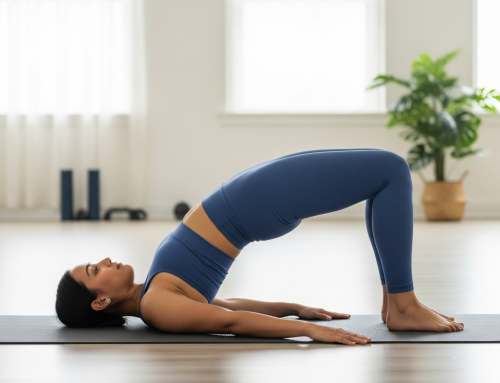
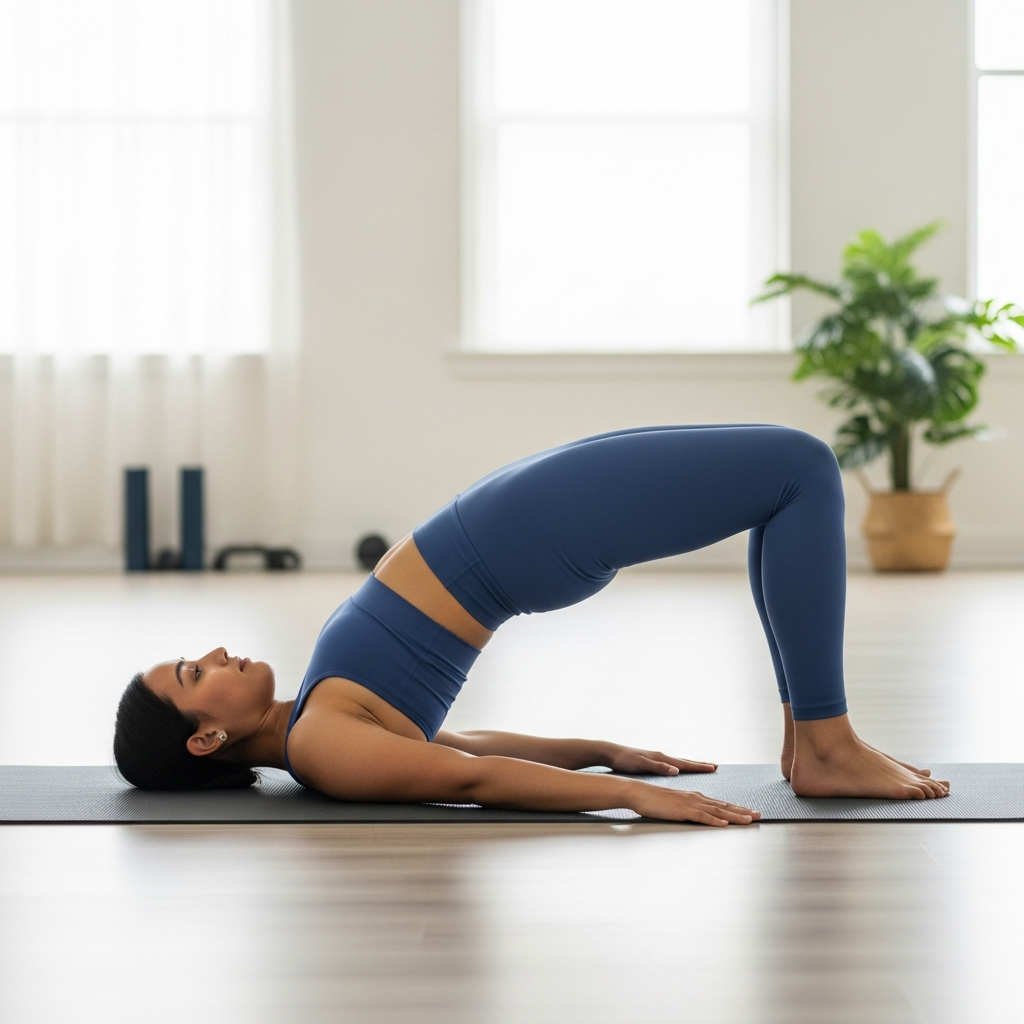
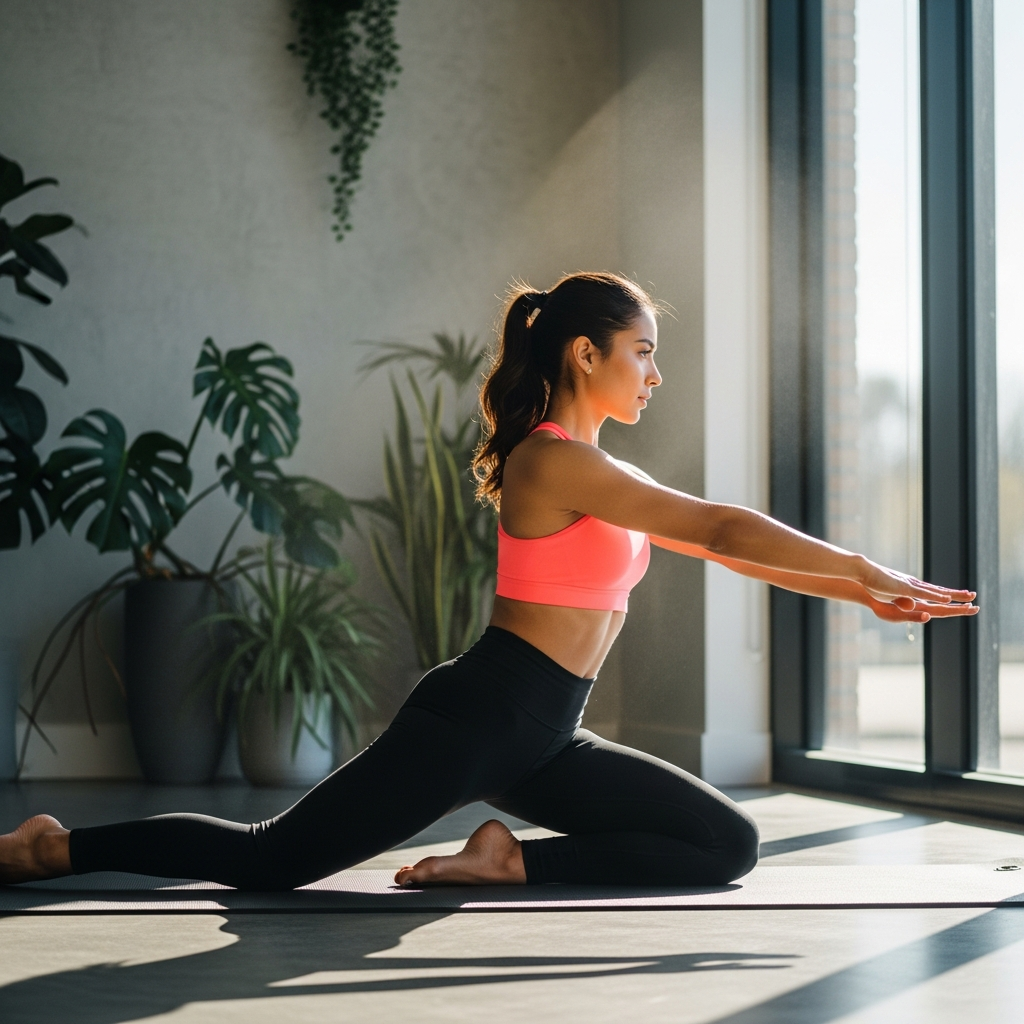
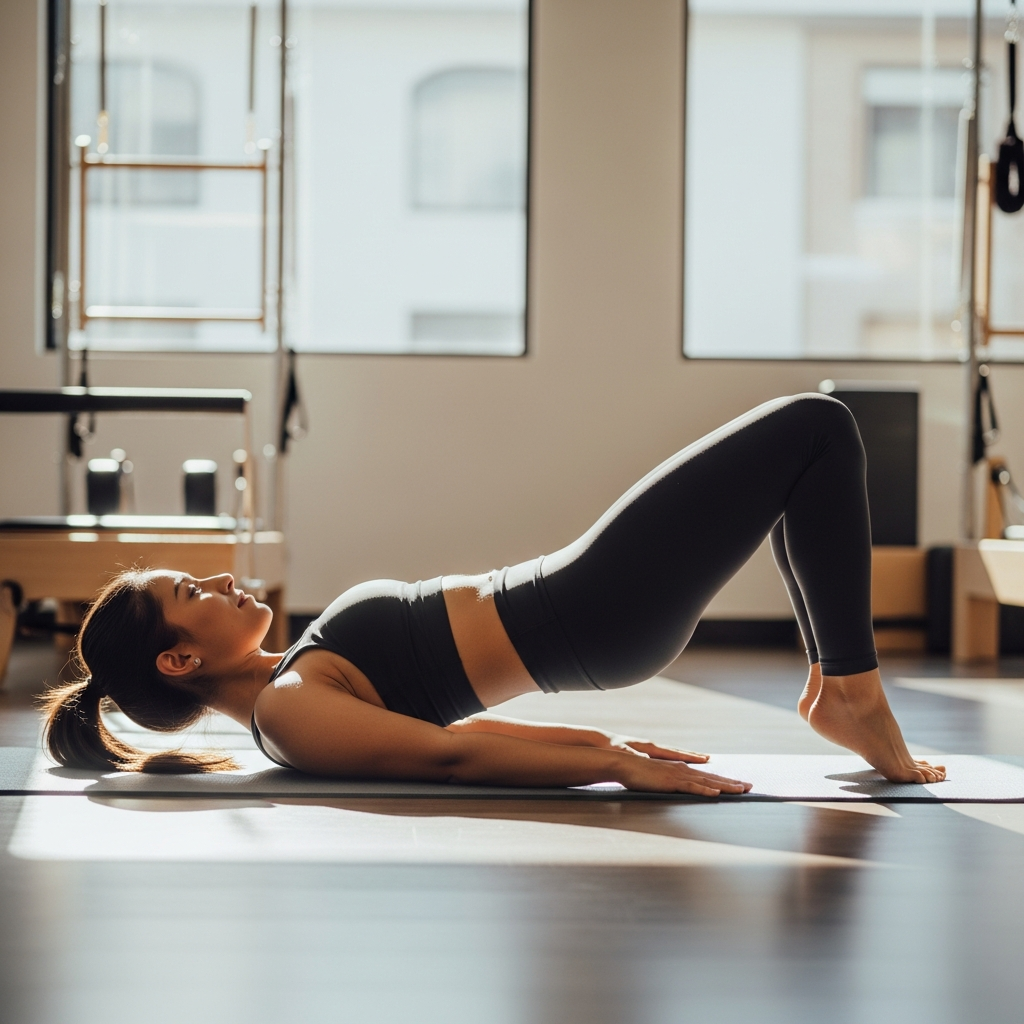
Mat Pilates strips all that away. It’s you, a mat, and gravity. That’s it. No springs to help you, no pulleys to guide your movement – just your body working against resistance you create yourself. Some people think this makes it easier, but… well, they’re wrong. It’s like the difference between having training wheels and riding a bike solo. Both get you where you’re going, but one requires a lot more balance and control.
The mat work was actually Joseph Pilates’ original vision – he developed the exercises for people who couldn’t afford fancy equipment or didn’t have access to a studio. Which means every time you roll out that mat in your living room, you’re getting back to the roots of the whole system.
Enter the Heat Factor
Now, about this whole “hot Pilates” thing – because I know that’s probably why you’re here, trying to figure out if sweating through your workout makes it better somehow.
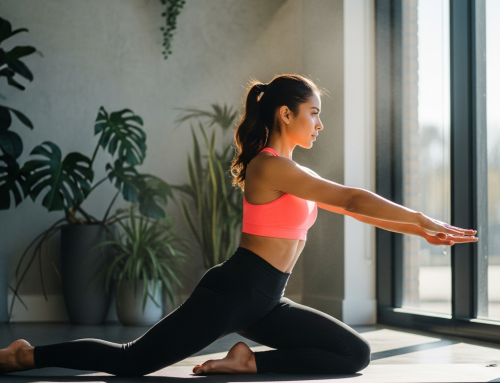
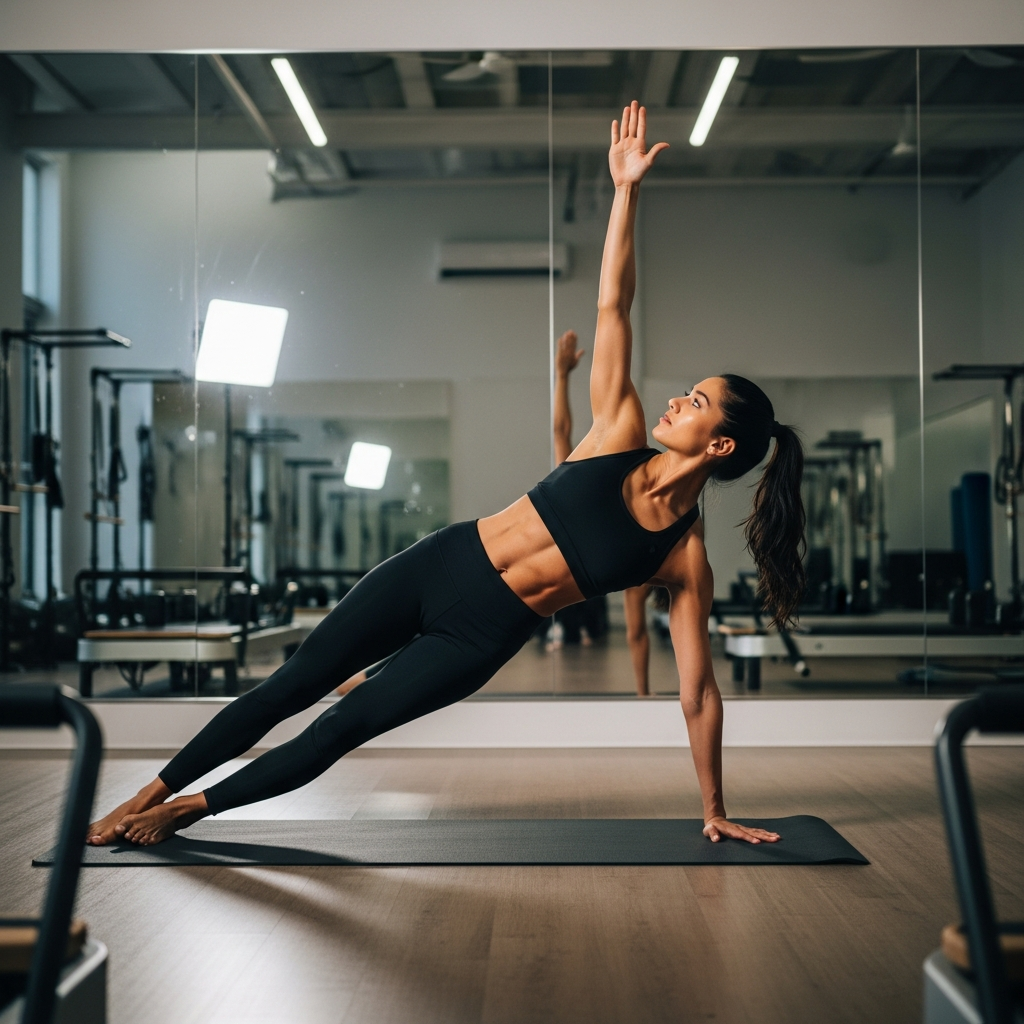
Hot Pilates takes regular mat Pilates and cranks up the thermostat to somewhere between 85-95 degrees. The idea? Heat supposedly helps your muscles relax and stretch deeper, kind of like how a warm towel feels amazing on sore shoulders. The increased temperature also gets your heart pumping harder – even during those slower, controlled movements.
But here’s the thing that might surprise you: traditional Pilates purists sometimes get a bit… twitchy about the hot trend. They argue that Pilates is supposed to be about precision and control, not about sweating buckets. It’s like adding pineapple to pizza – some people swear by it, others think it’s missing the whole point.
The Science Behind the Sweat
Let’s get real about what actually happens when you heat things up. Your body works harder to cool itself down, which means your heart rate increases even if you’re moving at the same pace. That translates to more calories burned – we’re talking potentially 20-30% more, depending on the temperature and your individual response.
The heat also increases blood flow to your muscles, which can help with flexibility. Ever notice how you feel stiffer on cold mornings? Same principle, just in reverse. Warmer muscles are generally more pliable, though – and this is important – they can also mask pain signals that might otherwise tell you to back off a movement.
The Mental Game Changes Too
Here’s something nobody really talks about: hot Pilates creates a completely different mental experience. Regular mat Pilates can feel meditative, almost zen-like. You’re focused inward, breathing deeply, moving with intention.
Hot Pilates? It’s more like… well, imagine trying to meditate while your body is constantly reminding you that it’s working overtime. Some people love that intensity – it keeps them present in a different way. Others find it distracting, like trying to focus on proper form while someone’s slowly turning up the heat in the room (which, technically, is exactly what’s happening).
The psychological boost from “surviving” a hot class can be pretty powerful too. There’s something satisfying about walking out drenched in sweat, feeling like you really pushed yourself – even if the actual workout wasn’t necessarily harder than the room-temperature version.
Reading Your Body’s Temperature Signals
Here’s something most studios won’t tell you – your body gives you pretty clear signals about which temperature environment works best for your goals. If you’re someone who feels energized and loose in a hot shower but dreads stepping into air conditioning, hot Pilates might be your sweet spot. But if you’re the type who thinks clearly in cool environments and gets sluggish in heat? Mat Pilates at room temperature is probably calling your name.
I’ve noticed that people who struggle with focus issues – ADHD, anyone? – often do better with the cooler, less stimulating environment of traditional mat work. The heat can be… well, overwhelming when you’re trying to remember if it’s right leg, left arm, or the other way around.
The Hydration Math Nobody Talks About
Let’s get nerdy for a second about water intake. In hot Pilates, you’re looking at losing 1-3 pounds of water weight per session. That’s not fat loss – it’s fluid you absolutely need to replace. The magic number? Drink 16-20 ounces of water 2-3 hours before class, sip during (even if the instructor gives you the stink eye), and aim for 150% of what you lost afterward.
For mat Pilates, you’re still sweating – just not the dramatic kind. A standard 8-ounce bottle before and after usually does the trick. But here’s the kicker: proper hydration actually makes those small, precise movements easier to execute. Dehydrated muscles are cranky muscles.
Timing Your Sessions Like a Pro
Morning people, listen up – hot Pilates first thing can be incredible if you’re naturally a furnace when you wake up. But if you’re one of those humans who needs three cups of coffee just to function? Maybe don’t add heat stress to that equation.
Mat Pilates, on the other hand, is pretty forgiving timing-wise. I’ve done 6 AM classes half-asleep and still felt accomplished. Evening sessions work beautifully too – there’s something about those slow, controlled movements that helps your nervous system downshift from the day’s chaos.
Actually, that reminds me… if you’re dealing with sleep issues, the cooler environment of mat Pilates might serve you better. Hot workouts can jack up your core temperature for hours, which isn’t ideal if you’re trying to wind down for bed.
The Equipment Reality Check
Most mat Pilates classes assume you’re working on, well, a mat. But here’s an insider tip – bring a towel anyway. Even without added heat, you’ll work up a sweat, and nobody wants to slip during single-leg stretches.
For hot Pilates, invest in a good yoga towel that actually grips. Those cute cotton towels? They’ll become slip-and-slides within ten minutes. Look for microfiber with corner pockets or silicone grip dots. Trust me on this one – I learned the hard way during a particularly ambitious roll-up sequence.
Progression Strategies That Actually Work
Here’s where it gets interesting. In mat Pilates, progression is about precision and control. You might spend weeks perfecting your hundred before moving to more complex breathing patterns. It’s methodical, almost meditative.
Hot Pilates tends to progress differently – the heat becomes part of the challenge. Week one might feel impossible, week three manageable, and by week six, you’re wondering if they turned the thermostat down (they didn’t).
If you’re goal-oriented and like checking boxes, mat Pilates gives you clearer milestones. “Today I held my teaser for five full breaths without wobbling” feels pretty darn good. Hot Pilates victories are often more about endurance – “I made it through the entire class without taking a break.”
The Money Talk Nobody Wants to Have
Let’s be real – hot Pilates classes typically cost more. The studios need special heating systems, extra ventilation, more frequent deep cleaning… it adds up. If budget’s tight, mat Pilates gives you more bang for your buck.
Plus – and this is huge – mat Pilates translates better to home practice. Once you’ve got the fundamentals down, you can roll out your mat anywhere. Hot Pilates at home? Unless you’ve got a sauna situation going on, it’s not happening.
Making the Choice Without FOMO
Here’s the truth: you don’t have to pick just one. Many people find their sweet spot doing mat Pilates twice a week and hot Pilates once, or vice versa. Your body – and your schedule – will tell you what feels sustainable.
The best choice is the one you’ll actually show up for consistently. Because perfect technique in a comfortable environment beats suffering through the “wrong” style every single time.
When Your Body Fights Back (And It Will)
Let’s be real – starting any new exercise routine is like dating someone completely out of your league. You’re excited, terrified, and convinced you’re going to embarrass yourself. With Pilates, whether it’s mat or hot, your body’s going to have some strong opinions about this new relationship.
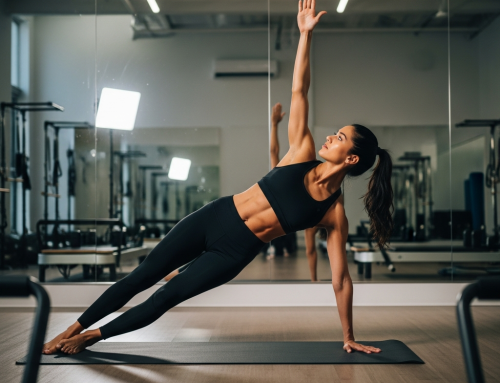
The most common complaint? “I can’t even do a proper plank without shaking like a chihuahua in a thunderstorm.” Here’s the thing – that shaking isn’t weakness, it’s your stabilizer muscles waking up from their long nap. They’ve been on vacation while your bigger muscles did all the heavy lifting (literally).
For mat Pilates, the solution isn’t to power through until you collapse. Start with modifications that actually work. Can’t hold a full plank? Drop to your knees, but focus on keeping that straight line from knee to head. Your ego might bruise a little, but your core will thank you. And honestly? Everyone in that room has been exactly where you are.
Hot Pilates brings its own special brand of challenge – mainly, the heat hits you like opening an oven door. You’ll sweat in places you didn’t know could sweat, and that slippery mat becomes your nemesis. The solution isn’t just “drink more water” (though please do that). Bring a towel – actually, bring two. One for your mat, one for your face. And don’t be surprised if you need to step out during your first few classes. The heat takes some getting used to.
The Flexibility Frustration
Here’s what nobody tells you: Pilates makes you painfully aware of how tight you actually are. That beautiful instructor flowing through movements while you’re stuck like a rusty gate? Yeah, that’s normal.
I’ve seen people get genuinely upset because they can’t touch their toes on day one. Listen, unless you’ve been secretly practicing contortion, your hamstrings have been slowly shrinking for years. They’re not going to forgive you overnight.
The fix? Stop comparing yourself to the person next to you who’s basically a human pretzel. Focus on YOUR range of motion. If reaching for your shins is your version of touching your toes, that’s perfect. Progress in Pilates is measured in millimeters, not miles.
For hot Pilates specifically, the heat can actually help with flexibility – your muscles warm up faster. But don’t let that fool you into pushing too hard. Heat can make you feel more flexible than you actually are, which is how injuries happen. Listen to your body, not the temperature.
The Mental Game Nobody Talks About
Here’s the part that really trips people up – Pilates messes with your head. You’re used to workouts where you can zone out, put on a podcast, and just… move. Pilates demands you actually think about what you’re doing. It’s like meditation, but your abs are on fire.
Mat Pilates especially requires this mind-body connection that feels foreign at first. You’re thinking about breathing, alignment, and which muscles to engage all at the same time. It’s like trying to pat your head and rub your belly while reciting the alphabet backwards.
The solution? Give yourself permission to be bad at it for a while. Your brain needs time to build those neural pathways. Start with focusing on just one thing – maybe it’s breathing, maybe it’s keeping your shoulders relaxed. Add another element when the first becomes automatic.
When Life Gets in the Way
Let’s address the elephant in the room – consistency. You start strong, going three times a week, feeling amazing. Then work explodes, kids get sick, or you just… forget how good it makes you feel.
This happens to everyone. The difference between people who stick with it and those who don’t? They don’t treat a missed week like a relationship-ending betrayal. You don’t start over from zero just because you took a break.
For busy schedules, mat Pilates has a slight edge since you can do it at home with just a mat and some floor space. But don’t underestimate the value of the hot studio environment – sometimes you need that external motivation to show up.
The real solution is finding your minimum effective dose. Maybe it’s once a week consistently rather than three times a week sporadically. Progress trumps perfection every single time.
Your body will adapt, your flexibility will improve, and yes – eventually you’ll stop shaking during a simple plank. But give yourself the gift of patience while you get there.
What to Expect When You’re Starting Out
Let’s be honest – you’re probably hoping to see dramatic results pretty quickly, right? I get it. We’ve all been conditioned by those before-and-after photos that seem to show miraculous transformations in just a few weeks. But here’s the thing about Pilates (whether it’s mat or hot): it’s more like learning to play piano than taking a magic pill.
In your first few classes, you’ll likely feel muscles you forgot you had. Both mat and hot Pilates will challenge your core in ways that might surprise you – and you might be a bit sore the next day. That’s totally normal, by the way. Your body is waking up.
The real magic starts happening around the 8-12 week mark. That’s when you’ll notice your posture improving without having to think about it. You’ll find yourself engaging your core while standing in line at the grocery store… and actually knowing what that means. If you’re doing hot Pilates, you might notice changes in flexibility a bit sooner – that heat really does help your muscles release.
Weight-wise? Well, this isn’t going to be like stepping on the scale after a week of spin classes. Pilates builds lean muscle, which can actually make the scale go up initially (muscle weighs more than fat, after all). But your clothes will start fitting differently – often better – within the first month.
Creating a Sustainable Routine
Here’s where people often trip up: they go all-in for two weeks, then life happens and they disappear for a month. Sound familiar?
Start with 2-3 classes per week. I know, I know – you want to do more. But consistency beats intensity every single time. Your body needs time to adapt, especially if you’re new to this type of movement.
If you’re choosing mat Pilates, you can realistically practice at home between classes using online videos or apps. It’s less intimidating than hot Pilates, where you really need that heated environment to get the full benefit. Hot Pilates folks often find they need to commit to studio classes more frequently – which can be great for accountability but tougher on the schedule (and wallet).
Think about your lifestyle honestly. Are you someone who thrives in group settings with a bit of intensity? Hot Pilates might keep you motivated. Do you prefer having options – sometimes going to class, sometimes rolling out your mat at home? Mat Pilates gives you that flexibility.
When to Consider Switching or Combining
Here’s something most people don’t think about: you don’t have to pick one and stick with it forever. Actually, that reminds me of a client who started with hot Pilates because she thought she needed the extra challenge. Six months later, she realized she was getting burned out (literally and figuratively) and switched to mat classes. Game changer for her.
If you start with mat Pilates and find yourself getting restless or wanting more intensity, that might be the perfect time to try hot classes. Conversely, if hot Pilates feels overwhelming or you’re struggling with the heat, there’s no shame in scaling back to mat work.
Some people even alternate – hot classes when they want that extra push, mat classes when they need something gentler or more convenient.
Red Flags to Watch For
Neither style should leave you in significant pain. Muscle fatigue? Yes. That satisfying “I worked hard” feeling? Absolutely. But sharp pains, dizziness (beyond what’s normal when starting hot Pilates), or persistent soreness that lasts more than a few days… that’s your body telling you to slow down.
Also – and this might sound obvious but you’d be surprised – if you’re consistently dreading your classes, something’s not right. Maybe it’s the wrong style for you, maybe it’s the wrong instructor, or maybe you’re pushing too hard too fast.
Moving Forward With Confidence
The best choice is honestly the one you’ll actually stick with. That might mean starting with the more convenient option, the more affordable one, or simply the one that sounds more appealing right now.
Remember, this isn’t about perfection – it’s about progress. Some weeks you’ll make it to three classes, other weeks you’ll squeeze in one. That’s life, not failure.
Your body will adapt, you’ll get stronger, and eventually you’ll wonder how you ever lived without this practice. But give it time… and be patient with yourself along the way.
You know what? Both mat Pilates and hot Pilates offer incredible benefits – and honestly, the “better” option really comes down to what feels right for *you* right now. Maybe you’re drawn to the grounding, mindful nature of traditional mat work… or perhaps you’re curious about how that added heat might help you push through some mental barriers while supporting your weight loss goals.
I’ve watched so many clients wrestle with this decision, and here’s what I’ve learned: there’s no wrong choice here. Some of our most successful members started with mat Pilates because it felt less intimidating, then gradually worked their way up to hot classes. Others jumped straight into the heated studio and never looked back. A few bounce between both styles depending on their mood, energy levels, or what their body’s telling them that day.
Listen to Your Body’s Signals
The beautiful thing about both approaches? They’re incredibly adaptable. Dealing with joint issues or just getting back into fitness? Mat Pilates might be your sweet spot – giving you all those core-strengthening, posture-improving benefits without overwhelming your system. But if you’re someone who struggles with motivation or finds your mind wandering during workouts, that heated environment can be like having a gentle accountability partner, keeping you present and focused.
And here’s something that might surprise you – the weight loss benefits aren’t dramatically different between the two. Yes, hot Pilates burns a few more calories during the session, but consistent practice with either style will strengthen your core, improve your posture, boost your metabolism, and help you develop that mind-body connection that’s so crucial for sustainable weight management.
Your Next Step Doesn’t Have to Be Perfect
Maybe you’re sitting here thinking, “This all sounds great, but I still don’t know where to start.” That’s completely normal! Sometimes the best way forward is just… starting somewhere. Try a class or two of each if you can. Notice how you feel during and after. Pay attention to which one makes you want to come back.
Or maybe – and this might sound crazy – you don’t have to choose at all. Some of our most balanced, healthiest clients mix it up regularly. They’re not trying to be fitness overachievers; they just know that variety keeps things interesting and challenges their bodies in different ways.
We’re Here When You’re Ready
If you’re feeling a bit overwhelmed by all the options out there – Pilates, yoga, strength training, cardio, the endless wellness advice on social media – you’re definitely not alone. Sometimes having a conversation with someone who understands both the science and the very human side of wellness can make all the difference.
We’d love to chat with you about what might work best for your lifestyle, your goals, and yes, your very real time constraints and energy levels. No pressure, no sales pitch – just a genuine conversation about how movement and mindful practices might fit into your life in a way that actually sticks.
Ready to explore what feels right for you? Give us a call or drop by. We’re here to support you, wherever you decide to start.