Pilates Classes Designed for All Levels in Pleasant Grove
You know that feeling when you walk into a fitness class and immediately want to turn around and walk right back out?
Maybe it was the instructor who looked like they could bench press a small car, or the other participants who seemed to flow through movements like they were born doing them. Perhaps you caught a glimpse of yourself in those unforgiving studio mirrors and thought, “Well, this was a mistake.”
I get it. I’ve been there too – standing awkwardly in the back corner of a Pilates studio, wondering if everyone could tell I had no idea what a “hundred” was (spoiler alert: it’s not as scary as it sounds). The thing is, that moment of intimidation? It keeps so many people from discovering something that could genuinely change how they feel in their own skin.
Here’s what I wish someone had told me back then: Pilates isn’t about being perfect – it’s about showing up.
And if you’re in Pleasant Grove, you’re actually in luck. This community has quietly become home to some of the most welcoming, judgment-free Pilates studios you’ll find anywhere. Places where “beginner” isn’t a dirty word, where instructors actually remember your name, and where you won’t feel like you need a PhD in anatomy just to understand what’s happening.
But let’s back up for a second. Why does this even matter?
Maybe you’re dealing with that nagging lower back pain that flares up every time you sit at your desk for too long. Or perhaps you’ve noticed that carrying groceries upstairs leaves you more winded than it used to. Could be you’re tired of feeling disconnected from your body – like it’s just this thing that carries your head around all day.
These aren’t vanity issues. They’re quality of life issues.
Pilates has this unique way of addressing all of this… but only if you can find the right environment to learn it. And that’s where things get tricky, right? Too many studios assume everyone knows the basics, or they’re so focused on advanced practitioners that beginners get lost in the shuffle.
The Pleasant Grove Pilates scene is different, though. I’ve been researching studios here for months – talking to instructors, sitting in on classes, watching how they work with people who’ve never set foot on a reformer before. What I found surprised me in the best possible way.
These aren’t just fitness classes. They’re communities. Places where the instructor will quietly adjust your form without making you feel self-conscious, where other students offer encouraging smiles instead of competitive glances, where “I can’t do that” gets met with “Let’s find a way you can.”
Actually, that reminds me of something one instructor told me: “We don’t teach Pilates to bodies – we teach it to people.” And honestly? That philosophy shows in everything from how they structure their beginner sessions to the way they handle those inevitable moments when someone feels overwhelmed.
Throughout this article, we’re going to explore what makes Pleasant Grove’s Pilates offerings so special. You’ll discover how to identify truly beginner-friendly studios (hint: it’s not just about having “all levels” in the class description), what to expect in your first few sessions, and how to navigate those early weeks when everything feels foreign.
We’ll also talk about the different styles of Pilates you’ll encounter – because yes, there are different approaches, and finding the right fit for your body and personality matters more than you might think. Plus, I’ll share some insider tips on getting the most out of classes without feeling like you need to become a Pilates evangelist overnight.
Most importantly, we’ll address those little anxieties that pop up when you’re considering something new. What if you’re not flexible? What if you can’t keep up? What if you’re older than everyone else, or newer to fitness, or just… different?
Here’s the truth: every single person in those studios was a beginner once. Every instructor, every graceful regular, every person who makes it look effortless – they all had a first day too.
The question isn’t whether you’re ready for Pilates. It’s whether you’re ready to feel stronger, more balanced, and more at home in your own body. Because honestly? Pleasant Grove’s Pilates community is ready for you.
What Exactly Is Pilates, Anyway?
You know how everyone seems to talk about Pilates like it’s this mystical, life-changing practice – but then you realize you’re not entirely sure what it actually *is*? Don’t worry, you’re not alone. I’ve had patients tell me they thought it was just “fancy stretching” or “yoga with equipment.”
Here’s the thing: Pilates is kind of like strength training’s thoughtful cousin. While traditional weightlifting focuses on building bigger, stronger muscles, Pilates zeroes in on creating a rock-solid foundation from your core outward. Think of it as building a house – most workouts focus on adding rooms and fancy fixtures, but Pilates makes sure your foundation won’t crack under pressure.
Joseph Pilates (yes, it’s named after a person) developed this method in the early 1900s, originally calling it “Contrology.” He was obsessed with the idea of complete coordination between mind, body, and spirit. Sounds a bit woo-woo, but there’s real science behind it… more on that in a minute.
The Core Connection That Changes Everything
When people hear “core work,” they usually think crunches. Endless, soul-crushing crunches. But Pilates approaches your core like it’s the CEO of your body – because honestly, it kind of is.
Your core isn’t just your abs (though they’re part of the team). It’s your diaphragm, pelvic floor, deep abdominal muscles, and all those little stabilizers that wrap around your spine like a natural back brace. These muscles work together to create what Pilates folks call your “powerhouse.”
Here’s where it gets interesting – and maybe a little counterintuitive. In Pilates, you’re not trying to exhaust these muscles into submission. Instead, you’re teaching them to work smarter, not harder. It’s like the difference between screaming at your phone when it’s not working versus actually learning how to use it properly.
Mind-Body Connection: Not Just Fitness Buzzwords
I’ll be honest – the whole “mind-body connection” thing used to make me roll my eyes a little. It sounded like something you’d hear at a crystal shop. But after seeing hundreds of patients discover Pilates, I’ve watched this concept play out in real time.
In most workouts, your brain is basically on autopilot while your body does the work. Pilates flips this script entirely. Every movement requires your full attention – you’re thinking about your breathing, your alignment, which muscles are working (and which ones are trying to slack off). It’s like meditation that happens to sculpt your body at the same time.
This constant mental engagement does something fascinating: it rewires how you move through daily life. Patients tell me they suddenly notice when they’re hunched over their computer or holding tension in their shoulders. They start moving with more intention, more grace… honestly, it’s pretty remarkable to witness.
The Equipment Isn’t Intimidating (Really!)
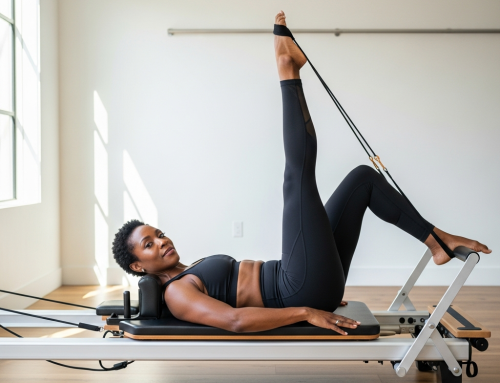
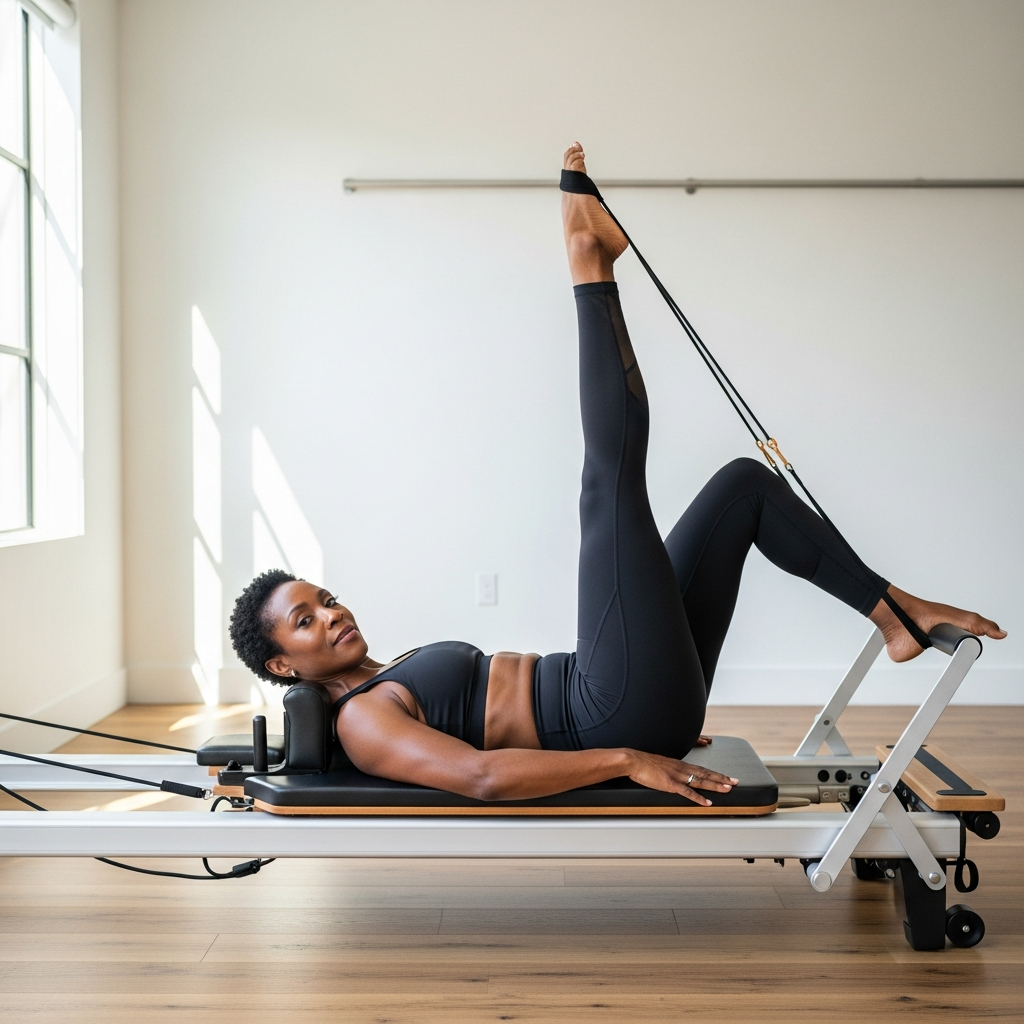
Walk into a Pilates studio for the first time, and you might feel like you’ve entered some medieval torture chamber. There’s the Reformer with its springs and pulleys, the Cadillac that looks like a bed frame had a baby with a jungle gym, and various other contraptions that seem designed by someone with a very active imagination.
But here’s the secret: all this equipment is actually designed to make exercises *easier*, not harder. Those springs? They provide assistance and resistance in exactly the right amounts. The straps and bars help you maintain proper form even when you’re still figuring out what proper form feels like.
Think of Pilates equipment like training wheels for sophisticated movement patterns. As you get stronger and more coordinated, the equipment evolves with you – adding challenge where you need it, support where you don’t.
Why “All Levels” Actually Means All Levels
Here’s something that might surprise you: a beginner and an advanced practitioner can do the exact same exercise and get completely different workouts. It’s not about doing different moves – it’s about how deeply you understand and engage with each movement.
A beginner might focus on simply maintaining good posture during a basic exercise. Someone more advanced might be working on micro-adjustments, breathing patterns, or connecting multiple muscle groups simultaneously. Same exercise, totally different internal experience.
This is why Pilates classes can genuinely accommodate everyone from complete beginners to former athletes. The beauty lies in the layers – there’s always another level of refinement, another detail to master, another connection to discover.
What to Expect in Your First Class (And How Not to Panic)
Here’s the thing about walking into your first Pilates class – everyone looks like they know exactly what they’re doing, and you’ll feel like you accidentally wandered into advanced ballet. Don’t worry. That confident-looking person adjusting the reformer springs? They were probably googling “what is a reformer” three months ago.
Most Pleasant Grove studios start beginners with mat classes because, honestly, it’s less intimidating than being strapped to a medieval-looking machine (that’s the reformer, and it’s actually amazing… but we’ll get there). Arrive 15 minutes early – not to be the overachiever, but because you’ll want time to fill out forms and ask your instructor about any injuries or concerns. Trust me, mentioning that dodgy knee now saves awkward modifications mid-class.
Wear fitted clothes that won’t ride up during inversions. You know that baggy t-shirt you love? Save it for grocery shopping. Pilates involves a lot of rolling, twisting, and… well, let’s just say loose clothing can create wardrobe malfunctions that’ll haunt you forever.
Decoding the Studio Hierarchy (Without the Drama)
Every studio has its unofficial pecking order, but here’s a secret – it’s not about who’s been there longest. The real VIPs? The ones who help newcomers find props and don’t huff when modifications are explained again.
Level 1/Beginner classes focus on foundation movements. You’ll learn the Pilates hundred (which sounds harder than it is), basic roll-ups, and how to find your “powerhouse” – that’s Pilates-speak for your core. Don’t expect to sweat buckets; expect to discover muscles you forgot existed.
Level 2/Intermediate introduces equipment like the magic circle and resistance bands. This is where things get interesting – and where you realize your balance isn’t quite what you thought it was. The choreography becomes more complex, flowing from one movement to the next.
Advanced classes are where the real magic happens. We’re talking reformer work, cadillac exercises, and combinations that look like graceful torture. But here’s what nobody tells you – advanced doesn’t mean perfect. I’ve seen 10-year Pilates veterans still working on their teaser form.
Making Friends with the Equipment (It Won’t Bite)
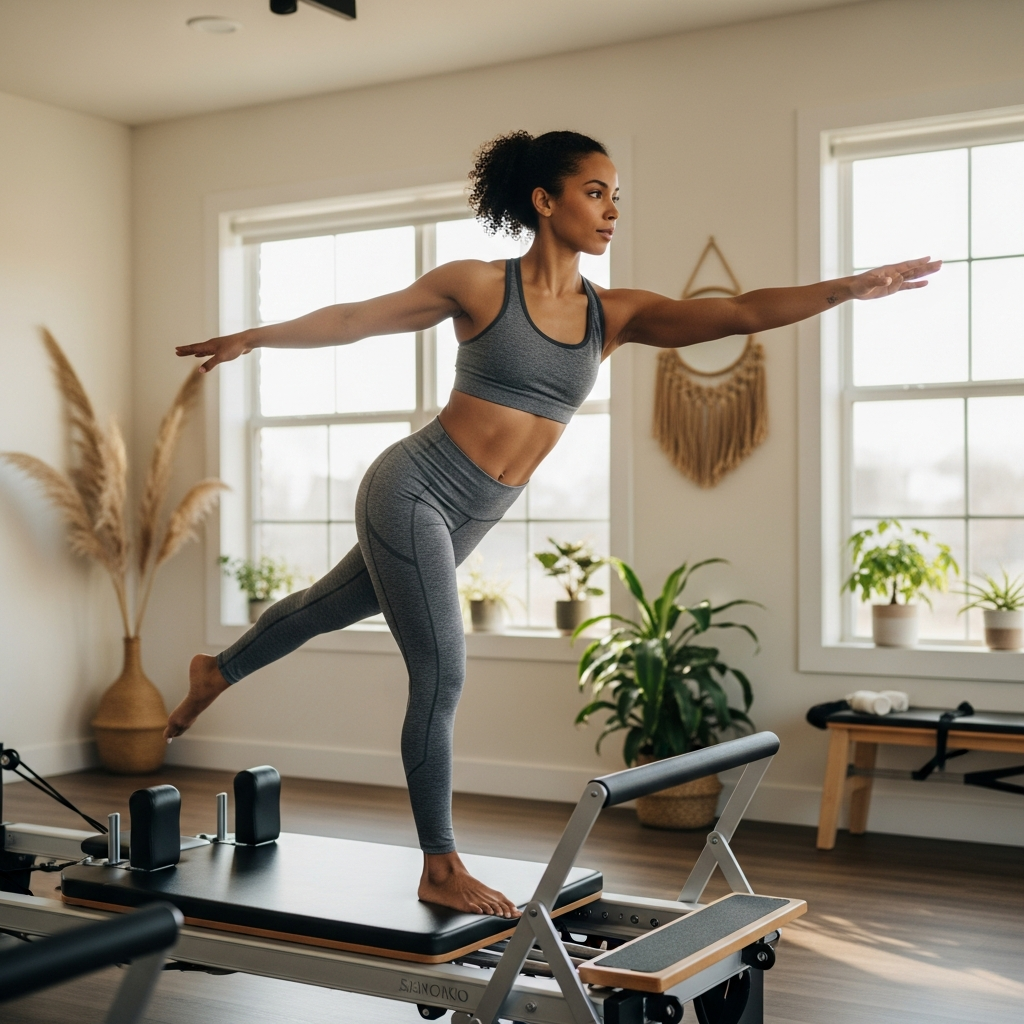
That reformer everyone talks about? It’s basically a bed with springs and straps – think of it as your new workout buddy who provides just the right amount of resistance. The springs can be adjusted lighter or heavier, which means a 20-year-old athlete and a 65-year-old retiree can work side by side, each getting exactly what they need.
The cadillac looks intimidating with all its bars and springs, but it’s incredibly supportive. Perfect for working on flexibility and strength simultaneously. And that barrel thing in the corner? It’s for spine mobility – not as scary as it looks, promise.
Here’s an insider tip: most studios let you try a private lesson or semi-private before jumping into group classes. Yes, it costs more upfront, but you’ll learn proper form and feel confident enough to keep up when you join the group. Think of it as an investment in not feeling lost for the next month.
Building Your Practice Without Breaking the Bank
Let’s talk money because, honestly, Pilates can get expensive fast. Most Pleasant Grove studios offer package deals that bring the per-class cost down – usually 5, 10, or 20-class packages. Buy the smallest package first. I’ve seen too many people purchase unlimited monthly memberships only to realize they hate getting up early or can’t handle the intensity.
Many studios have community classes or donation-based sessions. These aren’t lesser-quality classes – often they’re taught by instructors building hours for certification requirements, which means they’re extra attentive and eager to help.
Class passes typically last 6-12 months, so don’t stress about using them quickly. Consistency matters more than frequency – two classes a week for three months beats six classes crammed into two weeks.
Some studios offer work-study programs where you help with cleaning or front desk duties in exchange for classes. It’s not glamorous, but it’s a fantastic way to become part of the community while saving money.
The Unspoken Rules That Everyone Should Know
Show up consistently, even if you’re not feeling it. Pilates builds on itself – miss two weeks and you’ll feel like you’re starting over. Also, don’t book the spot right next to the instructor unless you want constant gentle corrections… which, actually, isn’t a bad thing if you’re serious about improving.
“I Don’t Know What I’m Doing” – And That’s Perfectly Normal
Let’s be honest – walking into your first Pilates class can feel like showing up to a dance party where everyone knows the choreography except you. You’re lying there trying to figure out what a “neutral pelvis” even means while the person next to you flows through movements like water.
Here’s the thing though… that graceful person? They were exactly where you are six months ago. The instructor calling out “engage your powerhouse” isn’t trying to confuse you – they’re just speaking Pilates. And yes, you’ll learn the language too.
The solution isn’t to fake it. Ask questions. Good instructors in Pleasant Grove actually love when students speak up because it means you’re paying attention. Can’t find your core? Neither could anyone else at first. That mysterious muscle group takes time to wake up, especially if it’s been on vacation for a while.
The Comparison Trap (It’s Real, and It’s Sneaky)
You know that moment when you glance around the room and suddenly feel like you’re in the wrong place? Everyone else seems stronger, more flexible, more… put together. Meanwhile, you’re over there wondering if your mat is defective because nothing feels easy.
This is where I want to pause and tell you something important – flexibility isn’t the goal of Pilates. Strength is. Control is. Better movement patterns are. That person doing the fancy advanced variation might have hypermobile joints that actually make Pilates harder for them in some ways. Your tight hamstrings? They’re not a character flaw. They’re just information.
The real solution here is to make friends with modifications. Not as consolation prizes, but as smart training tools. Using a block between your knees during the hundred isn’t “cheating” – it’s targeting your inner thighs more effectively. Taking child’s pose when you need it? That’s listening to your body, which is actually advanced-level stuff.
When Your Body Doesn’t Cooperate
Some days you’ll show up feeling great, ready to nail that teaser you’ve been working on. Other days? Your shoulder will remind you it exists, or your lower back will stage a protest halfway through class. This isn’t failure – it’s being human.
Here’s what I’ve learned from working with clients in Pleasant Grove who struggle with this… consistency beats perfection every single time. Show up with whatever body you have that day. Maybe today you modify everything. Maybe you spend half the class in child’s pose. That’s still movement, still showing up, still taking care of yourself.
And honestly? Sometimes the most beneficial classes are the ones where you listen more than you push. Your body’s teaching you something important in those moments.
The Scheduling Juggling Act
Oh, this one hits close to home for so many people. You sign up with the best intentions, then life happens. Work runs late. Kids get sick. The dog decides to eat something questionable and needs immediate attention (why is it always at the worst times?).
The all-or-nothing mentality will kill your Pilates practice faster than anything else. Missing Monday doesn’t mean you’re “bad at this” or should wait until next week to try again. It means you’re human with a complicated life.
The studios in Pleasant Grove get this. Most offer flexible scheduling, makeup classes, or online options when life gets messy. But the real secret is building in buffer time. If you can only realistically commit to twice a week, don’t sign up for four classes. Set yourself up to succeed, not to feel guilty.
The Intimidation Factor
Maybe it’s the precise language, or the way Pilates looks so controlled and perfect. Maybe it’s walking into a studio where everyone seems to know exactly what they’re doing. Whatever it is, that intimidation is real – and it keeps too many people from starting.
But here’s something the fitness industry doesn’t always tell you… most instructors would rather teach someone who’s genuinely trying than someone who’s just going through the motions. Your effort matters more than your execution, especially in the beginning.
Start with beginner classes. Ask for help. Show up early to introduce yourself. Most Pleasant Grove instructors will check in with new students before class starts – not to put you on the spot, but to help you feel more comfortable.
The awkwardness fades faster than you think. One day you’ll realize you’re the one helping the nervous newcomer find the right spring tension, and you’ll remember how far you’ve come.
What to Expect in Your First Few Weeks
Let’s be honest – your first Pilates class might feel a bit like learning a new language. You’ll hear instructions about your “powerhouse” and “neutral spine,” and you might find yourself wondering if everyone else got a secret handbook you missed. That’s completely normal.
Most people feel pretty wobbly those first few sessions. Your muscles are learning new movement patterns, and your brain is working overtime trying to coordinate everything. Don’t worry if you can’t touch your toes or if holding a plank for thirty seconds feels impossible – we’ve all been there. Actually, I still remember my instructor gently correcting my form about fifteen times in my first class… and that was just during the warm-up.
The good news? Your body adapts faster than you think. Within three to four weeks of consistent practice (we’re talking 2-3 classes per week), you’ll start noticing subtle changes. Maybe you’ll find yourself sitting up straighter at your desk, or those stairs won’t leave you quite so winded. The dramatic “after” photos you see on social media? Those come much later – and honestly, the real magic happens in how you feel, not just how you look.
Setting Realistic Timeline Expectations
Here’s what actually happens when you start Pilates… not the Instagram version, but the real deal.
Weeks 1-2: You’re figuring out the basics and probably feeling muscles you forgot you had. Your coordination might feel off, and that’s okay. Some exercises will feel impossible – and for now, they kind of are.
Weeks 3-6: Things start clicking. You’ll notice improvements in balance and maybe some increased strength. Your form gets better, and you stop looking around the room constantly to see what everyone else is doing.
Months 2-3: This is where it gets interesting. You might notice your posture improving throughout the day, or find that your back doesn’t ache after long meetings. Your core feels more solid – not necessarily smaller, but definitely stronger.
Months 3-6: The compound effects really show up here. Better sleep, improved flexibility, and yes – changes in muscle tone become more apparent. But remember, everyone’s body responds differently and at its own pace.
The thing about Pilates is that it’s not like other workouts where you might see dramatic changes quickly and then plateau. It’s more like… learning to play piano. Each session builds on the last, and the improvements keep coming if you stay consistent.
Your Next Steps Forward
So you’re convinced Pilates might be worth a try? Here’s how to actually make it happen without overwhelming yourself.
Start with one or two classes per week for the first month. I know, I know – you want to dive in headfirst and go every day. But your body needs recovery time to adapt, especially if you’re not used to this type of movement. Plus, going too hard too fast is the fastest way to burn out or get injured.
Book your first class during a less busy time if possible. You’ll want to arrive a few minutes early to get familiar with the studio and introduce yourself to the instructor. Don’t be shy about mentioning any injuries or concerns – we’d rather modify exercises than have you hurt yourself trying to keep up.
Consider starting with beginner-focused classes or private sessions. Yes, privates cost more upfront, but think of it as an investment in doing things right from the start. You’ll learn proper form faster and build confidence before joining larger groups.
Pack light for your first class – just water and maybe a small towel. Most studios provide all the equipment you’ll need. Wear comfortable, fitted clothing that won’t get in your way during movement. And please, please don’t worry about being the least flexible person in the room. We’ve all been there.
Making It Stick Long-Term
The people who succeed with Pilates long-term are usually the ones who treat it like brushing their teeth – just something they do regularly without much drama or internal debate.
Try scheduling your classes like appointments rather than hoping you’ll find time. Put them in your calendar and protect that time. Find a class time that works with your natural energy levels… if you’re not a morning person, that 6 AM class probably isn’t going to work long-term.
And here’s something most people don’t think about – have a backup plan. What happens when your regular class is cancelled or you’re traveling? Maybe that’s when you do some Pilates videos at home or take a different class time. The key is not letting one missed session turn into a month off.
You know what’s beautiful about finding the right Pilates class? It’s that moment when you realize you’re not just going through the motions anymore – you’re actually *enjoying* movement again. Whether you walked into that first Pleasant Grove studio feeling intimidated, curious, or downright skeptical… there’s something magical about discovering that your body can do more than you thought.
And honestly? That’s what makes these local classes so special. They’re not trying to turn you into a pretzel on day one (thank goodness). Instead, they meet you exactly where you are – maybe that’s dealing with a cranky lower back, rebuilding strength after an injury, or simply wanting to feel more confident in your own skin.
Finding Your Rhythm
The thing about Pilates is that it doesn’t discriminate. Your age, fitness level, or how long it’s been since you last exercised… none of that matters as much as your willingness to start. I’ve seen people in their seventies discover muscles they forgot they had, and twenty-somethings realize that being strong isn’t just about how much weight you can lift.
What really gets me excited is watching people find their rhythm. Maybe you start in a beginner class, feeling a bit wobbly during those first few sessions. But then – and this always happens – there’s that day when you hold a position that used to make you shake, and you think, “Wait… when did I get stronger?”
Building More Than Muscle
Sure, you’ll develop that enviable Pilates core (and yes, your posture will improve dramatically). But here’s what the brochures don’t always mention: you’ll also build confidence. There’s something about learning to control your body, about breathing through challenging moments, that spills over into the rest of your life.
I love hearing stories from people who started Pilates and found themselves standing taller at work meetings, sleeping better at night, or finally tackling that hiking trail they’d been putting off. It’s like your body becomes this reliable friend instead of something that’s working against you.
Your Support System Awaits
The instructors in Pleasant Grove really get it – they understand that everyone’s dealing with something different. Maybe you’re managing weight loss goals, recovering from pregnancy, or just trying to feel more at home in your body. They’ve created spaces where you can wobble, laugh at yourself, ask questions, and celebrate small victories without judgment.
And here’s the thing about starting – it doesn’t have to be perfect. You don’t need special clothes or perfect flexibility or a detailed plan. You just need to show up.
Ready to see what your body can do? We’d love to help you find the perfect Pilates class that fits your life, your goals, and your comfort level. Whether you’re curious about beginner options, wondering about modifications for specific needs, or just want to chat about what to expect, we’re here for you.
Give us a call or stop by – let’s talk about how Pilates might fit into your wellness story. Because honestly? Your future self will thank you for taking that first step.