Tanglewood Hot Pilates: What to Expect
Picture this: you walk into what looks like a perfectly normal fitness studio, roll out your mat, and then it hits you. That wall of heat. Suddenly you’re questioning every decision that led you to this moment, wondering if the person who recommended this class is actually your friend or secretly your nemesis.
Sound familiar? If you’ve been curious about hot Pilates – or if someone’s been nudging you toward Tanglewood’s classes and you’re half-intrigued, half-terrified – you’re in exactly the right place.
Here’s the thing about hot Pilates that nobody really warns you about upfront: it’s *not* what most people imagine. It’s not torture. It’s not a punishment. It’s not even really about suffering through the heat, though yes, you will absolutely sweat more than you thought humanly possible. It’s actually… kind of incredible? And once people find their groove with it, they become the exact type of evangelist who keeps recommending it to slightly skeptical friends.
Why People Are Talking About Tanglewood Hot Pilates
Tanglewood has built a real reputation in this community – and not by accident. People aren’t just showing up once and disappearing. They’re coming back, week after week, talking about changes they’re seeing in their bodies and honestly surprised by how much they look forward to it. That kind of loyalty doesn’t happen with a gimmick. It happens when something genuinely works.
But “hot Pilates” as a concept can feel a little mysterious if you’ve never experienced it. Is it yoga? Is it traditional Pilates? Is it just… hot? (The answer to that last one is yes, emphatically yes.) The format sits in this interesting sweet spot that combines the core-focused, low-impact foundations of classical Pilates with the metabolic boost and muscle-loosening benefits of an elevated room temperature. Think of it like warming up clay before you shape it – your muscles become more pliable, your range of motion opens up, and movements that might feel stiff in a regular studio suddenly feel more accessible.
This Is For You, Whether You Know It Or Not
Here’s what we’ve noticed at our clinic, working with people at all different stages of their health and weight loss efforts: the *sustainability* of exercise matters just as much as the exercise itself. You can have the most scientifically optimized workout on paper, but if you dread it? You’re not going to stick with it. And you already know what happens when you don’t stick with it.
Hot Pilates has this unusual quality – people who try it describe a sense of accomplishment that feels almost disproportionate to the effort. You leave feeling wrung out in the best possible way, like you’ve done something genuinely good for yourself. That feeling? It keeps you coming back. And consistent movement, especially the kind that builds core strength and improves body composition without hammering your joints, is exactly the kind of thing that supports sustainable weight management over time.
That matters. Not just for the number on the scale – but for your energy, your posture, how you carry yourself through the day.
What You’ll Actually Find Out Here
If you’re considering trying Tanglewood’s hot Pilates classes – or you’re already signed up and quietly Googling “what did I agree to” – this is the guide you actually need. We’re going to walk you through what the studio environment really feels like, what a typical class looks like from warm-up to cool-down, how to prepare your body (and honestly, your mind) for the heat, and what modifications exist for different fitness levels.
We’ll also get into the real stuff – what the research says about heated exercise and its benefits, how hot Pilates fits into a broader weight management picture, and some practical tips that first-timers wish someone had told them before they showed up in a full face of makeup or, say, immediately after eating a large meal. Not that anyone’s done that. Definitely not a story we’ve heard multiple times.
The bottom line? Hot Pilates might just be the thing you didn’t know you were looking for. Or it might not be your fit – and that’s okay too. But you deserve enough real information to make that call for yourself, without the hype and without the intimidation.
Let’s get into it.
So What Actually Makes It “Hot”?
Let’s start with the obvious question. The “hot” in hot pilates isn’t just a marketing buzzword – it refers to a heated room, typically kept between 95 and 105 degrees Fahrenheit with around 40% humidity. That’s not quite “surface of the sun” territory, but it’s enough to make you genuinely reconsider your outfit choices before class.
The heat isn’t there to torture you, though it might feel that way around minute twelve. It’s designed to warm your muscles more quickly than they would in a regular room, which theoretically allows for deeper movement and greater flexibility. Think of it like the difference between trying to stretch a cold rubber band versus one that’s been sitting in a warm pocket – the warmer version has a lot more give.
And What About the Pilates Part?
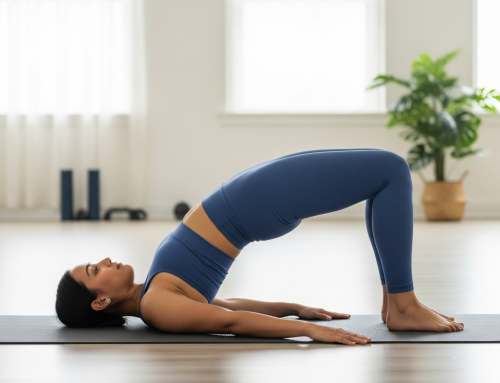
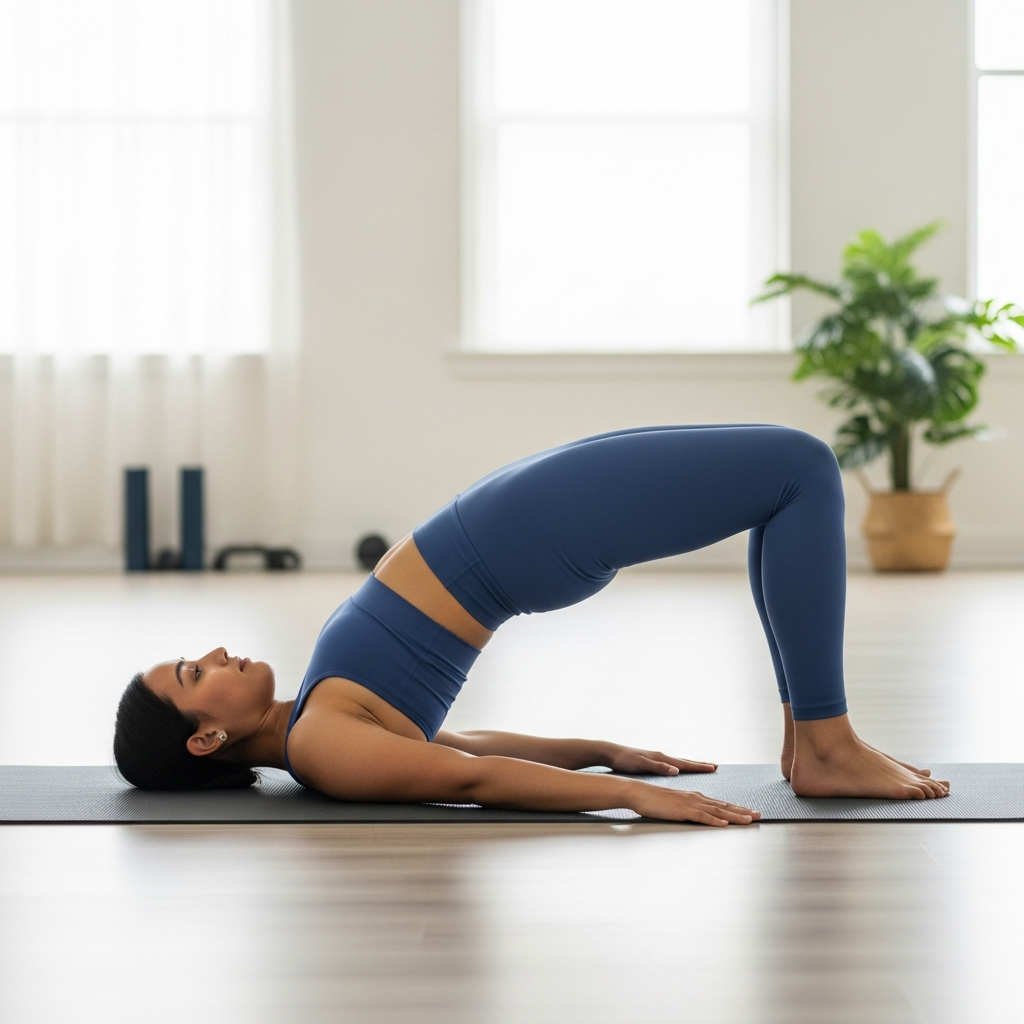
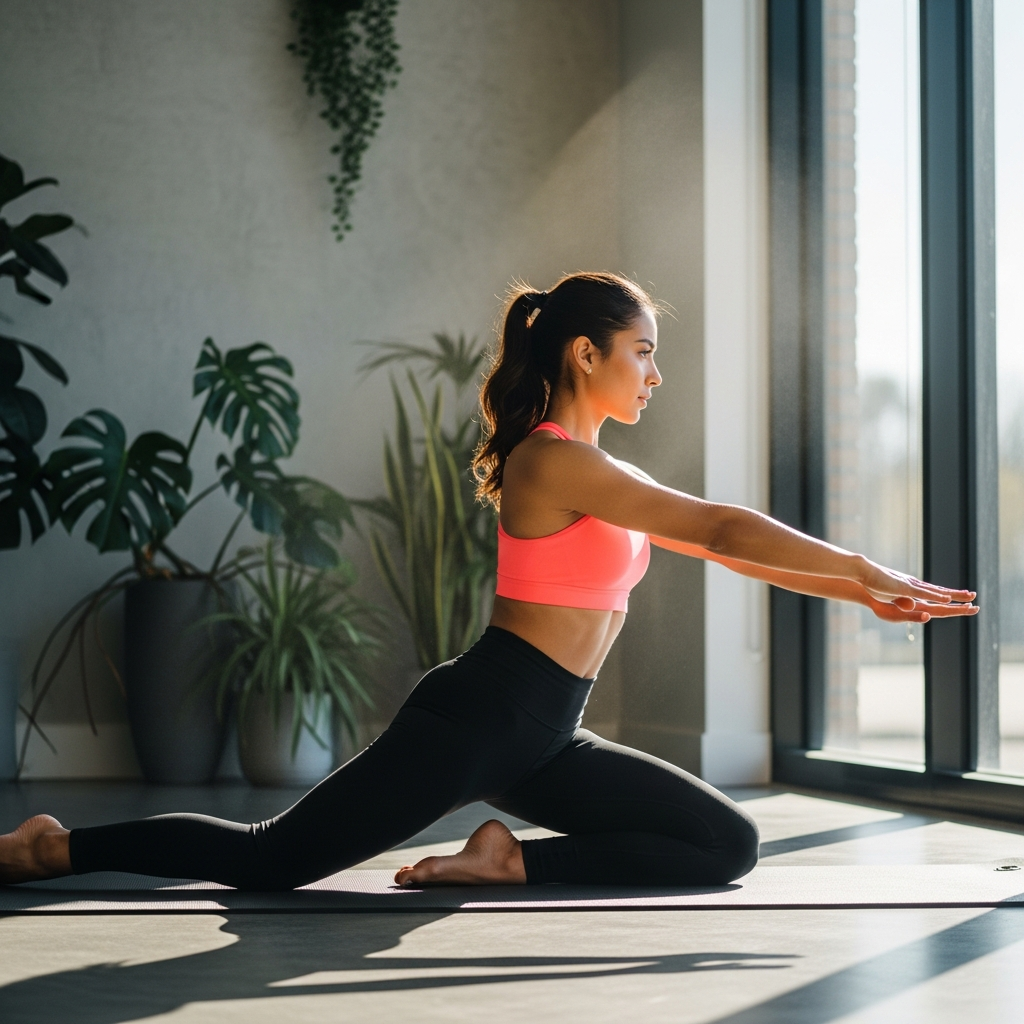
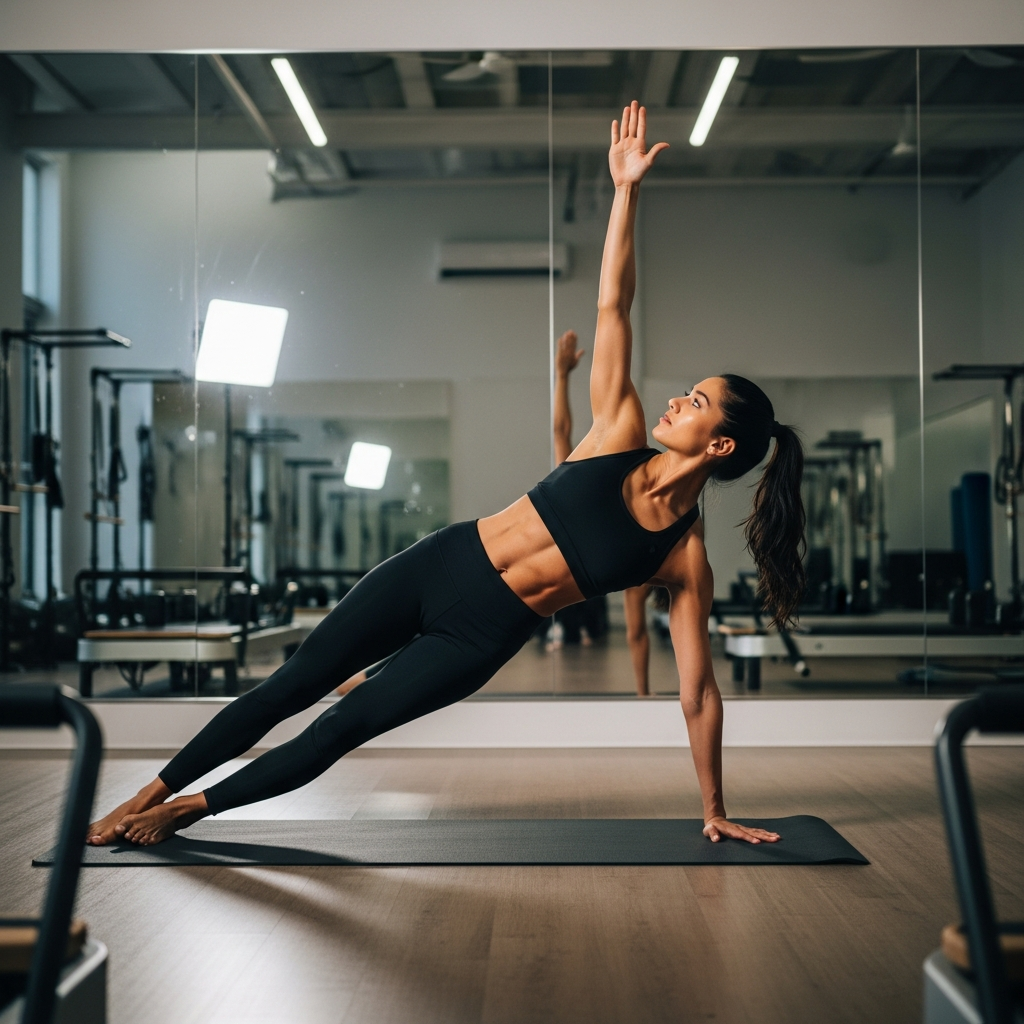
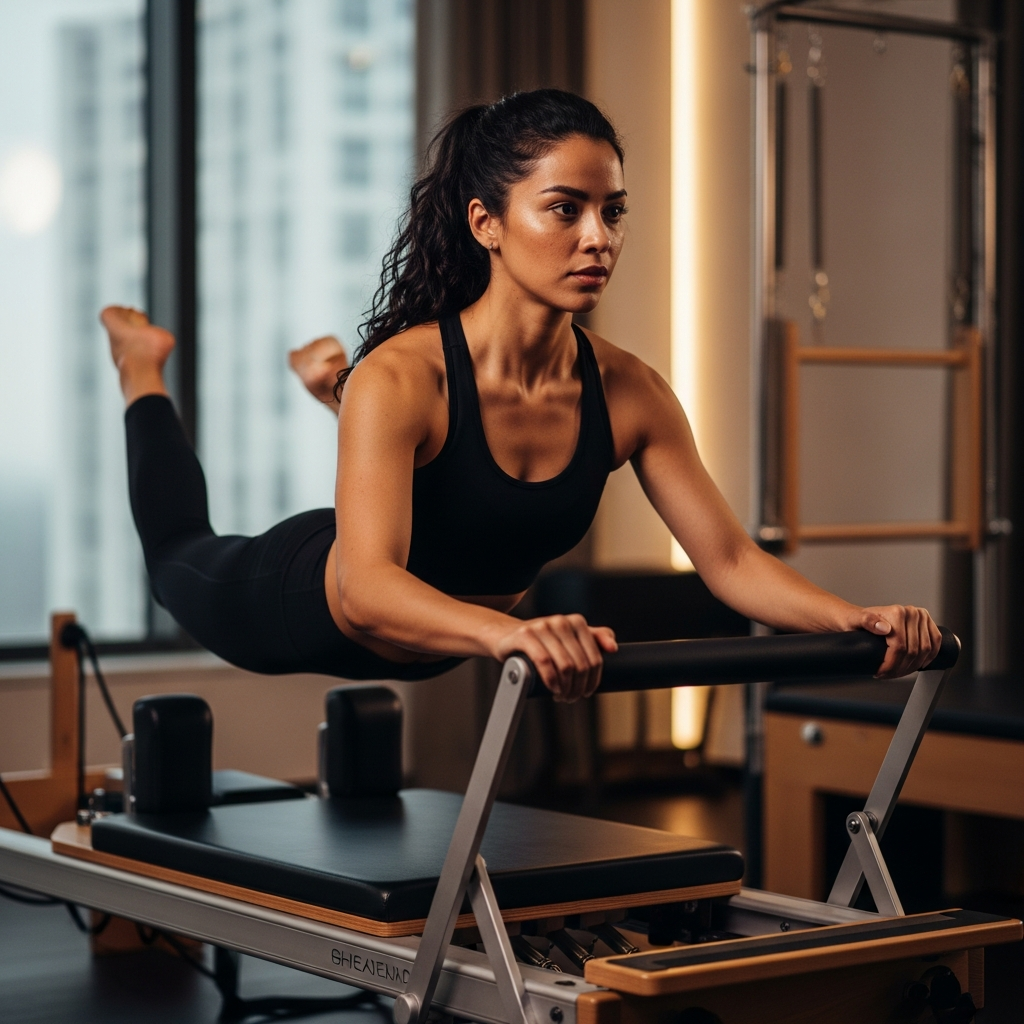
Here’s where people sometimes get confused – and honestly, fair enough. Pilates already means different things to different people. Some folks picture a reformer machine (that medieval-looking contraption with springs and a sliding platform). Others picture gentle mat work for people recovering from injuries. Hot pilates is typically mat-based, which means no machines, but it’s usually cranked up in intensity compared to traditional pilates classes.
The core philosophy comes from Joseph Pilates, who developed the method in the early 20th century. His whole thing was the idea of *contrology* – deliberate, controlled movement that originates from your center. Your core isn’t just your abs, by the way. It’s more like a cylinder of muscle wrapping around your trunk: your abdominals, your back muscles, your pelvic floor, your diaphragm. When people say “engage your core,” they’re asking you to gently activate all of that – not just suck in your stomach.
That distinction matters a lot in class, because a lot of the movements that look simple from the outside are actually asking you to do something surprisingly precise.
The Heat + Movement Combination
Here’s the part that’s a little counterintuitive: adding heat to pilates doesn’t just make existing exercises harder – it actually changes *how* your body responds to them. Your cardiovascular system has to work harder to regulate your temperature, which means your heart rate climbs even during exercises that wouldn’t normally get your pulse racing. A controlled leg lift that might feel pretty manageable at 70 degrees becomes a genuinely aerobic event at 100.
This is why hot pilates tends to burn significantly more calories than traditional mat pilates – we’re talking roughly 400-600 calories per session for most people, compared to maybe 175-250 in a standard class. Your body is essentially doing two jobs at once: executing the movement *and* running its internal cooling system simultaneously.
Actually, that’s a useful way to think about it. Imagine trying to have a phone conversation while also running to catch a bus. Both things are doable on their own. Together? Suddenly a lot more demanding.
Why the Low-Impact Angle Matters
You’ll hear “low-impact” a lot in connection with hot pilates, and it’s worth understanding what that actually means. Impact refers to the stress placed on your joints from ground-contact forces – the kind you get from running, jumping, or anything that involves your feet slamming into the floor repeatedly. Low-impact doesn’t mean low-intensity. It means your joints aren’t absorbing those shock forces.
For people managing joint pain, recovering from certain injuries, or carrying extra weight that makes high-impact exercise uncomfortable or risky – this distinction is genuinely significant. You can push your cardiovascular system and work your muscles hard without that repetitive pounding.
That said, hot pilates isn’t a completely consequence-free activity. The heat does stress your cardiovascular system, and there are real contraindications – conditions where it might not be appropriate. More on that later in this article.
One More Thing Worth Knowing
Hot pilates isn’t the same as hot yoga, though people conflate them constantly. Yoga is rooted in specific traditions, philosophies, and movement systems. Pilates has different origins and a different biomechanical focus – more emphasis on spinal alignment, controlled resistance, and what instructors call “neutral spine.” The heated room is basically the one thing they share. The experience inside that room feels quite different once you’re actually there.
What to Actually Wear (This Matters More Than You Think)
Skip the baggy t-shirt. Seriously. In a heated room where you’re moving through demanding poses, loose fabric becomes a soggy, clinging nightmare within about ten minutes. Go for form-fitting moisture-wicking pieces – think compression shorts or leggings and a fitted tank or sports bra. The less fabric, the better. Your body needs to move freely, and your instructor needs to see your alignment to correct your form.
One thing most people don’t think about? Socks with grip. The studio floor gets slippery from sweat (yes, yours and everyone else’s), so those little grippy toe socks aren’t just a quirky boutique item – they’re genuinely functional here. Pick up a pair before your first class if you can.
The Hydration Game Starts the Night Before
Here’s something the regulars know that nobody tells first-timers: showing up to hot pilates already mildly dehydrated is a recipe for a miserable hour. You’re exercising in a heated environment, which means your body is working to cool itself *and* power through challenging movements at the same time. That’s a serious sweat demand.
Start drinking water the evening before your class. Then keep drinking the morning of. Bring a large water bottle – at least 20 oz, ideally more – and actually use it during class. Don’t be the person who leaves their bottle in their bag because they don’t want to seem like they’re struggling. Everyone is drinking. Everyone is sweating. It’s the whole point.
Electrolytes help too, especially if you’re taking a longer class or you’re already prone to cramping. A small packet of something like LMNT or Liquid IV in your water beforehand can make a noticeable difference in how you feel during that final set of exercises.
Get There Early – Like, Actually Early
Aim to arrive 10-15 minutes before class starts. This isn’t just logistical courtesy (though it is that too). Your body needs a few minutes to acclimate to the room temperature before you ask it to perform. Rushing in, dropping your mat, and immediately going into movement is a bit like jumping into a cold pool – your system hasn’t had a chance to adjust.
Use those early minutes to settle your mat in a spot where you can clearly see the instructor. For your first few classes especially, being able to watch someone who knows what they’re doing is invaluable. Middle of the room or slightly to the side is usually ideal – not buried in the back corner where you can’t see anything.
Let Go of Perfect Form Immediately
Actually, this might be the most important tip on this entire list. Hot pilates has a learning curve. The heat is unfamiliar, some movements will feel awkward, and there will probably be at least one moment where you think *wait, which leg is supposed to be where?* That’s completely normal – even for people who’ve done regular pilates before.
Modify without guilt. If the instructor offers a modification, take it. That’s not the “easy” option, it’s the smart one. You’re still doing the work, you’re just meeting your body where it actually is rather than where you think it should be. The regulars in class have put in months to get to where they are. Give yourself the same runway.
Also – and this is real talk – if you feel dizzy or genuinely unwell, step out. The heat affects people differently, and there’s absolutely nothing to prove by pushing through actual discomfort. A minute in the cooler hallway to collect yourself isn’t quitting.
After Class: Don’t Just Rush Out
The cool-down stretch at the end exists for a reason. Your muscles are warm, pliable, and receptive – it’s genuinely the best time to work on flexibility. A lot of people pack up their mat the second the instructor says the last cue, and they’re missing the most productive five minutes of the whole session.
Once you’re out, eat something with protein within the hour if you can. Your body just did something demanding and it needs material to recover. A hard-boiled egg, some Greek yogurt, a handful of nuts – nothing elaborate. And expect to be a little more tired than usual that evening. The heat adds a metabolic load that you’ll feel later, often in the best way – that deep, satisfied tiredness that means you actually worked.
The Heat Is the First Hurdle (And It’s a Real One)
Let’s just be honest about this upfront – walking into a room that’s hovering around 95-100°F feels genuinely alarming the first time. Your brain is going to tell you something is wrong. That’s not weakness, that’s just your nervous system doing its job.
Most new students struggle most in the first ten minutes. Not the last ten. The beginning, when your body hasn’t adjusted yet and the heat feels suffocating rather than therapeutic. The trick – and this sounds almost too simple – is to slow your breathing down before you do anything else. Seriously, just stand there and breathe for a minute. Let your body catch up to the room rather than immediately launching into movement.
If you feel dizzy or nauseous at any point, get down on your mat. Not outside the door, not halfway out of the room – just lower your center of gravity and let it pass. Most instructors at Tanglewood will check on you without making it weird.
Hydration Is Something You Actually Have to Plan For
You can’t just chug a water bottle in the parking lot and call it good. Hot pilates hydration is a two-day situation – what you drink the day before matters almost as much as what you drink the day of. If you roll in mildly dehydrated (which, honestly, a lot of us are on any given Tuesday), that heat is going to find you out fast.
The headache-after-class experience is incredibly common and almost always traceable to this. Electrolytes matter here too, not just water volume. A banana before class, coconut water after, or a proper electrolyte drink – these aren’t wellness influencer suggestions, they’re genuinely functional. Your body is losing more than just water in that room.
Your Mind Will Try to Quit Before Your Body Does
This one catches people off guard. Hot pilates is as much a mental workout as a physical one, and there’s usually a moment – somewhere around the middle of class – where your brain starts negotiating. *Maybe I should sit this pose out. Maybe I should just leave. Maybe this isn’t for me.*
That moment is actually the point of the practice for a lot of people. Not in a punishing way, but in a “learning to stay present when uncomfortable” way. The solutions here aren’t really about fitness – they’re about having a small mental strategy. Some people focus on a fixed point on the wall. Some people use breath as an anchor. Some people just decide in advance that they’ll stay on the mat no matter what, even if that means lying down for three minutes.
Actually, that reminds me – lying down during class is always an option. Always. Nobody is judging you.
The Comparison Trap Is Real in Group Settings
Pilates classes can feel intimidating when the person next to you looks like they were assembled in a laboratory for this exact purpose. Flexible, strong, perfectly calm… it’s a lot. New students often push past their actual limits trying to keep up, and that’s where small injuries happen.
The honest truth? Those people struggled too, once. And they’re probably not paying attention to you anyway – they’re focused on not falling over.
Go at 70% in your first few classes. This isn’t a warmup suggestion, it’s a real strategy. You’re learning movement patterns, temperature regulation, and breathwork simultaneously. That’s a lot to ask of a nervous system. Give yourself permission to do less and still count it as a success.
Soreness in Strange Places
Hot pilates recruits stabilizing muscles that most people genuinely haven’t used in years – possibly ever. So the soreness shows up somewhere weird. Your armpits are oddly sore. Your feet hurt. Something in your ribcage feels worked.
This is normal, but it can be alarming if you’re not expecting it. Gentle walking, magnesium supplements, and an Epsom salt bath can genuinely help. What won’t help is jumping back into class too aggressively before you’ve recovered – three sessions a week with rest days in between is a much smarter starting point than going every day because you’re suddenly obsessed with it.
And you might get obsessed with it. That’s the other thing nobody warns you about.
Your First Few Classes: Brace Yourself (In the Best Way)
Let’s be honest with you here – the first class is probably going to be hard. Not “I ran a marathon” hard, but genuinely challenging in a way that might surprise you. The heat alone takes some getting used to, and when you add actual movement on top of it? Your body is processing a lot of new information all at once.
You might feel a little dizzy. You’ll definitely sweat more than you thought humanly possible. And there’s a real chance you’ll need to take breaks on your mat while everyone else seems to keep going. That’s completely normal, by the way. Everyone in that room had a first class.
The most important thing you can do in those early sessions is listen to your body, not compete with the person next to you. Seriously – they’ve been doing this for months.
What “Progress” Actually Looks Like
Here’s where we want to be really straight with you, because nobody benefits from inflated expectations.
Most people don’t feel dramatically different after one class, or even after two weeks. What you’ll likely notice first isn’t a number on the scale – it’s smaller things. You sleep a little better. You feel less stiff in the morning. The third class feels slightly less brutal than the first one did. These aren’t glamorous milestones, but they’re real, and they matter.
Visible physical changes – if that’s your goal – typically take longer. We’re talking 6-8 weeks of consistent attendance before most people notice meaningful differences in how their clothes fit or how their body looks and feels. Some people see changes sooner, some later. Your starting point, your nutrition, your stress levels, your sleep… all of it feeds into the timeline in ways that a weekly hot pilates class can’t fully override.
This isn’t us being pessimistic. It’s just that fad culture has trained us to expect transformation in 10 days, and that sets people up to quit right before things actually start clicking.
What “Consistent” Actually Means
You don’t need to go every single day. Actually, with hot pilates specifically, you probably shouldn’t – at least not in the beginning. Your muscles need time to recover, and the heat adds an extra layer of physical stress that your body needs to adapt to.
For most people starting out, two to three sessions per week is a genuinely solid commitment. That’s enough to build momentum without burning yourself out or dreading it by week three. As you get stronger and more acclimated to the heat, you can always add more.
Missing a week because life happened? Not the end of your progress. The people who see real results aren’t necessarily the ones who never miss a class – they’re the ones who keep coming back after they do.
How This Fits Into a Bigger Picture
Hot pilates is a fantastic tool. It builds core strength, improves flexibility, gets your heart rate up, and yes – it supports weight management. But if you’re working with us on specific weight loss goals, it works best as *part* of a broader plan rather than the whole plan.
What you’re eating still matters enormously. How you’re managing stress matters. Sleep – and we can’t say this enough – matters more than most people realize. Hot pilates three times a week won’t undo chronic sleep deprivation or a diet that’s working against your goals.
That’s not a criticism. It’s just the fuller picture, because you deserve the fuller picture.
What to Actually Track
Instead of obsessing over the scale in those first few weeks, try keeping a simple mental (or actual) note of a few other things
– How does your energy feel mid-afternoon compared to before you started? – Are you recovering from the classes faster than you did initially? – Do you notice more stability and control in movements that used to feel wobbly?
These are the signals that tell you something real is happening – even when the mirror is being slow to catch up.
Progress in hot pilates, like most worthwhile things, tends to be quieter than you expect and more cumulative than it looks from the inside. Give it a real chance. Show up, hydrate, be patient with yourself… and let the process do its thing.
So here’s the thing about hot pilates – and really about any new fitness challenge you decide to take on – it’s almost never as scary as it sounds when you’re standing outside the door for the first time. That sweaty, heated room that feels a little intimidating right now? It becomes *your* room. The moves that feel awkward and unfamiliar in week one become second nature by week four. That’s just how this works.
What we’ve covered here is really just the beginning of the picture. You now know what to wear, what to bring, why the heat actually works with your body instead of against it, and what those first few classes are genuinely going to feel like (hint: challenging, a little humbling, and honestly kind of great). But the stuff that can’t be captured in an article – the way your posture shifts over time, the quiet confidence that sneaks up on you, the moment you realize you held a pose you couldn’t even attempt three weeks ago – that part you have to experience yourself.
You Don’t Have to Have It All Figured Out Before You Start
One of the most common things we hear from people considering hot pilates is some version of “I’ll try it once I get into better shape first.” And we get it, we really do. Showing up somewhere new when you’re not feeling your best physically is genuinely uncomfortable. But here’s the honest truth – hot pilates is one of those things that *meets you where you are*. Every instructor worth their salt knows how to modify. Every class has people at different levels. Nobody is watching you as closely as you think they are because, frankly, everyone else is a little too focused on not falling over.
The heat, the core work, the low-impact intensity – it’s all designed to be sustainable. Not a one-time punishment, but something you can actually build into your life. And if you’re working toward specific health or weight goals, that consistency piece matters more than almost anything else.
A Little Support Goes a Long Way
If you’re coming to hot pilates as part of a bigger health picture – whether that’s weight management, recovering from a plateau, or just trying to move your body more intentionally – it helps to have people in your corner who actually understand what you’re working toward. Not people who’ll hand you a generic plan and send you on your way, but people who’ll help you connect the dots between your movement, your nutrition, your stress levels, and your overall progress.
That’s exactly what we’re here for. If you have questions – whether it’s about how hot pilates fits into your current routine, what to expect physically during those first sessions, or just whether this is even the right fit for where you are right now – please reach out. Seriously. No pressure, no pitch. Just a real conversation with someone who wants to help you figure out what actually makes sense for *you*.
You can call us, send a message, or just stop by. We’d genuinely love to hear from you.
And when you do walk into that warm room for the first time, take a breath, find a spot toward the back if that feels more comfortable, and remember – everyone in there started exactly where you are right now. Every single one of them.