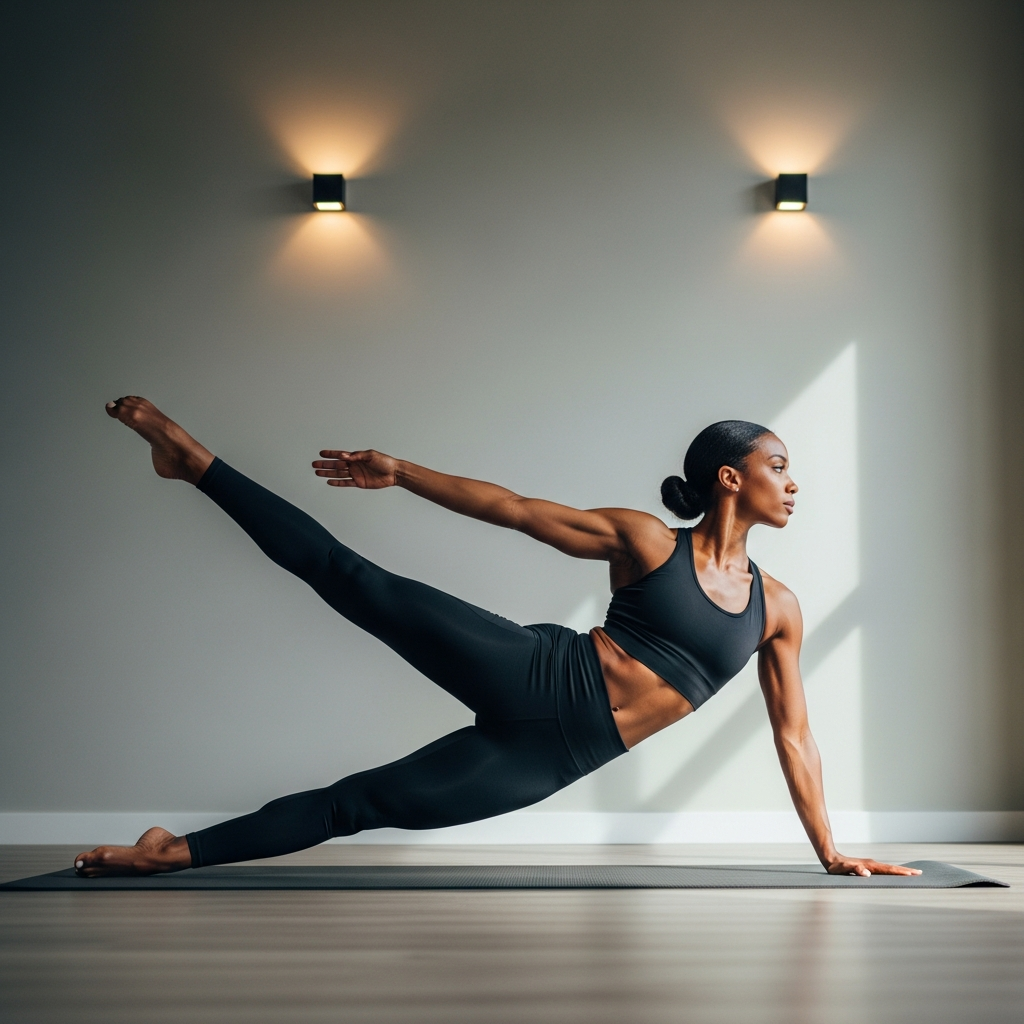
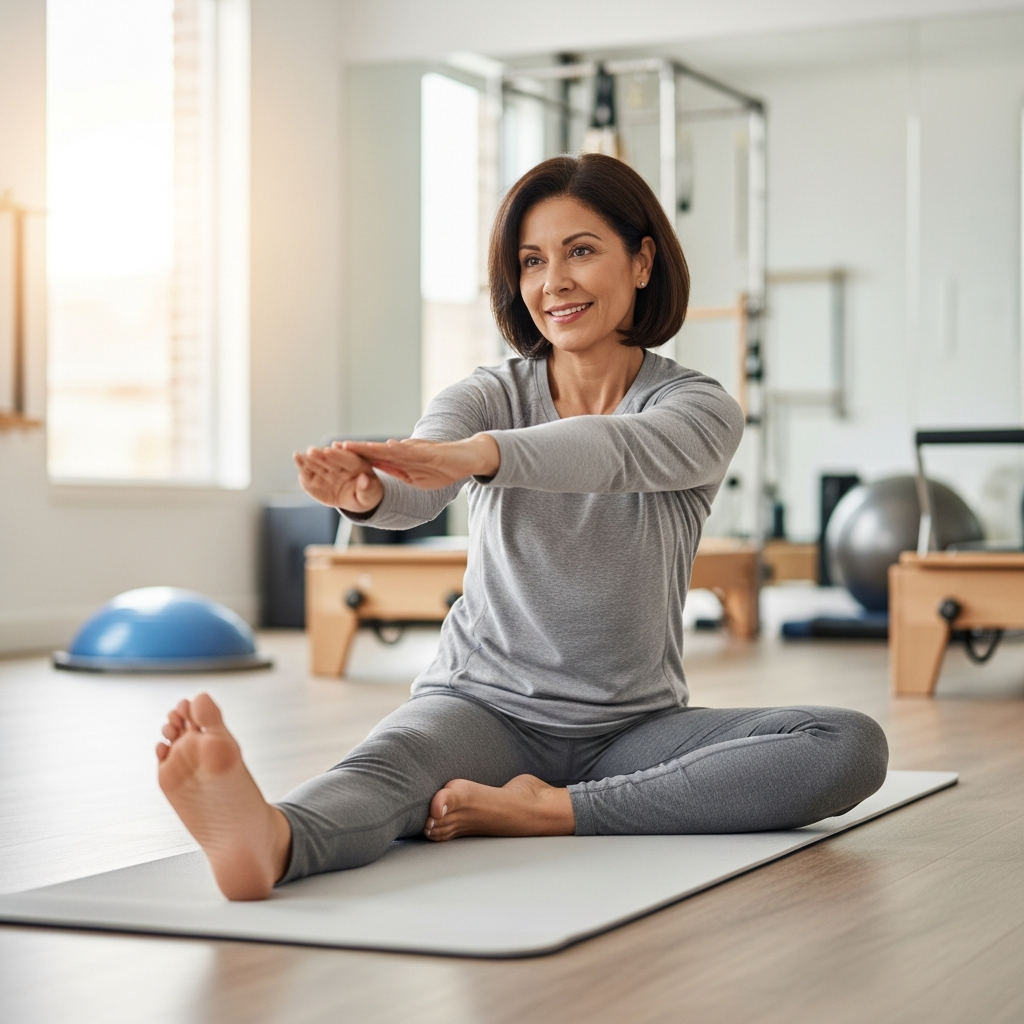
Pilates Near Me: Why Grand Prairie Studios Emphasize Form
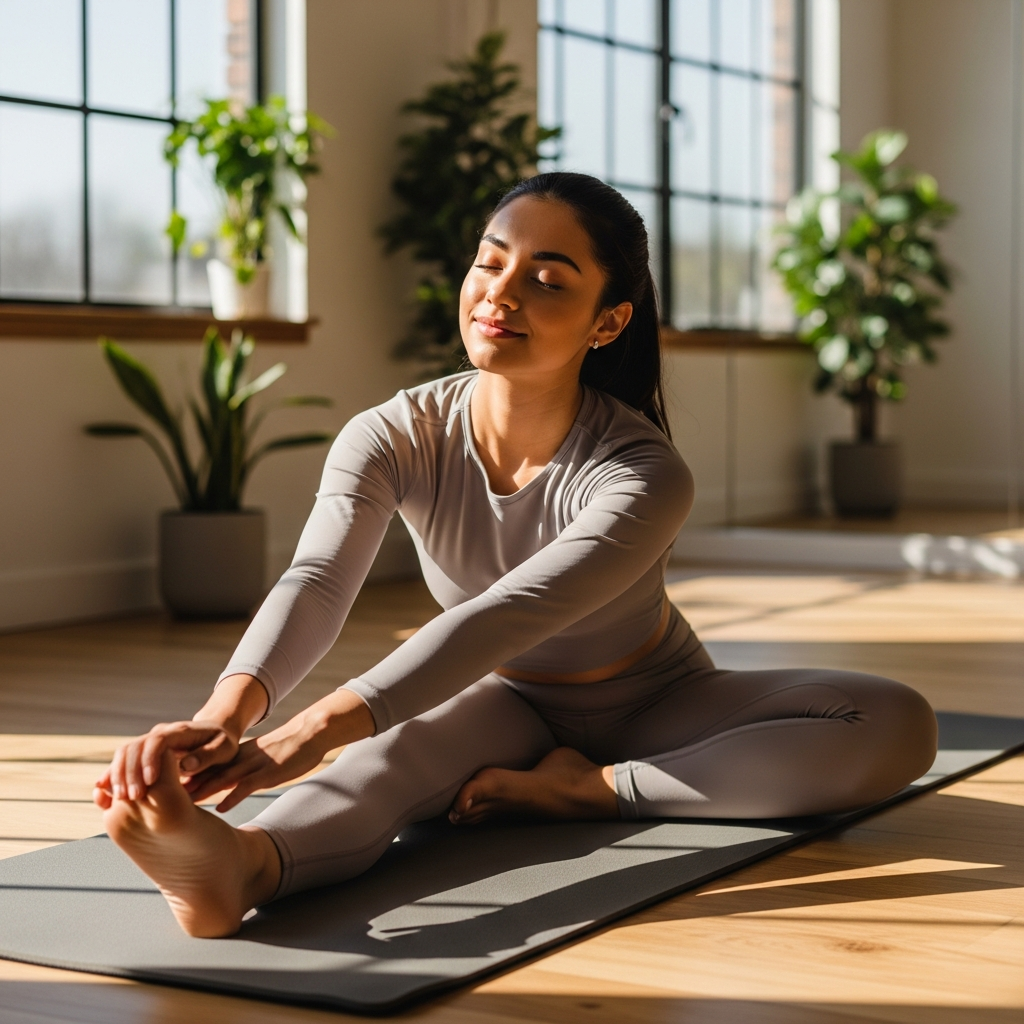
You know that feeling when you walk out of a workout class and you’re not entirely sure what just happened? Like, you moved your body, you sweated a little, maybe you followed along well enough – but something felt…off. Maybe your lower back is talking to you in a way it definitely wasn’t before class. Maybe your neck feels weirdly tight. Maybe you’re just not seeing the results everyone promised you’d see by now.
If you’ve tried Pilates – or you’re thinking about trying it – that experience might feel uncomfortably familiar.
Here’s the thing about Pilates that nobody really warns you about upfront: it looks deceptively simple. You’re lying on a mat, or maybe you’re on one of those intimidating reformer machines, doing what appears to be slow, controlled movements. There’s no loud music pumping you up, no instructor screaming at you to push through the burn. So you figure, how complicated can it be?
Really, genuinely complicated. And that’s not meant to scare you off – it’s actually the most reassuring thing about it.
Why Form Isn’t Just a Buzzword Here
Every fitness modality talks about “proper form.” Every single one. It’s become almost background noise at this point, right up there with “stay hydrated” and “listen to your body.” But in Pilates, form isn’t just the difference between a good workout and a mediocre one. It’s the difference between the whole thing working and the whole thing doing nothing – or worse, quietly creating problems you won’t notice until three months from now.
Joseph Pilates – the man himself, who developed this method in the early 20th century – was obsessive about this. He called his work “Contrology,” which tells you everything about his philosophy. Control. Not just movement. Controlled movement with intention. That’s a fundamentally different thing than just going through the motions.
And here in Grand Prairie, the studios that are doing this right? They understand that distinction at a pretty deep level.
What’s Actually at Stake for You
Maybe you’re coming to Pilates because your doctor suggested low-impact exercise. Maybe you’re recovering from something – a surgery, an injury, the slow accumulation of years of desk work that’s left your posture looking like a question mark. Maybe you’re a runner or an athlete trying to build a stronger core to support everything else you do. Or maybe you’ve just hit a point where you want to feel better in your body, and someone you trust told you Pilates changed their life.
All of those are completely valid reasons. And all of them have one thing in common: they require you to actually be in the right place, learning from the right people.
A studio that rushes through form corrections, or packs classes so full that an instructor physically cannot watch what you’re doing – that’s not just a quality issue. For someone working through back pain or recovering from injury, it’s potentially a setback waiting to happen.
That’s not meant to be dramatic. It’s just honest.
What You’re Going to Learn
This article is going to walk you through why Grand Prairie studios – the thoughtful ones, anyway – place such a strong emphasis on form from your very first session. We’ll talk about what proper Pilates alignment actually means in practice, not just in theory. We’ll get into the real reasons small class sizes and experienced instructors matter more than you might think. And we’ll help you figure out what to actually look for when you’re searching for a studio near you, because “Pilates” on a sign doesn’t tell you nearly enough.
Actually, that last part might be the most useful thing in here. Because the search for a good Pilates studio can feel a little overwhelming – there are more options than there used to be, and they’re not all created equal. Knowing what questions to ask before you walk through the door? That changes everything.
So whether you’re brand new to this or you’ve been dabbling and wondering why you’re not getting the results you expected, stick around. There’s a lot to unpack – and it’s genuinely worth your time.
The “Why Bother With Form?” Question
Okay, so here’s the thing a lot of people wonder but don’t always say out loud: if I’m moving my body and working up a sweat, does it *really* matter exactly how I’m doing it? Like, a crunch is a crunch, right?
Not quite. And this is where Pilates gets a little philosophically interesting – stick with me here.
Joseph Pilates (the actual human being, not just a brand name on a studio door) developed his method in the early 20th century with a pretty radical idea: that the quality of movement matters infinitely more than the quantity. He called it “Contrology” – the conscious control of movement. Which sounds a little intense, honestly. But the core idea is genuinely useful. Moving sloppily, even a lot, trains your body to move sloppily. Moving precisely, even a little, trains your body to move precisely.
Think of it like learning to type. You could hunt-and-peck your way through a keyboard for years and technically get words on the screen. But if you’d learned proper technique from the start? You’d be faster, less fatigued, and your wrists wouldn’t ache by Tuesday afternoon.
What “Form” Actually Means in a Pilates Context
Here’s where it gets a little confusing, and I’ll just admit that upfront – the word “form” gets thrown around so casually in fitness that it almost loses meaning. In Pilates specifically, form is less about looking pretty and more about which muscles are actually doing the work.
The whole system is built around what’s called the “powerhouse” – your deep core muscles, including your transverse abdominis (the deepest abdominal layer), your pelvic floor, and the muscles running along your spine. These aren’t the muscles that pop in a mirror. They’re the quiet, stabilizing ones that most of us have essentially forgotten exist because modern life – all that sitting, all that slouching – has convinced them to clock out early.
When Grand Prairie studios talk about emphasizing form, they’re really talking about waking those muscles back up and making sure they’re doing their jobs during every single exercise. Not your neck. Not your hip flexors compensating. Not momentum carrying you through. The *right* muscles.
The Neutral Spine Thing (It’s Counterintuitive, I Promise)
One concept that trips up almost everyone at first is neutral spine. Your instructor will mention it constantly, and early on it feels like you’re trying to solve a geometry problem while also doing something athletic, which is… a lot.
Here’s the short version: your spine isn’t meant to be perfectly flat. It has natural curves – a gentle inward curve at the lower back, an outward curve at the mid-back, and another inward curve at the neck. Neutral spine just means maintaining those natural curves rather than flattening or exaggerating them. It’s the position where your spine is under the least mechanical stress.
The counterintuitive part? Sometimes what *feels* like a flat back to you is actually an exaggerated arch. And what feels like you’re arching is actually neutral. Your brain’s map of your own body is… well, it’s often wrong. This is why hands-on correction from an instructor in a Grand Prairie studio isn’t just nice to have – it genuinely changes what you’re able to feel and learn.
Why Your Body Actually Needs This
Here’s a useful way to think about it. Your body is basically running compensatory software all the time. If one muscle group is weak or switched off, your nervous system routes the work to something else. You get things done, sure – you stand, you walk, you carry groceries – but you’re essentially running a workaround. Over time those workarounds become the default, and *that’s* usually where pain, injury, and “I don’t know why my lower back always hurts” come from.
Pilates, done with proper form, is largely about finding and fixing those workarounds. It’s not glamorous. You might spend a whole session working on something that looks embarrassingly simple from the outside. But your body is quietly learning to move the way it was actually designed to.
Actually, that’s probably the most honest summary of what all the form-focus is really about. It’s not perfectionism for its own sake. It’s just… getting your body’s original wiring to work properly again.
What to Actually Look For When You Walk In the Door
Here’s something most Pilates newcomers don’t know: you can tell a lot about a studio’s commitment to form before you even unroll a mat. Walk in and look at the class sizes. If you’re seeing 20+ people packed into a reformer room with one instructor, that’s a red flag. Good form-focused studios in Grand Prairie typically cap reformer classes at 8-10 people max – sometimes fewer for beginner sessions. That ratio matters more than the price point, the parking, or how nice the lobby looks.
Ask the front desk one specific question: “How do your instructors cue form corrections?” If they look at you blankly or give you some vague answer about “personalized attention,” keep walking. The answer you want to hear involves tactile cueing (hands-on adjustments), mirror work, and verbal cues that go beyond “tighten your core.” That phrase, by the way, is almost meaningless without context. A good instructor tells you *where* to tighten, *why*, and what you should feel when you’re doing it right.
The First Class Tells You Everything
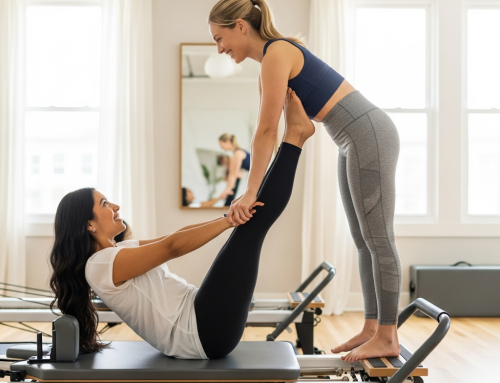
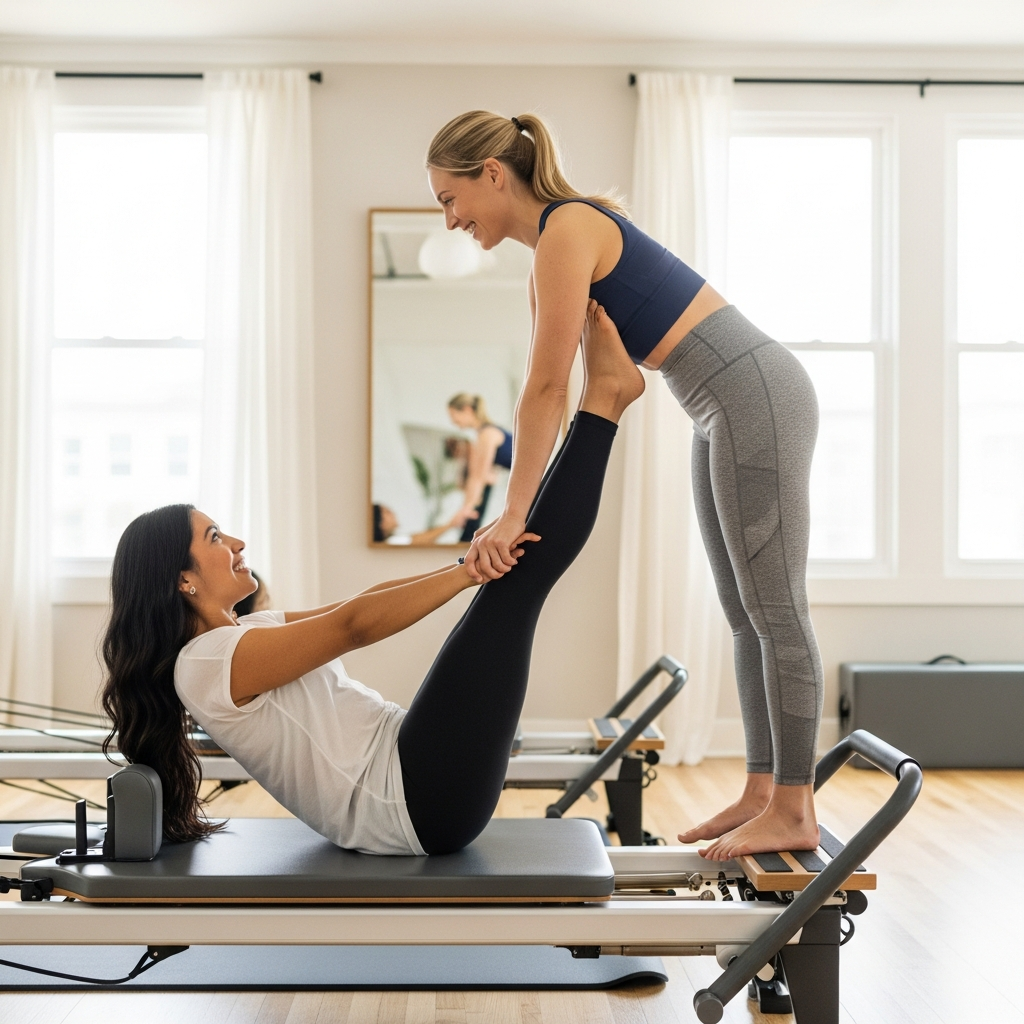
Don’t sign up for a package until you’ve done a single trial class. Most Grand Prairie studios offer these – use them strategically. During that first session, pay attention to whether the instructor actually watches you or just demonstrates from the front of the room. There’s a big difference. An instructor who’s genuinely focused on form will come over, observe your alignment, and say something specific – “your left shoulder is creeping up” or “your pelvis is tilting anterior when you extend.” Generic encouragement like “great job everyone!” is nice, but it tells you nothing about your actual movement patterns.
Actually, that reminds me – bring a friend to your trial class if you can. Afterward, compare notes. Did the instructor correct you both? Were the corrections different? That’s a sign they’re actually seeing individuals, not just running a group through choreography.
Building Your Foundation Before Going Advanced
One of the smartest things you can do – and genuinely few people do this – is intentionally start slower than you think you need to. Grand Prairie studios that prioritize form will often have dedicated “Foundations” or “Level 1” programming. Take it. Even if you’ve been working out for years. Even if you’re already flexible. Even if your ego protests.
The mat basics aren’t just beginner content. They’re the diagnostic layer. Neutral spine, imprinting, proper scapular loading – these aren’t warm-up fluff, they’re the entire operating system. Rush past them and you’ll spend months compensating with the wrong muscles, which is basically how people hurt themselves doing an exercise that’s supposed to be rehabilitative.
Here’s the specific thing to practice before your first class: lie on your back and try to find “neutral pelvis.” Your low back should have a small, natural curve – not pressed flat into the floor, not arched dramatically. Most people are surprised to discover they’ve been holding their pelvis wrong basically forever. That awareness alone? Worth more than any fancy reformer class.
Making Corrections Stick Between Sessions
Form work doesn’t happen only in the studio. The instructors at form-focused Grand Prairie locations will often give you homework – small movement cues or body awareness exercises to practice at home. Don’t skip these. Five minutes of deliberate practice while you’re waiting for your coffee to brew builds neuromuscular memory faster than you’d think.
Keep a simple note on your phone after each class. What got corrected? What did proper alignment feel like in your body when you finally hit it? That sensation is easy to forget, especially early on. Writing it down – even just “left hip kept hiking, had to consciously drop it” – gives you something to reference and helps your next instructor understand your patterns quickly.
Talking to Your Instructor Like a Partner
Finally, don’t be shy about telling your instructor where you feel things. “I feel this in my neck instead of my abs” is incredibly useful information. Instructors who care about form genuinely want that feedback – it’s how they troubleshoot what’s happening deeper in your movement chain. You’re not complaining. You’re giving them data.
Think of it less like a fitness class and more like a working partnership. The studios in Grand Prairie that get this right treat every session like a conversation, not a performance.
When Your Brain and Body Aren’t Speaking the Same Language
Here’s something nobody warns you about before your first Pilates class: you can *know* what you’re supposed to do and still have absolutely no idea how to make your body do it. Your instructor says “scoop your navel to your spine” and you’re nodding along like that makes complete sense while internally thinking… what does that even mean?
This disconnect is probably the most common frustration beginners face, and it’s not a you problem. It’s a nervous system problem. Your body has spent years moving in certain patterns – sitting at a desk, driving, carrying things on your dominant side – and suddenly you’re asking it to recruit muscles it’s basically forgotten exist. That takes time. And repetition. And honestly? A little grace with yourself.
The solution isn’t to fake it until you make it. It’s to ask. The best Grand Prairie studios will have instructors who expect these questions and won’t make you feel embarrassed for asking them. If a cue isn’t clicking, say so. “I don’t feel that in my glutes at all” is incredibly useful information for a good instructor.
The Frustrating Plateau (Yes, It Happens in Pilates Too)
You show up consistently for six weeks, you’re feeling stronger, things are clicking… and then nothing seems to change. The same moves feel the same. You’re not progressing. What gives?
Plateaus happen because your nervous system gets efficient. Once your body learns a movement pattern well enough to perform it safely, it stops working as hard to figure it out. The challenge drops. And here’s the thing about Pilates specifically – it’s deceptively easy to *perform* an exercise while doing very little actual work. Going through the motions looks almost identical to genuinely engaging.
This is exactly why form-focused studios push back on autopilot. When an instructor tells you to slow down, pause at the hardest point, or add intentional resistance – they’re not making things complicated for no reason. They’re pulling you out of the efficiency trap. The goal is quality repetitions, not completed repetitions. There’s a real difference.
If you’re feeling stuck, ask your instructor to give you one thing to genuinely focus on during each exercise rather than just executing the full movement. That micro-focus almost always reignites the challenge.
Dealing With Old Injuries (And the Fear That Comes With Them)
A lot of people come to Pilates specifically *because* they’ve got a bad back, a cranky knee, or a shoulder that’s been through it. Which is great – Pilates can be genuinely therapeutic. But it also means you’re sometimes working with protective tension, compensations that have become habits, and maybe some legitimate anxiety about moving certain ways.
The honest truth? Some exercises are going to feel weird or uncomfortable in ways that are hard to distinguish from “this is working” versus “I should stop.” That ambiguity is real and it’s okay to name it out loud. Tell your instructor exactly what’s going on – not just “I have a bad back” but “my lower back tends to grip when I try to engage my core” or “my left hip always feels different than my right.”
Good studios modify. Not as a consolation prize, but as actual smart programming. A modified exercise done with full engagement beats the advanced version done with compensation every single time.
Consistency Is Harder Than the Workout
Maybe the most underrated challenge. You leave class feeling amazing – tall, connected, weirdly calm – and you fully intend to come back Thursday. And then Thursday happens. Life happens. You miss a week and suddenly starting back feels awkward, like showing up late to a movie.
The studios that seem to retain people longest aren’t necessarily the ones with the nicest equipment. They’re the ones that make you feel known. Where someone notices when you haven’t been in. Where the class time actually fits your schedule rather than *almost* fitting.
If consistency is your struggle – and it’s most people’s real struggle, honestly – be strategic about it. Pick one non-negotiable class slot per week before you add more. Put it in your calendar like a dentist appointment. And if you miss it, don’t let the gap grow. Showing back up after a two-week absence isn’t failure. It’s just Tuesday.
The hard stuff is worth talking about because that’s where real progress actually lives.
What to Actually Expect in Your First Few Weeks
Let’s be honest with each other for a second – because a lot of fitness content will promise you’ll feel completely transformed after your first class, and that’s just… not realistic. You might leave your first Pilates session feeling a little wobbly, a little confused, and wondering if you were even doing it right. That’s completely normal. Actually, that’s kind of the point.
Form-focused Pilates takes time to click. Your brain is learning to talk to muscles it’s basically been ignoring for years. That connection doesn’t happen in 60 minutes.
Most people in Grand Prairie studios report that the first two to three classes feel awkward – like learning to drive a stick shift in a parking lot. You’re thinking about too many things at once. Breathe here, engage that, don’t grip your shoulders… it can feel overwhelming. Give yourself permission to be a beginner.
The Timeline Nobody Talks About
Here’s something instructors wish they told new students upfront: meaningful change in how your body moves typically takes six to eight weeks of consistent practice. Not two weeks. Not after that one really intense session where you were sore for three days.
That soreness, by the way – especially in places you didn’t expect, like deep in your ribcage or along the sides of your waist – that’s usually a good sign. It means you’re accessing muscles that conventional workouts often miss entirely.
Around weeks four to six, something interesting tends to happen. You’ll catch yourself standing differently while waiting in line at the grocery store. Or you’ll notice you got through a long car ride without your lower back complaining. Those small moments? They’re the real milestones. They’re easy to dismiss, but they matter more than any number on a scale.
By week eight or ten, the movements start to feel more natural. You’re not translating instructions in your head anymore – your body just… starts to understand.
What Progress Actually Looks Like
Progress in form-based Pilates doesn’t always look like what we expect. You might not drop a dress size in month one. Some people do see weight changes, especially when they’re combining Pilates with other lifestyle adjustments – and if you’re working with a medical weight loss clinic alongside your studio practice, that coordination can make a real difference. But Pilates on its own is more of a slow, cumulative investment than a rapid transformation tool.
What you *will* likely notice – if you’re consistent – is better posture, reduced tension in chronic problem areas, improved breathing, and a kind of baseline body awareness that starts to change how you move through your whole day. These aren’t flashy results. They don’t photograph well. But they’re genuinely life-changing for a lot of people.
Setting Yourself Up for Success
A few practical things that make a real difference, especially in Grand Prairie’s form-focused studio environment
Show up a little early. Seriously. Even five minutes to chat with your instructor, mention any aches or concerns, and get mentally settled helps more than you’d think. These studios emphasize form because injury prevention matters – your instructor can’t help you if they don’t know your right hip has been bothering you.
Don’t skip the beginner or fundamentals classes because you think you’re past them. Even experienced exercisers often find these sessions humbling in the best way. The foundation work those classes build is exactly what makes everything else work better.
And – this one’s worth saying plainly – consistency beats intensity every single time in Pilates. Two or three classes a week over two months will do far more for you than five classes a week for two weeks followed by burning out and stopping.
A Realistic Next Step
If you’ve been thinking about trying a studio in Grand Prairie, the next step is simpler than it feels. Most local studios offer introductory classes or short trial packages specifically designed for new students. Use that time to meet the instructors, get a feel for the environment, and ask questions without any pressure.
Don’t wait until you feel “ready” or “in good enough shape.” You don’t prep for the gym before going to the gym – the same logic applies here. You start where you are, with the body you have right now, and the form-focused approach these studios are known for means you’ll be guided thoughtfully from exactly that starting point.
There’s something quietly powerful about deciding to take care of your body in a way that actually respects it. Not punishing it. Not racing through reps just to check a box. But genuinely paying attention – to how you move, how you breathe, where you hold tension you didn’t even know was there.
That’s what the studios here in Grand Prairie seem to understand in a way that goes deeper than just fitness trends. When instructors slow things down and prioritize form over speed, over quantity, over the rush to “get through it”… they’re telling you something. They’re saying your body is worth the time. And honestly? That message matters more than most people realize when they’re just starting out – or starting over.
Small Corrections Add Up to Big Changes
It might feel almost frustratingly subtle at first. Someone gently adjusting your shoulder. A reminder to release your jaw (you’re probably clenching it right now, actually). A cue to breathe out on the hard part. None of it feels dramatic in the moment. But those small corrections are cumulative – they rewire the patterns your body defaults to, and over time, those new patterns become the ones you carry into everyday life. Into how you sit at your desk. How you reach for something on a high shelf. How you get up off the floor.
That’s not a small thing. That’s actually kind of everything.
You Don’t Have to Have It All Figured Out
One thing worth saying before you go – and this is important – you don’t need to walk into a studio with perfect posture, a clear fitness history, or any idea what a “neutral spine” means. Nobody does at first. The whole point of a form-focused environment is that the learning happens *there*, in the room, with guidance. You just have to show up.
If you’ve been hesitant because you feel out of shape, or because a past injury makes you nervous, or because you tried a class once and felt completely lost… those are exactly the reasons to try a place that prioritizes form. Not despite those things. Because of them.
A Gentle Next Step
If any part of this resonated with you – if you’ve been quietly wondering whether Pilates might be the right fit, or whether your body could actually feel different than it does right now – we’d genuinely love to talk with you. No pressure, no script. Just a real conversation about where you are and what might actually help.
At our clinic, we work with people at all stages, all starting points, all kinds of complicated histories with their bodies and their health. We’re not here to hand you a one-size-fits-all plan and send you on your way. We’re here to help you figure out what works *for you* – and that might include Pilates, or movement coaching, or something you haven’t considered yet.
Reach out whenever you’re ready. Ask the questions you’ve been sitting on. You don’t have to have momentum to start – sometimes starting is how you find it.
Your body has been working hard for you. It deserves support that actually works back.