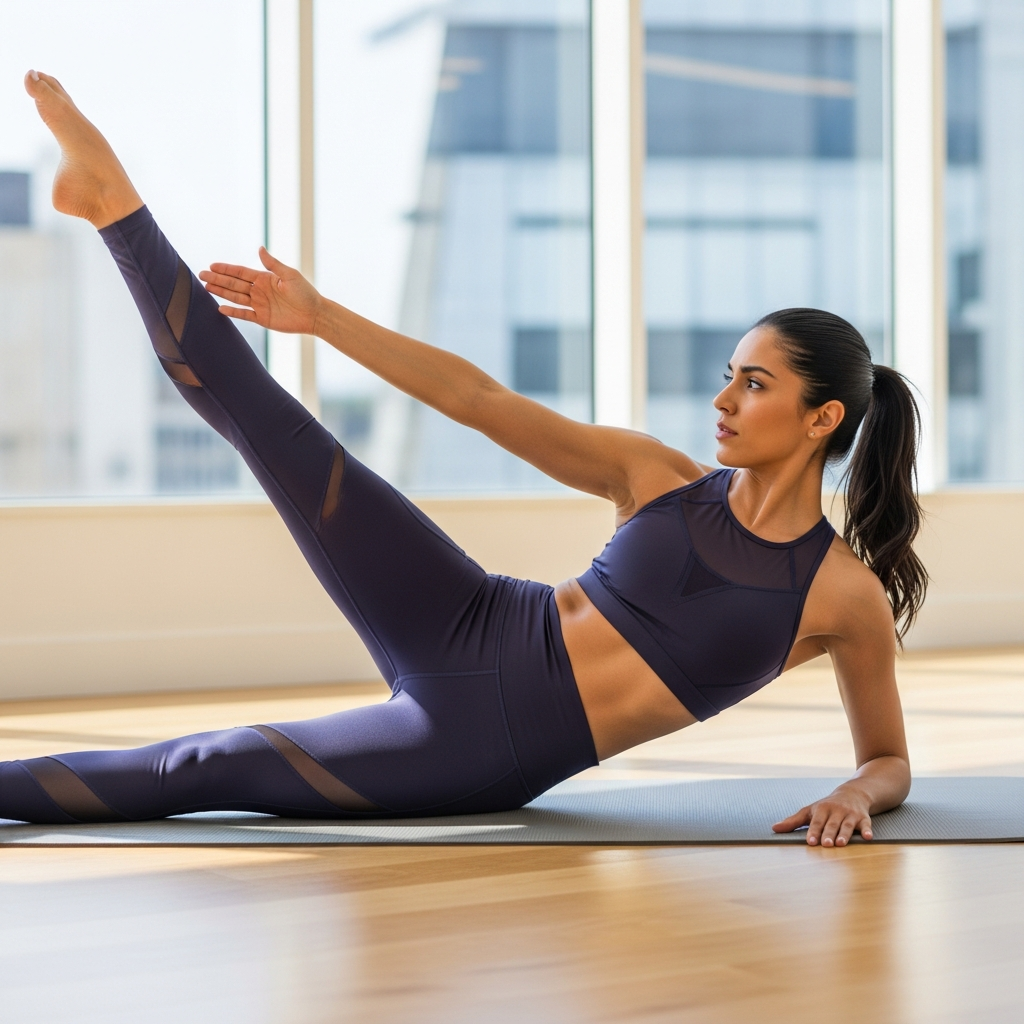
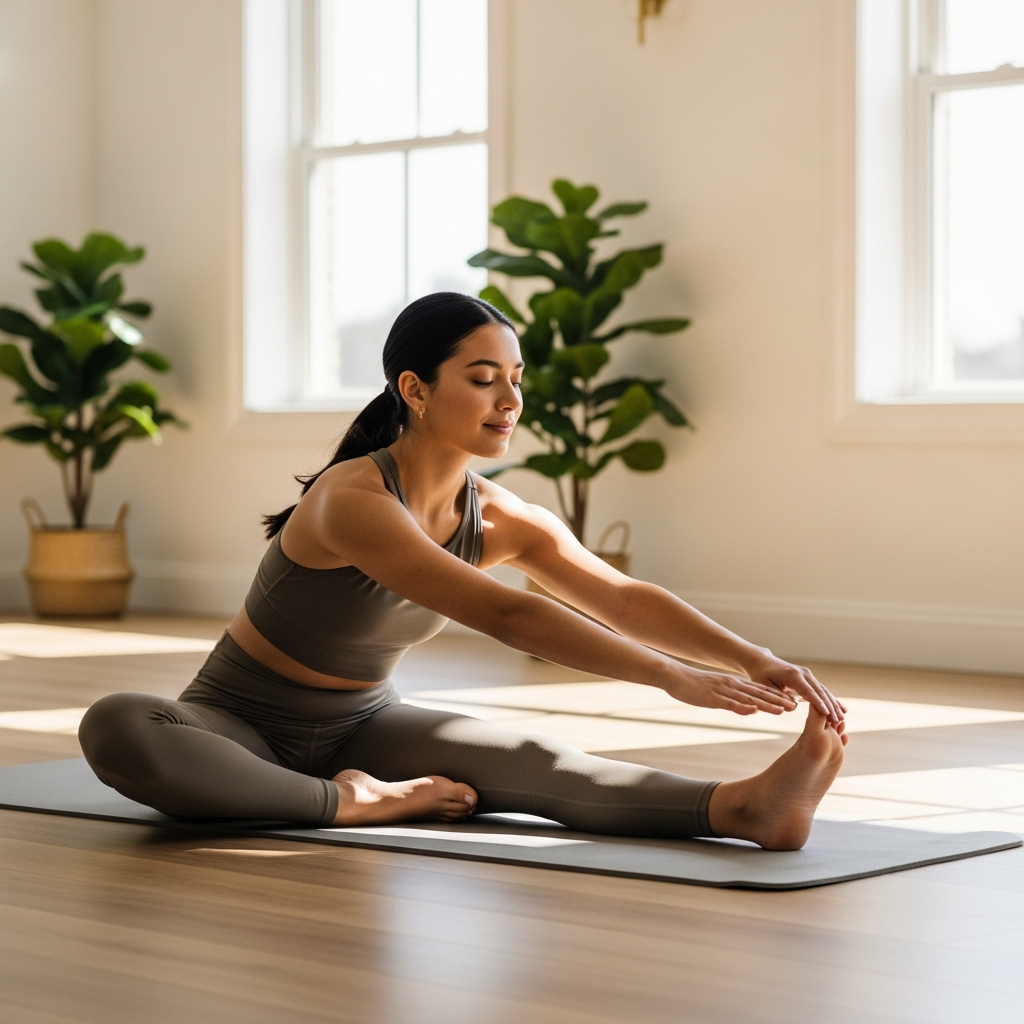
Why More People Are Choosing Pilates Classes in Mesquite
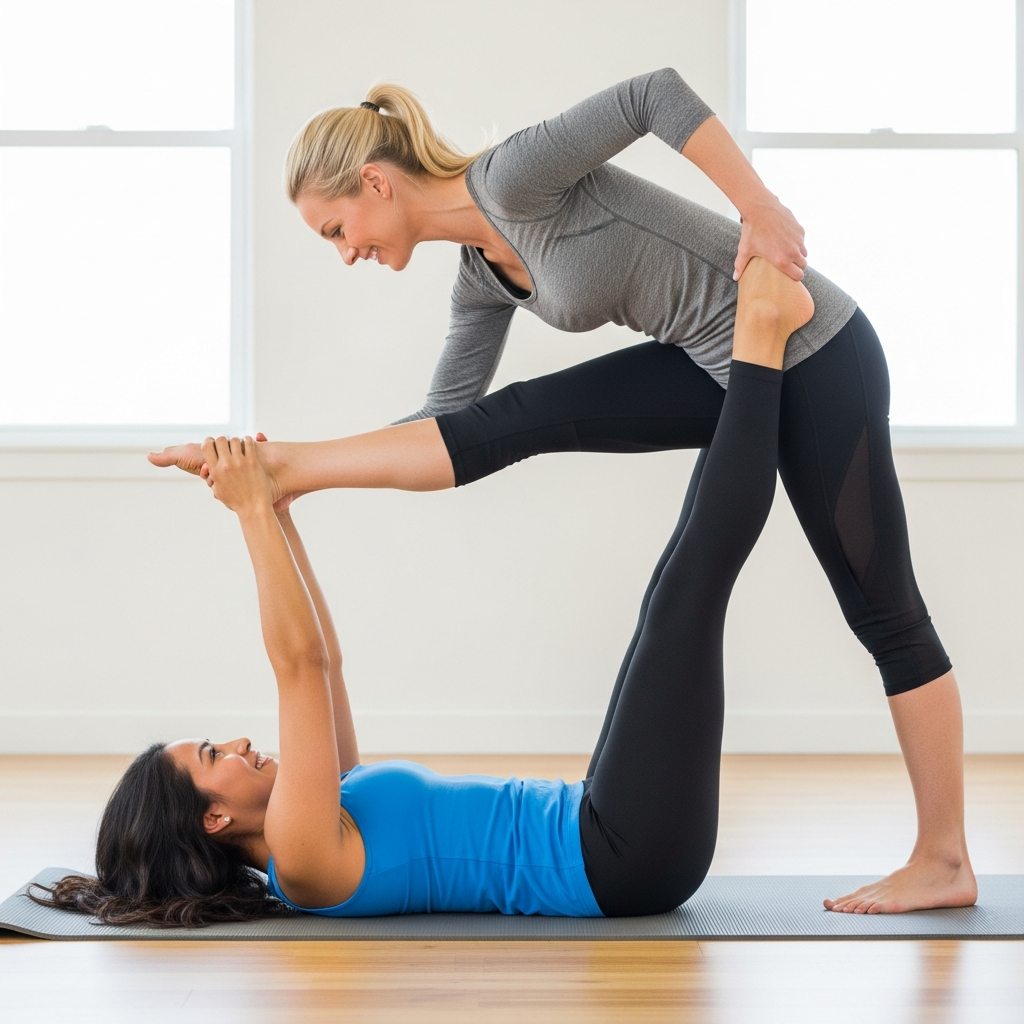
There’s a moment a lot of people recognize – you catch a glimpse of yourself in a store window, or you wake up one morning with that familiar ache in your lower back, or maybe you’re just tired of feeling tired. And you think: *something has to change.* Not in a dramatic, overhaul-your-entire-life way. Just… something. A start.
If you’ve been living in or around Mesquite for a while, you’ve probably noticed something happening. Studios are popping up. Friends are mentioning it in conversation. Your coworker shows up on Monday looking somehow more… put together? And when you ask what they’ve been doing differently, the answer keeps coming back the same way: Pilates.
Which, honestly, might make you raise an eyebrow. Pilates? Isn’t that the thing where people stretch on a weird bed-looking machine? Isn’t it just for dancers, or people who already have perfect posture and wear matching workout sets? Here’s the thing – that’s what most people think before they actually try it. And it couldn’t be further from the truth.
What’s happening in Mesquite right now is genuinely interesting. This isn’t a fitness fad moving through town like a wave. It’s more like a slow, steady realization that people are spreading to each other – that there’s a way to move your body that doesn’t wreck your joints, doesn’t require you to already be in great shape to start, and actually makes you feel better walking out than you did walking in. That’s not nothing. That’s kind of everything, actually.
And the people choosing Pilates here aren’t all the same. That’s what makes it worth paying attention to. You’ve got people in their 60s who finally found something that doesn’t aggravate their knees. You’ve got new moms trying to reconnect with a body that feels foreign to them. You’ve got men who’ve spent decades lifting heavy and are discovering that their core is – how do you say this nicely – not doing what they thought it was doing. You’ve got people managing chronic pain, people recovering from injuries, people who just want to feel stronger without the punishment of a boot camp class at 5 AM.
The common thread? They all showed up not quite sure if this was for them. And most of them didn’t leave.
Now, if you’re someone who’s been sitting on the fence about trying Pilates – or maybe you’re just curious why everyone seems to be talking about it – this article is going to give you real answers. Not the glossy brochure version. We’re going to talk about why Pilates works in a way that actually sticks, why Mesquite specifically has become such a hub for it, and what you can realistically expect if you walk through the door of a class for the first time.
We’ll also get into something that doesn’t come up enough in these conversations – how Pilates fits into a bigger picture of health, particularly for people who are working toward weight management or dealing with the kind of physical limitations that make other exercise feel inaccessible or discouraging. Because here’s the honest truth: exercise isn’t one-size-fits-all. What works for your brother-in-law who runs marathons is probably not what’s going to work for you, and there’s absolutely nothing wrong with that.
The beautiful, slightly inconvenient thing about Pilates is that it asks you to slow down and actually pay attention to your body – which is not what most of us have been trained to do. We’ve been told to push through, go harder, sweat more. Pilates says: wait. Let’s figure out what’s actually happening first.
That shift? For a lot of people in Mesquite and beyond, it’s been the thing that finally made movement feel sustainable instead of like a punishment they couldn’t maintain.
So whether you’re actively considering adding Pilates to your routine, or you’re just genuinely wondering why your entire neighborhood seems to have discovered it overnight – stick with us. There’s a lot worth understanding here.
What Pilates Actually Is (And What It Isn’t)
Here’s where things get a little muddled, because Pilates has a bit of an image problem. Ask most people and they’ll picture a room full of bendy women in matching athleisure doing something mysterious on a contraption that looks vaguely like a medieval torture device. That’s… not entirely wrong, but it’s missing the point by a mile.
Pilates is a movement system developed in the early 20th century by Joseph Pilates – a German-born fitness innovator who originally called his method “Contrology.” Which, honestly, sounds even stranger. The core idea is that controlled, intentional movement builds strength from the inside out. Not bulk, not cardio endurance, but something harder to describe – a kind of functional strength that actually makes daily life easier.
Think of it like renovating a house. You could slap new paint on the walls and call it done. Or you could fix the foundation first. Pilates is very much a foundation-first approach.
The Core Thing Everyone Gets Wrong
When people hear “core work,” they immediately think crunches. Hundreds of crunches. Their back aches just thinking about it. But the core that Pilates targets isn’t just your six-pack muscles – it’s the deeper stabilizing muscles that wrap around your spine like a natural back brace. The ones most of us have essentially forgotten exist because modern life doesn’t exactly demand we use them.
Here’s the counterintuitive part: Pilates exercises often look easy. Deceptively easy. You might watch someone do a movement and think, “I could do that in my sleep.” And then you try it with proper form and suddenly your legs are shaking and you’re sweating through a sports bra from what appears to be… lying still. It happens to everyone. Don’t be embarrassed.
The reason is that you’re recruiting muscles that have essentially been napping for years. Waking them up takes real effort.
Mat vs. Reformer – The Question Everyone Has
There are two main formats you’ll encounter in most Pilates studios, and it’s worth knowing the difference before you sign up for anything.
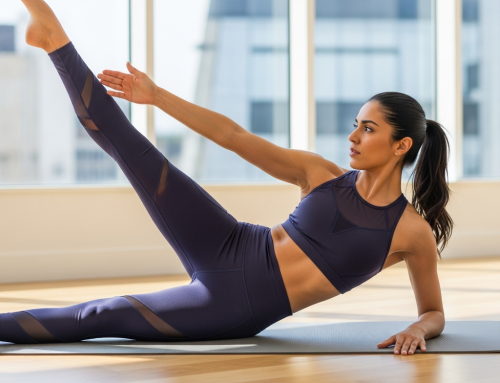
Mat Pilates is exactly what it sounds like – you work on a mat, using your own bodyweight as resistance. It’s more accessible, usually less expensive, and you can eventually practice at home. It’s a great starting point.
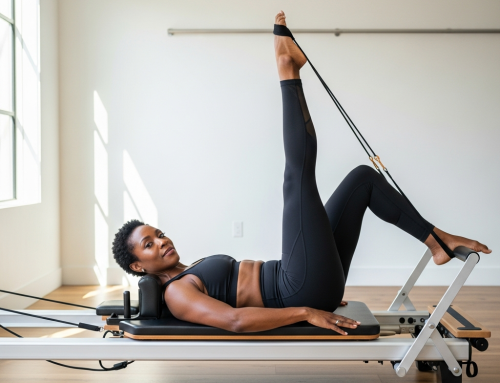
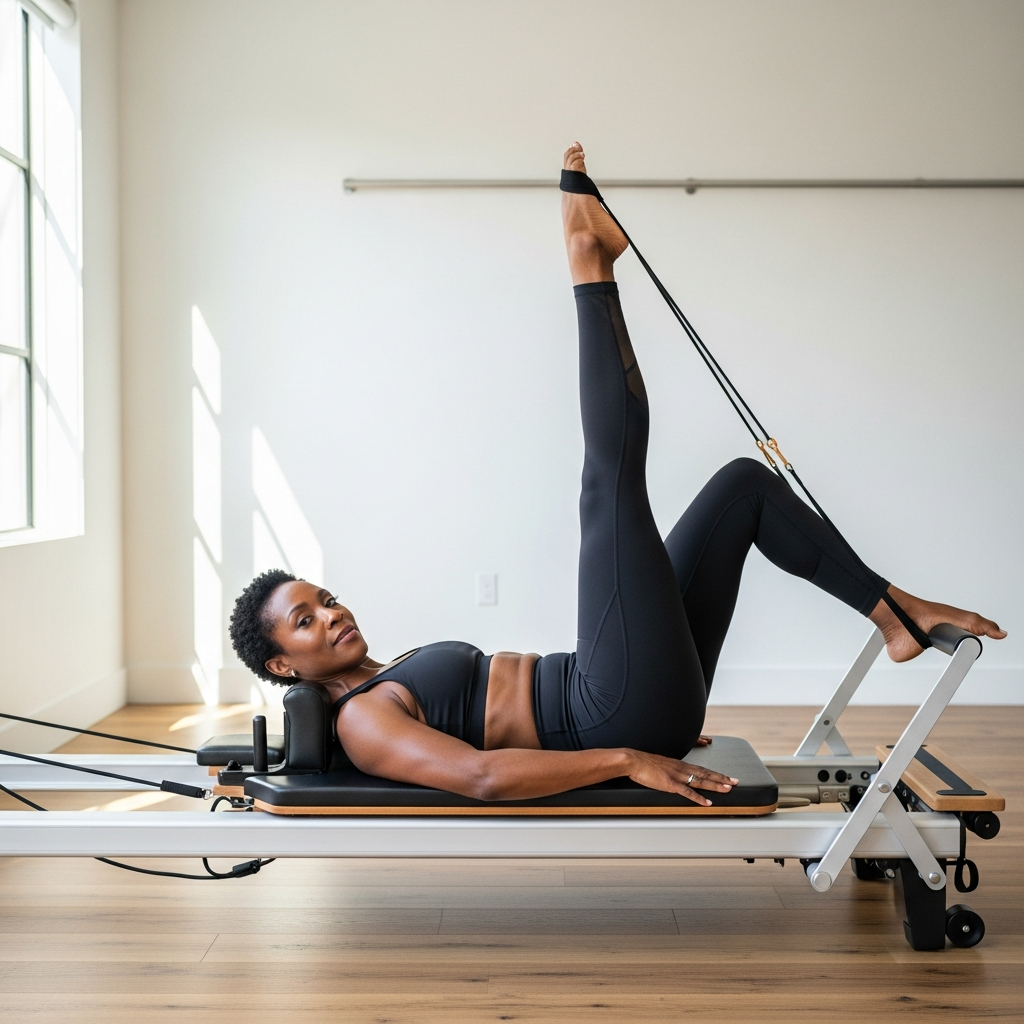
Reformer Pilates involves that bed-like machine with springs and pulleys – yes, the one that looks intimidating from the outside. The springs actually provide resistance AND assistance, which sounds contradictory but means it can be gentler on joints while also being significantly more challenging when you want it to be. It’s weirdly brilliant once you understand the mechanics.
A lot of studios in Mesquite now offer both, and many people do a mix of the two depending on their goals and how their body is feeling on a given week. There’s no wrong answer here.
Why the Mind-Body Connection Isn’t Just Wellness Fluff
Okay, “mind-body connection” – that phrase gets thrown around so much it’s basically lost all meaning. Bear with me for a second though, because in Pilates it actually means something specific.
Every Pilates exercise requires you to think about what you’re doing while you’re doing it. You’re cueing your breath to match your movement, you’re consciously engaging specific muscles, you’re thinking about alignment in real time. You can’t really zone out and scroll TikTok mentally while doing this stuff – it demands your attention.
Actually, that’s one of the reasons people find it so genuinely stress-relieving. You’re not thinking about the work email you forgot to send because your entire brain is occupied with not letting your hip hike up during a leg circle.
Who It’s Actually Designed For
Joseph Pilates originally developed his method to help rehabilitate injured dancers and soldiers. That lineage matters – this was never designed as an extreme fitness system for elite athletes. It was built around the idea of restoring functional movement to bodies that weren’t working quite right.
Which is why you’ll find such a wildly diverse crowd in Pilates classes these days. Older adults managing arthritis. People recovering from back injuries. Runners trying to fix their form. New moms. Desk workers whose posture has slowly collapsed over years of screen time. It meets people where they are, which is genuinely rare in the fitness world.
What to Actually Look for in a Studio (Before You Commit)
Not all Pilates studios are created equal – and honestly, the difference between a great experience and a frustrating one often comes down to a few small details that nobody thinks to check beforehand.
First, peek at class sizes. Reformer classes especially should have no more than 8-10 people. If a studio is packing in 15 bodies onto machines, the instructor physically cannot watch your form properly. And in Pilates, form is everything. A cue you’re missing could mean you’re compensating with your neck for six weeks straight wondering why you feel worse, not better.
Ask specifically about instructor credentials. You’re looking for STOTT, BASI, or Peak Pilates certifications – these programs require hundreds of hours of training, not a weekend course. It’s completely fair to ask, and a good studio will be proud to tell you.
The First Class Reality Check
Here’s something the glossy studio websites won’t tell you: your first Pilates class will probably feel awkward. Maybe even a little humbling. You’ll be engaging muscles you forgot existed, moving more slowly than feels productive, and possibly thinking “this doesn’t seem like a workout.”
Then you’ll wake up the next morning.
The soreness shows up in places that genuinely surprise people – the deep lower back stabilizers, the inner thighs, tiny muscles along the ribcage. That’s actually the point. You’re recruiting muscles that have been essentially sleeping while your more dominant muscles did all the work.
Give it three sessions before forming any real opinion. The first is orientation. The second, your body starts to understand the language. By the third? You’ll start feeling it click.
How to Make Pilates Work Alongside a Weight Loss Program
If you’re doing Pilates as part of a medical weight loss plan – which is genuinely a smart combination – the way you schedule it matters more than most people realize.
Pilates isn’t your calorie-burning cardio session. Don’t try to make it that. Think of it instead as the foundation work that makes everything else more effective. Better posture means better breathing. Better breathing supports better workouts and – this is real, by the way – better metabolic function. Core strength reduces compensation patterns that lead to injury, which means you actually stay consistent with movement instead of getting sidelined.
A practical structure that works well: aim for two Pilates sessions per week, ideally on non-consecutive days, paired with whatever other movement your program recommends. Saturday morning reformer class plus Tuesday mat session is a combination a lot of people in Mesquite find fits into a realistic week without burning out.
Communicate with your medical weight loss provider about what you’re doing. They can help you track how body composition is shifting – the scale sometimes moves slowly when you’re building lean muscle, and having that context prevents discouragement.
Making the Most of Drop-In Classes vs. Memberships
Most Mesquite studios offer both, and the math is worth actually running. Drop-in rates typically hover around $25-35 per class. Monthly memberships usually bring that down to $15-20 per class if you’re going consistently. But here’s the thing – the membership actually changes your behavior. When you’ve already paid, you go. Human psychology is funny like that.
Start with a drop-in or intro package (most studios offer something like three classes for $45-60) to test the instructor’s teaching style and whether the studio’s vibe fits yours. Then commit once you’ve found your place.
Small Habits That Accelerate Your Results
Show up five minutes early – not just to be polite, but because those few minutes of settling in and breathing help you get more out of the class. Your nervous system needs a moment to shift gears from whatever chaos preceded getting there.
Keep a water bottle and a small snack nearby for after class. Pilates isn’t necessarily intense cardio, but your muscles were working hard in an unfamiliar way, and giving them something to work with matters.
And tell your instructor about any injuries, even old ones that “don’t really bother you anymore.” A chronically tight left hip from a car accident ten years ago absolutely affects how you’re going to move on a reformer today. Good instructors will modify for you without making it weird.
The Things Nobody Warns You About (And How to Actually Deal With Them)
Let’s be real for a second. You’ve probably read a dozen articles about Pilates that make it sound like you’ll float into class, breathe deeply, and emerge transformed. And while there’s truth in that… there’s also a lot they leave out. Because Pilates can be genuinely challenging in ways that catch people off guard, especially if you’re coming in with zero background in body-awareness work.
So here’s the honest version.
Your Brain Will Be More Tired Than Your Body (At First)
This surprises almost everyone. You walk out of your first few Pilates classes thinking – wait, that wasn’t cardio, so why am I exhausted? It’s because Pilates demands a level of mental focus that most fitness formats don’t. You’re not just moving through reps. You’re being asked to think about which muscles are firing, where your spine is in space, whether you’re gripping your neck instead of engaging your core.
It’s a lot. And honestly? It can feel frustrating when you’re used to just… exercising.
The solution here isn’t to push through the confusion pretending you’ve got it figured out. Ask questions. Good instructors want you to ask. Go slower than you think you need to. Give yourself four to six classes before you judge whether Pilates “works” for you – because those first few sessions are mostly just your nervous system catching up.
The Consistency Problem Is Real
Here’s where a lot of people in Mesquite – and everywhere, really – quietly fall off. Pilates builds results through regular, repeated practice. Not three classes in January and then nothing until March. The good news is you don’t need to go every single day. Two to three times a week is genuinely enough to see and feel changes. But those sessions need to actually happen.
Life gets busy. Work, kids, traffic on I-635 – you know how it goes. The people who stick with Pilates long-term tend to treat their class time like an appointment they’re not willing to cancel. They also tend to find a local studio where they feel comfortable, which makes showing up feel less like a chore.
If you’ve struggled with consistency before, consider booking your classes a week out and paying in advance. Money on the line has a funny way of making you suddenly find the time.
Body Image Anxiety Is a Real Barrier
Nobody talks about this enough, and they should. A lot of people – especially those new to fitness or coming back after a long break – hesitate to try Pilates because they’re worried about how they’ll look in class. The fitted clothing. The mirrors. Being the person who can’t do the thing everyone else seems to be doing effortlessly.
This is valid. It’s also something that genuinely fades. Most Pilates communities, particularly in smaller studio settings, tend to attract people who are focused on their own bodies – not yours. That said, if this is a real concern for you, look for beginner-specific classes or smaller group sessions where you won’t feel on display. There’s no shame in wanting a lower-stakes environment to start.
“I’m Not Flexible Enough for Pilates” – The Myth That Keeps People Away
Actually, that’s backwards. Inflexibility is basically a reason *to* do Pilates, not a reason to avoid it. You don’t need to touch your toes. You don’t need prior dance experience or a naturally mobile spine. The method was literally designed to work with the body you currently have.
The solution to this one is simply… showing up anyway. Modifications exist for almost every exercise. A good instructor will offer them without making you feel singled out.
When Progress Feels Invisible
Pilates results can be sneaky. You might not notice dramatic changes in the mirror right away. What tends to happen first is subtler – you’re standing differently, your lower back doesn’t ache after long work days, you carry groceries without that familiar shoulder tension. People often don’t realize how much has shifted until someone else mentions it, or until they try something physically demanding and notice they’re handling it better than before.
Tracking these non-scale wins matters. Keep a simple note on your phone. Write down how you felt after each session. Progress is happening even when it’s quiet about it.
What to Actually Expect When You Start
Let’s be honest for a second – because nobody needs another wellness article that makes everything sound like a magical transformation waiting to happen.
Pilates takes time. Real time. And the first few classes? They might feel a little humbling.
You’ll probably discover muscles you forgot you had – or maybe never knew existed. Your core might shake during exercises that look effortless when the instructor does them. You might leave your first session thinking “wait, that’s it?” because Pilates doesn’t always feel like a traditional workout while you’re doing it. Then you wake up the next morning… and oh. There they are. Those muscles.
That’s completely normal. That’s actually a good sign.
The First Month: Getting Your Bearings
Don’t expect dramatic changes in week one or two. What you *will* notice fairly quickly – usually within the first three or four sessions – is that you’re starting to understand your body a little differently. You’ll become more aware of how you’re holding tension, where you tend to collapse or compensate, how your breathing connects to your movement.
This sounds small. It isn’t.
That body awareness is the foundation everything else gets built on. Think of it like learning to type properly instead of hunting and pecking – it feels slower at first, but it’s what allows you to eventually get really good.
Most people in Mesquite classes report that somewhere around the three to four week mark, things start to click. The movements feel less foreign. You stop having to think quite so hard about which way to rotate your pelvis (yes, that’s a real instruction you’ll hear). You might notice you’re standing a little taller without consciously trying to.
Months Two and Three: Where Progress Gets Visible
This is usually when things get genuinely exciting – though “exciting” in Pilates looks different than it does in, say, a high-intensity boot camp. We’re not talking about dramatic before-and-after photos necessarily. We’re talking about putting on your shoes and realizing your lower back didn’t complain. We’re talking about your jeans fitting differently around your waist without the scale doing anything particularly noteworthy.
Strength builds steadily. Posture improves in ways that friends notice before you do. Flexibility increases gradually – not overnight, and not in a way that’ll have you doing splits anytime soon, but meaningfully.
If you’re combining Pilates with other lifestyle changes – maybe you’re working with a medical weight loss program, adjusting your nutrition, managing stress – this is typically when those efforts start to compound in really satisfying ways. Pilates doesn’t work in isolation, and it doesn’t pretend to.
Your Next Steps If You’re Considering It
So you’re curious. Maybe you’ve been thinking about this for a while – actually, a lot of people sit with the idea for months before they walk through the door. That’s fine. But here’s what we’d suggest if you’re ready to move from curious to actually doing something about it.
Start with a beginner or intro series. Don’t walk into an advanced reformer class as your first experience. Most studios in Mesquite offer introductory packages or beginner-specific sessions, and they exist for good reason. The fundamentals matter.
Commit to at least six weeks before evaluating. One class isn’t a fair test. Neither is three. Give your body and your brain enough time to actually learn something before you decide whether it’s working.
Tell your instructor about any limitations upfront. Old knee injury? Back issues? History of anything relevant? Say so before class starts, not after you’ve aggravated something. Good instructors modify. That’s part of what they do.
Be patient with the process in a way you’re probably not used to. We live in a world of fast results and instant feedback, and Pilates is… neither of those things. The results come. They just come quietly, gradually, and in ways that tend to stick around.
The people who get the most out of Pilates classes in Mesquite aren’t necessarily the most athletic or the most flexible when they start. They’re the ones who show up consistently, stay curious, and resist the urge to quit during that slightly awkward phase when nothing feels quite natural yet.
That phase passes. And what comes after it is usually worth showing up for.
There’s something genuinely special happening in Mesquite right now – and honestly, it’s been a long time coming. People are rediscovering what it feels like to move with intention, to treat their bodies like partners instead of problems to be fixed. That shift? It matters more than any number on a scale.
What makes Pilates so different from the workout trends that come and go (remember those vibrating belt machines from the 80s?) is that it meets you exactly where you are. Tight hips from sitting at a desk all day, a back that’s been through some things, core muscles that have sort of… quietly retired – Pilates works with all of it. Not around it. That’s why so many people in this community aren’t just trying it, they’re sticking with it.
It’s About More Than the Physical Stuff
Here’s something people don’t talk about enough – the mental side of this. When you start to feel stronger, when movements that once felt impossible become almost easy, something shifts in how you see yourself. You stand differently. You carry yourself differently. And that confidence has a funny way of spilling over into everything else – your eating habits, your stress levels, how well you sleep. It’s all connected, really.
For folks who’ve tried everything and felt let down every time, that’s actually a big deal. It’s not about chasing perfection. It’s about building something real, and sustainable, and genuinely yours.
You Don’t Have to Figure This Out Alone
If you’ve been curious about Pilates but felt a little intimidated – maybe you think it’s only for dancers, or you’re worried your body isn’t “ready” for it yet – let that go. Seriously. Every person in those classes started exactly where you are now. Every single one.
And if weight loss is part of your bigger picture, Pilates doesn’t have to be the whole answer. It can be one beautiful, powerful piece of a larger plan that’s actually built around *you* – your health history, your goals, your life. That’s what medical weight loss support looks like when it’s done right. Not a rigid program you white-knuckle your way through, but a real conversation about what’s going to work for your body long-term.
So if you’ve been sitting with questions – wondering whether you’d be a good fit, whether it’s too late to start, whether there’s a smarter way to approach your health goals overall – we’d genuinely love to hear from you. Not to pitch you anything. Just to talk. Sometimes that first conversation is the thing that makes everything feel a little less overwhelming.
Reach out whenever you’re ready. There’s no pressure, no judgment, and no one-size-fits-all answer waiting for you here – just people who actually care about helping you feel better in your own skin. Because that’s what this is really about, when you strip everything else away.
Mesquite is showing up for itself. And you can too.