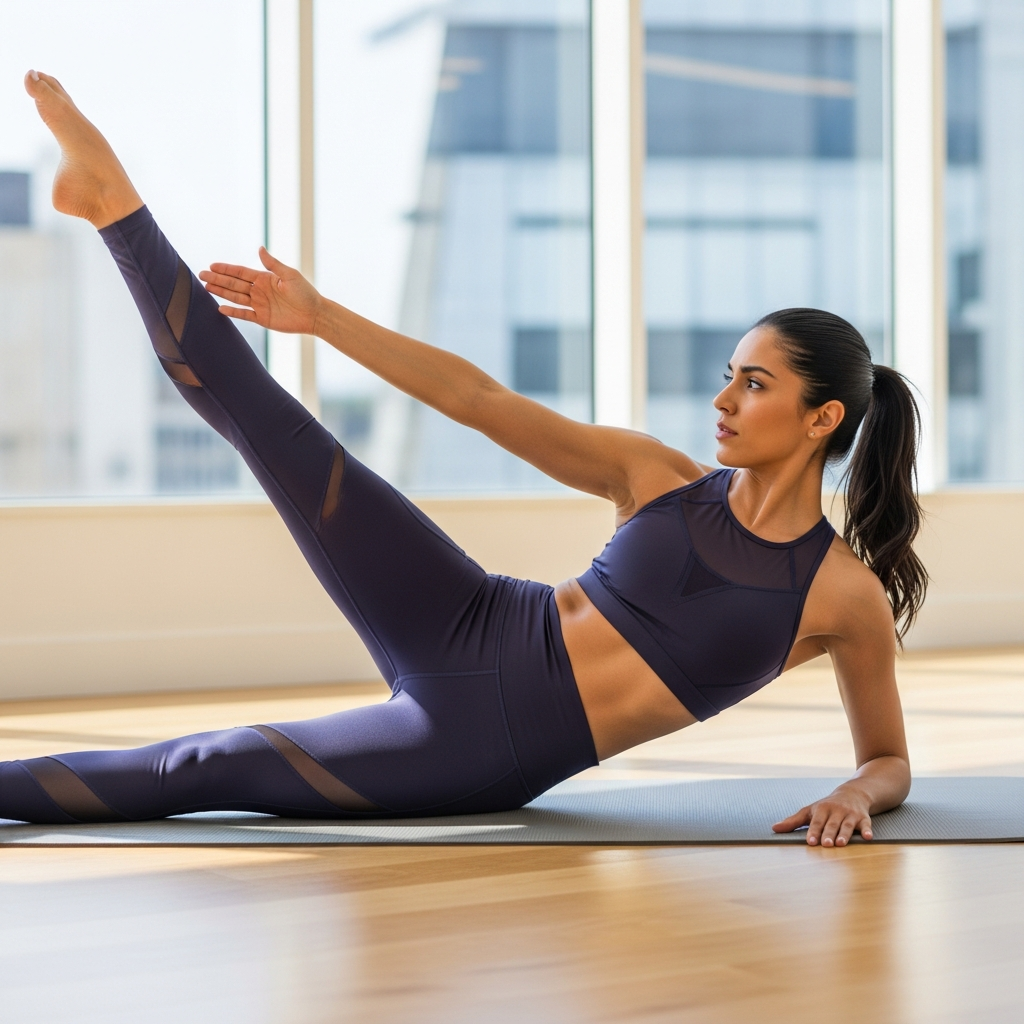
How Pilates Studios in Mesquite Support Personalized Fitness Goals
You’ve probably had that moment. You know the one – you’re standing in a gym surrounded by rows of identical treadmills, someone’s blasting music you don’t recognize, and you’re just… lost. Maybe you grabbed a generic workout plan off the internet, followed it for two weeks, and wondered why your lower back still ached or your core still felt like it was held together with good intentions and optimism. Sound familiar?
Here’s the thing most fitness marketing won’t tell you: generic doesn’t work. Not really. Not for the person recovering from a hip replacement, the new mom trying to reconnect with her body, the 55-year-old who wants to stay strong for her grandkids, or the desk worker whose posture has slowly become, well, a question mark. Real results come from something more thoughtful than a one-size-fits-all routine slapped onto a whiteboard.
That’s exactly why so many people in Mesquite are quietly discovering something that’s been hiding in plain sight – Pilates studios that actually treat you like an individual.
And no, we’re not talking about a trend. Pilates has been around for over a century. Joseph Pilates developed his method during World War I, originally to rehabilitate injured soldiers, and the core philosophy – intentional movement, breath, alignment, and building from the inside out – has never really gone out of style. What has changed is how beautifully adaptable it’s become. That’s what makes Mesquite’s growing Pilates community so worth paying attention to.
Think about what personalization actually means in a fitness context. It’s not just picking your favorite playlist or choosing between the blue or green resistance band. It means a trained instructor understanding that your left knee tracks differently, that you’ve had two C-sections, that you sit at a computer for nine hours a day and your hip flexors are basically screaming. It means building a program around your body – its history, its quirks, its potential. Pilates studios in Mesquite are doing exactly that, and the results people are experiencing are genuinely hard to ignore.
Now, maybe you’ve tried Pilates before and it felt… fine? Maybe you did a mat class and spent most of it confused about whether you were doing it right. That’s actually a really common experience when you’re in an overcrowded class with an instructor who’s managing twenty people at once. What’s different about the studio experience – especially the smaller, more personalized studios popping up right here in Mesquite – is the attention. The actual human attention. Someone watching how you move, correcting your form, asking how your body feels today versus last week.
There’s something almost revolutionary about that in the modern fitness world, isn’t there?
What you’re about to read is a real look at how Pilates studios in Mesquite are helping people – people with wildly different bodies, goals, and starting points – build fitness routines that actually fit their lives. We’re going to talk about the equipment that makes Pilates so uniquely adaptable (the reformer alone is worth an entire conversation), the way qualified instructors approach goal-setting, and why this method works so well whether you’re trying to manage chronic pain, build athletic strength, lose weight, or just move through your days without wincing.
We’ll also get into some of the specific populations finding real relief and progress through personalized Pilates programs – because honestly, the range is remarkable. Seniors. Athletes. Prenatal and postnatal clients. People managing conditions like fibromyalgia, scoliosis, or osteoporosis. The studio environment, when it’s done right, bends around your needs rather than forcing you to bend around it.
And if you’ve been on the fence about trying Pilates – thinking maybe it’s just stretching, or it’s too slow, or it’s “not a real workout” – stick around. That particular myth is about to get a very thorough dismantling.
The truth is, whether you’re brand new to fitness or you’ve been active for years but keep hitting frustrating plateaus, there’s a very good chance a personalized Pilates studio in Mesquite could offer something your current routine simply can’t. Something specific. Something sustainable. Something that actually meets you where you are.
Which, when you think about it… is all any of us have ever really wanted from fitness.
What Pilates Actually Is (And Isn’t)
Let’s get one thing out of the way first – Pilates is not just fancy stretching. It’s also not a watered-down workout for people who “can’t do real exercise.” That reputation has followed it around for years, and honestly? It’s frustrating, because it keeps a lot of people from discovering something that could genuinely change how they move through the world.
Joseph Pilates developed this method in the early 20th century, originally calling it “Contrology” – which, when you think about it, is a much better name. The whole idea was deliberate, controlled movement that trains your body to work smarter, not just harder. He was way ahead of his time. The fitness world spent decades obsessing over bigger, faster, stronger, and here’s this guy quietly insisting that precision and body awareness were the real goals.
At its core, Pilates works by targeting the deep stabilizing muscles – particularly around your core, hips, and spine – that most conventional workouts completely ignore. Think of it like this: most gym exercises are like painting the outside of a house. Pilates is more interested in fixing the foundation. Less glamorous to talk about, but significantly more important long-term.
The Mind-Body Connection (Yes, That’s a Real Thing Here)
Okay, “mind-body connection” can sound a little… vague. Like something printed on a wellness candle. But in Pilates, it has a genuinely practical meaning that’s worth understanding.
Every exercise requires you to consciously engage specific muscles while others stay relaxed. You’re not just moving your body through space on autopilot – you’re directing it. This is actually harder than it sounds. Most of us have spent years developing movement habits that compensate for weakness or tightness, and those patterns are stubborn. A good Pilates instructor essentially acts as a translator between what your brain thinks your body is doing and what it’s actually doing.
That gap? It’s often surprisingly wide. Most people are genuinely shocked the first time an instructor points out that their “engaged core” is basically doing nothing while their neck muscles are heroically overcompensating. It’s a little humbling, honestly.
Equipment vs. Mat – There’s More to This Than You’d Think
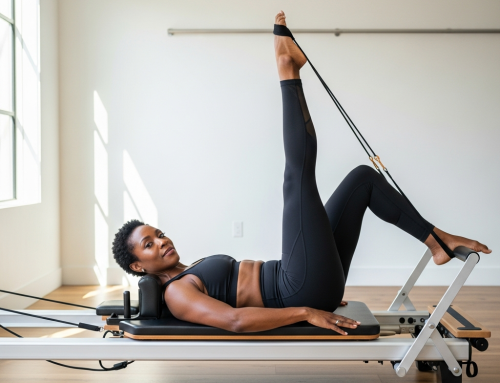
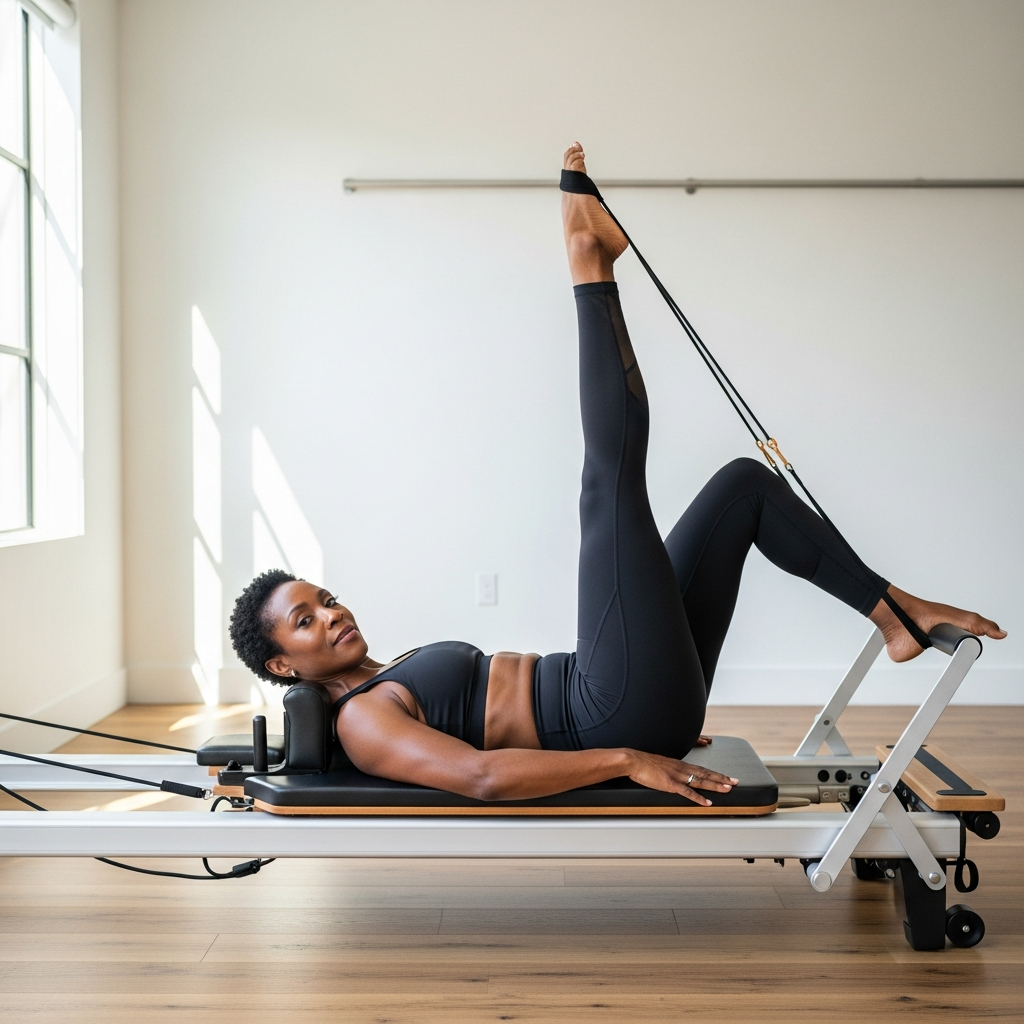
Here’s where things get a bit counterintuitive. The reformer – that sliding, spring-loaded contraption that looks vaguely like a medieval torture device – is actually often *easier* to start on than a mat. The springs provide feedback and support that help you find positions and muscle engagement that might take months to achieve on the floor alone.
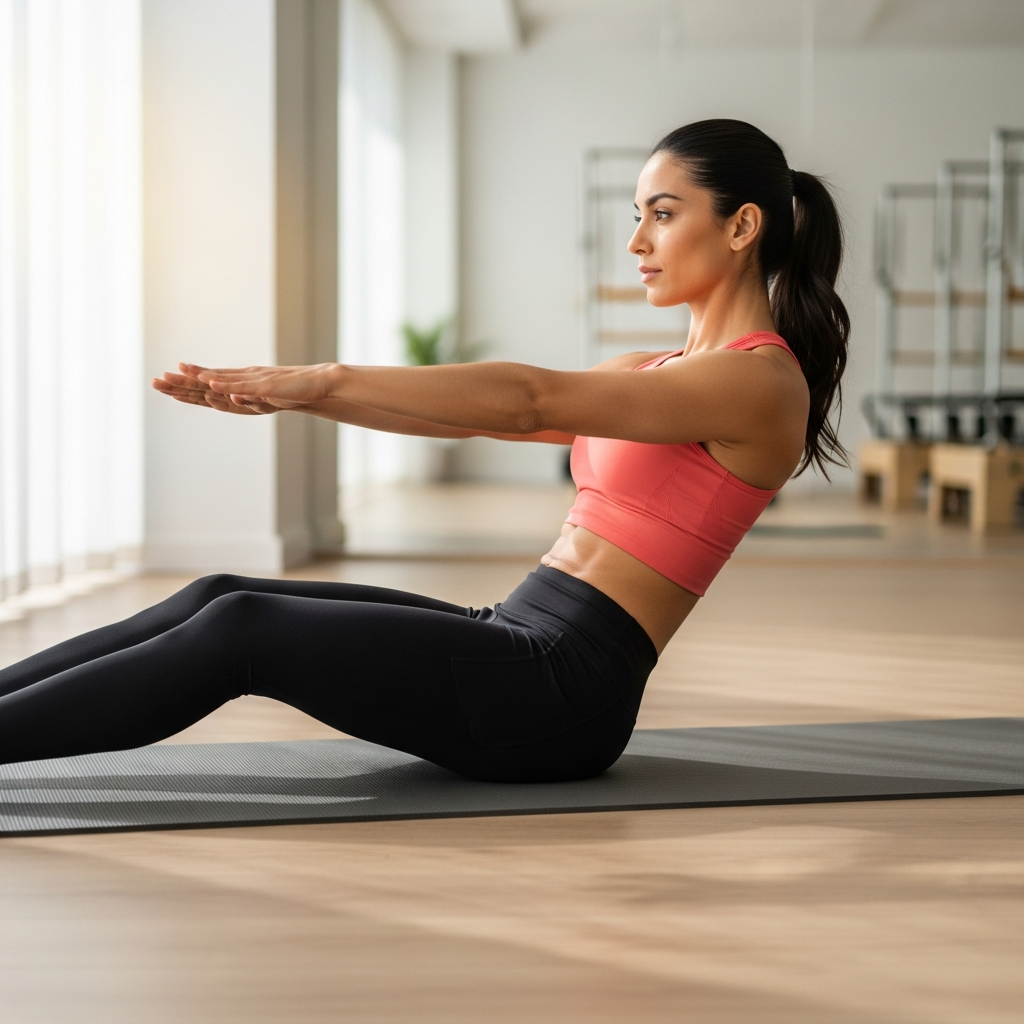
Mat Pilates is deceptively challenging because you’re working entirely against gravity without any assistance. Neither is better. They’re just different tools, and good studios in Mesquite will typically offer both, helping you figure out which environment suits where you are right now – not where you think you should be.
The equipment also allows for an enormous range of modifications. Someone recovering from a back injury can work on the reformer in ways that would be completely impossible on a gym floor. Someone training for athletic performance can use the same machine with completely different spring tensions and positions and get a brutal workout. Same equipment, wildly different experiences. That flexibility is kind of the whole point.
Why “Personalized” Isn’t Just Marketing Language Here
Most fitness classes are designed around an average person – some hypothetical participant who moves well, has no injuries, and shows up three times a week consistently. Real humans are messier than that.
Pilates has personalization baked into its DNA in a way that, say, a spin class or bootcamp-style workout really doesn’t. The method itself demands that instructors assess how *you* move, where *you* are tight or unstable, and what *you* specifically need to work on. Two people doing the same exercise might look completely different – and both could be doing it correctly for their individual bodies.
This matters enormously if you’re working with a medical weight loss program or managing a health condition, because generic programming can actually work against your goals. Actually, that’s true for most people, not just those managing health concerns. We just don’t always notice when a workout isn’t quite right for us until something starts to hurt.
The Pilates framework creates space to ask “what does this person need?” before worrying about what the class schedule says. In Mesquite’s growing studio scene, that question is becoming central to how instructors work – and it’s worth understanding before you walk through the door.
Talk to the Instructor Before You Commit to Anything
Seriously – this is the step most people skip, and it’s the one that matters most. Before you sign up for a class package or buy a membership, call or stop by the studio and actually talk to an instructor. Not the front desk person. An instructor.
Tell them exactly where you’re at. Do you have a bad hip? Lower back that flares up? Are you trying to lose weight, build core stability, or just move without pain for the first time in years? A good Pilates instructor in Mesquite – especially at the smaller boutique studios along the 635 corridor – will adjust their whole approach based on what you share. If they don’t ask questions back? That’s your sign to keep looking.
Don’t Assume “Beginner” Means Easy (or Irrelevant to You)
Here’s something a lot of people get wrong. They hear “beginner Pilates” and assume it’s either too basic or just stretching with fancy equipment. It’s neither. Those foundational classes are actually where the most personalized instruction happens – because class sizes are smaller and instructors have time to watch your movement patterns, spot compensations, and figure out what your body actually needs.
If you’re working with a medical weight loss program alongside your Pilates practice, those beginner classes are *gold*. Your body is changing, your energy levels are shifting, and you need movement that works with that – not against it. Don’t rush into an intermediate reformer class just to feel like you’re “doing more.”
Use the Reformer Consultation as a Real Assessment
Most Mesquite studios offering reformer Pilates will include some kind of intro session before you jump into group classes. Treat this like a medical intake, not just an orientation. Come prepared.
Bring notes if you have to – it sounds nerdy but it works. Write down any injuries, surgeries, or physical limitations. Mention if you’re on any medications that affect your balance or energy. Note your actual goals, not just “get fit.” Specificity here – like “I want to be able to carry groceries up stairs without my knees hurting” – gives an instructor something real to work with. Vague goals get vague programming.
Ask About Private Sessions, Even If Just Once a Month
Group classes are fantastic. But one private session a month can completely transform how effective those group classes are. Think of it like a tune-up.
In a private session, the instructor watches *you* – not twenty other people. They’ll catch the small stuff, like the way you’re over-recruiting your neck when you should be using your core, or that your right hip is doing something your left one isn’t. These little movement quirks are almost impossible to address in a group setting. And once you know about them? You can correct them every single time you show up, even in a crowded reformer class.
Private sessions in Mesquite studios typically run anywhere from $60 to $100, depending on the studio and instructor experience level. That monthly investment? Often more valuable than adding an extra class each week.
Track Differently Than You Think You Should
If you’re used to tracking calories or steps, this might feel weird at first – but try tracking something different with Pilates. Track how you *feel* moving through everyday life. Can you sit at your desk longer without slouching? Does getting out of your car feel easier? Is your lower back quieter after a long day?
These changes show up before the scale moves, before your clothes fit differently. And they’re genuinely meaningful signals that the work is paying off. Keep a simple note on your phone – even just a sentence after each class. “Hip felt more open today.” “Managed the hundred without holding my breath.” Over time, you’ll start seeing a real picture of your progress.
Coordinate With Your Other Health Providers
This one matters especially if you’re working through a structured weight loss program or managing a health condition. Let your Pilates instructor know you’re working with a medical team. Let your medical team know you’re doing Pilates. These conversations don’t happen automatically – you have to be the connector.
A Pilates instructor who knows you’re in a calorie deficit, for example, can pull back on intensity on certain days rather than pushing through a session that leaves you depleted. That kind of coordination isn’t complicated. It just takes a quick conversation. And it makes everything work better together.
When Life Gets in the Way (Because It Always Does)
Let’s be honest for a second. You start Pilates with the best intentions – you’ve paid for the sessions, you’re genuinely excited, you’ve even bought the cute grip socks – and then… life. A chaotic work week, a sick kid, a pulled muscle from doing something completely unrelated to fitness. Suddenly you’ve missed two weeks and the guilt alone feels like enough reason to quit.
This is probably the most common challenge, and nobody talks about it enough. The solution isn’t to be more disciplined or to “just show up” (thanks for that groundbreaking advice, no one). It’s to talk to your instructor *before* life derails you. Good studios in Mesquite will help you build in flexibility – maybe a makeup class policy, maybe a hybrid schedule with some virtual sessions. Ask about this upfront. Seriously, ask before you sign anything.
The “I’m Not Flexible Enough for Pilates” Problem
Oh, this one. People avoid Pilates because they think they need to already *be* flexible to do it. That’s a little like avoiding swimming lessons because you don’t know how to swim yet.
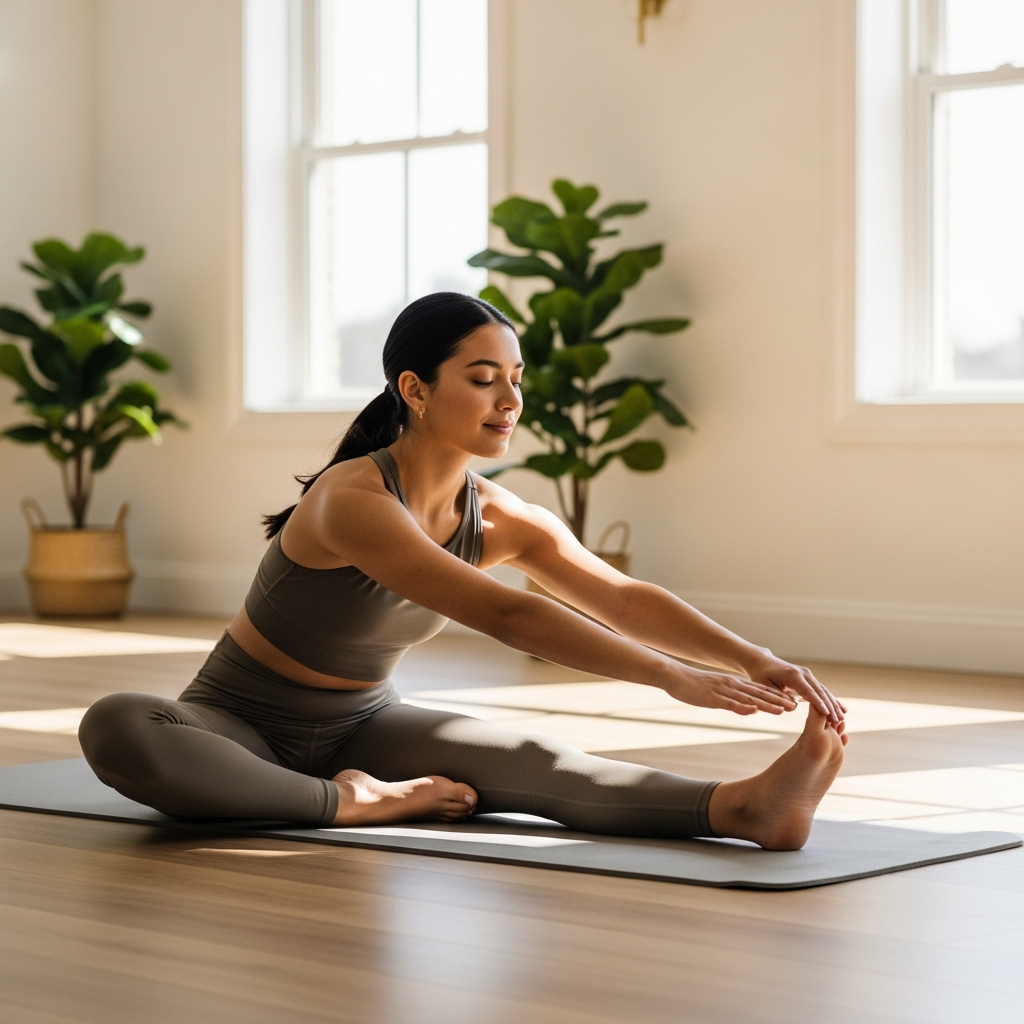
Here’s what actually happens in a well-run studio: your instructor assesses where you are, not where some imaginary ideal client is. If your hamstrings are basically steel cables right now – and a lot of people’s are – that’s your starting point. Not a disqualifier. The Reformer actually makes this easier because it supports your body through ranges of motion you couldn’t achieve on a mat alone. Within a few weeks, most people are genuinely surprised by small but real changes. That first moment you touch your toes without wincing? Worth everything.
When Progress Feels Invisible
This one trips up a lot of people around weeks three through six. You’re showing up consistently, you’re doing the work, and you just… don’t feel different. Or you feel slightly different but can’t quite articulate how.
Here’s the thing about Pilates – it works from the inside out. The deep postural muscles that are quietly strengthening don’t announce themselves like bicep gains do. Progress often shows up sideways: you realize you sat through a three-hour meeting without your lower back aching. You notice you’re breathing more easily when you’re stressed. You pick up a heavy grocery bag without thinking twice.
Actually, that reminds me – keeping a simple weekly log (not an obsessive one, just a few sentences) can be really eye-opening. Write down how your body feels, what hurt this week, what felt easier. Look back after a month. The evidence is usually there, just quieter than you expected.
The Intimidation Factor Is Real
Walking into a Pilates studio for the first time can feel like showing up to a party where everyone already knows each other. The equipment looks vaguely medieval. The other clients seem to know exactly what they’re doing. You’re standing there wondering if you’re supposed to know what a “long box” is.
A good Mesquite studio will pair new clients with an instructor for at least an initial consultation or introductory session before throwing them into a group class. If yours doesn’t offer this – ask for it, or look for a studio that does. You deserve to understand the equipment before you’re expected to use it confidently in front of strangers. That foundation session changes everything.
Plateau: The Sneaky One
You’ve been going for several months, you love it, and suddenly nothing seems to be changing. You’re comfortable – maybe too comfortable.
Comfort is the enemy of progress here. A plateau usually means your body has adapted, which is actually a sign you’ve been working consistently. The fix? Tell your instructor. They can adjust the spring resistance on the Reformer, introduce new apparatus, or shift the focus of your sessions entirely. Some studios in the area offer specialty workshops – prenatal modifications, athletic conditioning, injury rehabilitation tracks – that can completely reignite your sessions. Don’t silently plod through the same routine for months expecting different results.
The Cost Conversation Nobody Wants to Have
Pilates – especially private and semi-private sessions – costs real money. There’s no point pretending otherwise. If the price feels like a stretch, ask about package deals, off-peak scheduling, or whether group classes might serve your goals just as well for now. Some people do a mix: one private session a month to check their form and technique, with group classes filling the rest. It’s not all-or-nothing.
The clinics and studios that actually care about your goals will work with you on this. The ones that don’t? Probably not the right fit anyway.
What to Actually Expect in the First Few Weeks
Let’s be honest with each other for a second. If you walk into a Pilates studio in Mesquite expecting to feel like a completely different person after two sessions, you’re going to be disappointed. Not because Pilates doesn’t work – it absolutely does – but because your body needs time to figure out what’s happening to it.
The first few weeks are genuinely weird for most people. You’ll be concentrating so hard on breathing correctly and finding muscles you forgot you had that you’ll leave class feeling more mentally exhausted than physically tired. That’s completely normal. Your nervous system is learning new movement patterns, and that takes real cognitive effort. Some people describe it as “thinking with their body,” which sounds a little woo-woo until you experience it yourself.
Don’t be surprised if you’re sore in places you didn’t expect – the sides of your torso, deep in your hips, muscles along your spine that apparently existed this whole time without your knowledge. That’s the deep stabilizing work doing its thing.
The Realistic Timeline (No Sugarcoating)
Here’s something most fitness marketing won’t tell you: meaningful, lasting change takes longer than you want it to. A good Pilates instructor will tell you this upfront, and honestly, that transparency is a good sign you’re in the right place.
Most people start noticing something – better posture, less back tension, a little more awareness of how they’re moving through the day – somewhere around the four to six week mark, assuming they’re coming in two or three times a week. Actually *feeling* stronger, more controlled, more capable in their body? That’s often closer to eight to twelve weeks of consistent practice.
And weight changes, if that’s part of your goal? Pilates isn’t typically a high-calorie-burn activity on its own. It builds lean muscle, improves how your body moves and functions, and can absolutely be part of a weight management plan – but it works best when it’s one piece of a bigger picture that includes nutrition and, ideally, some cardiovascular activity. A good Mesquite studio will be upfront about this rather than making promises that set you up for frustration.
How Personalization Actually Evolves Over Time
One of the genuinely cool things about working with a studio that emphasizes personalized goals – and most of the quality ones in this area do – is that your program isn’t supposed to stay static. Think of your initial assessment as a starting point, not a prescription carved in stone.
A good instructor is watching you across those first few weeks, noticing where you compensate, where you’re stronger than expected, where you’re struggling. They’re adjusting. Maybe they introduced a modification early on that you don’t need anymore. Maybe they’ve spotted something in your movement that suggests you’re ready for a new challenge – or that you need to slow down in one area before advancing in another.
This is why it’s worth having honest conversations with your instructor. Tell them what’s working. Tell them what’s confusing. Tell them if something hurts (not “good” muscle soreness – actual pain). The more they know, the better they can guide you.
Your Next Practical Steps
So if you’re thinking about getting started – or you’ve recently started and you’re wondering if you’re on the right track – here’s what actually matters
Show up consistently. Two to three sessions per week is the sweet spot for most people. Once a week will give you some benefit, but the progress is slower and the learning curve stays steeper for longer.
Be patient with the learning curve. The first month is mostly about building the foundation – understanding the principles, finding the connection, getting your body and brain on speaking terms. That work matters even when it doesn’t feel dramatic.
Communicate with your instructor about your goals, your limitations, and how you’re feeling week to week. The personalization only works if they have information to work with.
And maybe most importantly – don’t compare your progress to the person on the reformer next to you. They might have been doing this for three years. They might have a completely different body, history, and set of goals. Your timeline is yours.
The studios here in Mesquite that do this well know that fitness isn’t a sprint to some finish line. It’s more like tending a garden – a little unglamorous sometimes, requiring patience, but genuinely rewarding when you start to see what’s growing.
What makes Mesquite’s Pilates community genuinely special – and this is something you’d notice pretty quickly if you visited a few studios – is that it doesn’t feel like a transaction. You’re not just paying for an hour of mat time and walking out the door. There’s something different happening in these spaces, something that’s harder to quantify than reps or resistance levels.
It’s the instructor who remembers that your lower back has been flaring up. The small class size that means you’re not just a face in the crowd. The way a program actually shifts when *you* shift – when your goals change, when life gets complicated, when you have a good month or a hard one.
That kind of personalized attention isn’t just a nice-to-have. For people managing chronic pain, recovering from an injury, navigating postpartum changes, or dealing with the very real physical effects of carrying extra weight… it’s the difference between a fitness plan that sticks and one that quietly disappears by February.
And honestly? Most people have been through that cycle enough times to feel a little skeptical. If that’s you, that skepticism makes complete sense. You’ve probably tried programs that promised to meet you where you are and then handed everyone the same cookie-cutter routine. Pilates – done well, in the right environment – is genuinely different in that regard. The whole method is built around the idea that movement should be adapted to the body in front of the instructor, not the other way around.
You Don’t Have to Have It All Figured Out First
One thing worth saying clearly: you don’t need to walk into a Pilates studio with a perfectly articulated goal or a plan already mapped out. “I want to feel better and move without pain” is enough. “I’ve been told I need to strengthen my core but I don’t really know what that means” is enough. “I’m just tired of feeling disconnected from my body” – that’s absolutely enough to start with.
The studios in Mesquite that do this work well are used to meeting people at that starting point. They’re not expecting you to arrive polished and prepared. They’re expecting you to arrive.
A Small Nudge, If You Need One
If something in this article resonated with you – if you found yourself nodding along or thinking *yeah, that’s exactly what I’ve been looking for* – that recognition is worth paying attention to.
You don’t have to make any big decisions today. But if you’ve been sitting on the fence about reaching out to a Pilates studio or a wellness clinic that can help you build a more personalized approach to your health, consider this a gentle nudge from a friend who genuinely thinks it could be worth the conversation.
At our clinic, we work alongside people every day who aren’t sure where to start – and we love that part of the work, actually. Helping someone figure out what they need is just as meaningful as the work that comes after. So if you want to talk through your goals, ask questions, or just get a clearer sense of what a personalized fitness support program might look like for you, we’re here for that conversation. No pressure, no sales pitch – just a real talk about where you are and where you’d like to be.
Mesquite has quietly built something pretty wonderful in its wellness community. You deserve to be part of it.