Title: Embrace the Power of Pilates: Everything You Need to Know
Hook: Are you looking to enhance your fitness routine and achieve a balanced body? Discover the magic of Pilates—a low-impact, transformative exercise method designed to improve flexibility, strength, balance, and overall wellness.
Context: Pilates, named after its founder Joseph Pilates, is a mind-body workout that not only targets your core strength but also focuses on full-body fitness. Unlike some forms of exercise that can over-develop certain body parts, Pilates provides an overall well-rounded workout that can benefit everyone – from the fitness newbie to the seasoned athlete. Whether you’re young or old, fit or out of shape, flexible or stiff as a board, Pilates has something incredible to offer you.
In this comprehensive guide, we will delve deep into the world of Pilates, exploring its history, benefits, principles, and different forms—specifically Mat Pilates and Pilates classes. We will further highlight what you need to know before starting your Pilates journey and what to expect in your first class.
What will be covered:
1. A brief history of Pilates: Learn about the fascinating origins of this popular fitness method and how it has evolved over the years.
2. The benefits of Pilates: Understand the unique advantages Pilates offers for both your mind and body.
3. The principles of Pilates: Discover the guiding principles that make Pilates stand out from other workouts.
4. An introduction to Mat Pilates: Explore what Mat Pilates is and why it’s a popular choice for many practitioners.
5. What to expect in a Pilates class: Get an idea of what a typical Pilates class looks like, so you can walk into your first session with confidence.
Why this matters to readers: In our fast-paced world where stress and unhealthy lifestyles are common, Pilates offers a holistic approach to fitness that goes beyond just physical wellness. It’s not just about building a strong body—it’s about creating a harmonious relationship between the mind and body, leading to improved mental clarity, increased body awareness, and enhanced quality of life.
If you’re intrigued by the idea of a workout that can help you achieve a balanced body, better posture, increased core strength, and mental resilience—all in one—then Pilates is for you. Whether you’re already into fitness or looking to start your journey, this guide will provide you with all the essentials you need to know about Pilates. So, let’s dive in and uncover the power of Pilates—the fitness method that has been transforming lives for over a century.
Pilates, a unique system of body conditioning that combines strength training, flexibility, and body awareness, has been practiced worldwide because of its significant benefits to overall health and well-being. This form of exercise was initially developed in the early 20th century by Joseph Pilates, a German physical trainer. Joseph’s method, which he originally named “Contrology,” was developed to help injured athletes and dancers safely return to exercise and maintain their health and fitness. Today, it is known as Pilates, a holistic fitness regimen that can be tailored to suit anyone from athletes to people recovering from injury, those looking to improve their physical fitness, or individuals seeking stress relief.
Pilates is based on six key principles: concentration, control, centering, precision, breath, and flow. Each of these principles is integral to the practice of Pilates, contributing to the effectiveness of the workouts and enabling practitioners to reap maximum benefits.
The principle of concentration underlines the importance of bringing full attention to each exercise. By focusing on each movement’s execution, you’ll be more likely to perform each exercise with optimal form, leading to more effective results. Control, on the other hand, emphasizes the significance of using your mind to control your muscles. This is particularly important in preventing injuries and ensuring that the right muscle groups are targeted during each exercise.
Centering is another key principle in Pilates. All movements in Pilates originate from the core, which Joseph Pilates referred to as the “powerhouse” of the body. Strengthening your core promotes better posture, stability, and physical coordination. Precision is closely linked with control and concentration. Every movement in Pilates has a purpose, so it’s essential to perform each one as accurately as possible for maximum benefit.
Breathing is another fundamental aspect of Pilates. Proper breathing techniques can help practitioners better control their movements and maintain focus. Lastly, flow emphasizes the smoothness and grace with which exercises should be performed. Each movement should seamlessly flow into the next, promoting fluidity, balance, and elegance in motion.
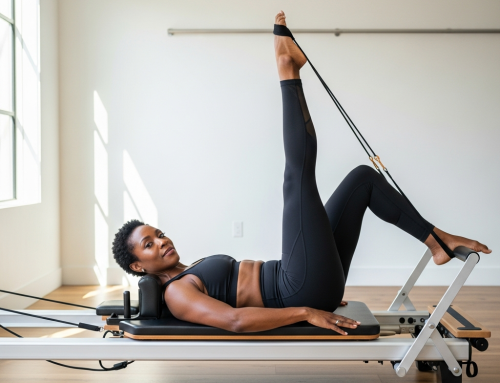
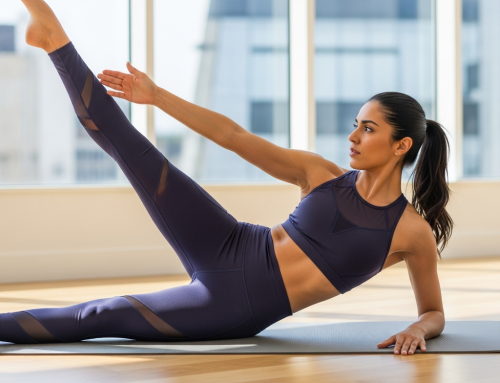
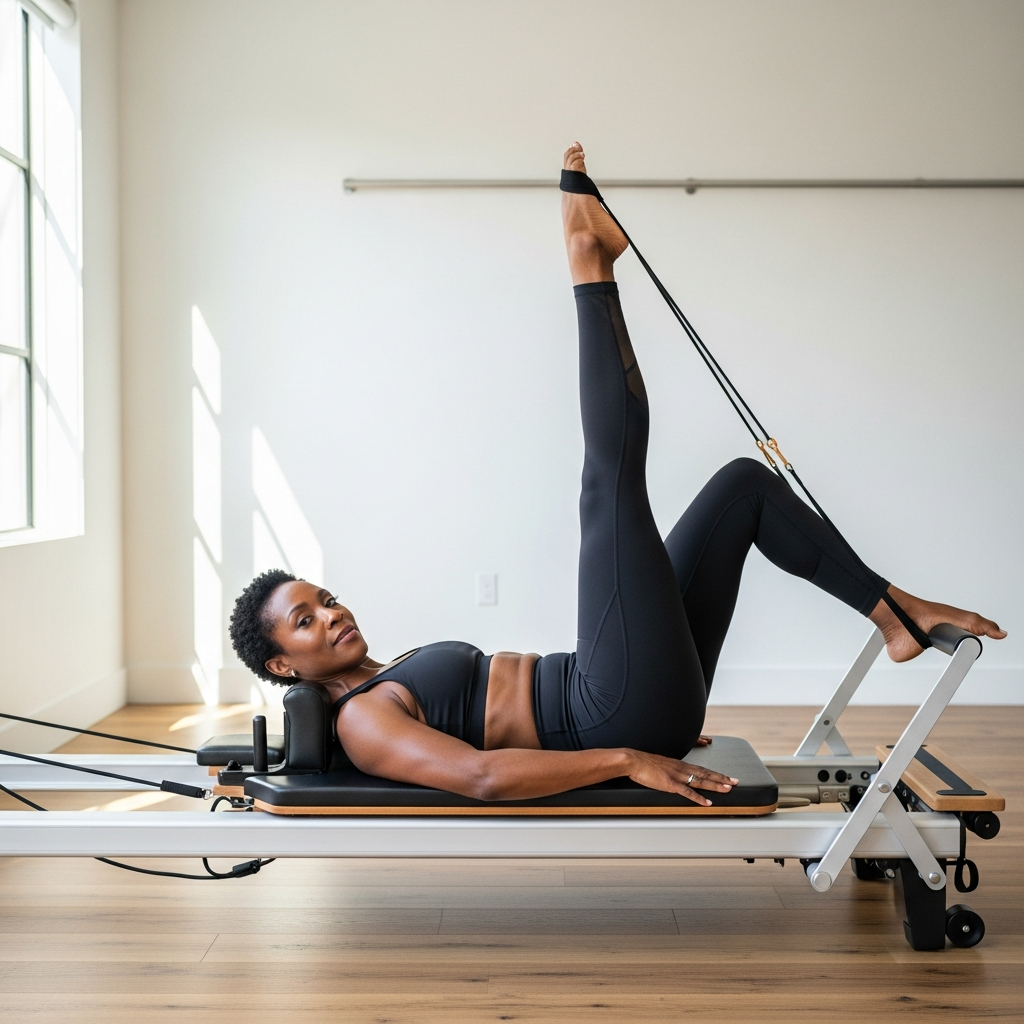
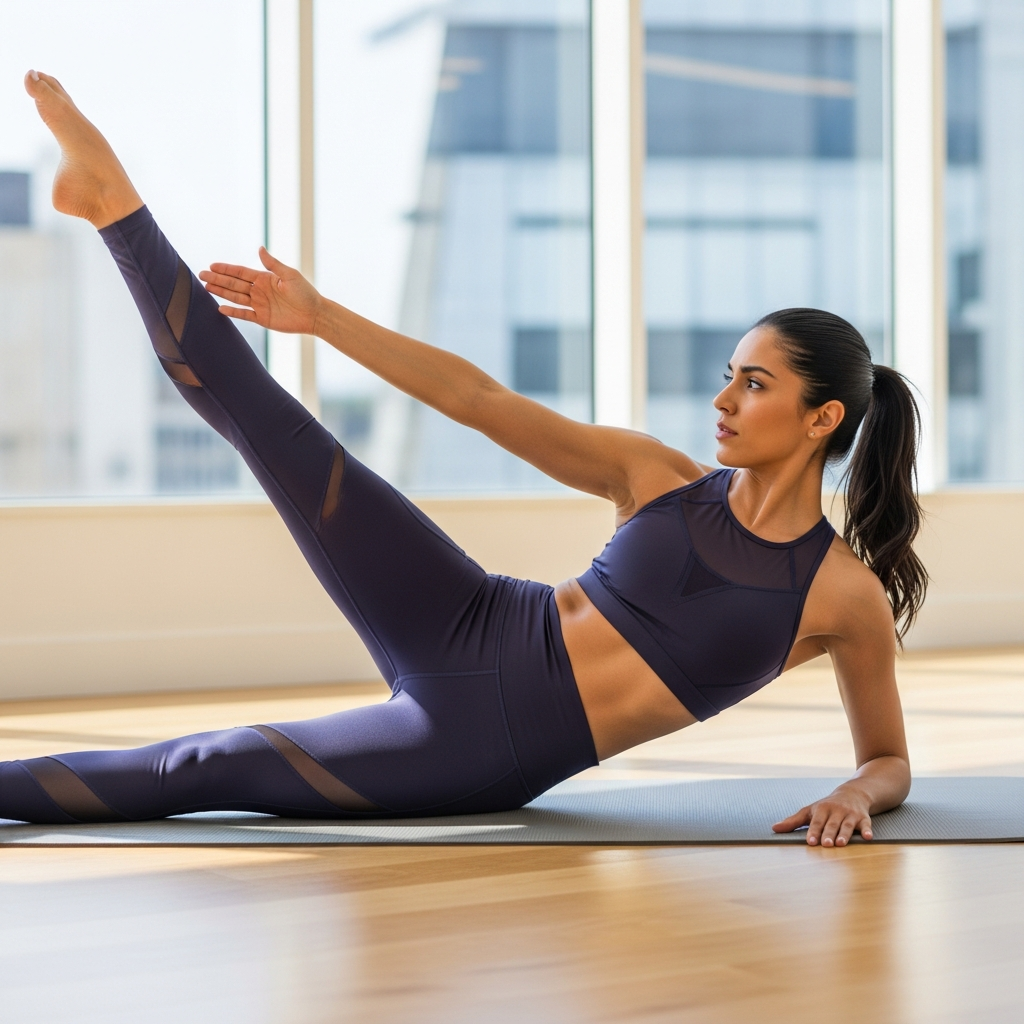
Before starting a Pilates program, it’s essential to understand its two main forms: mat Pilates and reformer Pilates. Mat Pilates is usually performed on a padded mat, using body weight as resistance. This form of Pilates primarily focuses on strengthening the core. On the other hand, reformer Pilates is performed on a specialized piece of equipment called a reformer. This machine uses springs for resistance, allowing for a wider range of exercises that can target different muscle groups.
Regardless of the form you choose, it’s crucial to start with basic exercises to familiarize yourself with the principles of Pilates and gradually progress to more advanced movements. It’s also advisable to learn from certified instructors to ensure proper form and prevent injuries.
Pilates has numerous health benefits. Regular practice can lead to improved strength, flexibility, coordination, and balance. Additionally, since Pilates emphasizes the mind-body connection, it can also help reduce stress and increase mental awareness.
In conclusion, Pilates is a versatile exercise method that can benefit individuals of all fitness levels. Its emphasis on mindful movement and core strength makes it a suitable choice for those looking to enhance their physical and mental well-being. With its rich history, key principles, and various forms, understanding the fundamentals of Pilates can guide you towards a successful and rewarding practice.
Title: Unfolding Pilates: An In-depth Guide
Pilates is a low-impact exercise method that focuses on muscular strength, flexibility, and overall body awareness. It was developed by Joseph Pilates in the early 20th century as a rehabilitation method for war veterans and later became popular among dancers. Today, Pilates is practiced worldwide for its numerous health benefits which include improved posture, muscle tone, balance and joint mobility, as well as relief from stress and back pain.
Before diving deep into the world of Pilates, it’s important to understand that there are two primary types: mat-based Pilates and reformer Pilates. Mat-based Pilates is the most common form, involving a series of exercises performed on a mat, using your own body weight and gravity to provide resistance.
On the other hand, reformer Pilates involves the use of a specialized machine (the reformer) with a flat platform that moves back and forth on wheels within a frame. The reformer also includes several springs of differing resistance that can be adjusted to increase or decrease difficulty. Reformer Pilates tends to be more intense and challenging than mat-based Pilates, although both forms can provide an effective workout.
Now that we have an understanding of what Pilates is, here are step-by-step guidelines to get you started:
1. **Choosing the right classes**: Your choice of class should depend on your fitness level and goals. Beginners are advised to start with mat Pilates which focuses on learning control and stability. As you master these skills, consider stepping up to reformer classes for a more challenging workout.
2. **Learning the basic principles**: Pilates is based on six principles: concentration, control, centering, precision, breath, and flow. Understanding and applying these principles will help ensure you’re getting the most out of your workouts.
3. **Dressing appropriately**: Wear comfortable clothing that allows your body to move freely. Avoid loose clothing as it can get caught in the equipment. Pilates is usually performed barefooted or in socks for better grip.
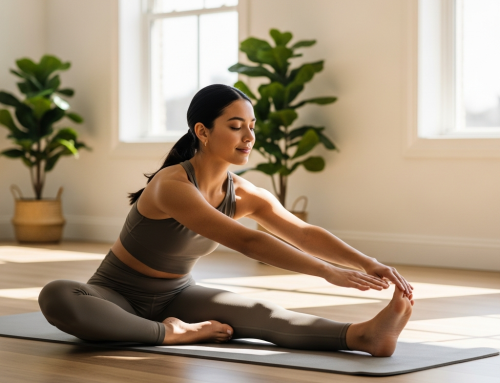
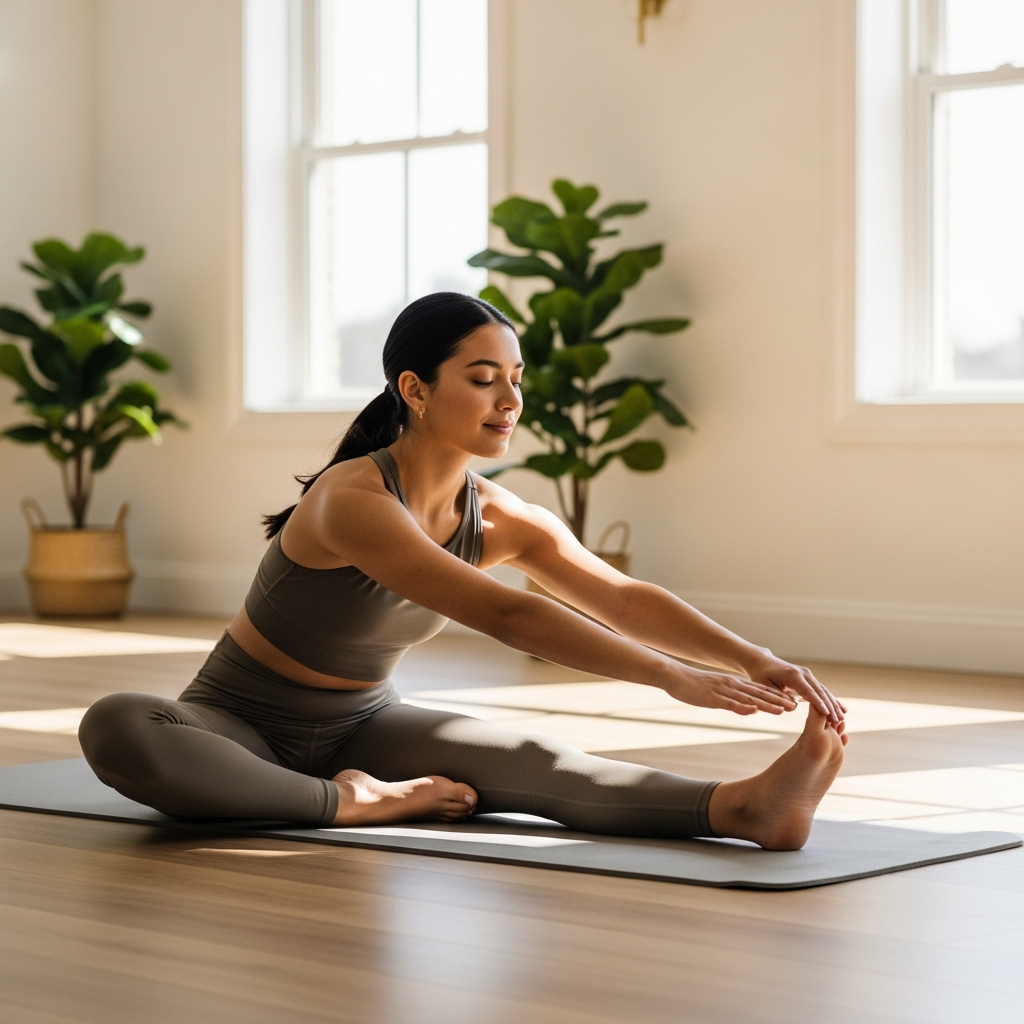
4. **Starting with a warm-up**: Like any form of exercise, it’s important to start with a warm-up to prepare your muscles and reduce the risk of injuries. The warm-up could involve simple stretches or a few basic Pilates exercises.
5. **Performing the exercises**: Whether you’re doing mat or reformer Pilates, the key is to perform each exercise with control and precision. It’s better to do fewer repetitions correctly than many incorrectly.
6. **Listening to your body**: If you feel pain or discomfort during any exercise, stop immediately. It’s important to recognize the difference between feeling the burn and feeling pain.
7. **Consistency**: Consistency is key in Pilates. Aim to practice at least two to three times a week for the best results.
For example, let’s consider a typical scenario: You’ve joined a mat Pilates class and today is your first session. Your instructor begins with warm-up stretches, focusing on your core, hips, and back. Then you move on to classic Pilates exercises such as the Hundred (an exercise designed to strengthen the core), Roll-Up (a slow, intense move that targets the abdominals), and Leg Circles (aimed at increasing hip flexibility and control).
The instructor emphasizes breathing correctly throughout the exercises – inhaling deeply and exhaling fully. You’re reminded to concentrate on your movements and maintain control over every part of your body. After an hour, the session ends with cool-down stretches and you feel invigorated, sensing an immediate improvement in your posture and flexibility.
In conclusion, Pilates is an effective workout method that requires patience, focus, and discipline. Whether you’re a beginner or a seasoned fitness enthusiast, it can offer numerous benefits and be a valuable addition to your fitness regimen. Always remember to listen to your body, maintain correct form, and most importantly, enjoy the process.
Title: Understanding Pilates: Challenges, Solutions, and Expert Tips
Pilates is a body conditioning routine that not only helps build flexibility, but also improves muscle strength, endurance, and overall well-being. Developed by Joseph Pilates in the 1920s, it emphasizes balanced development of the body through core strength, flexibility, and awareness to support efficient graceful movement. Despite its numerous benefits, there are common challenges that beginners face when starting pilates, which can be easily addressed with the right solutions and expert tips.
**Challenges**
1. **Misconception: Pilates is like Yoga**: A common challenge for beginners is the misconception that pilates is similar to yoga. Although both promote strength, flexibility, and balance, Pilates focuses more on core strength, body control, and individual muscle movement as opposed to yoga’s focus on flexibility and mindfulness.
2. **Difficulty in getting the breathing right**: In pilates, breathing plays a crucial role in controlling movements and maintaining rhythm. Many beginners find it hard to coordinate their breath with the movements.
3. **Difficulty in understanding and activating the core**: Pilates heavily emphasizes core strength. Beginners often struggle with identifying and properly engaging their core muscles during workouts.
4. **Choosing between Mat Pilates and Reformer Classes**: Another challenge is choosing between mat pilates and reformer classes. Mat Pilates uses your own body weight for resistance while reformer classes use specialized equipment.
**Solutions and Expert Tips**
1. **Understanding Pilates**: To overcome the misconception about pilates being similar to yoga, it’s important to understand that while both practices can improve physical and mental health, they do so in different ways. Pilates exercises are a lot more intense and results may be visible much quicker than with yoga. It’s not about better or worse, just about different focuses.
2. **Mastering Breathing Techniques**: The key to mastering the breathing technique in pilates is practice. Start by practicing deep, steady breaths in and out, synchronizing your breath with your movements. As Joseph Pilates said, “Breathing is the first act of life and the last… above all, learn how to breathe correctly.”
3. **Activating the Core**: To understand and activate your core, you need to visualize the muscles that form part of your core. Practice exercises that engage these muscles such as the ‘plank’. Once you get a feel of your core, you’ll find it easier to engage it during Pilates.
4. **Choosing between Mat Pilates and Reformer Classes**: Both mat Pilates and reformer classes offer great benefits. If you’re new to Pilates, starting with mat classes can be a good way to learn the basics. Once you’ve mastered the fundamentals, you can then progress to reformer classes which offer a more intense workout.
**Best Practices**
1. **Consistency is Key**: Like any fitness regime, consistency is crucial in Pilates. Make it a part of your regular schedule.
2. **Start at Your Own Pace**: Don’t rush into advanced exercises. Start with basics and as your strength and flexibility improve, gradually increase the intensity of your workouts.
3. **Listen to Your Body**: While it’s important to push yourself, don’t overdo it. If something doesn’t feel right, modify the exercise or take a break.
4. **Get a Good Instructor**: A certified Pilates instructor can make a huge difference in your Pilates journey. They can correct your alignment, ensure you’re performing exercises correctly, and prevent injuries.
5. **Wear Comfortable Clothing**: Wear clothes that allow you to move freely but aren’t too loose. You want your instructor to be able to see your movements to correct form if necessary.
In conclusion, while Pilates might seem challenging at first, understanding its principles, practicing regularly, and following the best practices can make your Pilates journey fruitful and enjoyable. Remember, each body is different and so is each Pilates journey. Listen to your body and celebrate your progress.
Title: Embarking on Your Pilates Journey: What You Should Know
Pilates is a holistic exercise regime that focuses on core strength, flexibility, balance and mind-body connection. Whether you’re a seasoned fitness enthusiast or new to the world of exercise, Pilates offers an array of benefits from improved posture to enhanced muscular strength and endurance. To help you navigate your Pilates journey, this comprehensive guide will provide you with the necessary insight into what to expect, timelines, and next steps.
**What to Expect**
Pilates exercises can be performed using special equipment like the Reformer or Cadillac, or on a simple mat. As a beginner, you’re likely to start with mat Pilates. This form uses your body weight as resistance and the primary aim is to strengthen the core – the powerhouse of your body. You can expect a series of controlled movements that require concentration and precision, often synchronized with your breath.
In terms of intensity, Pilates isn’t about pushing your body to the brink of exhaustion. Instead, it focuses on correct form and movement quality. As such, while you may not experience the same level of sweat-inducing intensity as with some other forms of workout, Pilates will challenge your body in new, subtle ways.
In a typical Pilates class, the instructor will guide you through a series of exercises that work your entire body. Some common exercises include the Hundred (a breathing exercise that strengthens the abdominal muscles), the Roll-Up (a slow, precise move that stretches the spine and the back muscles), and the Swan (an exercise that strengthens the back muscles).
**Timelines**
Progress in Pilates is not measured in weeks or months but in how well you understand and connect with your body. As a beginner, it could take several sessions for you to familiarize yourself with the basic exercises and principles of Pilates. Generally, after around 10-12 sessions, done consistently 2-3 times a week, you might start to notice improved strength, flexibility, and posture.
Over time, you may take on more advanced moves and perhaps even venture into equipment-based Pilates, which allows for a greater range of exercises and increased resistance. Remember, Pilates is a journey, not a destination. The goal is not to rush through levels but to master the principles and techniques at each stage.
**Next Steps**
Once you have decided to embark on your Pilates journey, the first step is to find a suitable class. Research studios in your area and look for certified instructors with experience teaching beginners. Some people find it beneficial to start with a few private sessions before joining group classes. This allows for personalized attention and guidance in understanding the fundamentals of Pilates.
Before your first class, invest in comfortable workout clothes that allow for easy movement. You don’t need shoes as Pilates is typically done barefoot. Most studios will provide mats but you might want to bring your own for hygiene reasons.
During the class, try to stay focused on your body and the instructor’s guidance. It’s not uncommon to feel a bit lost during your first few sessions. Remember, it’s a learning process. Be patient with yourself and don’t hesitate to ask questions or seek modifications if an exercise feels too challenging.
After the class, take some time to stretch and hydrate. You might feel some muscle soreness the next day – this is normal as your body adjusts to the new movements.
In conclusion, Pilates is a versatile practice that can be tailored to meet individual fitness goals. Consistency is key in this journey. Whether your goal is rehabilitation, fitness or stress relief, Pilates offers a comprehensive approach to well-being that goes beyond physical fitness. With patience, dedication and the right guidance, you’ll be well on your way to experiencing the transformative benefits of Pilates.
In conclusion, Pilates is a body conditioning routine that helps not only to build flexibility but also endurance, strength, and coordination in the legs, abdominals, arms, and back. It is a holistic approach to fitness that emphasizes breath, concentration, control, precision and flow that educates, realigns the body and brings it into balance. The key takeaway is that Pilates is a unique and effective workout regime that offers numerous and versatile benefits, which are not limited to just physical improvements but also mental enhancements.
Pilates is much more than just a workout. Not only does it sculpt your body, but it also clears your mind and gives you energy and inner serenity. The practice can be tailored to your individual needs, which makes it beneficial for all – from the beginner looking to get started with a fitness routine to an elite athlete seeking to improve performance or recover from an injury. Pilates is about the body working in harmony, creating a strong powerhouse (core), enhancing flexibility and improving overall well-being.
We have discussed the various styles of Pilates: mat-based Pilates and reformer Pilates. Mat-based focuses on using your own body weight in resistance to targeted muscles, while reformer uses equipment to create resistance. Both are excellent ways of getting a comprehensive workout that strengthens your core and tones your body.
We have also debunked some common myths about Pilates. For instance, contrary to popular belief, pilates isn’t just for women or dancers. It is beneficial for anyone and everyone who wants to improve their physical fitness and mental well-being. Pilates is not a trend but a time-tested exercise regimen that has been around for close to a century.
We have delved into the health benefits of Pilates, which include improved flexibility, increased muscle strength and tone, enhanced muscular control of your back and limbs, improved stabilisation of your spine, improved posture, rehabilitation or prevention of injuries related to muscle imbalances, increased lung capacity and circulation through deep breathing, improved concentration, increased body awareness, stress management and relaxation.
Furthermore, we have discussed the importance of qualified instruction in Pilates. With a qualified instructor, you’ll learn the correct form and techniques to ensure you get the most out of your workout while reducing the risk of injury.
To summarise, Pilates is a versatile, efficient and effective workout routine that can be tailored to suit your individual needs. It offers numerous benefits that extend beyond physical fitness to mental wellness. Whether you are new to fitness or an elite athlete, Pilates can help enhance your performance and overall well-being.
As an expert in Pilates, I highly recommend incorporating Pilates into your fitness regime. However, it’s important to remember that Pilates is a journey not a destination. It’s about consistent practice and gradual improvement, not instant results.
Are you interested in starting your Pilates journey? We offer personalized Pilates training programs for individuals at all levels. Our team of certified instructors is ready to guide you every step of the way. We invite you to contact us today to schedule a consultation or sign up for a class.
Remember, your health and well-being is our priority. Let us help you achieve your fitness goals and experience the transformative power of Pilates. Start your journey towards a stronger, healthier and more balanced you today. Contact us now!