Unveiling the Power of Pilates: Everything You Need to Know
Are you on the hunt for an exercise regimen that can boost your strength, flexibility, and mental well-being? Or perhaps you’re curious about this practice your friends won’t stop talking about? Either way, welcome to the world of Pilates—an exercise method that has been transforming bodies and lives for over a century.
Pilates is a multi-faceted fitness method that combines strength, flexibility, and mindful movement to provide a holistic workout experience. Whether you’re an athlete seeking to enhance your performance, a fitness newbie looking for a challenging yet accessible way to get moving, or someone seeking rehabilitation after an injury, Pilates is versatile enough to cater to all these needs and more.
Now you may be wondering, “What exactly is Pilates? How does it differ from other forms of exercise?” Well, grab a cup of your favorite beverage and settle in because we’re about to dive deep into the realm of Pilates, unraveling its unique attributes, benefits, and how you can get started.
We’ll first delve into the rich history and principles of Pilates, exploring how it has evolved over the years from a rehabilitation tool during World War I to a globally recognized fitness method. Understanding the philosophy behind Pilates will not only give you an appreciation for its depth but also help you grasp why it’s such an effective workout.
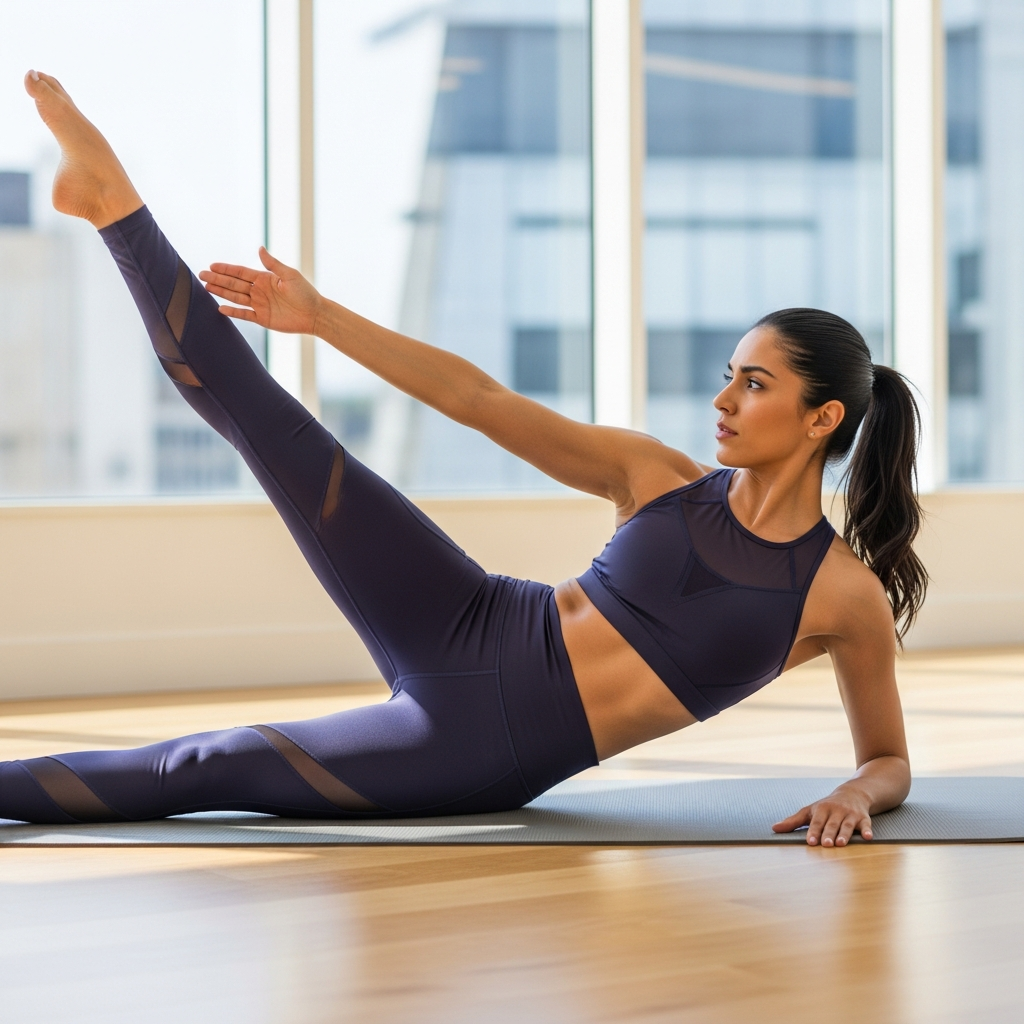
Next, we’ll introduce you to mat Pilates—the most common form of this practice. Mat Pilates is typically what most people think of when they hear ‘Pilates’. Performed on a mat (as the name suggests), these exercises primarily focus on strengthening the core or ‘powerhouse’ as it’s often referred to in Pilates parlance. However, its benefits extend far beyond your abs. From refining posture to enhancing flexibility and balance, mat Pilates is a powerhouse in its own right.
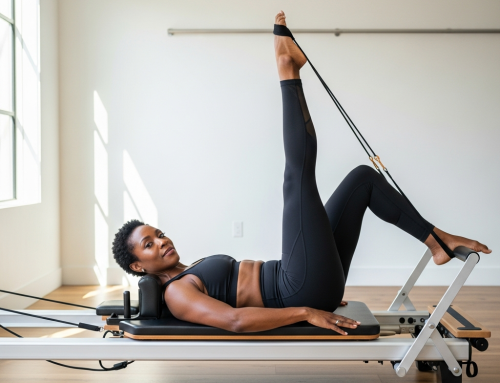
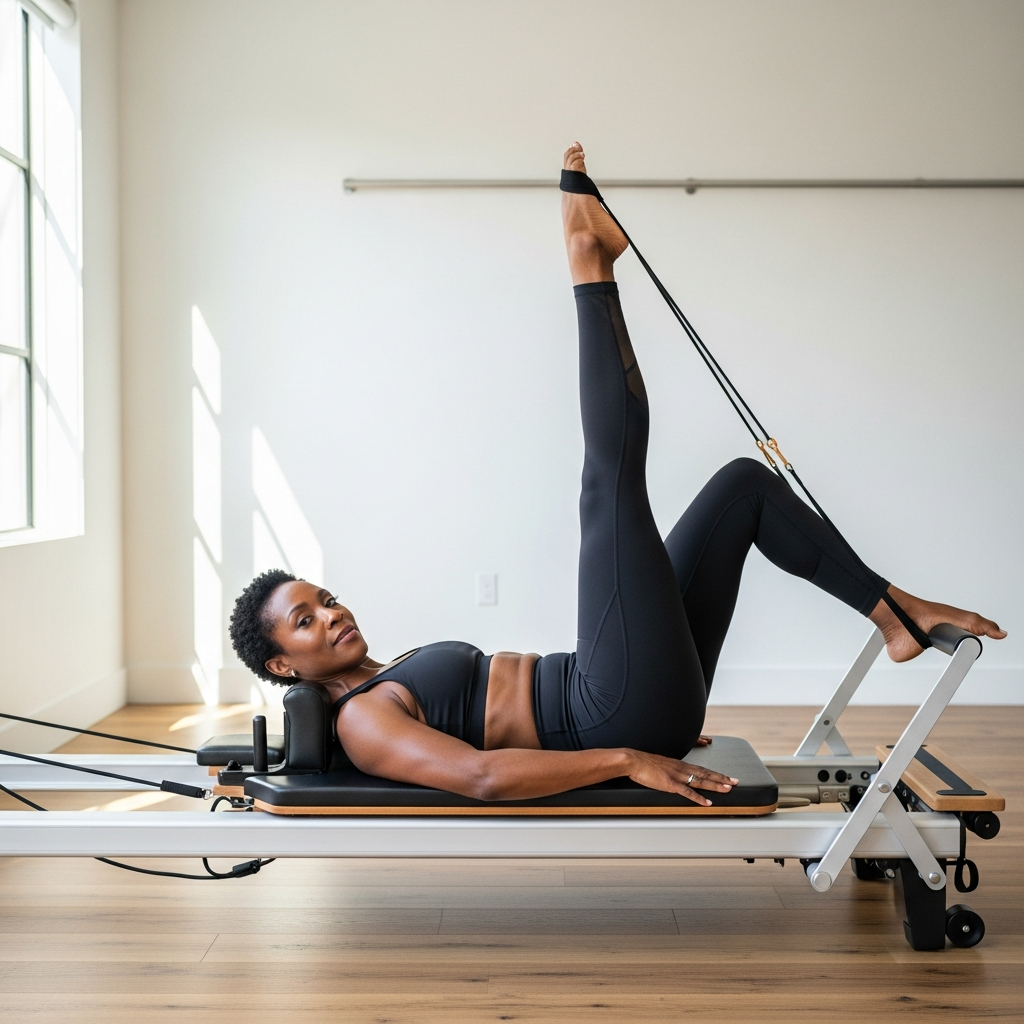
But Pilates doesn’t end with the mat. We’ll also shed light on the lesser-known, but equally beneficial, Pilates apparatus classes. Using specially designed equipment such as the Reformer, Cadillac, and Wunda Chair, these classes can significantly intensify your workout, making them a popular choice for those seeking to take their fitness to the next level.
Finally, we’ll guide you through the process of getting started with Pilates. From finding the right class and instructor to preparing for your first session, we’ve got you covered. Whether you’re contemplating joining a local Pilates studio or considering online classes, this section will equip you with all the information you need to make an informed decision.
Why does any of this matter? Well, in an era where our physical health is increasingly linked to our mental well-being, finding an exercise regimen that can cater to both is crucial. And that’s where Pilates shines. By promoting strength, flexibility, and mindfulness, Pilates offers a balanced approach to fitness—one that nurtures both your body and mind.
So, whether you’re a seasoned fitness enthusiast looking to diversify your routine or a beginner embarking on your fitness journey, understanding what Pilates entails will help you decide if it’s the right fit for you. Let’s embark on this journey together, exploring the power and potential of Pilates in enhancing your fitness and overall well-being.
Pilates, often viewed as a modern form of physical fitness, is actually a centuries-old practice that has endured because of its proven benefits for holistic health and well-being. Joseph Pilates, a German physical trainer, invented this exercise system in the early 20th century as a method of body rehabilitation and conditioning. With its unique blend of strength-building, flexibility improvement, and mental concentration, Pilates has grown into a popular form of exercise enjoyed by millions worldwide.
The underpinning philosophy of Pilates revolves around the concept of ‘contrology’, a term coined by Joseph Pilates himself. Contralogy refers to the complete coordination of body, mind, and spirit. It emphasizes the importance of a balanced development of all our bodily muscles and highlights the interplay between physical strength, mental awareness, and proper breathing techniques.
Pilates consists of more than 500 exercises, which are performed on a mat or using special apparatuses like the reformer, the Cadillac, and the Wunda chair. Each exercise targets specific muscle groups and focuses on alignment, breathing, developing a strong core, improving coordination and balance, and increasing body awareness. This exercise system is highly adaptable and can be customized to cater to everyone from athletes to seniors and people with limited mobility.
One of the key components in Pilates is the emphasis on the ‘Powerhouse’, a term used to describe the center of the body—encompassing the abdomen, lower back, hips, and buttocks. The Powerhouse forms the foundation for all Pilates movements. Developing a strong Powerhouse helps stabilize the spine, promotes better posture, and aids in day-to-day movements like lifting heavy objects or bending.
Breathing is another critical aspect of Pilates. The method encourages mindful breathing—a deep, coordinated breath that is synchronized with each movement. This intentional breath control not only ensures efficient oxygen flow throughout the body but also helps in maintaining focus and precision during the execution of each exercise.
Pilates exercises are typically low-impact, making them safe and accessible for people of all ages and fitness levels. However, despite being low-impact, they can be incredibly challenging as they require control, precision, and full engagement of the mind and body. The exercises are often performed in a specific order, each with a prescribed rhythm and number of repetitions.
The benefits of Pilates are manifold. Regular practice can lead to improved posture, increased muscle strength and flexibility, enhanced balance and coordination, better body awareness, stress relief, and even injury prevention. Furthermore, Pilates can be a great complement to other forms of exercise, such as cardio or strength training, as it strengthens the core and improves flexibility.
While it’s possible to learn Pilates through online classes or DVDs, beginners are advised to start with a certified instructor who can provide guidance on proper form and technique. This is crucial in preventing injuries and ensuring that you get the most out of your workouts. As you become more comfortable with the movements, you may then choose to continue your practice at home or in a group class setting.
In conclusion, Pilates is a versatile and comprehensive exercise system that offers myriad health benefits. Whether you’re looking to strengthen your core, improve your posture, enhance your athletic performance, or simply discover a new form of mind-body exercise, Pilates has something to offer. It’s a timeless practice that respects the body’s limits while continually striving for improvement—a philosophy that aligns perfectly with the journey to overall wellness.
Pilates is a dynamic fitness system that aims to strengthen the body, improve flexibility, and enhance mental awareness. It is named after its creator, Joseph Pilates, who developed the system in the early 20th century as a method to rehabilitate soldiers returning from war. Today, it’s a popular form of exercise practiced worldwide by fitness enthusiasts of all ages and abilities. This article will provide you with a step-by-step guide to understanding pilates, mat pilates, and pilates classes.
**Understanding Pilates**
The first step in your pilates journey is to understand what it entails. Pilates is a mind-body workout that targets your core muscles – the area from your lower back through your abdomen – while also engaging your whole body. It works by applying controlled movements, concentration, and proper breathing techniques.
Pilates benefits include improved posture, increased muscle tone and flexibility, enhanced balance, and reduced stress levels. It’s also an excellent form of exercise for injury rehabilitation due to its low impact nature.
**Getting Started with Mat Pilates**
Mat pilates is a type of pilates performed on a mat rather than specialized equipment. It’s an excellent place for beginners to start due to its simplicity and the minimal equipment needed.
To get started with mat pilates
1. **Purchase a Pilates Mat:** This is thicker than a standard yoga mat to provide cushioning for your spine during various exercises.
2. **Choose Your Workout Space:** Make sure you have enough room to stretch out and move freely.
3. **Dress Comfortably:** Wear clothing that allows for movement but isn’t so loose it gets in the way.
Begin your practice with basic exercises like the Pilates Hundred – a core-strengthening exercise where you lie on your back, lift your legs and head off the mat, and pulse your arms up and down while breathing in rhythm.
**Joining Pilates Classes**
Joining a pilates class can provide structure, motivation, and expert guidance. Here’s what you need to know
1. **Choose the Right Class:** Pilates classes vary in style and intensity. Beginners should start with a basic class before moving on to more advanced levels or specialized classes like reformer pilates, which involves a sliding platform with springs for resistance.
2. **Arrive Early:** Arriving early allows time to meet the instructor, discuss any concerns or injuries, and get comfortable with the equipment.
3. **Follow the Instructor’s Guidance:** Instructors are trained to guide you through each movement, ensuring correct form and preventing injury.
**Tips for Success**
Here are some actionable tips for success in your pilates journey
1. **Consistency is Key:** Aim for at least two sessions per week. Consistency helps you to develop muscle memory, which is crucial in mastering pilates movements.
2. **Listen to Your Body:** If a move feels too challenging or causes discomfort, modify it or take a break. Pilates should be challenging but never painful.
3. **Pair Pilates with Balanced Nutrition:** A balanced diet will complement your pilates routine and support overall health.
**Real-World Example: Pilates for Office Workers**
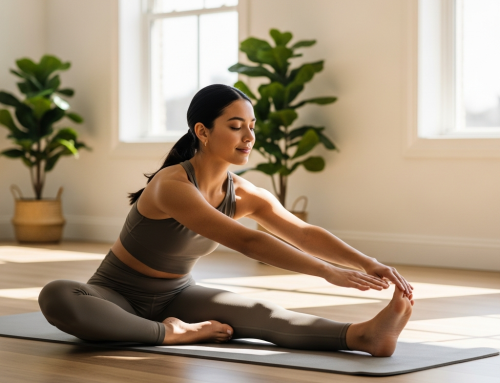
Let’s consider the scenario of an office worker dealing with back pain due to prolonged sitting. By incorporating pilates into their routine, they can strengthen their core muscles, which support the spine, and improve posture, thus alleviating and preventing further back pain. Exercises such as the ‘Spine Stretch Forward’ and ‘Swan Dive’ can be particularly beneficial.
In conclusion, pilates offers a holistic approach to fitness that strengthens the body, calms the mind, and improves overall well-being. Whether you choose mat pilates at home or join a class, you’re sure to reap the benefits of this dynamic exercise system.
In recent years, Pilates has become a popular choice for individuals seeking a versatile, low-impact workout that can be tailored to suit all levels of fitness. However, like with any other fitness regimen, there can be challenges, misconceptions, and a wealth of best practices to keep in mind. This article will help you navigate the Pilates world with expert tips and solutions.
**Challenges and Solutions**
One of the most common challenges faced by Pilates beginners is understanding the core principles behind this unique form of exercise. Pilates is not simply about physical exercise but also focuses on aspects like centering, concentration, control, precision, breath, and flow. It requires a level of mind-body connection that can be initially hard for some to grasp. However, with consistent practice and patience, these principles become second nature.
Another challenge is the intimidation factor. Pilates classes, especially those using reformer machines, can seem daunting at first glance. The key to overcoming this is to start slow. Begin with mat Pilates which focuses on bodyweight exercises before progressing to equipment-based classes. Don’t be afraid to ask your instructor for guidance or modifications if something feels too challenging.
Many people also struggle with consistency in their Pilates practice. Consistency is the key to seeing and feeling the benefits of Pilates in your body. To help with this, try to incorporate Pilates into your routine a few times a week. If you can’t make it to a class, there are plenty of online resources that can guide you through a home workout.
**Misconceptions**
Pilates is often mistakenly equated with yoga due to their shared focus on flexibility, breath control, and body awareness. While both practices complement each other well, they are fundamentally different. Pilates primarily focuses on core strength, balance, and overall flexibility with an emphasis on controlled movements and alignment.
Another misconception is that Pilates is only for women. This is far from the truth. Pilates was, in fact, invented by a man – Joseph Pilates – and is beneficial for everyone, regardless of gender. It is an excellent workout for increasing core strength, flexibility, and balance, which are vital for overall fitness.
Many also believe that Pilates is easy, which can lead to disappointment when they discover the physical and mental effort it requires. Pilates can be very challenging, as it works muscles you didn’t even know you had. However, its low-impact nature means it’s accessible to most people and can be adjusted to suit individual fitness levels.
**Best Practices and Expert Tips**
For those starting their Pilates journey, it’s essential to begin with a basics class or private session where you can learn the fundamental movements and principles. Ensure your instructor is well-trained and certified to provide accurate guidance and prevent injuries.
Proper breathing is crucial in Pilates as it helps facilitate movement and maintain control. Remember to breathe deeply, fully inflating and deflating your lungs, and to coordinate your breath with each movement.
Investing in a quality mat can make a significant difference in your practice. A good Pilates mat is thicker than a yoga mat, providing cushioning for the spine during exercises.
Listen to your body and don’t push yourself too hard too soon. Progress may feel slow at first, but over time, you’ll notice improvements in strength, flexibility, and posture.
Finally, remember that Pilates is about quality over quantity. It’s better to perform fewer repetitions with correct form than to do many poorly. This focus on precision and control is what sets Pilates apart from other forms of exercise and contributes to its effectiveness.
In conclusion, while Pilates might seem challenging or intimidating at first, with patience, consistency, and an understanding of the practice’s principles, anyone can reap its many benefits. Whether you’re recovering from an injury, looking to build strength, or seeking a mind-body practice, Pilates could be the perfect fit for your wellness journey.
What You Should Know About Pilates: Expectations, Timelines, and Next Steps
Pilates is a comprehensive system of mind-body exercise developed by Joseph Pilates in the early 20th century. It is a versatile fitness discipline that enhances strength, flexibility, body awareness, and overall wellness. The exercise focuses on the core muscles while integrating the torso, lower body, and upper body into harmonious movement patterns.
Whether you’re just beginning your journey into fitness or you’re a seasoned athlete looking to diversify your routine, Pilates offers a variety of benefits. But before you start, it’s essential to understand what to expect, the typical timeline for progress, and the next steps to take on your Pilates journey.
What to Expect:
In a typical Pilates class, expect to perform a series of low-impact exercises that emphasize proper postural alignment, core strength, and muscle balance. There are two main types of Pilates: mat Pilates and reformer Pilates.
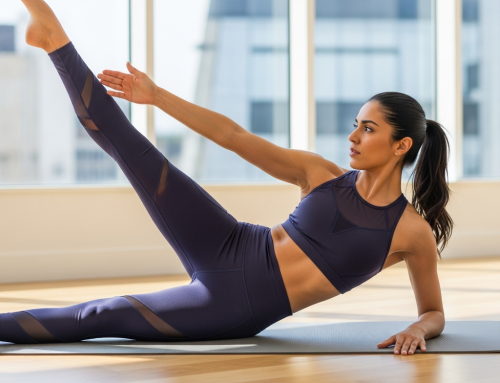
Mat Pilates is performed on a mat and primarily focuses on exercises that use your body weight and gravity to provide resistance. This form of Pilates emphasizes the body’s core – the abdomen, obliques, lower back, inner and outer thigh, and glutes.
On the other hand, reformer Pilates involves a special apparatus equipped with springs for resistance. This device allows for a greater range of exercises and increased intensity compared to mat workouts.
In both types of classes, expect to see moves such as the hundred (a breathing exercise that also targets core strength and stability), the bridge (which works the glutes and lower back), as well as various stretching and balance exercises.
Timelines:
The timeline for seeing results from Pilates varies depending on factors like frequency of practice, initial fitness level, diet, and lifestyle. However, many practitioners start noticing improvements in their posture, flexibility, and muscle tone within a few weeks of regular practice.
Joseph Pilates himself famously said, “In 10 sessions you’ll feel the difference, in 20 you’ll see the difference, and in 30 you’ll have a whole new body.” While this may not be precise for everyone, it does underscore the importance of consistency in your Pilates routine.
Next Steps:
If you’re just starting out with Pilates, it’s recommended to take a beginner’s class or a one-on-one session with a certified instructor. This will ensure that you learn the correct techniques and avoid potential injuries. From there, you can gradually progress to intermediate and advanced classes as your strength and proficiency increase.
In terms of frequency, two to three sessions per week are often sufficient for noticeable results. As you become more experienced, you can incorporate Pilates into your daily routine or use it as a complement to other physical activities like running, swimming, or weight lifting.
In conclusion, Pilates is a versatile and accessible form of exercise with numerous benefits for people of all fitness levels. By understanding what to expect and how to progress in your practice, you can make the most of this powerful fitness discipline and experience its transformative effects on your body and mind.
In conclusion, Pilates is a versatile and effective fitness discipline that offers a wide range of benefits for individuals of all ages and fitness levels. Throughout this article, we’ve explored numerous aspects of Pilates that demonstrate its unique approach to health and well-being.
To summarize, Pilates is a body conditioning routine that helps build flexibility, muscle strength, and endurance in the legs, abdominals, arms, hips, and back. Its emphasis on spinal and pelvic alignment, breathing, and developing a strong core or center has been highlighted. The importance of improving coordination and balance cannot be overstated as these are critical elements in our daily activities.
We’ve discussed how Pilates differs from other forms of exercise. It focuses on quality over quantity. Rather than performing numerous repetitions of each move, Pilates exercises are done with more precision. This approach can result in a stronger core, improved posture, and more efficient movement patterns. Additionally, it’s a mind-body workout that can bring focus and mindfulness into your exercise routine.
Another key takeaway is the adaptability of Pilates. Whether you’re a seasoned athlete or new to fitness, Pilates can be tailored to your individual needs and abilities. It also offers a fantastic low-impact alternative for those who may not be able to participate in high-impact activities due to injury or medical conditions.
It’s also important to remember the psychological benefits of Pilates. Regular practice can help reduce stress, improve mental clarity, and promote a sense of inner calm. Moreover, because Pilates requires concentration and mindfulness, it can help you develop a greater sense of awareness and connection to your body.
However, as with any exercise program, it’s important to learn proper technique and form to get the most benefit and avoid injury. That’s where professional guidance comes in. Engaging with a certified Pilates instructor ensures you’re performing the exercises correctly, safely, and to your maximum potential.
In addition, we’ve explored the various types of Pilates, including mat-based and equipment-based forms like the Reformer, Cadillac, and Wunda Chair. Each type offers a different experience and set of benefits, allowing you to choose the best fit for your needs and goals.
Now that you’re equipped with this comprehensive understanding of Pilates, we believe you’re ready to embark on your own journey. Remember, the beauty of Pilates lies in its simplicity and adaptability. As you progress, you’ll find greater strength, flexibility, balance, and a deeper connection between your mind and body.
At our studio, we are committed to helping you achieve your fitness goals. Whether you’re just beginning or looking to deepen your practice, we offer classes and private sessions designed to meet your needs. Our team of certified instructors are eager to guide and support you every step of the way.
We invite you to contact us to discuss your fitness goals and learn how Pilates can help you achieve them. Our knowledgeable team is ready to answer any questions you may have and assist you in finding the right program that fits your needs.
In the world of fitness and well-being, knowledge is power. Now that you understand what Pilates is all about, why not take the next step? Your journey to a stronger, healthier, and more balanced life awaits. Contact us today. Your body will thank you!