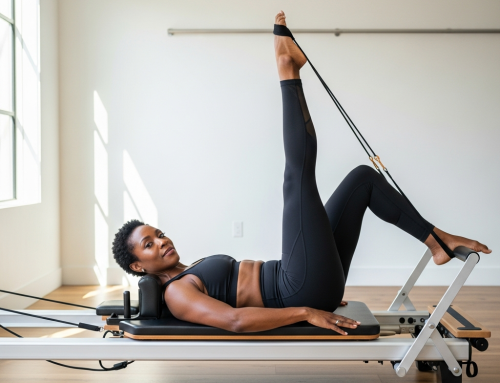
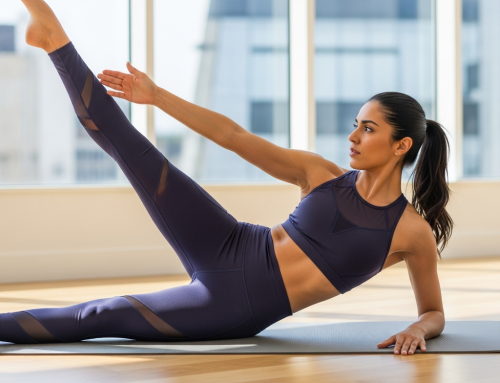
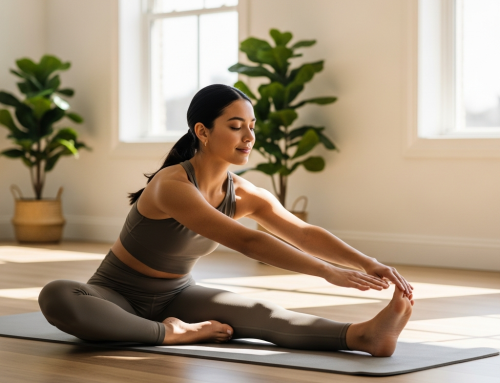
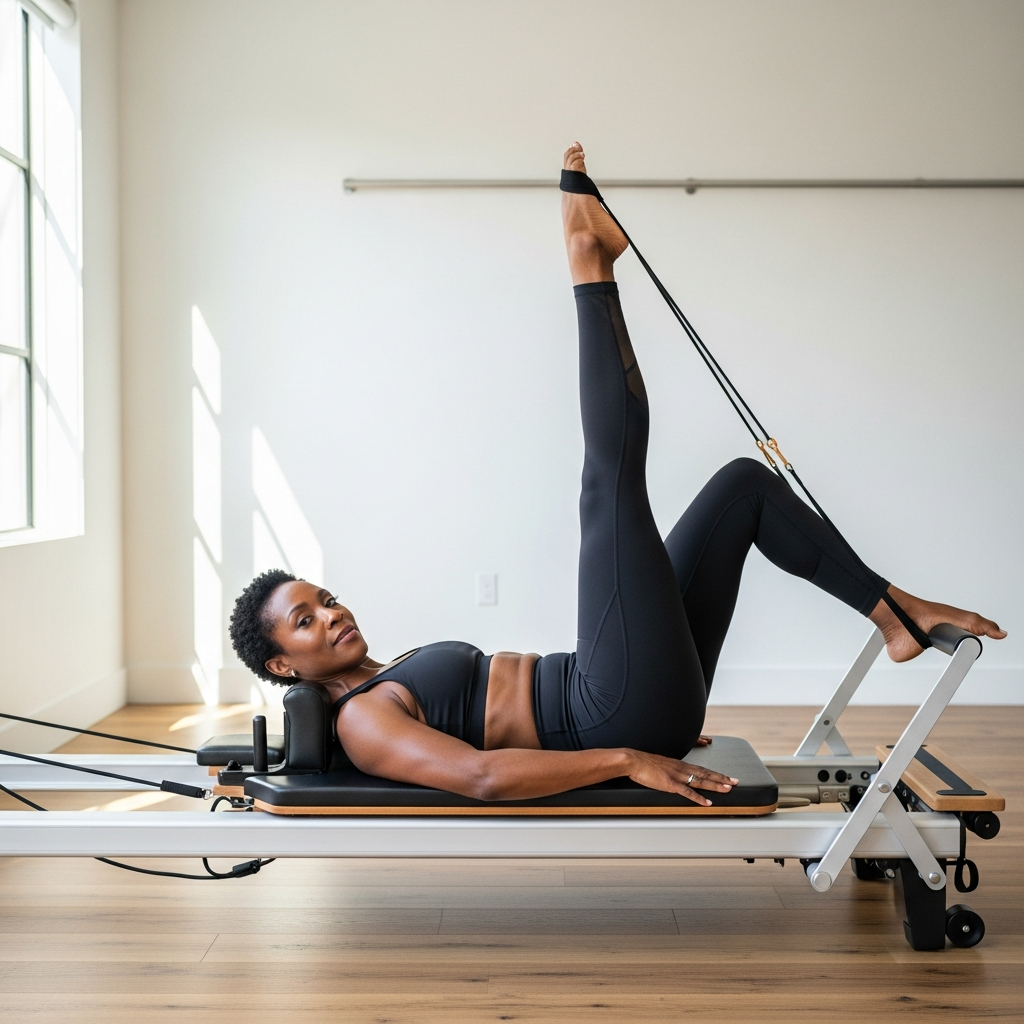
What About Pilates Instructor Training? Your Comprehensive Guide to Becoming a Pilates Maestro
Introduction:
Do you find yourself constantly drawn to the grace and strength that emanates from the world of Pilates? Are you intrigued by the balance, flexibility, and core strength it offers? Maybe you have been practicing Pilates for a while now and are considering taking your passion to the next level by becoming an instructor. If any of these ring true, then you’ve landed on the right page. In this comprehensive guide, we delve into the captivating realm of Pilates instructor training.
For the uninitiated, Pilates is a form of low-impact exercise that aims to strengthen muscles while improving postural alignment and flexibility. It was developed by German-born Joseph Pilates in the early 20th century. Fast forward to today, and Pilates has evolved into a popular fitness regime, favorited by many for its ability to tone the body, enhance flexibility, improve balance, and even alleviate back pain. It’s an all-encompassing workout regime that encompasses mat Pilates, apparatus-based Pilates, and various specialized Pilates classes.
Whether you’re an ardent fan of mat Pilates, or you’re more inclined towards the challenge of reformer classes, becoming a certified Pilates instructor can open up a new world of possibilities. It can transform your passion into a fulfilling career where you help others achieve their fitness and wellness goals.
But what does it take to become a certified Pilates instructor? What are the prerequisites, the course duration, the cost, and most importantly, what does the training entail? These are valid questions that pop up in the mind of anyone considering this pathway. In this comprehensive guide, we will unravel all these aspects and more. We will walk you through the journey of becoming a certified Pilates instructor – from understanding the basic requirements to choosing the right training program and finally, standing tall as a qualified Pilates professional.
Why should you care about this? Because in an industry that is constantly evolving, it’s crucial to have all the information at your disposal. Whether you’re a seasoned fitness professional looking to expand your skillset or a Pilates enthusiast thinking about turning your hobby into a career, it’s essential to understand what the journey entails. And that’s exactly what we are about to explore.
In this guide, we will cover the various aspects of Pilates instructor training – from the types of certifications available, mat Pilates versus equipment-based Pilates training, choosing the right certification program, understanding the cost and duration of these programs, to finally, what to expect during the training. We will also provide insights into the career opportunities that await you after certification and how to keep growing in your career as a Pilates instructor.
So, buckle up as we embark on this exciting journey of transforming from a Pilates enthusiast to a certified Pilates instructor. This comprehensive guide is not just about gathering information; it’s about empowering you to make an informed decision about your future in the world of Pilates. If you’re ready to take that leap of faith and turn your passion for Pilates into a rewarding career, then read on. This is your first step towards becoming a certified Pilates instructor. Let’s dive in!
Pilates Instructor Training: Fundamentals and Framework
Pilates is a mind-body exercise regimen designed to strengthen the body’s core by integrating flexibility, strength, and awareness. Developed in the early 20th century by Joseph Pilates, this fitness system has gained worldwide popularity because of its effectiveness in improving overall body strength, flexibility, and balance. With more and more people recognizing the benefits of Pilates, there’s an increasing demand for well-trained Pilates instructors.
Pilates instructor training is an intensive program that equips fitness enthusiasts with the knowledge and skills necessary to teach Pilates safely and effectively. This article seeks to provide a comprehensive overview of the fundamentals and framework of Pilates instructor training.
The Framework of Pilates Instructor Training
Pilates instructor training programs typically consist of a comprehensive curriculum that covers both theoretical knowledge and practical skills. The theory component includes the philosophy and principles of Pilates, anatomy and physiology, as well as teaching methodology. The practical aspect involves mastering the Pilates exercises on all the apparatus (Reformer, Cadillac/Trapeze Table, Chair, Ladder Barrel, Spine Corrector and Mat), understanding their modifications, progressions, and regressions, developing effective cueing techniques, and learning how to design individualized programs for different populations.
The Fundamentals of Pilates Instructor Training
1. Comprehensive Understanding of Pilates Philosophy: Joseph Pilates developed his exercise system based on six principles: control, centering, concentration, precision, breath, and flow. Understanding these principles is crucial for every aspiring Pilates instructor. They serve as a foundation for all Pilates movements and help to ensure that the exercises are performed with maximum effectiveness.
2. In-depth Knowledge of Anatomy and Physiology: A solid understanding of human anatomy and physiology is essential for Pilates instructors. It helps them understand how each exercise affects different body parts and systems, identify potential risks, and make necessary modifications to ensure safety and effectiveness.
3. Mastery of Pilates Exercises: Pilates instructor training involves mastering a wide range of exercises on different apparatus. Each exercise requires specific techniques and precise movements. Aspiring instructors must be able to demonstrate these exercises flawlessly and understand their purpose and benefits.
4. Effective Teaching Skills: Being a Pilates instructor is not just about knowing the exercises; it’s also about being able to teach them effectively. Aspiring instructors learn how to give clear instructions, use effective cueing techniques, and provide constructive feedback. They also learn how to create a positive and supportive learning environment.
5. Program Design: Pilates instructors must be able to design individualized programs based on their clients’ fitness levels, goals, and health conditions. This requires a thorough understanding of exercise progression, modification, and regression.
6. Professional Ethics and Responsibility: As health and fitness professionals, Pilates instructors are expected to uphold high standards of professional ethics and responsibility. They are trained to respect client confidentiality, maintain professional boundaries, and commit to ongoing learning.
A career as a Pilates instructor can be incredibly rewarding. It allows you to share your passion for fitness with others and help them achieve their health and wellness goals. However, it requires a substantial investment of time, effort, and resources in the right training program.
Pilates instructor training arms you with the necessary knowledge and skills to guide your clients safely and effectively through the Pilates method. It also provides you with the credentials you need to establish yourself as a reputable professional in the fitness industry. Whether you’re planning to work in a gym, open your own studio, or offer online classes, the fundamentals and framework of Pilates instructor training will set you up for success.
In conclusion, embarking on a journey to become a Pilates instructor is a commitment to deepen one’s personal practice while learning how to guide others along their fitness journey. It’s not just about mastering the exercises, but also about understanding the philosophy and principles behind them, and knowing how to teach effectively. Most importantly, it’s about inspiring others to live healthier, happier lives.
Pilates Instructor Training: A Comprehensive Guide
Becoming a Pilates instructor is a rewarding journey for fitness enthusiasts who appreciate the benefits of this discipline. The process, however, requires dedication, time, and a deep understanding of the Pilates method. This article will provide a step-by-step guide to help you navigate your path towards becoming a certified Pilates instructor.
Step 1: Understand the Pilates Method
Before considering becoming an instructor, it’s vital to have a thorough understanding of the Pilates method. This entails not only practicing Pilates regularly but also comprehending its principles and philosophy. Joseph Pilates, the creator of this method, built it around principles like concentration, control, centering, flow, precision, and breathing. Understanding these principles and incorporating them into your routine is the first step towards becoming an effective instructor.
Step 2: Participate in Various Pilates Classes
To broaden your understanding of the method, it’s beneficial to participate in different types of Pilates classes. Mat Pilates classes are an excellent starting point as they focus on core strengthening and require little to no equipment. However, don’t limit yourself to just mat classes. Explore Reformer Pilates, which uses a sliding platform with spring resistance, or try equipment like the Cadillac, Wunda Chair, or Ladder Barrel. Experiencing these different forms will provide you with a comprehensive understanding of Pilates and its versatility.
Step 3: Decide on Your Training Program
Once you’ve gained a solid understanding and practical experience in various Pilates classes, it’s time to choose a training program. There are many options available, so it’s essential to select one that suits your needs and career goals. Programs vary in terms of cost, duration, and curriculum. Some programs focus primarily on mat Pilates while others offer comprehensive training that covers all apparatuses.
Reputable programs should cover anatomy, physiology, theory, and practical instruction. They should also provide teaching practice opportunities. Look for programs accredited by organizations like the Pilates Method Alliance (PMA) or ones that follow the guidelines set by the Pilates school established by Joseph Pilates himself.
Real-world example: Sarah, a potential Pilates instructor, sought a comprehensive program that covered both mat and apparatus training. After extensive research, she chose a program accredited by the PMA, ensuring she would receive a well-rounded education.
Step 4: Complete Your Training
Most Pilates instructor training programs require a combination of coursework and practical training. This often includes written and practical exams to assess your understanding of the method and your ability to teach it effectively.
During your training, you will learn to create balanced, effective Pilates sessions for various fitness levels and needs. You will also learn to modify exercises for individuals with specific limitations or injuries, a crucial skill for any fitness professional.
Step 5: Gain Teaching Experience
Upon completion of your training, it’s essential to gain real-world teaching experience. Many new instructors start by teaching mat classes at local community centers or offering private sessions to friends and family. As you gain confidence and experience, you can start teaching more advanced classes or even consider opening your own Pilates studio.
Step 6: Continuous Learning
As a Pilates instructor, your education never truly ends. The field of health and fitness is continually evolving, and staying updated with new research, techniques, and equipment is vital to remain relevant and effective as an instructor.
In conclusion, becoming a Pilates instructor is a rewarding but demanding journey that requires dedication, passion, and continuous learning. But with the right mindset and the steps provided above, you will be well on your way towards making a positive impact on others through the transformative power of Pilates.
Navigating the Pilates Instructor Training Landscape: Challenges, Solutions, and Expert Tips
Embarking on a journey to become a certified Pilates instructor can be both exciting and daunting. As a novice, you may be faced with numerous challenges and misconceptions about the profession. This comprehensive guide will demystify the process by addressing common hurdles, providing effective solutions, and offering insightful tips for aspiring Pilates instructors.
Challenges:
1. Choosing The Right Training Program: With the numerous Pilates training programs available today, selecting the right one can be overwhelming. Each program varies in terms of depth, duration, cost, and teaching methodology.
2. Meeting The Prerequisites: Many reputed programs require a certain level of Pilates proficiency or previous fitness background before enrollment.
3. Balancing Time Commitments: Most training programs involve intensive hours of coursework, practice teaching, observation, and self-practice. This can be challenging for those juggling work or personal commitments.
4. Financial Investment: Comprehensive Pilates instructor training often requires a significant financial commitment.
5. Staying Motivated: The rigorous nature of training can be mentally and physically demanding, posing a challenge to sustain motivation.
Solutions and Expert Tips:
1. Research Thoroughly: Spend ample time researching various programs to understand their curriculum, teaching philosophy, cost, and duration. Look for programs that are internationally recognized and provide comprehensive instruction in both Mat and apparatus Pilates. It’s also beneficial to speak with graduates of these programs to get firsthand feedback.
2. Build a Strong Foundation: If you’re new to Pilates, consider taking private or group classes to build your proficiency and familiarity with the method. Some programs even offer preparatory courses to help meet the prerequisite proficiency level.
3. Plan Your Schedule: Prioritize your time commitments before enrolling in a program. Remember that becoming a skilled instructor is not a race but a journey that requires consistent efforts over time. Establish a balanced routine that accommodates learning, practice, rest, and personal obligations.
4. Budget Wisely: Consider the cost of training as an investment in your career. Many programs offer payment plans or scholarships to assist students financially. Also, keep in mind that your earning potential can increase substantially after certification.
5. Stay Motivated: Regular self-practice, maintaining a strong support system, setting realistic goals, and remembering your passion for Pilates can help keep your motivation levels high.
Misconceptions and Best Practices:
Misconception 1: Pilates is just another fitness trend. Truth: Pilates is a holistic exercise system designed to enhance physical strength, flexibility, and mind-body awareness. It has been around since the early 20th century and is backed by a rich history and proven benefits.
Misconception 2: You have to be flexible or fit to become a Pilates instructor. Truth: Pilates is for every body. As an instructor, your role is to guide and adapt the method to suit individual needs.
Misconception 3: Mat Pilates is easier than apparatus Pilates. Truth: Both forms offer different challenges and benefits. Mat Pilates relies more on bodyweight resistance and focuses on core strength, while apparatus Pilates provides variable resistance using equipment, enabling a more tailored workout.
Best Practice 1: Always prioritize quality over quantity. Ensure that every movement is performed with precision and control.
Best Practice 2: Emphasize the principles of Pilates – concentration, control, centering, flow, precision, and breathing – in your teaching and practice.
Best Practice 3: Keep learning. Pursue continuing education courses, workshops, and learn from other experienced instructors to stay updated and improve your teaching skills.
In conclusion, the journey to becoming a certified Pilates instructor can be demanding but immensely rewarding. With thorough research, diligent practice, and sustained motivation, you can overcome the challenges and excel in your career as a Pilates instructor.
Pilates Instructor Training: What to Expect, Timelines, and Next Steps
Embarking on a journey to become a Pilates instructor can be tremendously rewarding. It offers an opportunity to transform your passion for health and fitness into a vibrant profession. This journey, however, requires a considerable investment of time and resources. Understanding what to expect, the timelines involved, and the next steps can help you navigate this path more efficiently.
1. What to Expect
Pilates instructor training can be intense and comprehensive, encompassing both theoretical knowledge and practical skill-building. In the initial stages, expect to dive deep into the history of Pilates, understanding the principles established by its founder, Joseph Pilates. You’ll learn about the philosophy and theories behind each movement and how they contribute to overall fitness.
You’ll also study human anatomy and kinesiology to understand how Pilates exercises impact different muscle groups and body systems. This knowledge is crucial for ensuring safety and effectiveness when instructing students.
The core of the training involves mastering a wide range of exercises on various pieces of equipment such as the Reformer, Cadillac, and Wunda Chair, as well as mat-based exercises. Each exercise comes with its set of modifications and progressions that cater to different fitness levels, which you’ll also need to master.
A significant part of your training will involve teaching practice. You’ll learn how to design and conduct Pilates classes, provide clear instructions, make hands-on corrections, and modify exercises for different individuals’ needs.
2. Timelines
The duration of Pilates instructor training varies from program to program but typically ranges from six months to a year or more. The timeline depends on several factors including the depth of the program, the frequency of classes, and your personal commitment.
Comprehensive Pilates programs usually require around 500 hours of training. This includes lectures, self-study, observation hours, student teaching hours and personal practice hours. Mat certification programs, which are less comprehensive, can take around 40-60 hours.
Remember, becoming a proficient Pilates instructor goes beyond obtaining a certificate. It’s a lifelong journey of learning and improving your skills.
3. Next Steps
Once you’ve completed your training, the next step is to take the certification exam. Some training programs have their own exams, while others prepare you for external certification exams such as those offered by the Pilates Method Alliance (PMA).
After passing the exam, you’ll officially be a certified Pilates instructor. However, your journey doesn’t end here. To stay relevant and continue to grow as an instructor, consider the following steps
i. Continuing Education: Participate in workshops, seminars, and advanced courses to deepen your knowledge and stay updated on the latest research and trends in Pilates.
ii. Specialization: Consider specializing in a particular area such as pre/postnatal Pilates, Pilates for athletes or rehabilitation Pilates. This can help you stand out and attract a specific clientele.
iii. Networking: Join professional Pilates organizations to connect with other instructors, share experiences, and learn from each other.
iv. Practice: Continue your own Pilates practice. This not only maintains your fitness but also deepens your understanding of the exercises from a student’s perspective.
Becoming a Pilates instructor is a commitment that requires passion, dedication, and ongoing learning. With a well-structured training plan and a clear understanding of what to expect, you can navigate your journey with confidence and purpose.
In conclusion, becoming a certified Pilates instructor is a rewarding journey that requires commitment, dedication, and an insatiable passion for fitness and wellness. The process is intensive and time-consuming, but it is undoubtedly worth the investment. Throughout this article, we have explored all the key aspects of Pilates instructor training, offering a comprehensive guide for anyone considering embarking on this dynamic profession.
Firstly, we established that acquiring the necessary knowledge and technical skills forms the bedrock of a successful Pilates career. High-quality training programs offer a robust curriculum that covers everything from anatomy and physiology to the history and principles of Pilates. It is essential to equip yourself with this foundational knowledge to deliver safe and effective Pilates instruction.
Secondly, we discussed how practical experience is just as crucial as theoretical knowledge. Hands-on training provides invaluable insight into the real-world challenges of teaching Pilates. It’s crucial to gain a practical understanding of different apparatus, techniques, modifications, and progressions for various fitness levels.
We also highlighted the importance of choosing an accredited Pilates instructor training program. Accreditation ensures that your certification will be recognized worldwide, opening up a world of opportunities for your career. It guarantees that the program you choose adheres to the highest standards of quality and integrity set by professional bodies in the fitness industry.
Moreover, we delved into the importance of continuous learning and professional development in maintaining your relevance as a Pilates instructor. The fitness industry is ever-evolving, with new research findings and trends continually emerging. Therefore, it’s essential to stay updated through continuing education courses, workshops, seminars, and conferences.
Lastly, we emphasized the significance of soft skills like communication, empathy, patience, and adaptability in becoming an effective Pilates instructor. These traits help build strong relationships with clients, fostering a supportive and encouraging environment where they can thrive.
The journey to becoming a Pilates instructor may seem daunting at first glance. However, with the right mindset, appropriate training, and a deep-seated passion for Pilates, you can transform people’s lives through movement and wellness.
If you are considering becoming a Pilates instructor or if you’re an experienced instructor looking to enhance your skills and knowledge, we are here to assist you. We offer a wide range of high-quality, accredited Pilates instructor training programs designed to equip you with the skills, knowledge, and confidence you need to excel in this rewarding profession. Our comprehensive courses provide a balance of theoretical knowledge and practical experience, taught by highly experienced professionals in the field.
Remember, your journey doesn’t end once you receive your certification. As Joseph Pilates himself said, “Change happens through movement, and movement heals.” Therefore, keep moving, keep learning, and keep growing. The world of Pilates is vast and fascinating – there is always something new to learn, a new skill to master, a new technique to discover.
So why wait? Kickstart your Pilates journey today. Contact us for any assistance or queries regarding our Pilates instructor training programs. We look forward to helping you embark on this exciting journey towards changing lives, one Pilates session at a time.