All You Need to Know About Online Pilates Certification
Have you ever found yourself amidst a Pilates session, marveling at the control and precision with which your instructor executes each movement? If so, perhaps you’ve entertained the thought of becoming a certified Pilates instructor yourself. But where to begin? How about starting from the comfort of your home? Yes, you heard it right – Online Pilates Certification is now a reality that can turn your passion for Pilates into a rewarding career.
As fitness trends evolve, the popularity of Pilates continues to surge, making it one of the most sought-after wellness routines around the globe. Whether it’s the ever-enticing promise of a “Pilates body” or the unmatched core-strengthening benefits this method offers, a growing number of fitness enthusiasts are choosing to join the Pilates bandwagon. What’s more, with our lives becoming increasingly digital, the ability to learn and certify in this discipline online has opened up new opportunities for aspiring Pilates instructors.
In this comprehensive guide, we will delve deep into the world of online Pilates certification, including what it entails, its pros and cons, and how it compares to traditional mat Pilates certifications. We’ll also provide insights into choosing the right certification program and tips to succeed in your online Pilates journey.
Understanding the nuances of online Pilates certification is crucial for those who wish to embark on this path. As a future instructor, not only will you need to master the intricate movements of Pilates, but you’ll also need to grasp its underlying principles and philosophy. You will be expected to guide others safely and effectively through their wellness journey, making it vital for you to be well-prepared and properly certified.
The rise in demand for virtual fitness classes, including Pilates, has made online certification a viable option. The convenience of learning at your own pace, in your own space, without having to travel to a physical location, has made it an attractive choice for many. However, just like any other online course, it comes with its own set of challenges. We will discuss these in detail to help you make an informed decision.
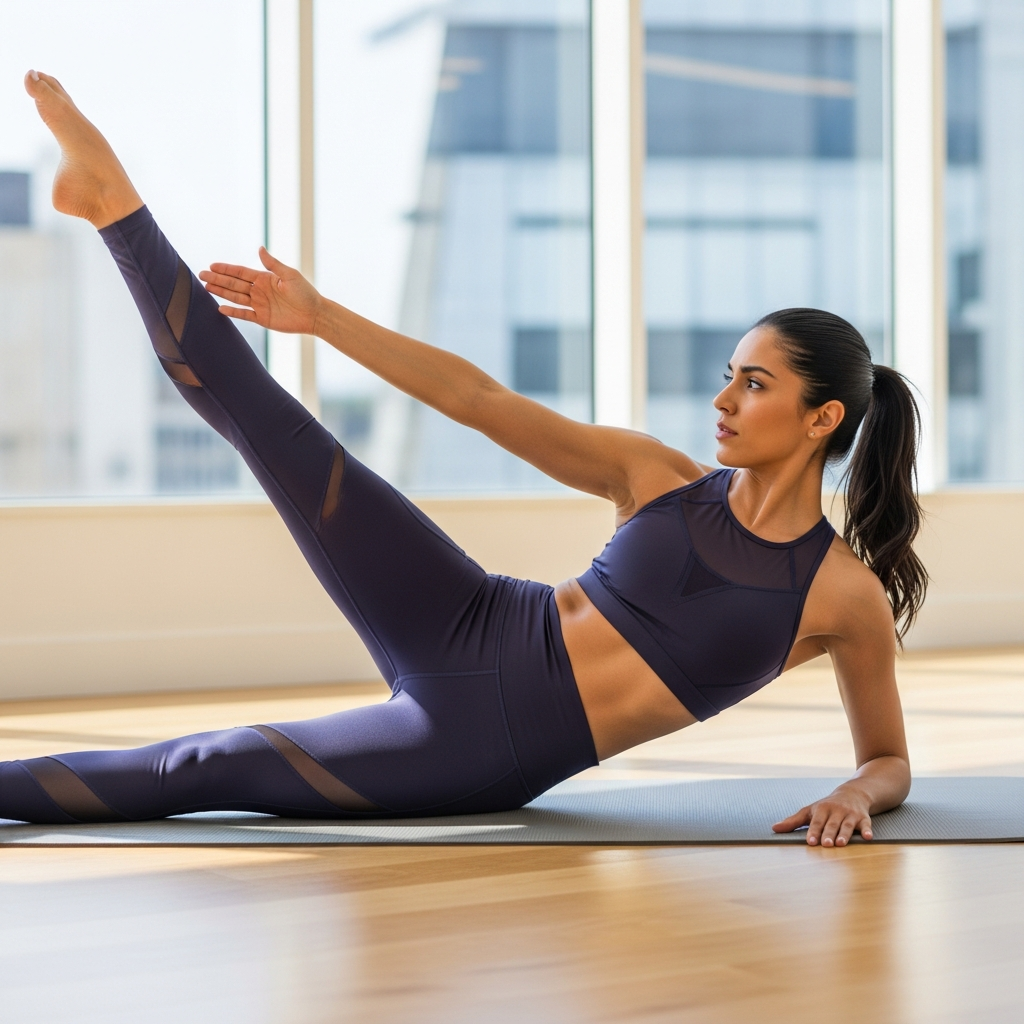
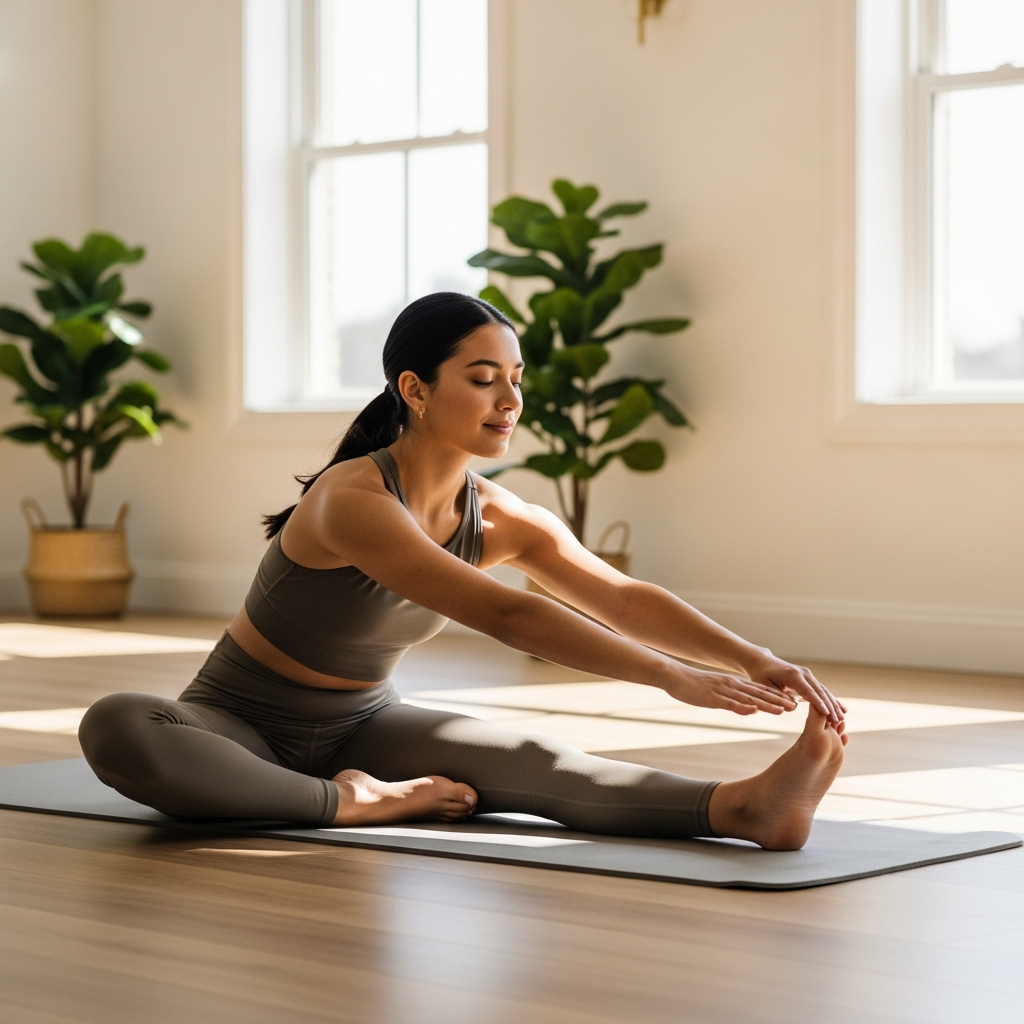
We’ll also talk about mat Pilates and how online certification fits into this particular category. Mat Pilates forms the foundation for all other Pilates work. It’s where Joseph Pilates himself began when he developed his groundbreaking method. If you’re new to Pilates, understanding mat work is essential before moving onto more advanced exercises or apparatus.
Lastly, we’ll explore how to choose the right online certification program. Not all programs are created equal, and finding one that aligns with your goals, budget, and schedule can be a daunting task. We’ll provide tips and resources to help you navigate through this process and kickstart your journey to becoming a certified Pilates instructor.
If you’re passionate about Pilates and wish to share that passion with others by teaching, this guide is for you. Whether you’re a seasoned fitness professional looking to add another feather to your cap or a Pilates enthusiast wanting to turn your passion into a profession, understanding online Pilates certification is the first step towards achieving your goal.
Through the breadth of information we aim to cover in this guide, we hope to provide a clear picture of what online Pilates certification looks like, making your journey towards becoming a certified instructor smoother and more fulfilling. So, let’s get started on this path of transformation that not only reshapes bodies but also changes lives.
Online Pilates Certification – An Authoritative Guide
Pilates, a physical fitness system developed in the early 20th century by Joseph Pilates, has grown exponentially in popularity over the past few decades. With an emphasis on body balance, strength, flexibility, and mind-body connection, Pilates offers a unique approach to exercise that is both challenging and rewarding. As interest in this fitness regimen continues to surge, many fitness enthusiasts and professionals are seeking certification to teach Pilates, and online certification has emerged as a convenient and accessible option.
Before diving into the specifics of online Pilates certification, it’s important to understand the foundational principles of Pilates itself. Joseph Pilates designed this system to enhance physical strength, flexibility, posture, and mental awareness – elements that he believed were crucial to overall health and wellness. His method, originally termed ‘Contrology,’ is centered around six key principles: concentration, control, centering, flow, precision, and breathing.
Concentration refers to the mental aspect of Pilates in which practitioners must stay fully engaged and focused on each movement. Control pertains to the idea that every exercise should be performed with complete muscular control. Centering is a key aspect of Pilates where all movements are believed to originate from the body’s core or “powerhouse”. Flow encompasses the graceful and seamless transitions between movements, while precision underscores the importance of performing each movement with meticulous attention to detail. Lastly, breathing in Pilates is used to provide oxygen to the muscles and cleanse the body of toxins.
Understanding these principles is paramount for anyone seeking to become a certified Pilates instructor. Each principle is interwoven into the fabric of Pilates instruction, and effective teaching requires a deep comprehension of these tenets.
Traditional Pilates certification typically involves a mix of coursework, hands-on training, observation hours, personal practice hours, and teaching hours. While this method of certification has proven effective, it may not be feasible for everyone due to time, geographical, or financial constraints. Enter online Pilates certification – an increasingly popular alternative that offers flexibility without compromising on the quality of instruction.
Online Pilates certification courses are designed to provide comprehensive training in the Pilates method right from the comfort of your own home. They typically include video lessons, manuals, and online tests that cover the theory, practical application, and teaching techniques of Pilates. The course content is typically divided into modules that cover topics such as anatomy and physiology, Pilates matwork, Pilates equipment work, special populations, and teaching skills.
Online certification courses typically offer the flexibility to learn at your own pace, making it an ideal option for those who have other commitments such as a full-time job or family responsibilities. Moreover, with online courses, geographic location is no longer a barrier. You can learn from the world’s top Pilates instructors without having to travel miles away.
However, it is important to note that not all online Pilates certification courses are created equal. It is crucial to choose a course that is comprehensive and taught by experienced instructors. The course should also be recognized by reputable fitness organizations to ensure that the certification will be accepted wherever you wish to teach. Some well-respected organizations that approve Pilates certification courses include the Pilates Method Alliance (PMA) and the American Council on Exercise (ACE).
In conclusion, online Pilates certification offers a convenient and accessible pathway to becoming a certified Pilates instructor. While the convenience factor is undeniable, it is essential to remember that becoming a competent Pilates instructor requires dedication, practice, and deep understanding of the principles of Pilates. Therefore, regardless of the mode of instruction, aspiring instructors must commit themselves fully to learning and embodying the principles of this unique fitness system.
Online Pilates Certification: A Comprehensive Guide
In an increasingly digital world, it has become possible to obtain a Pilates certification online. This new approach to learning allows aspiring Pilates instructors to tailor their learning experience to their unique needs and schedule. Here’s a step-by-step guide on getting started with online Pilates certification.
Step 1: Determine Your Specific Interest
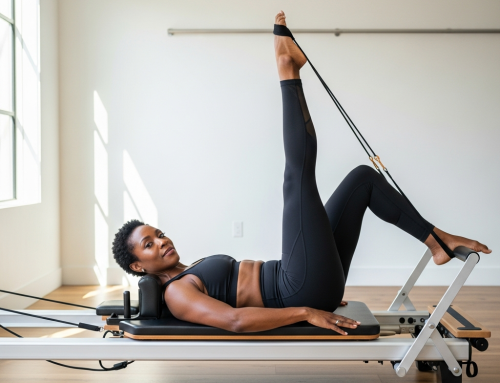
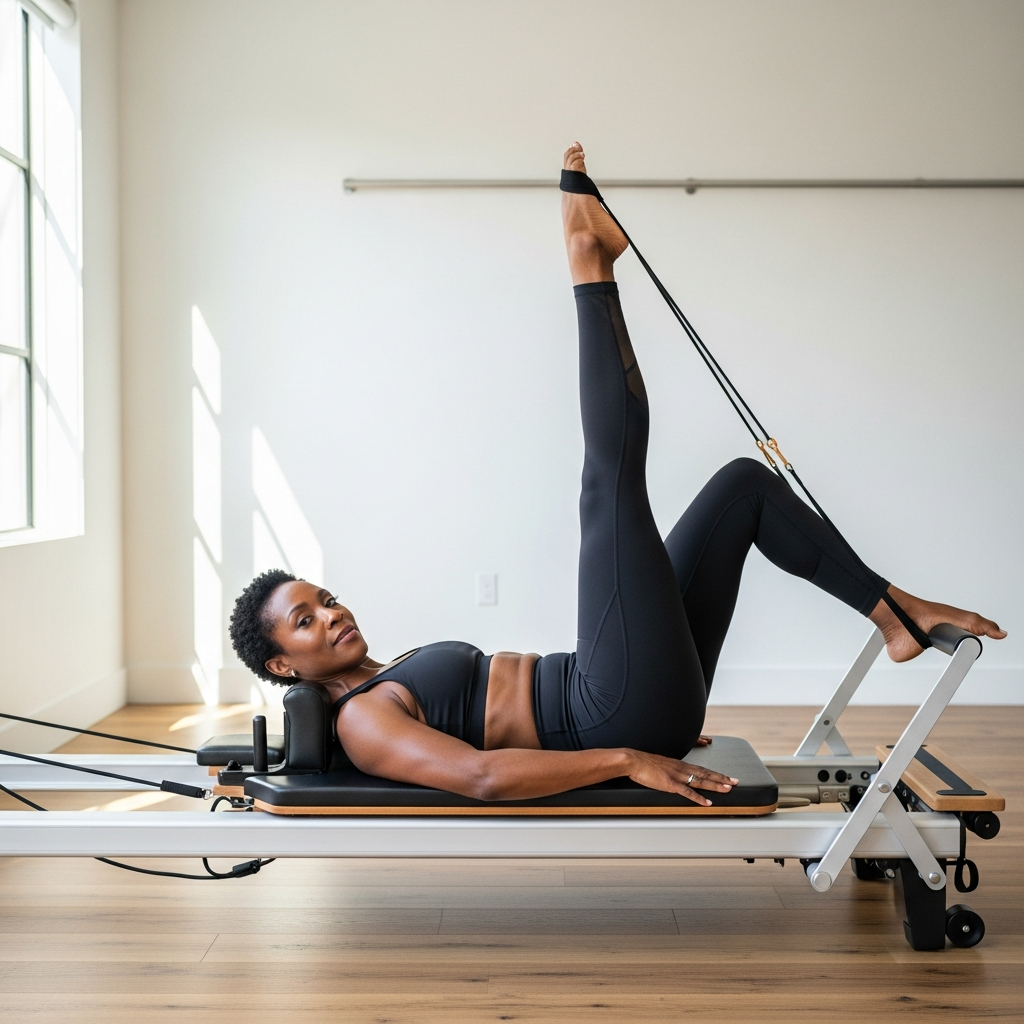
Pilates is a broad field with various specializations, including mat Pilates, reformer Pilates, contemporary Pilates, and more. Each has a different focus and requires distinct skills. For instance, mat Pilates focuses on building core strength using body-weight exercises, while reformer Pilates involves a machine that adds resistance to the exercises. Decide which area you’re most interested in and pursue a certification that aligns with it.
Step 2: Research Online Pilates Certification Programs
Once you’ve identified your specific interest, start researching online Pilates certification programs. Look for programs that are recognized by reputable fitness organizations and offer comprehensive training in your area of interest.
Evaluate the course content, learning outcomes, duration, cost, and the support provided by the platform. Read reviews from previous students to get a feel for the quality of the program.
Step 3: Check Accreditation
Accreditation ensures that the certification program meets specific quality standards set by a governing body. It provides assurance that the program will provide the knowledge and skills necessary to become a competent Pilates instructor. Some recognized accrediting bodies include the Pilates Method Alliance (PMA) and the National Exercise Trainers Association (NETA).
Step 4: Enroll and Begin Learning
Once you’ve selected a program, enroll and start learning at your own pace. Most online programs provide video instructions for each exercise and technique, so ensure you have a space where you can practice these exercises.
It’s also essential to review the theoretical aspects of Pilates, including its history, principles, and the anatomy and physiology related to the exercises. This knowledge will enable you to understand the “why” behind each movement and effectively instruct your future students.
Step 5: Complete Practicum Hours
Most Pilates certification programs require students to complete a certain number of practicum hours. These are hours spent teaching Pilates under the supervision of an experienced instructor. Even though you’re doing an online certification, this component is critical.
Reach out to local Pilates studios or fitness centers and inquire about opportunities to complete your practicum hours. This experience will not only fulfill your certification requirements but also provide you with valuable real-world teaching experience.
Step 6: Pass the Certification Exam
After completing your coursework and practicum hours, you’ll typically need to pass a certification exam. This exam tests your understanding of Pilates techniques, principles, and teaching skills. Most online programs offer mock exams to help you prepare.
Real-World Scenario:
Suppose you’re a full-time office worker with a passion for fitness, particularly Pilates. You’ve been attending mat Pilates classes for years and have seen significant improvements in your strength, flexibility, and overall fitness. Now, you want to share the benefits of Pilates with others by becoming an instructor. However, due to your busy schedule, you can’t commit to a traditional in-person certification program.
In this scenario, an online Pilates certification is an excellent option. You can learn at your own pace, fitting the coursework around your work schedule. Since you’re interested in mat Pilates, look for an online course that specializes in this area.
Remember, even though you’re studying online, it’s important to practice the exercises regularly and gain hands-on teaching experience through your practicum hours.
In conclusion, obtaining an online Pilates certification is a flexible, convenient way to pursue your passion for Pilates and share its benefits with others. It requires dedication, self-discipline, and a genuine interest in Pilates. With the right program and a commitment to learning, you can become a certified Pilates instructor from the comfort of your own home.
What about Online Pilates Certification?
Introduction:
The world of Pilates offers a rich tapestry of mind-body conditioning exercises that build strength, flexibility, and endurance. It’s no wonder that becoming a certified Pilates instructor is an increasingly popular career choice. But what about online Pilates certification? Is it as effective and credible as traditional in-person training? Let’s delve into this topic, focusing on the common challenges, solutions, and expert tips for aspiring Pilates instructors.
Common Challenges:
The first challenge with online Pilates certification is the lack of hands-on experience. Pilates is a physical activity, and without a seasoned instructor physically present, it can be difficult to ensure proper form and technique. This can make online learning less effective than in-person training.
Another challenge is the lack of immediate feedback. When learning Pilates in a classroom setting, instructors can immediately correct students’ mistakes. With online learning, however, this feedback might not be immediate, which could slow down the learning process.
Solution:
Despite these challenges, online Pilates certification offers solutions that can make it just as effective as traditional training. The key lies in choosing the right program.
Look for a course that provides ample video demonstrations and detailed written instructions for each exercise. This will help account for the lack of hands-on experience. Furthermore, some online programs offer live virtual classes, allowing for real-time interaction with instructors.
For immediate feedback, consider courses that provide one-on-one virtual sessions or allow video submissions of your routines for review. This enables the instructor to provide tailored advice and corrections, enhancing your learning experience.
Expert Tips:
1. Choose a reputable program: Not all online Pilates certification programs are created equal. Look for courses accredited by recognized organizations such as the Pilates Method Alliance (PMA), Balanced Body, or STOTT PILATES®.
2. Practice regularly: Just like in-person training, success in online Pilates certification requires regular practice. Set aside dedicated time each day to practice what you’ve learned.
3. Network with others: Join online communities of Pilates instructors and students. This can provide additional learning opportunities and feedback.
4. Continue your education: Even after obtaining your certification, continue to learn by attending webinars, workshops, and additional courses.
Misconceptions:
A common misconception about online Pilates certification is that it’s easier than in-person training. While online learning offers flexibility, it still requires the same level of commitment and effort as traditional training.
Another misconception is that employers don’t value online certifications. However, most fitness centers and Pilates studios recognize accredited online certifications, provided they meet industry standards.
Best Practices Related to Pilates
Whether you’re training online or in-person, there are certain best practices to follow. Always prioritize safe and correct technique over speed or repetitions. Continually educate yourself on the principles of Pilates: Centering, Concentration, Control, Precision, Breath, and Flow. Also, it’s important to adapt exercises to meet individual needs, as Pilates should be inclusive and accessible for all fitness levels.
Conclusion:
Online Pilates certification can be a viable option for those who prefer the flexibility of learning at their own pace or who can’t access in-person training. By choosing a reputable program, practicing regularly, seeking feedback, and following best practices, you can overcome the challenges associated with online learning and become a skilled and certified Pilates instructor.
What to Expect from Online Pilates Certification: Timelines and Next Steps
Entering into the world of Pilates as a professional is an exciting journey, offering the opportunity to promote health and wellness while engaging in a career that you love. Today, with the proliferation of digital technology, becoming a certified Pilates instructor is more accessible than ever — thanks to online Pilates certifications.
Here’s a comprehensive guide on what you can expect, timelines, and next steps if you’re considering or have decided to pursue an online Pilates certification.
Online Pilates Certification Overview
An online Pilates certification course equips you with the knowledge and skills to teach Pilates professionally. You’ll learn about human anatomy, the principles of Pilates, how to design and deliver various classes (including mat Pilates), how to use Pilates equipment, and much more.
Online courses offer flexibility, allowing you to learn at your own pace in your own space. This makes it possible for individuals managing full-time jobs or other commitments to pursue their passion for Pilates. The curriculum is typically delivered through a combination of video tutorials, written materials, virtual workshops, and interactive webinars.
What to Expect
1. Comprehensive Curriculum: Online Pilates certification courses cover a comprehensive curriculum including the history and principles of Pilates, anatomy and biomechanics, matwork exercises from beginner to advanced level, equipment-based exercises (for comprehensive certification), teaching methodology, class sequencing, modifications for injuries or special populations, and professional development such as ethics and business practices.
2. Practical and Theoretical Learning: Most online courses provide a blend of theoretical knowledge and practical skills. You’ll be expected to study the provided materials, participate in virtual workshops, complete assignments, and record yourself teaching Pilates sessions for assessment.
3. Interaction with Instructors: Even though the course is online, many programs offer opportunities to interact with instructors through scheduled live sessions or email consultations. This ensures you receive personalized feedback and guidance.
4. Examinations: To earn your certification, you’ll need to pass both written and practical exams demonstrating your understanding of Pilates and your ability to teach it effectively.
Timelines
The timeline for completing an online Pilates certification can vary significantly depending on the specific course and your personal schedule. Most online Pilates certifications are self-paced, meaning you can complete them as quickly or as slowly as you wish.
Generally, a Mat Pilates certification can be completed in 3-4 months with consistent study, while a comprehensive Pilates certification (covering both mat and equipment-based exercises) might take 6-12 months or more. Remember, the key is not to rush through the material, but to ensure you fully understand and can apply what you’re learning.
Next Steps
1. Choose the Right Program: Research various online Pilates certification programs to find one that best fits your goals, budget, and schedule. Consider factors such as curriculum, cost, accreditation, instructor support, and alumni reviews.
2. Register and Get Started: Once you’ve chosen a program, register and start studying. Make a study plan that fits into your schedule and stick to it.
3. Complete Coursework: Follow the course structure, complete all assignments, attend live sessions if available, and practice teaching regularly.
4. Prepare for Exams: As you near the end of the course, start preparing for your exams. Review all materials, practice teaching sessions, and consider scheduling a mock exam if available.
5. Pass Your Exams: Take and pass your exams to earn your certification.
6. Start Teaching: Once certified, you can start teaching Pilates professionally in a variety of settings like fitness centers, Pilates studios, or even online!
An online Pilates certification is an excellent opportunity to turn your passion for Pilates into a rewarding career. With dedication, patience, and consistent effort, you can become a skilled Pilates instructor, empowering others to improve their health and wellbeing through this dynamic method.
In conclusion, online Pilates certification offers a flexible, convenient, and economical solution for those looking to embark or advance their career in Pilates instruction. It’s clear that this mode of learning is not only a response to current global circumstances but also an evolution in the education and fitness sector that is here to stay.
Before delving into the key takeaways, it’s crucial to remember that the choice of online Pilates certification should not be made lightly. It represents a substantial investment of time and resources, and its value will directly influence your teaching skills, credibility, and career opportunities in this burgeoning industry.
Firstly, online Pilates certification provides accessibility to high-quality education without geographical constraints. This means that regardless of your location, you can gain instruction from renowned trainers and institutions worldwide. It provides the flexibility to learn at your own pace, schedule, and environment – a boon for those juggling other commitments such as family or work obligations.
Secondly, online Pilates certification often comes at a lower cost compared to traditional in-person training, making it a more economical choice. This cost-effectiveness is not just about the course fee, but also the ancillary savings from reduced travel or accommodation expenses.
Thirdly, online Pilates certification does not compromise quality. The comprehensive curriculum typically includes anatomy and physiology, principles and philosophies of Pilates, teaching methodologies, safety protocols, client assessment and adaptation, and business aspects of running a Pilates studio. The delivery methods are varied and interactive – live virtual classes, pre-recorded videos, written materials, quizzes, peer discussions, and one-on-one feedback sessions.
Fourthly, reputable online Pilates certifications are recognized globally. This recognition ensures your credentials are valid wherever your career may take you. It also signifies that you have met a standardized level of competence that clients and employers can trust.
Lastly, an online Pilates certification program fosters self-discipline, self-motivation, and digital literacy – qualities that are valuable in any profession. The ability to study independently, stay motivated without external pressures, and navigate digital tools are skills honed during the online learning process.
However, it’s important to note that the success of online Pilates certification largely depends on the learner’s dedication, self-discipline, and active engagement. Practical skills, especially, require consistent practice and application. Additionally, choosing a reputable certification program is crucial. Look for programs that are comprehensive in curriculum, utilize interactive teaching methods, provide ample student support, and hold recognition from established Pilates associations or governing bodies.
The world of online Pilates certification is vast and varied. It represents an exciting opportunity to turn your passion for Pilates into a rewarding career. But like any significant journey, it requires careful planning, informed decisions, and dedicated commitment.
If you’re ready to take the next step but need guidance or have questions, don’t hesitate to contact us. Our team of Pilates professionals is ready to assist you in navigating your choices and setting you on the path to a successful Pilates career. Remember, the best time to start is now. Your Pilates journey awaits, and we’re here to support you every step of the way.