What Sets a High-Quality Pilates Studio Apart in Grand Prairie?
You know that feeling when you walk into a gym and immediately want to turn around and leave? The fluorescent lights buzzing overhead, equipment that looks like it hasn’t been cleaned since the Clinton administration, and that one guy grunting so loudly you wonder if he’s in actual distress. Yeah… we’ve all been there.
But here’s the thing – when it comes to Pilates, that first impression isn’t just about comfort. It’s about whether you’ll actually stick with something that could genuinely transform how you feel in your body. And honestly? In Grand Prairie, you’ve got options. Lots of them. From the strip mall studios squeezed between a nail salon and a taco shop to the pristine facilities that look like they belong in Beverly Hills.
The problem is, they all claim to offer the same thing: “authentic Pilates instruction” and “personalized attention.” But after talking to hundreds of clients over the years – people who’ve tried studio after studio, searching for that perfect fit – I’ve learned something important. The difference between a mediocre Pilates experience and one that actually changes your life? It’s in the details most people never think to ask about.
Take Sarah, for instance. She’d been dealing with chronic lower back pain for three years after her second pregnancy. Her doctor suggested Pilates, so she tried the closest studio to her house. Nice enough instructors, decent equipment… but after six months, she felt exactly the same. Frustrated and about $800 poorer, she almost gave up entirely. Then a friend dragged her to a different studio across town. Same exercises, same basic principles – but within three weeks, something clicked. Her pain started improving. Her posture changed. She actually looked forward to her sessions.
What made the difference? It wasn’t magic. It was the accumulation of small things done right.
See, here’s what most people don’t realize: Pilates studios might look similar from the outside, but the variance in quality can be enormous. We’re talking about the difference between going through the motions and actually experiencing the method the way Joseph Pilates intended. Between instructors who got certified in a weekend workshop versus those who’ve spent years studying anatomy and movement patterns. Between equipment that’s properly maintained and calibrated versus machines that are just… there.
And in Grand Prairie specifically? You’ve got this interesting mix of established studios that have been serving the community for years alongside newer boutique spots trying to make their mark. Some focus on the traditional approach – think classical Pilates with all its precise, almost dance-like movements. Others blend in contemporary techniques, maybe some yoga influences, sometimes even a bit of physical therapy methodology.
The challenge is figuring out which approach works for your body, your goals, and honestly – your personality. Because let’s be real, if you don’t mesh with the vibe of a place, you’re not going to keep showing up. And consistency? That’s where the real magic happens.
Over the next few minutes, we’re going to talk about what actually matters when you’re evaluating Pilates studios in Grand Prairie. Not the marketing fluff or the Instagram-worthy spaces (though don’t get me wrong, those can be nice too). I’m talking about the nuts and bolts – the instructor qualifications that actually mean something, the equipment standards that ensure you’re getting a proper workout safely, the class structures that help you progress rather than just… exist in perpetual beginner mode.
We’ll also dig into some of the less obvious factors that can make or break your experience. Things like how they handle modifications for injuries, whether they create a community feel or just process you through like a number, and yes – how they structure their pricing so you’re not constantly worried about burning through your savings account.
Because here’s what I’ve learned after years in this field: the right Pilates studio doesn’t just give you a good workout. It becomes a place where you actually want to invest in yourself. Where you stop making excuses and start showing up. Where your body – and maybe even your mind – starts to feel like home again.
The Pilates Philosophy That Actually Matters
Here’s the thing about Pilates – it’s not just fancy stretching with overpriced equipment. Joseph Pilates originally called his method “Contrology,” which sounds terribly serious, but the concept is beautifully simple: controlled movement that connects your mind to your body. Think of it like learning to drive a stick shift. At first, you’re juggling the clutch, gas, and gear shift while your brain screams at you. But eventually? It becomes second nature, and you’re working with the machine instead of fighting it.
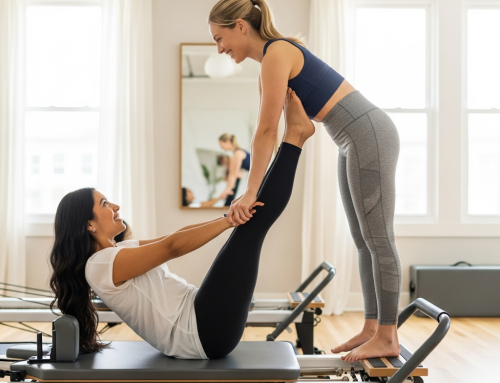
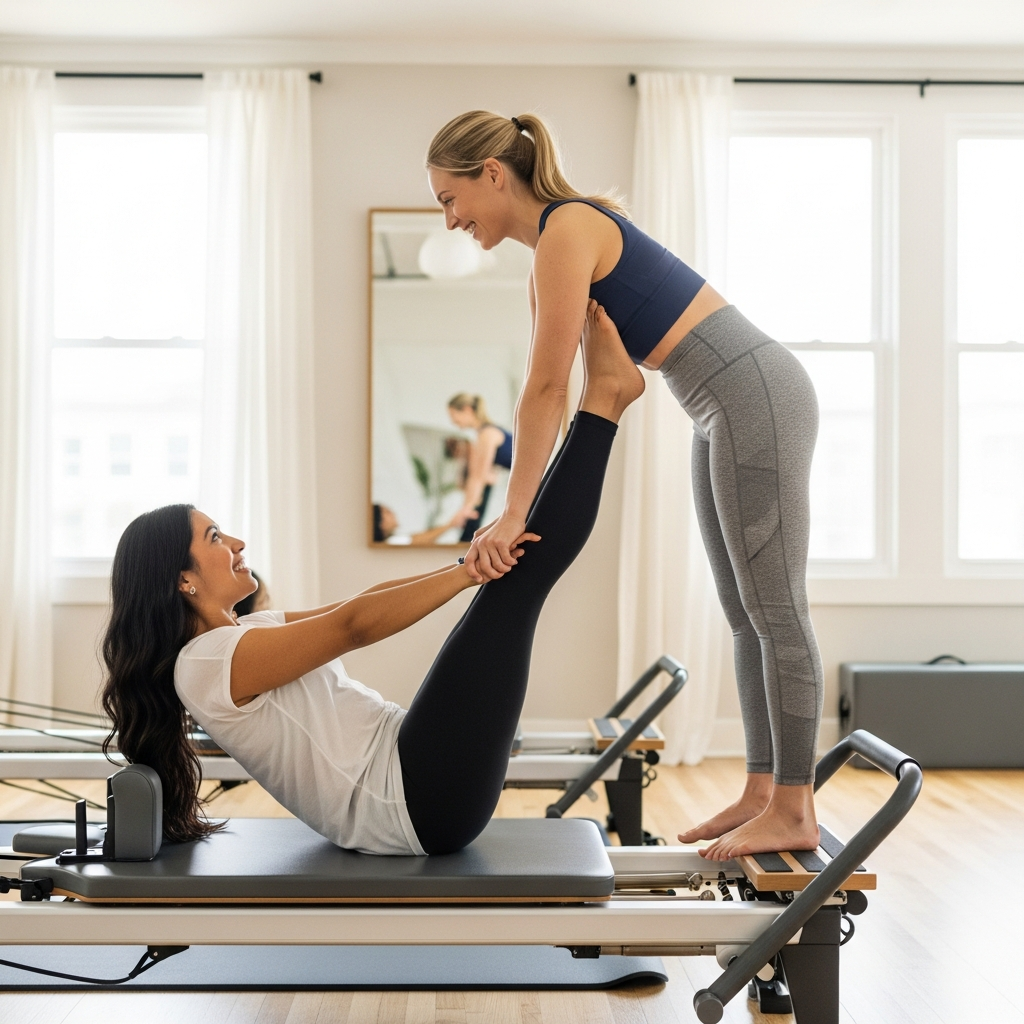
A quality studio understands this progression. They won’t throw you onto a reformer (that’s the sliding bed contraption with springs and straps) and expect magic to happen. Instead, they’ll help you build that mind-body connection gradually… which, honestly, can feel frustratingly slow at first.
Equipment That’s Worth Your Investment
Walk into some studios and you’ll see shiny reformers lined up like luxury cars in a showroom. But here’s what most people don’t realize – expensive doesn’t automatically mean effective. The best studios in Grand Prairie focus on equipment that’s well-maintained and properly adjusted for different body types.
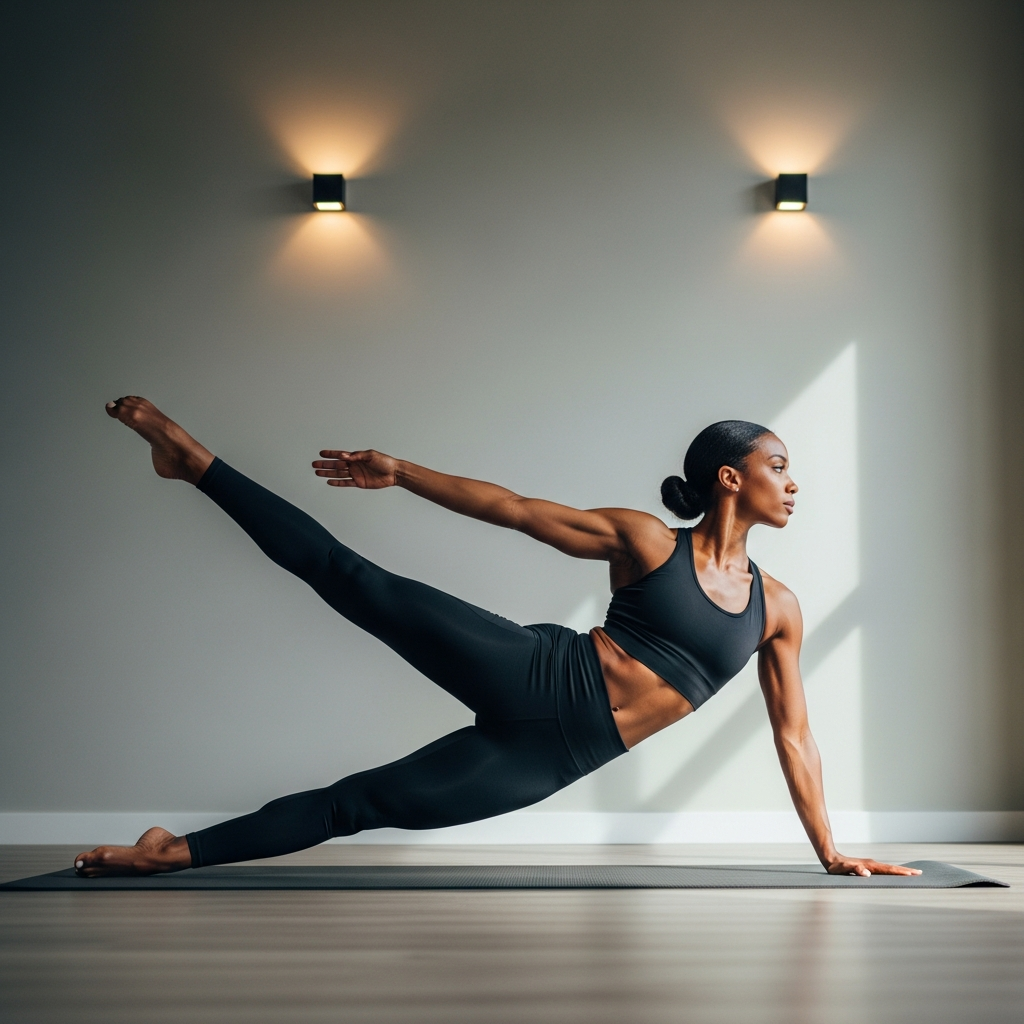
The reformer gets all the attention, but mat work is where the real magic happens. It’s you versus gravity, no springs to help or hinder. A studio that emphasizes mat classes alongside equipment work? That’s usually a good sign. They understand that Pilates isn’t about the bells and whistles – it’s about teaching your body to move intelligently.
Actually, that reminds me of something I’ve noticed… studios that let you peek at their equipment maintenance logs (or at least talk openly about upkeep) tend to be more transparent overall. Springs lose tension, cables fray, and carriages need alignment. If they’re taking care of their equipment, they’re probably taking care of their clients too.
The Instructor Difference You Can Feel
This might sound harsh, but completing a weekend certification doesn’t make someone a Pilates instructor any more than buying a stethoscope makes you a doctor. The training standards vary wildly – some programs require 450+ hours of study, others… well, let’s just say they’re more lenient.
But here’s what’s counterintuitive: the instructor with the most credentials isn’t always the best fit for you. I’ve seen PhDs in movement science who couldn’t explain a pelvic tilt to save their lives, and former dancers who instinctively knew exactly how to cue someone through a challenging exercise.
What you want is someone who watches you move. Really watches. They notice when your left shoulder hikes up during overhead reaches, or when you’re gripping your abs so tight you’ve forgotten to breathe. The best instructors can spot compensation patterns you didn’t even know you had.
The Class Size Sweet Spot
Those massive group classes with 20+ people? They’re basically expensive stretching sessions. Don’t get me wrong – there’s nothing inherently evil about large classes, but Pilates loses its effectiveness when the instructor can’t provide individual attention.
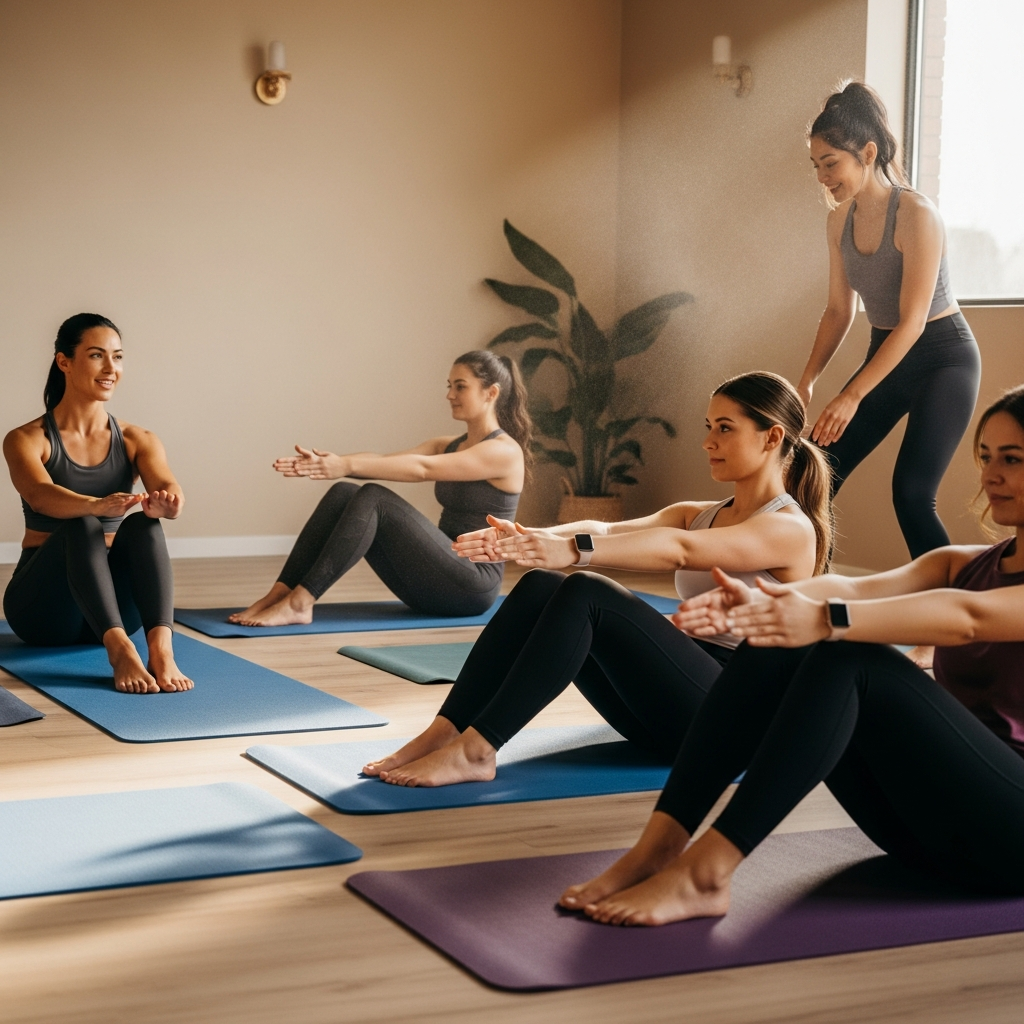
The magic number seems to hover around 6-8 people for equipment classes, 10-12 for mat work. Small enough that your instructor knows your name and your cranky left hip, but large enough to keep costs reasonable. It’s like hosting a dinner party – too few guests and it feels awkward, too many and nobody gets quality conversation.
Studio Culture Beyond the Instagram Feed
You know those studios with perfectly curated social media feeds? Beautiful lighting, matching workout gear, everyone looking effortlessly graceful? Sometimes the reality doesn’t match the aesthetic. The best studios I’ve visited feel more like community centers than exclusive clubs.
Pay attention to how current clients interact with each other and the staff. Do people seem genuinely happy to be there, or are they checking their phones between exercises? Are beginners made to feel welcome, or do they look lost and overwhelmed?
A quality studio celebrates small victories – like when someone finally masters rolling up from lying down without using momentum, or when chronic back pain starts improving after weeks of consistent work. These aren’t Instagram-worthy moments, but they’re the real deal.
The atmosphere should feel supportive but not precious. Pilates requires focus, sure, but it shouldn’t feel like you’re walking on eggshells. If you can’t laugh when you topple over during single-leg circles… well, you’re probably taking yourself too seriously anyway.
Check the Instructor-to-Student Ratio (And Don’t Be Shy About Asking)
Here’s something most people don’t think to ask – but you absolutely should. A quality Pilates studio in Grand Prairie will cap their classes at 8-10 people max. Why? Because proper Pilates isn’t just about following along… it’s about precise alignment and individual adjustments.
I’ve seen studios pack 20+ people into reformer classes, and honestly? That’s not Pilates – that’s group fitness with fancy equipment. When you tour a studio, ask point-blank: “What’s your maximum class size?” If they hem and haw or give you a number above 12, keep looking. Your form (and your investment) deserves better attention than that.
Look for Equipment That Actually Gets Maintained
Walk around and really examine the reformers. Are the springs consistent? Do the carriages glide smoothly, or do they sound like they’re grinding coffee beans? Quality studios replace springs regularly – they’re the heart of the machine, after all.
And here’s a tell-tale sign of a well-run place: peek at the equipment logs. Good studios track maintenance religiously. If the front desk can’t tell you when the last equipment service was… well, that tells you something right there.
Pro tip: If you see duct tape anywhere on the equipment, run. I’m serious.
Test Their Knowledge During Your Trial Class
This one’s sneaky but brilliant. During your first class, mention a previous injury – even if it’s something minor like “I tweaked my lower back last month.” A qualified instructor should immediately offer modifications or ask follow-up questions. They might adjust your foot position on the footbar or suggest a different spring tension.
What you don’t want to hear? “Just do what feels comfortable.” That’s not instruction – that’s wishful thinking. Good Pilates instructors are part movement analyst, part physical therapist. They should spot compensation patterns before you even realize you’re doing them.
The Scheduling System Says Everything
Here’s something you might not expect – but the way a studio handles scheduling reveals their professionalism. Quality places use proper booking software that sends confirmations, allows easy cancellations (with reasonable notice), and tracks your package usage.
If they’re still using a paper calendar or constantly “forgetting” to mark you as present… that’s amateur hour. Your time is valuable, and their systems should reflect that respect.
Ask About Instructor Training (And Listen Carefully)
All Pilates certifications aren’t created equal. When you ask about instructor qualifications, listen for specific program names. Romana’s Pilates, BASI, Stott Pilates, Balanced Body – these are comprehensive programs requiring hundreds of hours.
But here’s what really matters: ongoing education. The best instructors attend workshops, pursue continuing education, maybe even travel for advanced training. If the front desk person looks blank when you ask about instructor credentials… that’s information too.
Watch How They Handle New Students
Observe how the studio treats absolute beginners during your visit. Do they rush them onto equipment immediately, or do they take time for proper introduction? Quality studios often require a private session or foundation class before group classes.
This isn’t about making extra money (well, not entirely). It’s about safety and setting proper expectations. Pilates equipment can be intimidating – good studios ease people in rather than throwing them into the deep end.
The Cancellation Policy Reveals Their Confidence
Strange but true – studios confident in their service offer reasonable trial periods and cancellation policies. If they’re pushing long-term contracts with no escape clauses, ask yourself why they’re so worried about keeping people locked in.
Look for studios offering monthly memberships or reasonable package options. The best places know their value and aren’t afraid to let their work speak for itself.
Trust Your Gut About the Vibe
Finally – and this might sound touchy-feely, but bear with me – pay attention to how you feel in the space. Are people chatting and laughing appropriately? Do instructors seem genuinely interested in helping students improve?
Pilates requires focus and breath awareness. If the studio feels chaotic, rushed, or overly social, it’s probably not the environment where you’ll develop that mind-body connection that makes Pilates so transformative.
The right studio feels like a sanctuary where you can concentrate, grow stronger, and actually enjoy the process. Don’t settle for anything less.
When Your Body Fights Back (And Why That’s Actually Normal)
Let’s be honest – your first few Pilates classes might feel like your body’s staging a revolt. You know that shaky feeling when you’re trying to hold a plank and your muscles are literally quivering? That’s not weakness… that’s your core waking up after years of letting other muscles do the heavy lifting.
Here’s what I see happen all the time: someone walks into a quality studio, expects to nail every move because “it looks so easy,” then leaves feeling like they got hit by a truck. The thing is, Pilates works muscles you forgot you had. Those tiny stabilizers that keep your spine happy? They’ve been on vacation.
A good instructor will tell you this upfront – actually, they’ll probably smile knowingly when you mention how sore you are. They’ve been there. The solution isn’t to push through pain (never do that), but to show up consistently. Your body adapts faster than you think, but it needs time to build that mind-muscle connection that makes everything click.
The Perfectionist’s Dilemma
You know what trips up a lot of people? The need to look like the instructor from day one. I get it – we’re surrounded by those gorgeous Pilates photos on Instagram where everyone looks effortlessly graceful. But here’s the reality check: even seasoned practitioners modify exercises constantly.
That woman next to you who seems to float through every movement? She’s probably been coming here for three years and still uses props when she needs them. The difference between a mediocre studio and a great one? The great one celebrates modifications as smart training, not shortcuts.
If your studio has that competitive gym vibe where everyone’s trying to one-up each other… run. Actually, maybe just walk briskly – save your energy for somewhere that understands Pilates is about your body’s story, not comparing chapters with someone else’s book.
The Schedule Struggle (It’s Real)
Let’s talk about the elephant in the room – finding time. Between work, family, that social life you’re trying to maintain… adding another commitment can feel overwhelming. I’ve watched people sign up with the best intentions, then disappear after two weeks because life happened.
Here’s what works: start ridiculously small. One class a week. Same day, same time if possible. Think of it like brushing your teeth – it becomes automatic when it’s part of your routine, not this special thing you squeeze in when the stars align.
The best studios get this. They’ll help you find that sweet spot in their schedule and might even send gentle reminders (not pushy sales messages – there’s a difference). Some offer package deals that don’t expire in thirty days because, let’s face it, January might be crazy but March could be wide open.
Equipment Intimidation and the “Am I Doing This Right?” Panic
Those reformer machines look like medieval torture devices if you’ve never seen one before. All those springs and straps and moving parts… it’s normal to feel intimidated. I’ve seen people stand frozen at the studio entrance, second-guessing everything.
The secret? Every single person in that room felt the same way once. Even your instructor probably remembers their first reformer class – the confusion, the “how does my leg go where?” moments.
Quality studios do equipment orientations. Not just a quick run-through, but actual time to get familiar with how things adjust and feel. They’ll start you with basic setups and gradually introduce complexity. If someone throws you onto an advanced piece of equipment on day one without proper introduction… that’s a red flag waving in your face.
The Motivation Rollercoaster
Some days you’ll walk out feeling like a Pilates goddess. Other days? You’ll wonder why you’re paying money to struggle through movements that felt easy last week. This isn’t failure – it’s being human.
Your body changes day to day. Stress, sleep, what you ate, where you are in your cycle… it all affects how you move. The studios that get this will check in with you before class starts. Not in a nosy way, but genuinely caring about how you’re feeling so they can adjust accordingly.
When motivation dips (and it will), remember why you started. Maybe it was back pain, maybe you wanted to feel stronger, maybe you just needed something that was yours. That reason doesn’t disappear just because Tuesday’s class felt harder than usual.
What to Expect in Your First Few Classes
Let’s be honest – you’re probably wondering what you’ve gotten yourself into. That’s totally normal. Most people walk into their first Pilates class feeling a mix of excitement and “oh God, what if I can’t do this?”
Here’s the thing: everyone feels wobbly at first. I mean everyone. That instructor who makes everything look effortless? She probably spent her first class trying to figure out which way was up on the reformer. The regular who’s flowing through movements like water? Yeah, she once asked if the footbar was supposed to move (it is, by the way).
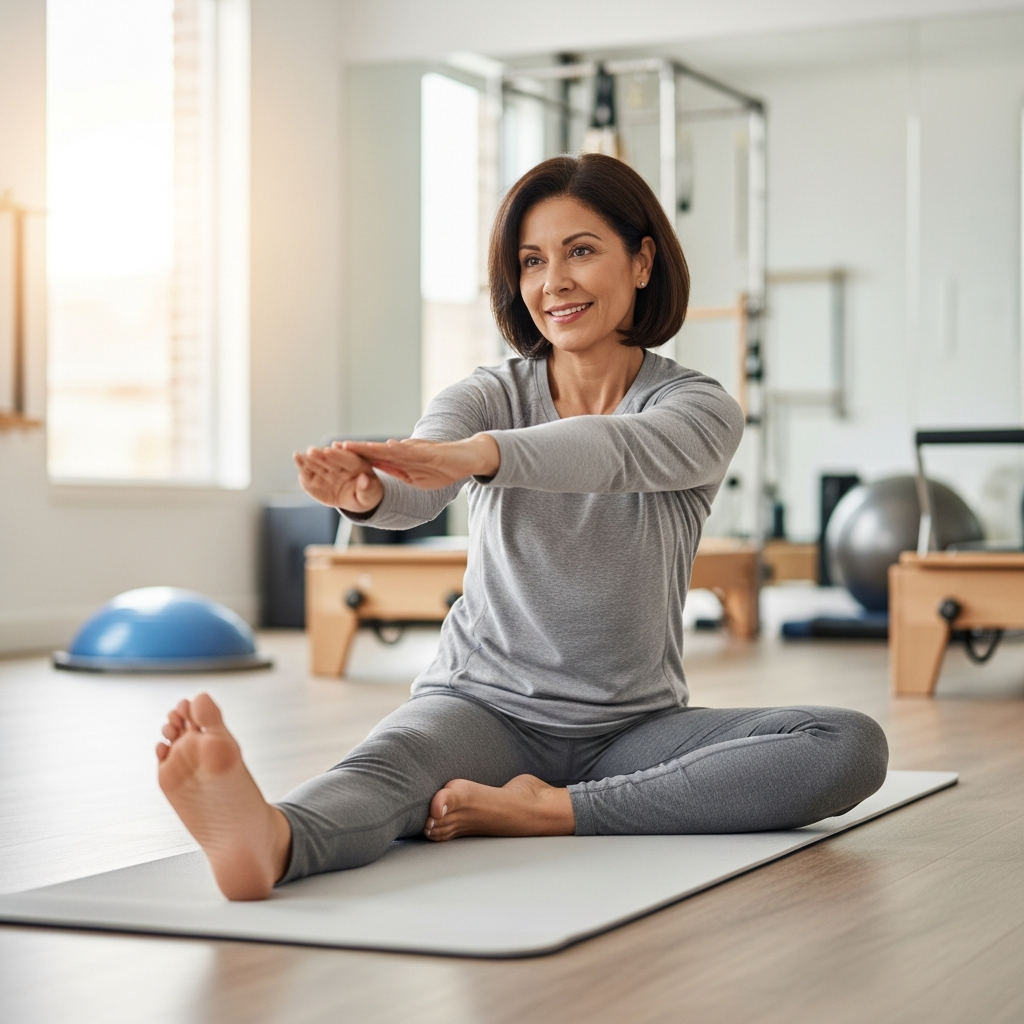
Your first class will likely feel like learning a new language – one spoken entirely through your core muscles. Don’t worry if you can’t keep up with every cue or if you need to take breaks. A good instructor will check in with you, offer modifications, and remind you that this isn’t a race.
The Real Timeline for Seeing Changes
I wish I could tell you that you’ll walk out of your first class feeling like a new person, but… that’s not how bodies work. And honestly? Anyone who promises instant transformation is probably overselling.
Most people start noticing subtle changes around the 3-4 week mark if they’re coming consistently (we’re talking 2-3 times per week here). You might find yourself standing a little taller, or notice that getting out of bed doesn’t require the same dramatic groaning sound effects.
The more noticeable stuff – improved strength, better flexibility, that “Pilates posture” people talk about – usually kicks in around the 6-8 week mark. But here’s what’s interesting: the mental changes often happen faster. Many clients tell me they feel more centered and focused after just a handful of sessions. Something about all that intentional breathing and mindful movement…
Building Your Practice Gradually
A high-quality studio won’t pressure you to sign up for unlimited classes right off the bat. Actually, they’ll probably suggest you start slow – maybe twice a week – and build from there. Your body needs time to adapt, and frankly, so does your brain.
Think of it like learning to drive. You wouldn’t hop on the highway on day one, right? Same principle applies here. Start with fundamental classes, get comfortable with the equipment (especially if you’re doing reformer work), and gradually work your way up to more challenging sessions.
Most studios offer package deals that make sense for beginners – maybe 5 or 10 classes to start. This gives you room to figure out what works for your schedule without committing to something overwhelming. Plus, you can always add more classes as you get hooked… and you probably will get hooked.
What Good Communication Looks Like
A quality studio keeps you in the loop about your progress. Your instructor should check in with you regularly – not just about how you’re feeling physically, but about your goals and what you want to work on.
They might suggest specific classes based on what they observe in your movement patterns. Or recommend taking a private session to work on something specific. This isn’t a sales pitch (though it might feel like one at first) – it’s actually good teaching. They’re paying attention and offering personalized guidance.
You should also feel comfortable asking questions. Lots of questions. About form, about modifications, about why your hip flexors are staging a revolt… whatever’s on your mind. A good instructor welcomes questions because they show you’re engaged and thinking about the work.
When to Reassess and Adjust
After about a month of regular practice, it’s worth having a conversation with your instructor about how things are going. Are you enjoying the classes you’ve been taking? Feeling challenged but not overwhelmed? Ready to try something new?
This is also a good time to think about your goals. Maybe you came in wanting better posture, but now you’re curious about building more strength. Or perhaps you started for physical reasons but find yourself loving the mental clarity that comes with the practice.
A quality studio will help you adjust your plan based on how you’re responding to the work. Maybe that means trying different class styles, working with different instructors, or tweaking your frequency.
The key is staying flexible (pun intended) and honest about what’s working for you. This is your practice, after all – it should fit your life, not the other way around.
You know what? Finding the right Pilates studio isn’t just about checking boxes on a list – though those certified instructors, proper equipment, and clean facilities definitely matter. It’s really about finding a place where you feel… well, at home. Where someone remembers your name (and your tricky shoulder). Where you’re not just another body in the room.
The best studios in Grand Prairie understand something crucial: we’re all carrying different stories into that space. Maybe you’re dealing with chronic back pain that’s been your unwelcome companion for years. Perhaps you’re recovering from an injury and feeling a bit fragile. Or maybe – and this is totally valid too – you’re just tired of feeling disconnected from your own body.
A truly exceptional Pilates studio becomes more than just a place to exercise. It becomes your reset button. That hour where you’re not thinking about work deadlines or family drama or that weird noise your car’s been making. You’re just… present. Moving. Breathing. Remembering what it feels like to inhabit your body with intention.
I’ve seen people transform in these spaces – not just physically (though yes, that happens too), but in ways that are harder to measure. There’s something about being guided through movement with such precision and care that starts to shift how you move through everything else. You stand a little taller. You breathe a little deeper. You start to trust your body again, maybe for the first time in years.
The instructors at the best studios? They’re not just teaching exercises – they’re reading your body language, adjusting their approach, celebrating your small victories. They remember that last week your hip was bothering you. They notice when you’re pushing too hard or not challenging yourself enough. It’s this attention to detail, this genuine care, that separates the extraordinary from the merely adequate.
And here’s what I love most about the Pilates community in Grand Prairie: there’s room for everyone. Whether you’re 25 or 75, dealing with injuries or training for a marathon, completely new to movement or returning after years away. The right studio will meet you exactly where you are.
Your body is the only one you get – and it’s been carrying you through everything life has thrown your way. Don’t you think it deserves to be cared for by people who truly understand what they’re doing?
If you’re feeling overwhelmed by all the options out there, or if you’re not sure where to start, we’re here to help. Sometimes it just takes a conversation to figure out what you really need. No pressure, no sales pitch – just someone who gets it, ready to point you in the right direction.
Ready to find your perfect Pilates match? Give us a call or drop by for a chat. We know the Grand Prairie fitness scene inside and out, and honestly? We’d love to help you find exactly what you’re looking for. Your body – and your peace of mind – will thank you for it.