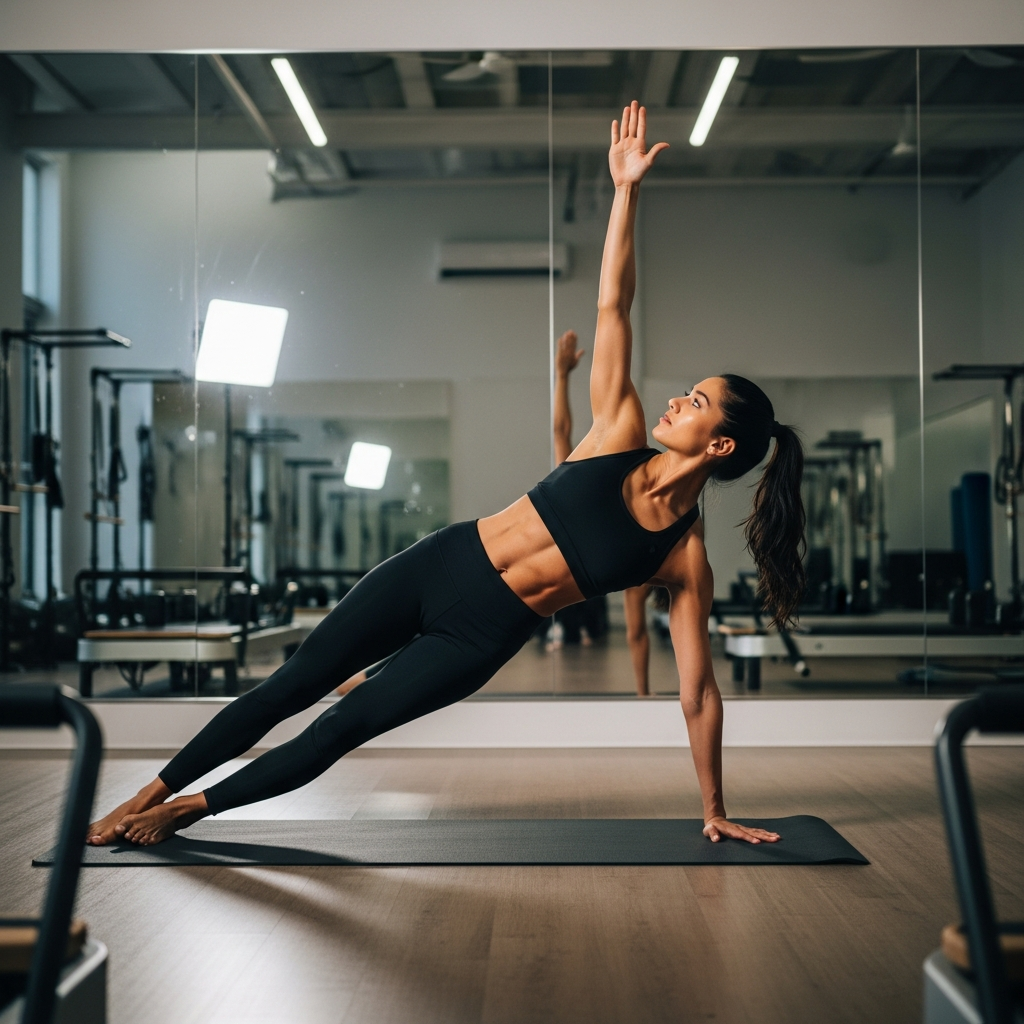
Wedgewood Pilates Studio Checklist Before Signing Up

You’ve found a Pilates studio that looks promising. The website’s gorgeous – soft lighting, toned instructors, testimonials that sound almost too good to be true. You’ve driven past the building twice already, maybe even peeked through the window. And now you’re sitting there with their sign-up page open, credit card in hand, wondering… *is this actually the right place for me?*
We’ve all been there. That slightly anxious moment where excitement meets uncertainty, and you’re not sure if you’re about to make a great investment in yourself or sign up for six months of awkward parking, equipment you don’t understand, and classes that were never really designed for someone like you.
Here’s the thing about Pilates studios specifically – and Wedgewood studios in particular – they’re not all created equal. Not even close.
The Stakes Are Higher Than You Think
This isn’t like signing up for a streaming service you can cancel in three clicks. A Pilates commitment involves your time, your money, your body, and honestly? Your confidence. Walking into the wrong studio – one that doesn’t match your goals, your fitness level, or even your schedule – can turn you off from one of the most genuinely effective forms of movement out there. And that would be a shame, because Pilates, done right, is remarkable stuff.
We hear from people all the time who tried Pilates once, felt lost in a class that moved too fast, and wrote the whole thing off as “not for them.” Almost always, when we dig into it, the problem wasn’t Pilates. It was the fit between the person and the studio.
So before you hand over your payment information to any Wedgewood Pilates studio, there’s a checklist worth running through. Not because you need to be paranoid or difficult – you don’t. But because you deserve to make an informed choice rather than an impulsive one based on a pretty Instagram feed.
What This Actually Covers
This article is going to walk you through everything you should be looking at, asking, and thinking about before you sign on the dotted line. We’re talking practical stuff – class formats and whether they’ll actually work for your body and your life. Instructor qualifications (which, it turns out, vary *wildly* in the Pilates world). Pricing structures that sometimes hide surprising costs in the fine print.
But we’re also going to cover the softer, less obvious things. The vibe of a studio. Whether the instructors take the time to understand your history and your limitations. Whether the space feels welcoming to someone who isn’t already in peak physical condition. Because those things matter just as much as the equipment lineup.
Actually, that reminds me – equipment is its own whole conversation. The difference between a reformer-based studio and a mat-based studio, or one that offers both, can completely change your experience. We’ll get into that too.
You’re Not Being Picky. You’re Being Smart.
There’s sometimes this guilt that creeps in when people ask too many questions about a wellness commitment – like somehow doing your homework makes you a difficult customer. That’s nonsense. The studios worth joining are the ones that welcome your questions. They want you to show up informed and ready, not sign up, feel overwhelmed on day one, and quietly ghost them by week three.
A good Wedgewood Pilates studio will actually appreciate you coming in with a checklist. It signals that you’re serious. That you’re not just shopping for the cheapest option or the most convenient location, but that you genuinely want to invest in something that works.
And look – Wedgewood itself is a neighborhood with real options, real variety, and real differences between studios that might look almost identical from the outside. Knowing what to ask helps you cut through the surface-level stuff and get to what actually matters for your specific situation.
Whether you’re brand new to Pilates and honestly a little intimidated (completely normal, by the way), recovering from an injury, coming back to movement after a long pause, or just switching from a studio that wasn’t quite right… this checklist was built for you.
Let’s make sure the next studio you try is one you actually stick with.
What Pilates Actually Is (And Isn’t)
Let’s clear something up right away, because there’s a lot of confusion out there. Pilates isn’t just stretching. It’s not yoga’s quieter cousin. And it’s definitely not only for dancers or people who already look like they belong in a fitness magazine. Joseph Pilates – the actual human who invented this method back in the early 20th century – designed it as a full-body conditioning system built around what he called “the powerhouse.” Basically your core, but deeper than the abs you’re thinking of right now. We’re talking the muscles that wrap around your spine, your pelvic floor, your deep stabilizers that most gym workouts completely ignore.
Here’s an analogy that might help. Think of your body like a house. A lot of fitness approaches focus on decorating the rooms – building bigger arms, toning visible muscles. Pilates is more concerned with the foundation. If the foundation is shaky, everything else is going to have problems eventually. That’s why so many physical therapists recommend it, and why people recovering from injuries often find it genuinely life-changing.
The Wedgewood Studio Environment – What to Expect
Walking into a Pilates studio for the first time can feel a little… intimidating. There’s equipment that looks like it was designed by someone who had very complicated feelings about furniture. The main machine – called a Reformer – is essentially a sliding carriage on a frame with springs, straps, and a footbar. It sounds strange. It kind of looks strange. But once you use it, the whole thing clicks into place because the spring resistance actually helps you *feel* the correct muscles engaging, which is harder to achieve on a mat alone.
Wedgewood-style boutique studios typically offer a mix of Reformer classes, mat classes, and sometimes apparatus work on equipment like the Cadillac or Wunda Chair (yes, those are real names – Joseph Pilates had a flair for the dramatic). Class sizes tend to be smaller than your average gym situation, which matters more than people realize. When an instructor can actually see you and correct your form, you progress faster and – more importantly – you don’t hurt yourself doing things wrong for months.
The Mind-Body Connection Thing (Bear With Me)
Okay, this part sounds a little woo-woo, but stay with me for a second. One of Pilates’ core principles is that movement should be intentional. You’re not just going through motions. You’re supposed to be genuinely thinking about *what* is moving, *how* it’s moving, and *why*. This is actually why people find their first few sessions mentally exhausting, not just physically tiring.
It’s counterintuitive, right? You’d think exercise would feel more automatic over time. And it does, eventually – but early Pilates requires a level of concentration that can feel weirdly unfamiliar if you’re used to zoning out on a treadmill. Some people love this aspect immediately. Others find it frustrating before they find it rewarding. Both reactions are completely normal.
Why Class Level and Instructor Certification Really Matter
Here’s where things get genuinely important before you sign up anywhere. Not all Pilates certifications are created equal – and this is one of those facts the industry doesn’t exactly advertise loudly. A comprehensive certification (often called a “full apparatus” or “classical” cert) requires hundreds of hours of training, observation, and practice teaching. A weekend workshop certification… does not. The quality gap between these can be significant, especially if you have any injuries or physical limitations.
At a studio like Wedgewood, you’ll want to ask specifically about instructor credentials before committing. Ask about their training hours, their continuing education, their experience with whatever specific concerns you have – a bad back, hypermobile joints, postpartum recovery. A good instructor won’t bristle at these questions. They’ll answer them enthusiastically because they’re proud of their training.
Class levels matter too. Starting in an intermediate class because the beginner slots were full might seem fine… until you’re frustrated and confused and convinced Pilates “isn’t for you” when really you just skipped the foundation. Actually, that happens more often than studios probably want to admit. The beginner level isn’t remedial – it’s where you build the vocabulary your body needs for everything that comes later.
Ask to Watch a Class Before You Commit
Seriously, just ask. Most studios will let you observe a session before you hand over your credit card, and if they won’t? That’s actually useful information. You want to see how the instructors interact with clients who have different body types, mobility limitations, or obvious discomfort. Do they give modifications? Do they even notice when someone’s struggling? A good Pilates instructor is basically a hawk – constantly scanning the room, quietly correcting form without making anyone feel called out.
When you’re watching, pay attention to class size. At Wedgewood specifically, you’re looking for sessions with eight or fewer clients if it’s a reformer class. More than that and individual attention gets spread so thin it’s basically a group aerobics situation. Mat classes can go a little bigger, but not by much.
Dig Into the Instructor Credentials (Yes, Really Ask)
This feels awkward, but do it anyway. There’s a pretty wide spectrum of Pilates certifications out there – some programs take 600+ hours of training, others are weekend courses. The gold standard credentials to look for are from BASI Pilates, Balanced Body, or the Pilates Method Alliance. When you’re talking to the front desk, just ask something casual like, “What kind of training do your instructors have?” You’re not being difficult. You’re being smart.
If you have any pre-existing conditions – low back pain, a replaced hip, osteoporosis, anything like that – ask specifically whether any instructors have experience working with those populations. This isn’t a minor detail. A poorly cued exercise on a reformer with someone who has unstable joints can genuinely cause harm. The right instructor will want to know your history before your first session anyway.
Get Clear on What “New Client” Actually Means
Most studios have some kind of introductory offer – and they’re genuinely worth it, but read the fine print. Some “new client specials” require you to complete sessions within 30 days, which sounds doable until life happens. Find out whether the intro package includes private sessions or group classes, because that distinction matters enormously.
A private session at Wedgewood gives an instructor a chance to assess your movement patterns, understand your body’s quirks, and basically build a roadmap for your practice. If you’re skipping straight to group classes without any individual assessment, you might be setting yourself up for frustration or, worse, reinforcing movement habits that aren’t serving you. Ask if a private intro session is included, or whether you can add one on.
Check the Schedule Against Your Actual Life
Not your aspirational life. Your real one. Pull up their current class schedule and look at it honestly. If the only reformer class that works for you is Tuesday at 6am and you are definitively not a Tuesday at 6am person… that’s worth factoring in. Consistency matters more than intensity with Pilates – two solid sessions a week beats one heroic session followed by a three-week gap.
Also ask about their cancellation policy before you’re ever in a situation where you need it. Some studios have a 24-hour window, some are 12 hours, and missing that window often means forfeiting the session from your package. That can sting.
Have an Honest Conversation About Your Goals
This one people skip, and it’s a mistake. Before you sign anything, have a real conversation with someone at the studio about what you’re actually hoping to get from Pilates – whether that’s core strength, rehabilitation, stress relief, weight management support, or something else entirely. A good studio will be honest with you if their programming isn’t the right fit, and they’ll help you figure out which class type makes sense for where you are right now.
If you’re coming in as part of a broader health or weight management effort, mention that. Some instructors have specific experience working alongside medical teams or supporting clients with metabolic goals, and knowing that context shapes how they’ll approach working with you.
Don’t be shy about this conversation. The studios worth your time and money will appreciate the transparency – and it’ll tell you a lot about them too. If they brush off your questions or give you vague non-answers, that’s the studio telling you something important about how they’ll treat you as a member.
Trust that gut feeling. It’s usually right.
The Stuff Nobody Warns You About (But Should)
Let’s be real for a second. Most studio websites show you gorgeous reformer photos and smiling instructors and make it all look very… effortless. And then you show up on day one and realize there’s a whole learning curve nobody mentioned. That’s not Wedgewood’s fault necessarily – it’s just how the fitness industry works. So here’s what actually trips people up, and more importantly, what to do about it.
Your Body Will Protest (At First)
Pilates looks gentle. It *is* gentle, relative to, say, training for a triathlon. But it’s also surprisingly humbling. Those small, controlled movements recruit muscles you’ve probably been ignoring for years – and those muscles will have opinions about being woken up.
Most beginners hit a wall somewhere around sessions three through six. The initial excitement wears off, the soreness sets in, and suddenly your couch looks very appealing. This isn’t a sign you’re doing it wrong. It’s actually a sign things are working.
The honest solution? Tell your instructor. Don’t just quietly scale back or skip sessions. A good Pilates instructor can modify almost anything, and they’d genuinely rather know you’re struggling than have you disappear from the schedule. Ask about the difference between productive discomfort and the kind of pain that means slow down.
The Scheduling Trap
This one’s sneaky. You sign up with the best intentions, you pick your weekly slots, and then… life happens. A work deadline, a sick kid, a week where everything goes sideways. You miss a session. Then two. And somehow six weeks go by.
Before you commit to Wedgewood – or any studio – sit down and be ruthlessly honest with yourself about your actual schedule, not your aspirational one. Early morning classes sound great until you remember you’re not a morning person. What’s your cancellation policy buffer? Most studios have a 12 to 24-hour cancellation window before you lose a credit, so check that carefully.
A practical fix: treat your Pilates sessions like doctor’s appointments. Non-negotiable. And if your schedule is genuinely unpredictable, ask whether Wedgewood offers any open enrollment or drop-in options so you’re not locked into a rigid format that sets you up to fail.
Reformer Anxiety Is Real
If you haven’t used a reformer before, that machine can look… intimidating. Springs, straps, a sliding carriage – it’s not exactly intuitive. And there’s something about being in a class with people who *clearly* know what they’re doing that makes the whole thing feel slightly terrifying.
Here’s what helps: ask Wedgewood specifically whether they offer any beginner orientation sessions or intro classes before you join a regular group. Many quality studios do, and it makes an enormous difference to get a private or semi-private walkthrough first. You won’t feel like you’re decoding equipment mid-class while the instructor is three steps ahead.
Also? Everyone in that room was a beginner once. Even that person making it look effortless.
The “Am I Doing Anything?” Plateau
Around weeks eight to twelve, something weird happens. You’re consistent, you’re showing up, but you’re not sure if you’re actually progressing. The scale might not have moved. You might not look dramatically different. This is where a lot of people quietly quit.
But here’s what’s actually happening during that phase – your body is building foundational strength, improving posture, retraining movement patterns that have been off for years. Real, lasting results. Just not the flashy kind you can post about.
Ask Wedgewood how they track progress. Do instructors do periodic check-ins? Are there notes kept on what you’re working toward? A studio that pays attention to individual progress – not just running the class – is worth its weight. If you feel invisible, say something. That feedback matters.
The Money Conversation (Yes, This One)
Pilates isn’t cheap, and pretending otherwise doesn’t help anyone. Before you sign anything, get completely clear on what you’re paying for. Package deals, membership commitments, whether unused credits roll over, what happens if you get injured – all of it.
Some studios offer sliding scale options or wellness partnerships with insurance plans. It’s absolutely worth asking, even if it feels awkward. A studio that values long-term relationships with clients would rather work something out than lose you entirely.
The studios worth your time will have transparent answers. The ones that get cagey? That tells you something too.
What to Expect in Your First Few Weeks
Let’s be honest with each other for a second. If you walk into Wedgewood Pilates Studio expecting to feel like a completely different person after two classes, you’re going to be disappointed. And that disappointment isn’t your fault – it’s just that the fitness industry has done a spectacular job of overselling quick transformations, and we’ve all absorbed that messaging whether we wanted to or not.
Here’s what actually happens in the beginning: it’s awkward. You’re learning how to breathe differently, how to find muscles you’ve probably been ignoring for years, and how to follow a instructor’s cues while also not falling off a reformer. That’s a lot. Give yourself permission to feel a little lost at first.
Most new students start to feel genuinely coordinated around the four to six week mark. Not transformed – coordinated. There’s a difference. You’ll notice you’re not watching your neighbor quite as much, that the transitions between exercises feel less like organized chaos, that your body is starting to understand what’s being asked of it. That’s real progress, even if it doesn’t make for a dramatic before-and-after story.
The Timeline Nobody Talks About
There’s an old saying in the Pilates world – often attributed to Joseph Pilates himself – that goes something like: in ten sessions you’ll feel a difference, in twenty you’ll see a difference, and in thirty others will notice. Is that exactly right for everyone? Probably not. But it’s not far off either.
What this means practically is that if you’re signing up for a monthly membership, you should mentally commit to at least three months before making any real judgment about whether it’s working for you. One month is barely enough time to learn the basics. Two months is when things start clicking. Three months is when you have enough data to actually evaluate your experience.
This matters when you’re reviewing Wedgewood’s membership terms, by the way. If they offer a shorter commitment option to start – great, take it. But go in knowing that you’re essentially paying for an extended orientation during those first weeks.
Soreness, Fatigue, and “Why Do My Ribs Hurt?”
Oh, this one catches people off guard. Pilates soreness is… different. You’ll feel it in places that haven’t been activated in years, sometimes places you didn’t fully know existed. The obliques. The muscles along the inner thighs. That spot right underneath your shoulder blades. Completely normal.
What’s not normal is sharp pain, joint pain, or anything that gets worse as you continue. That’s worth flagging with your instructor immediately – and actually, how a studio responds to that kind of feedback tells you a lot about their culture. Good instructors want to know. They’ll modify. They won’t push you through something that doesn’t feel right.
Expect to be a little tired after class, especially in the beginning. Some people feel energized, and that’s great too – but if you need a nap afterward, you’re not doing it wrong.
Practical Next Steps Before Your First Class
Before you sign anything or show up on day one, there are a few things worth doing
Visit during an actual class time, not just for a tour. You want to see how crowded it gets, how much space there is between equipment, whether the vibe feels right when it’s in full swing.
Ask about the intro package specifically – most studios offer some version of discounted starter classes, and Wedgewood may have options that let you sample different formats before committing to a specific membership tier.
Talk to your doctor if you have any existing injuries, spine issues, or recent surgeries. Pilates is often recommended for rehabilitation, but your instructor needs to know your history, and your physician should know your plan.
And honestly? Go in curious rather than goal-obsessed. People who approach Pilates with rigid outcome expectations – “I will lose X pounds by Y date” – tend to miss the subtler benefits that accumulate over time. The better posture. The reduced back pain. The fact that you’re sleeping better. Those things don’t show up on a scale, but they’re real, and they tend to compound.
The studio will still be there in three months. Give yourself enough time to actually find out if it’s the right fit.
So you’ve done your homework. You’ve got your checklist, you know what questions to ask, and you have a much clearer picture of what separates a studio that’s actually right for you from one that just looks good on Instagram. That’s honestly a big deal – most people just wander into the nearest place and hope for the best.
Here’s the thing about finding the right Pilates studio in Wedgewood, though. No checklist can fully capture that gut feeling you get when you walk through the door and just… know. The smell of the space, whether the instructor makes eye contact when you ask a nervous question, if the other clients seem relaxed or stressed – those intangible things matter too. So use your checklist, yes, but trust yourself as well.
The Bigger Picture Worth Remembering
Pilates is one of those practices that genuinely rewards patience. It’s not like buying a gym membership where you’re just counting how many times you swipe your card. The right studio becomes something closer to a home base – a place where someone notices if you’ve been struggling with that lower back issue, where the instructor remembers that you mentioned a knee surgery two months ago. That kind of continuity is worth hunting for.
And if you’ve been putting this off because you’re not sure your body is “ready” for Pilates, or because you’re worried you’ll be the most out-of-shape person in the room – please let that go. Really. Every single person who’s now moving confidently through reformer sequences was once standing outside a studio door feeling exactly what you’re feeling right now.
What Happens After You Sign Up
Even once you’ve chosen a studio, give yourself a genuine adjustment period. The first few classes might feel awkward and humbling – that’s completely normal. Pilates has its own language, its own rhythm, and your nervous system is learning something genuinely new. Don’t judge the whole experience by your first session. Or even your third.
If something doesn’t feel right – the teaching style, the class pace, the community vibe – it’s okay to reassess. You’re allowed to change your mind. The goal is sustainable movement that actually fits your life, not pushing through something that’s wrong for you just because you already paid for a month.
You Don’t Have to Figure This Out Alone
If you’re feeling a little overwhelmed by all of this – the options, the questions, the uncertainty about where to even start – that’s completely understandable. Choosing a wellness practice is surprisingly personal, and it’s okay to want a little guidance before committing.
We’re here for exactly that kind of conversation. Whether you have specific questions about what to look for in a Pilates studio, you’re trying to figure out if Pilates even makes sense given your health history, or you just want to talk through your options with someone who genuinely knows this stuff – reach out to us. No pressure, no sales pitch. Just a real conversation with people who care about helping you find what actually works.
You can call us, send a message, or simply stop by. Whatever feels most comfortable. Because at the end of the day, the best studio is the one you’ll actually keep going back to – and we’d love to help you find it.