Ridglea Hot Pilates: Benefits and Considerations
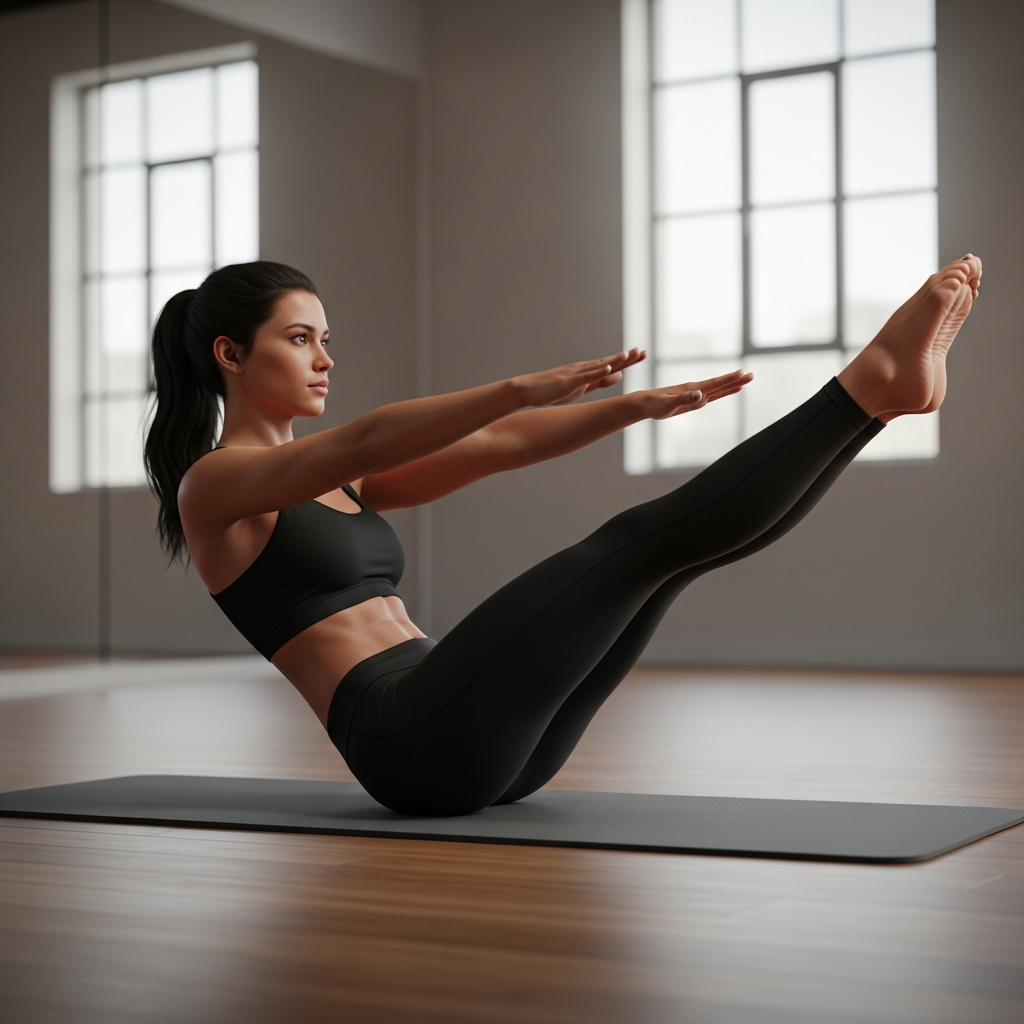
Picture this: it’s 6:47 AM on a Tuesday, and you’re lying on your yoga mat in a room that feels approximately like the inside of a toaster oven. Sweat is already dripping down your temples before you’ve even done a single downward dog. Your neighbor on the mat next to you looks somehow… serene. Meanwhile, you’re questioning every decision that led you to this moment.
Sound familiar? Or maybe you’ve heard coworkers raving about hot pilates and you’re standing at the edge, curious but not quite ready to commit – wondering if this is genuinely transformative or just a very expensive way to sweat through your workout clothes.
Here’s the thing. Hot pilates has been quietly building a passionate following in the Fort Worth area, and Ridglea specifically has become something of a hub for people who want their workouts to actually *mean* something. Not just calorie-burning for its own sake, but movement that connects to how they feel, how they carry themselves, how they recover. People who’ve tried everything and are finally asking – okay, but what actually *works* for my body?
Why People Are Talking About This
We’ve spent years in the medical weight loss space watching people chase approaches that promise everything and deliver… inconsistency. And what keeps coming up in conversations with our clients is this growing interest in heat-based exercise. Specifically hot pilates. Specifically the kind offered right here in the Ridglea area, where the classes have developed a reputation for being genuinely accessible to beginners while still challenging enough to keep seasoned fitness folks hooked.
That’s a hard balance to strike, by the way. Most fitness modalities skew one direction or the other.
Hot pilates sits at this interesting intersection – it borrows the core-focused, low-impact principles that make traditional pilates so effective for people dealing with joint issues or recovering from injuries, then layers in the heat element that cranks up intensity without requiring you to sprint anywhere or jump on anything. For a lot of people, especially those navigating weight loss or hormonal changes or just the general wear and tear of being a human adult, that combination is genuinely compelling.
What You’ll Actually Get From Reading This
We’re going to walk through all of it – the real benefits (and there are several worth paying attention to), the considerations that don’t always make it into the Instagram posts about glowing skin and tight abs, and some practical guidance if you’re thinking about adding hot pilates to your wellness routine.
We’ll talk about what the heat actually does to your body, because it’s more nuanced than “you sweat more therefore you lose more weight.” That’s a common oversimplification and honestly, you deserve better information than that.
We’ll also get into who tends to thrive in this environment and – just as importantly – who should probably have a conversation with their doctor before signing up for a class. Because not every approach is right for every body, and anyone who tells you otherwise is selling something.
Actually, that reminds me of something we hear constantly from new clients: “I just want someone to be honest with me about what’s realistic.” So that’s the tone we’re aiming for here. No hype, no fear-mongering. Just a genuinely useful look at something that’s generating real enthusiasm in our community.
One More Thing Before We Get Into It
Whether you’re someone who’s been incorporating hot pilates into your routine for months, or you just saw a flyer at the Ridglea studio and found yourself genuinely curious, there’s something in here for you. Maybe you’re trying to break through a weight loss plateau and wondering if adding this kind of heat-based movement could help. Maybe your joints have been giving you grief and you’re looking for intensity without impact. Maybe you just want to know what all the fuss is about.
All of those are valid reasons to be here.
What we’re hoping you’ll leave with is a clear, grounded sense of whether Ridglea hot pilates makes sense for where you are right now – physically, logistically, health-wise. Because the best fitness approach isn’t the trendiest one or the hardest one. It’s the one that fits your actual life and moves you toward your actual goals.
Let’s get into it.
What Actually Happens to Your Body in a Heated Room
So here’s the thing most people don’t fully understand when they first walk into a hot pilates class – it’s not just regular pilates with the thermostat cranked up. The heat is doing its own work, separate from (and alongside) the movement itself. Think of it like cooking with a cast iron skillet versus a regular pan. Same ingredients, very different result.
Hot pilates classes are typically held in rooms heated anywhere from 95 to 105 degrees Fahrenheit, often with added humidity. Your body responds to that environment almost immediately. Heart rate climbs. Blood vessels dilate and move closer to the skin’s surface. You start sweating – sometimes aggressively – as your body tries to regulate its core temperature. All of this is happening before you’ve even done a single leg lift.
That cardiovascular response is actually a big part of why people love it. Your heart is working harder just to keep you cool, which means you’re burning more calories at rest than you would in a 70-degree room. It’s not magic, and honestly, some of the wilder claims you’ll see online about hot exercise deserve a healthy dose of skepticism. But the elevated caloric burn? That part’s real.
The Pilates Component – and Why It Matters
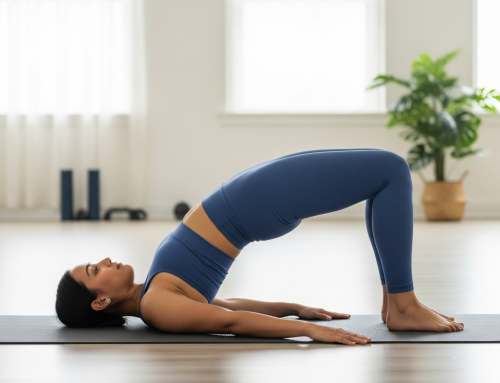
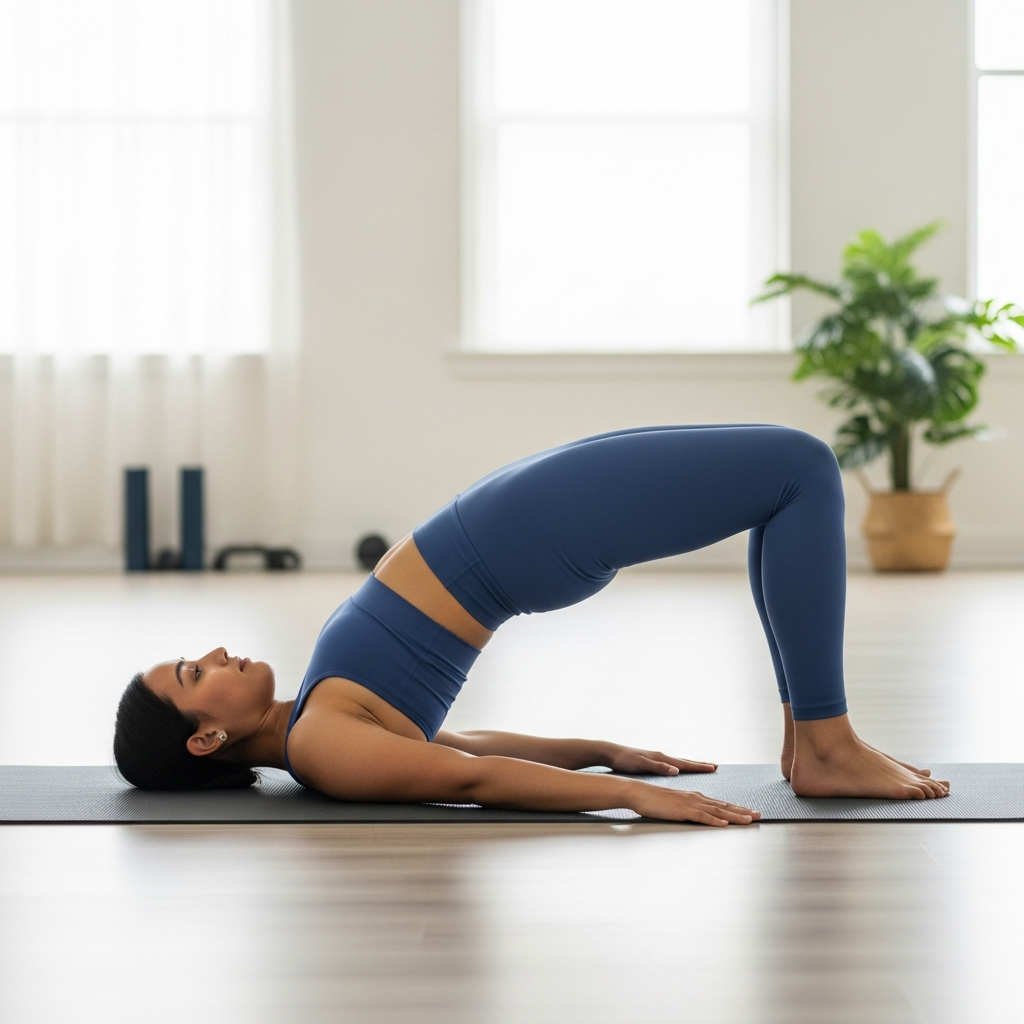
Here’s where it gets interesting. Pilates – developed by Joseph Pilates in the early 20th century, originally for injured dancers and athletes – is fundamentally about controlled, precise movement. It’s not about going fast or lifting heavy. It’s about engaging the right muscles at the right time, particularly the deep stabilizers of your core, hips, and spine.
That kind of body awareness is… genuinely hard to develop. Most of us have spent years using our dominant muscles to compensate for weaker ones. Your lower back doing the work your glutes should be doing. Your neck tensing up when your deep abs should be activating. Pilates essentially forces a reset. Slowly. Methodically. Sometimes frustratingly.
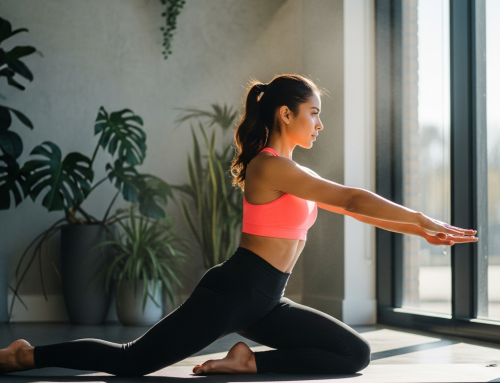
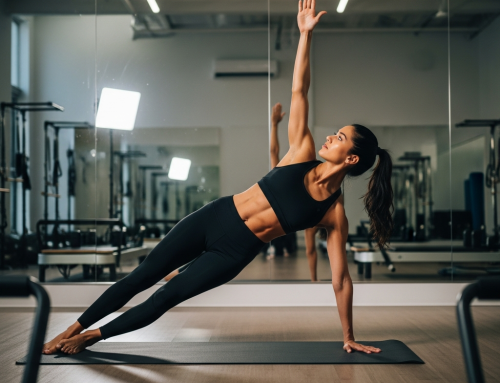
Hot pilates at Ridglea (and most studios that offer this format) tends to blend classical pilates principles with higher-intensity interval work – more dynamic than traditional mat pilates, but still grounded in that foundational emphasis on alignment and intentional muscle engagement. You’ll recognize the pilates DNA in the work. It’s just… sweatier.
Why Heat and Pilates Are an Interesting Combination
This is the counterintuitive part that trips people up. You might assume heat just makes you more exhausted, which – fair. But warm muscles are actually more pliable. Think of muscle tissue a bit like cold butter versus room temperature butter. Cold butter tears and resists. Warm butter spreads. Working through pilates movements when your muscles are thoroughly warmed up can mean deeper range of motion and, for some people, less discomfort in joints that tend to be stiff.
There’s also a mental component that’s hard to quantify but worth mentioning. The heat demands your full attention. You can’t really zone out and scroll through your mental to-do list when you’re sweating through your mat and trying to maintain a neutral pelvis. That forced presence – that’s not nothing.
The Cardiovascular Piece (The Part People Are Sometimes Surprised By)
Traditional pilates isn’t usually considered a cardio workout. Hot pilates absolutely can be, depending on the class structure. When you add heat stress to compound movements that engage large muscle groups, your heart rate can climb into zones you’d normally associate with cycling or jogging. For people who find traditional cardio boring, or who have joint considerations that make high-impact exercise difficult, that’s actually a meaningful option.
That said – and this is important – intensity varies a lot between studios and instructors. Not every hot pilates class will push your cardiovascular system the same way. Some are more restorative. Some are genuinely grueling. Worth knowing before you book.
What “Core Work” Actually Means Here
People throw around “core work” constantly, but in a pilates context it means something specific. We’re not just talking about crunches or visible abs. The core – as pilates instructors understand it – includes the deep transverse abdominis, the pelvic floor, the diaphragm, and the multifidus muscles along your spine. These muscles work together like a internal pressure system, stabilizing your entire body during movement.
Strengthening that system doesn’t just change how you look. It changes how you move through your whole life. That’s the fundamental promise of pilates, hot or otherwise.
What to Actually Wear (This Matters More Than You Think)
Skip the heavy cotton. Seriously. That oversized t-shirt you love for the gym? Leave it at home. You want moisture-wicking fabrics that stay close to your body – loose fabric becomes a soggy, heavy mess within the first ten minutes, and it’ll distract you constantly. Women tend to do well in a fitted sports bra and high-waisted shorts. Men, a fitted athletic tank and light shorts. Some regulars go even more minimal than that, and honestly? Nobody’s judging. Everyone’s too busy sweating through their own experience.
Bring at least two towels – one for your mat, one for your face and hands. The mat towel isn’t optional. Without it, you’re essentially practicing on a slip-and-slide.
Hydration Strategy Starts the Night Before
This is the one thing people get wrong most often. You can’t chug a bottle of water in the parking lot and expect to be okay in that room. Proper hydration for hot Pilates is a 24-hour project.
Start increasing your water intake the day before your class. The morning of, aim to drink about 16-20 oz of water a couple hours beforehand – not right before, or you’ll feel it sloshing around during your reformer work. And add electrolytes. This doesn’t mean a sugar-bomb sports drink necessarily. A pinch of sea salt in your water, a coconut water, or a proper electrolyte tablet all work. The heat accelerates mineral loss in ways that regular workouts simply don’t, and low sodium is often why people feel dizzy or headachy after their first few sessions.
Timing Your Meals Is Genuinely Important
Two to three hours before class, eat a normal balanced meal. Within that window, if you’re genuinely hungry, something small and easy to digest – a banana, a handful of almonds, maybe some Greek yogurt. What you want to avoid is anything high in fat or fiber right before class. Your digestive system and a 95-degree room are not a great combination, and your body will tell you this loudly.
After class, you’re going to be hungrier than you expect. Have something ready. Protein is your friend here – your muscles have been working hard in that compressed, heated environment, and they need rebuilding material. A protein shake, eggs, some chicken… whatever works for you. Don’t skip this refueling window.
Your First Three Classes Are Going to Feel Harder Than Normal
Here’s something the class description might not tell you – there’s a real acclimatization curve. Your first class might feel overwhelming. Maybe even your second. That’s not a sign that hot Pilates isn’t for you. It’s just your cardiovascular system learning how to regulate heat while your muscles are simultaneously working. Most people find that somewhere around class three or four, something clicks.
Tell the instructor before class that it’s your first time. A good instructor will keep an eye on you, offer modifications, and remind you that stepping out briefly is completely fine. Taking a breather in the hallway for two minutes isn’t failure – it’s smart.
Listening to Your Body vs. Pushing Through
There’s a difference between normal discomfort and a warning sign, and it’s worth knowing. Burning muscles, sweating heavily, feeling challenged – all normal. Dizziness, nausea, or a racing heart that feels wrong – those are signals to slow down or step out. Heat exhaustion isn’t something to tough out.
A practical trick: if you feel lightheaded, come to child’s pose or lie flat on your back. This gets your head level with your heart and usually helps within a minute or two. If it doesn’t improve, leave the room. No class is worth compromising your safety.
Making Progress Actually Stick
Once you’re past the initial adjustment phase, consistency is everything. Two to three sessions per week tends to be a sweet spot – enough to see real changes in flexibility, core strength, and body composition without overtaxing your recovery. Pair your sessions with regular protein intake and adequate sleep, and you’ll notice results faster than you might expect.
Keep a simple log after each class. Note how you felt, what modifications you needed, where you felt the work most. You’ll be surprised how quickly those notes start to show progress – and on days when it feels hard, looking back at where you started is genuinely motivating.
The Heat Is the First Hurdle (And It’s a Real One)
Let’s be honest – walking into a room that’s 95-105 degrees for the first time is a shock. Your body isn’t used to it, your brain is telling you something is wrong, and there’s a very real possibility you’ll spend your first class wondering if you made a terrible mistake. That’s completely normal.
The first two to three classes are genuinely hard. Not “push through it and feel great” hard. Actually hard. Dizziness, nausea, feeling like your heart is pounding out of your chest – these things happen to a lot of people, and nobody talks about it enough.
What actually helps: Come hydrated *before* you arrive. Not “drink a glass of water in the parking lot” hydrated – we’re talking consistent hydration throughout the day. Electrolytes matter here too, not just plain water. And give yourself permission to lie down in the middle of class if you need to. Seriously. Every instructor at a reputable studio expects this from newer students. Nobody’s watching you.
Comparing Yourself to the Person Next to You
Hot pilates studios have a way of attracting people who are… let’s say, very committed. You might find yourself next to someone who’s been coming five days a week for two years, moving like their joints are made of warm taffy. Meanwhile you’re shaking in a position you’ve held for four seconds.
This is genuinely discouraging, and it’s one of the biggest reasons people quit after a few sessions. They feel behind before they’ve started.
Here’s the thing though – almost everyone in that room remembers being exactly where you are. The person doing the advanced variation? They were once lying on their mat wondering if they’d survive the heat. Progress in hot pilates isn’t linear, and it’s weirdly invisible until suddenly it isn’t. One day you’ll realize you held that plank without checking the clock. That moment sneaks up on you.
Focus on your own mat. Sounds cliché, but it’s practical advice – literally keep your gaze directed at yourself rather than scanning the room.
The Scheduling Trap
Hot pilates requires some recovery time that regular workouts don’t. The combination of heat stress and physical exertion leaves your body working overtime, even on days when you felt fine leaving the studio. A lot of enthusiastic beginners jump in doing four classes a week and then wonder why they feel run-down and irritable by week two.
A smarter approach: Start with two classes per week, maximum. Give yourself at least one full day between sessions. Sleep genuinely matters more here than in a lot of fitness contexts – your body is doing real repair work overnight. If you’re consistently dragging through your third or fourth class of the week, that’s not weakness, that’s your body sending a very clear message.
What to Wear (This Actually Matters More Than You’d Think)
Sounds minor. It’s not. Wearing the wrong thing to hot pilates is like showing up to a swimming lesson in jeans. Loose, flowy workout clothes might be your go-to at the gym, but in a heated studio they become heavy, clingy, and miserable within minutes. Baggy fabric doesn’t let instructors see your alignment either, which means you lose a lot of the corrective benefit.
Fitted, moisture-wicking pieces are the move. Many people end up wearing less than they’d normally be comfortable with – and then realizing pretty quickly that everyone’s too focused on their own survival to care.
When Your Body Says No
Sometimes you’ll come in feeling off – not enough sleep, a stressful week, maybe just one of those days where everything feels harder than it should. The heat will find that out immediately. Hot pilates has a way of amplifying whatever’s already going on in your body.
Knowing when to modify versus when to skip entirely is a skill you’ll develop over time. A good instructor will tell you to listen to your body – and they mean it literally, not as a throwaway line. If something feels wrong (sharp pain, persistent dizziness, chest discomfort), that’s different from the normal burn of a hard workout. Step out. Sit down. There’s no class worth pushing through actual warning signs.
The studio will be there next week. So will you.
What to Actually Expect (And When)
Let’s be honest with each other for a second. Hot pilates is genuinely wonderful – but it’s not magic. And one of the most common reasons people quit any new fitness program is that they expected results by week two and then felt discouraged when their body didn’t get the memo.
So here’s a more realistic picture.
The first two weeks are mostly about survival. That sounds dramatic, but it’s kind of true. Your body is adapting to the heat, learning the movements, figuring out how to breathe through discomfort. You might feel exhausted after class in a way that surprises you. You’ll probably sweat more than you ever thought possible. Some people feel a little lightheaded initially, especially if hydration isn’t quite dialed in yet. This is all normal. Don’t judge the experience yet.
Weeks three and four? That’s usually when something shifts. The heat starts feeling less like an assault and more like… warmth. You’ll notice you can hold positions a bit longer, your transitions between movements get smoother, and you’re not counting down the minutes until class ends. Small wins, but meaningful ones.
The Timeline People Don’t Talk About
Most people start noticing real physical changes – improved posture, better core engagement, clothes fitting slightly differently – somewhere around the six to eight week mark, assuming they’re attending two to three classes per week consistently. And that “consistently” part matters more than most people want to hear.
One class a week probably won’t move the needle much. Two to three classes is generally considered the sweet spot, especially when you’re starting out. More than that too soon, and you risk burnout or overuse fatigue – your muscles need time to recover, and the heat adds an extra layer of physiological stress that your body needs to process.
Weight loss, if that’s one of your goals – and it’s okay if it is – tends to be gradual and influenced by a lot of factors beyond what happens in the studio. Sleep, nutrition, stress levels, hormones… hot pilates can absolutely be a meaningful piece of that puzzle, but it works best as part of a bigger picture rather than a standalone solution.
Before Your First Class
A few genuinely practical things worth doing ahead of time. Hydrate aggressively the day before, not just the morning of – you can’t really “catch up” on hydration an hour before a hot class. Wear moisture-wicking fabric that you don’t mind getting completely soaked. And eat something light two to three hours beforehand. Not a full meal, not nothing – somewhere in the middle.
Actually, one thing a lot of beginners don’t think about: bring a second small towel. The mat gets slippery. You’ll thank yourself later.
Most Ridglea Hot Pilates classes welcome beginners, and instructors are generally good about offering modifications. Don’t be shy about letting them know it’s your first time. They’ve seen everything, they’re not judging you, and they’d much rather help you do a movement safely than watch you push through something incorrectly.
When to Check In With a Healthcare Provider
This is worth saying clearly. If you have any history of cardiovascular issues, blood pressure concerns, heat sensitivity, or are managing a metabolic condition like diabetes or thyroid dysfunction, please loop in your doctor before starting. Not because hot pilates is inherently dangerous – it isn’t – but because the heat variable changes the equation enough that it’s worth having that conversation.
Same goes if you’re pregnant, postpartum, or going through significant hormonal changes. The intensity of a heated environment can affect your body in ways that deserve attention.
At our clinic, we work with a lot of people who are incorporating movement like hot pilates alongside medical weight loss support. When those things work together – when someone’s nutritional needs are being addressed, their metabolic health is being monitored, and they’re adding something that genuinely energizes them – that’s when we see the most meaningful progress.
A Reasonable Next Step
If hot pilates sounds like something you want to try, most studios offer an introductory class or a first-week package at a reduced rate. That’s enough time to see if the environment suits you, without committing to a full membership before you know.
Give it three or four classes before deciding. Your first class will be humbling. That’s fine. Most worthwhile things are.
So here’s the thing about hot pilates – it’s not for everyone, and that’s completely okay. Some people walk into that heated room and feel absolutely transformed. Others try it once and decide they’d rather exercise somewhere that doesn’t feel like the inside of a hairdryer. Both responses are valid.
What matters most is that you’ve taken the time to actually *think* about whether this fits your life, your body, and your goals. That kind of self-awareness? It’s honestly more valuable than any fitness trend.
Your Body Knows Things
If the benefits we’ve talked about genuinely excite you – the deeper muscle engagement, the flexibility gains, the mental clarity that so many people describe after a hot session – then that enthusiasm is worth paying attention to. Your gut reaction to something new often tells you more than any pros-and-cons list ever could.
But if you read through the considerations and felt a little knot of worry forming… listen to that too. The heat isn’t something to push through out of stubbornness. Especially if you’re navigating a health condition, managing your weight under medical guidance, or just getting back into movement after a long break, the stakes are a little higher. Not scary – just worth being thoughtful about.
The Bigger Picture
Hot pilates doesn’t exist in a vacuum. It’s one piece of what can be a really rich, sustainable approach to feeling better in your body. For some people it becomes a cornerstone of their routine – something they genuinely look forward to each week. For others it works beautifully as a complement to other movement, or even as a seasonal thing when their schedule allows.
What it shouldn’t be is a punishment. Or a desperate measure. Or something you white-knuckle through because you feel like you *have* to. Movement should add to your life, not drain it.
Actually, that’s something we think about a lot here. When you’re working toward weight loss or better health, it’s so easy to fall into the trap of thinking harder, hotter, and more intense automatically equals better results. Sometimes it does. Sometimes what your body actually needs is something gentler – more consistent, more joyful, more *you*.
You Don’t Have to Figure This Out Alone
If you’re sitting with questions right now – wondering whether hot pilates is safe given your health history, whether it’ll support or sabotage your current goals, whether it makes sense alongside whatever else you’ve got going on – we’d genuinely love to help you think it through.
That’s not a sales pitch. It’s just… that’s what we’re here for. Our team works with real people navigating real bodies with real complications, and there’s nothing we love more than helping someone find an approach that actually fits their life.
Whether you’re deep in a weight loss program with us or just starting to explore your options, reaching out costs you nothing. A quick conversation can save you a lot of second-guessing.
You deserve support that sees the whole picture – not just the number on the scale, but how you’re sleeping, how you’re feeling, what lights you up and what wears you down. Come talk to us. We’re pretty good listeners.