9 Reasons to Try Mat Pilates This Year
Picture this: You’re lying in bed on a Sunday morning, mentally cataloging every ache your body has accumulated over the past week. Your lower back is doing that thing again. Your shoulders feel like they’re auditioning for a role as earmuffs. You made a halfhearted promise to yourself last Monday that you’d “do something about it” – and here you are, seven days later, having done absolutely nothing about it.
Sound familiar? Yeah. We thought so.
Here’s the thing about that scenario – it’s not laziness. It’s not lack of willpower. It’s that most forms of exercise feel like punishment dressed up in motivational quotes. You’ve probably tried things. Maybe you muscled through a few weeks of high-intensity classes that left you exhausted and vaguely broken. Maybe you bought a yoga mat that now lives under your bed like a guilty secret. Maybe running seemed like a good idea until your knees staged a formal protest.
And somewhere in the back of your mind, you’ve heard people mention Pilates. Maybe a friend swears by it. Maybe you’ve scrolled past videos of people doing things on a mat that looked… honestly kind of deceptively simple? Like, is that actually a workout? Are they just… lying there?
They are not just lying there. Trust us on this one.
Mat Pilates is one of those rare things that manages to be both accessible and genuinely transformative – which, if you think about it, is an almost impossible combination to find in the fitness world. It doesn’t require a gym membership, a complicated machine that looks like medieval torture equipment (that’s its cousin, the reformer), or any particular level of athletic ability to start. What it does require is a mat, some floor space, and maybe fifteen to twenty minutes of your time. That’s it. That’s the whole barrier to entry.
But here’s what makes it actually interesting, rather than just convenient: the *results* are the kind that sneak up on you. A few weeks in, you realize you’ve been sitting at your desk for three hours without that familiar ache creeping up your spine. You notice you grabbed something off a high shelf and didn’t wince. Someone comments that you look “different” – and you realize it’s because you’re actually standing up straight for the first time in maybe years. These aren’t dramatic before-and-after transformations you see in advertising. They’re quieter than that. More real.
Joseph Pilates – the actual human being who developed this method back in the early 20th century – was onto something genuinely ahead of his time. He called his work “Contrology,” which sounds a bit intense, but the concept was elegantly simple: train your mind to control your body, build strength from the inside out, and treat movement as something your body is designed to do well rather than something you force it through. Decades before anyone was talking about the mind-body connection, this guy was building an entire exercise philosophy around it.
What we know now from modern research backs him up in some pretty compelling ways – which we’ll get into, because the science here is actually fascinating rather than the usual dry stuff.
Now, we should be honest with you. Mat Pilates isn’t magic. It’s not going to completely replace every other form of movement, and if someone is telling you it will do everything for everyone all the time… well, that’s a red flag in any wellness conversation. What it *is* excellent at – remarkably, consistently excellent at – is building core strength, improving flexibility and posture, supporting weight loss efforts, reducing chronic pain, and creating a sustainable movement practice that you might actually want to keep doing. Imagine that.
That’s exactly what we’re going to unpack here. Nine genuine, evidence-supported reasons why mat Pilates might be worth making room for this year – whether you’re completely new to structured movement, coming back after a long break, managing a specific health concern, or just looking for something that complements what you’re already doing.
No hype. No impossible promises. Just a real look at why so many people who thought Pilates “wasn’t for them” eventually discovered it absolutely was.
Ready? Good. Let’s get into it.
What Even Is Mat Pilates, Exactly?
Okay, so before we get into all the reasons this practice might genuinely change things for you, let’s make sure we’re on the same page about what mat Pilates actually *is* – because there’s a fair amount of confusion out there, and honestly, it’s understandable.
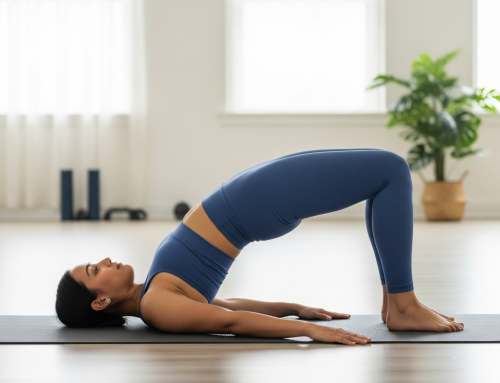
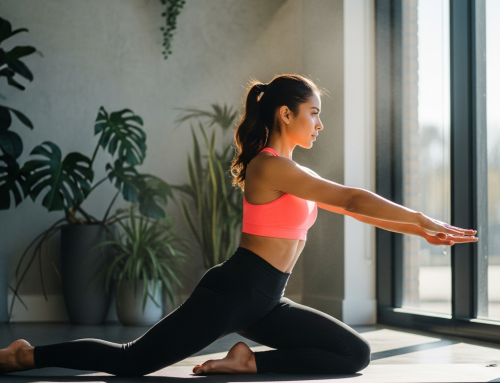
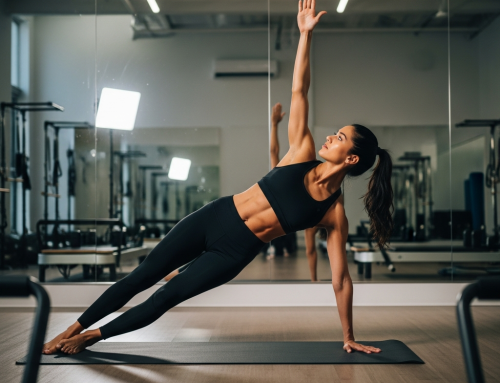
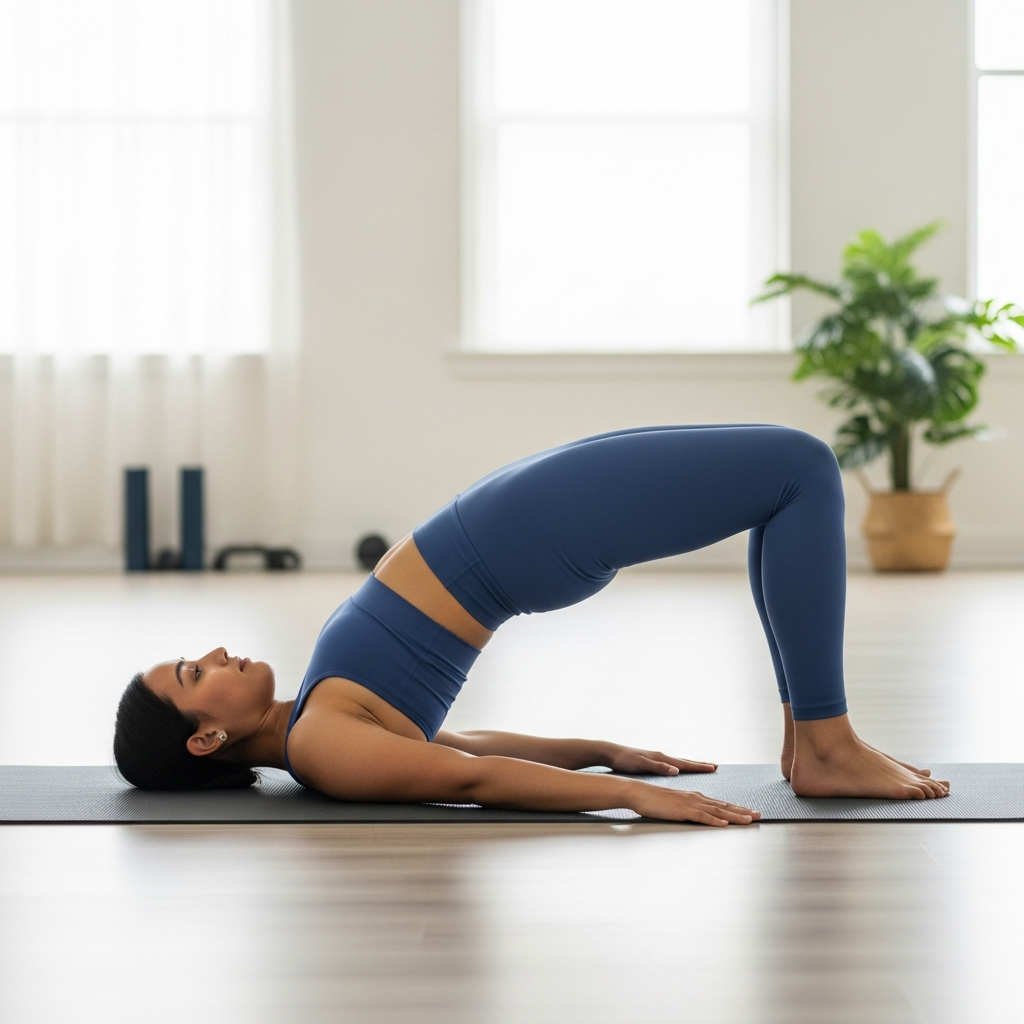
Mat Pilates is a form of exercise built around controlled, deliberate movements that train your core muscles, improve posture, and build functional strength. You do it on the floor – just you, a mat, and occasionally some props like resistance bands or a small ball. No machines, no cables, no equipment you need a tutorial to operate. It was developed by Joseph Pilates in the early 20th century, originally as a rehabilitation method for injured dancers and soldiers. (He called it “Contrology,” which is a much less marketable name, honestly.)
The “mat” distinction matters because Pilates also exists as a machine-based practice using equipment called the Reformer – a spring-loaded contraption that looks like something between a bed frame and a medieval torture device. Both are legitimate. Mat Pilates just happens to be more accessible, more affordable, and something you can genuinely do in your living room.
The Core Thing – And Why It’s Not What You Think
Here’s where it gets a little counterintuitive, so stick with me.
When most people hear “core workout,” they picture crunches. Maybe a plank. Six-pack territory. But Pilates defines the core much more broadly – it’s what Joseph Pilates called the “powerhouse,” which includes your deep abdominal muscles, your pelvic floor, the muscles along your spine, and your glutes and hips. Think of it less like a six-pack and more like a corset wrapped around your entire midsection, providing stability from the inside out.
This is why Pilates can feel deceptively gentle at first. You’re not doing jumping jacks. You might just be lying on your back, breathing, making tiny movements with your legs. And yet… your muscles are absolutely working. Sometimes shaking. That burning feeling in muscles you didn’t even know existed? Completely normal. That’s your deep stabilizers waking up after years of being ignored.
The Mind-Body Connection (Bear With Me Here)
Pilates has this reputation for being very mindful and intentional, which can sound a bit… vague. But there’s a practical reason for it.
Because the movements are so controlled and precise, you actually have to *think* about what you’re doing. You can’t just zone out to a podcast and let momentum carry you through. Every exercise has specific intentions – where to breathe, what to engage, what to release. It’s a bit like learning to play a musical instrument. At first you’re concentrating on every single finger. Eventually it becomes fluid and intuitive. But that focused attention is exactly what rewires how your body moves.
This matters for weight management, too – something we talk about a lot at our clinic. When you’re more connected to your body, you tend to make better decisions about it. Actually, that extends way beyond exercise. People who develop body awareness through practices like Pilates often report becoming more attuned to hunger cues, stress responses, even sleep patterns.
Why It’s Different From Yoga (People Always Ask)
The comparison is inevitable, so let’s just address it. Both practices use a mat. Both emphasize breathing and controlled movement. But they come from completely different philosophies.
Yoga is rooted in ancient spiritual tradition and works largely through static holds and flow sequences. Pilates is a 20th-century exercise science system focused specifically on muscular conditioning, alignment, and rehabilitation. Where yoga might hold a pose for several breaths, Pilates tends to move through precise repetitions with very specific muscle targets in mind.
Neither is better. They’re just different tools.
The Accessibility Factor
One thing that genuinely sets mat Pilates apart – and this is worth saying plainly – is that it meets you where you are. The same fundamental exercises can be scaled down for someone recovering from an injury or scaled up to absolutely destroy a seasoned athlete. The movements look similar on the outside; the intensity is all in the intention and precision you bring to them.
That scalability is rare. And for anyone who’s ever felt intimidated by a gym, or frustrated that their body can’t keep up with high-impact workouts, that matters enormously.
What to Actually Expect Your First Few Weeks
Here’s the thing nobody tells you before your first mat Pilates class: you’re going to be humbled. Not in a bad way, but in that eye-opening “wait, I can’t hold this for 30 seconds?” way. Your core stabilizers – the deep ones that have basically been napping for years – are going to wake up confused and cranky. Expect some muscle soreness in places you forgot existed, like the muscles running along the sides of your waist or deep in your hip flexors.
Don’t let that discourage you. It’s actually a good sign.
Give yourself a realistic three-week window before you start judging results. The first week is orientation. The second week, things start clicking. By week three? You’ll catch yourself engaging your core while loading the dishwasher. That’s when you know it’s working.
How to Find the Right Class (Without Wasting Money on the Wrong One)
Not all mat Pilates classes are the same, and this matters more than most people realize. A straight-up classical Pilates class follows a specific sequence developed by Joseph Pilates himself – great for purists, but potentially overwhelming for beginners. Contemporary Pilates classes blend the original method with modern exercise science and are usually more accessible if you’re just starting out.
Look specifically for a “beginner” or “foundations” class, not just a class labeled “all levels.” All levels can genuinely mean anything. When you contact the studio, ask the instructor directly: “Will modifications be offered for each exercise?” If they hesitate or get vague, keep looking.
Online options are legitimately solid for mat Pilates – unlike reformer work, you’re not missing out on expensive equipment. Channels like Move With Nicole or Pilates Anytime offer free and paid content that rivals in-person instruction. Honestly? Starting at home removes the self-consciousness factor, which for a lot of people makes consistency so much easier.
The Gear (You Need Less Than You Think)
Your mat matters more in Pilates than in most floor-based workouts because you’re spending real time rolling through your spine, and a thin yoga mat is going to make that uncomfortable fast. Look for something at least 6mm thick. You don’t need to spend a lot – there are solid options under $40.
Grip socks are optional but actually useful. Bare feet work fine at home. Resistance loops or a light Pilates ball (those squishy, half-inflated ones) can add variety once you’ve got a few weeks under your belt, but seriously – don’t buy anything extra yet. Just show up.
The One Thing That Separates People Who Progress From People Who Plateau
Intentionality. That’s it.
Pilates is a quality-over-quantity system, which sounds like a cliché but has real practical implications. Ten slow, deliberate repetitions with proper form will do infinitely more for you than twenty sloppy ones. The mistake most beginners make – especially people coming from high-intensity workout backgrounds – is trying to “muscle through” exercises instead of feeling what’s actually supposed to be working.
Here’s a trick: before each exercise, take five seconds to mentally check in with your breath and your lower abdominals. Think about pulling your navel gently toward your spine without holding your breath. That single habit, practiced consistently, is what separates people who transform their posture and strength from people who wonder why nothing changed.
Building a Schedule That Actually Sticks
Two to three sessions per week is the sweet spot for most people starting out. More than that and you might burn out or push through fatigue in a way that breeds bad habits. Less than twice a week and you’ll feel like you’re starting over every session.
Twenty to thirty minutes is genuinely enough. One full hour-long class per week plus two shorter sessions at home? That’s a sustainable, effective rhythm that most people can actually maintain without rearranging their entire life.
Mark it on your calendar like an appointment. And here’s something small but powerful – lay out your mat before you go to bed. That visual cue in the morning removes one more decision between you and actually doing it. The barrier to starting is usually psychological, not physical. Make starting effortless.
You’ll figure out the rest as you go. Most people do.
The Stuff Nobody Warns You About (And How to Get Through It)
Let’s be real for a second. Mat Pilates looks deceptively calm from the outside – people lying on the floor, breathing slowly, seemingly doing… not much? And then you try it, and your abs are shaking after thirty seconds and you genuinely can’t figure out where your pelvis is supposed to be. Welcome to the club. It’s a big club.
Here are the real challenges that trip people up, and what actually helps.
Your Brain Will Short-Circuit at First
The mind-body connection that makes Pilates so effective? It’s also what makes the first few weeks genuinely frustrating. You’re being asked to move one part of your body while stabilizing another, breathe in a specific pattern, keep your shoulders away from your ears, and – oh right – don’t forget to engage your pelvic floor. All at once.
It feels like trying to rub your stomach and pat your head while solving a math problem.
The solution isn’t to try harder. It’s to temporarily let some things go. Pick one cue to focus on per class. Maybe this session you’re just thinking about your breath. Next time, you focus on the neutral spine. Your nervous system genuinely needs repetition to build these patterns – you’re not slow, you’re just new.
The Core Work Feels Impossible (Or Worse, Invisible)
Some people come to their first class expecting to feel a satisfying burn immediately, and instead they feel… confused. Like they’re doing something but aren’t sure what. Others feel the work so intensely they can barely complete a single rep. Both experiences are completely normal, and both mean you need the same thing: a good instructor who can help you find your “center.”
If a class feels too vague, ask questions. Seriously. Instructors love when students ask questions because it means you’re paying attention. And if the work feels too intense too fast – particularly if you’re feeling it in your neck or hip flexors instead of your core – that’s actually useful feedback. It usually means your deeper stabilizers aren’t firing yet and your body is compensating. Modifying is not cheating. It’s smart.
Consistency Is Harder Than the Exercises
This is probably the most honest thing I can say: the biggest challenge with mat Pilates isn’t physical. It’s showing up two or three times a week when it doesn’t feel dramatic. There’s no heavy weights clanging, no dramatic sweat puddles, no visible proof that you worked hard – at least not in those early weeks.
Progress in Pilates is sneaky. One day you just… notice you’ve been sitting up straighter. Or that your lower back stopped aching on long drives. Or that you can do a roll-up without momentum for the first time. These wins are real, but they’re quiet. If you’re someone who’s motivated by visible, immediate results, this can feel discouraging.
What actually helps: keep a simple note on your phone. After each session, write one thing your body did that it struggled with before. Those small notes add up to something pretty powerful after a couple of months.
Finding the Right Class Is a Real Obstacle
Not all mat Pilates classes are created equal – and not all of them are right for you specifically. A crowded class with a teacher who doesn’t offer modifications can be genuinely defeating for beginners. An overly gentle class might leave experienced practitioners feeling like they’re not working at all.
Look for a class that’s explicitly labeled beginner-friendly if you’re just starting out, and don’t be embarrassed to try a few before committing. Many studios offer intro packages for exactly this reason. Online classes are also genuinely great for learning at your own pace – you can pause, rewind, and actually hear the cues clearly without worrying about what everyone else is doing.
The Discomfort Nobody Talks About
Lying on a hard floor with a thin mat between you and the ground? Your tailbone and spine will have opinions about this initially. This is temporary as your body adapts, but in the meantime – use a thicker mat, fold it over for extra cushioning under sensitive spots, or place a folded blanket underneath. There’s no merit badge for suffering unnecessarily.
None of these challenges are dealbreakers. They’re just… the awkward early chapter before things get genuinely good.
What to Actually Expect When You’re Just Starting Out
Let’s be honest with each other for a second. If you’ve read through all the reasons to try mat Pilates and you’re feeling genuinely excited – that’s wonderful. But before you roll out your mat and expect to feel like a completely transformed human being by Friday, let’s talk about what the first few weeks actually look like.
Spoiler: it’s probably not what the Instagram reels show you.
The first session – whether it’s a class or a YouTube video in your living room – might feel awkward and a little humbling. You’ll think you understand what “neutral spine” means until an instructor gently corrects you for the fourth time. Your abs might shake during the Hundred. You might discover that your hip flexors are considerably tighter than you thought they were. This is all completely normal. It doesn’t mean you’re bad at Pilates. It means you’re learning.
The Realistic Timeline (No Hype, Just Truth)
You’ve probably heard that old saying – “ten sessions to feel a difference, twenty to see a difference, thirty to have a new body.” Joseph Pilates himself supposedly said it. And while it’s a nice framework… it’s also a bit of an oversimplification.
Most people notice something within two to four weeks of consistent practice. Not a dramatic physical transformation – more like, your lower back feels a little less cranky in the morning. Or you catch yourself sitting up straighter at your desk without thinking about it. Small things. Real things.
Visible changes in muscle tone and posture? That’s more of a two to three month timeline with regular practice – think three sessions a week. And even then, results vary enormously based on where you’re starting from, what else you’re doing for movement, how you’re eating, your age, your stress levels… there are a lot of variables at play here.
The point is, don’t judge the practice by week two. That’s like deciding a new friendship isn’t worth it after one coffee.
What “Consistent Practice” Actually Means
You don’t need to practice every single day to see progress. Actually, that can backfire – your body needs time to integrate what you’ve learned and recover. Two to three sessions per week is genuinely effective for most people. Even one dedicated session a week, paired with mindful movement throughout your day, is infinitely better than nothing.
If you miss a week? It happens. Life happens. Don’t let perfect be the enemy of showing up imperfectly.
Some Things That Might Surprise You
You might experience some muscle soreness after your first few sessions, particularly in your deep core and inner thighs – muscles that probably haven’t been asked to work this way before. It shouldn’t be sharp or painful, just that familiar “oh, I used those” feeling.
You might also notice that mat Pilates feels harder than it looks. There’s something almost deceptive about watching someone move slowly and controlled through an exercise – it looks gentle until you’re the one doing it and your whole body is quietly trembling. That’s a good sign, actually.
And here’s something that catches a lot of people off guard: the mental component. Many people find that Pilates requires more focus and presence than they expected. You can’t really zone out and scroll your phone while doing the Teaser. That concentration – that forced mindfulness – is something a lot of practitioners end up valuing just as much as the physical benefits.
Your Next Step Is Simple
If you’re at the point where you’re genuinely considering giving this a try, the bar for entry is wonderfully low. You need a mat. You need some floor space. You need about 20 to 30 minutes to start.
A beginner class at a local studio is fantastic if it’s accessible and fits your budget – having a real instructor to watch your form is genuinely valuable in the beginning. But plenty of people have built a solid, lasting Pilates practice starting entirely at home with quality free videos.
If you’re dealing with any specific injuries, chronic pain, or health conditions – especially back issues or pelvic floor concerns – it’s worth having a conversation with your doctor or a physical therapist before starting. Not to scare you off, just to make sure you’re getting guidance that’s actually right for your body.
Start simple. Be patient with yourself. Notice the small shifts. The rest has a way of unfolding from there.
Here’s a warm conclusion for the article
—
Look, if you’ve made it this far, something about this clearly resonates with you. Maybe you’re tired of workouts that leave you feeling broken down instead of built up. Maybe your back has been nagging you for months and you’re quietly desperate for something that actually helps. Or maybe you just want to feel stronger in your own body again – which is, honestly, one of the most human desires there is.
Whatever brought you here, here’s what we want you to know: you don’t have to be flexible, fit, or coordinated to start mat Pilates. You just have to show up. The mat does the rest – well, you and the mat and a whole lot of intentional breathing.
What makes this practice so quietly remarkable is that it meets people exactly where they are. That’s rare. Most fitness approaches have an implicit “get yourself together first, *then* come join us” energy. Pilates doesn’t have that. It’s designed for real bodies with real histories – tight hips, old injuries, postpartum changes, the kind of stiffness that creeps in when you’ve spent too many years at a desk. All of that is welcome here.
And the benefits we’ve talked about? They compound. Seriously. Better posture leads to less pain. Less pain leads to better sleep. Better sleep makes it easier to manage stress. Managed stress supports your metabolism and your mood. It’s less like a single workout choice and more like… pulling one thread that slowly unravels a whole tangle of problems you’d stopped expecting to solve. You might come for the core strength and stay because you finally feel calm.
That said – and we mean this gently – some of us are carrying more than tight muscles. If weight has been a persistent struggle, if you’ve tried a dozen approaches and keep hitting the same walls, mat Pilates is a wonderful piece of the puzzle. But it works even better when it’s part of a bigger, personalized picture.
That’s exactly what we’re here for.
If you’re curious about how movement like Pilates fits into a real, sustainable approach to feeling better in your body – one that’s tailored to *your* health history, your goals, and your life – we’d genuinely love to talk. Not in a “let us sell you something” way. More in a “let’s sit down and figure out what you actually need” way. There’s no pressure, no judgment, and absolutely no expectation that you have everything figured out before reaching out.
Because here’s the truth: most people who find their way to lasting change didn’t start with a perfect plan. They just started with a conversation.
So if something’s been nudging you – maybe for a while now – consider this your gentle nudge back. Reach out, ask your questions, tell us where you’re at. We’ve heard it all, and we’re not here to lecture you. We’re here to help you figure out what actually works for you.
Your body has been showing up for you every single day. This might just be the year you start showing up for it.