How to Choose the Right Pilates Classes in Fort Worth
You’ve probably been there. Standing in front of your laptop at 10pm, seventeen tabs open, trying to figure out which Pilates studio in Fort Worth is actually worth your time and money – and honestly, your hope. Because that’s the thing nobody talks about. It’s not just about finding a good workout. It’s about finding something you’ll actually stick with, something that makes you feel like yourself again.
Maybe you’ve tried a class before and left feeling completely lost, watching everyone else effortlessly flow through movements while the instructor called out terms that sounded like a foreign language. Or maybe you’ve been curious about Pilates for years but kept putting it off because the whole thing feels a little… intimidating? All those sleek studios with the reformer machines that look like medieval torture devices mixed with modern art installations. It’s a lot.
Here’s the thing though – Pilates genuinely works. And not in the vague, marketing-speak way that every fitness trend claims to work. We’re talking real, documented benefits for your core strength, posture, flexibility, and even chronic pain management. Our patients at the clinic see it firsthand. People who struggled with back pain for years finally finding relief. People rebuilding strength after injury. People who just want to feel less stiff when they climb out of bed in the morning. That’s not nothing. That’s actually everything.
But Fort Worth has no shortage of options right now, and that’s both exciting and completely overwhelming. You’ve got boutique studios tucked into Sundance Square, neighborhood gyms in Keller and Southlake with Pilates on the schedule, massive fitness chains offering mat classes between spin and kickboxing, and specialized rehabilitation-focused studios that operate almost like clinical settings. They all call themselves Pilates. They are not all the same thing.
Choosing the wrong class isn’t just a minor inconvenience – it can genuinely set you back. An advanced reformer class when you’re a complete beginner? You risk injury and you almost certainly walk away convinced that Pilates “isn’t for you,” when really it just wasn’t the right fit yet. A class that’s too basic when you’re already athletic and movement-savvy? Boredom sets in fast, you stop going, and there goes another fitness resolution. And then there’s the cost. Quality Pilates instruction in Fort Worth ranges from about $15 for a drop-in mat class all the way to $100+ for private reformer sessions. That range matters when you’re actually trying to budget for your health long-term.
What you really need – and what nobody seems to hand you when you’re searching – is a practical framework for making this decision. Not a listicle of “Top 10 Studios in Fort Worth!” with generic descriptions pulled from Google reviews. An actual way of thinking through what matters for your specific body, your specific goals, and your specific life.
So that’s what we’re going to work through together here.
By the time you finish reading this, you’ll know the difference between mat and reformer Pilates – and more importantly, which one actually makes sense as a starting point for you. You’ll understand what questions to ask a studio before you ever hand over your credit card (and trust me, there are a few key questions that will tell you almost everything). We’ll talk about instructor certifications, because this matters more than most people realize. We’ll cover what to look for if you’re dealing with a specific injury or health condition. And we’ll get into the practical stuff too – class size, scheduling, pricing structures, and yes, that slightly awkward but totally important question of studio culture.
Because fit matters. Not just physical fit – but whether you’ll actually feel comfortable walking through the door every week. Some people thrive in high-energy, music-pumping group settings. Others need a quieter, more focused environment to really connect with the movement. Neither is wrong. Both exist in Fort Worth.
You deserve a class that actually serves you. Your body, your schedule, your goals – all of it. And finding it doesn’t have to feel like a research project you never quite finish. Let’s figure this out.
What Even Is Pilates, Really?
Okay, so before we talk about finding the right class, it helps to actually understand what you’re signing up for – because “Pilates” is one of those words that gets thrown around a lot, and it doesn’t always mean the same thing.
At its core, Pilates is a movement system developed in the early 20th century by Joseph Pilates, a German-born fitness enthusiast who was convinced that physical and mental health were deeply connected. (He called his method “Contrology,” which sounds like a villain’s superpower but is actually about controlled, intentional movement.) The whole system is built around strengthening what he called the “powerhouse” – your core, yes, but also your hips, lower back, and glutes working together as one unified system. Think of it less like a six-pack workout and more like reinforcing the foundation of a house.
Here’s where people get confused though: Pilates isn’t just one thing. It’s evolved significantly since Joseph Pilates opened his New York studio in the 1920s, and today you’ll find wildly different versions of it offered under the same name.
Mat vs. Reformer – The Difference Matters
The two main formats you’ll encounter in Fort Worth studios are mat Pilates and reformer Pilates, and they’re different enough that choosing wrong can feel like showing up to a swimming lesson expecting a yoga class.
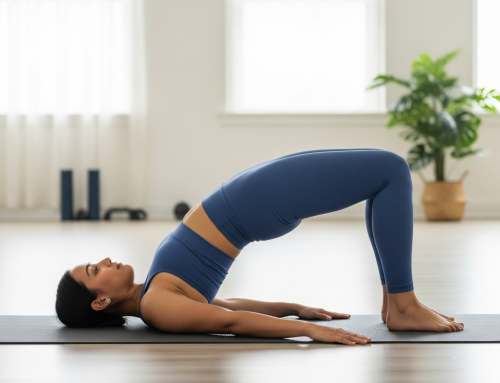
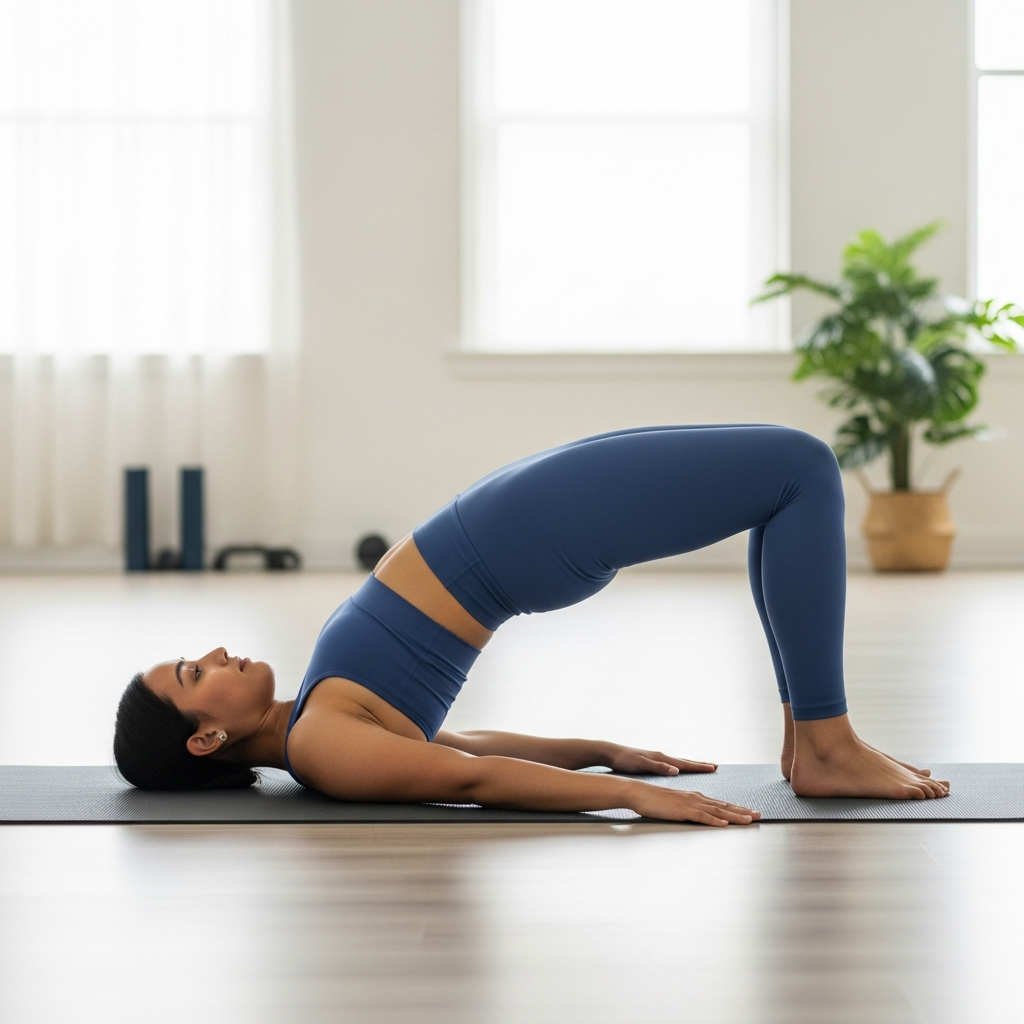
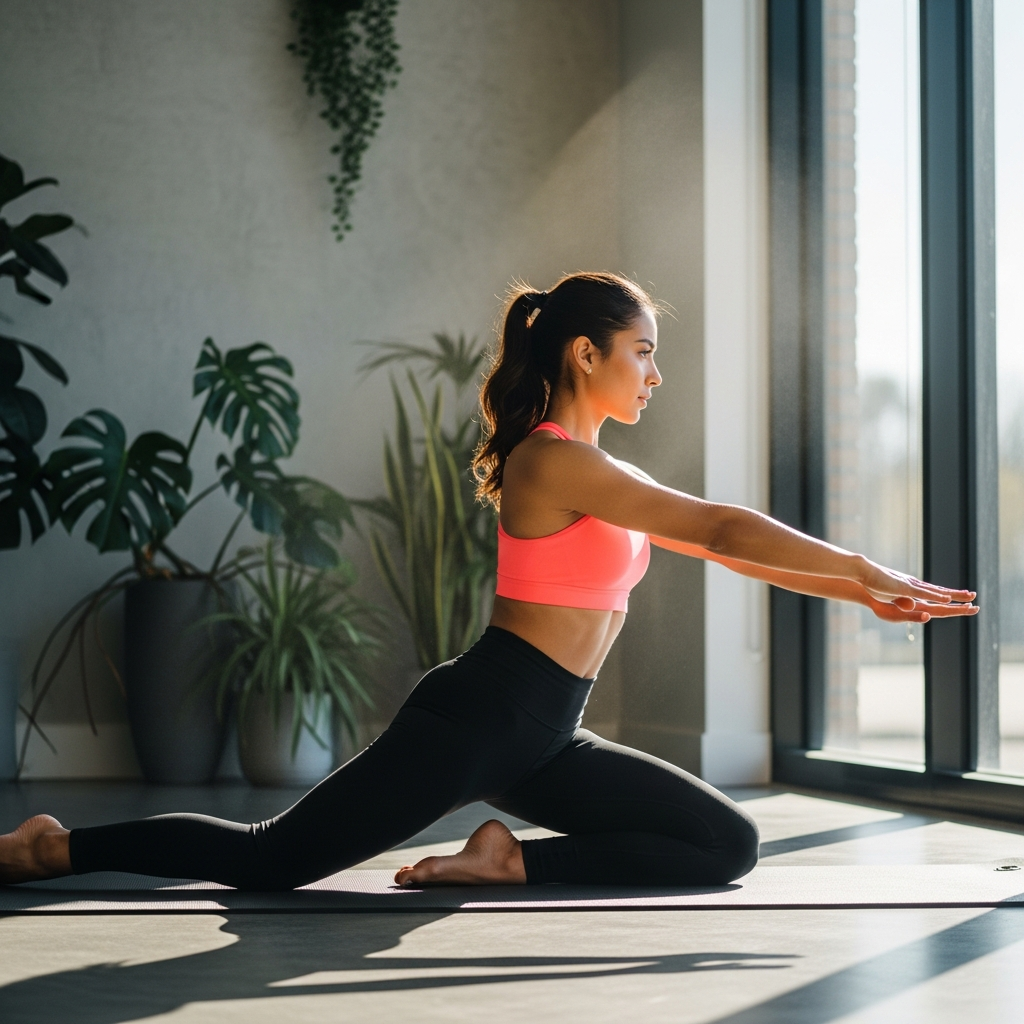
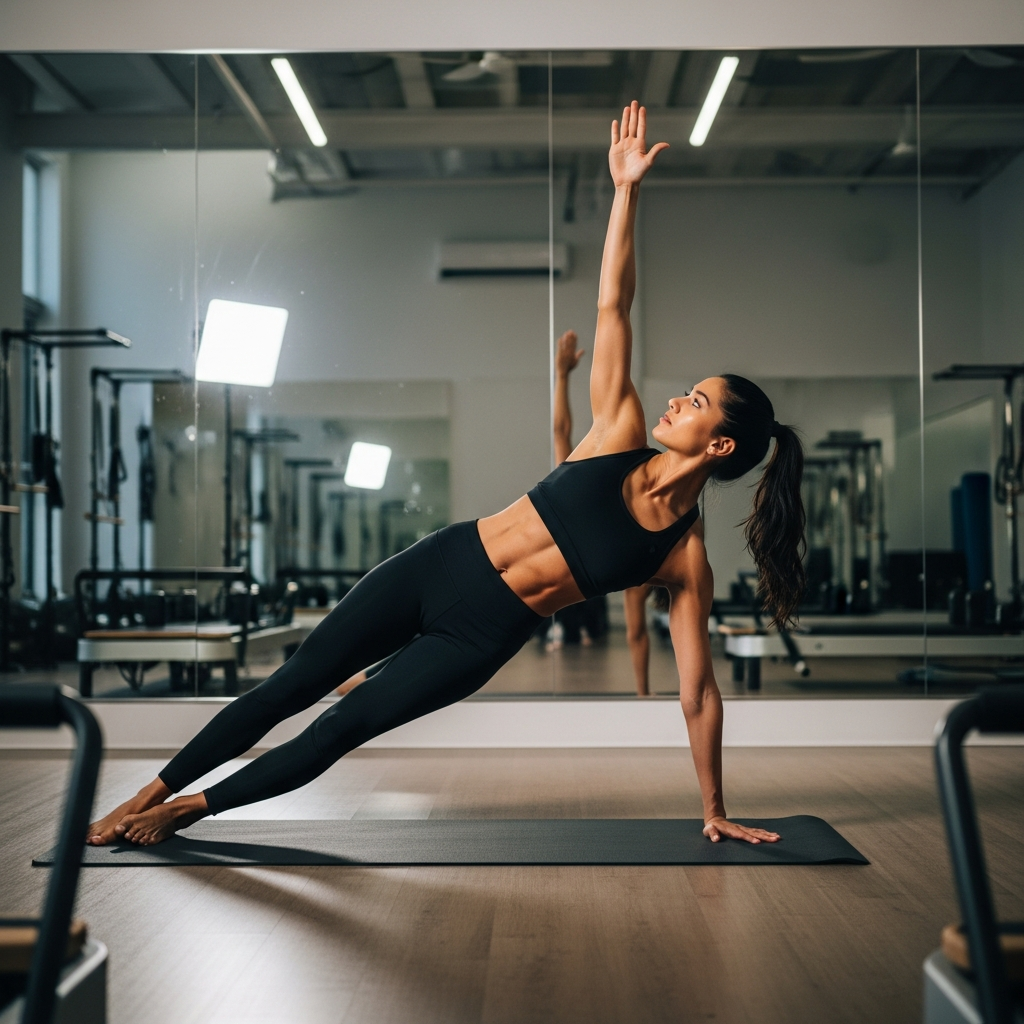
Mat Pilates is exactly what it sounds like – a series of exercises performed on a mat, using your own body weight as resistance. It’s more accessible, usually more affordable, and you can practice it basically anywhere once you know the moves. Don’t let “just a mat” fool you though. A well-taught mat class can absolutely destroy you (in the best way) because there’s nowhere to hide when it’s just you versus gravity.
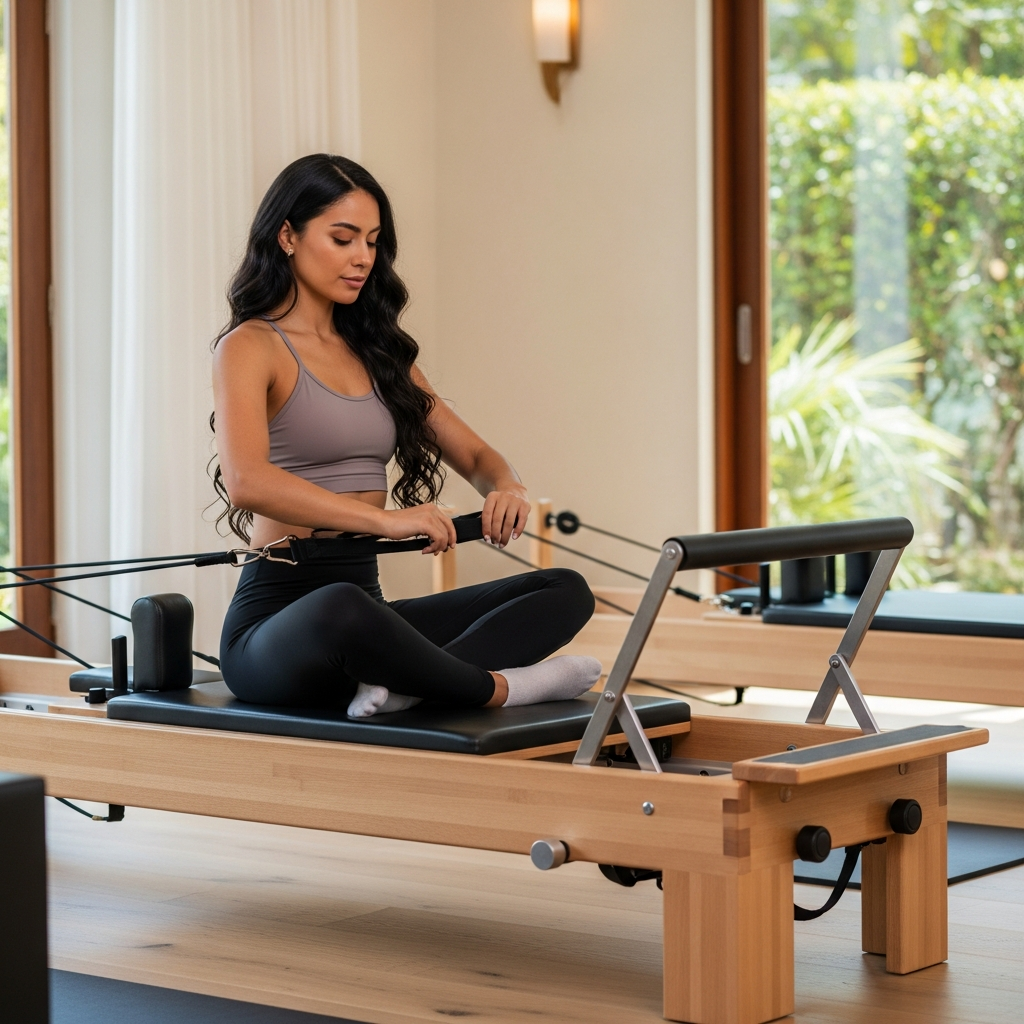
Reformer Pilates uses a sliding carriage with a system of springs and straps – it looks a little intimidating at first, kind of like gym equipment that wandered in from a different era. But those springs do something really clever: they can both assist *and* resist your movement depending on how they’re configured. That means a reformer class can be simultaneously harder and more supportive than mat work, which sounds counterintuitive… and honestly, it is, until you actually try it. The spring tension helps beginners find proper alignment while also challenging experienced practitioners at a completely different level.
Most Fort Worth studios offer one or both. Some specialize exclusively in reformer work. Knowing which format you’re walking into matters.
Classical vs. Contemporary – Yes, There Are “Camps”
This is where it gets a little nerdy, so bear with me. The Pilates world is actually somewhat divided between classical and contemporary approaches, and instructors can feel pretty strongly about the distinction.
Classical Pilates sticks closely to Joseph Pilates’ original sequence and philosophy – exercises performed in a specific order, with a focus on the traditional repertoire. Contemporary Pilates incorporates modern exercise science, physical therapy research, and more flexible programming. It often blends in elements from other movement disciplines.
Neither is inherently better. It’s more like the difference between a traditional Italian grandmother’s recipe and a chef who trained in Italy but experiments with the menu. Both can be excellent. Both can also miss the mark. What matters is whether the teaching is thoughtful and the instructor actually understands bodies – which brings up something worth saying plainly.
The Instructor Makes or Breaks Everything
This isn’t unique to Pilates, but it’s especially true here. A mediocre instructor teaching a great method will get you less than a genuinely skilled instructor working with a simpler approach. Pilates requires real anatomical knowledge because so much of it is about *how* you move, not just *that* you move. The difference between a hip hinge done correctly and the same exercise done sloppily is the difference between building strength and aggravating your lower back.
Look for instructors with comprehensive certifications – programs from BASI, Balanced Body, STOTT, or Peak Pilates require hundreds of training hours. A weekend workshop certificate is not the same thing, and studios don’t always make that distinction obvious upfront.
Actually, that’s probably the single most underrated piece of information when you’re shopping for classes in Fort Worth. The beautiful studio with the expensive reformers means nothing if the person cueing you doesn’t know what they’re looking at.
Ask These Questions Before You Book a Single Class
Here’s what most people don’t do – they just Google “Pilates near me,” pick whatever has decent reviews, and show up hoping for the best. Don’t be that person. Before you commit to anything (especially a package deal, which we’ll get to), call the studio. An actual phone call. Yes, really.
Ask them specifically: What’s the ratio of instructors to students in your reformer classes? Anything over 8:1 on the reformer is a red flag. You’re using equipment that can actually hurt you if your form is off, and an instructor scrambling to watch 12 people simultaneously just… can’t catch your mistakes. Mat classes can reasonably go larger. Reformer classes? You want eyes on you.
Also ask whether their instructors are comprehensively certified or mat-only certified. There’s a real difference. Comprehensive certification through a program like BASI, Balanced Body, or STOTT means that person trained on every apparatus and logged significantly more hours. Mat-only instructors aren‘t bad – they can be excellent – but you should know what you’re getting.
Don’t Fall for the New Client Special Trap
Almost every studio in Fort Worth is going to dangle some version of “3 classes for $30” or a free intro session. Take it. Seriously, take all of them. But go in with a plan, not just hoping you’ll love it.
During that trial period, you’re essentially interviewing them. Notice whether the instructor actually watched you during your first session or spent the whole time demonstrating. Notice whether anyone asked about your injury history before you started. (If no one asked, that’s… concerning, honestly.) Notice how you feel the next day – some soreness is normal, but sharp joint pain means something went wrong.
Fort Worth has studios ranging from boutique clinical settings to big group fitness chains, and the experience is wildly different. A place like a physical therapy-adjacent studio might charge more but actually assess your movement patterns before they put you on a reformer. That matters if you’ve got a bad back, old knee issues, or anything complicated going on.
Figure Out Your Real Goal First
This sounds obvious but people skip it constantly. Pilates for core strength after having a baby is a completely different thing than Pilates for athletic cross-training, which is completely different from Pilates as rehabilitation after a hip replacement. The classes might look similar from the outside, but the right instructor and setting are very different.
If you’re managing pain or recovering from something, you probably want a clinical or rehab-focused studio where instructors have experience working alongside physical therapists. If you’re healthy and mostly want to get stronger and leaner, a group reformer class at a boutique studio is totally reasonable. Be honest with yourself about where you fall on that spectrum.
Actually, that reminds me – don’t overlook private sessions, especially at the start. Yes, they’re more expensive. One or two privates can set you up to get dramatically more out of every group class after that, because you’ll actually understand what your body is supposed to be doing. Think of it like getting a tutorial before you start a complicated video game. You could skip it… but you’ll be lost for way longer.
The Scheduling Reality Check
Fort Worth traffic is no joke. A studio that’s 25 minutes away in good conditions might be 45 minutes on a Tuesday evening, and that’s the kind of friction that quietly kills your consistency after about three weeks. Be brutally realistic about location relative to where you actually spend your time – work, home, wherever you pick up kids.
Look at their actual class schedule too, not just whether they have morning classes. Do those morning classes fit *your* morning? Studios in areas like Sundance Square or the Near Southside tend to have a wider spread of class times than suburban locations, but that’s not always true.
One More Thing Worth Mentioning
Check whether the studio offers any kind of progress tracking or check-ins. The best places don’t just process you through classes – someone occasionally asks how it’s going, adjusts your program, notices you’ve gotten stronger. That kind of attention is what separates a studio that actually gets you results from one that just sells you memberships. It’s worth paying a little more for.
When the Schedule Just Doesn’t Cooperate
Let’s be real – this is the number one reason people quit before they even get started. You find a studio you love, the instructor seems amazing, and then you look at the class times and… none of them work. You’re not alone in this. Life in Fort Worth is busy, and most studios built their schedules around a certain kind of flexibility that not everyone has.
Here’s what actually helps: don’t just look at the current schedule. Call the studio and ask if they’re adding classes, if there’s a waitlist that drives new time slots, or whether they offer any private or semi-private sessions that can flex around your calendar. A lot of studios won’t advertise this openly, but they’ll work with you if you ask. Also worth knowing – many Fort Worth studios now offer hybrid options where you can drop into virtual classes when you can’t make it in person. It’s not the same as being in the room, but it keeps the habit alive.
The “I’m Not Flexible Enough for Pilates” Myth
Oh, this one. If I had a dollar for every time someone said this…
Here’s the honest truth: flexibility is the *result* of doing Pilates, not the requirement for starting. Showing up stiff, a little creaky, maybe carrying some extra weight – that’s completely fine. That’s actually kind of the whole point. The problem is that some classes – especially the ones that attract a certain fitness crowd – can feel intimidating when you’re surrounded by people who look like they’ve been doing this for years.
The solution is being upfront when you call to register. Say exactly where you are physically. A good instructor will direct you to the right level class, and if a studio makes you feel embarrassed for asking? That’s information. That’s them telling you they’re not the right fit.
When You Start and It Feels… Wrong
Not painful wrong, just – not clicking. Maybe the instructor’s cueing style doesn’t resonate, or the pace is off, or the vibe in the room feels weirdly competitive. This happens more than people admit, and a lot of folks quietly quit instead of doing the obvious thing.
Try a different instructor at the same studio first. Teaching styles vary enormously – one person’s precise technical approach is another person’s confusing jargon. Give it three classes with someone new before writing off the studio entirely. If you’ve worked through two or three instructors and it still feels off, then yes, move on. There are genuinely different Pilates philosophies out there – some studios are very rehabilitation-focused, some are more athletic, some lean heavily into the traditional method. Fort Worth has enough options that you shouldn’t have to settle.
The Cost Question Nobody Likes to Talk About
Pilates can be expensive. Full stop. A good reformer class in Fort Worth might run anywhere from $25 to $40 per session, and that adds up fast. It’s worth being honest with yourself about what’s sustainable before you fall in love with a studio that’ll break your budget in three months.
A few things that genuinely help: ask about founding member rates if a studio is newer, look into class packs versus monthly unlimited memberships and do the actual math based on how often you’ll *realistically* go (not how often you intend to go – we all know the difference), and check whether your health insurance or FSA covers any portion. Some do. Also, mat Pilates classes are almost always cheaper than reformer and still incredibly effective – especially when you’re starting out.
The Progress Plateau Nobody Warned You About
Around weeks six to eight, a lot of people hit a wall where they’re not feeling the early excitement anymore but haven’t yet reached the point where Pilates starts to feel effortless. This is the danger zone where people start skipping classes and eventually fade out.
This plateau is normal. It’s actually a sign that your nervous system is adapting. The fix is usually one of two things: add a private session so an instructor can assess what you’ve built and what needs work, or intentionally try a slightly harder class. Sometimes your body just needs a new challenge to wake back up. Staying in the same beginner class forever will stall you – it’s not that the class has failed you, you’ve simply outgrown it. That’s a good thing, even when it doesn’t feel like it.
What to Realistically Expect in Your First Few Weeks
Let’s be honest with each other for a second. You’re going to feel a little lost at first. Maybe a lot lost. That’s completely normal, and honestly, it’s kind of the point – Pilates introduces your body to movement patterns it’s probably never done before, and your brain needs time to catch up with what your muscles are being asked to do.
Most people leave their first class thinking one of two things: either “that was way harder than I expected” or “I didn’t feel like I did anything.” Both reactions are completely valid, and neither means you chose the wrong class. Your nervous system is literally learning a new language.
Give yourself at least four to six weeks before you start drawing any conclusions about whether Pilates is “working.” That might feel like a long time, but think about it like learning to drive – the first few sessions are all mental effort and awkward mechanics, and the physical confidence comes later.
The Progress Timeline Nobody Talks About
Here’s something instructors don’t always spell out clearly enough: the results show up in a sneaky, nonlinear way.
Week one and two? You’re just getting oriented. Learning names of exercises, figuring out which muscles you’re supposed to be feeling, trying not to hold your breath during the hundred. (Everyone holds their breath during the hundred, by the way.)
Around weeks three and four, something starts to shift. You might notice you’re standing a little differently. Maybe your lower back doesn’t ache as much after sitting at your desk all day. Small stuff. Easy to dismiss. Don’t dismiss it.
Somewhere between six weeks and three months – and this varies a lot from person to person – you’ll start to notice actual strength changes. Better posture that you’re maintaining without thinking about it. Core engagement that just… happens. That’s when people usually get hooked.
What you probably won’t see? Dramatic weight loss from Pilates alone, especially in the short term. It’s a complement to other healthy habits, not a replacement for them. Any studio that promises otherwise is overselling.
Switching Classes Isn’t Giving Up
Actually, this is worth saying clearly because a lot of people feel guilty about it – if you try a class and it doesn’t click, switching isn’t failure. It’s smart.
Maybe the instructor’s cueing style doesn’t resonate with how you learn. Maybe the class pace feels wrong for where you are physically. Maybe you just don’t vibe with the studio atmosphere, which matters more than people admit. Fort Worth has enough Pilates options that you shouldn’t feel stuck anywhere.
A good rule of thumb: try any class at least three times before deciding it’s not for you. Once is just orientation. Twice is still getting familiar. Three times gives you a real picture. But after that? Trust your gut.
Practical Next Steps for Getting Started
So you’ve done your research, you know what you’re looking for – now what? Here’s a simple path forward.
Start with an intro offer. Most Fort Worth studios have them – a week of unlimited classes, a discounted first month, or a beginner package. Use that window to actually try two or three different class formats rather than attending the same one repeatedly. You’ll learn a lot more about what fits.
Book a brief intro session if it’s available. Some reformer studios require them for new clients anyway, but even if they don’t, asking for 15 minutes with an instructor before your first class can make a huge difference. Mention any injuries, chronic pain, or physical limitations upfront. A good instructor will appreciate it and adjust accordingly.
Don’t skip the beginner track to fast-forward progress. This is a really common mistake. Foundations classes feel “too easy” to some people and they jump straight into intermediate, then get frustrated when nothing makes sense. The fundamentals actually matter here.
Commit to two classes a week minimum to see meaningful progress. One class a week keeps you familiar but doesn’t build much. Three is ideal when life allows.
And maybe the most important thing? Show up even when you’re not sure you’re doing it perfectly. You’re not supposed to be perfect at it yet. That’s what the next few months are for.
Finding the right class – the one that actually fits your life, your body, and your goals – might take a little trial and error. And honestly? That’s okay. Most people don’t land on their perfect fit immediately, and there’s something kind of exciting about the process of figuring out what works for you.
Fort Worth has a genuinely wonderful Pilates community. From cozy neighborhood studios tucked between coffee shops to larger fitness centers with packed reformer rooms, there’s real variety here. Which means you have options. Real options. Not just “pick the cheapest one closest to your house” options, but the chance to find something that you’ll actually look forward to showing up to week after week.
Here’s what we’d want you to walk away remembering: your body deserves thoughtful movement. Whether you’re recovering from an injury, managing your weight, rebuilding strength after having kids, or just trying to feel less like a human pretzel after long days at a desk… Pilates can genuinely help. But the right instructor, the right format, the right class size – those things matter more than most people realize going in.
Don’t be afraid to ask questions before you commit. A good studio will welcome them. Ask about instructor certifications, class progressions, how they handle modifications for injuries or physical limitations. If someone makes you feel silly for asking? That’s actually really useful information about whether that’s the right place for you.
And listen to your gut. Seriously. Sometimes you’ll walk into a studio and just *feel* it – the energy, the way the instructor greets you, the vibe of the other people there. That feeling matters. Pilates is something you ideally do consistently over time, and you’re far more likely to stay consistent somewhere that feels good to be.
It’s also worth saying – especially if you’re working on weight loss or managing a specific health condition – that combining Pilates with broader support can make a meaningful difference. Movement is one piece of a much bigger picture. Things like nutrition, sleep, stress, and hormonal health all play into how your body feels and responds. Sometimes having a team in your corner, people who understand the full picture of your health, helps everything click into place a little faster.
If you’re feeling a bit overwhelmed by all of this, or you’re not sure where to start, we’d genuinely love to help. Reach out to us – no pressure, no sales pitch, just a real conversation about where you are and what might make sense for you. We work with people every day who are figuring out exactly this kind of thing, and there’s nothing we enjoy more than helping someone find their footing and start feeling better in their body.
You don’t have to have it all figured out before you take the first step. You just have to take it.
Fort Worth has a lot to offer, and so do you. Go find your class.