Why Mat Pilates Appeals to All Ages in Arlington
Picture this: You’re standing in the back of a fitness class, trying to follow along, and somewhere around minute twelve you realize your knees are quietly staging a protest. Or maybe you’re the opposite – you’re young, you’re capable, and you’re bored senseless by anything that doesn’t feel like a genuine challenge. Either way, you’ve walked out of more gym classes than you care to admit thinking *that just wasn’t for me.*
Sound familiar? Yeah. We hear this all the time.
Here in Arlington, there’s a quiet fitness revolution happening on thin rectangular mats – and it doesn’t care how old you are, what shape you’re in, or whether the last time you exercised was during a different presidential administration. Mat Pilates has this almost uncanny ability to meet people exactly where they are. And we mean that literally. Whether you’re a 68-year-old managing arthritis or a 24-year-old athlete who thinks they’re already in peak condition (spoiler: Pilates will humble you, and you’ll thank it later), there’s something real waiting for you on that mat.
But let’s back up for a second.
Arlington isn’t exactly a sleepy town when it comes to fitness options. You’ve got gyms on practically every corner, boutique studios promising transformation, cycling classes loud enough to rattle your fillings… the choices are almost overwhelming. So why are so many people – genuinely different people, different ages, different bodies, different goals – quietly gravitating toward something as seemingly simple as moving around on a mat?
That’s exactly what we want to talk about.
What Makes This Different
Most fitness trends are designed for a specific person. High-intensity interval training? That’s built for someone whose joints are still on speaking terms with them. Gentle chair yoga? Wonderful, but it might leave your more active side wanting. The fitness world has this frustrating habit of segmenting people – the young over here, the older crowd over there – as if a great workout should come with an age restriction.
Mat Pilates quietly refuses to play that game.
It’s rooted in principles that transcend age – controlled movement, breath awareness, core stability, and body alignment – things that every human body needs, regardless of the decade it was manufactured in. Joseph Pilates himself, who developed this method in the early 20th century, designed it to be adaptable. He worked with everyone from injured dancers to elderly rehabilitation patients. The method was built for people, not for a demographic.
Why Arlington, Why Now
There’s something worth noticing about how our community has shifted in the past few years. Arlington has always had a mixed, multigenerational population – families who’ve been here for decades alongside younger professionals planting roots, retirees who aren’t remotely interested in slowing down, teenagers who want something more intentional than scrolling through their phones. What we’re all quietly searching for, it seems, is something sustainable. Something that doesn’t wreck us. Something that actually works long-term.
Mat Pilates fits that description in a way that honestly surprises most people the first time they try it. You don’t need equipment. You don’t need a perfect body or a background in fitness. You just need a mat, some floor space, and – okay, maybe a little patience with yourself while you figure out what your core has apparently been doing wrong your entire life.
What You’ll Actually Get From Reading This
By the time you finish this article, you’ll understand why Mat Pilates has become one of the most genuinely inclusive fitness approaches in Arlington right now. We’ll walk through the specific benefits for different life stages – because what a 30-year-old needs from movement is meaningfully different from what a 60-year-old needs, and Pilates addresses both without compromise. We’ll also look at what beginners can realistically expect, how Mat Pilates complements medical weight loss goals (something we’re particularly passionate about), and how to actually get started without feeling lost or intimidated.
This isn’t a sales pitch. It’s more like a conversation we’ve been wanting to have for a while.
Because honestly? The best fitness tool is one you’ll actually use – one that respects your body, challenges you appropriately, and leaves you feeling better walking out than when you walked in. For a lot of people in Arlington, that tool turns out to be a humble mat on the floor.
Let’s talk about why.
What Mat Pilates Actually Is (And Isn’t)
Okay, so before we get into why people from 18 to 80 are rolling out mats all over Arlington, let’s get on the same page about what we’re actually talking about. Because “Pilates” has become one of those words that means slightly different things to different people – kind of like how “yoga” can mean a gentle stretch class or a room heated to 105 degrees where you question your life choices.
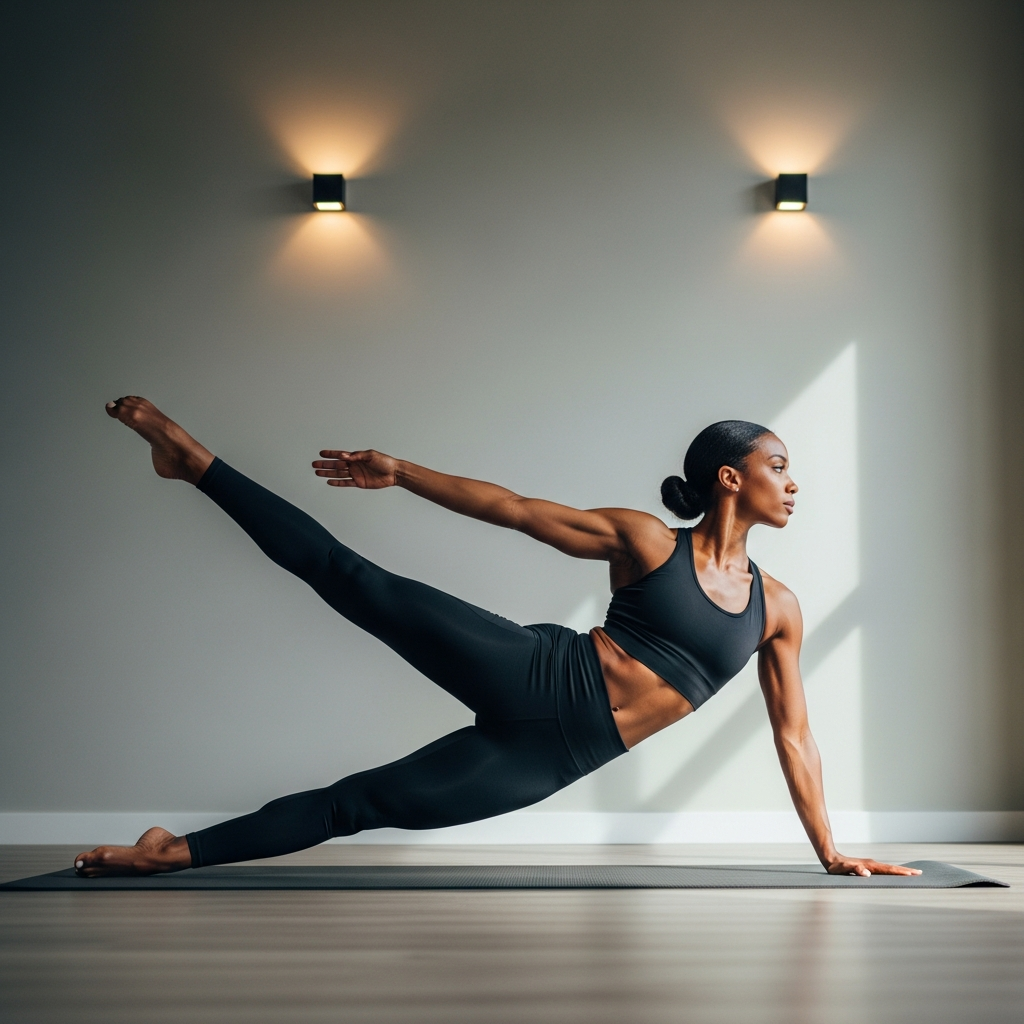
Mat Pilates specifically means you’re working on the floor, using your bodyweight and gravity as resistance. No fancy reformer machines, no complicated equipment. Just you, a mat, and – this is the part people underestimate – a surprisingly brutal amount of core work.
It was developed in the early 20th century by Joseph Pilates, a German-born fitness pioneer who called his method “Contrology.” Which is admittedly a terrible name, but the ideas behind it were genuinely ahead of his time. He was obsessed with the connection between physical and mental control, believing that precise, intentional movement could rehabilitate and strengthen the body in ways that mindless repetition never could.
The “Powerhouse” Concept – Confusing Name, Simple Idea
Here’s where it gets a little jargon-y, but stick with me. In Pilates, you’ll constantly hear instructors talk about your “powerhouse” – the deep core muscles that run from your lower ribs down to your hip bones, wrapping around your entire midsection like a built-in weight belt.
Think of it this way. Most of us go through life with our core doing the bare minimum, like a coworker who technically shows up but lets everyone else handle the real work. Mat Pilates is essentially a performance review. A thorough one.
The difference between Pilates core work and, say, doing a hundred crunches is that Pilates targets the *deep* stabilizing muscles – the transverse abdominis, the pelvic floor, the muscles along your spine – rather than just the surface muscles you can see in the mirror. It’s the foundation under the foundation. And when those deep muscles are weak, everything else in your body is working harder than it needs to.
Why “Low Impact” Doesn’t Mean “Easy”
This is probably the most counterintuitive thing about mat Pilates, and honestly worth saying out loud: low impact and low intensity are completely different things. People sometimes assume that because there’s no jumping, no heavy weights, and no gasping for air, a mat Pilates class must be the “easy” option.
Those people are humbled within about fifteen minutes.
Because what Pilates demands is precision and control over momentum – and that, weirdly, is often harder than just powering through something. It’s the difference between carefully lowering a glass onto a table versus just setting it down. One requires significantly more muscle engagement. Slow, controlled movements with full body awareness are genuinely challenging, and the burn you feel is real, even if it looks calm from the outside.
This is actually a big part of why it works so well across age groups. The challenge is adjustable not by adding more weight, but by adding more precision. A teenager and a 65-year-old can work in the same class, at meaningfully different levels of intensity, doing essentially the same movements.
The Breath Connection (Yes, This Matters More Than You Think)
Pilates has a very specific approach to breathing that feels strange at first. You’re encouraged to breathe into your ribcage laterally – sideways, almost like you’re trying to expand your ribs out to the sides – rather than letting your belly puff out. It’s supposed to help maintain core engagement while you move.
Actually, that reminds me of something instructors here in Arlington mention a lot: most of us are shallow, chest-only breathers who’ve never thought about breath mechanics for even one second. Pilates essentially forces a reset on that, and a lot of people find – almost accidentally – that their stress levels drop after class. That mind-body connection isn’t marketing fluff. The deliberate breathing genuinely activates your parasympathetic nervous system, the one responsible for calming you down.
It’s a bit like getting an oil change when you thought you were just getting new tires. You came in for stronger abs and walked out breathing better, moving more efficiently, and standing a little taller. The whole system benefits when you start working on the right parts.
Finding the Right Class for Where You’re Actually Starting
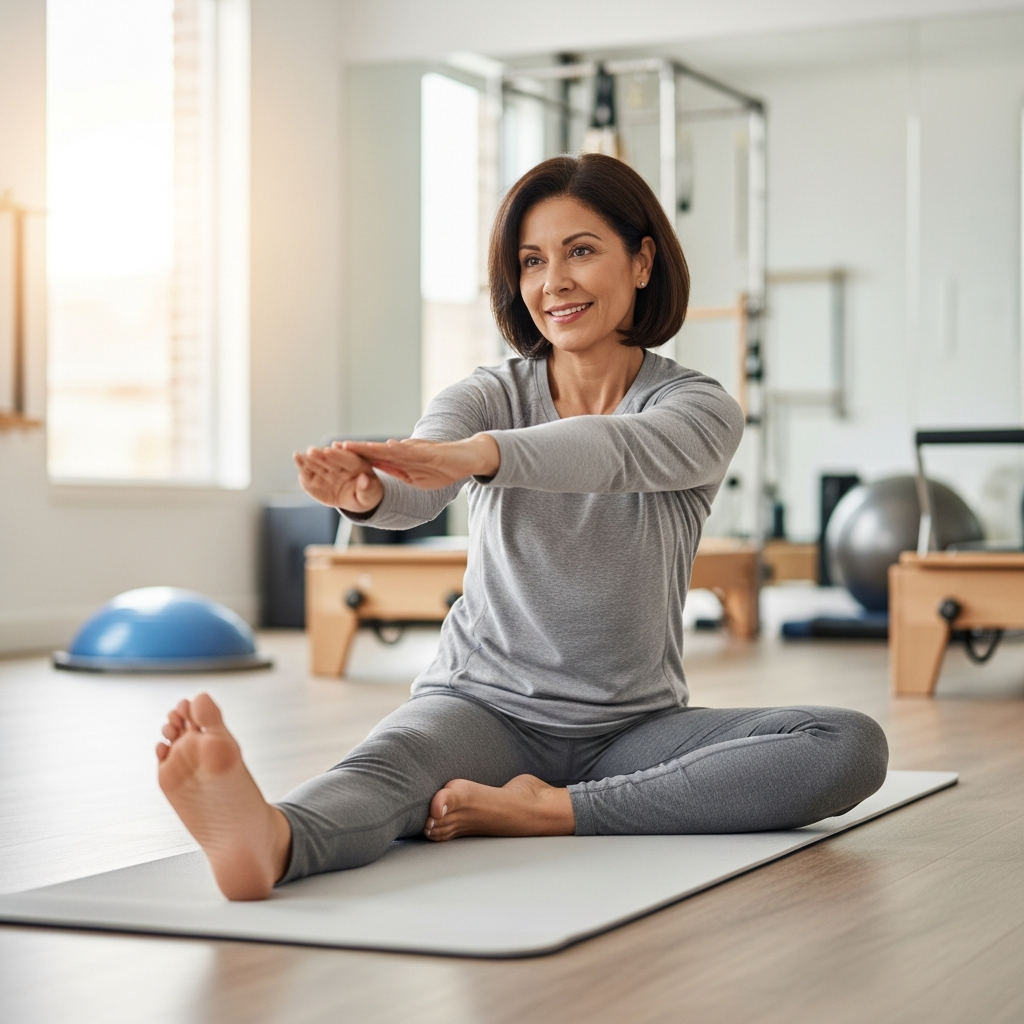
Here’s something most studios won’t tell you upfront: not all beginner classes are created equal. If you’re over 50, or you’re dealing with a bad knee, or you haven’t exercised in years – a standard “Level 1” class might still leave you feeling lost and a little defeated. When you’re calling around to studios in Arlington, ask specifically whether the instructor has experience with older adults or movement limitations. That one question will tell you everything.
Look for classes described as “foundations,” “gentle,” or “therapeutic” rather than just “beginner.” There’s a real difference. Foundations classes slow everything down and explain the why behind each movement – why you’re tucking your pelvis here, why your breath matters there. That kind of instruction is gold for anyone starting out, honestly at any age.
What to Actually Bring (and Wear)
Skip the fancy grip socks for your first class – just wear whatever exercise clothes let you move freely and feel the floor through your feet. Seriously, bare feet work beautifully on a mat and give you way more feedback about how your body is positioned. You can always add grip socks later if the studio floor feels slippery.
Bring water, but you might be surprised how little you sweat compared to other workouts. That’s not a sign nothing’s happening – it’s just that Pilates is working differently, in that deep, muscles-you-forgot-you-had kind of way. Oh, and bring a small towel if you run warm. And maybe – this sounds silly but it matters – bring a positive attitude about looking awkward. Everyone’s legs are shaking in that hip-width parallel position. Everyone.
The First Three Classes Are the Hardest
This is the secret nobody shares enough. The first class feels confusing. The second class feels slightly less confusing. By the third class, something clicks – your body starts to understand the cues, the breathing rhythm starts to feel natural, and you’ll notice muscles waking up that have been on vacation for years.
Don’t judge whether Pilates “works for you” until you’ve given it at least that third class. A lot of people quit after one session because it felt strange and unfamiliar, which is such a shame. Stick with it just a little longer than feels comfortable to try.
Talking to Your Instructor Before Class
Walk in five minutes early and introduce yourself. Tell them your age, any injuries or surgeries, whether you have osteoporosis, a replaced hip, chronic back pain – whatever’s relevant. A good instructor will quietly watch out for you during class and offer modifications before you even have to ask. This isn’t making a big deal of yourself. It’s just smart.
In Arlington specifically, many studios have instructors who’ve completed additional training in senior fitness or rehabilitation Pilates. Ask about that background. It matters more than how trendy the studio looks on Instagram.
Building a Realistic Schedule
Two classes a week is genuinely the sweet spot for most people – enough to build consistency and feel progress, but not so much that your schedule fights back. If that feels like too big a commitment at first, one class a week is still worth doing. You’ll progress more slowly, but you’ll progress.
What you’re really trying to do in those early weeks is build the neural pathways – essentially teaching your brain how to talk to muscles that may have been ignored for a long time. That takes repetition, not intensity. So resist the urge to push harder or add a third class too quickly.
Mixing It With What You Already Do
Mat Pilates plays nicely with almost everything – walking, swimming, cycling, even strength training. What it’s particularly great at is filling the gaps those activities leave behind. A walker who does Pilates develops better hip stability. A cyclist who adds Pilates tends to finally address that chronic lower back stiffness.
If you’re already active in Arlington’s parks or trails, think of Pilates as the thing that protects your ability to keep doing what you love. It’s less of an add-on and more of a foundation – the thing that makes everything else feel better and last longer.
That’s really what keeps people coming back, across every age group. Not the abs (though those are a nice bonus). The way their body starts to feel like something they understand and trust again.
When Your Body Says “Absolutely Not”
Here’s something no one tells you in those glossy fitness brochures – the first few Mat Pilates classes are genuinely humbling. You’re lying on the floor thinking you’ve got this, and then the instructor asks you to hold a position that requires muscles you haven’t consciously used since… ever, maybe. Your legs shake. Your core does nothing. Your neighbor in class looks like they’re taking a nap while you’re quietly having a crisis.
That’s normal. That’s actually the point.
The real challenge isn’t the movements themselves – it’s the body awareness required to do them correctly. Mat Pilates asks you to feel what’s happening inside your body, not just move through space. For most people, that internal feedback system is basically offline when they start. It takes time to reconnect, and honestly? A few weeks of feeling slightly confused is just part of the process.
The solution here is genuinely simple: tell your instructor where you are. Not where you wish you were. A good Pilates teacher in Arlington will modify every single exercise to meet you at your current ability level, but only if they know you’re struggling.
The Flexibility Myth
So many people – and we see this constantly – avoid Mat Pilates because they think they’re “not flexible enough.” This is a little like avoiding swimming lessons because you can’t swim. Flexibility isn’t a prerequisite. It’s a result.
That said, tight hamstrings, stiff hips, and limited shoulder mobility do create real obstacles in specific exercises. The hundred, the roll-up, the saw… these can feel frustrating when your body won’t cooperate the way you’re picturing.
What actually helps? Props. A simple yoga strap around the feet changes the roll-up from impossible to doable overnight. Sitting on a folded blanket raises your hips enough to take the strain off tight hamstrings during seated work. These aren’t cheats – they’re just smart engineering. The goal is correct muscle engagement, not looking like the person on YouTube.
When Old Injuries Show Up Uninvited
Knee issues. A bad back. That shoulder thing from 2019 that never quite resolved. Arlington’s population skews active – lots of runners, cyclists, former athletes – and that means a lot of people walking into Pilates class carrying a history.
Here’s where Mat Pilates gets genuinely tricky. Because it works deep stabilizing muscles, it sometimes wakes up areas that were quietly compensating for old damage. That can feel uncomfortable in ways that are confusing – is this productive discomfort or a warning sign?
The honest answer is that you need to know the difference, and early on, you might not. This is actually a great argument for working with an instructor rather than just following online videos when you’re starting out. An experienced teacher has seen dozens of bad backs and wonky knees. They’ll know when to push and when to back completely off.
If you have a significant injury history, consider mentioning it to your doctor before starting – not because Pilates is dangerous, but because a little guidance upfront saves a lot of confusion later.
The Consistency Problem
Okay, this one is less about the body and more about real life. Mat Pilates delivers its best results with regular practice – ideally two to three times per week. And that schedule sounds totally manageable until February gets hectic, or someone gets sick, or work explodes, or all three happen simultaneously.
Missing a week doesn’t erase your progress. Missing a month doesn’t either, actually – though it can feel that way. What tends to happen is that people miss a few classes, feel embarrassed about coming back, miss more classes trying to avoid that embarrassment, and then just… stop.
The solution isn’t discipline. It’s lowering the stakes. A ten-minute home practice on a rushed Tuesday counts. Showing up after a three-week gap counts. Done imperfectly is infinitely better than not done at all.
One practical thing that really helps – especially in a community-oriented place like Arlington – is finding a regular class time and sticking to it until it becomes automatic. Same instructor, same time slot, same spot in the room if you’re the creature-of-habit type. Routine is underrated.
The “Am I Even Doing This Right?” Problem
This one haunts beginners at every age. Mat Pilates is subtle. You can’t always feel whether you’re engaging the right muscles or just gripping whatever happens to be nearby.
The fix is asking out loud. Seriously. Ask your instructor to watch your form on that one move that feels wrong. Most Pilates teachers genuinely love these questions – it’s a nice change from everyone nodding and pretending everything makes sense.
What to Actually Expect When You Start
Let’s be honest with each other for a second. You’re probably reading this because you’re curious, maybe a little hopeful, and – if we’re being real – slightly skeptical about whether mat Pilates is actually going to be any different from the dozen other things you’ve tried. That’s fair. So let’s skip the hype and talk about what’s genuinely realistic.
The first two or three classes? They might feel awkward. You’ll be watching other people, wondering why your hips won’t do that thing the instructor’s hips are doing, and you might go home feeling more confused than energized. That’s completely normal. Your brain is learning new movement patterns, not just your muscles. It takes a minute for everything to click.
Don’t judge Pilates by week one.
The First Month – Managing Your Expectations
Most people notice something small in weeks two through four. Maybe your posture feels slightly different at your desk. Maybe getting up off the floor is a little easier. It’s rarely dramatic at this stage, and that’s actually a good sign – it means you’re building real foundational strength rather than just feeling temporarily sore and exhausted.
What you probably won’t experience in month one: visible physical transformation, significant weight loss, or mastery of anything. And that’s okay. What you might notice is better body awareness – that subtle sense of *where* your body is in space, which honestly most of us lose somewhere around our mid-twenties and never really get back.
One thing worth mentioning – some muscle soreness after your first few sessions is normal. Not “I can’t walk” soreness, but that quiet achiness in muscles you forgot you had. Your deep core stabilizers, the small muscles along your spine, your inner thighs. They’ve been napping for a while.
Months Two and Three – Where Things Get Interesting
This is usually when people start to feel like something’s actually shifting. Movements that felt completely foreign start to feel more intuitive. You’re not white-knuckling through the hundred anymore (well, maybe a little). Instructors in Arlington’s mat Pilates classes often say this is when students stop counting and start breathing – and if you’ve ever done Pilates, you know exactly what that means.
Strength improvements in the deep core typically become noticeable around the 6-8 week mark for most people. Flexibility changes tend to come a bit slower – three to four months is a more realistic timeline there. Consistency matters enormously here. Two classes a week is generally considered the sweet spot for seeing meaningful progress without burning out.
Older adults sometimes find progress comes even more gradually, and that’s genuinely fine. The body is still adapting, still changing. The timeline just looks a little different.
What Long-Term Looks Like
After six months to a year of regular practice, people often describe Pilates as having quietly reorganized how they move through daily life. They’re not necessarily thinking about it consciously – they just realize one day that their back hasn’t bothered them in a while, or that they stood for three hours at an event and it was… fine.
That’s the kind of result that’s hard to photograph for a before-and-after post, but it might actually be the most valuable kind.
Your Next Step (No Pressure, Really)
If you’re in the Arlington area and you’re curious, the most practical thing you can do is find a beginner-friendly class and just show up once. Most studios offer introductory rates or trial classes specifically because they know the first step is the hardest one.
Wear comfortable clothes you can move in. Bring water. Arrive a few minutes early so you can tell the instructor it’s your first time – a good instructor will appreciate the heads up and keep an eye on you without making it weird.
And if you leave that first class feeling like a baby deer who just discovered they have legs? That’s actually pretty standard. Give it a few more sessions before you decide anything. The people who stick with mat Pilates long enough to feel the real difference are almost always glad they did – even the ones who were absolutely convinced it wasn’t going to work for them.
Especially those ones, actually.
There’s something quietly remarkable about a practice that can genuinely meet people where they are – whether you’re a teenager working on posture, a new mom rebuilding core strength, or someone in their seventies discovering movement for the first time. That’s not something you can say about many fitness approaches, honestly. Most of them are designed with a very specific person in mind, and if you don’t fit that mold… well, you’re left figuring it out on your own.
But this is exactly why so many people in Arlington keep coming back to the mat. It’s not about keeping up. It’s not about performing for anyone. It’s about showing up for your own body, at your own pace, and finding that the practice actually grows with you over time – which is kind of rare and beautiful when you think about it.
The Thread That Runs Through Every Age
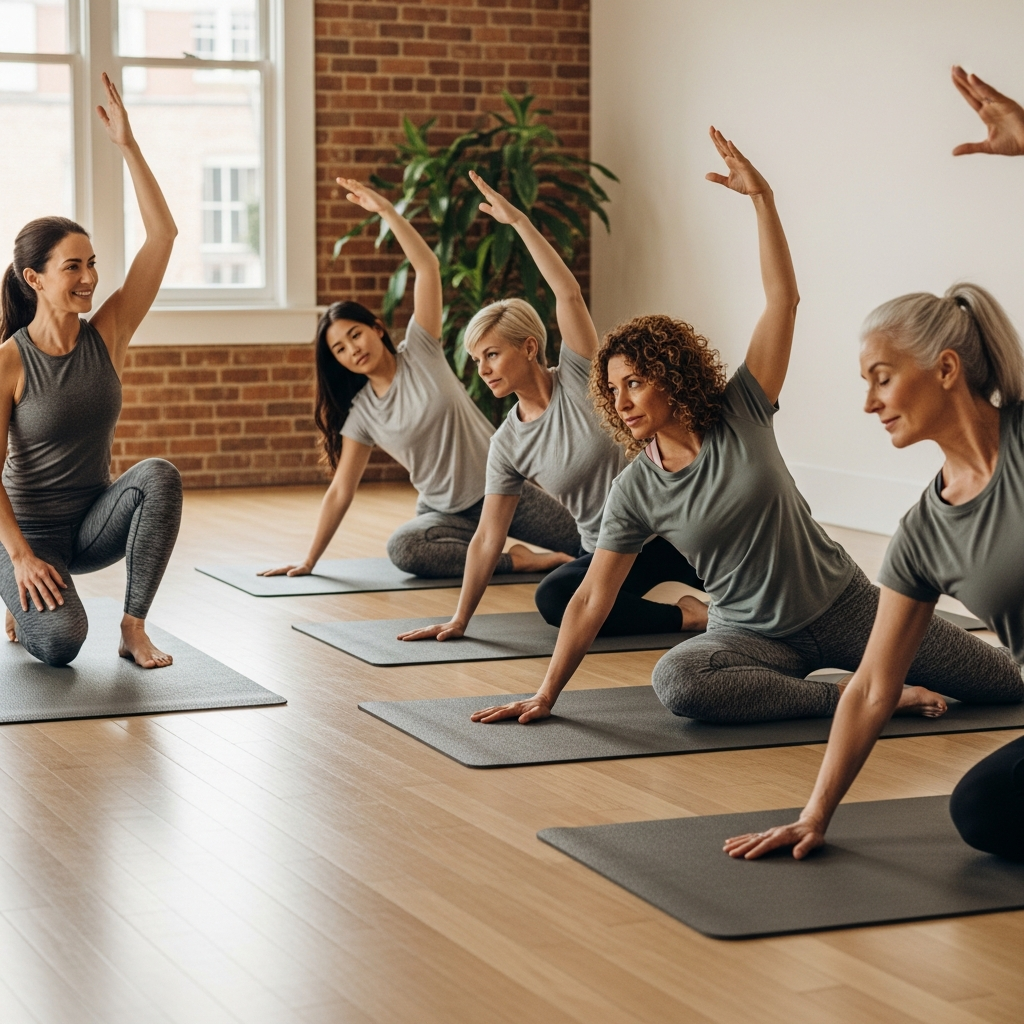
What tends to surprise people most is how connected they feel in a room full of people at completely different life stages. There’s something grounding about sharing a practice with someone who’s been doing this for thirty years and someone who just tried it for the first time last week. Nobody’s competing. Everyone’s breathing. And somehow that creates this atmosphere where it actually feels safe to be a beginner, or to take a modification, or to just rest when you need to.
That sense of community – quiet as it sometimes is – matters more than people expect. Getting fit in isolation is hard. Getting well in community? That’s a different thing entirely.
Your Body Deserves This Kind of Attention
Here’s what we’ve seen time and again: people underestimate themselves. They walk in thinking they’re “too old” or “too out of shape” or “not flexible enough” (flexibility is a result, not a requirement, by the way). And then a few weeks in, something shifts. They’re sleeping better. Their back hurts less. They’re standing taller in line at the grocery store without even thinking about it.
Those small wins add up to something significant. They always do.
If You’re Wondering Whether It’s For You
It is. Genuinely. But we also know that reading about something and actually taking that first step are two very different things – and that the gap between them can feel enormous when you’re not sure what to expect.
If you have questions, concerns about a specific injury or health condition, or you just want to talk through whether this kind of movement is a good fit for where you are right now, we’d love to hear from you. Our team at the clinic understands that health isn’t one-size-fits-all, and we take the time to actually listen. No pressure, no scripts, just a real conversation about what might support you best.
Reach out whenever you’re ready. There’s no perfect moment to start – there’s just the moment you decide to. And wherever you are in Arlington, whatever season of life you’re navigating, know that you don’t have to figure this out alone. We’re here, and we’re genuinely rooting for you.
The mat will be there when you are.