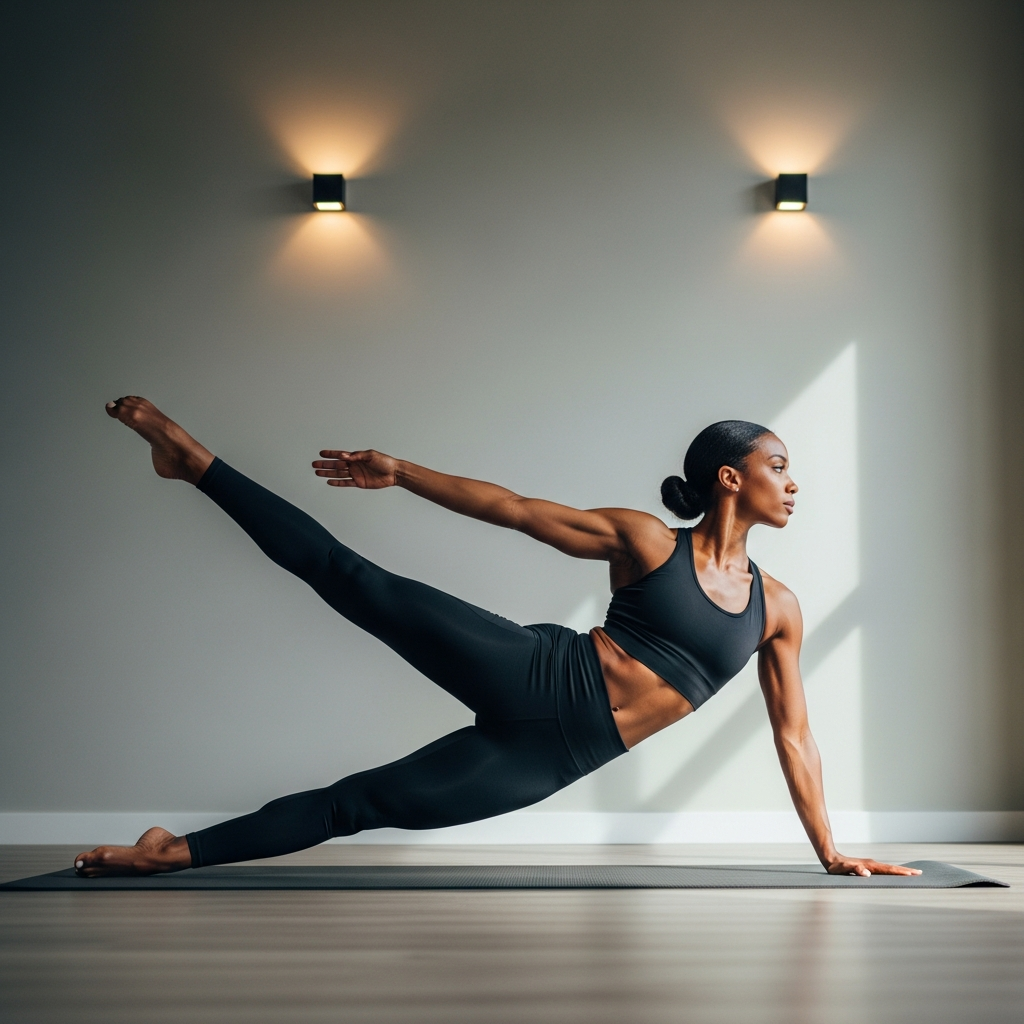
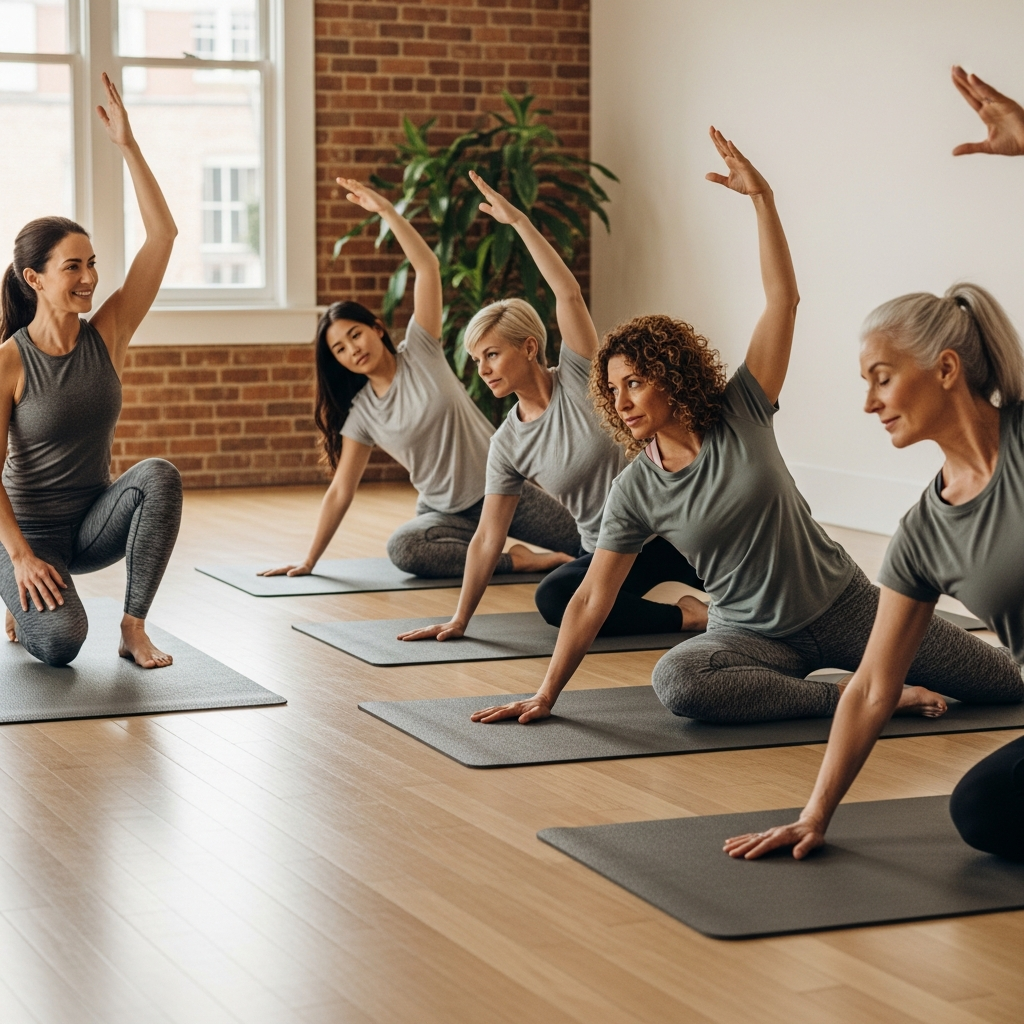
6 Benefits of Joining Pilates Classes Near Cedar Hill
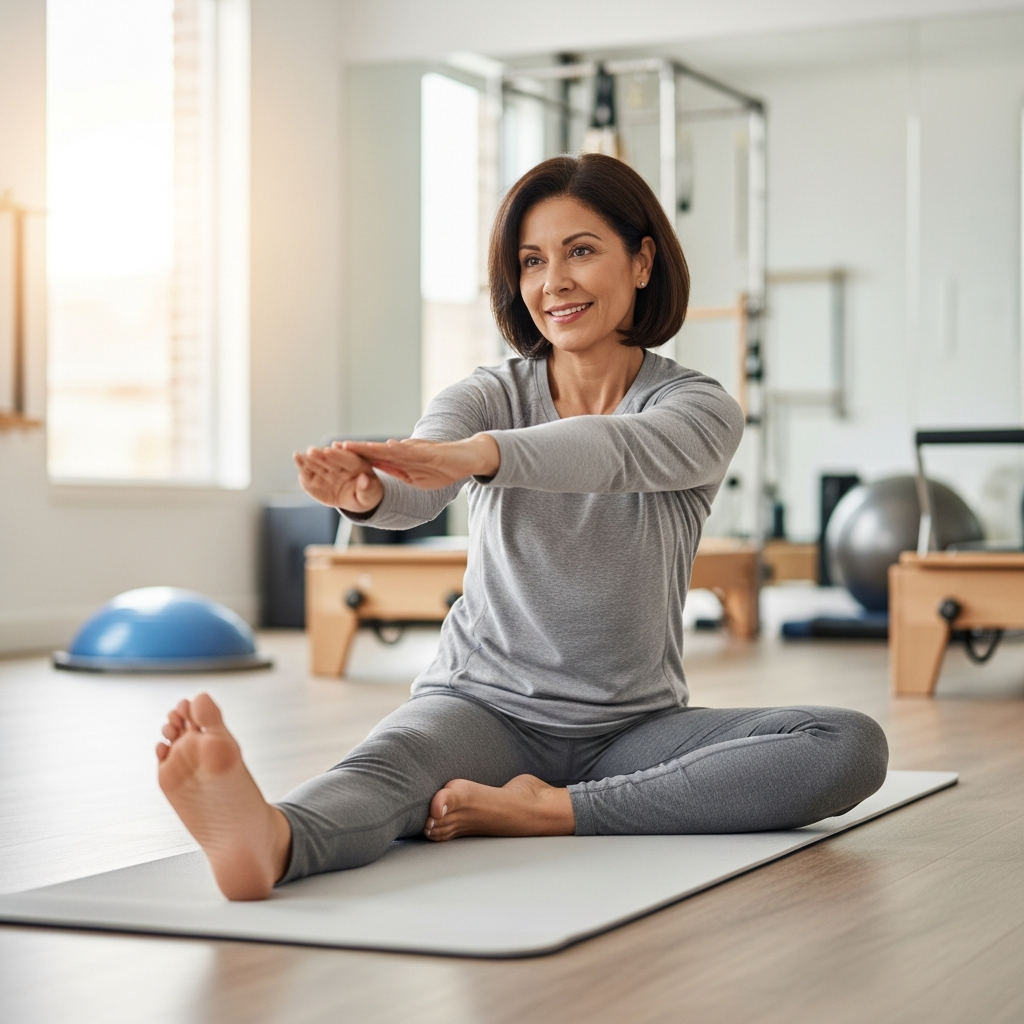
Sound familiar? Yeah. We thought so.
Here’s the thing – that feeling is incredibly common, especially for people juggling busy lives in communities like Cedar Hill. Between work, family, errands, and everything else competing for your time and energy, exercise tends to become one of those “I’ll get to it” items that just… keeps not getting done. And when you do carve out time to move your body, it can feel overwhelming trying to figure out what will actually help versus what’s just another fitness trend that burns you out in three weeks.
That’s exactly why so many people in and around Cedar Hill are quietly discovering something that’s been around for over a century – Pilates.
Now, before you conjure images of impossibly flexible people contorting on reformer machines while wearing expensive leggings, let’s pump the brakes. Pilates is not what most people assume it is. It’s not just for dancers. It’s not just for women. It’s definitely not reserved for people who are already fit. Actually, some of the most profound transformations happen for people who walk into their first Pilates class feeling stiff, skeptical, and completely out of their element – because the method was literally designed to meet your body where it is.
Joseph Pilates created this system of movement in the early 20th century with a pretty radical idea: that the mind and body are deeply connected, and that precise, intentional movement could restore function, reduce pain, and build genuine strength from the inside out. Not just surface-level, look-good-in-a-tank-top strength – but the kind of deep, stabilizing strength that makes everyday life feel easier. Carrying groceries. Playing with your kids. Sitting through a long meeting without your shoulders creeping up to your ears.
And here’s what makes joining a local class – rather than, say, following along with YouTube videos alone in your living room – genuinely different. There’s something that happens when you’re in a room with a qualified instructor who can actually *see* you moving, correct your alignment in real time, and help you understand what your body needs specifically. Not the generic body. *Your* body. That personalized attention is honestly hard to replicate on your own, no matter how many apps you download.
Living near Cedar Hill also means you’ve got access to something a lot of people in bigger, more spread-out cities actually envy – a real sense of community. Local Pilates studios tend to attract people who are genuinely invested in their wellbeing, and that energy is… contagious, honestly. In a good way.
So what can you actually expect to gain from committing to Pilates classes near you? That’s what we’re breaking down in this article. We’re talking about six concrete, tangible benefits – things you’ll likely start noticing within weeks, not months. We’re covering everything from what it does for your core strength and posture (spoiler: it goes way deeper than “just do crunches”) to the surprising mental health benefits that researchers are paying more and more attention to.
We’ll also touch on why Pilates tends to *stick* in a way that a lot of other fitness routines don’t – which, if you’ve ever started a gym membership with enthusiasm only to stop going by February, is probably something you care about.
Whether you’re recovering from an injury, managing chronic pain, trying to find movement you actually enjoy, or simply looking for something that fits into a realistic life rather than a fantasy version of one… you’re in the right place. Let’s get into it.
What Even Is Pilates, Anyway?
If you’ve been vaguely curious about Pilates but never quite sure what separates it from yoga, or from just… lying on the floor doing crunches… you’re not alone. It’s one of those things that a lot of people nod along about without fully understanding. So let’s clear that up before we get into why it might genuinely change things for you.
Pilates was developed in the early 20th century by a German-born fitness innovator named Joseph Pilates – a man who, interestingly enough, was a sickly child who became almost obsessed with physical conditioning. He called his method “Contrology,” which sounds intimidating but really just means the study of controlling your body with your mind. That mind-muscle connection idea? It’s at the heart of everything Pilates does.
The basic premise is this: instead of working muscles in isolation (like a bicep curl that’s really just about your bicep), Pilates trains your body to move as an integrated system. Think of it like the difference between replacing one squeaky floorboard versus addressing why the whole floor has shifted. One approach fixes a symptom. The other gets at the actual problem.
The Core Thing – And It’s Not What You Think
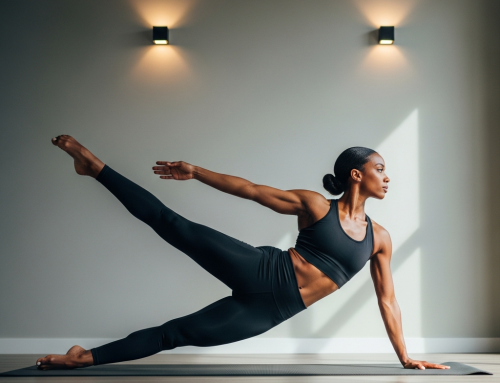
Here’s where it gets a little counterintuitive. When people hear “core workout,” they picture six-pack abs. Crunches. That burning feeling after your hundredth sit-up. But Pilates talks about the core in a much broader, more useful way.
Your “core” in Pilates terms includes your deep abdominal muscles, sure – but also your pelvic floor, your diaphragm, and the stabilizing muscles along your spine. It’s less like a six-pack and more like a corset that wraps around your entire midsection, keeping everything supported and aligned. Actually, that reminds me of something a physical therapist once explained: most people walk around with a completely “switched off” core, relying on their lower back and hip flexors to do work those deeper muscles should be handling. No wonder so many people have chronic back pain.
Pilates essentially teaches those sleeping muscles to wake up and do their jobs again.
Mat Versus Machine – A Quick Breakdown
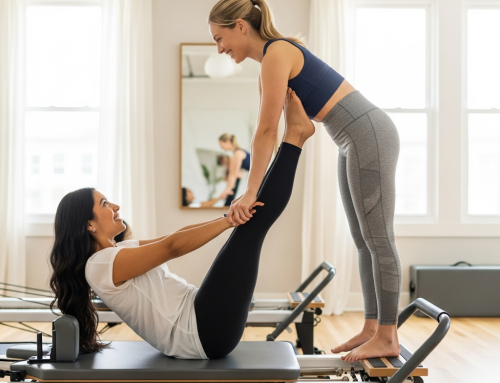
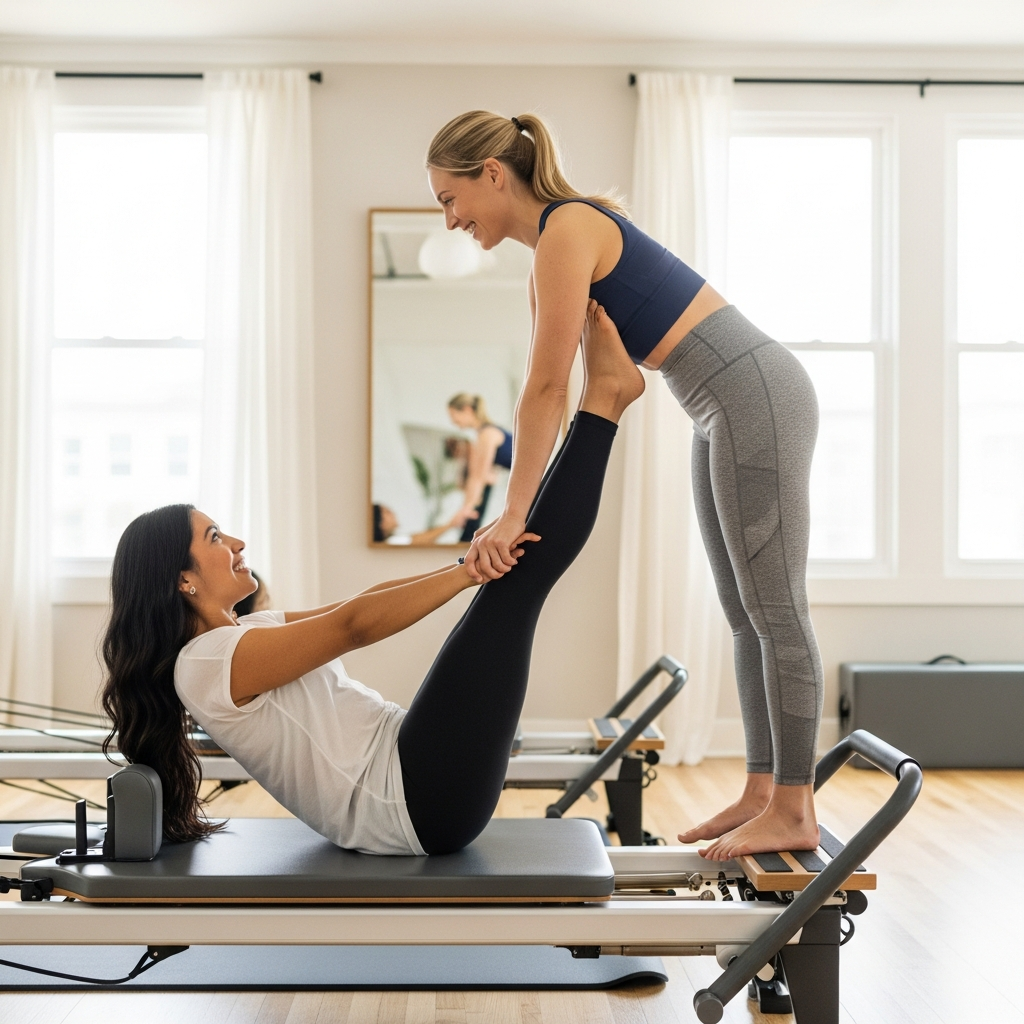
You’ll probably notice that some Pilates classes use only a mat, while others involve what looks like a medieval torture device. That second thing is called a Reformer – a sliding carriage system with springs and straps that adds resistance or assistance depending on how it’s set up.
Both versions are legitimate Pilates. Mat work is more accessible and requires no equipment. Reformer work allows for more variety and can actually be gentler on your joints in some ways, because the spring tension helps guide your movement rather than fighting against gravity the whole time. Many studios near Cedar Hill offer both, and plenty of people do a mix depending on the day and what their body needs.
So Why Does Any of This Matter for Your Health?
Here’s the honest answer: Pilates isn’t a magic bullet. Nothing is. But it fills a gap that a lot of fitness routines – and even medical weight loss programs – tend to miss.
Most cardio-focused exercise is great for burning calories but doesn’t do much to address how your body moves. And if you’re moving poorly – compensating for weakness here, tightness there – you’re building habits that eventually catch up with you as pain, injury, or just feeling perpetually stiff. Pilates works on the underlying mechanics. It’s corrective in a way that a treadmill just isn’t.
For people working through a weight loss process specifically, this matters more than you’d think. As your body changes, your center of gravity shifts, your posture adjusts, and muscles that haven’t been asked to do much suddenly need to support more dynamic movement. Pilates builds that functional foundation.
The “But I’m Not Flexible Enough” Concern
Let’s just address this now, because it comes up constantly. People assume Pilates is for bendy people who already look like they belong in a studio. That’s backwards, honestly. Pilates is particularly effective *because* it meets you where you are. Every exercise can be modified. Instructors at good local studios expect beginners – they’re not secretly judging your hamstring flexibility.
You don’t need to be fit to start. You start to get fit. That’s kind of the whole point.
What to Actually Look for When Choosing a Class
Not all Pilates classes are created equal – and this is especially true when you’re using movement as part of a medical weight loss plan. Before you commit to anything, ask the instructor directly about their certification. Look for credentials from Peak Pilates, Balanced Body, or STOTT – those are the gold standards. A weekend workshop certificate? That’s a different story entirely.
Class size matters more than most people realize. If there are 20 people on reformers and one instructor, your form isn’t getting checked. Your lower back is quietly doing all the wrong things, and nobody’s going to catch it. Look for classes capped at 10-12 participants, especially when you’re just starting out.
Cedar Hill and the surrounding DFW area has a decent range of options – from boutique reformer studios to community center mat classes. The community center classes are often surprisingly good, and they’re significantly more affordable if budget is a concern. Don’t overlook them.
Timing Your Classes for Maximum Benefit
Here’s something most people don’t hear until they’ve already been doing it wrong for months: when you take Pilates matters. If you’re also doing cardio or strength training – which, honestly, you probably should be – schedule Pilates on its own day or after lighter workouts. Not after a heavy leg day. Your stabilizing muscles will already be fried, and you’ll compensate in ways that create imbalances over time.
Morning classes have a particular advantage if appetite control is something you’re working on. There’s real evidence that morning exercise can help regulate hunger hormones throughout the day. So that 7am Saturday reformer class that feels brutal to sign up for? It might be doing more for you than just the workout itself.
Two classes per week is a solid starting point. Three is where most people start seeing noticeable postural and body composition changes. One class per week will feel nice but probably won’t move the needle much – think of it as maintenance, not transformation.
How to Actually Prepare (The Stuff Instructors Assume You Know)
Show up five minutes early. Seriously. Not because it’s polite – though it is – but because a good instructor will take two minutes to ask about any injuries or limitations before class starts. That conversation can completely change how you experience the session. Mention your knees. Mention that thing with your shoulder. Don’t wait to be asked.
Wear fitted clothing. Flowing layers or baggy shirts make it nearly impossible for an instructor to see your alignment – and seeing your alignment is literally their job. You don’t need expensive activewear. Leggings and a fitted tank will do exactly what they need to do.
Skip the heavy meal beforehand. An hour before class, something small is fine – a banana, some nuts, maybe half a protein bar. Pilates involves a lot of core compression and spinal articulation, and a full stomach is going to make that deeply unpleasant. Trust me on this one.
Connecting It to Your Weight Loss Goals
If you’re working with a medical weight loss clinic, bring up Pilates with your provider. It’s worth having a real conversation about how to integrate it alongside any medication protocols, meal plans, or other exercise recommendations you’re following. Movement isn’t separate from your treatment – it’s part of it.
Keep a simple log. You don’t need an app or a fancy journal – even a note on your phone works. Track how many classes you attended, how you felt afterward, and any small physical wins (you touched your toes, your back didn’t ache on Monday morning, you noticed your posture in a mirror). These details feel minor in the moment but they become genuinely motivating when you look back at six weeks of progress.
Actually, that reminds me of something worth mentioning – don’t skip classes when you’re slightly sore or tired. That low-level fatigue is often exactly when Pilates does its best work. It’s not a bootcamp. The controlled, deliberate movement tends to leave you feeling better than when you walked in, not worse. Give it a chance before you talk yourself out of going.
The Cedar Hill area has everything you need to build a consistent practice. The harder part – and the part that matters – is just showing up and sticking with it long enough to feel the difference.
Common Challenges (And How to Actually Get Through Them)
Look, Pilates isn’t magic. It’s genuinely wonderful, but it comes with a learning curve – and nobody talks about that part enough. Here’s what actually trips people up, and what to do about it.
“I Don’t Understand What My Body Is Supposed to Be Doing”
This one is so common it’s basically a rite of passage. You’re lying on a mat, the instructor says “engage your powerhouse,” and you’re just… nodding while quietly wondering what that even means. Pilates has its own vocabulary, and the mind-body connection it requires doesn’t switch on overnight.
The honest solution? Ask. A lot. Good instructors near Cedar Hill teaching in smaller studio settings expect beginners to be confused – that’s genuinely part of the job. Don’t white-knuckle your way through six sessions pretending you understand neutral spine. Speak up after class, arrive five minutes early with questions, and consider booking a single private session early on. One hour of focused, one-on-one instruction can click things into place faster than months of quiet confusion.
Consistency Is Harder Than You Think
Here’s the thing about Pilates – it rewards frequency in a way that some other workouts don’t. Miss a few weeks and you notice it. The deep stabilizing muscles that took so long to “wake up” can go quiet again surprisingly fast. Life happens, of course. Work gets hectic, kids get sick, motivation wobbles. That’s real.
What actually helps? Treating your class like a doctor’s appointment. Not a preference – a commitment. If your schedule is genuinely unpredictable, look for studios in the Cedar Hill area that offer flexible booking or a mix of morning and evening classes so you’re not dependent on one single time slot. Some people also find that paying for a package upfront does something useful to their brain. When money’s already spent, suddenly you find the time.
Soreness in Weird Places
Oh, this surprised me the first time too. You’re not going to be sore in the ways you expect. It’s not the burn you’d feel after a run or a heavy lifting session – it’s more subtle than that, and it hits muscles you genuinely forgot you had. Inner thighs, the deep lower back, tiny stabilizers along your spine. It can feel almost… confusing.
This is actually good news. It means Pilates is addressing imbalances that most workouts ignore completely. But it can make people second-guess themselves – “Am I doing it wrong? Did I hurt something?” The rule of thumb is sharp or joint pain means stop immediately and talk to your instructor. Muscle fatigue and mild soreness the next day? That’s just your body waking up. Stay hydrated, don’t skip the stretching at the end of class, and give yourself permission to start at a genuinely easy level. Ego has no place on the mat.
Feeling Like Everyone Else Knows What They’re Doing
There’s something uniquely deflating about walking into a class where everyone seems to move with effortless precision while you’re struggling to keep your hips level. This is especially true in Pilates, where the movements look deceptively simple from the outside. They are not simple. Not at first.
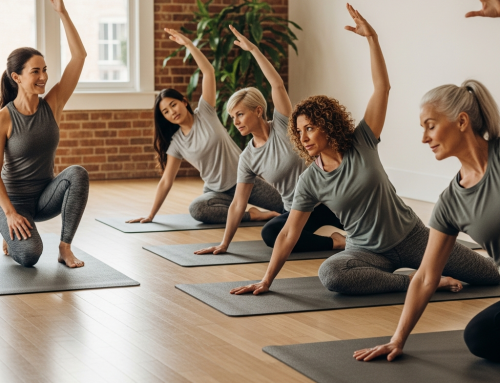
The reality is that the person flowing gracefully next to you has probably been coming for two or three years. They were you once. Most Pilates communities – and the ones around Cedar Hill tend to be pretty welcoming – are genuinely supportive rather than competitive. But if a mixed-level class is making you dread going, look specifically for beginner-only series. Many studios run them in 6 or 8-week cycles. Starting with a cohort of people who are also just figuring out the footwork changes everything about how safe it feels to be a beginner.
Results Take Longer Than You Want Them To
This is probably the hardest one. Pilates builds strength from the inside out, and that’s genuinely not fast work. You might be three weeks in, feeling better in your body, sleeping a bit more soundly, noticing your posture has shifted – but not seeing dramatic external changes yet. That gap between feeling different and looking different can be discouraging.
Track the quiet wins. How’s your back feeling? Are you standing taller without thinking about it? Can you get up from the floor more easily than you could last month? Those things matter enormously – especially in the context of a medical weight loss plan, where Pilates is doing critical supporting work even when the scale isn’t moving the way you’d hoped.
What to Actually Expect When You Start
Let’s be honest for a second – because you deserve straight talk, not a sales pitch. Pilates is genuinely wonderful, but it’s not magic. If you walk into your first class expecting to feel like a completely different person by Friday, you’re going to be disappointed. And that would be a shame, because the real results? They’re worth waiting for.
The first week or two is mostly about learning. Your brain is trying to figure out where your body is in space – something instructors call proprioception, though you don’t need to remember that word – and your muscles are firing in patterns they’ve probably never used before. You might feel slightly awkward. You might feel sore in places you didn’t know existed. That’s not failure. That’s your body waking up.
Most people start noticing small shifts around the four to six week mark. Not dramatic transformations – we’re talking subtle things. Standing a little taller without thinking about it. Fewer aches after sitting at your desk all day. A little more ease getting up from the floor. These changes sneak up on you, which is honestly kind of the best way.
The Timeline Nobody Talks About
Here’s something that often surprises people: the benefits you’re hoping for – stronger core, better posture, weight management support, reduced back pain – they build on each other over months, not days. Think of it like compound interest. The early deposits feel small, but they’re doing important work underneath the surface.
By the three-month mark, if you’ve been consistent (two to three classes per week is a solid rhythm), most people feel a genuine difference in how they move through daily life. Clothes might fit differently. Your body mechanics shift in ways that reduce strain. Some people notice mood improvements before they notice physical ones, which makes a lot of sense given how much breathwork and mindful movement affect stress levels.
Weight loss specifically – and this matters if that’s part of your goal – is rarely dramatic with Pilates alone. It works best as part of a broader approach, which is exactly why pairing it with clinical support from a medical weight loss program makes such a difference. Pilates builds the body you can actually sustain the changes in. It changes your relationship with movement. But if you’re expecting the scale to drop significantly from Pilates alone in the first month, that expectation needs adjusting.
Making the Most of Your First Few Classes
A few practical things that actually help, from people who’ve been through exactly where you’re standing right now…
Show up a few minutes early and tell the instructor it’s your first time. Every time. Don’t assume they’ll remember. A good instructor will modify movements for you and keep an eye on your form, but they need to know you’re new. Don’t be shy about it – every single person in that room was new once.
Wear something you can actually move in. This sounds obvious but fitted clothing helps instructors see your alignment – those flowy yoga pants that bunch up? Maybe save those for later.
Don’t skip the beginner classes to jump straight into a more advanced format, even if you’re reasonably fit. The fundamentals in Pilates are genuinely different from other exercise, and trying to rush past them usually means building habits you’ll have to unlearn later. It’s one of those situations where slower actually gets you there faster.
Where to Go From Here
If you’re in the Cedar Hill area and you’ve been sitting on the fence about trying a class, the most useful thing you can do is just… go to one. One class. You don’t have to commit to anything beyond showing up.
Many local studios offer introductory packages or drop-in options specifically so you can get a feel for the environment and the instructors before you invest in a membership. Take advantage of that. Different studios have genuinely different cultures, and finding the right fit matters for whether you’ll actually stick with it.
And if weight management is a meaningful part of why you’re exploring this, consider booking a consultation with a medical weight loss provider alongside your Pilates exploration. Having clinical support – real accountability, personalized guidance, the full picture of what your body needs – and a movement practice you actually enjoy? That combination tends to produce results that neither approach achieves on its own.
Give it three months. Show up consistently. Be patient with yourself on the hard weeks. That’s the realistic, honest version of what comes next.
You’ve probably noticed a theme running through everything we’ve talked about here – and it’s not really about Pilates at all. It’s about finding something that actually works *for* you. Something that meets you where you are, whether that’s recovering from a nagging back injury, trying to rebuild confidence in your body, or just finally looking for movement that doesn’t feel like punishment.
That’s what makes this kind of practice so different from the “just push harder” fitness culture that leaves so many people burned out and discouraged.
It Adds Up to More Than Exercise
Here’s the thing nobody really tells you upfront: the benefits we’ve covered aren’t isolated perks that show up in neat little boxes. They layer on top of each other. Better core strength supports your posture. Better posture reduces your pain. Less pain improves your sleep. Better sleep steadies your mood and your appetite. Suddenly you’re not just “doing Pilates” – you’re feeling like yourself again. Maybe even better than yourself.
That compounding effect? It’s genuinely one of the most powerful things about low-impact, consistency-based movement. It rewards showing up, even on the days you don’t feel like it.
The Cedar Hill Advantage Is Real
There’s also something to be said for keeping wellness local. When your studio is close to home – woven into your regular routine rather than requiring some heroic commute – you actually go. And going consistently is the whole game, honestly. The best workout program in the world means nothing if it lives permanently on your to-do list.
Cedar Hill’s growing wellness community means you’re not doing this alone, either. There are instructors who know your name, neighbors who share your goals, and real human accountability that no app can replicate. That matters more than most people expect it to.
You Don’t Have to Figure This Out Alone
If you’ve been reading this and nodding along, maybe thinking *okay, but where do I even start* – that’s completely normal. Starting something new, especially when you’ve had frustrating experiences before, takes a certain kind of courage.
And if weight loss is part of your bigger picture, it’s worth knowing that movement like Pilates works beautifully alongside a medically guided approach. Our clinic works with people every day who are piecing together sustainable habits – not chasing quick fixes, but building something real. We’d genuinely love to be part of that conversation with you.
No pressure, no sales pitch. Just a team of people who understand that this stuff is complicated and personal, and who are here when you’re ready to talk it through.
When You’re Ready
You don’t have to overhaul everything overnight. You don’t have to have it all figured out before you reach out. Actually, most of the people we work with come to us mid-question, not mid-answer – and that’s exactly the right time.
If you want to explore how Pilates, nutrition, and medical support could work together for your specific goals, we’re here. Reach out, ask your questions, and let’s have a real conversation about what might actually help *you*.
Because you deserve support that feels like support – not a program that makes you feel like you’re failing it. There’s a version of this that feels good. And it might be closer than you think.