Pilates Close to Me: Finding Quality Instruction Near Pleasant Grove
You know that feeling when you’ve finally decided to do something good for yourself – like, really committed to it – and then you spend the next two hours down a rabbit hole of Google reviews, studio websites with stock photos, and Instagram pages that tell you absolutely nothing useful? You close your laptop feeling somehow *more* confused than when you started.
That’s most people’s experience looking for Pilates instruction near Pleasant Grove.
And here’s the thing – it actually matters which studio you choose. A lot. Pilates isn’t like joining a gym where you can mostly figure it out on your own. The method has real depth to it, with principles that take time and expert guidance to genuinely understand. The wrong instructor – someone who’s teaching it casually, without proper training – can leave you frustrated, bored, or worse, nursing a nagging injury that wasn’t there before. The right one? They can change the way you move through your entire life. That sounds dramatic, but ask anyone who found their person and they’ll tell you exactly that.
So if you’re somewhere around Pleasant Grove trying to figure out whether that studio on the corner is worth it, or whether you should drive twenty minutes to the place your coworker swears by, this is for you.
Why People Are Coming to Pilates Right Now
There’s been this quiet wave of people discovering (or rediscovering) Pilates, and it’s not hard to understand why. After years of high-intensity everything – HIIT, boot camps, the kind of workouts that leave you wrecked for three days – a lot of people are craving something that actually feels *sustainable*. Something that doesn’t make you dread your alarm clock.
Pilates delivers results without that punishing quality. Stronger core, better posture, fewer aches in places you’d forgotten about. But it does it in a way that feels almost… civilized? You finish a session feeling challenged but not destroyed. That’s a genuinely rare thing.
It’s also worth saying that Pilates has become something of a revelation for people dealing with back pain, post-injury recovery, or just the general stiffness that accumulates from sitting at a desk for eight hours a day. Physical therapists recommend it. Doctors suggest it. Athletes use it as cross-training. It has this wonderfully broad appeal because it meets you exactly where you are.
What Makes Pleasant Grove an Interesting Place to Look
The area around Pleasant Grove has grown considerably – and with that growth has come a real expansion of wellness options. Which sounds like good news, and mostly it is. But more options also means more variation in quality, in approach, in teaching philosophy. Not every studio that opened in the last few years has the depth of instruction that the method really deserves.
That’s actually what makes knowing *what to look for* so important. You’re not just shopping for convenience – though location absolutely matters, because a studio you won’t actually drive to is a studio that helps no one. You’re also looking for credentials, for teaching style, for whether the environment feels like somewhere you’d want to spend time regularly.
What You’re Going to Learn Here
This article is going to walk you through everything that actually matters when you’re evaluating Pilates options near Pleasant Grove. We’ll talk about the difference between mat and reformer classes – because people get confused about this and it genuinely changes what you’re looking for. We’ll get into instructor credentials, what certifications actually mean, and honestly, a few red flags to watch out for.
We’ll also talk about the practical stuff – class sizes, pricing structures, trial offers, and what questions you should absolutely ask before committing to a membership. Because a good studio should welcome those questions. If they don’t? That’s information too.
The goal here isn’t to overwhelm you with options. It’s to give you a clear, honest framework so that when you do walk into a studio – or scroll through their website, or make that first phone call – you know exactly what you’re looking at. You’ll be able to tell within about five minutes whether a place is the real deal.
Finding quality Pilates instruction near Pleasant Grove is genuinely possible. You just need to know what you’re looking for.
What Pilates Actually Is (And Isn’t)
Here’s the thing most people get wrong when they first start looking into Pilates – they assume it’s basically yoga with a different name, or maybe just stretching with some fancy equipment. Totally understandable assumption. But it’s actually its own distinct system, developed in the early 20th century by a guy named Joseph Pilates, who was – and this is genuinely interesting – a German-born fitness enthusiast who designed exercises to help bedridden patients during World War I. The method traveled with him to New York, where dancers and athletes eventually made it their own.
At its core, Pilates is a movement system built around strengthening what’s called the “powerhouse” – essentially your deep core muscles, the ones you can’t really see in the mirror but absolutely feel the next morning when you’ve actually worked them. Think of it less like a workout and more like… recalibrating how your body moves. Your spine, your hips, your shoulders – everything starts communicating better.
The Mat vs. The Reformer Thing
This is where it gets a little confusing, and honestly, it trips up a lot of people searching for classes near Pleasant Grove. There are two main branches of Pilates instruction you’ll encounter.
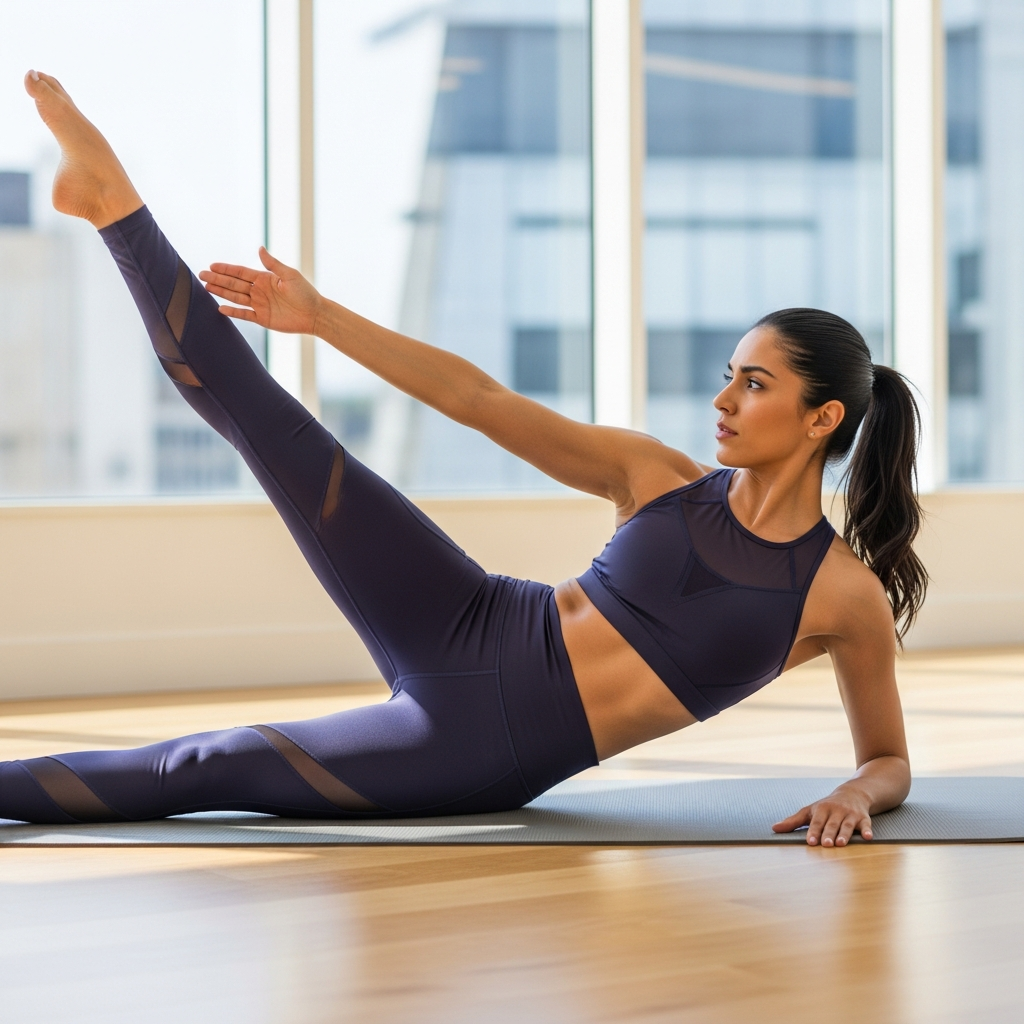
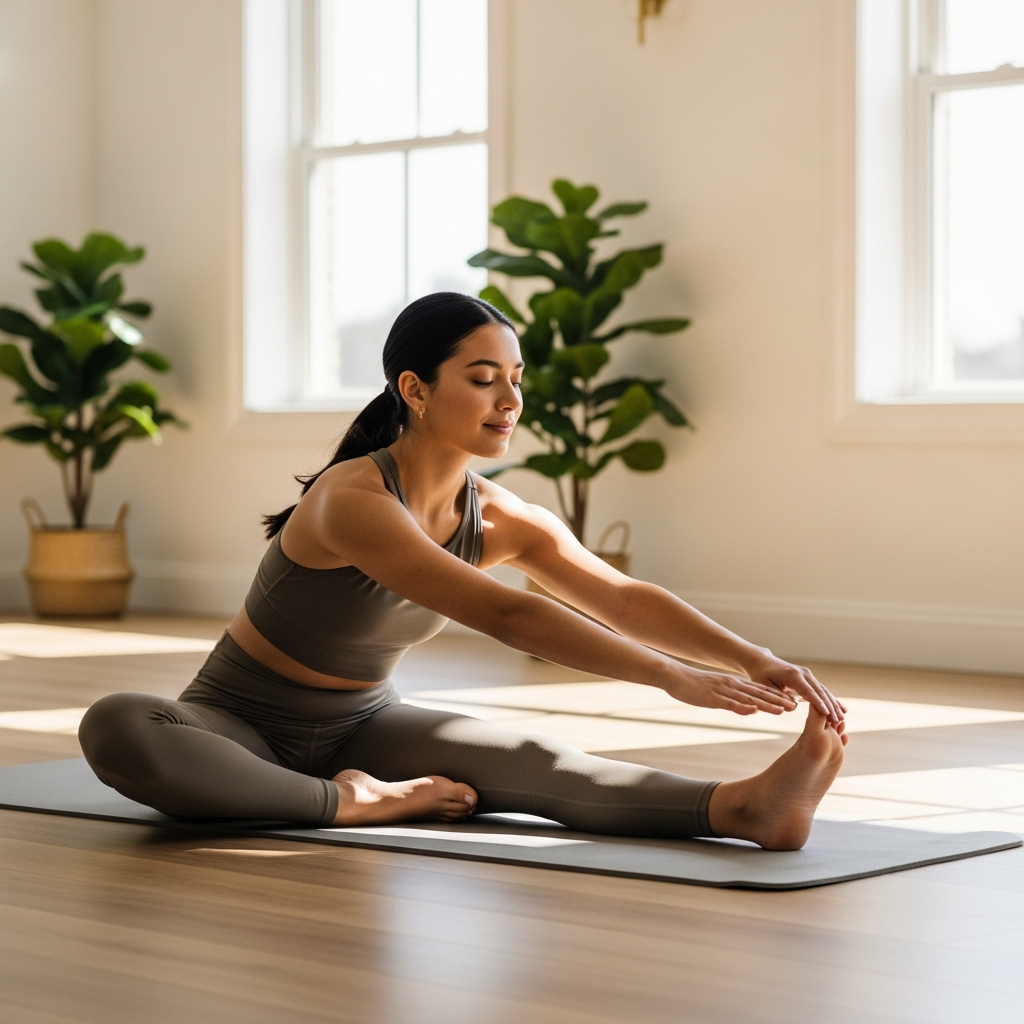
Mat Pilates is exactly what it sounds like – exercises performed on a mat, using your body weight as resistance. It’s accessible, you can technically do it anywhere, and a solid mat class is genuinely challenging. Don’t let the simplicity fool you.
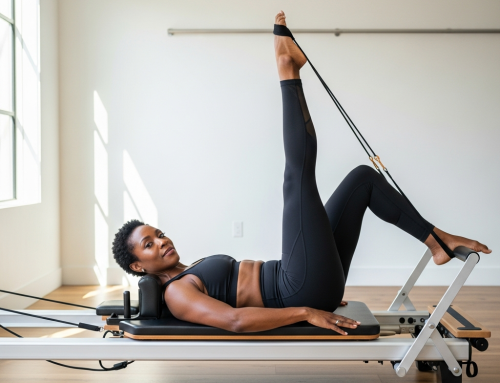
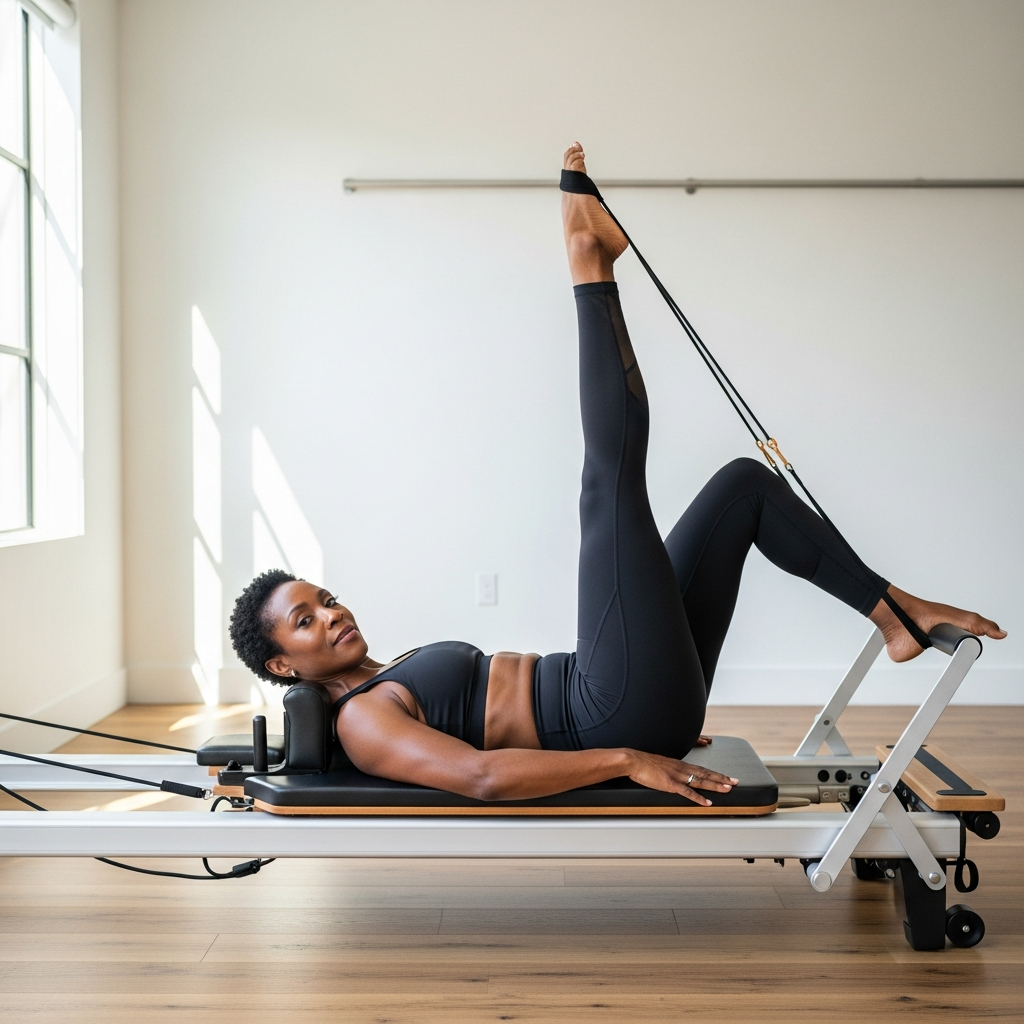
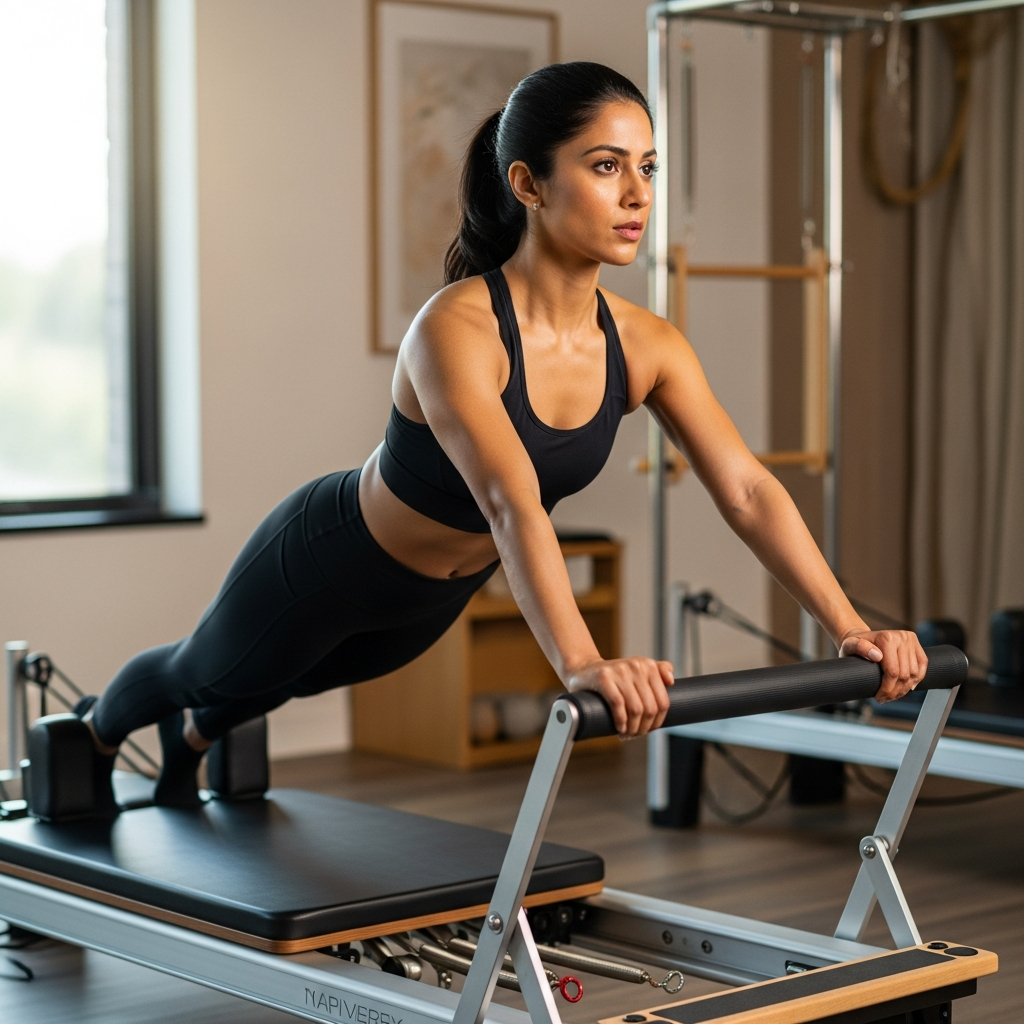
Then there’s Reformer Pilates, which involves a sliding carriage on a spring-loaded frame that looks – I won’t lie – a little bit like a medieval torture device when you first see it. It’s not. It uses adjustable spring resistance to support and challenge your movements simultaneously, which is actually a pretty elegant concept once you get past the intimidating appearance. The springs help beginners feel positions correctly before their bodies have the strength to hold them independently. That’s counterintuitive but brilliant – the resistance actually teaches you, rather than just exhausting you.
Many studios near Pleasant Grove offer both, and some instructors blend equipment throughout a single session.
Why “Core Work” Means Something Different Here
You’ve probably heard “core” thrown around until it’s lost all meaning. In most fitness contexts, people mean crunches, planks, maybe some bicycle kicks. Pilates takes a more… architectural approach to it.
The focus is on the deep stabilizing muscles – the transverse abdominis, the multifidus along your spine, your pelvic floor – muscles that form almost like an internal corset around your midsection. These aren’t muscles you’re used to feeling in a workout. Activating them properly takes real instruction, which is a big part of why quality instruction near you matters so much.
Actually, that reminds me of a useful way to think about it: imagine your spine is a ship’s mast. The muscles around it are the rigging. Most people are running around with loose, inefficient rigging and wondering why their back hurts or their posture looks the way it does. Pilates is essentially about tightening and balancing that rigging so everything runs cleaner.
The Six Core Principles
Joseph Pilates built his method on six foundational principles, and understanding them helps you recognize good instruction when you find it. They’re concentration, control, centering, flow, precision, and breathing.
Breathing is worth mentioning specifically because it operates differently than in yoga or standard exercise – you exhale on the effort, which helps engage that deep core we talked about. First time you try this consciously, you’ll probably do it backwards. Everyone does.
The point isn’t perfection. The point is intentional movement – bringing genuine attention to what your body is doing rather than just grinding through repetitions. That mental component is actually one of the reasons Pilates tends to appeal to people who feel disconnected from their bodies or recovering from injury. It slows everything down enough to actually notice what’s happening.
Why It Matters for Your Health Goals
If you’re exploring Pilates through a medical weight loss context – or you’re working through physical limitations, chronic back pain, or just starting movement again after a long break – the low-impact nature is a genuine asset. It builds functional strength without hammering your joints. Progress can feel slower than a high-intensity class, but the changes tend to stick because you’re building real movement patterns rather than just burning through a session.
That’s the foundation. Everything else – finding the right studio, vetting instructors, knowing what to ask – builds from here.
What to Actually Look for When You Walk In the Door
Here’s something most people don’t know: you can tell a lot about a Pilates studio before you even take a single class. Walk in and look around. Is the equipment maintained? Reformer springs should be smooth, straps shouldn’t be fraying, and the carriage should glide without that awful squeaking noise. A studio that takes care of its equipment takes care of its clients. It sounds obvious, but you’d be surprised how many people skip this step entirely.
Ask to watch a class before you commit. Most quality studios in the Pleasant Grove area will say yes without hesitation – actually, the good ones will invite you to do this. If they push back or make you feel like you’re being weird for asking? That tells you something.
The Instructor Credentials That Actually Matter
Not all certifications are created equal, and this is where it gets a little complicated. Look for instructors with comprehensive Pilates certification – that means they completed a full training program (usually 450-600+ hours), not just a weekend workshop. The Pilates Method Alliance used to be the gold standard for verifying this, and many reputable instructors still hold that credential or something equivalent.
The two main lineages you’ll hear about are classical Pilates and contemporary. Classical stays closer to Joseph Pilates’ original work. Contemporary incorporates modern biomechanics research. Neither is wrong – they’re just different flavors. What matters more is whether the instructor can actually *see* your body, understand what it needs, and modify accordingly. Ask them directly: “How do you handle clients with lower back issues?” or “What would you do if I can’t do a full roll-up?” Their answer will tell you everything.
Finding Studios That Won’t Just Throw You in a Group Class
This might be the most important thing I can tell you. If you’re brand new to Pilates, or if you’re dealing with any kind of injury or health condition – and honestly, most of us are dealing with *something* – you really want at least a few private or semi-private sessions first.
Good studios near Pleasant Grove will require this, actually. They’ll call it an introductory assessment or a foundations session. It costs a bit more upfront, but think of it like getting fitted for running shoes instead of just grabbing whatever’s on the shelf. You’ll learn faster, avoid compensating with the wrong muscles, and dramatically reduce your chance of getting frustrated and quitting by week three.
Studios that let anyone just walk into a group reformer class day one? Proceed with caution.
How to Use Online Reviews Without Getting Fooled
Google reviews are helpful but noisy. What you’re really scanning for isn’t the star rating – it’s the *specifics* in the written reviews. Reviews that say things like “Sarah really noticed my hip was dropping and corrected it immediately” or “they actually remembered my knee surgery from six months ago” – those are gold. That’s real feedback about real instruction.
Vague five-star reviews that just say “great vibes, loved it!” don’t tell you much. Could be a wonderful studio. Could just have a very enthusiastic front desk person.
Also worth checking: how does the studio respond to negative reviews? A defensive, dismissive response to a complaint is a red flag. A thoughtful, professional one suggests they actually care about getting it right.
A Few Practical Questions Worth Asking Before You Sign Anything
Before you commit to a package or membership – and studios will often push you toward this quickly – get clear answers on a few things
– What’s the cancellation policy? Life happens. You need to know if missing a class costs you that session. – Class size limits? For reformer classes especially, anything over 8-10 people makes it genuinely hard for an instructor to give meaningful feedback. – Do they offer any specialties? Pre/postnatal Pilates, osteoporosis-safe modifications, scoliosis work – if any of this applies to you, find a studio that specifically advertises experience in that area, not one that just says they “can accommodate” it.
One last thing – and I say this as someone who’s seen people agonize over this decision for months – don’t let perfect be the enemy of good. The best studio is the one you’ll actually go to. Close enough to your home or office in Pleasant Grove that it doesn’t feel like a production to get there, with an instructor who makes you feel seen rather than lost in the shuffle. That combination? That’s what keeps people coming back.
When Life Gets in the Way (And It Will)
Let’s be real for a second. You’ve probably already googled studios, maybe even bookmarked a few. But there’s a gap between “I’m going to try Pilates” and actually showing up consistently – and that gap is where most people quietly give up. Not because they’re lazy. Not because Pilates isn’t for them. Usually it comes down to a handful of very predictable obstacles that nobody warns you about.
So let’s talk about them honestly.
The Scheduling Problem Is Worse Than You Think
Finding a class that fits your life sounds simple until you’re staring at a studio schedule that seems designed for people who don’t have jobs. Early morning reformer classes fill up fast – sometimes within hours of opening. Evening spots? Same story.
The solution most people don’t consider: get on a waitlist the same day you decide you want to try it. Don’t wait until you feel “ready.” Studios near Pleasant Grove often have cancellation windows of 12-24 hours, and spots open up more than you’d expect. Also worth asking about is whether the studio has an app that shows real-time availability – many do now, and it genuinely changes the experience of scheduling.
And honestly? If group classes feel impossible to book consistently, private sessions might actually serve you better, even though they cost more upfront. One reliable weekly appointment beats three inconsistent group classes every time.
Your Body Will Protest. That’s Normal, But Confusing.
Here’s something instructors sometimes forget to mention: the first few weeks of Pilates can feel weird in ways that are hard to describe. Not exactly painful, but… unfamiliar. You’ll use muscles that have essentially been asleep for years, and they will have opinions about being woken up.
The tricky part is figuring out the difference between “good” soreness and something that actually needs attention. A quality instructor near you should be explaining that distinction as you go – if they’re not checking in with you during class or after your first few sessions, that’s worth noticing. Don’t push through sharp joint pain. Ever. But deep muscular fatigue the day after? That’s just the work.
Talk to your instructor. This seems obvious but so many people suffer in silence because they don’t want to seem like they’re complaining. Good teachers want to know.
The “I’m Not Flexible Enough” Spiral
You’d be amazed how many people have talked themselves out of Pilates before they ever stepped into a studio. They watch a video online, see someone’s spine bending in directions that seem physically impossible, and quietly decide it’s not for them.
This is backwards thinking – Pilates is literally how you become more flexible. You don’t arrive flexible. You get there.
Actually, that reminds me of something a good instructor once said: “I don’t want students who are already good at this. I want students who need it.” Look for studios around Pleasant Grove that specifically market beginner series or foundational classes. These aren’t dumbed-down versions. They’re where the real learning happens, and they’re designed for exactly where you are right now.
Cost Is a Real Barrier and Pretending Otherwise Doesn’t Help
Quality Pilates instruction isn’t cheap. A single reformer class might run $25-40, and packages can feel like a significant investment when you’re not sure you’ll even like it. That’s a legitimate concern, not an excuse.
A few genuinely useful approaches: many studios offer an introductory deal – sometimes three classes for a flat fee – that lets you test the waters before committing. Community Pilates classes or mat-based group sessions are almost always more affordable than reformer work and can give you a solid foundation. Some studios near Pleasant Grove also offer class trades or work-study arrangements if you ask directly. It doesn’t hurt to ask.
What doesn’t work? Buying a giant class package on impulse because it felt like a good deal, then feeling guilty every time you don’t use it.
Finding an Instructor You Actually Like
This one’s underrated. The technical skill of an instructor matters, yes – but so does whether you feel comfortable in their presence. Some instructors are quiet and precise. Others are chatty and motivating. Neither is wrong.
If your first class feels off and you can’t put your finger on why, try a different instructor at the same studio before you write the whole place off. The personality fit matters more than people expect, and it might just be the difference between sticking with it and quietly canceling your membership after six weeks.
What to Actually Expect in Your First Few Weeks
Let’s be honest with you here – because a lot of fitness marketing isn’t. Pilates isn’t magic. It won’t transform your body in two weeks, and anyone who promises otherwise is selling something you don’t need.
What you *will* likely notice in those first couple of weeks is a strange kind of tiredness. Not the exhausted, beat-up feeling you might get from a hard run – more like a deep muscle fatigue in places you forgot existed. Your inner thighs. The muscles along your spine. That weird area just under your shoulder blades. That’s actually a good sign. It means you’re engaging muscles that have probably been on a long, unauthorized vacation.
Expect some confusion too. Pilates has its own language – neutral spine, imprinting, thoracic rotation – and it takes a few sessions before any of that clicks. Most beginners feel a little lost in class, and that’s completely normal. Your instructor has watched hundreds of people work through exactly the same learning curve.
The Realistic Timeline (Because You Deserve the Truth)
You’ve probably heard the old Joseph Pilates quote about feeling the difference in 10 sessions, seeing a difference in 20, and having a new body in 30. It’s a nice idea. The reality? A little more nuanced.
For most people – and this is a genuine average, not cherry-picked success stories – noticeable improvements in posture and core awareness start showing up around weeks four to six. Not a dramatic transformation. More like… you’ll catch yourself sitting differently at your desk. You’ll get out of your car and realize your lower back didn’t complain. Small things that quietly add up.
Weight-related changes, if that’s part of your goal, take longer. Pilates builds lean muscle and improves body composition, but it’s not a high-calorie-burn workout in the traditional sense. Paired with a thoughtful nutrition plan – which, hey, is something our clinic can actually help with – the results compound in a way that’s genuinely sustainable. On its own? Give it three to four months before you judge it fairly.
Finding the Right Fit Near Pleasant Grove
Here’s something nobody tells you before you start: the instructor matters as much as the method. Maybe more. A mediocre teacher in a beautiful studio will get you less results than a passionate, well-trained instructor in a modest space with average equipment.
So when you’re exploring options near Pleasant Grove, take advantage of intro offers. Most quality studios offer a discounted first class or a new student package – use that window to see how the instructor cues, whether they offer modifications, and honestly, whether you feel comfortable asking questions. If you feel judged or rushed after session one, trust that instinct. The right studio wants you to succeed.
A few things worth asking when you visit
– How many students are in a reformer class? (Anything over eight and individual attention gets tricky) – What’s the instructor’s certification background? BASI, Balanced Body, and STOTT are reputable programs – Is there a beginner series or foundation course available?
That last one matters more than people realize. Jumping into an intermediate class too soon is a fast track to frustration and potential injury.
Your Next Practical Steps
So you’re interested. What now? Don’t overthink this part.
Start by mapping out studios within a reasonable distance from Pleasant Grove – and “reasonable” means whatever you’ll actually commit to. A beautiful studio that’s forty-five minutes away is a studio you’ll stop going to by February. Be honest with yourself about that.
Reach out to two or three places this week. Just send an email or make a quick call asking about beginner options and pricing. That small action has a way of building momentum.
And if you’re coming to Pilates specifically because of back pain, a recent injury, weight loss goals, or a chronic health condition – consider having a conversation with a medical provider first. Actually, that’s something we genuinely encourage at our clinic, because Pilates works *best* when it’s part of a bigger picture of your health, not just a standalone thing you added to your Tuesday mornings.
The results are real. They just take time – real time, not Instagram-reel time. Give yourself the grace of a fair timeline, find an instructor who makes you feel supported, and show up consistently. That’s genuinely the whole formula.
Finding the right Pilates instructor isn’t something that happens overnight – and honestly, that’s okay. You’re not just looking for someone to count your reps. You’re looking for a teacher who actually sees you, understands where your body is starting from, and knows how to help you build strength in a way that feels sustainable rather than punishing. That’s a higher bar than it sounds, and it’s worth taking the time to get it right.
The Pleasant Grove area has more options than most people realize, which is both exciting and a little overwhelming. A quick search can leave you drowning in studio websites and Google reviews, trying to figure out who’s actually qualified and who just took a weekend certification course and called it good. Trust your gut when you visit a space. Notice whether the instructor asks about your history before just launching into class. Notice whether they correct your form or just let you muddle through. Those small things tell you a lot.
And here’s something worth remembering – Pilates works best when it works *with* you, not at you. The method was literally designed to meet people where they are, whether that’s recovering from a back injury, rebuilding after a difficult season in life, or simply wanting to move better and feel more like yourself. There’s no version of “too out of shape to start.” That’s a myth. Actually, some of the most transformative Pilates experiences happen for people who’ve never done anything like it before.
The connection between physical movement and overall health runs deeper than most of us appreciate day-to-day. When you find instruction that’s genuinely good – thoughtful, personalized, rooted in real anatomy – you start to notice changes that go beyond toned abs or better posture. People often mention sleeping better, feeling less anxious, having more patience. Your body and your health are connected in ways that a good movement practice quietly tends to, almost without you noticing it’s happening.
So wherever you are in this process – still just curious, already halfway through comparing three studios, or maybe you’ve tried Pilates before and it didn’t quite click – don’t give up on finding something that actually fits. The right fit exists. It might take a trial class or two to land there, but it’s worth it.
If you’d like a little guidance along the way, we’re here. At our clinic, we take a whole-person approach to health and movement – and that means we’re happy to talk through your goals, your physical history, and what kind of support might genuinely serve you best, whether that points you toward Pilates, another modality, or something else entirely. No pressure, no sales pitch. Just an honest conversation with someone who cares about your wellbeing.
Reach out whenever you’re ready. Even if you just have questions. We’ve helped a lot of people in the Pleasant Grove area figure out their next step, and we’d love to help you figure out yours too.