7 Reasons Pilates Is a Smart Workout Choice in Pleasant Grove
You know that feeling when you drag yourself to a high-intensity workout class, spend the entire time just trying to keep up, and then spend the next three days walking like a robot because your legs have completely staged a revolt? Yeah. Most of us have been there more times than we’d like to admit.
Here’s the thing – somewhere along the way, we all got sold this idea that “real” exercise has to leave you gasping, sweating through your shirt, and basically questioning your life choices. More pain, more gain, right? But what if that whole philosophy has been steering a lot of us in completely the wrong direction?
Pilates has this reputation problem. People hear the word and immediately picture either elite dancers stretching in some impossibly graceful way, or maybe they flash back to that one reformer class they tried where they felt like they were operating complicated NASA equipment. Neither image exactly screams “accessible, practical workout for my actual Tuesday morning.” And honestly? That reputation has kept a lot of genuinely curious people from trying something that might quietly change everything about how they feel in their body.
Why This Conversation Is Happening Right Now
Pleasant Grove has been quietly building something worth paying attention to – a real wellness community, the kind where people are making intentional choices about their health rather than just chasing whatever fitness trend showed up in their social media feed last Thursday. And increasingly, Pilates is becoming part of that conversation. Not because it’s trendy (though it does seem to be having a moment), but because it *works* – and it works in ways that stack up beautifully alongside the kind of medically-guided, sustainable weight loss and wellness goals that actually stick.
If you’re working with a medical weight loss program, or even just trying to build a more consistent, sustainable approach to moving your body, the exercise piece can feel… overwhelming. What should you actually be doing? What won’t destroy your joints or leave you so sore you quit after two weeks? What builds the kind of foundational strength that makes everything else easier?
These are real questions. Not everyone is starting from a place of athletic fitness, and that’s completely fine – that’s actually where most of us are.
What You’re Actually Going to Learn Here
This article is going to walk you through seven genuinely compelling reasons why Pilates deserves a serious look, especially if you live and work out in the Pleasant Grove area. We’re not talking vague promises about “toning” or “lengthening” (whatever that means). We’re talking about real, concrete benefits – things like how Pilates supports core stability in ways that protect your spine during everyday movement, how it can be modified to work for almost any fitness level or physical limitation, and why the mind-body connection it builds tends to create habits that actually last.
We’ll also talk a bit about how it fits into a broader wellness picture. Because exercise – good exercise – isn’t just about burning calories. It’s about building a body that feels capable and resilient, which is especially important when you’re making bigger lifestyle changes.
Actually, there’s one thing worth saying upfront: Pilates isn’t magic. It won’t replace everything else, and it’s not going to deliver overnight transformations. Anyone who promises that about any workout is… well, you know. But what it *can* do, consistently and reliably, is build a kind of quiet strength that sneaks up on you. One day you realize you’re standing differently. Your back hasn’t been bothering you. You got through a whole afternoon without that three o’clock slump hitting like a freight train.
Small things. But small things add up to big ones.
Whether you’re completely new to structured exercise, you’re coming back after a long break, or you’re just genuinely curious whether Pilates is worth your time and money in Pleasant Grove specifically – you’re in the right place. By the time you finish reading, you’ll have a clear, honest picture of what Pilates can actually offer you and whether it fits where you’re trying to go with your health.
Let’s get into it.
What Pilates Actually Is (And Isn’t)
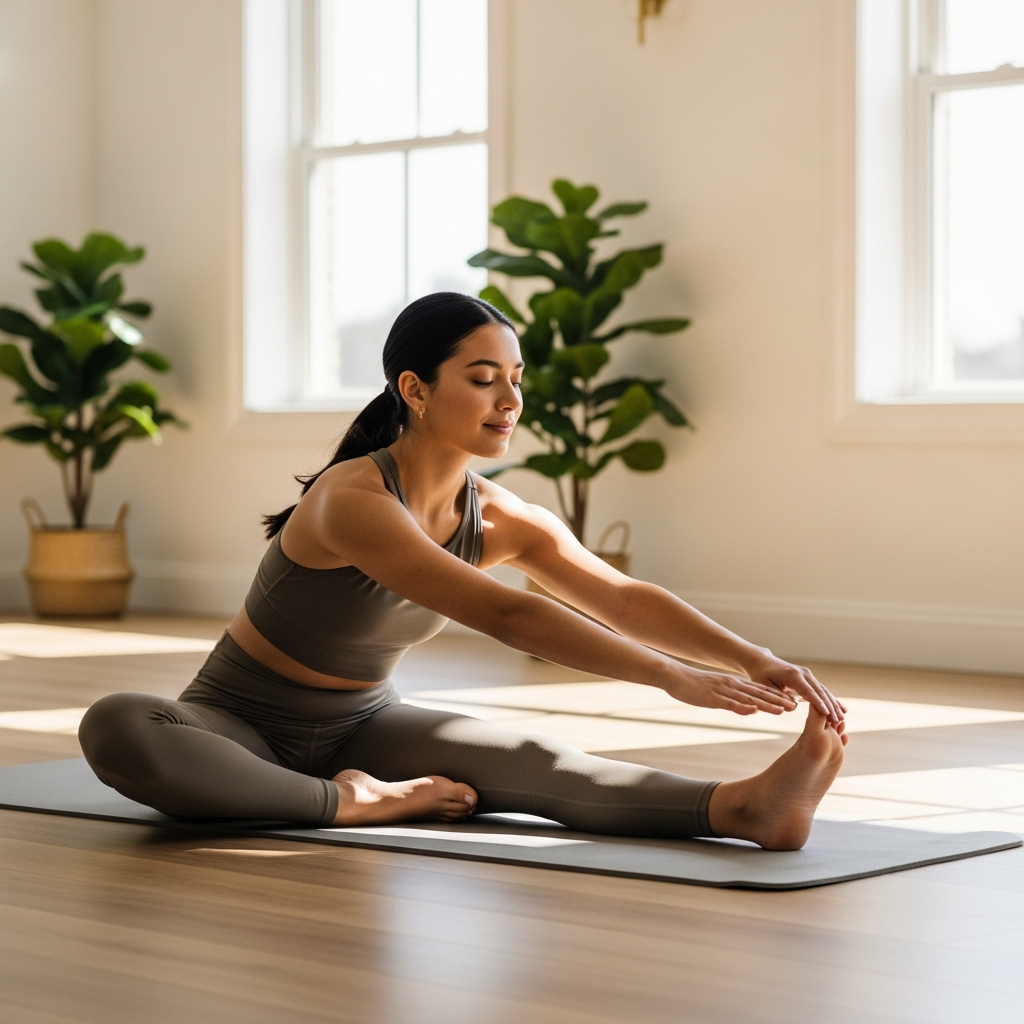
Let’s clear something up right away – Pilates is not just stretching. It’s not yoga’s quieter cousin, and it’s definitely not that thing where you lie on a mat and do nothing particularly strenuous. That misconception does Pilates a real disservice, because what Joseph Pilates originally developed in the early 20th century was actually a pretty intense system of controlled, intentional movement designed to build what he called “the powerhouse” – basically your core, but way more comprehensive than that word usually implies.
Think of it this way. Most conventional exercise is like turning up the volume on a speaker – more reps, more weight, more intensity. Pilates is more like tuning the instrument itself. You’re not just making muscles bigger or burning calories in the moment. You’re retraining how your body moves, which muscles fire first, and how everything works together as a system.
The Core Thing – And It’s Not What You Think
Here’s where people get confused, and honestly? It’s worth pausing on. When most of us hear “core work,” we picture crunches. Six-packs. That burning sensation in your stomach after a workout. But your core is actually a three-dimensional structure – it wraps around your spine like a built-in brace, includes your pelvic floor (yes, really), your deep back muscles, your diaphragm, and those deep abdominals that no amount of crunching will ever truly reach.
Pilates targets all of it. The whole canister, if you want to get technical about it. And that’s actually why so many people – including physical therapists, sports medicine doctors, and orthopedic specialists – recommend it for back pain, recovery, and injury prevention. You’re not just training for aesthetics. You’re building the foundational support structure that every single movement in your life depends on.
Two Flavors: Mat vs. Reformer
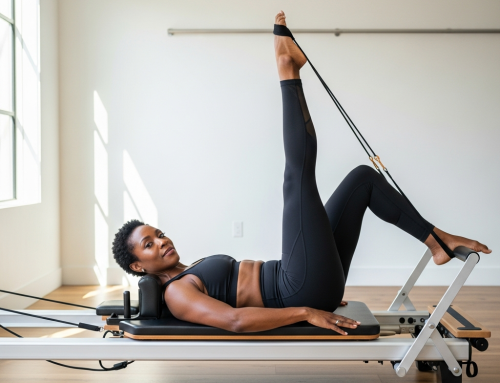
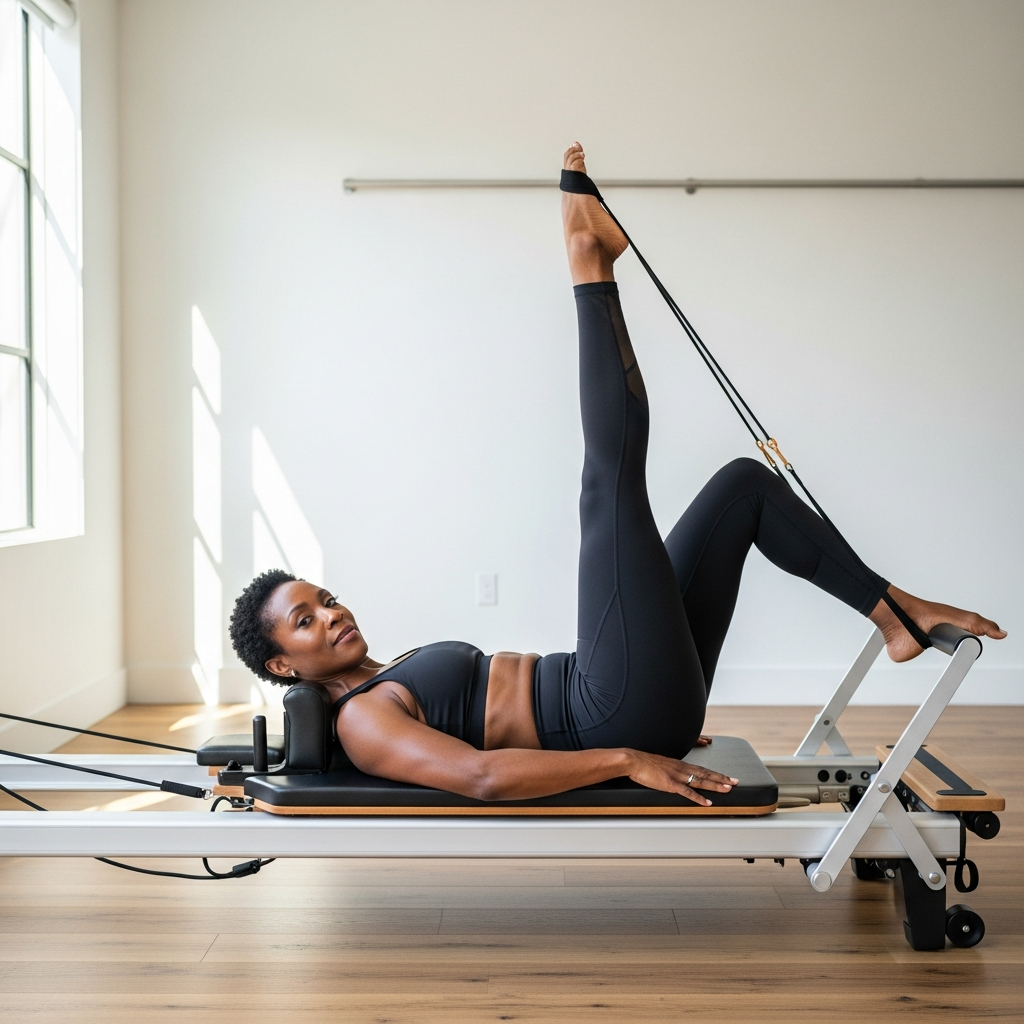
You’ve probably seen the reformer – that sliding carriage contraption that looks like something between a fancy piece of gym equipment and a medieval torture device. Fair reaction, honestly. But it’s remarkably effective.
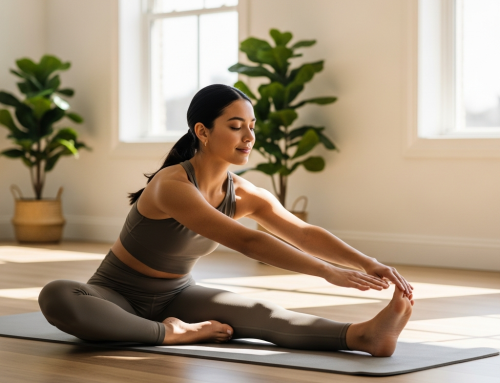
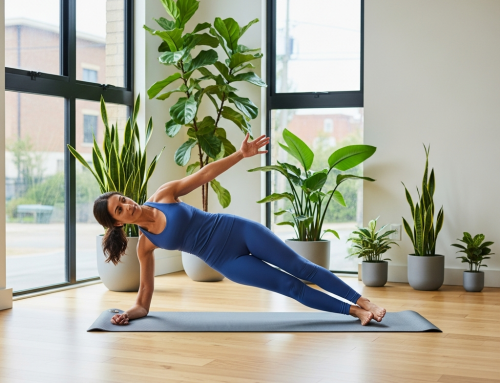
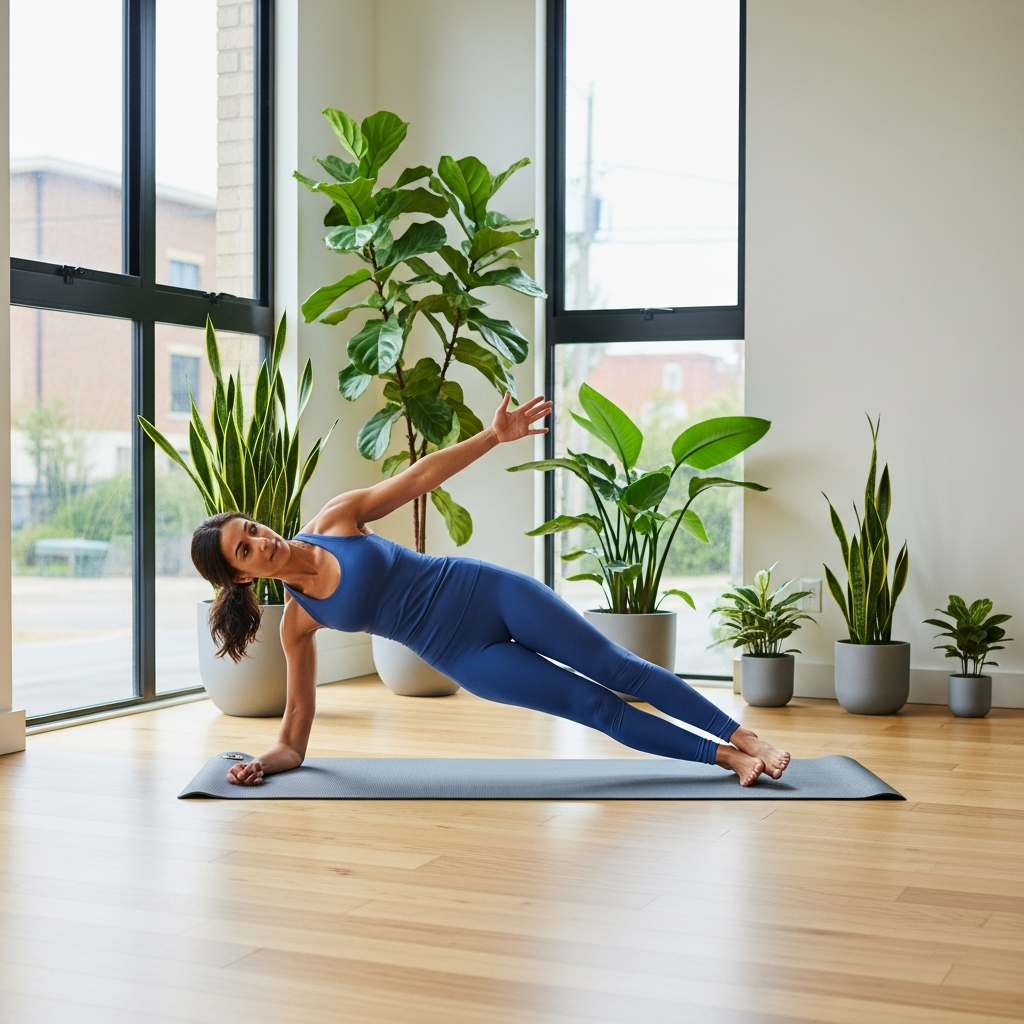
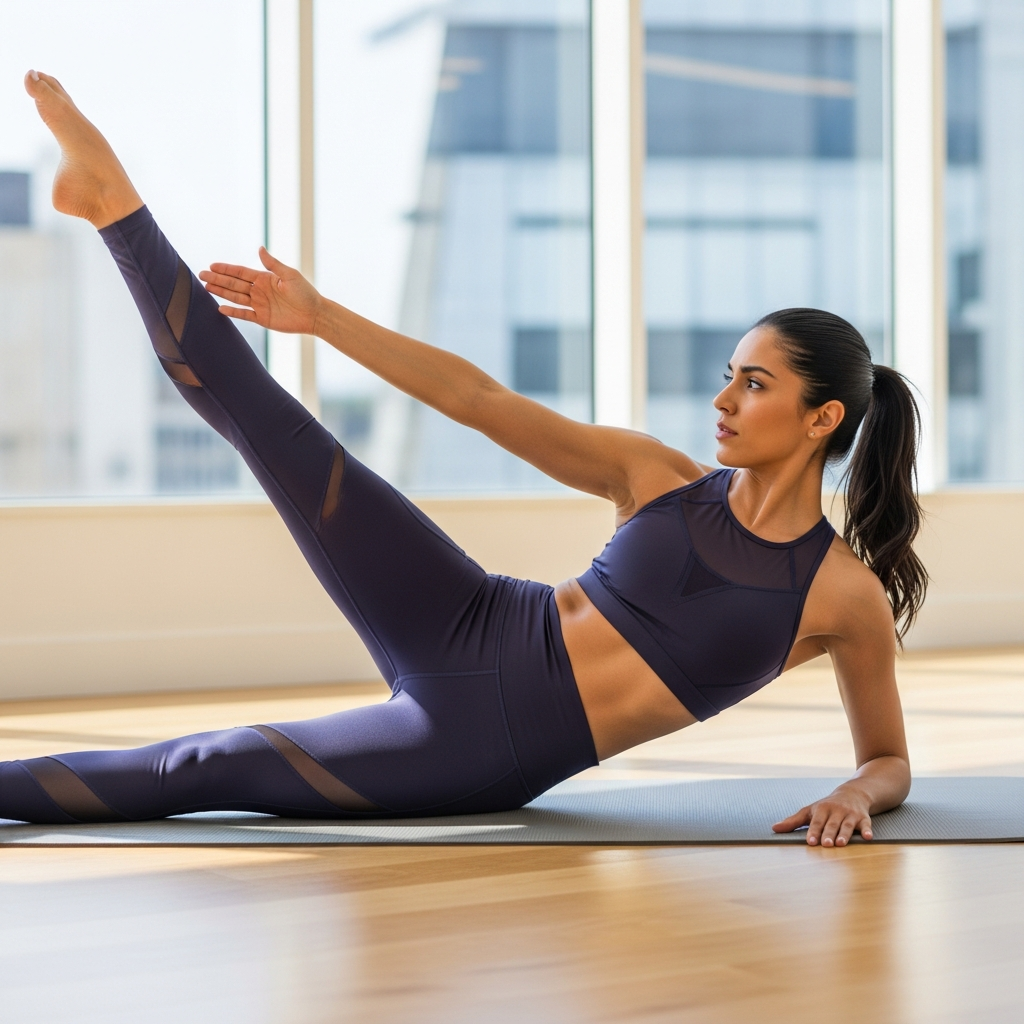
Mat Pilates uses your bodyweight and gravity as resistance. It’s accessible, you can do it anywhere, and it’s still genuinely challenging – don’t let anyone tell you otherwise. Reformer Pilates adds spring resistance, which is this interesting paradox: springs can make exercises easier by assisting movement, or harder by adding resistance, depending on how they’re configured. That adaptability is one of the reasons reformer work translates so well across fitness levels. A 70-year-old recovering from hip surgery and a competitive runner can both be on reformers at the same time, working at completely different intensities.
The Mind-Body Connection (Bear With Me Here)
This phrase gets thrown around so much it’s basically lost all meaning. But in Pilates, it’s actually describing something specific and practical. Each exercise requires you to consciously think about what you’re doing – which part of your body is moving, what’s staying stable, whether your breath is matching the movement. You can’t really zone out on a reformer the way you might on a treadmill.
That level of attention does something interesting over time. It rebuilds what exercise scientists call “neuromuscular pathways” – basically the communication lines between your brain and your muscles. If certain muscles have gone quiet from years of desk work or injury, Pilates essentially wakes them back up and gets them talking again. It’s a little like rebooting a computer that’s been running too many background programs. Things just… work better afterward.
Why Pleasant Grove Is Actually a Great Place for This
This might seem like an odd thing to include in a fundamentals section, but bear with me. The physical environment where you exercise genuinely matters. Pleasant Grove’s active, community-oriented culture means Pilates studios here tend to be collaborative spaces rather than intimidating fitness temples. The altitude – something Utah Valley residents know all too well – also makes lower-impact, resistance-based training particularly smart for building fitness without constantly taxing your cardiovascular system while it adapts.
And with Utah County’s population skewing relatively young but active, local studios tend to offer a wide range of programming. Whether you’re brand new to structured exercise, coming back from something that sidelined you, or already pretty fit and looking for something to complement what you’re doing… there’s almost certainly a class designed with you in mind.
Finding the Right Studio for Your Goals
Not all Pilates classes are created equal – and this matters more than most people realize. In Pleasant Grove specifically, you’ve got a mix of boutique reformer studios, gym-based mat classes, and hybrid wellness centers that blend Pilates with physical therapy approaches. If you’re working through an injury or managing a chronic condition, that last category is worth seeking out. Ask studios directly: “Do your instructors have experience with [your specific issue]?” A good instructor won’t hedge. They’ll either say yes and tell you how, or refer you somewhere better suited. That honesty is actually a green flag.
For beginners, look for small group reformer classes – ideally 8 people or fewer. You need eyes on your form early on, because bad habits in Pilates are sneaky. You might feel like you’re doing the movement correctly while your lower back is quietly picking up all the slack your core should be handling. A crowded class makes that harder to catch.
What to Expect in Your First Few Weeks
Here’s something nobody really tells you: Pilates has a learning curve that can feel frustrating before it feels good. The first two or three sessions? You’ll probably feel slightly lost, mildly sore in muscles you forgot existed, and maybe a little humbled. That’s completely normal. Stick with it past that initial awkward phase.
Weeks two through four are usually when things start clicking. You’ll start to understand what “engage your core” actually means – not just sucking in your stomach, but creating that deep internal brace that stabilizes your whole trunk. Once you feel that? It’s honestly kind of a revelation.
A practical tip: schedule your first four sessions within two weeks of each other. Don’t let a month drift by between classes. Consistency in the early stage builds muscle memory faster, and you’ll progress to the more interesting (and effective) work sooner.
Pairing Pilates with Your Weight Loss Plan
If you’re coming to Pilates specifically to support weight loss, it works best as part of a bigger picture rather than your only tool. Think of it as the foundation layer – it’s building the strength, posture, and body awareness that makes everything else more effective. Your walks feel better. Your other workouts carry less injury risk. Your stress levels drop, which matters enormously for weight management (cortisol is not your friend when you’re trying to lose fat).
For the most metabolic benefit, try pairing two to three Pilates sessions per week with some form of cardiovascular movement – even brisk walking around the neighborhoods in Pleasant Grove counts. The combination is genuinely powerful. Pilates protects your joints and builds lean muscle; cardio burns calories and supports heart health. They complement each other rather than compete.
Actually, that reminds me of something worth mentioning – if you’re on a medically supervised weight loss program, tell your Pilates instructor. They can modify exercises to accommodate where you are physically, and some movements that challenge balance or blood pressure management might need adjustments early on.
Getting More Out of Every Session
A few small things that make a surprisingly big difference
Arrive five minutes early. Not to socialize (though that’s a nice bonus) – but to mentally shift gears. Pilates rewards presence. If you walk in mid-thought about your to-do list and rush straight into class, you’ll go through the motions without the mind-body connection that makes the practice actually work.
Tell your instructor about any pain before class, not after. A sharp pinch during a spinal roll is worth mentioning in the moment. Pilates instructors are trained to offer modifications, and they genuinely want to use them.
Don’t skip the breath cues. They’re not decorative. In Pilates, the breathing pattern is structurally part of how the exercises work – it coordinates with your deep core engagement in a way that amplifies results. Beginners often hold their breath without realizing it, which is essentially leaving half the workout on the table.
Making It Stick Long-Term
The people who get the most out of Pilates are the ones who think of it less like a workout and more like a skill they’re building. There’s always something to refine – a slightly deeper connection, better alignment, more control through a challenging sequence. That progression keeps it interesting for years, not just weeks. In a city like Pleasant Grove, where there’s a growing community of people prioritizing real, sustainable health over quick fixes, you’ll find it’s pretty easy to build a routine that actually lasts.
The Learning Curve Is Real (And That’s Okay)
Let’s be honest about something most fitness studios won’t tell you upfront – Pilates is harder to learn than it looks. You’ll watch someone glide through a reformer class like they’re in slow motion, looking effortless and calm, and then you’ll try it and feel like your brain and body are speaking completely different languages. That disconnect? Completely normal.
The breath coordination alone trips up almost every beginner. You’re supposed to inhale to prepare, exhale to exert, engage your core, keep your shoulders down, point your toes, and not fall off the reformer – all at the same time. It’s a lot. Give yourself a genuine six to eight weeks before you judge whether Pilates “works” for you, because the first few weeks are really just about building a foundation.
The fix: Seek out true beginner classes, not just “all levels” sessions. There’s a difference. And don’t be shy about telling your instructor you’re new – a good teacher will give you modifications without making you feel like you’re doing a lesser version of the workout.
When Your Body Says “I Don’t Feel Anything”
This one’s sneaky. Some people finish their first few Pilates sessions and think, *well, that was fine, but I definitely didn’t work hard enough.* No sweat, no gasping for air, no burning sensation you’re used to from spin class or weight training. So naturally, doubt creeps in.
Here’s the thing though – Pilates works in smaller, deeper ranges of motion. The muscles being targeted are often the ones you’ve basically been ignoring your entire adult life. The day after your third or fourth class, you might suddenly realize you’re sore in places you didn’t know had muscles. Your deep hip flexors. The muscles running along either side of your spine. That weird spot between your shoulder blades.
The fix: Trust the process for longer than feels comfortable. And actually – this is worth mentioning – if you’re coming from high-intensity workouts, your nervous system is literally trained to equate suffering with effectiveness. Pilates requires you to unlearn that a little.
Finding Consistency When Life Gets Chaotic
Two to three sessions per week is where most people start seeing real changes with Pilates. That’s also exactly the number of sessions that becomes impossible to schedule when work explodes, kids get sick, or you’re just… tired. The consistency problem isn’t unique to Pilates, of course, but it’s worth addressing honestly because Pilates is particularly cumulative – skipping two weeks genuinely does set you back more than it might with some other workouts.
The good news is that even one session per week maintains more than you’d expect. It’s not ideal, but it keeps the neuromuscular memory intact so you’re not starting from scratch every time life settles down.
The fix: Have a fallback plan. Know that a 30-minute mat session at home counts. Find a studio in Pleasant Grove with flexible scheduling or drop-in options so you’re not locked into commitments that guilt you when you can’t follow through perfectly.
The “Is This Studio Right For Me?” Problem
Not all Pilates instruction is equal – and that’s putting it gently. The method has been adapted, hybridized, and sometimes watered down in ways that can leave you confused about what you’re actually doing. If you’ve tried Pilates and felt underwhelmed, it’s genuinely possible you just had an underwhelming instructor.
Classical Pilates versus contemporary Pilates, mat versus reformer, large group classes versus private sessions – these distinctions actually matter. A large reformer class with eighteen people and one instructor means you might be doing something incorrectly for forty-five minutes with nobody noticing.
The fix: Consider starting with a few private or semi-private sessions to build your foundation before jumping into group classes. Yes, it costs more upfront. But it often saves you months of frustration – and potentially prevents reinforcing movement patterns that could lead to injury.
When Progress Feels Invisible
Pilates changes your body in ways that don’t always show up in dramatic before-and-after photos. Your posture shifts. Your lower back stops aching. You move through daily life with less stiffness. These improvements are profound, but they’re quiet. Easy to miss if you’re only watching the scale.
Tracking non-scale victories – how you feel getting out of bed, whether you can sit at your desk without that nagging tension, how your clothes fit differently – matters here more than almost any other workout type. Keep a simple journal. You’ll be surprised what you notice over time.
What to Actually Expect When You Start
Let’s be honest for a second – because too many fitness articles skip this part entirely. Pilates is genuinely wonderful, but it’s not magic. And if you walk into your first class expecting to feel transformed by week two, you might end up disappointed in a way that has nothing to do with Pilates itself and everything to do with unrealistic expectations.
Here’s what’s real: most people feel a surprising soreness after their first few sessions. Not the “I ran a marathon” kind of soreness – more like you discovered muscles that have apparently been napping for years. Your deep core, the muscles along your spine, the inner thighs… they’re going to wake up and let you know about it. That’s normal. That’s actually a good sign.
The first four to six weeks are mostly about learning. Learning how to breathe properly (which sounds embarrassingly simple until you try to do it while holding a hundred position), learning the vocabulary, learning what your body is or isn’t doing. Don’t rush this part. The people who get the most out of Pilates are the ones who let themselves be beginners without judging themselves for it.
A Realistic Timeline for Real Results
This is where we want to be genuinely straight with you, because you deserve that.
Weeks 1-3: You’re orienting. Your brain and body are figuring out the movements, the instructor’s cues, the equipment if you’re using a reformer. You might feel clumsy. Most people do. Push through this phase – it’s temporary.
Weeks 4-8: This is when something usually shifts. You start to *feel* the work differently. Posture improvements often show up here – little things, like noticing you’re not slumping at your desk, or that you caught yourself engaging your core while loading the dishwasher. Small stuff that actually matters.
3-6 Months: If you’re going consistently – say, two to three times a week – this is when other people might start noticing. Strength, flexibility, body composition… these take time. Anyone who tells you otherwise is selling something.
The old Pilates saying goes something like: in ten sessions you’ll feel the difference, in twenty you’ll see it, in thirty you’ll have a new body. Joseph Pilates actually said something along those lines. Is it perfectly precise? Probably not. But the underlying point – that meaningful change requires sustained effort – is completely valid.
Pairing Pilates with Your Bigger Wellness Goals
If you’re coming to Pilates as part of a broader weight management plan – which, honestly, is a pretty smart approach – it helps to think about it as one piece of a larger puzzle rather than the whole solution. Pilates builds the foundation. The strength, the mobility, the body awareness that makes everything else more effective.
At a medical weight loss clinic, we see this play out all the time. People who add Pilates alongside their nutrition work tend to move more naturally throughout their day, recover better, and actually enjoy exercise more consistently. That last part matters more than most people realize. The best workout is the one you’ll actually keep doing.
It’s also worth mentioning – if you have any injuries, joint issues, or health conditions, just tell your instructor before class. A good Pilates teacher will modify movements for you without making a big deal of it. That’s part of what makes it so accessible for so many different people.
Finding the Right Class in Pleasant Grove
Pleasant Grove has solid options when it comes to Pilates studios, so you don’t have to settle for whatever happens to be closest. Look for instructors who are comprehensively certified – STOTT, BASI, and Peak Pilates are among the well-regarded training programs. Small class sizes matter too, especially when you’re starting out.
Try a beginner-friendly intro session if one’s available. Most studios offer them, and it’s a much gentler entry point than dropping into an intermediate class and feeling completely lost.
The bottom line – and this is genuinely meant to be encouraging rather than a warning – is that Pilates rewards patience. It’s not the workout that gives you dramatic results in two weeks. It’s the one you might still be doing in two years because it keeps feeling good and keeps working. That’s a different kind of win. And honestly? It’s the better one.
You know what’s interesting about Pilates? It rarely gets the flashy marketing treatment that other workouts do. You won’t see billboards with dramatic before-and-after photos or influencers doing impossible things on a reformer. It just… works. Quietly, consistently, for all kinds of people – and that’s honestly what makes it worth talking about.
Whether you’re someone who’s been meaning to try it for years, or you’re recovering from something and need a gentler way back into movement, or you’re already pretty active but feeling like something’s missing – Pilates has a way of meeting you exactly where you are. That’s not something every workout can say.
It Adds Up Over Time
Here’s the thing about building a movement practice in a community like Pleasant Grove – you’re not doing this in a vacuum. You’ve got trails, you’ve got seasons, you’ve got a life that requires you to actually feel good in your body day to day. Pilates supports all of that. The core strength carries into your hike. The flexibility helps you keep up with your kids. The breath work – which honestly sounds a little woo-woo until you actually experience it – has this way of calming your whole nervous system down when everything else feels like too much.
It’s not a magic fix. Nothing is. But it’s the kind of consistent, low-drama habit that compounds beautifully over months and years.
Your Body Deserves Support, Not Punishment
If you’ve spent any time in the world of weight loss or fitness, you’ve probably absorbed the idea that results require suffering. That if it’s not hard and sweaty and exhausting, it doesn’t count. Pilates quietly challenges that belief – and honestly? Good riddance to it. Movement should feel like something you want to come back to, not something you white-knuckle through.
That’s especially true if you’re working toward weight loss goals. The most sustainable changes happen when your body feels cared for, not punished. Pilates can absolutely be part of a thoughtful, medically supported weight management approach – it builds the muscle tone, the metabolic foundation, and the body awareness that make everything else work better.
We’re Here When You’re Ready
If any of this resonates with you – even a little – we’d genuinely love to talk. At our clinic, we work with real people who have real lives, real obstacles, and real goals. We’re not here to hand you a meal plan and wish you luck. We’re here to actually figure out what works for your body, your schedule, and where you want to go.
Maybe that includes Pilates. Maybe it includes other movement, nutrition support, or medication-assisted options. There’s no one-size-fits-all answer, and we’d never pretend otherwise.
Reaching out doesn’t mean you’re committing to anything. It just means you’re giving yourself the chance to be heard by someone who genuinely wants to help. And in a world full of programs that treat you like a number… that actually matters.
So whenever you’re ready – whether that’s today or three months from now – we’re here. No pressure, no hard sell. Just a real conversation about what feeling better could look like for you.